
TL;DR: Cebu’s church trail runs from the 1565 Basilica del Santo Nino in the city center to coral-stone Spanish colonial parishes strung along the south coast (Carcar, Argao, Dalaguete, Boljoon) and out on Bantayan Island, plus the modern pilgrimage magnet Simala Shrine in Sibonga. Most are free to enter; Simala takes only donations and small candle/parking fees (₱20-50, about US$0.35-0.85). Give yourself 30-60 minutes per stop and a full day if you want the whole south coast route. Verified July 2026.
Cebu calls itself the birthplace of Christianity in the Philippines, and its churches back that up. This isn’t a random collection of stops — it’s a roundup of the churches that actually matter, whether for what happened there in 1565, for the coral-stone architecture Augustinian friars raised along the coast in the 1700s and 1800s, or for the modern devotion drawing busloads of pilgrims to a hilltop in Sibonga. Some are downtown and walkable in a morning; others sit two to three hours south along the coastal road, or across the channel on Bantayan Island. This guide sets out the nine churches worth knowing, in one place, with what’s special about each, where they are, and whether you’ll pay anything to get in. If you’re planning a dedicated day around this theme, pair it with our cultural heritage walking tour for the downtown core.
Cebu’s Churches at a Glance
| Church | Town | Era Built | Highlight | Entry |
|---|---|---|---|---|
| Basilica del Santo Nino | Cebu City | 1565 (present stone church 1740) | Oldest church in the Philippines; holds the Santo Nino relic | Free |
| Cebu Metropolitan Cathedral | Cebu City | 1595 (present structure completed 1909) | Seat of the Archdiocese of Cebu since 1595 | Free |
| Simala Shrine | Sibonga | Founded 1997 | “Weeping” Marian image; castle-like architecture | Free (donations) |
| St. Catherine of Alexandria Church | Carcar City | 1599 parish; present church 1860-1876 | Graeco-Roman facade, National Cultural Treasure | Free |
| San Miguel Arcangel Church | Argao | 1734-1788 | Nine-panel Baroque-Rococo facade, rare in Cebu | Free |
| San Guillermo de Aquitania Church | Dalaguete | 1802-1825 | Coral-stone Rococo retablos, 1935 ceiling murals | Free |
| Boljoon Church | Boljoon | 1783 (present structure) | UNESCO-tentative fortress complex by the sea | Free |
| Sts. Peter and Paul Church | Bantayan | 1839-1863 (parish founded 1580) | Oldest parish in Visayas-Mindanao, coral-stone walls | Free |
Verified July 2026.
What Makes the Basilica del Santo Nino Cebu’s Most Important Church?
It’s the site where Christianity in the Philippines effectively began, and it holds the country’s oldest surviving Catholic relic. The Basilica del Santo Nino traces back to 1565, when Augustinian friars Andres de Urdaneta and Diego de Herrera founded a church on the spot where Miguel Lopez de Legazpi’s soldiers reportedly rediscovered the image of the Santo Nino — the same image Ferdinand Magellan had given to the wife of Rajah Humabon at their baptism decades earlier. Construction of the stone church visitors see today started in 1735 and finished on January 16, 1740. Pope Paul VI elevated it to minor basilica status in 1965 and named it the “Mother and Head of all Churches in the Philippines.” The original Santo Nino image sits behind bulletproof glass in its own chapel. It’s the reason Sinulog exists — if you’re timing a visit around the festival, see our Sinulog festival guide for dates and crowds.
Is the Cebu Metropolitan Cathedral Worth a Stop?
Yes, if you’re already downtown near the Basilica — it’s a five-minute walk and carries its own 400-plus years of history. The site was first used for worship in 1595, the year the Diocese of Cebu was established, making the cathedral the seat of the country’s second-oldest diocese. A stone church begun in 1689 dragged on for decades over funding gaps, and the version standing today wasn’t declared complete until 1909 under Bishop Juan Bautista Gorordo. World War II bombing destroyed most of the structure, leaving only the 1835 belfry, the facade, and the outer walls; it was rebuilt through the 1950s. It’s a working cathedral, not a museum piece, so expect an active parish rather than a quiet ruin.
Why Do Pilgrims Flock to Simala Shrine in Sibonga?
Because of a reported miracle. Simala Shrine, formally the Monastery of the Holy Eucharist, was founded in 1997 by the Marian Monks of Eucharistic Adoration — a community displaced from Pampanga after Mount Pinatubo’s 1991 eruption, who resettled on a hilltop in Barangay Lindogon, Sibonga. The shrine became a national pilgrimage destination in 1998, when the image of the Virgin Mary inside was reported to have shed tears during a dengue outbreak, and devotees credit it with healings ever since. Architecturally it’s the outlier on this list — turrets, spires, and a castle-like silhouette rather than Spanish colonial coral stone — which is part of why it’s the most photographed church in the province. Entry is free; parking runs about ₱20-50 (US$0.35-0.85) and prayer candles around ₱35 (US$0.60) each. It’s open daily 8 AM-5 PM with a midday Mass, though you should confirm the schedule locally since pilgrimage-site hours can shift around holidays.
What Makes Carcar’s St. Catherine of Alexandria Church a Heritage Landmark?
Its Graeco-Roman facade and the fact that it’s one of the few Cebu churches with a documented, multi-decade construction history. St. Catherine of Alexandria Church traces its parish back to 1599 under the Augustinians, but the building tourists see was raised between 1860 and 1876 — started by Fr. Antonio Manglano, continued by Fr. Gabriel Gonzalez, and finished (interior painting included) by Fr. Manuel Fernandez Rubio. It reflects Carcar’s 19th-century wealth as a cash-crop exporter of sugar, copra, and abaca. It’s now a National Cultural Treasure. Pair the church visit with a walk through the Carcar Rotunda heritage district and the ancestral houses nearby, then grab lunch — Carcar’s chicharon and lechon are a genuine reason to make the 45-minute drive from Cebu City on top of the church.
What’s Special About Argao’s San Miguel Arcangel Church?
Its facade design is genuinely rare — only five of more than 160 documented Augustinian churches in the Philippines share it, and all five sit along Cebu’s southeastern coast. San Miguel Arcangel Church was built between 1734 and 1788 from coral stone, with a nine-panel Baroque-Rococo pediment and double-pilaster columns. Inside, the pipe organ in the choir loft was reportedly built between 1816 and 1818 under Augustinian Recollect friar Diego Cera, the same craftsman behind the famous Las Pinas bamboo organ. At 72 meters long, it’s one of the larger colonial-era church structures in the province.
Is Dalaguete’s San Guillermo Church Worth the Detour?
Yes, especially if you’re already heading toward Osmena Peak or the vegetable terraces — the church sits right in town on the way up. San Guillermo de Aquitania Church was built between 1802 and 1825, made of coral stone with a three-level facade and a three-bodied bell tower. Its Rococo-style retablos and 1935 ceiling paintings by Canuto Avila and his sons are some of the best-preserved interior artwork on this list. It earned National Cultural Treasure status in 2019 — the fourth Cebu church to receive it. Note the town’s patron saint mix-up: locals long assumed “San Guillermo” referred to a different William than the actual dedication, a detail local guides still enjoy pointing out.
Why Is Boljoon Church on a UNESCO Tentative List?
Because of its fortress-like defensive complex and its condition — Boljoon Church is one of the best-preserved Spanish-era church-and-watchtower compounds in the Visayas, and it’s been on UNESCO’s tentative list since 2006 as a proposed extension to the World Heritage-listed Baroque Churches of the Philippines. The original chapel dates to 1599; the present church was rebuilt in 1783 by Fr. Ambrosio Otero after Moro raiders burned the earlier structure in 1782, with construction continued by Fr. Manuel Cordero and completed under Fr. Julian Bermejo. It’s a National Historical Landmark (1999) and National Cultural Treasure (2001). “Tentative list” is an important distinction to know before you go: it means Boljoon is a candidate for full UNESCO inscription, not yet formally listed, so don’t expect UNESCO signage on-site — the value here is purely in what you’re looking at.
What Makes Bantayan’s Sts. Peter and Paul Church Different From the Mainland Churches?
It’s the oldest parish in the Visayas and Mindanao, and it’s built from coral stone quarried from the island itself. Sts. Peter and Paul Church traces its founding to June 11, 1580 as the Convento de la Asuncion de Nuestra Senora — making the parish itself older than most churches on this list, even though the building standing today was constructed between 1839 and 1863 after earlier structures were destroyed by raids in the 1600s and again in 1754. The coral-stone walls have a rough, uneven texture unlike the smoother cut stone of the south-coast churches. It carries a National Historical Institute Level II marker from 1980. If you’re already island-hopping, add it to your Bantayan Island itinerary — it’s a short tricycle ride from most beachfront stays.
How Do You Plan a Church-Hopping Route?
The south coast is the natural route: Cebu City to Carcar is about 45 minutes, then Sibonga (Simala), Argao, and Dalaguete follow in sequence along the same coastal highway, with Boljoon another 30-45 minutes further south. Budget a full day if you want all five without rushing — each church rewards 30-60 minutes, and the coastal road is two lanes with slow-moving traffic through town centers. Bantayan’s Sts. Peter and Paul Church is a separate trip entirely, reached by ferry from Hagnaya port, so fold it into a Bantayan Island stay rather than a single-day loop.
If you’d rather not drive, book a private van with driver through Klook for the south coast route, or look at a joiner day tour that already bundles Simala with Kawasan Falls or Oslob.
The Honest Take
These churches are genuinely worth seeing, but they’re not all equal, and the crowds aren’t evenly distributed. The Basilica del Santo Nino is non-negotiable if you’re in Cebu City at all — it’s five minutes from Fort San Pedro and Magellan’s Cross, and skipping it means skipping the actual reason Cebu exists as a Catholic stronghold. Simala Shrine is the one that surprises first-time visitors: expect tour buses, souvenir stalls, and a genuinely devotional (sometimes emotional) crowd rather than a quiet architectural stop — go early on a weekday if you want it calmer. The south-coast Spanish churches (Carcar, Argao, Dalaguete, Boljoon) are the least crowded and, for anyone who actually cares about the architecture and history rather than the photo, arguably the most rewarding — you’ll often have them close to yourself on a weekday morning. Skip the south coast route entirely if you’re short on time and just want the highlight reel; the Basilica plus Simala covers the two most historically and culturally significant stops in under half a day.
Where to Go From Here
Combine your church visits with the rest of Cebu City’s heritage core — Magellan’s Cross, Fort San Pedro, and the Heritage of Cebu Monument are all walkable from the Basilica. For the south coast route, read our full Simala Shrine guide before you go, and check things to do in Cebu for what to pair with a day of church-hopping. If you need a place to stay near the south coast route, compare hotels in Cebu City on Agoda before heading out.
Sources
- Basilica Minore del Sto. Nino de Cebu — official history
- Cebu Metropolitan Cathedral — Wikipedia
- Simala Shrine — Wikipedia
- WhyCebu — Simala Shrine Cebu Complete Visitor Guide 2026
- St. Catherine’s Church, Carcar — Wikipedia
- Argao Church — Wikipedia
- Dalaguete Church — Wikipedia
- Boljoon Church — Wikipedia
- Cebu.gov.ph — Boljoon Church nominated for UNESCO World Heritage
- Sts. Peter and Paul Church Bantayan — THEOLDCHURCHES
- Verified July 2026.
Book Tours & Hotels for This Trip
Find and book the best deals — prices and availability update in real time. Links open in a new tab.
Where to stay near Cebu City
Top-rated hotels for this trip — tap through to check live rates.
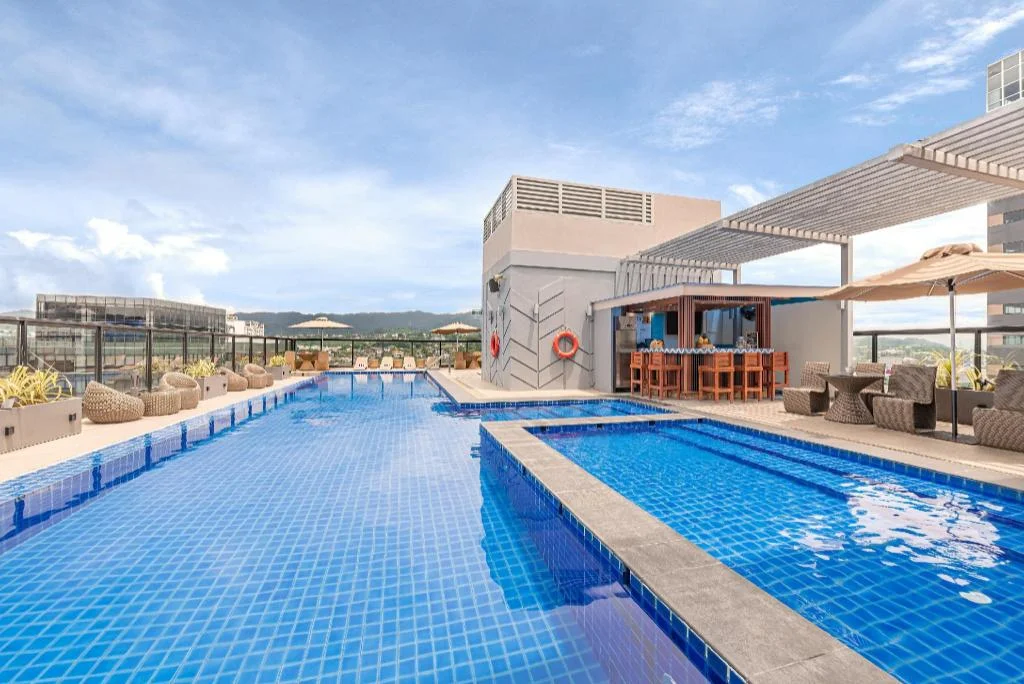
Seda Central Bloc Cebu City
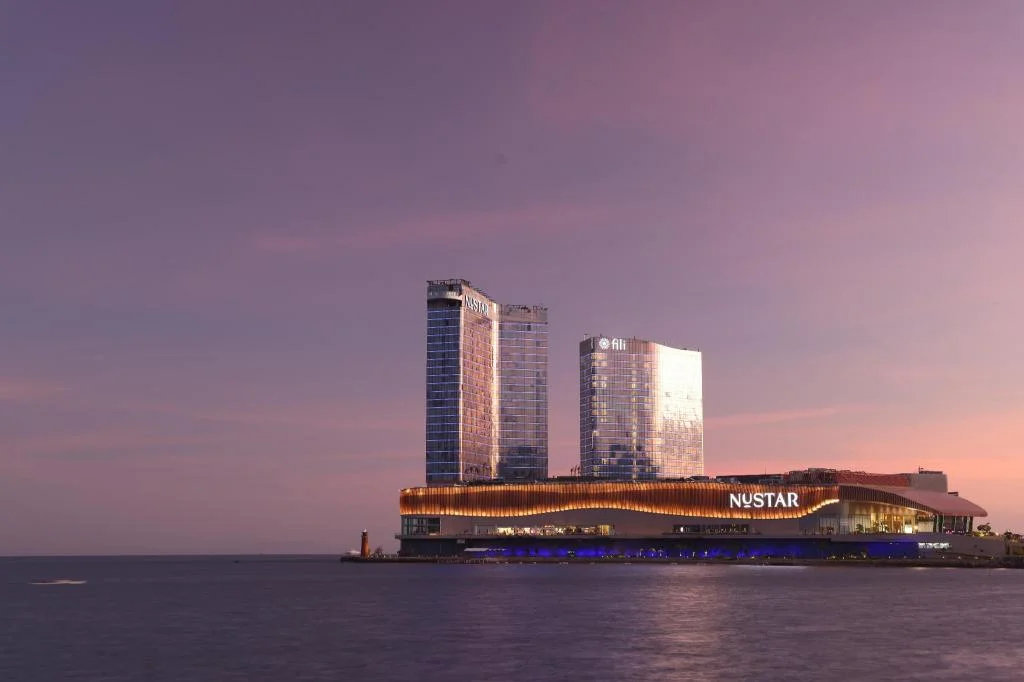
Fili Hotel - NUSTAR Resort & Casino Cebu
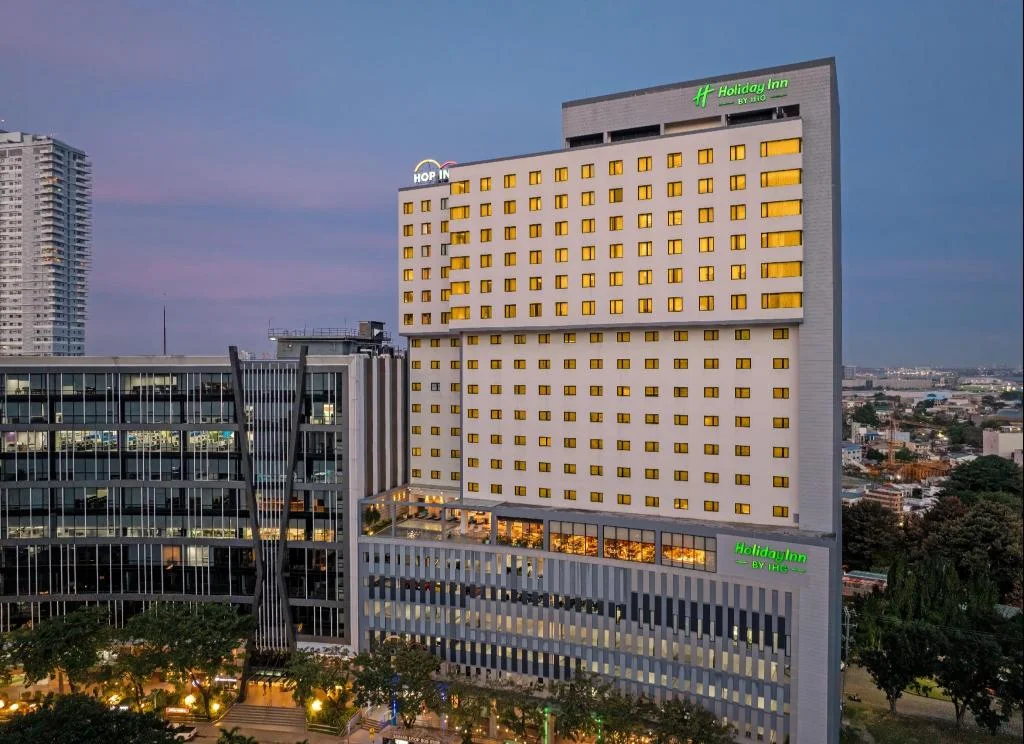
Holiday Inn Cebu City By IHG
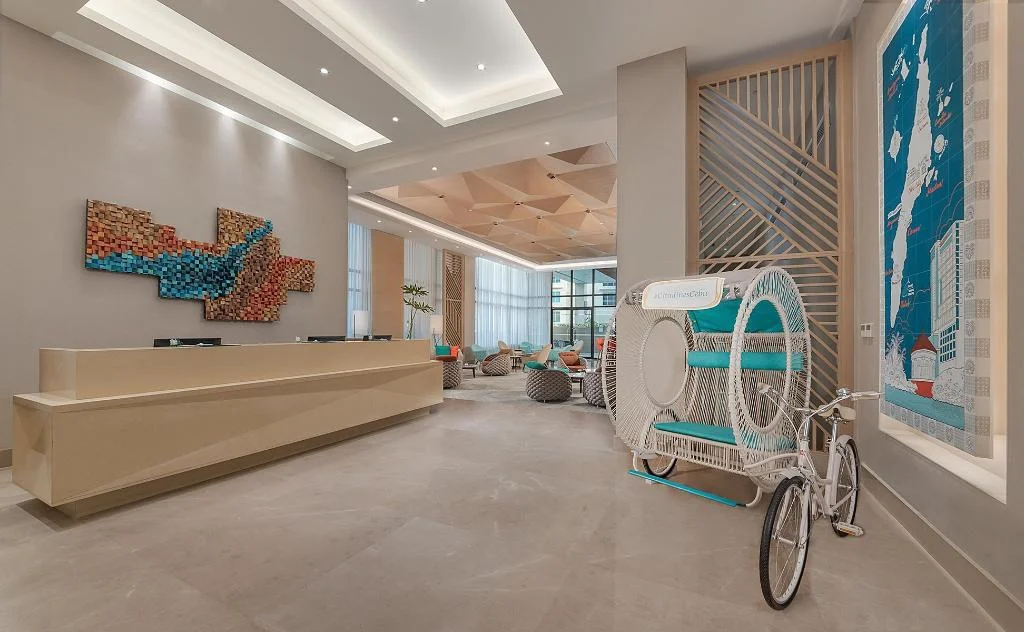
Citadines Cebu City
Prefer a rental? Vacation rentals near Cebu City
Self-catering condos and apartments — book the exact unit, kitchen included.
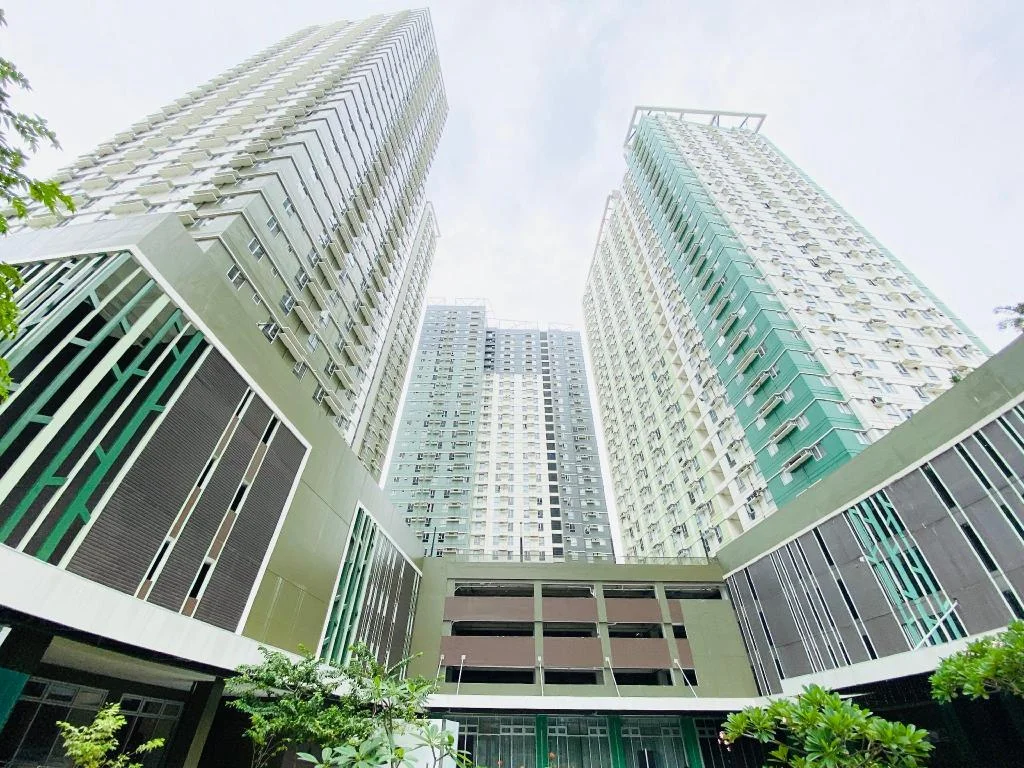
Cebu Avida Riala by P&J
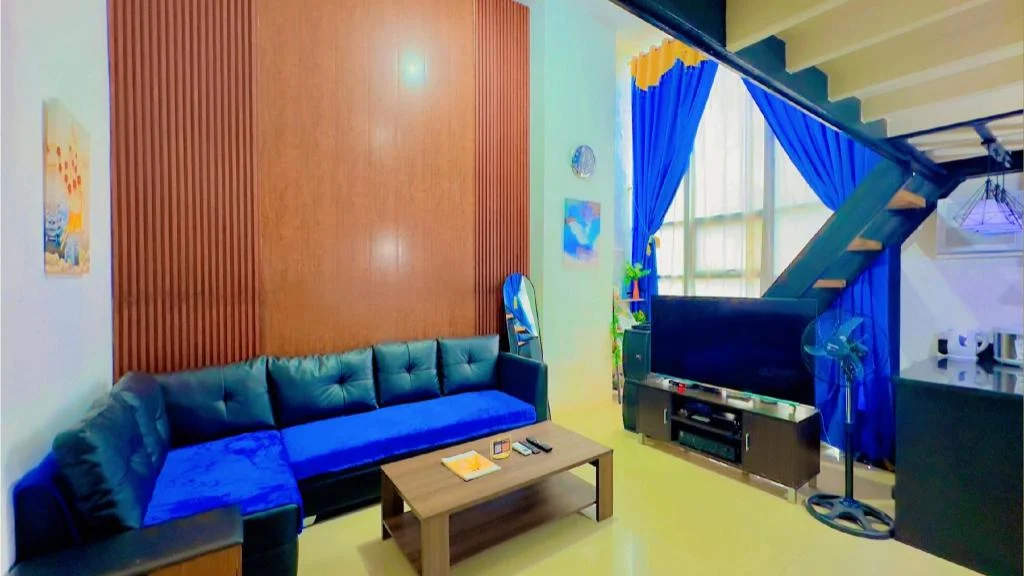
Special Big Loft Unit w/Fibreop Internet & Netflix
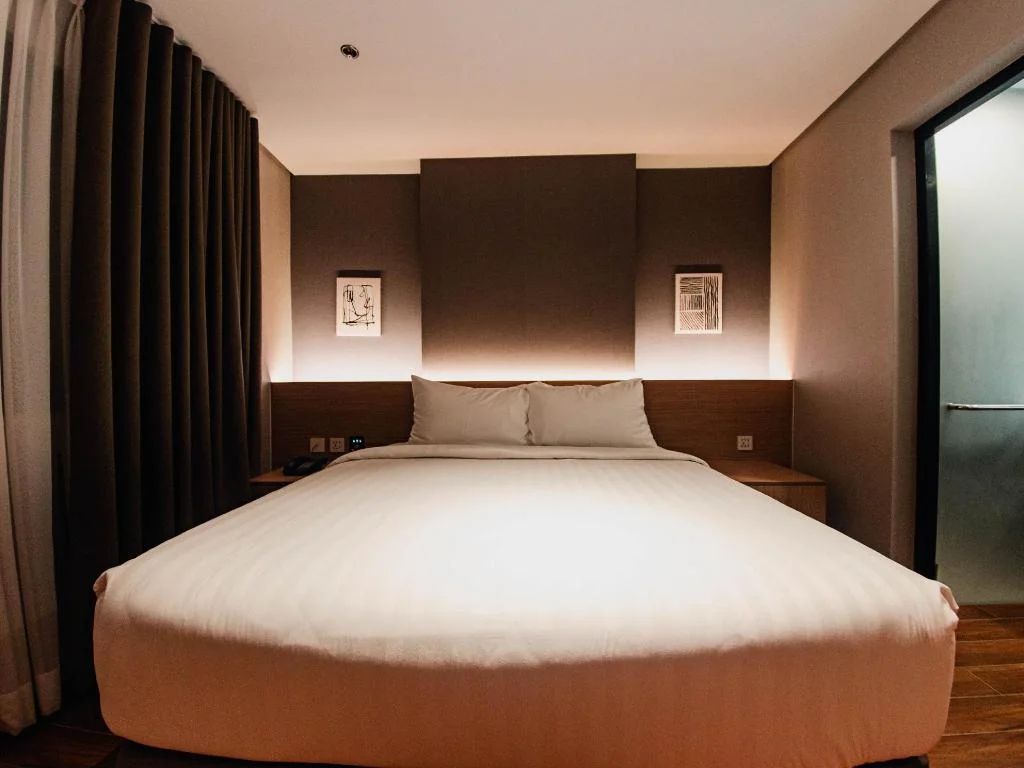
Moonstar Cebu Hotel - Deluxe Room
Before you go
Frequently asked
What is the oldest church in Cebu?
Which Cebu church is famous for miracles?
Is Simala Shrine free to enter?
Which Cebu churches are recognized as National Cultural Treasures?
Is Boljoon Church really being considered for UNESCO status?
Can I visit multiple heritage churches in one day trip from Cebu City?
Do you need to dress a certain way to enter these churches?
Which church is best for photos?
More Places to Explore
Basilica del Santo Niño
Cebu City
The oldest church in the Philippines (1565), home to the miraculous Santo Niño image and center of the famous Sinulog Festival.
Simala Shrine (Monastery of the Holy Eucharist)
Sibonga
A magnificent castle-like church and major pilgrimage site famous for miraculous healings, attracting millions of devotees to venerate the Virgin of Simala.
St. Catherine of Alexandria Parish Church
Carcar City
A magnificent 19th-century baroque church and National Cultural Treasure, serving as the centerpiece of Carcar's historic heritage district.
San Miguel Arcangel Parish Church
Argao
A beautifully preserved 18th-century Spanish colonial church with baroque architecture, intricate carvings, and National Cultural Treasure status.
Sts. Peter and Paul Church
Bantayan
The oldest parish in Visayas and Mindanao (established 1580), built with coral stones and featuring stunning 2018 ceiling murals.