
TL;DR: Simala Shrine (officially the Monastery of the Holy Eucharist) in Sibonga is a free-to-enter, Gothic-castle-style Marian shrine about 54–56 km south of Cebu City. Entry is free, dress code is strictly enforced (cover shoulders and knees, no shorts or sleeveless tops), and the daily mass is usually 12:00 noon (Sat 10:30 AM, Sun 12 noon and 3:30 PM). Get there by Ceres bus from the South Bus Terminal for ₱80–100 (about 2–2.5 hours), then a ₱20–50 habal-habal up the hill. Go on a weekday morning to skip the tour-bus crowds. Verified July 2026.
If you’ve scrolled Cebu travel photos, you’ve probably seen the turrets and stone arches of Simala Shrine without knowing what it actually is — a working monastery, not a theme-park set. Officially the Monastery of the Holy Eucharist, it sits on a hillside in Barangay Lindogon, Sibonga, roughly an hour and a half to two and a half hours south of Cebu City depending on traffic. It draws two very different crowds: pilgrims coming to pray before a Marian image with a reported history of miracles, and day-trippers coming for the castle-like architecture. This guide is for both — the mass schedule and dress code you actually need, the honest bus-and-habal-habal route from the city, and when to go if you want the place to yourself for ten minutes.
What Is Simala Shrine?
Simala Shrine is the popular name for the Monastery of the Holy Eucharist, run by the Marian Monks of Eucharistic Adoration. The monks relocated from Pampanga after Mount Pinatubo buried their original home in ash in 1991, and settled in Sibonga, where they built the monastery through the 1990s. It functions as an active convent and parish church, not a museum — you’re visiting a community’s home and place of worship, which is why the rules inside are stricter than at a typical tourist stop.
| At a glance | Details |
|---|---|
| Full name | Monastery of the Holy Eucharist (Simala Shrine / Our Lady of Lindogon Shrine) |
| Location | Barangay Lindogon, Sibonga, Cebu (~54–56 km south of Cebu City) |
| Entrance fee | Free (donations welcome) |
| Hours | ~8:00 AM–5:00 PM daily (confirm locally, hours shift on feast days) |
| Parking | ~₱50 per vehicle |
| Prayer candles | ~₱35–50 each, color-coded by intention |
| Bus fare from Cebu City | ~₱80–100 one-way, ~2–2.5 hrs |
| Habal-habal from junction | ~₱20–50 per person |
Verified July 2026.
Why Do People Visit Simala Shrine?
Most visitors come for one of two reasons, and it’s worth knowing which one you are before you go, because it shapes how you should behave once you’re inside. Devout pilgrims come to pray before the shrine’s Marian image, write petitions, and give thanks for answered prayers. The image, commonly referred to as Our Lady of Lindogon, reportedly wept tears on September 8, 1998 — the Virgin Mary’s traditional birthday — during a local dengue fever outbreak, and reports of healings followed. Additional weeping episodes have been reported over the years, most recently around 2016, and that history is the reason buses of devotees still make the trip from across the Visayas.
The second crowd comes for the building itself: a Gothic-inspired, castle-like structure with turrets and stone facades that looks more like a European fortress than a typical Filipino parish church, built on a hillside with sweeping views of the surrounding farmland. Both crowds are welcome, but the monastery is first and foremost a place of active devotion — treat it that way, especially inside the main sanctuary.
What’s the Dress Code, and Will They Actually Turn You Away?
Yes — the dress code is enforced at the gate, not just a suggestion. Guards and staff routinely stop visitors in shorts, sleeveless tops, crop tops, or mini skirts, and at busier times slippers get flagged too. Cover your shoulders and knees before you arrive; don’t count on renting something at the door being fast or guaranteed.
If you do get turned away, vendors near the entrance rent long skirts and shawls (locally called a balabal) for around ₱20–50, so it’s not a dealbreaker — just a line and a delay you can skip by planning ahead. Bring a light scarf, sarong, or a change of clothes in your bag, especially if you’re coming straight from a beach day in Oslob or Moalboal.
What’s the Mass Schedule?
The typical schedule reported by recent visitors and the parish’s own postings is Monday to Friday at 12:00 noon, Saturday at 10:30 AM, and Sunday at 12:00 noon and 3:30 PM, with an extra devotional mass on the 13th of every month tied to the shrine’s Marian tradition. September 8 — the anniversary of the image’s first reported tears — brings special masses and a procession, and Holy Week schedules shift as well.
Treat these times as a solid planning baseline, not gospel truth — parish schedules move around fiestas and diocesan events. If your day hinges on attending a specific mass, call the parish office or check its Facebook page the week before you go.
Is Entrance Really Free?
Yes. There’s no ticket booth and no admission fee — the monastery is supported by donations, prayer candles, and small souvenir purchases. Candles run about ₱35–50 each and come color-coded to different intentions (health, guidance, prosperity, and so on), and parking costs roughly ₱50 per vehicle. Bring small bills; card payments aren’t the norm here.
How Do You Get to Simala Shrine From Cebu City?
By public bus, head to the South Bus Terminal in Cebu City and board a Ceres Liner bus bound for Oslob, Bato, or Dumaguete along the south coastal route. Tell the conductor you’re getting off at Simala — fare is roughly ₱80–100 and the ride takes about 2 to 2.5 hours depending on traffic through Talisay, Carcar, and Argao. You’ll be dropped at a junction near a 7-Eleven; from there, hire a habal-habal for the uphill ride to the shrine gate, about ₱20–50 per person.
If you’d rather skip the transfers, a private car or Grab from Cebu City runs roughly ₱1,500–2,000 one-way and takes 1 to 1.5 hours in light traffic, or you can join an organized day tour (commonly bundled with Carcar or Oslob stops) for around ₱550–850 per person. Search Cebu tours and day trips on Klook if you’d rather have a driver handle the route for you.
When Should You Go to Avoid the Crowds?
Go on a weekday morning, ideally Tuesday through Thursday between 8 and 10 AM. That’s when the shrine is calmest — fewer tour buses, cooler air, and a real chance to sit quietly near the main image instead of shuffling past it in a line. Avoid weekends, the 13th of the month (its own devotion day that reliably fills the grounds), September 8, Holy Week, and the weeks around Sinulog in January, when devotees combine a Cebu City pilgrimage with a Simala side trip and both crowd up together.
Can You Write a Petition or Thanksgiving Letter?
Yes, and it’s one of the more moving parts of a visit even if you’re not particularly religious. The monastery has a designated writing area and prayer boxes where visitors leave written petitions — requests for health, work, family, safe travel — and thanksgiving notes for prayers they believe were answered. Corridors throughout the complex display years of these letters alongside photographs, medical records, and testimonials from people who credit the shrine with healings. Whatever your own belief, it’s worth walking through slowly rather than rushing to the photo spots.
The Honest Take
Simala earns its reputation as one of Cebu’s most photographed churches — the castle silhouette against the hillside is genuinely unusual for the region, and there’s nothing else quite like it on the island. But it is not a quiet countryside chapel most of the week. On weekends, the 13th of the month, and any Marian feast day, expect packed parking, long queues just to file past the main image, and a dress-code checkpoint moving slower than you’d like.
If your interest is devotional, come on the schedule that matters to you and accept the crowds as part of the experience — you’re one of thousands making the same trip for the same reason. If your interest is mainly the architecture and the photos, go early on a weekday and treat the sanctuary itself with the same quiet you’d want if it were a place that mattered to you, because for a lot of the people standing next to you, it does. Skip the visit entirely if a strict dress code and a genuinely devotional (not curated-for-tourists) atmosphere isn’t what you’re looking for — there are plenty of scenic viewpoints elsewhere in south Cebu that don’t come with rules.
Pair It With the Rest of South Cebu
Simala sits on the same coastal route as Cebu’s heritage church circuit, so it’s an easy add-on rather than a special trip on its own. Heading further south, stop at the St. Catherine of Alexandria Parish Church in Carcar’s heritage district, or the San Miguel Arcangel Parish Church in Argao, both along the same highway. If you’re continuing south for the whale sharks, our Cebu City to Oslob guide covers the full route and timing, and our south Cebu 3-day itinerary shows how to slot Simala into a longer loop with waterfalls and beaches. For the full regional menu, see things to do in Cebu.
Sources
- Ceres Liner / South Bus Terminal routing and fares, cross-checked against recent 2025–2026 traveler reports
- Simala Shrine visitor guide — dress code, hours, candle and parking costs
- Simala Shrine first-timer guide — petition letters, crowd patterns, best visiting times
- Simala Shrine — history of the Marian Monks and the 1998 reported weeping
- Mass schedule cross-checked against multiple 2025 traveler and parish-schedule reports; confirm exact times locally before planning your day around a specific mass. Verified July 2026.
Book Tours & Hotels for This Trip
Find and book the best deals — prices and availability update in real time. Links open in a new tab.
Where to stay near Argao
Top-rated hotels for this trip — tap through to check live rates.
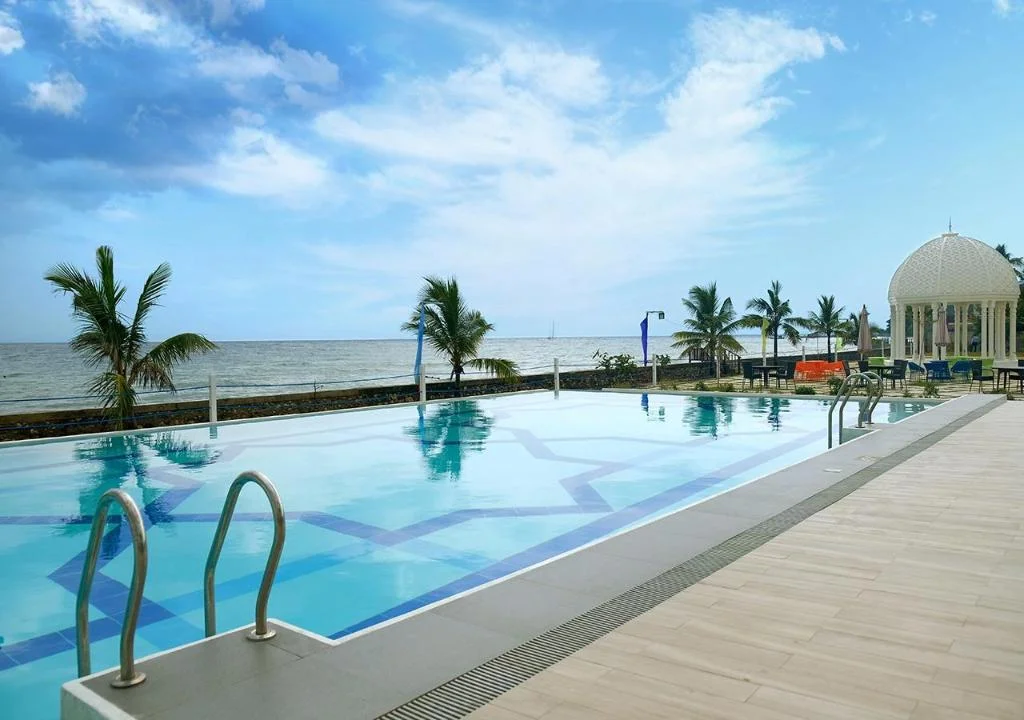
Maayo Argao Resort
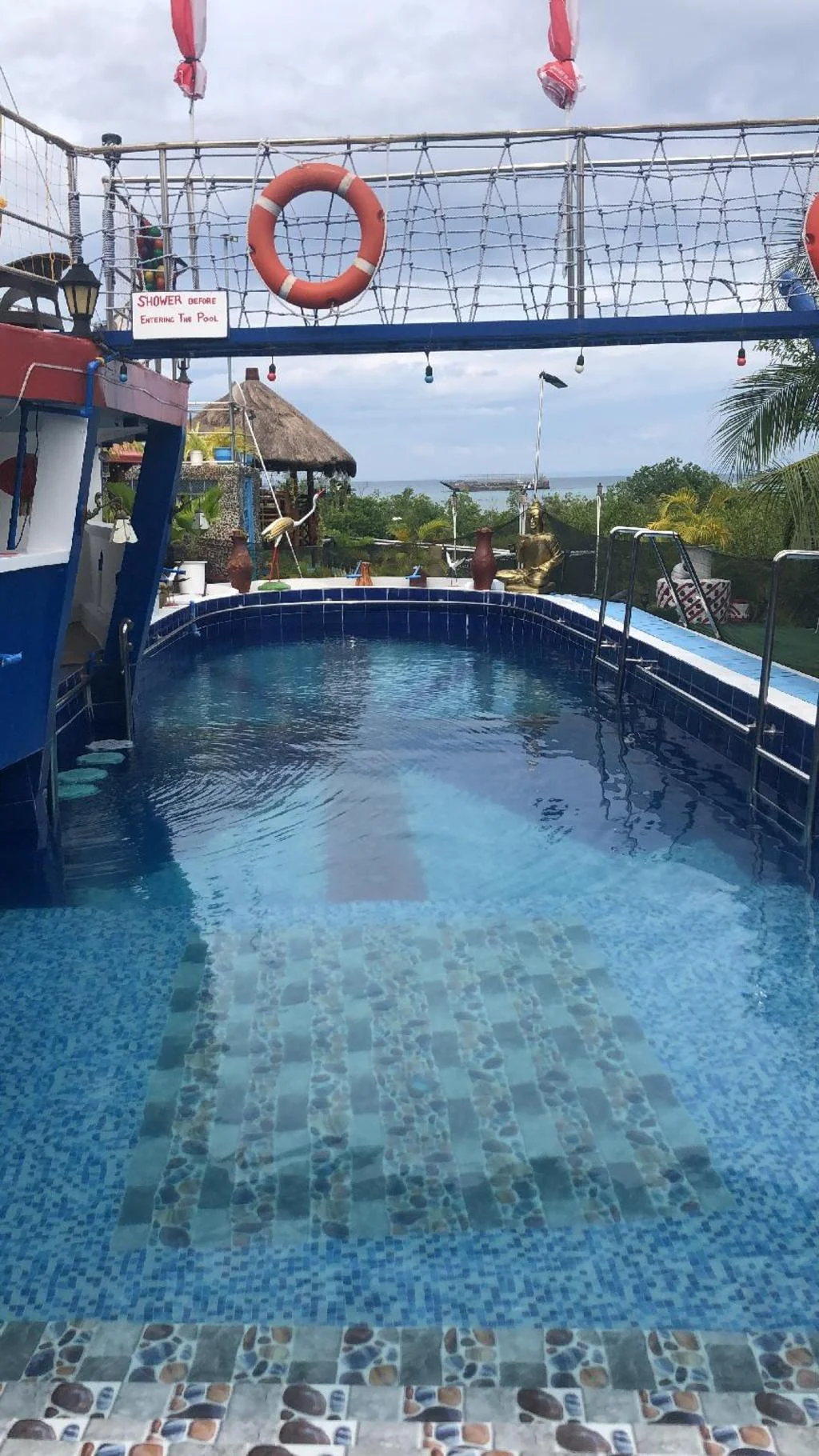
Pirate Galeon Resort
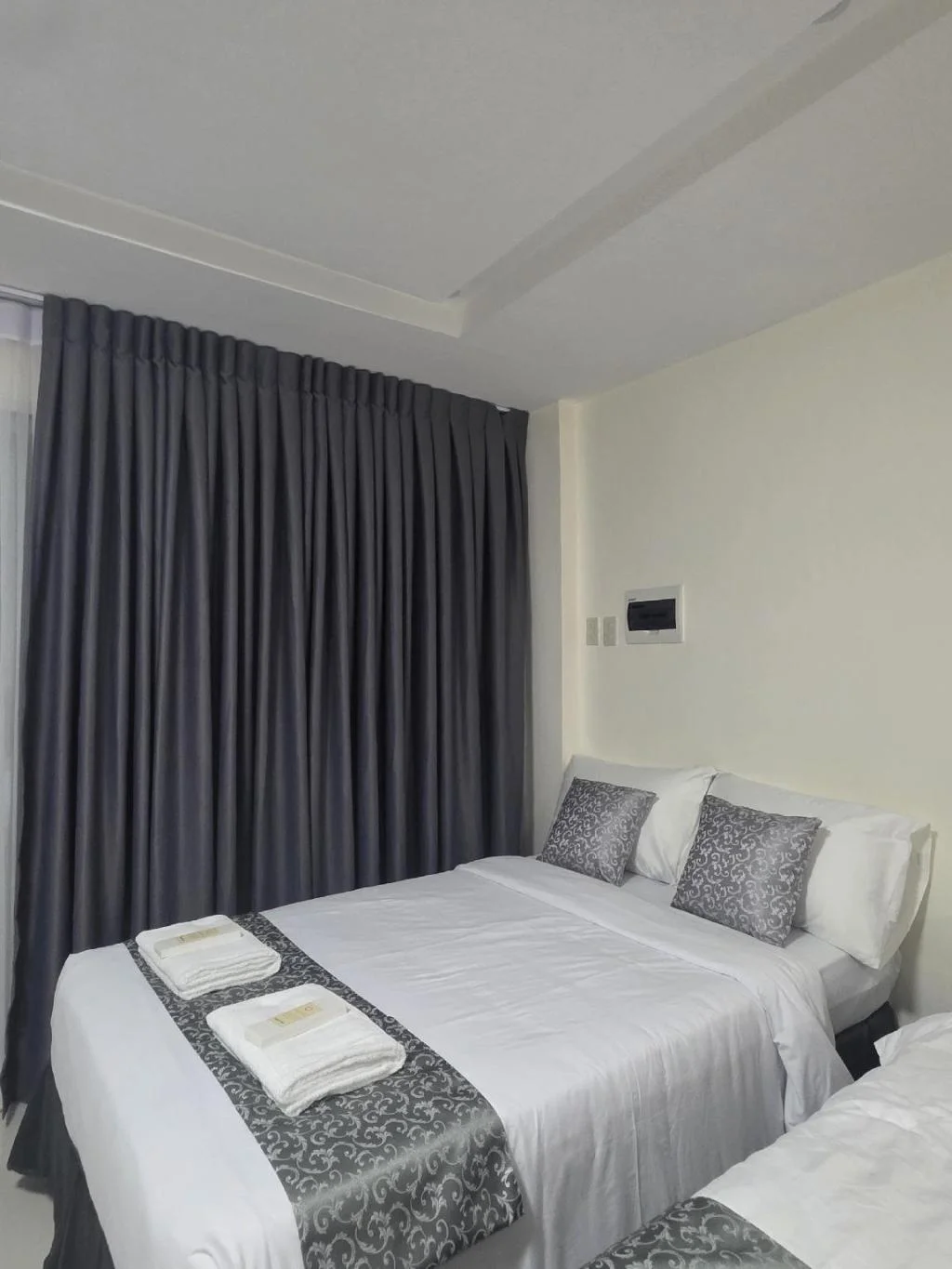
Paraiso de Lourdes Mountain Resort
Prefer a rental? Vacation rentals near Argao
Self-catering condos and apartments — book the exact unit, kitchen included.
Browse all vacation rentals →
Before you go
Frequently asked
What is the dress code at Simala Shrine?
Is entrance to Simala Shrine free?
What is the mass schedule at Simala Shrine?
How do you get to Simala Shrine from Cebu City without a car?
Can you write a petition or thanksgiving letter at Simala?
What is the story behind Simala Shrine?
When should you visit to avoid the crowds?
Is Simala Shrine worth the trip from Cebu City?
More Places to Explore
Simala Shrine (Monastery of the Holy Eucharist)
Sibonga
A magnificent castle-like church and major pilgrimage site famous for miraculous healings, attracting millions of devotees to venerate the Virgin of Simala.
St. Catherine of Alexandria Parish Church
Carcar City
A magnificent 19th-century baroque church and National Cultural Treasure, serving as the centerpiece of Carcar's historic heritage district.
San Miguel Arcangel Parish Church
Argao
A beautifully preserved 18th-century Spanish colonial church with baroque architecture, intricate carvings, and National Cultural Treasure status.