
TL;DR: Boljoon Church, the Archdiocesan Shrine of Nuestra Señora del Patrocinio de María in southern Cebu, is the only church in the province declared a National Cultural Treasure and sits on the Philippines’ UNESCO tentative list as part of a proposed Baroque-churches extension. It is not a confirmed World Heritage Site. Entry to the church is free; the small parish museum has charged roughly ₱30–100 (US$0.50–1.75) depending on the source, confirm locally. It’s about a 2.5–3 hour Ceres bus ride south of Cebu City, easily paired with Oslob. Budget about an hour on-site. Verified July 2026.
Boljoon isn’t on most Cebu itineraries, and that’s part of the appeal. This coastal town sits on the south highway between Argao and Oslob, and its parish church, formally the Archdiocesan Shrine of Nuestra Señora del Patrocinio de María, is one of the oldest and best-preserved stone churches in the province. Coral-stone walls two meters thick, a fortress watchtower built to fend off Moro raiders, a small museum of colonial-era relics, and a genuinely dramatic recovered-artifact story make it worth the detour if you’re already heading south toward Simala Shrine or Immaculate Conception Church in Oslob. This guide covers what Boljoon Church actually is, what its UNESCO status really means (it gets misreported a lot), what’s inside, what it costs, and how to get there from Cebu City.
Boljoon Church at a Glance
| What | Details |
|---|---|
| Formal name | Archdiocesan Shrine of Nuestra Señora del Patrocinio de María |
| Built | Started 1783 (Fr. Ambrosio Otero), continued 1794, completed under Fr. Julián Bermejo |
| Status | National Cultural Treasure (National Museum of the Philippines, 2001); UNESCO tentative-list candidate, not inscribed |
| Church entry | Free (donations welcome) |
| Museum entry | Reported ₱30–100 (~US$0.50–1.75) — confirm locally |
| Hours | Commonly reported ~6:00 AM–6:00 PM daily for the church; museum access varies |
| From Cebu City | ~2.5–3 hours by Ceres Liner bus, South Bus Terminal |
Verified July 2026.
What Is Boljoon Church, and Why Does It Matter?
Boljoon Church is a fortress church, meaning the church, convent, watchtower, and defensive walls were built as one connected complex, not just a place of worship bolted onto later. Construction began in 1783 under Fr. Ambrosio Otero, continued under Fr. Manuel Cordero from 1794, and was finished under Fr. Julián Bermejo, the same priest famous across southern Cebu as the “Warrior Priest” for organizing coastal defenses against Moro raiders. The church itself runs about 65 meters long, held up by 28 coral-stone pillars, with walls roughly two meters thick and its original terracotta roof tiles still largely intact. Inside, the retablo (altar screen) is done in a folk-baroque style with gold-leaf highlights, and the ceiling carries paintings by Boljoon-born artist Miguel Villareal.
What sets it apart from Cebu’s many other Spanish-era churches is paperwork: in 2001, the National Museum of the Philippines declared it a National Cultural Treasure, the only church in Cebu with that specific designation, and it’s also recognized as a National Historical Landmark by the National Historical Commission of the Philippines.
Is Boljoon Church Actually a UNESCO World Heritage Site?
No, not yet, and this is where a lot of travel write-ups get sloppy. Boljoon Church is a candidate on the Philippines’ UNESCO tentative list, nominated as part of a proposed extension called “Baroque Churches of the Philippines (Extension),” alongside San Pedro Apóstol Church in Loboc (Bohol), La Inmaculada Concepción in Guiuan (Eastern Samar), San Matías in Tumauini (Isabela), and San Isidro Labrador in Lazi (Siquijor).
Being on the tentative list means UNESCO has acknowledged the site as a serious candidate for future inscription, it does not mean it has been formally inscribed as a World Heritage Site. The four Philippine churches that already carry that full inscription (San Agustin Church in Manila, Santa Maria Church, Paoay Church, and Miag-ao Church) were listed back in 1993 under the original “Baroque Churches of the Philippines” designation and are a separate, older listing. Boljoon is a candidate to extend that same designation, not a member of it yet. If you see a source flatly calling Boljoon “a UNESCO World Heritage Site,” that’s inaccurate as of mid-2026; the accurate framing is “UNESCO tentative-list nominee and National Cultural Treasure.”
What Is the El Grande Baluarte (the Fortress Wall)?
El Grande Baluarte is the watchtower-fortress at the edge of the church complex, and locals describe it as the largest surviving Spanish-era watchtower in the Philippines. Completed around 1808 under Fr. Bermejo’s defense-building campaign, it’s built from hewn coral-stone blocks with walls about a meter thick, rising two stories. The ground floor did double duty as an ammunition store and a prison cell for captured raiders; the upper level once held cannon emplacements and now serves as a working bell tower, home to bells cast between 1883 and 1937. The full defensive complex also included a quadrangular blockhouse, gated coral-stone walls built between 1802 and 1808, and the separate Ilihan watchtower along the coast, all part of the same coordinated response to Moro pirate raids that had devastated the town in 1782.
Walking the grounds today, it’s easy to see the complex less as a single church and more as a small fortified town center, which is exactly what it was.
What Happened to the Stolen Pulpit Panels?
Four of the church’s original six carved pulpit panels vanished in 1980 and weren’t recovered for over 40 years. The panels, dated to the early 19th century, depicted saints including Augustine of Hippo, Ambrose of Milan, Gregory the Great, and Thomas of Villanueva, and sat in front of the church’s pulpit. A parishioner discovered they were missing in 1980; a case was filed but later dismissed for failure to prosecute, and other items, including a silver altar set and an ivory crucifix, disappeared around the same time.
The panels resurfaced in February 2024 after private collectors donated them to the National Museum of the Philippines, which said it received them through legitimate channels. That triggered a formal back-and-forth between the museum and the Archdiocese of Cebu over rightful custody. The dispute was resolved in the Archdiocese’s favor: the panels were handed over at a ceremony in Cebu City and arrived back in Boljoon in March 2025, where they went on public display and were reinstalled at the church. It’s a rare case of a Philippine heritage-theft story with an actual happy ending, and the panels are back in place as of this writing.
What’s Inside the Boljoon Parish Museum?
The museum occupies the ground floor of the old convent and holds the parish’s surviving liturgical relics. Expect record books, vestments, images of saints, and other church artifacts collected over more than two centuries, a small but genuine window into how an 18th-century Cebuano parish actually operated, rather than a curated tourist display. It’s a modest space, plan on 15–20 minutes unless you’re specifically researching the collection. Because access and fees have varied across visitor reports, ask at the parish office when you arrive rather than assuming it will be open.
How Do You Get to Boljoon Church from Cebu City?
Take a south-bound Ceres Liner bus from Cebu South Bus Terminal and get off at Boljoon town, about two and a half to three hours away. Boljoon sits on the same southern highway as Oslob, roughly 90–100 kilometers from Cebu City, and any bus heading toward Oslob, Bato, or Santander passes through it, so you don’t need a Boljoon-specific bus; just tell the conductor where you’re getting off. The full Cebu-to-Oslob fare runs about ₱269–330 (aircon vs. non-aircon) for the entire route; since Boljoon is reached earlier, expect a somewhat lower fare, likely in the ₱200–250 range (roughly US$3.50–4.50), but confirm the exact fare with the conductor since it isn’t consistently published. From the highway drop-off, it’s a short tricycle ride or walk into the town proper and up to the church.
If you’re driving or already touring the south coast, Boljoon is a natural stop between San Miguel Arcangel Church in Argao and Oslob, and pairs well with a longer loop through our south Cebu itinerary or on the way down for our Cebu City to Oslob route.
How Much Does It Cost, and What Are the Hours?
Visiting the church itself is free; the museum has a small, inconsistently reported fee. The church is commonly cited as open daily from around 6:00 AM to 6:00 PM, though that’s a general range rather than a strictly posted schedule, so don’t plan a trip around an exact closing time. Museum access has been reported anywhere from about ₱30 to ₱100 (roughly US$0.50–1.75), and some visitors report no formal museum fee at all, likely reflecting inconsistent staffing rather than a fixed policy. Bring small bills, and if the parish office is unstaffed when you arrive, ask around town; the caretaker is usually nearby.
How to Plan Your Visit
- Go on a weekday morning if you want the place to yourself; it’s quiet even on weekends, but tour groups occasionally pass through en route to Oslob.
- Dress modestly as with any active Philippine parish church; shoulders and knees covered is the safe default.
- Bring cash for the museum fee and any tricycle fare from the highway.
- Pair it with a bigger southern loop. Boljoon alone is a one-hour stop; most travelers combine it with Simala Shrine, St. Catherine of Alexandria Church in Carcar, and a morning of whale shark watching or canyoneering at Kawasan Falls further south.
- If you’re basing yourself in Oslob for the whale sharks, check Oslob accommodation on Agoda and swing by Boljoon on the drive down or back.
The Honest Take
Boljoon rewards people who actually care about Spanish-colonial history over people chasing an Instagram backdrop. There’s no gift shop energy here, no crowd, no entrance gate hustling you through, just a genuinely old fortress-church complex that most Cebu itineraries skip entirely. That’s the appeal and the catch: if you’re not interested in the “why” behind the coral-stone walls or the watchtower’s role against pirate raids, an hour here can feel slow.
Skip it if beaches and diving are your only priority and you’re pressed for time; Boljoon adds an hour-plus detour to a Cebu City-to-Oslob run. Make time for it if you’re already a heritage-church person doing the Carcar-Argao-Boljoon-Oslob church trail, or if the pulpit-panel recovery story genuinely interests you and you want to see the panels back where they belong. Best time to visit is a weekday morning with soft light through the church’s old windows; avoid arriving right at closing, since museum staffing can be thin later in the day.
Boljoon Church anchors well with a wider south Cebu run. Combine it with Simala Shrine for a full day of heritage and devotion sites, or continue on to Immaculate Conception Church and the whale shark watching further down the coast. See our south Cebu 3-day itinerary for how to string it all together, or getting around Cebu for more on southbound bus travel.
Sources
- Boljoon Church — Wikipedia (history, architecture, fortress complex)
- Baroque Churches of the Philippines (Extension) — UNESCO World Heritage Centre tentative list (official tentative-list entry)
- GMA News — Missing pulpit panels resurface at the National Museum (theft and recovery timeline)
- Philstar — Missing pulpit panels returned to Cebu church (March 2025 return)
- Sunstar Cebu — Holy Gem of the South (church background)
- Bus fares and travel times cross-checked against 2026 Ceres Liner Cebu-to-Oslob route reporting; museum fees vary by source, confirm locally before you go. Verified July 2026.
Boljoon isn’t a headline Cebu destination, and it doesn’t need to be, it’s a quiet, genuinely significant stop for anyone road-tripping the south coast. Combine it with Oslob’s whale sharks, the churches of Argao and Carcar, or book a south Cebu tour on Klook to see it alongside the region’s bigger-name stops.
Book Tours & Hotels for This Trip
Find and book the best deals — prices and availability update in real time. Links open in a new tab.
Where to stay near Oslob
Top-rated hotels for this trip — tap through to check live rates.
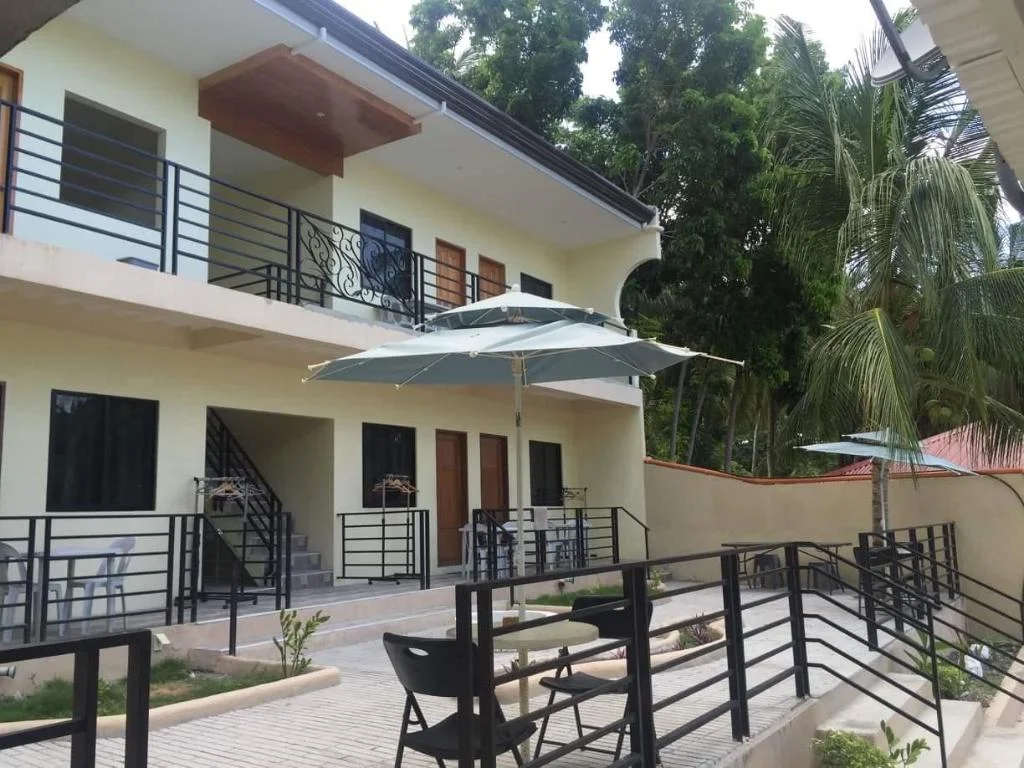
Joaquim's Lodge
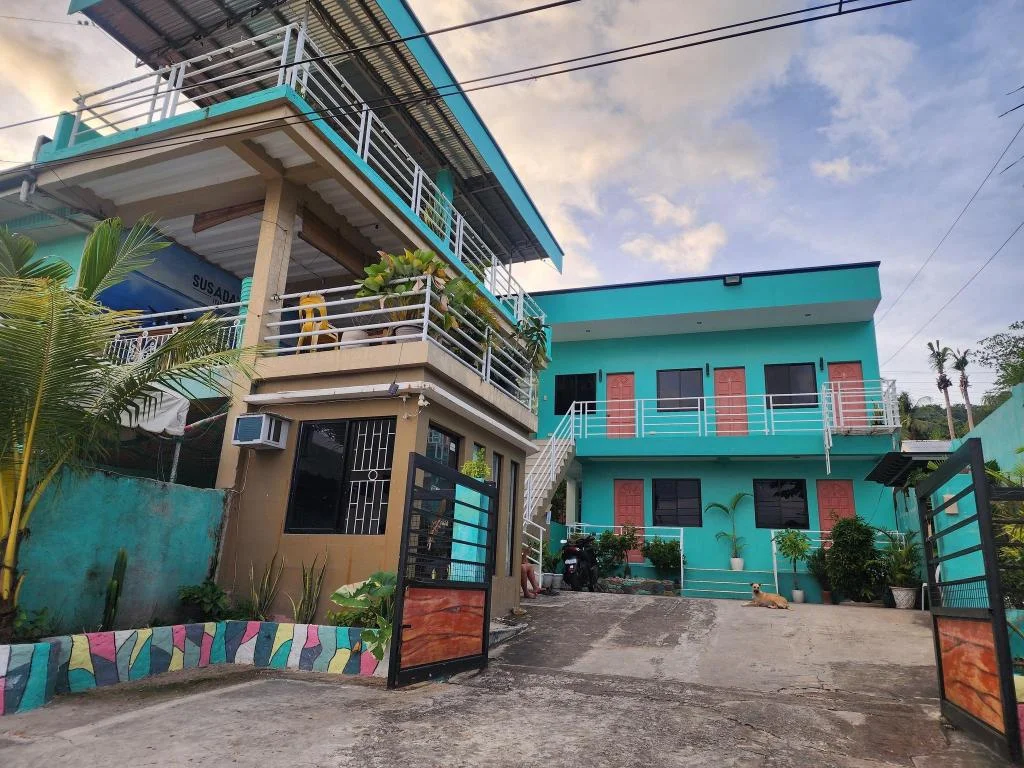
Susada's Inn
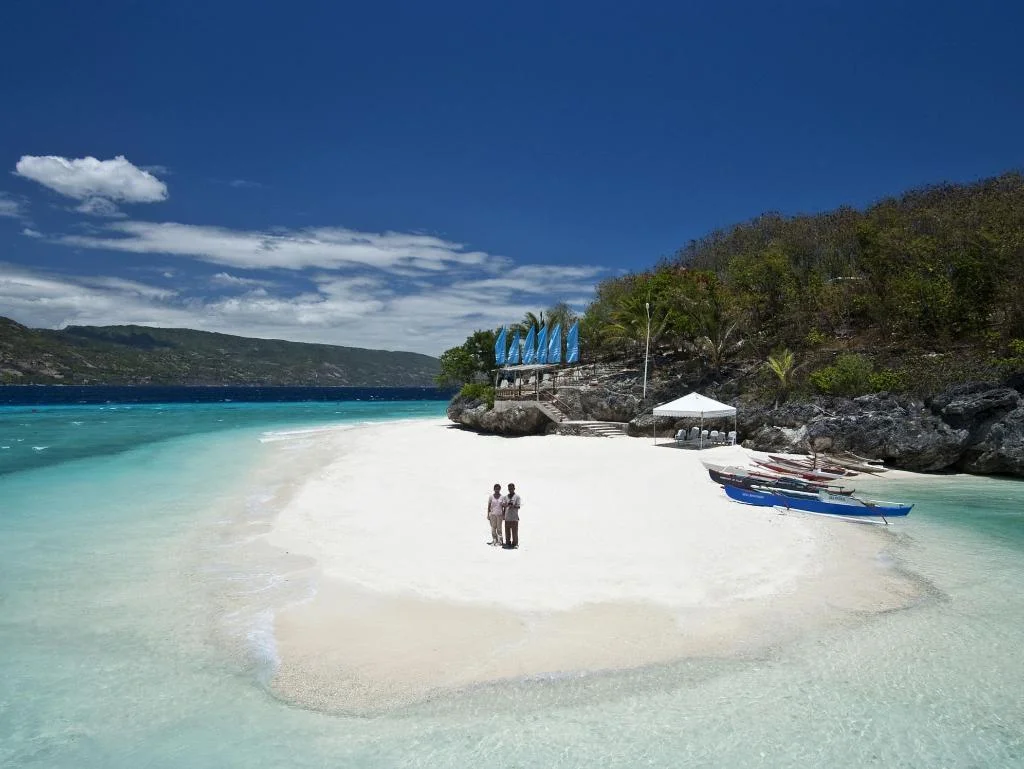
Bluewater Sumilon Island Resort
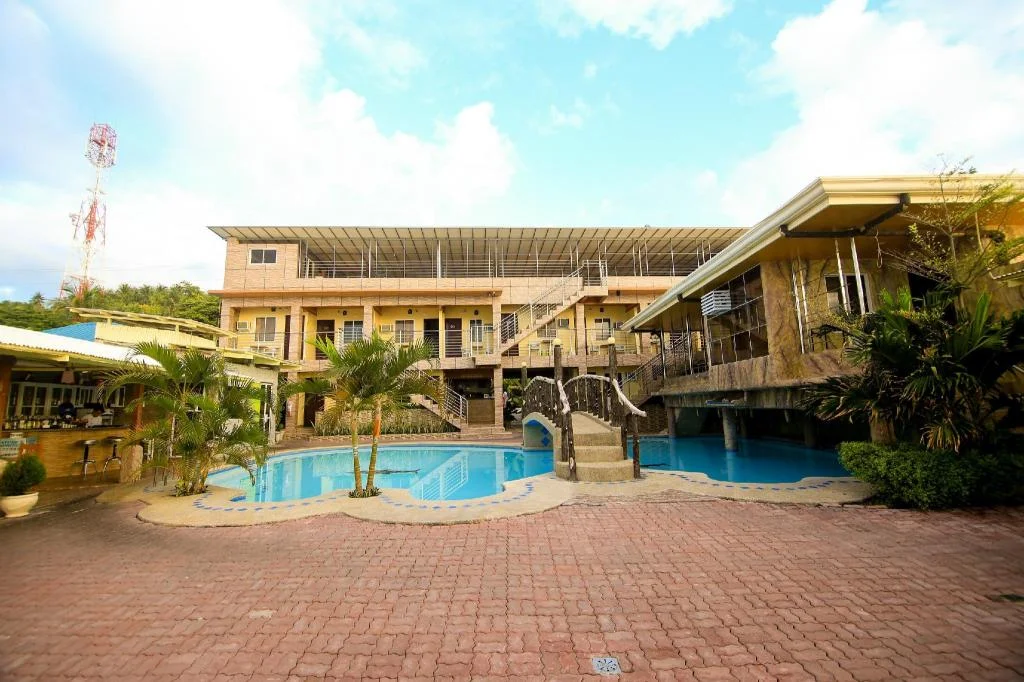
Ging-Ging Hotel & Resort
Prefer a rental? Vacation rentals near Oslob
Self-catering condos and apartments — book the exact unit, kitchen included.
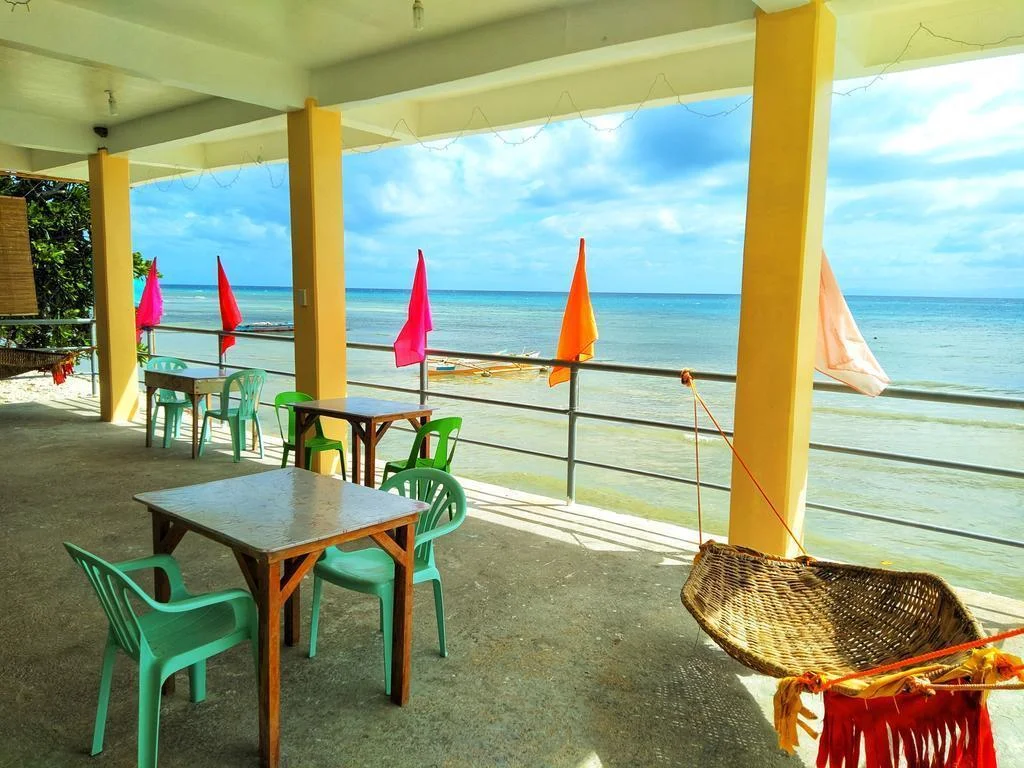
Ocean View Lodging House
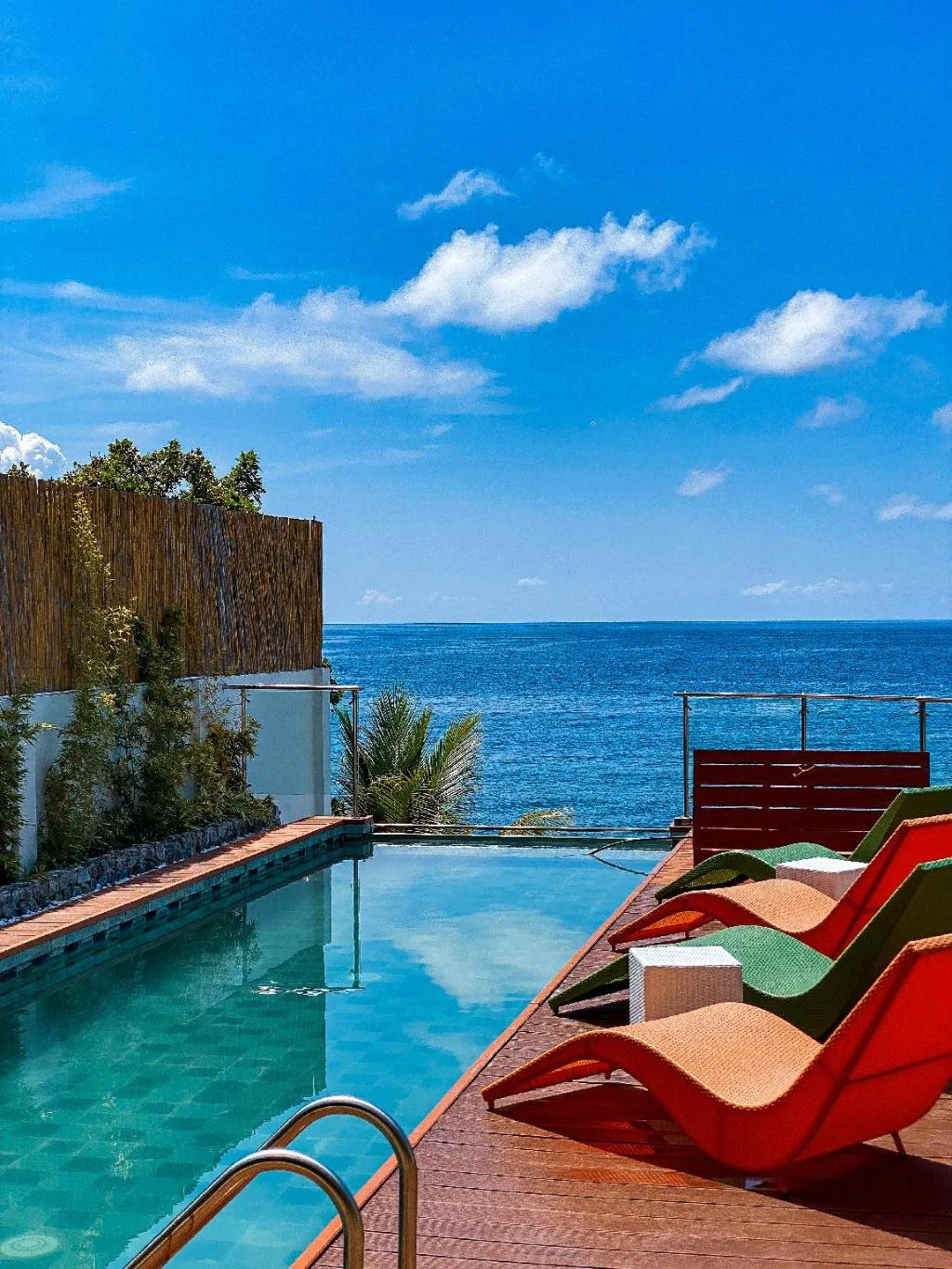
The South Hideaway Oslob
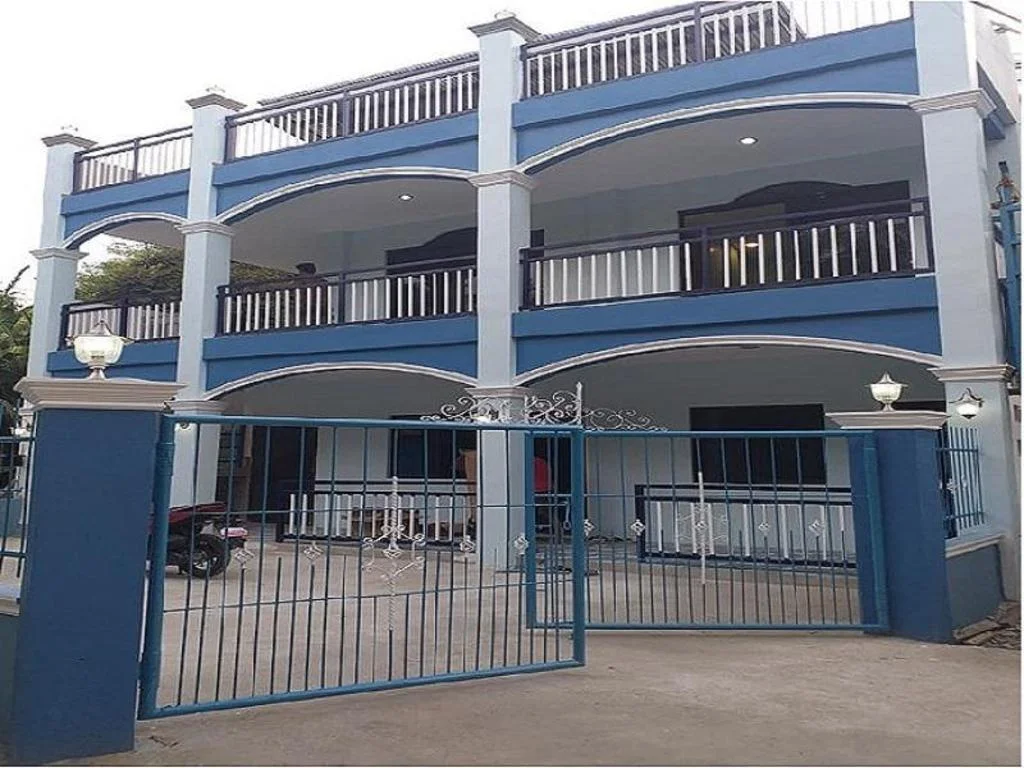
Azulea Family Deluxe 1 * own CR, shower, AC, TV
Before you go
Frequently asked
Is Boljoon Church a UNESCO World Heritage Site?
How do you get to Boljoon Church from Cebu City?
How much does it cost to visit Boljoon Church and its museum?
What are Boljoon Church's opening hours?
What is the El Grande Baluarte?
What happened to the stolen pulpit panels?
Is Boljoon Church worth visiting?
Can you combine Boljoon with Oslob whale shark watching?
More Places to Explore
Simala Shrine (Monastery of the Holy Eucharist)
Sibonga
A magnificent castle-like church and major pilgrimage site famous for miraculous healings, attracting millions of devotees to venerate the Virgin of Simala.
San Miguel Arcangel Parish Church
Argao
A beautifully preserved 18th-century Spanish colonial church with baroque architecture, intricate carvings, and National Cultural Treasure status.
St. Catherine of Alexandria Parish Church
Carcar City
A magnificent 19th-century baroque church and National Cultural Treasure, serving as the centerpiece of Carcar's historic heritage district.
Immaculate Conception Church
Oslob
A National Cultural Treasure built in 1830, this coral stone church is a magnificent example of Spanish colonial religious architecture.