
TL;DR: Cebu’s oldest church is the Basilica del Santo Niño, founded in 1565 — the oldest in the Philippines — though its current stone structure dates to 1735–1740. Behind it in age: Bantayan’s Sts. Peter and Paul (1580 parish), Carcar’s St. Catherine of Alexandria (1599), Barili’s St. Anne (1614), Boljoon (1690 parish, 1783 church), Dalaguete’s San Guillermo de Aquitania (1711 parish), and Argao’s San Miguel Arcangel (1733 parish). Boljoon and Carcar both hold National Cultural Treasure status. Most are free to enter and easy to combine into a south Cebu heritage day trip. Verified July 2026.
Cebu isn’t just beaches and whale sharks — it’s where Catholicism in the Philippines started, and the province is dotted with churches that trace straight back to the earliest Augustinian missions in the 1500s and 1600s. This guide ranks the seven oldest by the date their parish was established, not just when the current stone building went up (those are often centuries apart, since fires, typhoons, and pirate raids forced multiple rebuilds). Start at the Basilica del Santo Niño in the city, then work south through Carcar, Barili, Argao, Dalaguete, and Boljoon — Cebu’s “south road” heritage churches are some of the best-preserved Spanish colonial architecture left in the country. If you want the broader roundup of Cebu’s best churches by any measure (not just age), see our best churches in Cebu guide; this one is strictly about the oldest.
Cebu’s Oldest Churches, Ranked by Founding Date
| Church | Parish Founded | Church Building | Style | Status Today |
|---|---|---|---|---|
| Basilica del Santo Niño (Cebu City) | 1565 | Rebuilt in stone 1735–1740 | Baroque | Minor Basilica, National Shrine |
| Sts. Peter and Paul Church (Bantayan) | 1580 | Present church 1839–1863 | Baroque | Parish church, oldest parish in the Visayas |
| St. Catherine of Alexandria Church (Carcar) | 1599 | Present church 1859–1876 | Baroque-Rococo | National Cultural Treasure |
| St. Anne Church (Barili) | 1614 | Rebuilt multiple times | Baroque | Archdiocesan Shrine |
| Boljoon Church (Patrocinio de Maria) | 1690 (visita from ~1599) | Present church begun 1783 | Baroque, coral stone | National Cultural Treasure, National Historical Landmark |
| San Guillermo de Aquitania Church (Dalaguete) | 1711 | Built 1802–1825 | Baroque-Rococo | National Historical Landmark |
| San Miguel Arcangel Church (Argao) | 1733 | Built 1734–1788, rebuilt 1803–1836 | Baroque-Rococo | Archdiocesan Shrine |
Verified July 2026.
Which Church Is the Oldest in Cebu?
The Basilica del Santo Niño, by more than a century over anything else on this list. Augustinian friars Andrés de Urdaneta and Diego de Herrera founded it on April 28, 1565, the same day Spanish soldiers recovered the Santo Niño image from a burned hut during the Legazpi expedition — making it the oldest church in the Philippines, full stop. The original structure was wood and nipa; it burned down more than once before Governor-General Fernando Valdes, Bishop Manuel Antonio Decio y Ocampo, and Augustinian officials laid the foundations of the current stone church on February 24, 1735, completing it on January 16, 1740. That’s the building you see today, still holding daily Masses and the annual Sinulog novena. A few blocks away, the Cebu Metropolitan Cathedral traces to the same 1565 founding wave but isn’t part of this ranking since it’s a diocesan cathedral rather than a heritage-listed church building in its own right — worth a look if you’re doing a Spanish colonial heritage walk downtown regardless.
What Makes Bantayan’s Church One of the Oldest Parishes in the Country?
Its 1580 founding, only 15 years behind the Basilica, and the fact that it’s held onto continuous parish status since. Augustinian priests established what was then called Convento de la Asuncion de Nuestra Señora on Bantayan Island in 1580, making Sts. Peter and Paul Church the oldest parish in the Visayas outside Cebu City. It didn’t have an easy run: island raiders captured townsfolk in 1628, and a 1754 attack destroyed the church outright. The building standing today was constructed between 1839 and 1863, and the “Sts. Peter and Paul” name only became official in the 1980s, when a parish priest added Paul the Apostle as co-patron alongside the original San Pedro dedication. If you’re island-hopping around Bantayan, it’s an easy stop in the town plaza.
How Old Is Carcar’s St. Catherine of Alexandria Church?
Its parish dates to 1599, but the church you’ll photograph is a 19th-century rebuild. Augustinian friars established the Carcar parish in 1599 at a site called Sialo (today’s barrio of Valladolid), later moving it to escape pirate attacks. Raiders burned the town’s first convent and church around 1622. The present coral-stone St. Catherine of Alexandria Church was built between 1859 and 1876, blending Neo-Mudéjar and Baroque-Rococo details — look for the arched double entrance, the wheel rose window, and the ornate pediment. It’s a National Cultural Treasure and pairs naturally with a stop at the Carcar heritage district for lechon and old ancestral houses.
What About Barili’s St. Anne Church?
Barili’s parish, dedicated to St. Anne, was established in 1614 — quietly one of the older founding dates on this list, even though the church gets far less tourist attention than Carcar or Argao down the same highway. It now holds Archdiocesan Shrine status. It’s not currently linked to a specific listing on this site, but if you’re driving the south Cebu coastal road toward Moalboal, it’s a worthwhile five-minute detour to see the facade and churchyard.
Why Is Boljoon Church a National Cultural Treasure?
Because what survives is one of the most intact examples of a fortified coastal Spanish-era church complex in the country — watchtowers, ramparts, and all, built specifically to withstand the raids that destroyed earlier iterations. Boljoon began as a small settlement called Nabulho and a visita (chapel outpost) of Sialo around 1599, before being elevated to a full parish on October 31, 1690. Pirates destroyed the earlier buildings in 1782, and Augustinian priest Fr. Ambrosio Otero began the current coral-stone church in 1783, with construction continuing under Fr. Manuel Cordero and finishing under Fr. Julián Bermejo. The Philippine government declared it a National Historical Landmark in 1999 and the National Museum listed it as a National Cultural Treasure in 2001. It’s worth the extra drive time past Argao and Dalaguete — see our dedicated Boljoon Church guide for visiting details.
How Old Is Dalaguete’s San Guillermo de Aquitania Church?
Dalaguete’s parish was erected in 1711, after starting as a visita of Carcar around 1690. The current coral-stone church, dedicated to William of Aquitaine (whose name locals mixed up with “Guillermo” centuries ago, hence “San Guillermo de Aquitania”), wasn’t built until 1802–1825 under Fr. Juan Chacel. It’s a three-level facade with carved religious reliefs and a three-tiered bell tower, declared a National Historical Landmark in 2004. Dalaguete is best known now as the gateway to Osmeña Peak and the vegetable terraces at Mantalongon Market, so the church makes an easy add-on if you’re already headed that way.
When Was Argao’s San Miguel Arcangel Church Built?
Argao became its own parish in 1733, splitting off from Carcar’s jurisdiction, and construction on the San Miguel Arcangel Church started the very next year under Fr. Ignacio de Olalde, finishing in 1788. It didn’t stay untouched — Fr. Mateo Perez rebuilt and redesigned it between 1803 and 1836, and a typhoon flattened parts of the church and convent in 1876, forcing another renovation in 1904. What stands today is a two-level coral-stone facade with a distinctive three-tier bell tower (round base, octagonal upper levels) and heavy Baroque-Rococo ornamentation. Argao town itself is one of the better-preserved heritage towns in south Cebu, worth a slow walk beyond just the church.
How Do You Plan a Visit to These Churches?
Base the trip on geography, not just age — Bantayan sits alone on its own island in the north, while Carcar, Barili, Argao, Dalaguete, and Boljoon line up along the south coastal highway in that order. A private van or rented car covers Carcar through Dalaguete in a long day, with Boljoon adding roughly another hour each way if you push further south. Wear something that covers your shoulders and knees, since these are active parish churches, not museums, and Mass can start with little warning on weekdays. If you’d rather not drive, book a private van with a driver through Klook and combine the churches with the Carcar lechon stop and a Dalaguete vegetable-terrace photo op. For groups wanting the history narrated on the spot, a guided south Cebu heritage and food tour covers most of this route with a driver-guide.
The Honest Take
If you only have time for one, make it the Basilica — it’s the oldest, most significant, and easiest to reach, right in downtown Cebu City. Boljoon and Carcar are the two most architecturally rewarding stops after that, both recognized nationally for a reason: the coral-stone detail and the sense that pirates, typhoons, and fires genuinely shaped how these buildings look today. Argao and Dalaguete are worth it if you’re already driving south for Osmeña Peak or Kawasan Falls — don’t make a special trip just for them unless heritage architecture is your specific interest. Bantayan and Barili are honest side notes rather than must-see stops: Bantayan’s church is a pleasant surprise if you’re already island-hopping, and Barili is a five-minute roadside detour, not a destination in itself. None of these charge an entrance fee, and none require a guide, so the real cost of this itinerary is time and a driver, not tickets.
If you’re staying in Cebu City to be near the Basilica and other downtown heritage sites, compare hotels in Cebu City on Agoda; if Bantayan’s church is on your list, check stays on Bantayan Island since options there are more limited and book out on weekends.
Sources
- The Patrocinio de Maria Church in Boljoon, Cebu — National Museum of the Philippines
- Basilica History — Basilica Minore del Sto. Niño de Cebu
- Boljoon Church — Wikipedia
- St. Catherine’s Church, Carcar — Wikipedia
- Bantayan Church — Wikipedia
- Dalaguete Church — Wikipedia
- Argao Church — Wikipedia
- Archdiocesan Shrine of St. Anne, Barili — gcatholic.org
- Founding and construction dates cross-checked across parish histories and heritage-body listings. Verified July 2026.
Book Tours & Hotels for This Trip
Find and book the best deals — prices and availability update in real time. Links open in a new tab.
Where to stay near Cebu City
Top-rated hotels for this trip — tap through to check live rates.
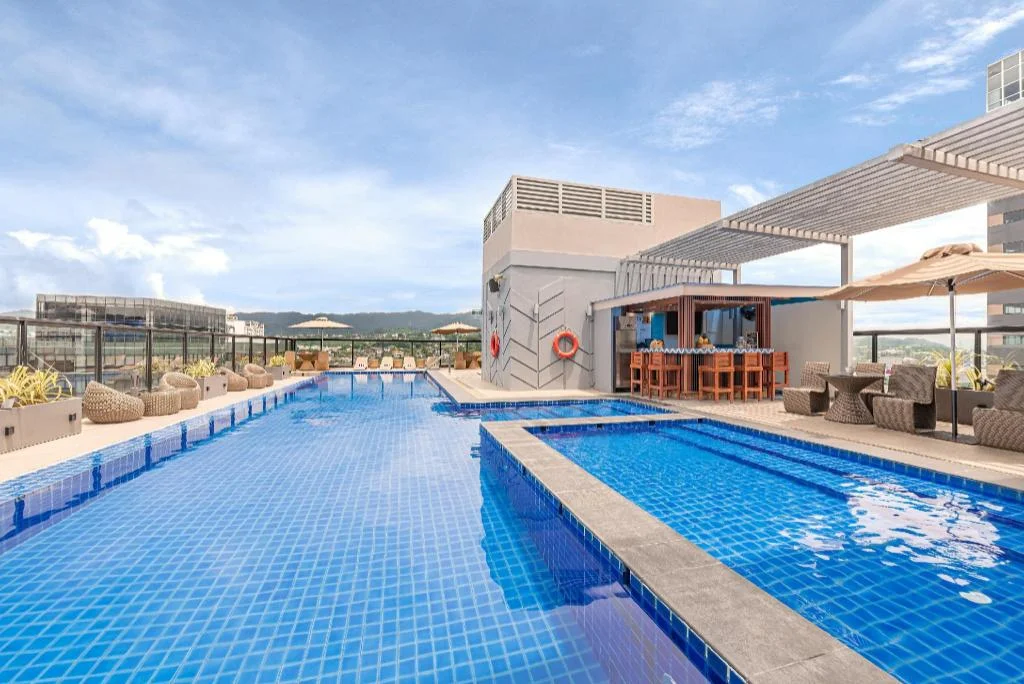
Seda Central Bloc Cebu City
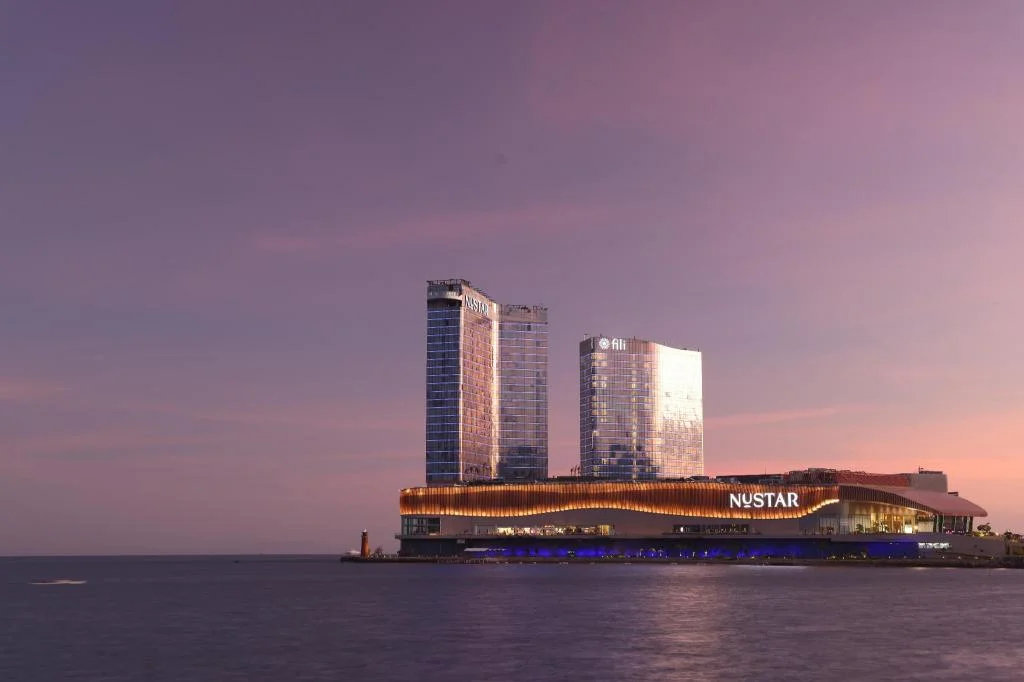
Fili Hotel - NUSTAR Resort & Casino Cebu
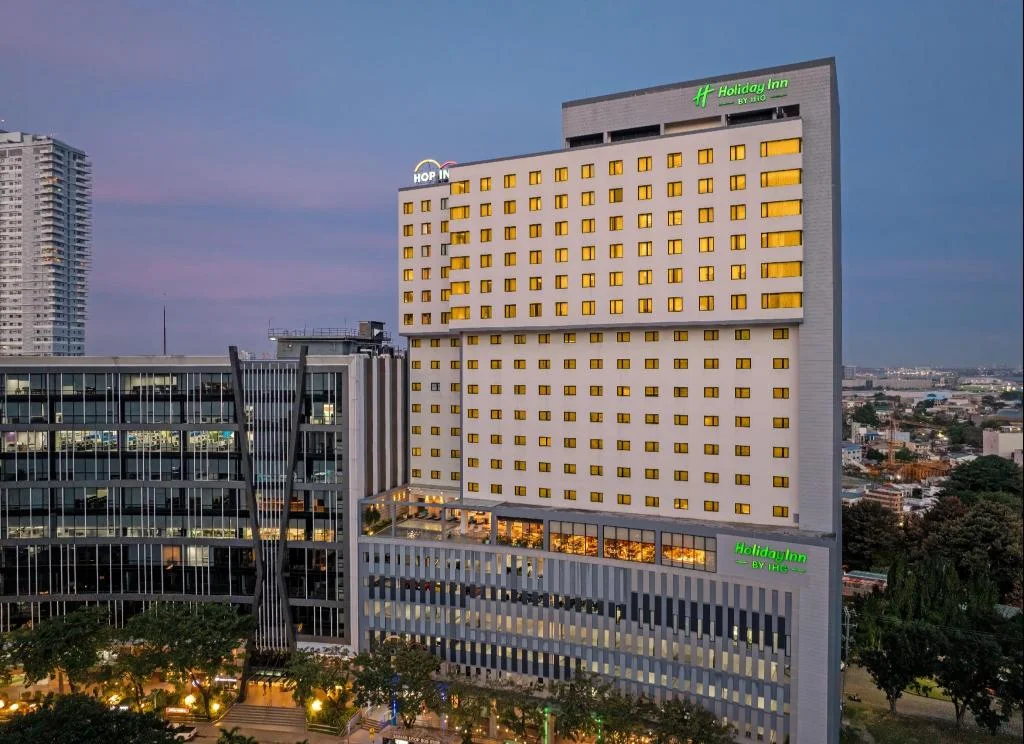
Holiday Inn Cebu City By IHG
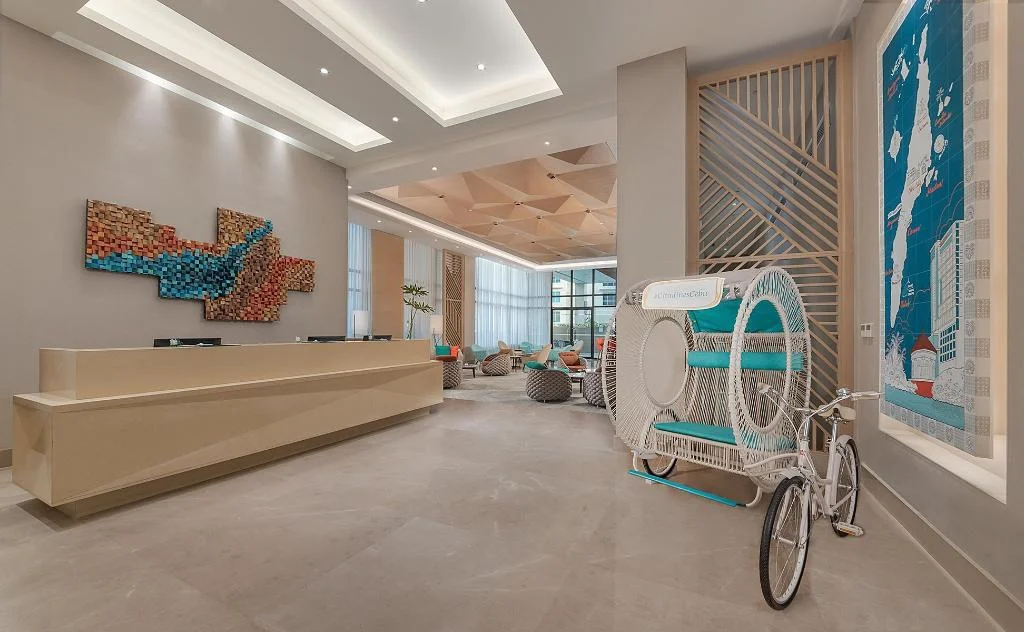
Citadines Cebu City
Prefer a rental? Vacation rentals near Cebu City
Self-catering condos and apartments — book the exact unit, kitchen included.
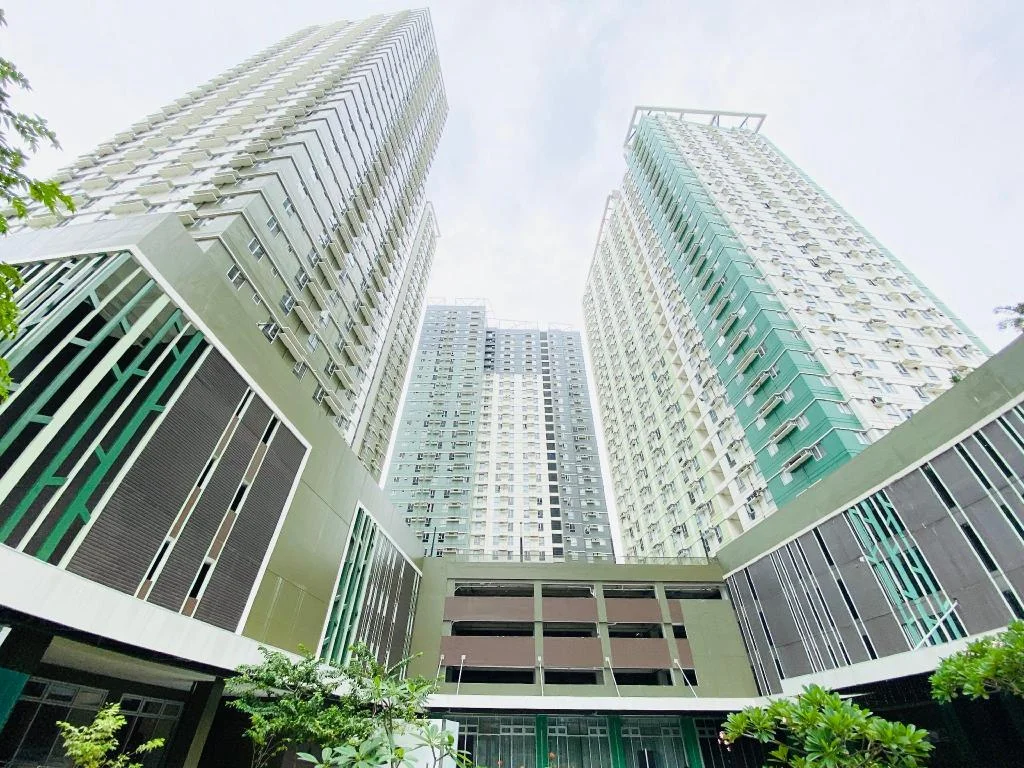
Cebu Avida Riala by P&J
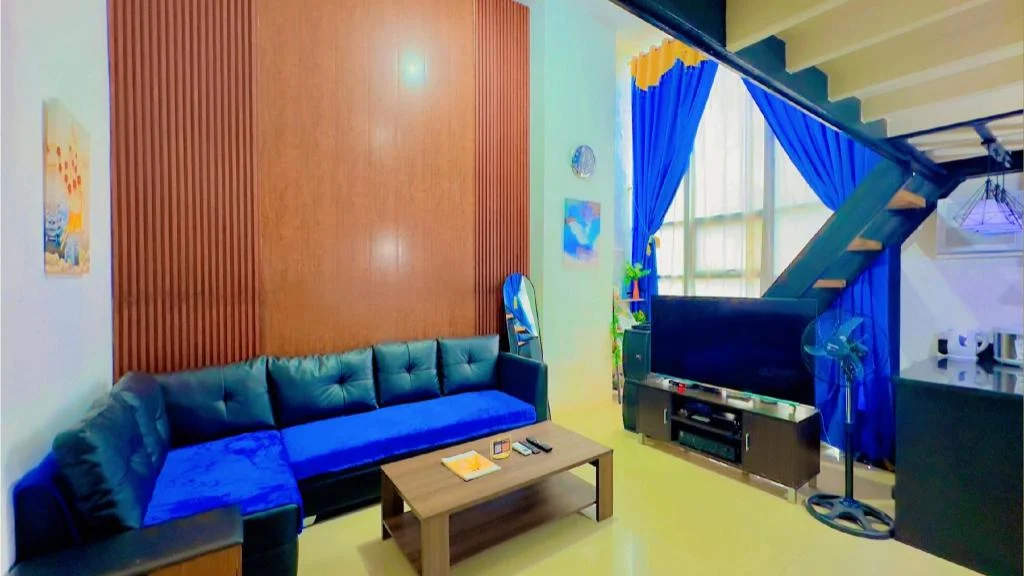
Special Big Loft Unit w/Fibreop Internet & Netflix
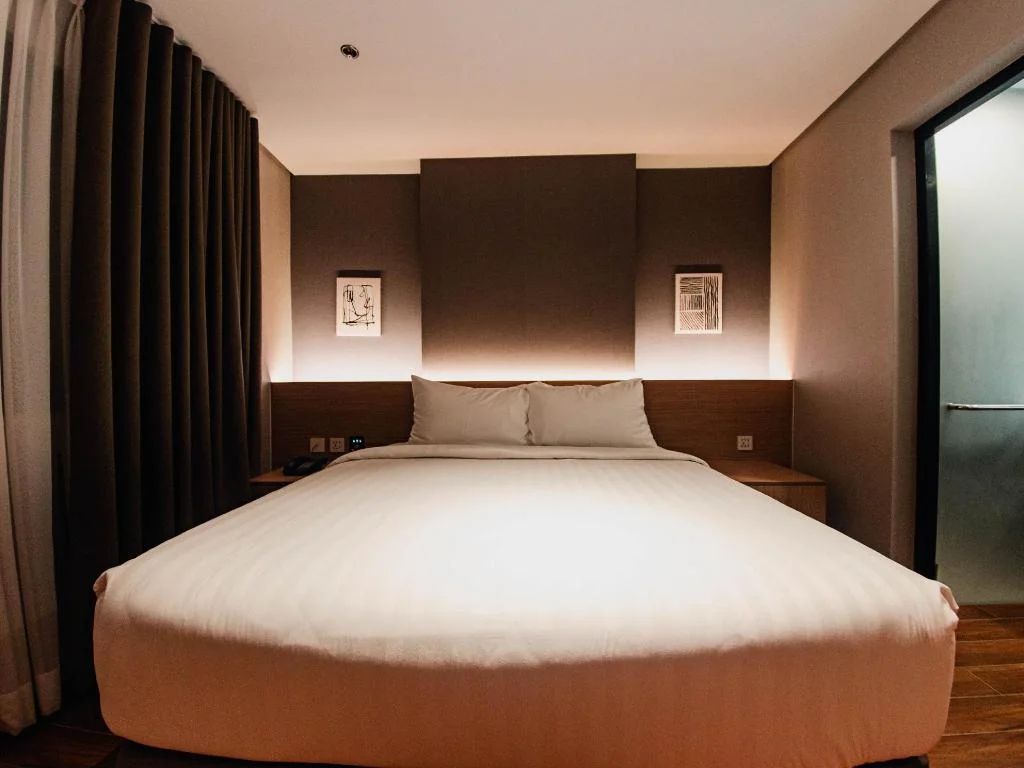
Moonstar Cebu Hotel - Deluxe Room
Before you go
Frequently asked
What is the oldest church in Cebu?
Which is older, the Basilica del Santo Niño or Boljoon Church?
How old is Carcar's St. Catherine of Alexandria Church?
Can you visit all of these churches in one day trip from Cebu City?
Which of these churches are recognized as National Cultural Treasures?
What's the difference between when a parish was founded and when the church building was built?
Is there an entrance fee to visit these historic churches?
Do you need a guide to visit Cebu's oldest churches?
More Places to Explore
Basilica del Santo Niño
Cebu City
The oldest church in the Philippines (1565), home to the miraculous Santo Niño image and center of the famous Sinulog Festival.
St. Catherine of Alexandria Parish Church
Carcar City
A magnificent 19th-century baroque church and National Cultural Treasure, serving as the centerpiece of Carcar's historic heritage district.
San Miguel Arcangel Parish Church
Argao
A beautifully preserved 18th-century Spanish colonial church with baroque architecture, intricate carvings, and National Cultural Treasure status.
Sts. Peter and Paul Church
Bantayan
The oldest parish in Visayas and Mindanao (established 1580), built with coral stones and featuring stunning 2018 ceiling murals.