
TL;DR: Spanish colonial Cebu survives in fragments spread across the whole province: Fort San Pedro (1738) and the Basilica del Santo Niño (1739) downtown, ancestral houses and the Heritage of Cebu Monument in the Parian district, and a chain of coral-stone churches and watchtowers running south through Carcar (1875), Argao (1788), Boljoon (1783), and Oslob. Most sites are free or cost under ₱120 (about US$2), and you can cover the Cebu City core in half a day or the full south-coast trail in a day trip. Verified July 2026.
Cebu is where the Spanish colonial era in the Philippines actually started — Miguel López de Legazpi founded the first permanent Spanish settlement here in 1565, four years before Manila. Most of what was built in that first century burned, flooded, or fell to typhoons and Muslim raids, so almost nothing you’ll see today is original 16th-century construction. What survives is mostly 18th- and 19th-century: coral-stone churches, a rebuilt fort, watchtowers built to fend off pirate raids, and a handful of ancestral houses from Cebu’s mestizo merchant class. This guide rounds up what’s actually still standing, where it is, and what it costs, starting with the Fort San Pedro and Basilica cluster downtown, then working south through the heritage towns. If you only have a morning, stick to Cebu City. If you have a full day and a car or driver, the south-coast church trail is one of the best-value day trips in the province.
Spanish Colonial Cebu at a Glance
| Site | Town | Entrance fee |
|---|---|---|
| Fort San Pedro | Cebu City | ₱50 regular / ₱40 student or senior (~US$0.86 / US$0.69) |
| Basilica del Santo Niño | Cebu City | Free (museum: ₱30 adult / ₱15 student, ~US$0.52 / US$0.26) |
| Magellan’s Cross | Cebu City | Free |
| Yap-Sandiego Ancestral House | Cebu City (Parian) | ~₱50–100 (~US$0.86–1.72) — confirm locally |
| Casa Gorordo Museum | Cebu City (Parian) | ~₱100–120 (~US$1.72–2.07) — confirm locally |
| Heritage of Cebu Monument | Cebu City (Parian) | Free |
| St. Catherine of Alexandria Church | Carcar City | Free (donations welcome) |
| San Miguel Arcangel Church | Argao | Free (donations welcome) |
| Boljoon Church (Patrocinio de María) | Boljoon | Free (donations welcome) |
| Baluarte Watchtower & Cuartel Ruins | Oslob | Free |
Museo Oslob, a separate small museum next to the Cuartel Ruins, charges around ₱50 — the ruins and watchtower themselves are free. Verified July 2026.
Is Fort San Pedro Worth Visiting?
Yes, if you’re already downtown — it’s inexpensive, quick, and genuinely the oldest of its kind in the country. Fort San Pedro started as a wooden stockade right after Legazpi’s 1565 landing, was rebuilt in stone in the early 1600s to repel Moro raiders, and the structure standing today dates from 1738, making it the oldest triangular bastion fort in the Philippines. It sits at Plaza Independencia near the pier, open daily from 8 AM to 7 PM, and costs ₱50 for regular visitors or ₱40 for students and seniors (about US$0.86 and US$0.69). Inside, the old cannons, a small museum in the former officers’ quarters, and a shaded courtyard make it a 20-30 minute stop — don’t build a whole day around it, but it’s an easy add-on to a downtown heritage walk.
What’s Inside the Basilica del Santo Niño?
The Basilica del Santo Niño itself is free to enter, and it’s the spiritual anchor of the whole city. It marks the spot where Legazpi’s men reportedly found the Santo Niño statue — a gift originally given to Cebu’s queen by Magellan in 1521 — inside a burned hut in 1565, which is why the site is considered the birthplace of Christianity in the Philippines. The building has been rebuilt several times after fires; the current stone church was finished in 1739. Next to the basilica, Magellan’s Cross marks the 1521 baptism site under a small octagonal kiosk, also free.
The one paid element is the Santo Niño Museum, a separate section of the complex with religious artifacts and vestments tracing the devotion’s history. Admission runs about ₱30 for adults and ₱15 for students, and it’s open Tuesday through Sunday, roughly 8 AM–12 PM and 1–5 PM — confirm the current hours locally, since they shift around feast days and renovations. Expect crowds any Friday (the weekly novena Mass draws large numbers) and especially the run-up to Sinulog in January.
What’s in the Parian District — and What’s on Colon Street?
Parian is Cebu City’s old Chinese-mestizo trading quarter, and it’s where most of the city’s surviving ancestral architecture is clustered. Chinese traders began settling the district around 1590, restricted there by Spanish colonial policy; by the 1800s their mestizo descendants had become Cebu’s wealthiest merchant class, and a few of their houses survive.
- Yap-Sandiego Ancestral House, on Mabini Street in Parian, is one of the oldest surviving residential structures in the country, built by a Chinese merchant family and still furnished with period pieces. It’s open daily, roughly 9 AM to 7 PM, with an entrance fee reported anywhere from ₱50 to ₱100 depending on the source — confirm the current rate at the door. See our Yap-Sandiego Ancestral House guide for more detail.
- Casa Gorordo Museum, a few minutes’ walk away on Lopez Jaena Street, is a restored 19th-century bahay-na-bato (stone-and-wood house) that belonged to Cebu’s first Filipino bishop. It’s generally open daily around 10 AM to 6 PM, with admission in the ₱100–120 range including a guided walkthrough — again, confirm locally, since posted rates vary by source. Full details in our Casa Gorordo Museum guide.
- Heritage of Cebu Monument, a free open-air sculpture park nearby, compresses the whole Cebu story — Legazpi’s landing, the Santo Niño, the Parian trade era — into bronze tableaux. It’s a fast, free way to get oriented before or after the paid houses.
Walk a few blocks toward the port and you hit Colon Street, commonly cited as the oldest street in the Philippines, laid out not long after the 1565 settlement and named for Christopher Columbus. It’s now a busy, slightly gritty commercial strip rather than a preserved heritage zone — worth walking through for the history and the old cinema marquees, but go in with realistic expectations; it isn’t the Parian’s quiet ancestral-house version of “colonial.”
Which Colonial Churches Outside Cebu City Are Worth the Drive?
Three churches south of Cebu City are worth a dedicated trip, and they line up well along the same highway.
St. Catherine of Alexandria Church, Carcar — about 45 minutes south of Cebu City — is the most visually distinct church in the province, with onion-shaped domes on its twin bell towers giving it a Byzantine, almost Moorish silhouette unlike any other church in the country. Construction ran from 1860 to 1875, making it Cebu’s second-oldest church after the Basilica, and it was declared a National Cultural Treasure in 2019. Pair it with the rest of Carcar’s heritage rotunda and a lechon lunch — see our Carcar heritage district guide.
San Miguel Arcangel Church, Argao — about 90 minutes south — is a coral-stone Baroque-Rococo church built between 1734 and 1788, with an ornately carved facade, a wooden pulpit, and a pipe organ from the early 1800s. A 1876 typhoon damaged the original structure, and it was renovated and enlarged by 1904. It’s less visited than Carcar’s church, which makes for a quieter photo stop.
Boljoon Church (Archdiocesan Shrine of Patrocinio de María) — roughly two hours south — is often called the oldest original, never-rebuilt church structure in Cebu, completed in 1783. It carries National Historical Landmark (1999) and National Cultural Treasure (2001) status, and it’s on the tentative list for a UNESCO extension of the existing Baroque Churches of the Philippines inscription alongside sites in Bohol, Samar, and Siquijor. Attached to it is El Gran Baluarte, a fortified watchtower with walls nearly two meters thick, built by the same Augustinian friar, Fr. Julian Bermejo, who organized Cebu’s coastal defense network. See our guide to the UNESCO-listed Boljoon complex for the full picture.
All three churches are free to enter, though a donation toward upkeep is the norm and appreciated.
What Are the Baluarte Watchtowers, and Are They Worth Seeing?
They’re small, but they explain a lot about why southern Cebu looks the way it does. Fr. Julian Bermejo built a chain of coastal watchtowers in the late 1700s to warn coastal towns of incoming Moro raiders from Mindanao and Basilan — Boljoon’s is the most elaborate, but the Baluarte Watchtower in Oslob is the easiest to combine with a whale shark trip, since it sits right in Oslob’s town center. Built in 1788, it’s a cylindrical coral-stone tower, free to enter, and takes only 5-10 minutes to see. Next to it, the Cuartel Ruins — the roofless shell of a Spanish-era barracks from the 1860s that was never finished — is also free, no ticket booth. If you want more depth, Museo Oslob, a small separate museum beside the ruins, charges about ₱50 (roughly US$0.86).
Don’t detour to Oslob purely for the ruins — they’re a 15-20 minute add-on if you’re already there for the whale sharks or Tumalog Falls, not a standalone destination.
How Do You Plan a Spanish Colonial Cebu Day?
Split it by geography rather than trying to do everything in one push. The Cebu City cluster — Fort San Pedro, the Basilica, Magellan’s Cross, Parian’s ancestral houses, Colon Street — is walkable in a half-day, ideally starting early to beat both the heat and the crowds around the Basilica. The southern church-and-watchtower trail (Carcar, Argao, Boljoon, Oslob) needs a full day with a rented van, a private driver, or a habal-habal/bus combination, since public transport between the smaller towns is infrequent. A private day tour is the least stressful way to string the south-coast churches together if you don’t want to navigate provincial roads yourself — compare Cebu day-tour options on Klook if you’d rather have a driver handle the routing.
If you only have time for one half-day, do the Cebu City core — it’s dense, cheap, and covers the founding-era story. If you have a full day to spare and enjoy churches and architecture, the south-coast trail rewards the drive with far fewer tourists per site.
The Honest Take
Cebu’s Spanish colonial history is real and significant — this is where it all started for the whole archipelago — but manage your expectations on what’s actually preserved. Most “colonial” sites here are rebuilds from the 1700s-1800s, not intact 16th-century originals, because fire, typhoons, and time took almost everything from that first century. Fort San Pedro is small and can feel underwhelming if you’ve seen larger forts elsewhere in Asia; treat it as a quick, cheap add-on, not a headline attraction. The ancestral houses in Parian are genuinely worth the modest fee if you like domestic history and old furniture, but they’re compact — 20-30 minutes each is plenty. The real payoff is the south-coast church trail: Carcar’s onion domes, Argao’s carved facade, and Boljoon’s fortified watchtower are less crowded, more visually distinct, and give a better sense of how colonial-era Cebu actually defended and organized itself than anything downtown. If you only have an afternoon in the city, prioritize the Basilica and Parian over the fort.
Round It Out
Pair this with a broader look at Cebu’s cultural heritage walking tour for a structured downtown route, or go deeper into the story with Cebu’s history from the Rajahnate to now and our roundup of the oldest churches in Cebu. If you’d rather not self-drive the southern trail, browse Cebu tours on GetYourGuide or check hotel options in Cebu City on Agoda if you’re basing yourself downtown for the walkable core.
Sources
- Fort San Pedro — Wikipedia
- St. Catherine’s Church, Carcar — Wikipedia
- Argao Church — Wikipedia
- Boljoon Church — Wikipedia
- Parián — Wikipedia
- Basilica Minore del Santo Niño Museum — official parish sources
- Entrance fees and hours cross-checked against recent visitor reports for Fort San Pedro, Casa Gorordo Museum, and Yap-Sandiego Ancestral House; confirm exact rates locally as they vary slightly by source. Verified July 2026.
Book Tours & Hotels for This Trip
Find and book the best deals — prices and availability update in real time. Links open in a new tab.
Where to stay near Cebu City
Top-rated hotels for this trip — tap through to check live rates.
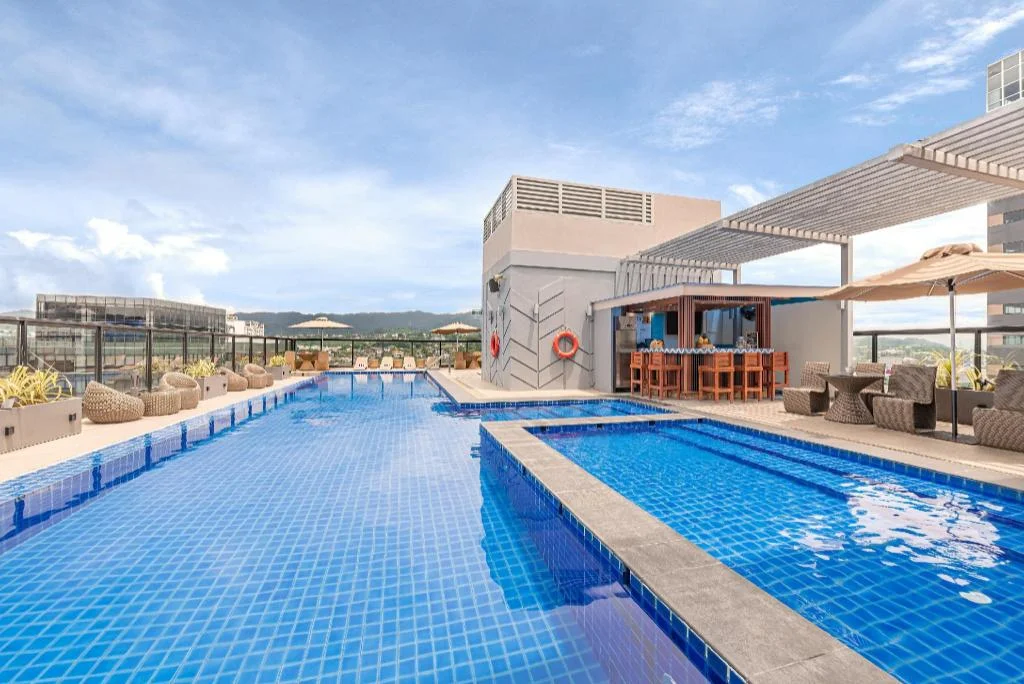
Seda Central Bloc Cebu City
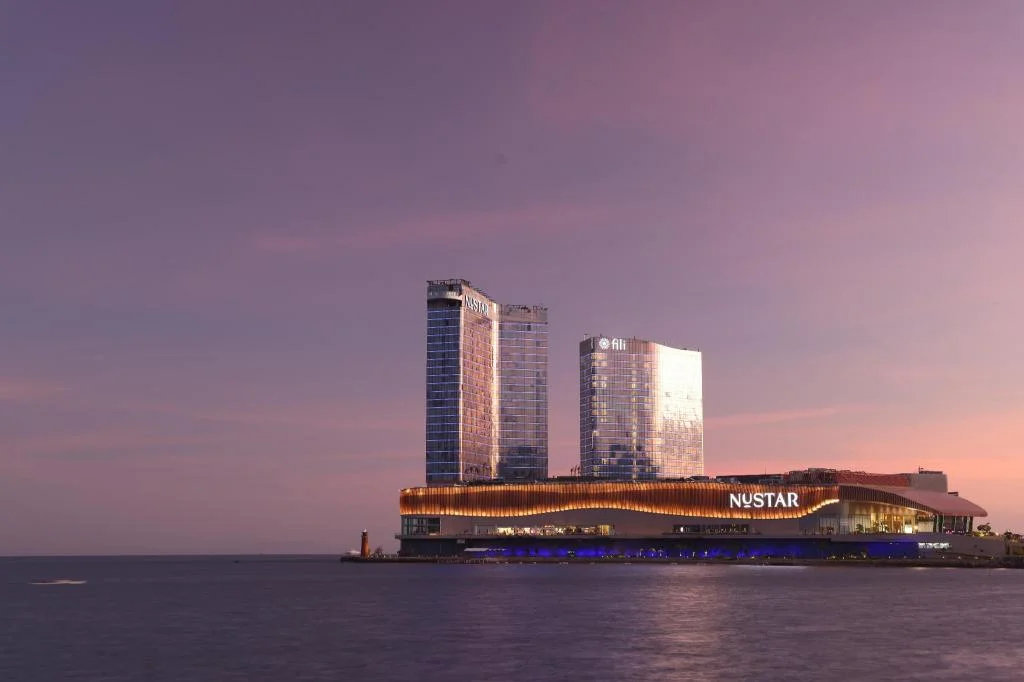
Fili Hotel - NUSTAR Resort & Casino Cebu
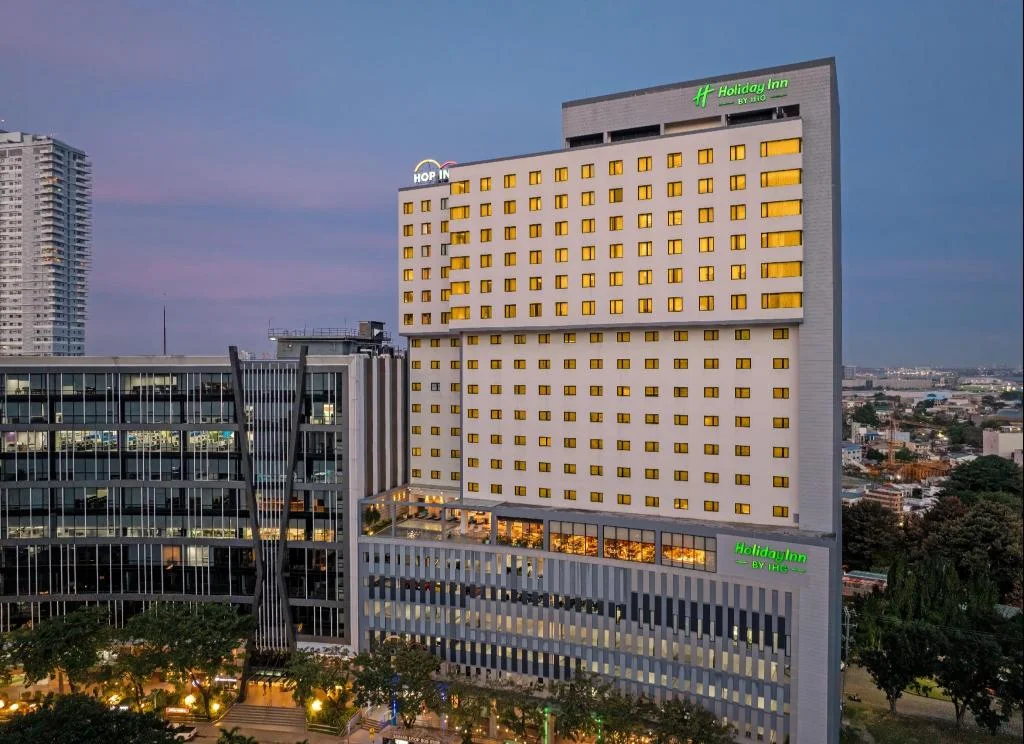
Holiday Inn Cebu City By IHG
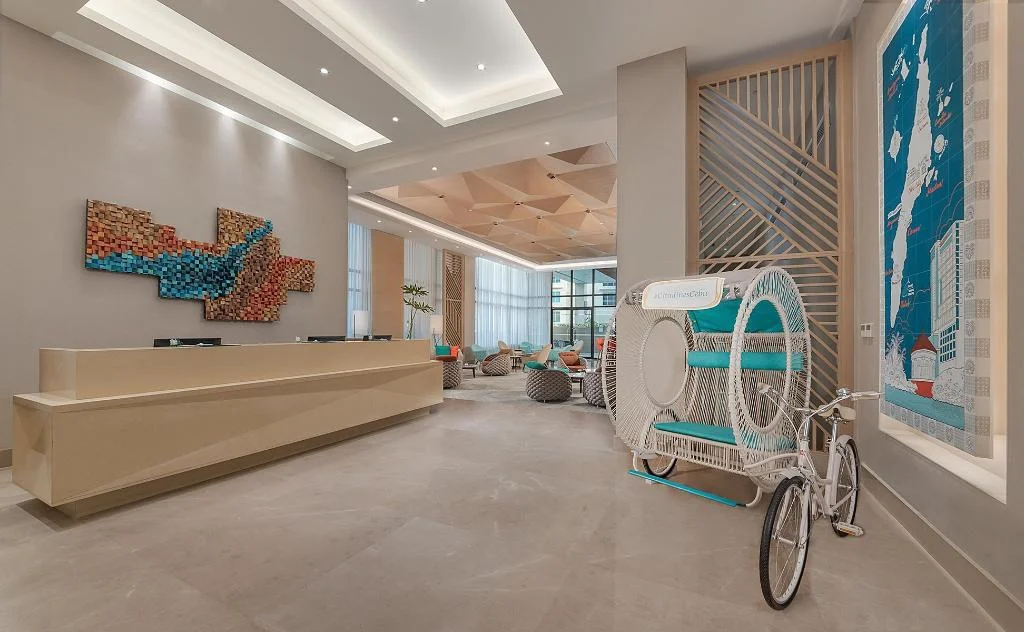
Citadines Cebu City
Prefer a rental? Vacation rentals near Cebu City
Self-catering condos and apartments — book the exact unit, kitchen included.
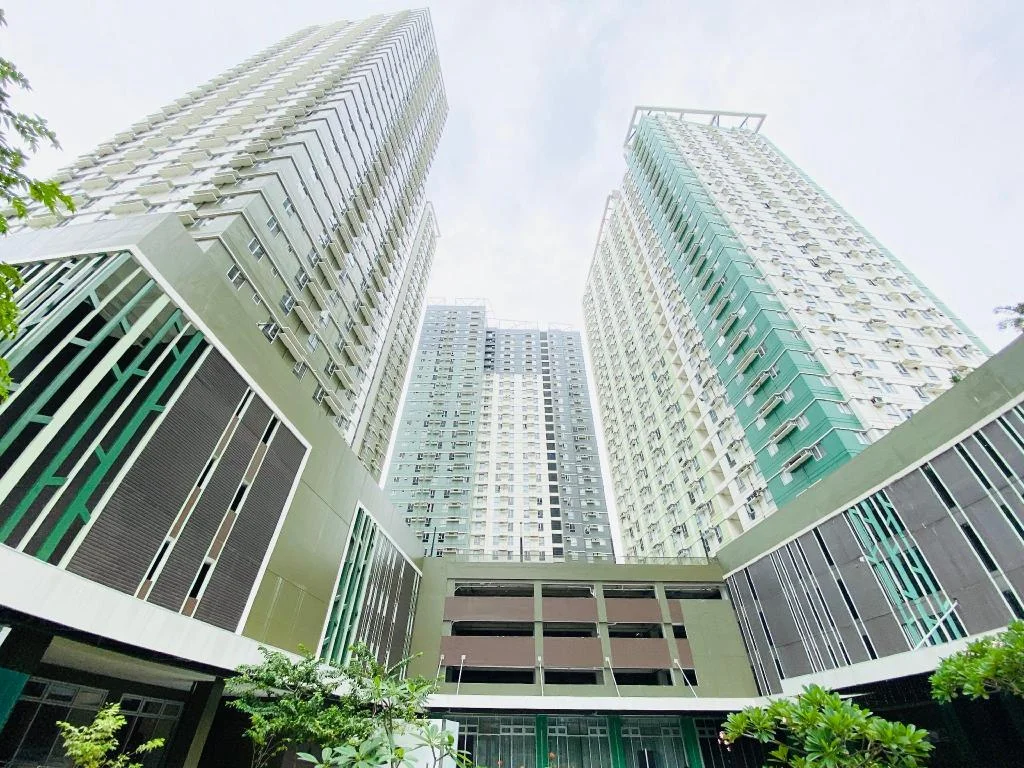
Cebu Avida Riala by P&J
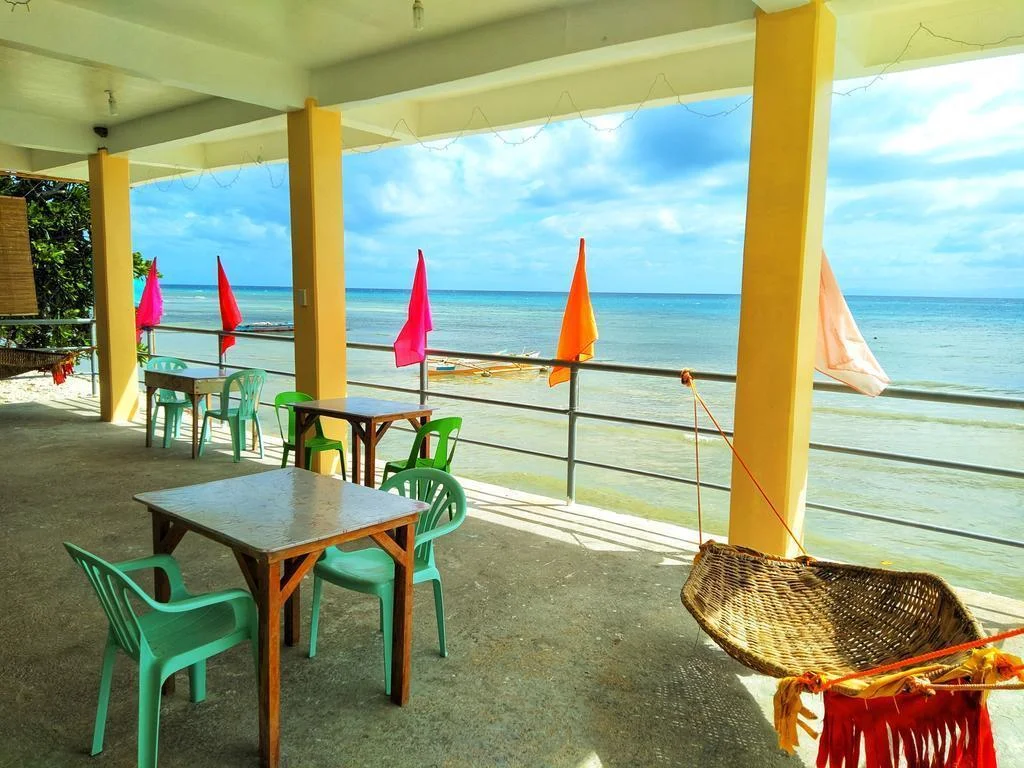
Ocean View Lodging House
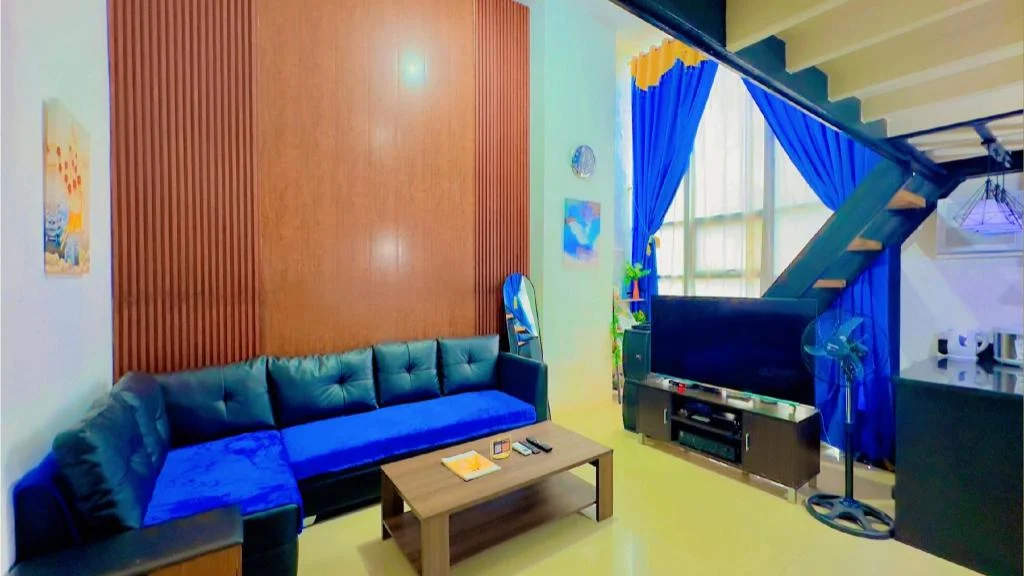
Special Big Loft Unit w/Fibreop Internet & Netflix
Before you go
Frequently asked
What Spanish colonial sites still exist in Cebu?
Is Fort San Pedro worth visiting?
Do you need to pay to enter the Basilica del Santo Niño?
What is the Parian district?
Which is the oldest church in Cebu?
Are the Oslob watchtowers free to visit?
Can you do a day trip to see Carcar and Argao churches?
Is Boljoon Church UNESCO listed?
More Places to Explore
Fort San Pedro
Cebu City
The oldest and smallest triangular fort in the Philippines (1565), a well-preserved Spanish colonial military structure with a history museum.
Basilica del Santo Niño
Cebu City
The oldest church in the Philippines (1565), home to the miraculous Santo Niño image and center of the famous Sinulog Festival.
St. Catherine of Alexandria Parish Church
Carcar City
A magnificent 19th-century baroque church and National Cultural Treasure, serving as the centerpiece of Carcar's historic heritage district.
Baluarte Watchtower
Oslob
A 1788 Spanish watchtower built to defend against Moro raiders, now preserved as part of Oslob's heritage complex.
Heritage of Cebu Monument
Cebu City
A dramatic sculptural tableau by Eduardo Castrillo depicting key moments in Cebu's history, from Magellan's arrival to modern times.