
TL;DR: Casa Gorordo Museum in Parian, Cebu City, is a restored mid-19th-century Filipino-Spanish house — home to the family of Juan Gorordo, the first Filipino bishop of Cebu — run by the Ramon Aboitiz Foundation (RAFI) since 1983. Entrance is ₱100 self-guided or ₱150 with a guide (about US$1.72–2.59), ₱50 for students/seniors/PWDs. It’s a 45-minute to one-hour stop, has a Bo’s Coffee branch on site, and pairs naturally with Colon Street and the Heritage of Cebu Monument a few minutes’ walk away. Verified July 2026.
If you want to understand what Cebu City looked like before malls and jeepneys, Casa Gorordo Museum is the clearest window into it. Tucked into the narrow streets of Parian — once the wealthiest mestizo trading district in Spanish-era Cebu — this restored 19th-century house belonged to the Gorordo family, whose son Juan became the first Filipino bishop of Cebu. The Ramon Aboitiz Foundation Inc. (RAFI) rescued the property from decay and opened it as Cebu’s first heritage house museum in 1983, and it’s since become the anchor stop on most Cebu City heritage walks. This guide covers what it actually costs, what’s inside, how long to budget, and how to fold it into a bigger walk through downtown Cebu’s colonial core alongside stops like the Heritage of Cebu Monument, Colon Street, and the Basilica del Santo Niño.
Casa Gorordo Museum at a Glance
| Item | Details |
|---|---|
| Entrance (self-guided) | ₱100 (~US$1.72) |
| Entrance (guided tour) | ₱150 (~US$2.59) |
| Students / seniors / PWD | ₱50 (~US$0.86) |
| Hours | Listed as Mon–Sat, 9 AM–5 PM by the museum; some travel sites list Tue–Sun, 10 AM–6 PM — confirm the day you’re going |
| Address | 35 E. Aboitiz St., Parian, Cebu City |
| Typical visit length | 45 minutes–1 hour |
| On-site cafe | Bo’s Coffee (inside the museum grounds) |
Verified July 2026.
What Is Casa Gorordo Museum?
It’s the restored home of a prominent 19th-century Filipino-Spanish family, now run as a heritage house museum by RAFI. The house was built in the mid-1800s in Parian, then Cebu’s premier mestizo trading neighborhood, and became home to the Gorordo family after Cebu reopened to world trade in the 1860s. Juan Gorordo, who grew up in the house, went on to become the first Filipino bishop of Cebu. After decades of use and neglect, the Ramon Aboitiz Foundation Inc. bought and restored the property, opening it to the public in 1983 as Cebu’s first heritage house museum. It was declared a National Historical Landmark in 1991.
The house itself does the storytelling: a stone-and-hardwood bahay na bato structure with a ground floor once used for storage and business, and an elevated wooden living level above it — the standard layout for a well-off Filipino-Spanish household of the period.
What Will You See Inside?
Period rooms furnished with the family’s actual furniture and religious relics, plus a newer layer of digital exhibits explaining what you’re looking at. Expect a sala (living room) with antique furniture, a family chapel with santos and religious artifacts, a dining area, bedrooms, and a kitchen that shows how a household this size actually ran day to day. The museum completed a multi-year enhancement adding touchscreen kiosks, digital panels, and short narrated video segments — in English, Cebuano, and Filipino — that walk you through the Gorordo family’s history, the Parian district, and Cebu’s transition from a Spanish colonial outpost to a modern city. It’s a more engaging setup than a typical roped-off house museum, since the digital layer gives context you’d otherwise only get from a guide.
Is the Guided Tour Worth the Extra Cost?
Yes, if this is your first heritage house museum in Cebu. For an extra ₱50 on top of the ₱100 base entrance, guides walk you room by room and add family stories and historical detail the wall text and touchscreens don’t cover — worthwhile if you want the full narrative rather than just the visuals. If you’ve already done a similar house museum (like the nearby Yap-Sandiego Ancestral House) or you’re short on time, the self-guided ₱100 ticket and the digital panels cover the basics fine.
How Do You Get to Casa Gorordo Museum?
It’s in Parian, a few minutes’ walk from Colon Street and the Heritage of Cebu Monument, so most visitors reach it on foot as part of a downtown heritage walk. The address is 35 E. Aboitiz Street. If you’re coming from elsewhere in the city, Grab or a taxi from most Cebu City hotels takes roughly 10–20 minutes depending on traffic and time of day. By jeepney, routes running through Parian or Colon will drop you within a short walk; ask the driver or conductor to confirm the closest stop, since routes and numbering shift periodically. Street parking near the museum is limited, so if you’re driving, plan to park a short walk away.
What Else Is Nearby?
Casa Gorordo sits inside walking distance of most of Cebu City’s colonial-era landmarks, which is why it’s usually done as one stop on a longer walk rather than a standalone trip:
- Yap-Sandiego Ancestral House — another restored period house just a few minutes away, useful for comparing two different 19th-century households.
- Heritage of Cebu Monument — the sculpted monument depicting key moments in Cebu’s history, a short walk from Parian.
- Colon Street — the oldest street in the Philippines, lined with old commercial buildings and a good place to grab cheap food after the museum visit.
- Basilica del Santo Niño — Cebu’s most important religious site, a bit further but still walkable or a short ride away.
If you’d rather have the whole route mapped out instead of piecing it together yourself, our Cebu cultural heritage walking tour lays out a sensible order for hitting these in one morning, and our roundup of Cebu’s museums covers where Casa Gorordo fits against the city’s other options if you want to add more than one.
The Honest Take
Casa Gorordo earns its place on Cebu City heritage itineraries — it’s the best-preserved period house open to the public downtown, and the digital-exhibit upgrade means it doesn’t feel like a dusty relic of a museum. It’s genuinely quick, though: unless you take the guided tour and linger, most people are through in under an hour, so don’t build a whole half-day around it alone. Go early or mid-morning on a weekday if you want it quiet — school groups and tour vans can fill the smaller rooms fast, and the house’s narrow layout means a crowd changes the experience more than it would at a bigger museum. And if you’ve got limited time in Cebu and have to choose one heritage house, this is the one to pick over smaller alternatives — its RAFI backing means better upkeep and more consistent hours than most privately run house museums in the city.
If your interest in Cebu leans more toward beaches and diving than colonial history, this is an easy skip. But if you’re already walking Parian and Colon, the ₱100 entrance is a small add-on for a genuinely well-run stop.
Sources
- Casa Gorordo Museum — official site (hours, address, cafe, contact)
- Casa Gorordo Museum Cebu 2025 guide — Issa Suites (entrance fees, getting there, photography rules)
- Recent visitor reporting on hours, the Bo’s Coffee branch, and the digital-exhibit renovation cross-checked against multiple 2024–2025 travel guides. Verified July 2026.
Plan the Rest of Your Heritage Day
Casa Gorordo is best treated as one stop on a bigger downtown walk. Pair it with the Heritage of Cebu Monument and Basilica del Santo Niño for a half-day of Cebu’s Spanish-colonial core, then grab lunch on Colon Street once you’re done. If you’d rather book a guided version of this walk with a driver included, browse Cebu heritage and city tours on Klook before you go.
Book Tours & Hotels for This Trip
Find and book the best deals — prices and availability update in real time. Links open in a new tab.
Where to stay near Cebu City
Top-rated hotels for this trip — tap through to check live rates.
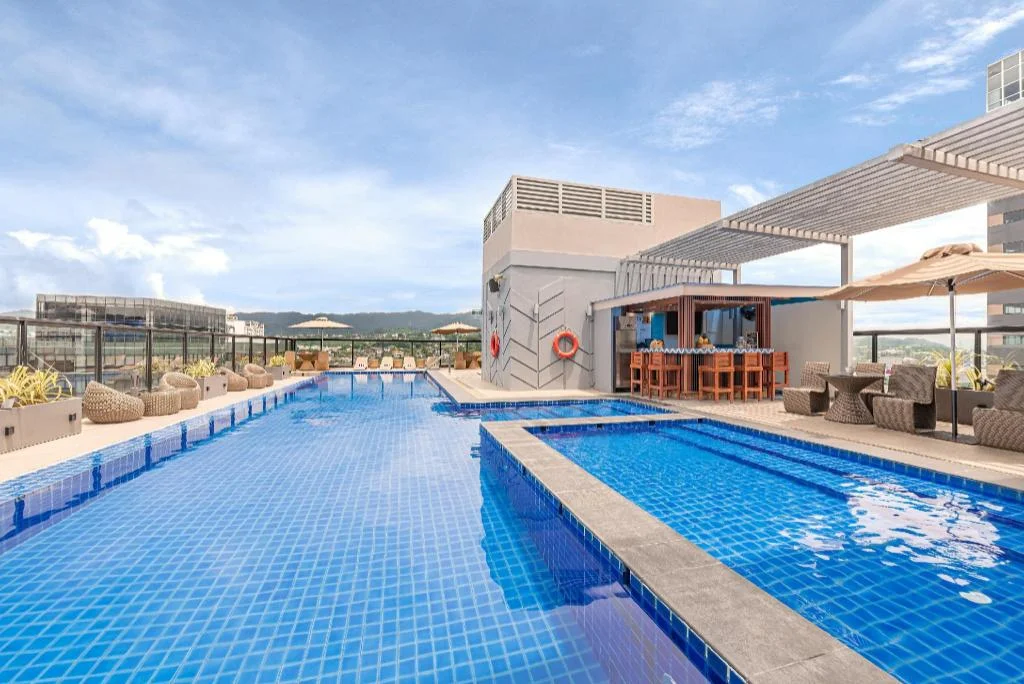
Seda Central Bloc Cebu City
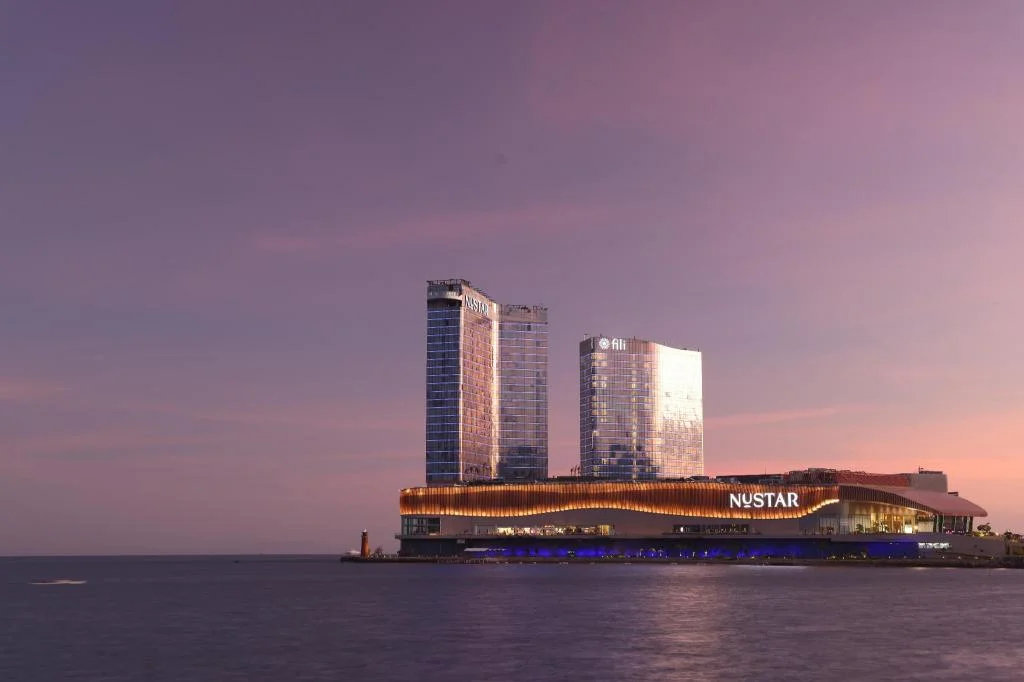
Fili Hotel - NUSTAR Resort & Casino Cebu
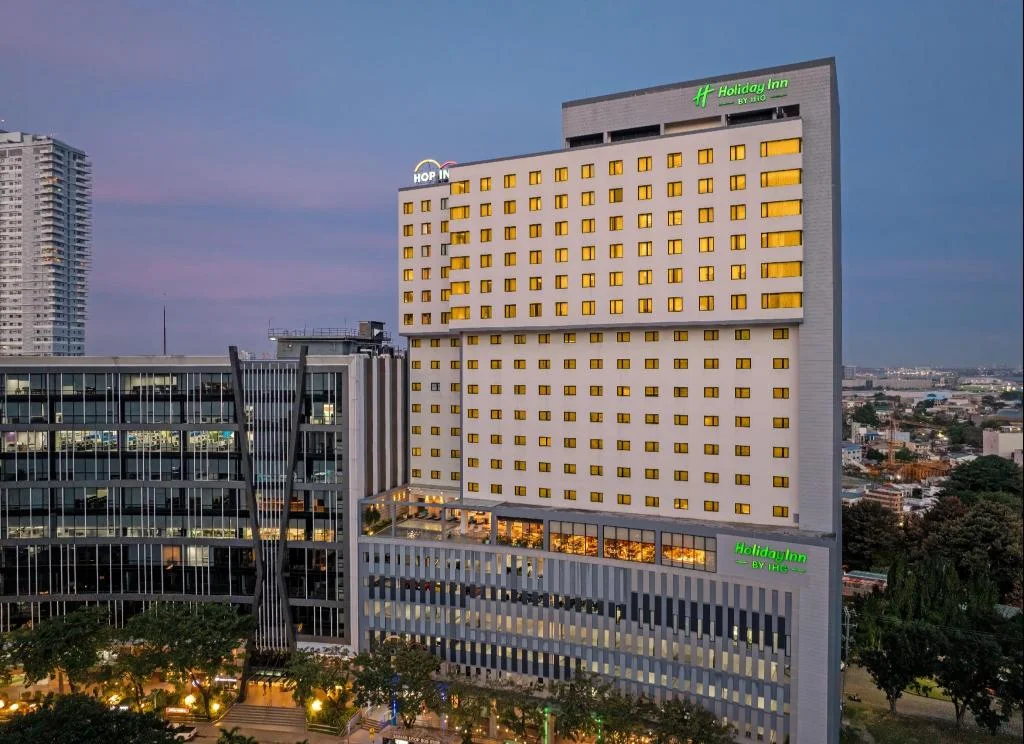
Holiday Inn Cebu City By IHG
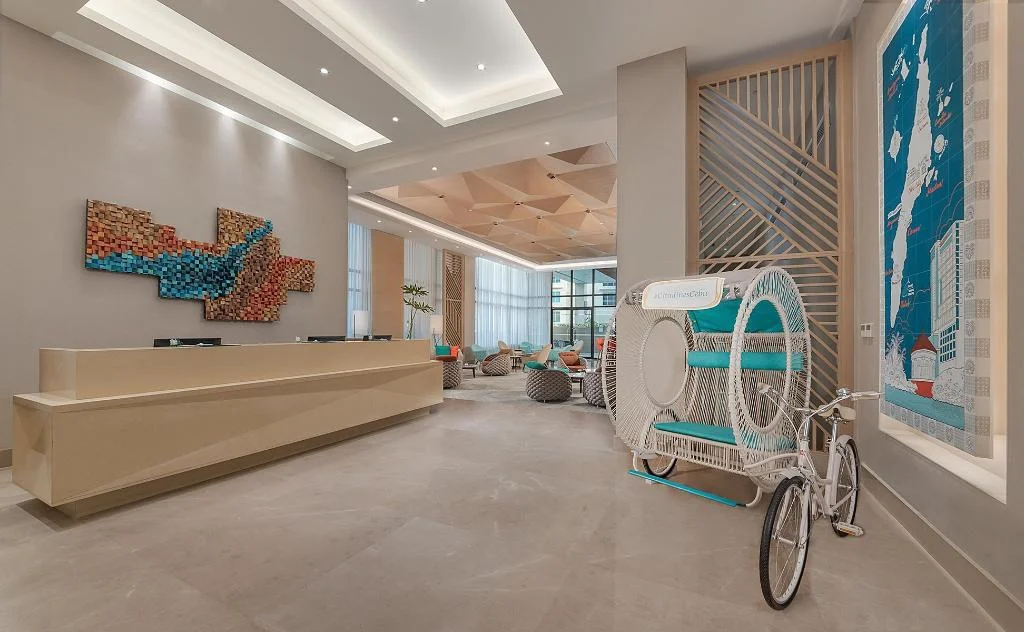
Citadines Cebu City
Prefer a rental? Vacation rentals near Cebu City
Self-catering condos and apartments — book the exact unit, kitchen included.
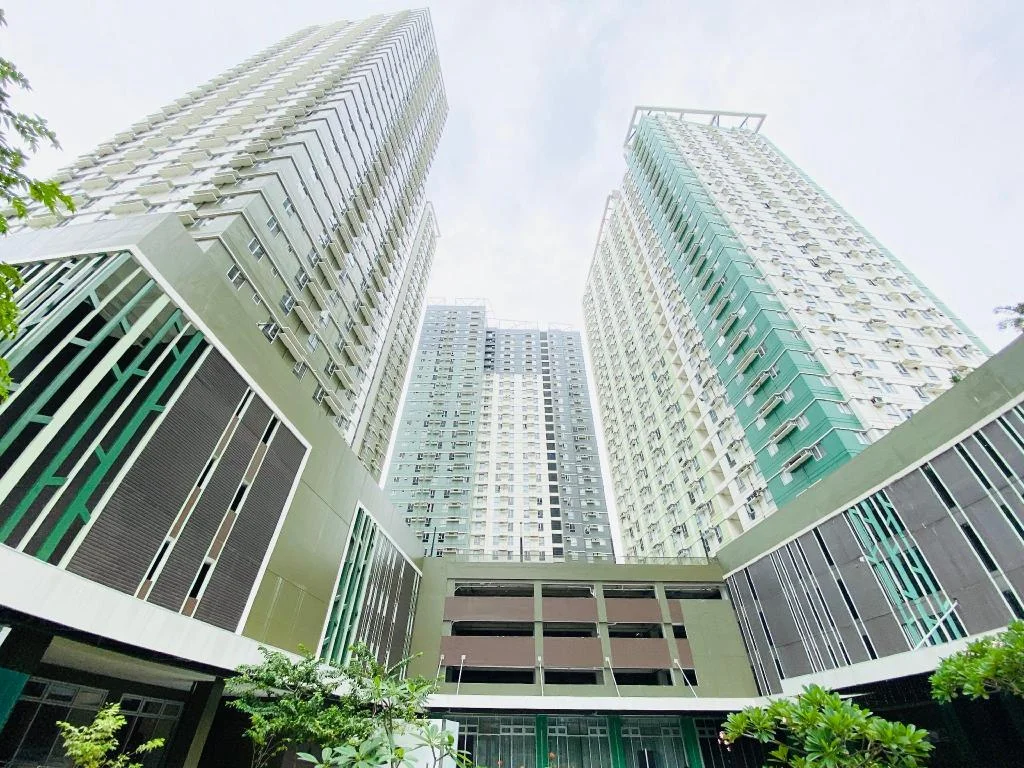
Cebu Avida Riala by P&J
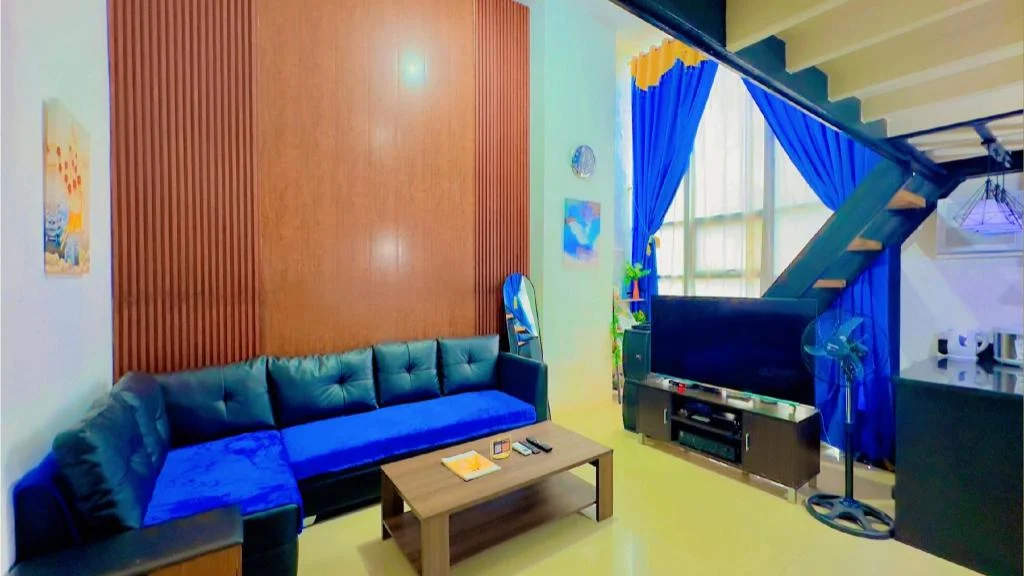
Special Big Loft Unit w/Fibreop Internet & Netflix
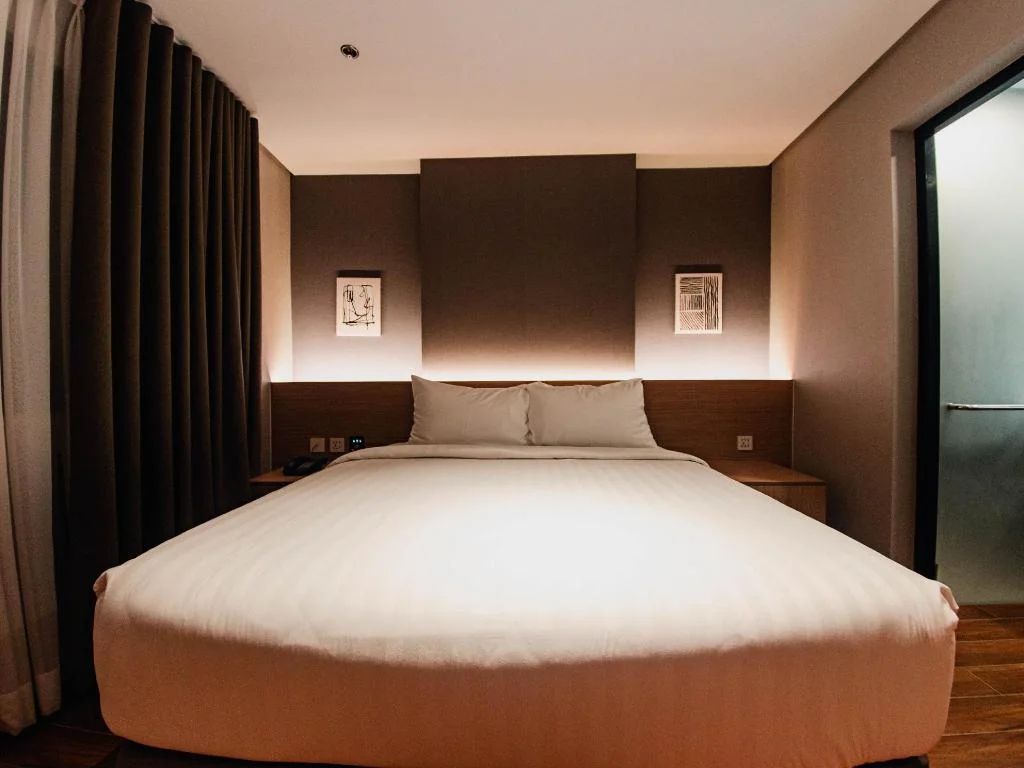
Moonstar Cebu Hotel - Deluxe Room
Before you go
Frequently asked
How much is the entrance fee at Casa Gorordo Museum?
What are the opening hours?
How long does a visit take?
What is Casa Gorordo Museum, and who was Gorordo?
Is there a cafe or gift shop on site?
How do I get to Casa Gorordo Museum?
Is Casa Gorordo Museum worth visiting?
Can I take photos inside?
More Places to Explore
Heritage of Cebu Monument
Cebu City
A dramatic sculptural tableau by Eduardo Castrillo depicting key moments in Cebu's history, from Magellan's arrival to modern times.
Colon Street
Cebu City
The oldest street in the Philippines, a historic commercial thoroughfare that has been Cebu's trading center since Spanish colonial times.
Basilica del Santo Niño
Cebu City
The oldest church in the Philippines (1565), home to the miraculous Santo Niño image and center of the famous Sinulog Festival.