
TL;DR: Cebu City has nine museums and museum-grade heritage houses worth your time, clustered mostly in the Parian and downtown heritage core — walkable in a single morning. Entrance fees run free to about ₱100 (US$1.72) per stop, and Museo Sugbo is the single best pick if you only visit one. Most close on Sundays except Yap-Sandiego Ancestral House and the Rizal Memorial Library and Museum. Verified July 2026.
Cebu gets called the “Queen City of the South” for its beaches and nightlife, but it’s also the oldest Spanish colonial settlement in the Philippines — founded in 1565, decades before Manila — and that history is stuffed into a small, walkable pocket of downtown. This guide rounds up every real museum in Cebu City worth naming: fees, hours, focus, and location for each, plus which ones to skip if you’re short on time. Most cluster around Colon Street and the Parian heritage district, a 15-minute walk from Fort San Pedro and the Basilica del Santo Niño. If you’d rather have someone walk you through all of it, our Cebu cultural heritage walking tour guide lays out a route.
Cebu Museums at a Glance
| Museum | Entrance Fee | Hours | Focus |
|---|---|---|---|
| Museo Sugbo | ₱30–75 (US$0.52–1.29) local/foreigner | Tue–Sat 9AM–5:30PM, closed Sun & Mon | Full sweep of Cebu history in a former jail |
| Casa Gorordo Museum | ₱100 (US$1.72), guided ₱150 (US$2.59) | Mon–Sat 9AM–5PM, closed Sun | 19th-century ilustrado family home |
| Yap-Sandiego Ancestral House | ~₱100 (US$1.72) | Daily 8AM–7PM | 17th-century Chinese-Filipino house |
| 1730 Jesuit House | ₱50–100 (US$0.86–1.72) | Roughly weekdays 9AM–5PM, confirm locally | Oldest residential structure, hidden inside a hardware store |
| Cebu Metropolitan Cathedral Museum | ₱55–100 (US$0.95–1.72) | Daily 9AM–5PM | Church vestments, relics, cathedral history |
| Basilica del Santo Niño Museum | ₱30 (US$0.52) | Mon–Fri 8–11:45AM, 1–4:45PM | Santo Niño devotion, colonial religious art |
| Rizal Memorial Library and Museum | Free | Library 24/7; museum floor weekdays | Local history, rare books, Rizal memorabilia |
| University of San Carlos Museum | ₱30–75 (US$0.52–1.29); free for USC students | Mon–Fri 8:30AM–12PM, 1:30–5PM | Ethnography, natural history, Visayan artifacts |
| Fort San Pedro heritage gallery | ₱40–50 (US$0.69–0.86) | Daily 8AM–7PM | Spanish military fort, small exhibit rooms |
Verified July 2026. Fees and hours at Philippine heritage sites shift without much notice — confirm locally, especially at the Jesuit House and university museums, before building your day around them.
Which Cebu Museum Should You Visit First?
Museo Sugbo, if you only have time for one. It’s the biggest and most complete, occupying the old Cebu Provincial Detention and Rehabilitation Center — a former jail whose coral-stone cell blocks now hold 14 galleries running from the pre-colonial era through the post-war period. Location: M.J. Cuenco Avenue, Brgy. Tejero. Entrance runs ₱30 for Filipino adults and ₱75 for foreigners (about US$0.52–1.29), with student rates around ₱10–50. Hours are generally Tuesday to Saturday, 9AM to 5:30PM, closed Sunday and Monday — plan around that if you’re building a weekend itinerary.
What Is Casa Gorordo Museum and Is It Worth Visiting?
Yes — it’s the most polished heritage-house experience in the city. Casa Gorordo is a restored 1850s townhouse that belonged to Cebu’s first Filipino bishop, Juan Gorordo, and it’s furnished the way a wealthy 19th-century Cebuano family would have actually lived, with period furniture, a working kitchen, and a shaded courtyard. Location: 35 Aboitiz Street (also cited as Lopez Jaena Street), Parian. Entrance is ₱100 (about US$1.72), with a guided tour running ₱150 (US$2.59) — worth the upgrade here since the guides explain details the placards don’t. Open Monday to Saturday, 9AM to 5PM, closed Sunday. See our full Casa Gorordo Museum guide for more on what’s inside.
What Is Yap-Sandiego Ancestral House and How Old Is It?
It’s one of the oldest residential houses still standing in the Philippines, with a core structure dating to the mid-1600s. Unlike Casa Gorordo, it’s still partly a private family home — descendants of the Yap and Sandiego families live in and maintain it, which gives it a lived-in feel rather than a curated one. Location: 155 Mabini Street, Parian. Entrance runs around ₱100 (US$1.72). It has the longest hours of any museum on this list — daily, 8AM to 7PM — making it the easiest one to fit into a Sunday plan. Full details in our Yap-Sandiego Ancestral House guide.
Where Is the 1730 Jesuit House and Why Is It Hidden?
It’s inside a working hardware store. The 1730 Jesuit House (also called Museo Parian sa Sugbo) sits within Ho Tong Hardware on Zulueta Street in Parian, and you pay and enter through the hardware store’s cashier counter — there’s no obvious museum frontage, which is exactly why most tourists miss it. Reported entrance fees range from ₱30 to ₱100 (US$0.52–1.72) depending on the source and whether a guide walks you through. Hours aren’t consistently published; expect roughly weekday business hours and confirm by calling ahead or asking at Ho Tong Hardware directly before making a special trip. If you care about raw, unrestored colonial architecture over curated displays, this is the most rewarding stop on the list — genuinely one of Cebu’s best hidden gems, if you’re patient with the uncertainty around hours.
What’s Inside the Cebu Metropolitan Cathedral Museum?
Vestments, monstrances, old liturgical silver, and the institutional history of the cathedral that has anchored downtown Cebu since Spanish times. It’s a smaller, quieter stop than Museo Sugbo, best paired with a visit to the cathedral itself next door on P. Burgos Street. Reported entrance fees vary by source — roughly ₱55 for adults, ₱25 for children, and up to ₱100 for foreign visitors (about US$0.43–1.72) — so confirm the exact rate at the door. Hours run daily, 9AM to 5PM. The cathedral building itself is free to enter separately.
Is the Basilica del Santo Niño Museum Worth the Extra Stop?
Only if you’re already at the Basilica for the church itself — the museum is a small add-on, not a destination in its own right. It sits in the basement of the Basilica’s Pilgrim Center and displays vestments, colonial-era religious art, and artifacts tied to the Santo Niño devotion that anchors Sinulog each January. Entrance to the Basilica itself is free; the museum charges around ₱30 (US$0.52). Hours are limited and weekday-only: Monday to Friday, 8AM–11:45AM and 1PM–4:45PM — it’s closed on weekends, which surprises a lot of visitors who show up on a Sunday pilgrimage.
What’s at the Rizal Memorial Library and Museum?
Local history, rare books, and Rizal-era memorabilia in a three-story building on Osmeña Boulevard that doubles as Cebu City’s public library — reportedly the only 24-hour public library in the Philippines. Entrance is free. The library floors run around the clock, but the museum displays keep more limited hours tied to regular weekday staffing, so a daytime visit is your safest bet if you specifically want the museum section rather than just the reading rooms.
Are the University Museums Worth Visiting?
Only if you’re already curious about Cebu’s ethnography and natural history beyond the colonial-era focus of everything else on this list. The University of San Carlos Museum, inside the Dingman Building on the USC main campus (Pelaez Street), holds one of the country’s better regional ethnographic and natural history collections — Visayan pottery, shellwork, taxidermy, and archaeological finds. Entrance is roughly ₱30–75 (US$0.52–1.29), free for USC students, and you’ll need to show ID to campus security to enter. Hours are restrictive: Monday to Friday, 8:30AM–12PM and 1:30PM–5PM, closed on the lunch break and on weekends — plan around it. The University of San Jose-Recoletos also runs a smaller heritage collection on its campus; check with the university directly for current access, since public hours aren’t consistently published.
Does Fort San Pedro Have a Museum?
Fort San Pedro is primarily a fort, not a museum, but it houses a small heritage gallery with period maps, artifacts, and displays on the Spanish military history of the site — worth ten extra minutes once you’ve paid the general entrance fee. Location: A. Soriano Avenue, near Plaza Independencia. Entrance runs ₱50 for regular visitors and ₱40 for students and seniors (about US$0.69–0.86), unchanged for years as of mid-2026. Hours are daily, 8AM to 7PM, the most generous of any site on this list, which makes it an easy add-on to end a museum day.
How to Plan a Museum Day in Cebu
Start at Museo Sugbo early (it opens at 9AM and has the most ground to cover), then walk the 15–20 minutes into Parian for Casa Gorordo, Yap-Sandiego, and the Jesuit House — all within a few blocks of each other. Finish downtown at the Cathedral Museum and Fort San Pedro, which stays open latest. Save the university museums and the Basilica Museum for a separate morning since their hours are the most restrictive (weekday-only, with lunch breaks). Wear closed shoes — several of these are original wood floors and stone steps — and bring small bills, since most entrance counters don’t make change for anything larger than a ₱500 note.
If you’d rather skip the logistics, a guided Cebu heritage and culture tour bundles several of these stops with a driver and a guide who knows the current hours.
The Honest Take
Cebu’s museums are cheap, close together, and genuinely worth a half-day — but don’t expect Manila-scale institutions. These are small, personal, sometimes underfunded sites, and a few (the Jesuit House especially) run on inconsistent hours because they’re staffed by a handful of people, not a tourism department. The payoff is that they feel real rather than packaged: a working hardware store hiding a 300-year-old house, a public library that never closes, a jail turned into the province’s best museum. Skip the university museums if your schedule is tight — they’re academically solid but the most restrictive to visit and the least essential for a first-time trip. Don’t skip Casa Gorordo or Yap-Sandiego; they’re the two that best repay the entrance fee with atmosphere. And go early — Cebu City’s downtown heat by midafternoon makes walking between sites much less pleasant than a 9AM start.
Round Out Your Cebu City History Day
Pair these museums with the rest of Cebu’s Spanish colonial core — see our guide to what to see from the Spanish colonial period for the churches, monuments, and streets that fill the gaps between museum stops, and the Heritage of Cebu Monument for a free open-air overview of the same history in sculpture form. If you’re staying overnight to fit it all in, compare Cebu City hotels near the heritage district on Agoda — basing yourself downtown means every museum on this list is a walk, not a taxi ride.
Sources
- Museo Sugbo — official Cebu Provincial Government heritage site
- Casa Gorordo Museum — official site
- Basilica Minore del Santo Niño — official museum page
- Rizal Memorial Library and Museum — Wikipedia
- University of San Carlos — Museums page
- Sun.Star Cebu — Fort San Pedro entrance fee reporting
- Fees and hours cross-checked against multiple 2025–2026 visitor reports; several sites (Jesuit House, university museums) have inconsistently published hours — confirm locally before visiting. Verified July 2026.
Book Tours & Hotels for This Trip
Find and book the best deals — prices and availability update in real time. Links open in a new tab.
Where to stay near Cebu City
Top-rated hotels for this trip — tap through to check live rates.
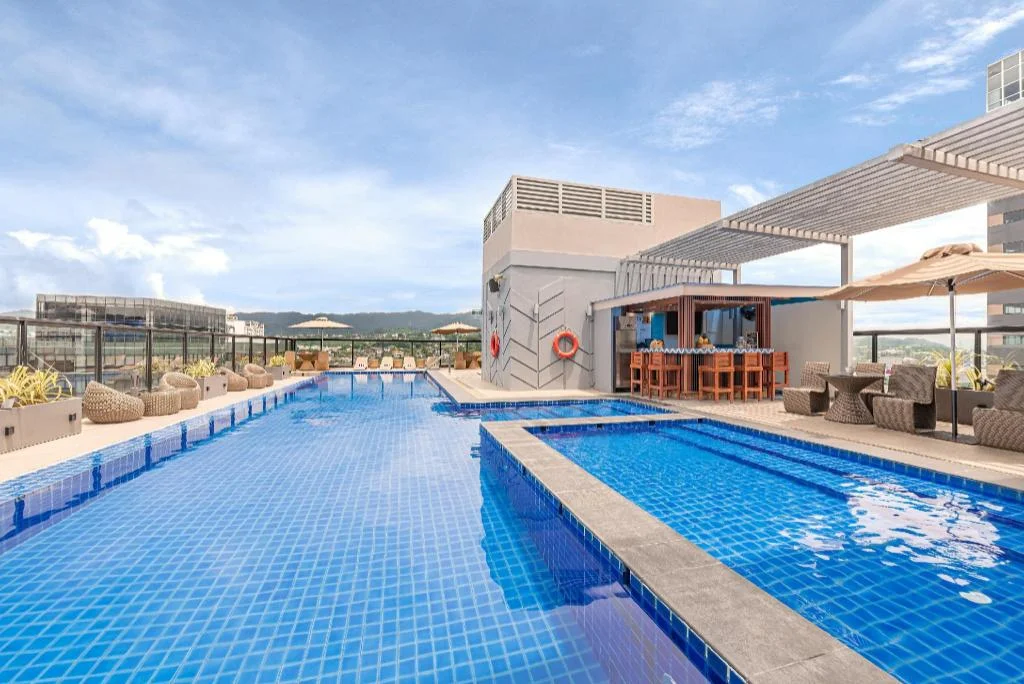
Seda Central Bloc Cebu City
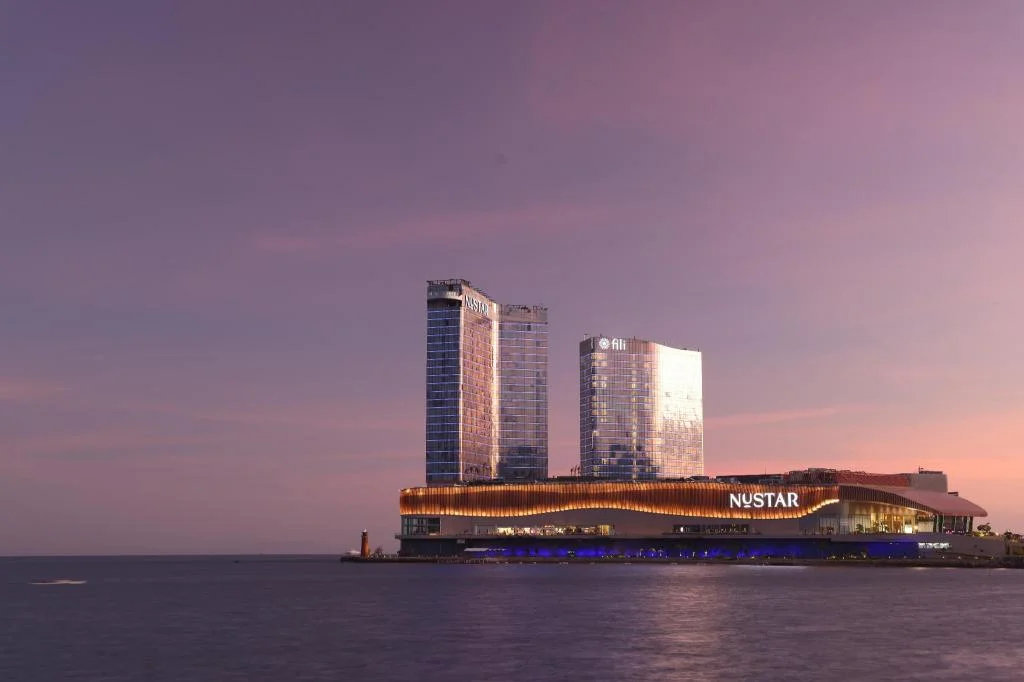
Fili Hotel - NUSTAR Resort & Casino Cebu
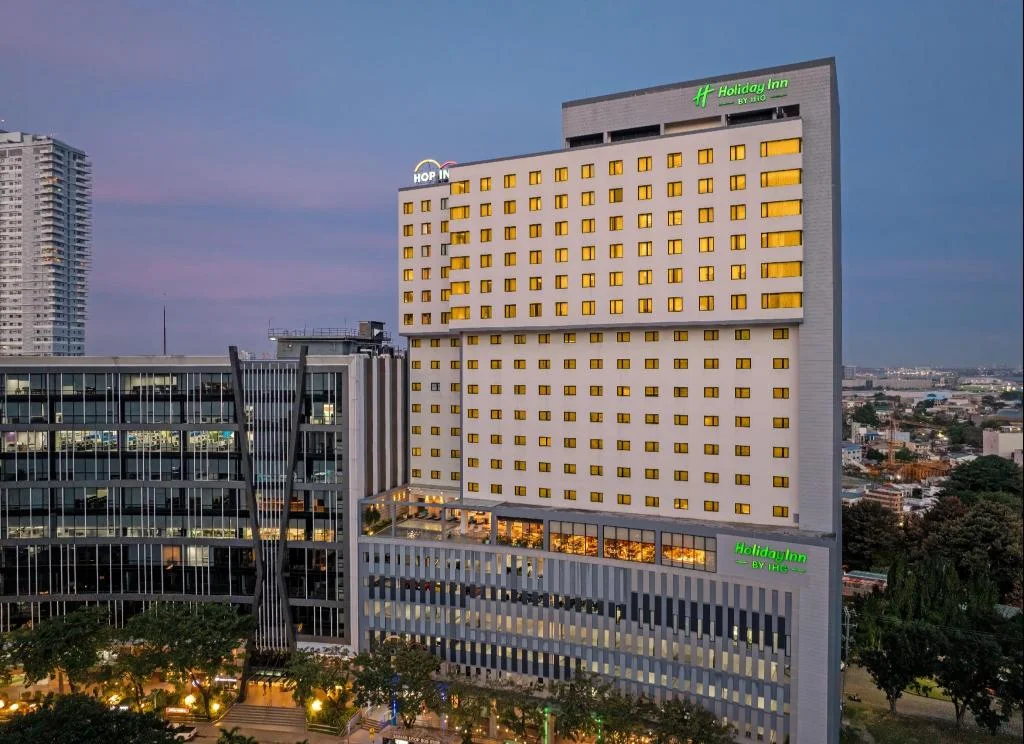
Holiday Inn Cebu City By IHG
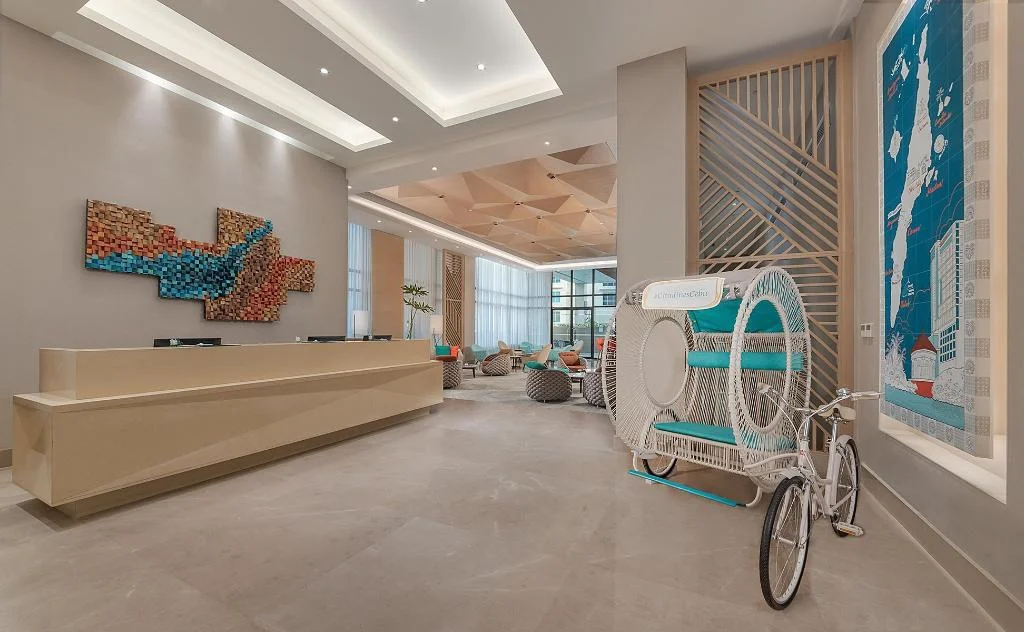
Citadines Cebu City
Prefer a rental? Vacation rentals near Cebu City
Self-catering condos and apartments — book the exact unit, kitchen included.
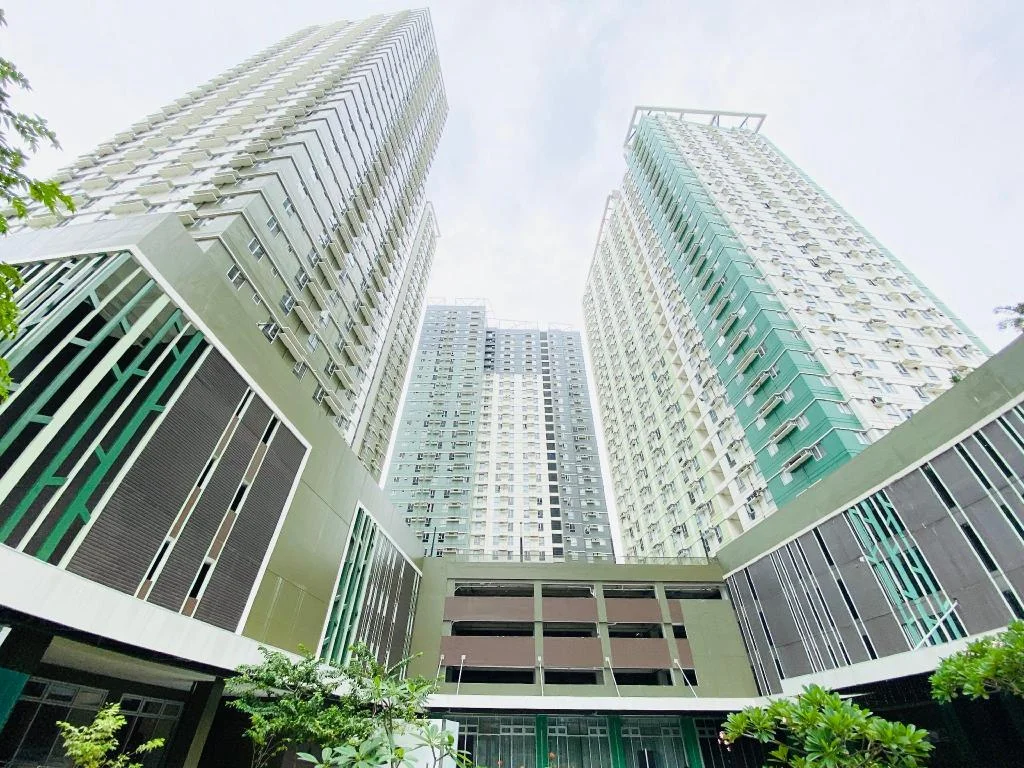
Cebu Avida Riala by P&J
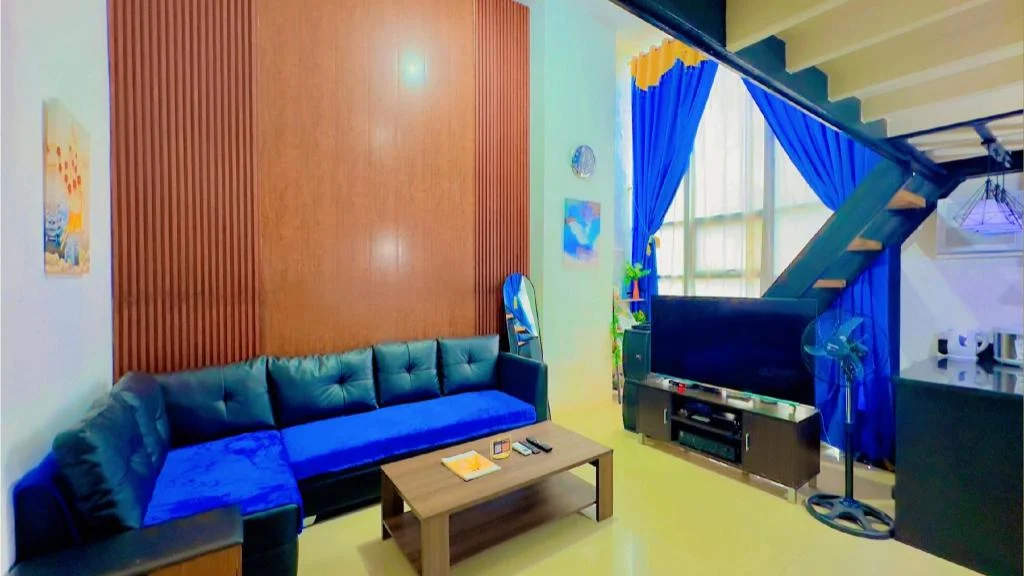
Special Big Loft Unit w/Fibreop Internet & Netflix
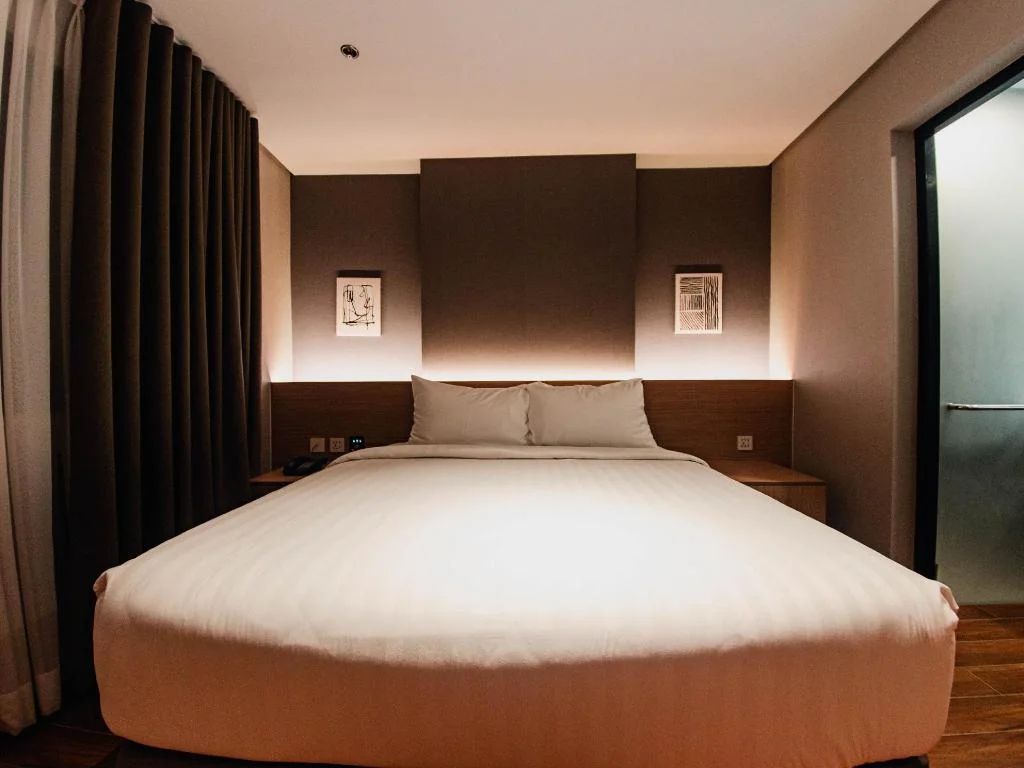
Moonstar Cebu Hotel - Deluxe Room
Before you go
Frequently asked
How many museums are there in Cebu City?
What is the best museum to visit in Cebu?
Are Cebu's museums expensive?
Can you visit all the Cebu City museums in one day?
Are Cebu's museums open on Sundays?
What is the oldest museum-worthy building in Cebu?
Is the Jesuit House 1730 hard to find?
Do you need a guide inside these museums?
More Places to Explore
Fort San Pedro
Cebu City
The oldest and smallest triangular fort in the Philippines (1565), a well-preserved Spanish colonial military structure with a history museum.
Colon Street
Cebu City
The oldest street in the Philippines, a historic commercial thoroughfare that has been Cebu's trading center since Spanish colonial times.
Heritage of Cebu Monument
Cebu City
A dramatic sculptural tableau by Eduardo Castrillo depicting key moments in Cebu's history, from Magellan's arrival to modern times.
Basilica del Santo Niño
Cebu City
The oldest church in the Philippines (1565), home to the miraculous Santo Niño image and center of the famous Sinulog Festival.