
TL;DR: The Yap-Sandiego Ancestral House is a 17th-century Chinese-Filipino home in Cebu City’s Parian district, built roughly 1675–1700 — one of the oldest surviving houses in the Philippines. Entrance is ₱100 per person (about US$1.72), open daily from roughly 9 AM to 7 PM. A visit takes 20–30 minutes: two floors of coral-stone-and-wood construction, family antiques, and period furniture, with a caretaker on hand to answer questions. It’s a worthwhile 30-minute add-on to a Parian heritage walk, not a destination on its own. Verified July 2026.
Tucked into a quiet corner of the Colon Street area’s old Parian district, the Yap-Sandiego Ancestral House doesn’t look like much from the street — a low coral-stone-and-wood house wedged between newer buildings. Step inside, though, and it’s one of the few places in Cebu City where you’re standing in a structure that predates most of the country’s national history. Built in the late 1600s by a Chinese merchant family, it survived earthquakes, colonization, and a world war largely intact, and it’s still owned and staffed by descendants of the original family rather than a government agency or hotel chain.
This guide is for anyone doing a heritage day in Cebu City and wondering whether this specific stop is worth the detour — the honest answer is that it’s a quick, cheap, genuine piece of the city’s Chinese-Filipino history, best paired with the nearby Heritage of Cebu Monument rather than visited alone.
Yap-Sandiego Ancestral House at a Glance
| Detail | Info |
|---|---|
| Address | 155 Lopez Jaena cor. Mabini St., Parian, Cebu City |
| Entrance fee | ₱100/person (~US$1.72); some older listings still show ₱50 |
| Hours | Daily, approx. 9 AM–7 PM |
| Visit duration | 20–30 minutes |
| Built | c. 1675–1700 |
| Air conditioning | None |
| Contact | +63 32 514 3004 |
Verified July 2026.
How Much Does It Cost to Get In?
₱100 per person (about US$1.72), based on visitor reports from 2024 through 2026. The house is privately run by the family, not a government heritage site, so there’s no fixed published rate card and no online ticketing — you pay cash at the door. Older blog posts and travel-site listings still quote ₱50, which was the fee before a price increase visitors started reporting around 2022; if a source you’re reading quotes ₱50, it’s out of date. Bring small bills, and don’t be surprised if a group discount or a slightly different rate is quoted on the day — confirm at the door.
What Are the Opening Hours?
The house is open daily, roughly 9 AM to 7 PM, with no fixed rest day. Because it’s family-run rather than government-operated, hours can shift around lunch, on short notice, or for a family event, so it’s worth calling ahead — +63 32 514 3004 — if you’re planning a visit around a tight schedule or arriving right at opening or closing.
How Old Is the House, and Who Built It?
It dates to roughly 1675–1700, making it one of the oldest surviving houses in the Philippines. It was built by Don Juan Yap, a Chinese merchant from Fujian province, and his wife Doña Maria Florido, in the Parian — the district Chinese residents were required to live in under Spanish colonial rule. Locals call it “Balay nga Bato ug Kahoy” (house of stone and wood): the lower floor is coral stone, the upper floor is molave hardwood, and the whole structure was reportedly bound together partly with egg whites, a period building technique.
The current name comes from a marriage: in the 1880s, the Yaps’ eldest daughter Maria married Don Mariano San Diego, the Parian’s cabeza de barangay (village head) at the time, and the two family names have been attached to the house ever since. Descendants of the family, now under caretaker Val Mancao San Diego, still maintain and staff the house today. It’s recognized by the National Historical Commission of the Philippines and has been open to visitors since 2008.
What’s Inside?
Expect two modest floors of family heirlooms rather than a sprawling museum collection: antique Chinese furniture, religious statuary, porcelain, old photographs, and a functioning altar area. A caretaker or family member typically walks you through and points out pieces, including furniture said to date back multiple generations. It’s small and personal rather than curated like a formal exhibit — closer to visiting a very old relative’s house than touring Casa Gorordo Museum, Cebu’s other well-known heritage home a few minutes away.
There’s no air conditioning, so the upper floor in particular gets warm by midday — worth knowing if you’re heat-sensitive or visiting in the dry season’s peak afternoon hours.
How Do You Get There?
It’s in the Parian district, a few minutes’ drive or a 15–20 minute walk from Colon Street and the Basilica del Santo Niño area. The address is 155 Lopez Jaena corner Mabini Street, Cebu City.
- Grab or taxi (easiest): Enter “Yap-Sandiego Ancestral House” as your destination — most drivers recognize it.
- Jeepney: From Ayala Center Cebu or SM City Cebu, routes 13C or 62C pass near Parian; ask to be let off at the Parian Fire Station or Parian Monument, both a short walk from the house.
- On foot: If you’re already doing a downtown heritage walk from Fort San Pedro or the Basilica, it’s walkable, though the midday heat makes a short Grab ride more comfortable.
Should You Combine It With the Heritage Monument?
Yes — they’re a five-minute walk apart in the same Parian district. The Heritage of Cebu Monument is a large sculptural tableau depicting Cebu’s history, and pairing the two gives you a physical house from the era the monument depicts, plus the monument’s broader historical context, in under an hour combined. Both slot naturally into a longer downtown loop that includes the Basilica del Santo Niño and Colon Street — see our Cebu cultural heritage walking tour for a route that ties them together, or a wider view of downtown’s oldest street in our Colon Street guide.
If you want a guided version of the same district rather than doing it solo, browse Cebu City heritage and walking tours on Klook — some operators route through Parian, the Basilica, and Fort San Pedro in a single half-day.
The Honest Take
This is a 20-to-30-minute stop, not a half-day attraction, and it shows its age in ways that aren’t always charming — no air conditioning, a basic ground-floor restroom, and reviewers note the staff sometimes hurries groups along rather than letting people linger. It’s also easy to miss if you’re not specifically looking for it; there’s no grand entrance, just a family home on a side street. None of that makes it not worth seeing. What you’re paying ₱100 for is a genuinely 300-plus-year-old structure still lived in and maintained by the family that’s owned it since the Spanish colonial period — that’s rare anywhere in the Philippines, where wood-and-stone houses this old rarely survive earthquakes, fires, and World War II bombing raids intact.
Skip it if you’re only in Cebu for beaches, diving, or Sinulog and have zero interest in colonial-era history. Include it if you’re already committing a morning to downtown heritage sites — it adds real texture next to the more polished, larger-scale stops like the Basilica or Casa Gorordo.
Round Out Your Heritage Day
Pair the house with the Heritage of Cebu Monument next door, the Basilica del Santo Niño a short ride away, and a walk down Colon Street, the oldest street in the Philippines. For a full downtown loop with timing and sequencing, see our Cebu cultural heritage walking tour. If you’d rather book a half-day heritage tour and skip the logistics, check current Cebu City tour options on Klook.
Sources
- Yap-Sandiego Ancestral House — Facebook page (official updates, contact)
- TripAdvisor — Yap-Sandiego Ancestral House reviews (recent visitor-reported fees and hours)
- Wikipedia — Yap-San Diego House (history, construction, family background)
- Visitor fee, hours, and route details cross-checked against multiple 2024–2026 travel-blog and directory reports; entrance fee and hours can change without notice — confirm by phone before a special trip. Verified July 2026.
Book Tours & Hotels for This Trip
Find and book the best deals — prices and availability update in real time. Links open in a new tab.
Where to stay near Cebu City
Top-rated hotels for this trip — tap through to check live rates.
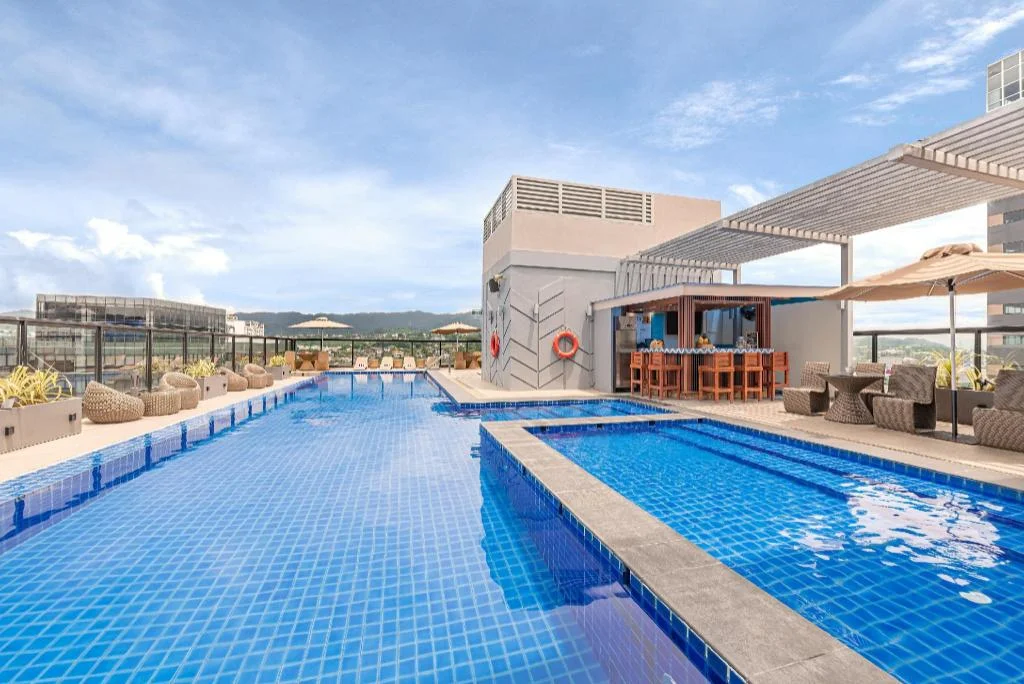
Seda Central Bloc Cebu City
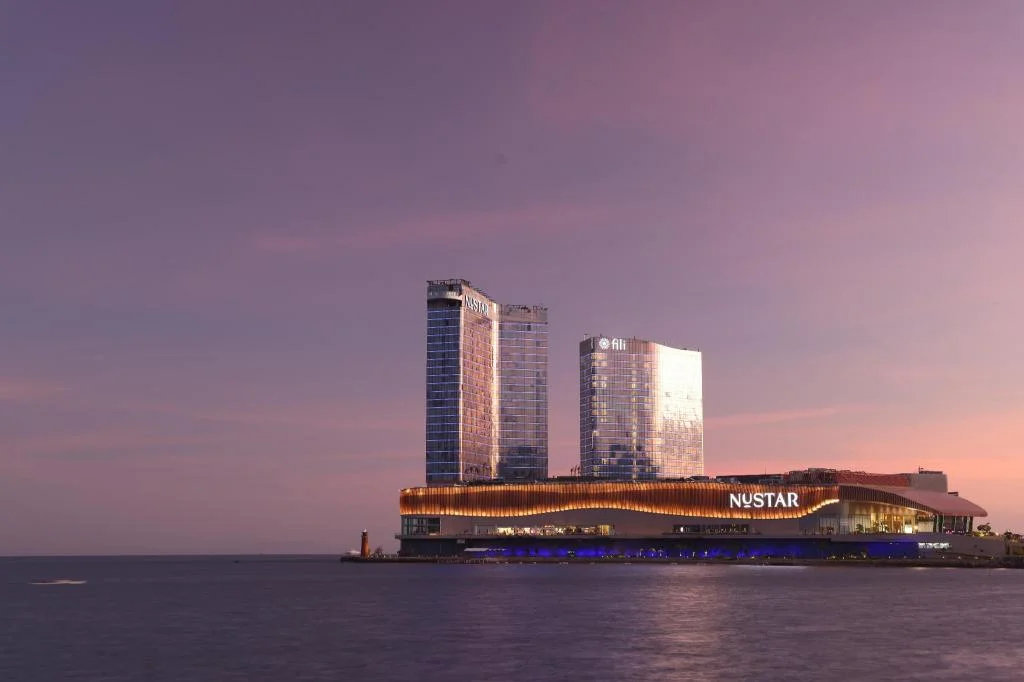
Fili Hotel - NUSTAR Resort & Casino Cebu
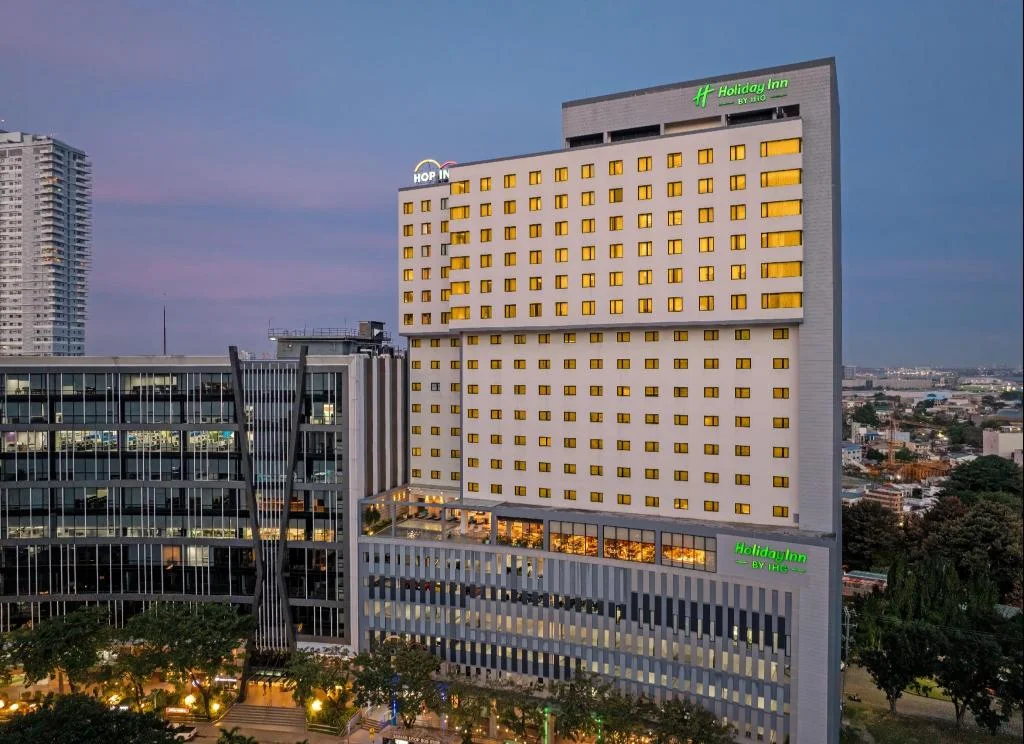
Holiday Inn Cebu City By IHG
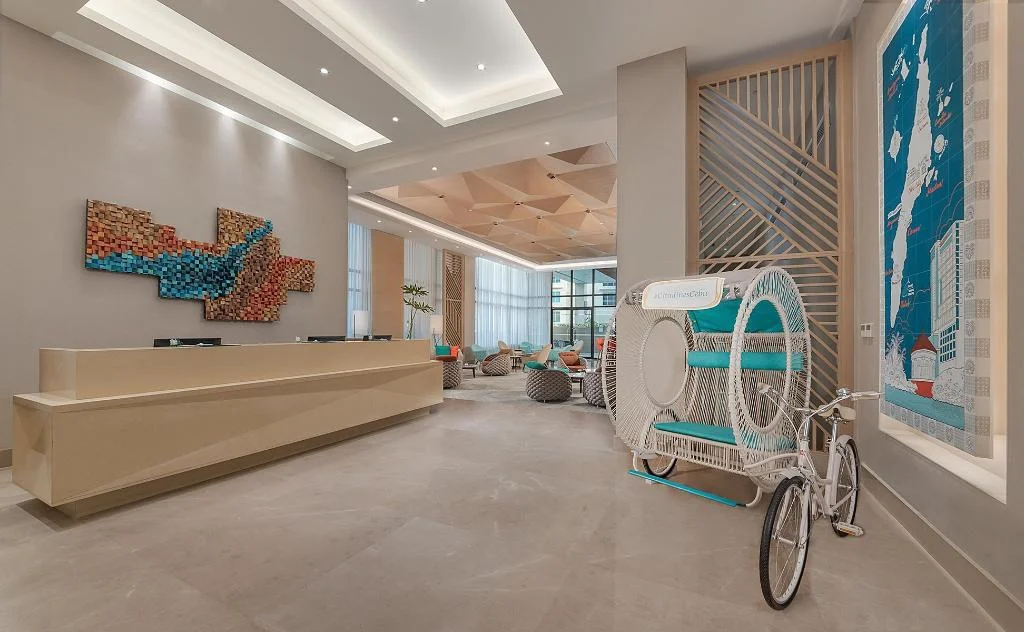
Citadines Cebu City
Prefer a rental? Vacation rentals near Cebu City
Self-catering condos and apartments — book the exact unit, kitchen included.
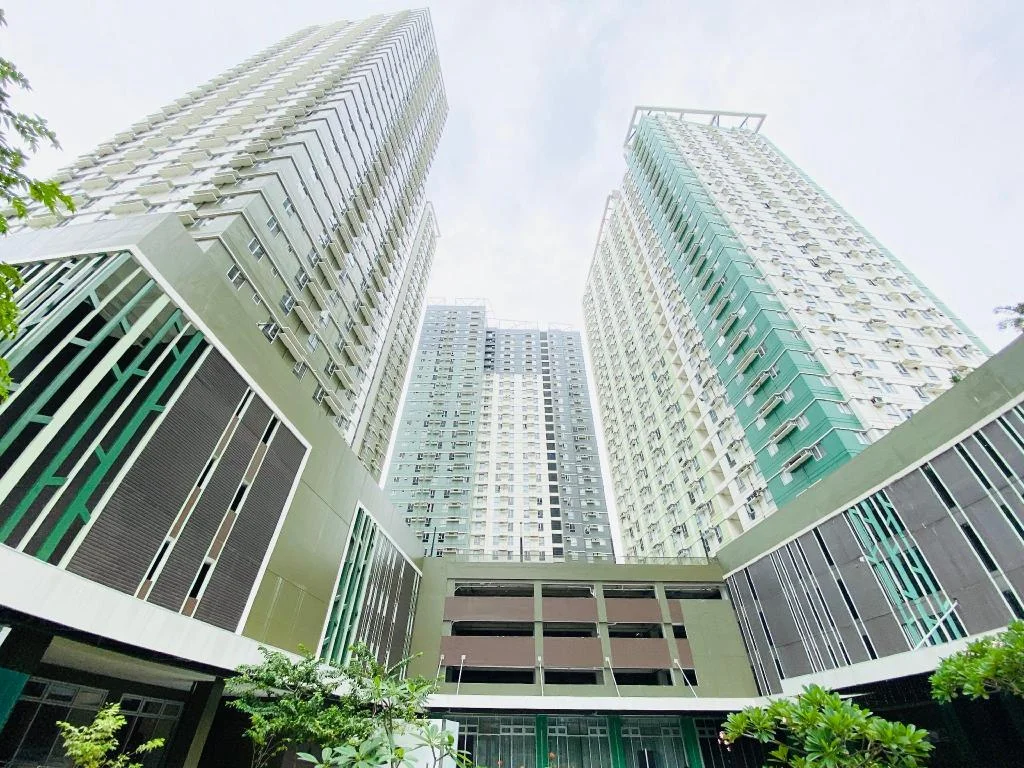
Cebu Avida Riala by P&J
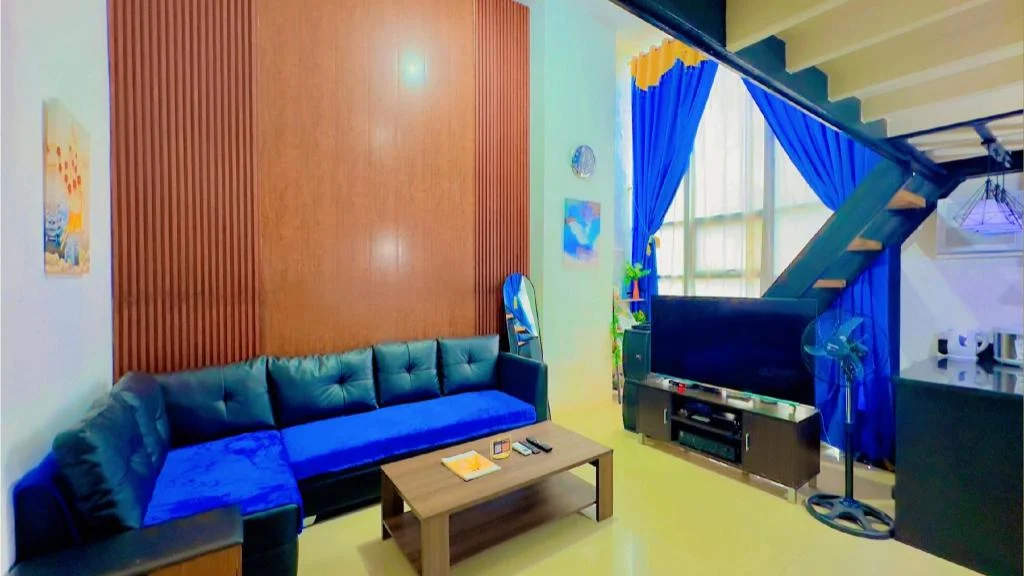
Special Big Loft Unit w/Fibreop Internet & Netflix
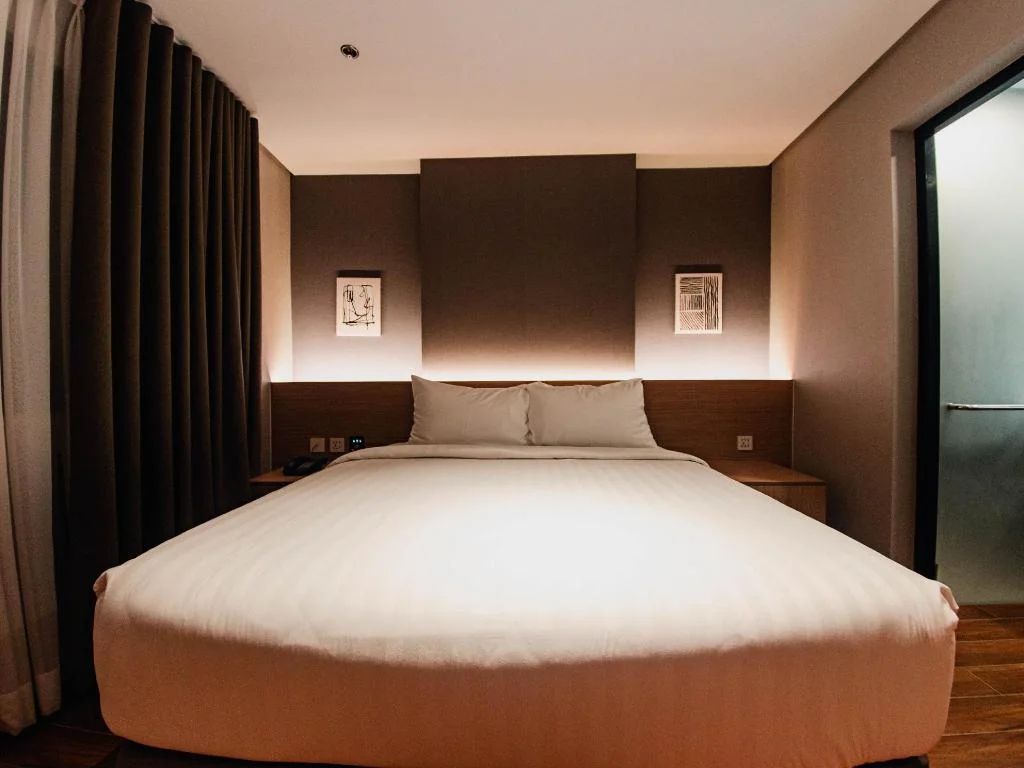
Moonstar Cebu Hotel - Deluxe Room
Before you go
Frequently asked
How much is the entrance fee at Yap-Sandiego Ancestral House?
What are the opening hours?
How old is the Yap-Sandiego Ancestral House?
Who built the house and why is it called Yap-Sandiego?
How long does a visit take?
Is there air conditioning inside?
How do I get to Yap-Sandiego Ancestral House?
Is Yap-Sandiego Ancestral House worth visiting?
More Places to Explore
Heritage of Cebu Monument
Cebu City
A dramatic sculptural tableau by Eduardo Castrillo depicting key moments in Cebu's history, from Magellan's arrival to modern times.
Colon Street
Cebu City
The oldest street in the Philippines, a historic commercial thoroughfare that has been Cebu's trading center since Spanish colonial times.
Basilica del Santo Niño
Cebu City
The oldest church in the Philippines (1565), home to the miraculous Santo Niño image and center of the famous Sinulog Festival.