
TL;DR: The Heritage of Cebu Monument is a free, open-air sculpture complex in Parian, Cebu City, carved by Eduardo Castrillo between 1997 and 2000. It depicts Cebu’s history in bronze and concrete - Magellan’s landing, the baptism of Rajah Humabon, the Battle of Mactan, and later figures like Sergio Osmeña Sr. and Blessed Pedro Calungsod. Budget 15-20 minutes on-site, no ticket required. It sits about 150 meters from the Yap-Sandiego Ancestral House and a short walk from the 1730 Jesuit House, so it’s best done as one stop on a Parian heritage walk rather than a standalone trip. Verified July 2026.
Tucked into a public plaza where Colon Street meets the old Parian district, the Heritage of Cebu Monument is one of the few attractions in Cebu City that costs nothing and still delivers a genuine dose of history. It’s a sprawling sculptural tableau - bronze figures, a full-size galleon, church facades cast in concrete - built by one of the Philippines’ most decorated sculptors to compress five centuries of Cebuano history into one plaza you can walk around in a quarter of an hour. This guide is for anyone doing a downtown Cebu City heritage day: what the monument actually shows, whether it’s worth the detour, what’s within a few minutes’ walk in Parian, and how to fold it into a bigger heritage route without wasting a morning. If you’re the type who wants photos and a quick history lesson rather than a museum-length visit, this is built for you.
Parian Heritage Sites at a Glance
| Site | Distance from monument | Cost | Time needed |
|---|---|---|---|
| Heritage of Cebu Monument | - | Free | 15-20 min |
| Yap-Sandiego Ancestral House | ~150 m | ₱100 adult / ₱50 student & senior (US$1.61 / US$0.81) | 20 min |
| 1730 Jesuit House (Museo Parian sa Sugbo) | ~300-400 m | ₱100 (guided tour included) (US$1.61) | 20-30 min |
| Parian Fire Station (exterior) | ~200 m | Free (view from outside) | 5 min |
| Colon Street | ~700 m-1 km | Free | 15-20 min |
Prices are per-adult unless noted. ₱62 ≈ US$1 (July 2026). Confirm museum hours locally before you go, since small heritage houses in Parian occasionally close for private events. Verified July 2026.
What Is the Heritage of Cebu Monument?
It’s a large, free, outdoor sculpture complex that tells Cebu’s history through a sequence of bronze and concrete scenes. Filipino sculptor Eduardo Castrillo built it between July 1997 and December 2000, working with architects Heradio Español and Ildefonso Santos on the site layout. Funding came mainly from the late Senator Marcelo Fernan, supplemented by private donations, and it was formally unveiled on December 8, 2000. The monument stands on the exact spot where the original Parian parish church, St. John the Baptist, once stood before it was demolished by the Diocese of Cebu in 1875 - so the ground itself carries as much history as the sculpture on top of it.
Structurally, it’s built from concrete, bronze, brass, and steel, arranged as a walk-through tableau rather than a single statue - you move through it the way you’d move through a timeline, rather than standing back to view one figure.
What Scenes Does the Monument Depict?
The monument runs chronologically through Cebu’s founding story, from first contact with Spain through the 20th century. Reading it in order, from the earliest scene to the latest:
- Magellan’s arrival and the planting of Magellan’s Cross in 1521, marking the first Catholic mass on the island.
- The baptism of Rajah Humabon and his household - the mass conversion that made Cebu the birthplace of Christianity in the Philippines.
- The Battle of Mactan, April 21, 1521, where the chieftain Lapu-Lapu’s forces killed Ferdinand Magellan - cast as a dramatic, weapon-raised confrontation.
- A Spanish galleon, representing the centuries of trade that followed colonization.
- Church facades in miniature, including representations of the Basilica del Santo Niño, Cebu Metropolitan Cathedral, and St. John the Baptist Church - the very church the monument’s site replaced.
- Later historical figures, including President Sergio Osmeña Sr. (Cebu’s most prominent contribution to national politics) and Blessed Pedro Calungsod, the young Visayan martyr who was beatified in 2000, the same year the monument was completed.
None of the figures carry detailed descriptive plaques comparable to a museum, so if you want the full story behind each scene, it’s worth reading up beforehand (this guide, or the cultural heritage walking tour) rather than expecting on-site signage to explain everything.
Is the Heritage of Cebu Monument Free to Visit?
Yes - there’s no entrance fee, and it’s accessible any time during daylight hours since it sits in an open public plaza rather than behind a gate. Some write-ups mention a donation box for its upkeep, which is optional. Because it’s outdoor public space and not a ticketed attraction with fixed hours, treat early morning or after-dark visits with normal city caution rather than assuming set opening times - Parian is safe by day but, like most of downtown Cebu City, it’s not a district to wander alone late at night.
How Do You Get to the Heritage of Cebu Monument?
The monument sits at Parian Plaza, on Colon Street at its corner with D. Jakosalem Street - a short ride or walk from most of downtown Cebu City. The most reliable options:
- Grab or taxi directly to Parian Plaza or “Heritage of Cebu Monument” - the simplest option if you’re coming from Mactan, IT Park, or anywhere outside downtown.
- Walk from the Colon Obelisk, the marker at the head of Colon Street - it’s roughly 10-15 minutes on foot from there, through the older stretch of the street.
- Jeepneys bound for Colon Street pass nearby, but confirm the current route number with your driver or hotel, since jeepney routes in Cebu City get renumbered periodically - don’t rely on a specific code without checking locally first.
If you’re staying downtown for a few days and plan to do more than one heritage stop, compare Cebu City hotel options on Agoda - staying near Fuente Osmeña or Cebu Business Park puts you within a short ride of Parian and the rest of the historic core.
What Else Is There to See in Parian?
Parian was Cebu’s Chinese-Filipino merchant quarter, and the monument sits at the center of a cluster of heritage sites you can cover on foot in an hour or two. The closest is the Yap-Sandiego Ancestral House, about 150 meters away - one of the oldest residential structures still standing in the Philippines, built in the 1700s and furnished with period antiques by the family that still owns it. Entry runs ₱100 for adults and ₱50 for students and seniors (roughly US$1.61 and US$0.81), and 20 minutes is enough to see the small rooms.
A short walk further is the 1730 Jesuit House, also known as Museo Parian sa Sugbo, tucked inside the Ho Tong Hardware compound on Zulueta Street - one of the oldest surviving houses in the country, with its ₱100 entrance fee (about US$1.61) covering a short guided tour. It’s a quieter, less-visited stop than Yap-Sandiego, which some travelers actually prefer.
Nearby too is the Parian Fire Station, one of the oldest still-functioning fire stations in the Philippines, originally built as the convent for the old St. John the Baptist Church - its clock tower was restored and unveiled again in early 2025, worth a photo even if you don’t go inside. And back toward Colon Street, the Colon Obelisk, erected in 1961 to mark the street Miguel López de Legazpi laid out in 1565 as the first planned street in Spanish Cebu, bookends the walk.
How Do You Choose What to See in One Visit?
- Short on time (20-30 minutes total): See the monument only, then walk past the Parian Fire Station exterior on your way back to Colon Street. Free, fast, still gives you the historical highlight reel.
- Half-morning (1.5-2 hours): Add the Yap-Sandiego Ancestral House and the Jesuit House - both are close, both are cheap, and together they show you what a Parian merchant home actually looked like, which the monument’s sculptures can only gesture at.
- Full heritage day (4-5 hours): Fold this whole Parian cluster into the broader downtown walk that also covers Fort San Pedro, Magellan’s Cross, the Basilica del Santo Niño, and Carbon Market - see our Cebu cultural heritage walking tour for the full route and stop-by-stop timing.
If you’d rather have a guide walk you through it and fill in the historical detail the plaques don’t cover, search Cebu City heritage and history tours on Klook - useful if this is your only day in the city and you don’t want to piece the route together yourself.
The Honest Take
The monument is worth the fifteen minutes, but be realistic about what it is: a large outdoor sculpture, not a museum. There’s no air conditioning, no seating to speak of, and the midday sun on bare concrete and bronze is genuinely uncomfortable - go in the morning or later afternoon, not at noon. The plaza around it can also feel a little rough around the edges compared to the polished version you might see in tourism photos; it’s a working public space in a busy commercial district, not a manicured park.
Where it earns its place on an itinerary is as connective tissue - it’s the one stop downtown that visually ties together everything else you’re about to see (the Basilica, Magellan’s Cross, the old churches) into one coherent story, and it costs you nothing to get that. Skip it only if you’re genuinely pressed for time and have to choose between it and a paid site like Casa Gorordo or Fort San Pedro, which reward a longer visit. Don’t make a special trip from Mactan or a beach town just for this monument alone - it belongs inside a downtown heritage walk, not as its own destination.
Combine It With the Rest of Downtown Cebu
Parian sits within easy reach of the rest of Cebu City’s heritage core - Magellan’s Cross and the Basilica del Santo Niño are a short ride away, and Colon Street, the oldest street in the Philippines, connects the two areas on foot. If you want the complete route mapped out stop by stop, our cultural heritage walking tour guide covers timing and costs for the whole day, and the Colon Street guide and Yap-Sandiego Ancestral House guide go deeper on those specific stops. For more no-cost options nearby, see free things to do in Cebu.
Sources
- Heritage of Cebu Monument - Wikipedia (creators, materials, site history)
- MyCebu.ph - Parian monument depicts historic events (construction timeline, funding)
- It’s Cebu - In the Heart of Parian (Parian Fire Station, Colon Obelisk, nearby heritage sites)
- Forever Vacation - Cebu Heritage Monument (entrance fee, hours, address)
- Yap-Sandiego Ancestral House and 1730 Jesuit House fees cross-checked against recent visitor reports and our cultural heritage walking tour guide. Confirm current hours and fees locally before you go. Verified July 2026.
Book Tours & Hotels for This Trip
Find and book the best deals — prices and availability update in real time. Links open in a new tab.
Where to stay near Cebu City
Top-rated hotels for this trip — tap through to check live rates.
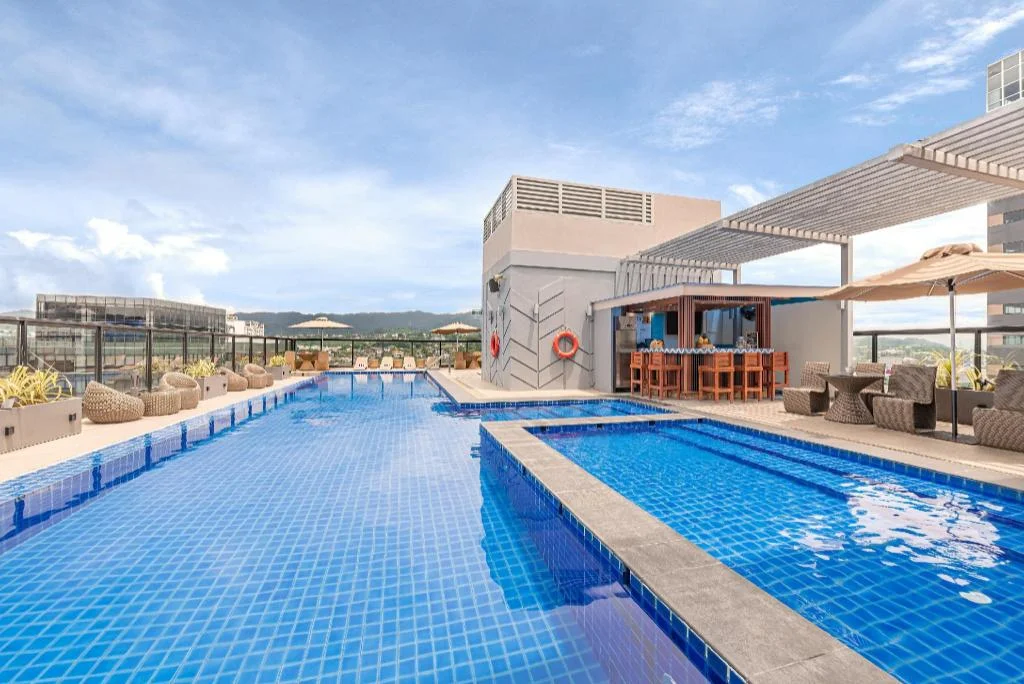
Seda Central Bloc Cebu City
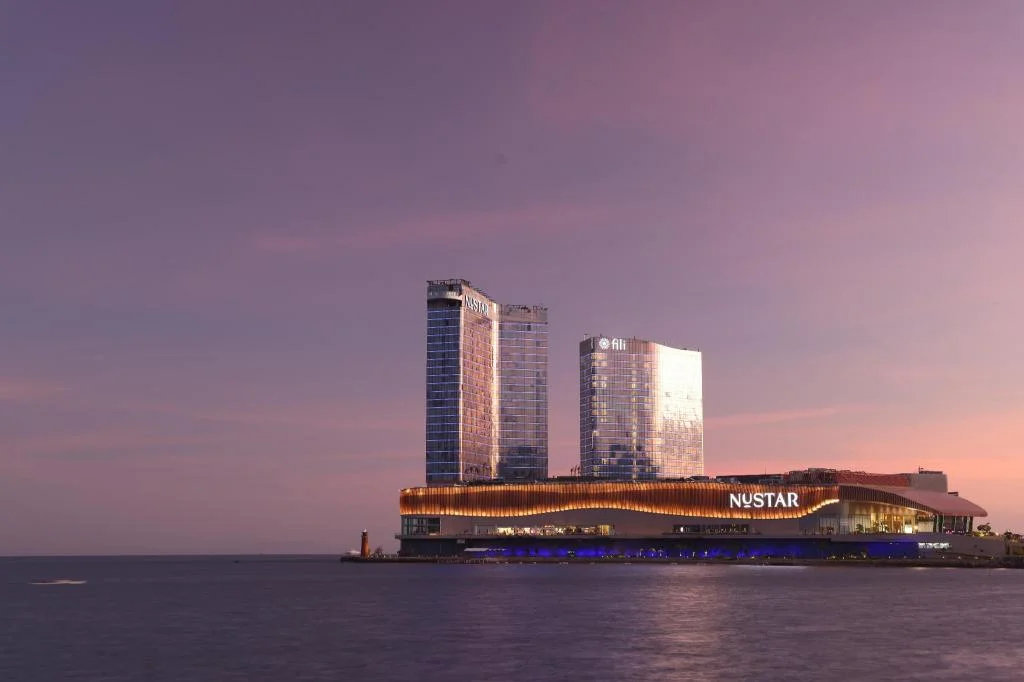
Fili Hotel - NUSTAR Resort & Casino Cebu
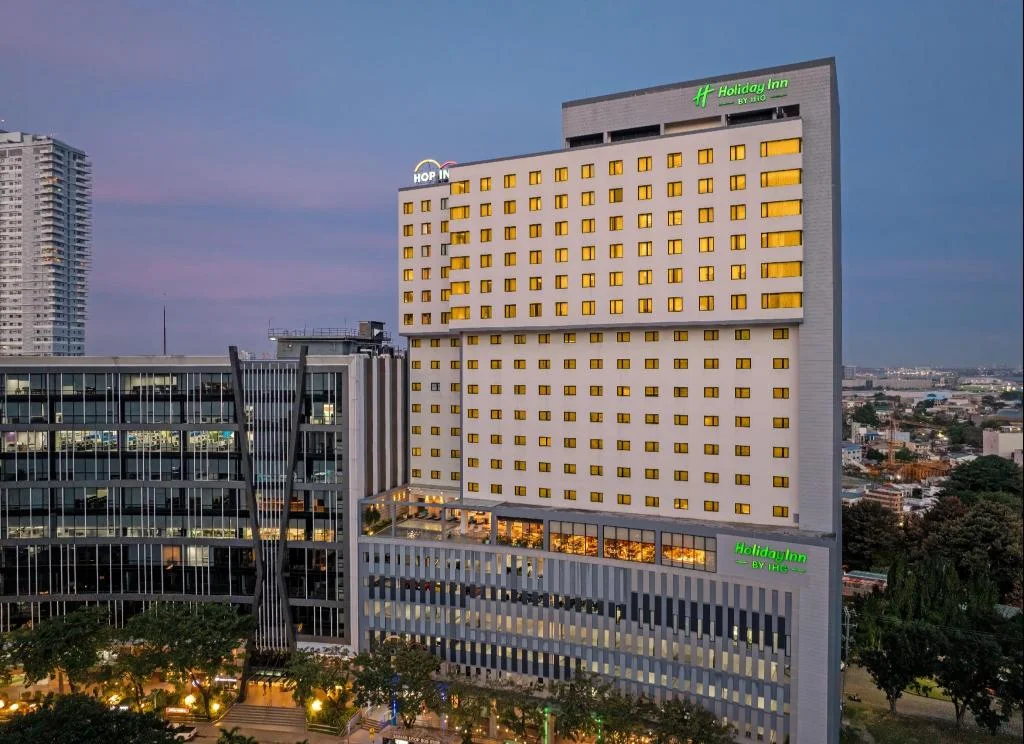
Holiday Inn Cebu City By IHG
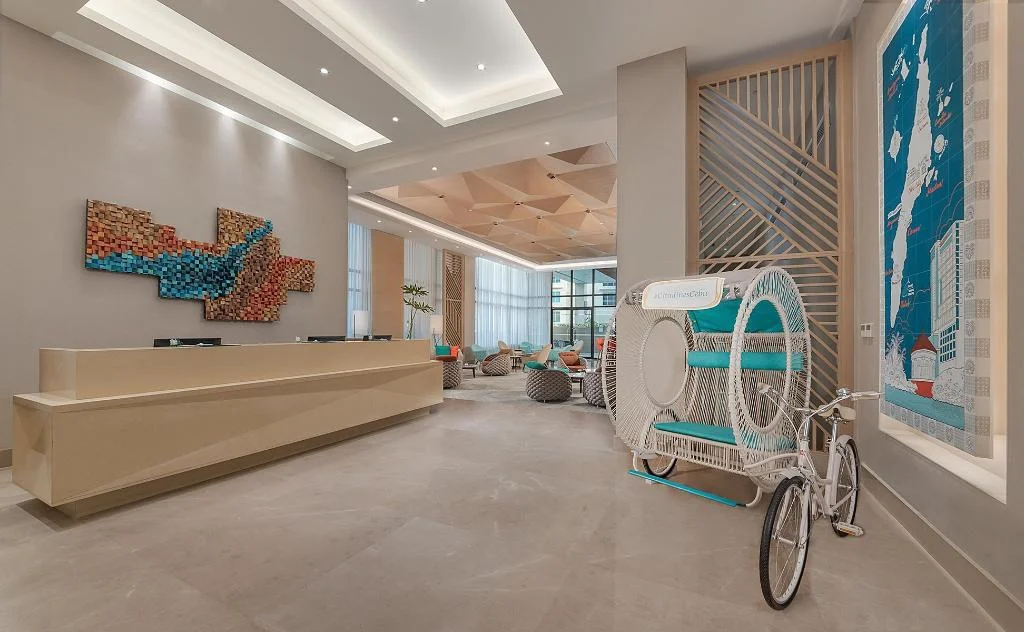
Citadines Cebu City
Prefer a rental? Vacation rentals near Cebu City
Self-catering condos and apartments — book the exact unit, kitchen included.
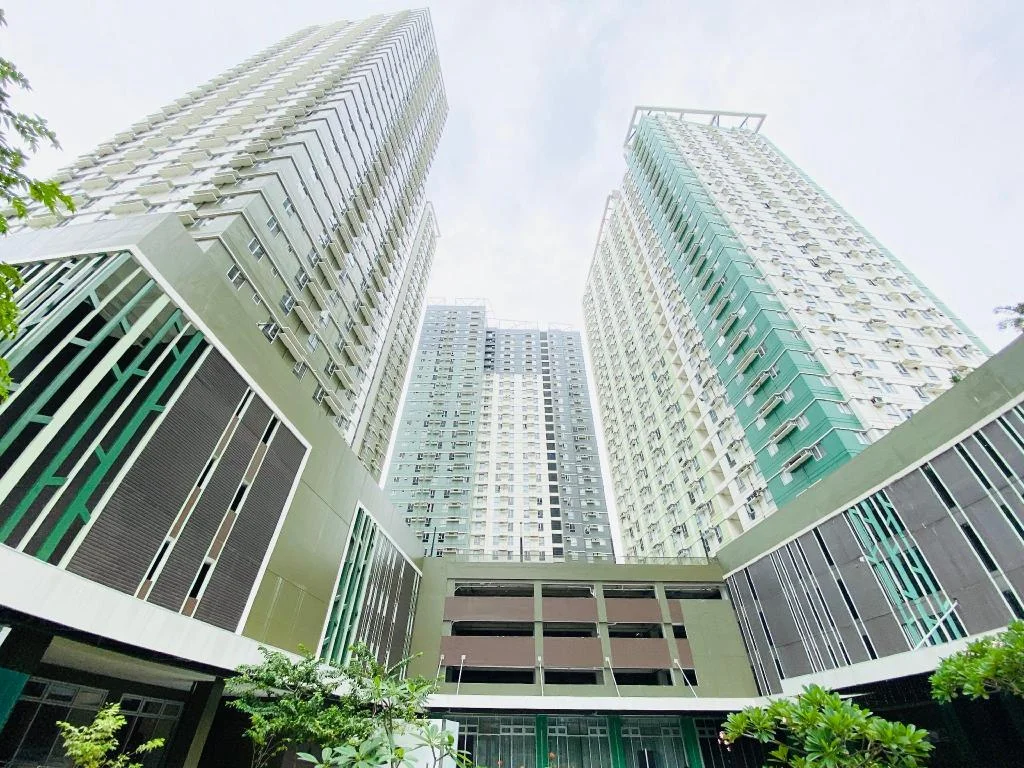
Cebu Avida Riala by P&J
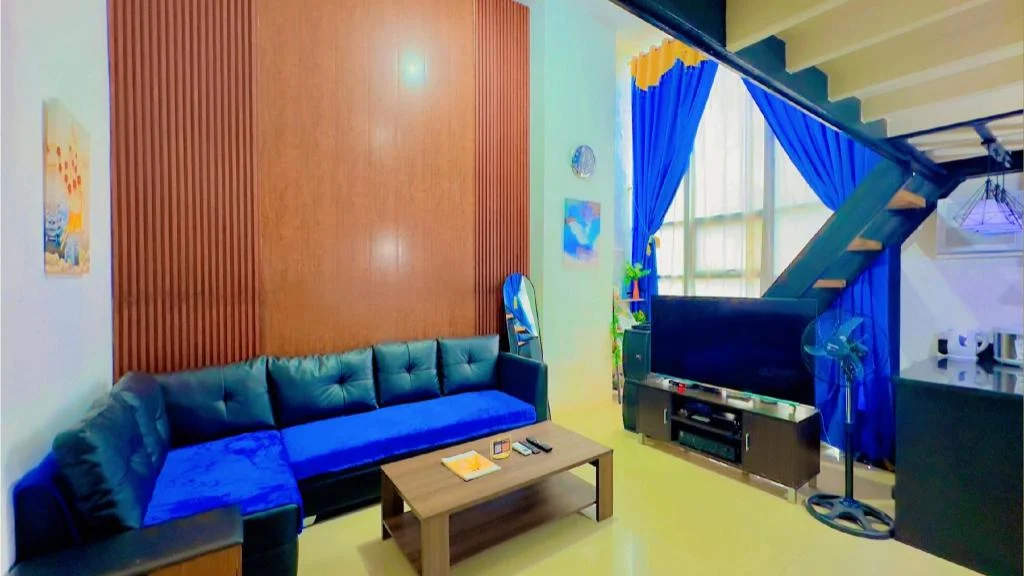
Special Big Loft Unit w/Fibreop Internet & Netflix
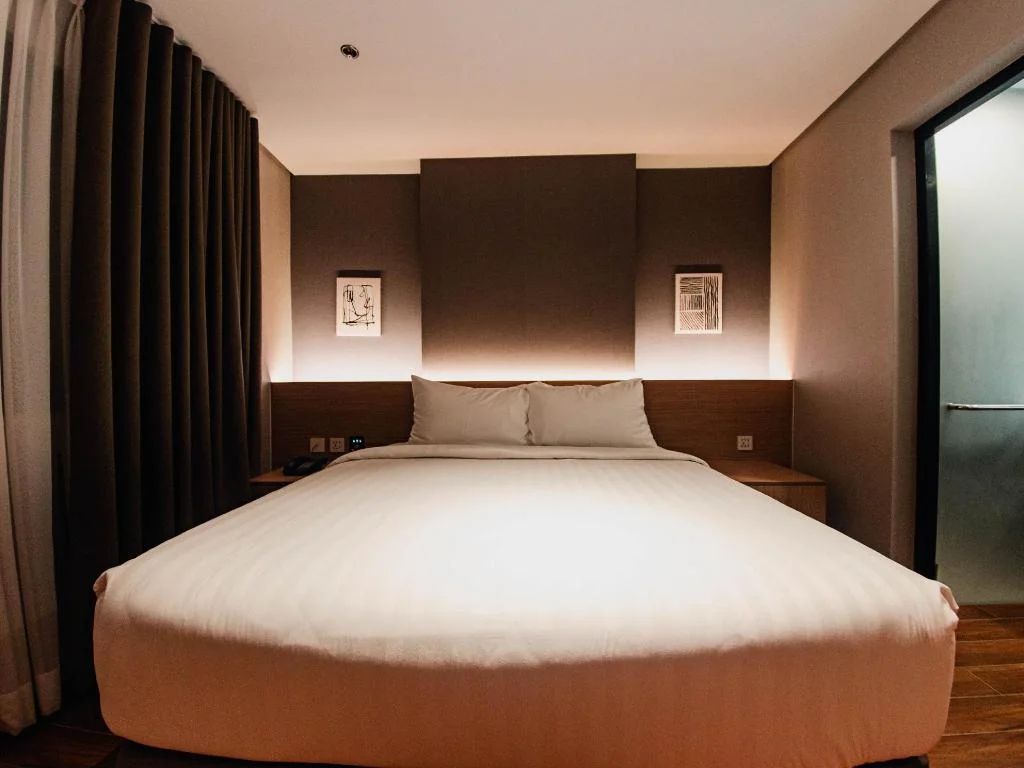
Moonstar Cebu Hotel - Deluxe Room
Before you go
Frequently asked
Is the Heritage of Cebu Monument free to visit?
Who built the Heritage of Cebu Monument and when?
What scenes does the monument depict?
How long does it take to see the monument?
What's within walking distance of the monument?
How do you get to the Heritage of Cebu Monument?
Is the Heritage of Cebu Monument worth visiting?
Can you combine this with a heritage walking tour?
More Places to Explore
Heritage of Cebu Monument
Cebu City
A dramatic sculptural tableau by Eduardo Castrillo depicting key moments in Cebu's history, from Magellan's arrival to modern times.
Colon Street
Cebu City
The oldest street in the Philippines, a historic commercial thoroughfare that has been Cebu's trading center since Spanish colonial times.
Basilica del Santo Niño
Cebu City
The oldest church in the Philippines (1565), home to the miraculous Santo Niño image and center of the famous Sinulog Festival.
Magellan's Cross
Cebu City
The historic cross planted by Ferdinand Magellan in 1521, marking the birth of Christianity in the Philippines and now a National Cultural Treasure.