TL;DR: Cebu’s story runs from the pre-colonial Rajahnate of Cebu under Rajah Humabon, through Magellan’s arrival and death at the Battle of Mactan (April 27, 1521), to becoming the Philippines’ oldest Spanish-founded city under Legazpi in 1565, then three centuries of Spanish rule, an American period that rebuilt its schools and port, a brutal WWII occupation and 1945 liberation, and today’s role as the Queen City of the South — a metro of over 3.2 million people and the country’s second-largest IT-BPM hub. Every era has a site you can still visit downtown, most within walking distance of each other. Verified July 2026.
Cebu isn’t just a beach-and-diving destination — it’s where Philippine history effectively starts. This is the island where a Southeast Asian trading kingdom met Ferdinand Magellan in 1521, where a local chief named Lapu-Lapu handed Spain its first defeat in the archipelago, and where the Philippines’ oldest city, oldest fort, oldest street, and oldest religious relic all still stand within a few blocks of each other in downtown Cebu City. This guide walks through that timeline in order — the Rajahnate era, the 1521 Magellan expedition, the Battle of Mactan, three centuries of Spanish rule, the American period, World War II, and the modern city — and tells you where to actually go to see each chapter for yourself. If you only have a day for history in Cebu, this is the order to do it in.
Cebu’s History at a Glance
| Era | Approx. Dates | What Happened | Where to See It Today |
|---|---|---|---|
| Rajahnate of Cebu | Pre-1521 | Sugbu (Cebu) thrives as a trading polity under rajahs descended from Sri Lumay | Heritage of Cebu Monument (depicted in sculpture) |
| Magellan’s arrival | April 1521 | Ferdinand Magellan lands, baptizes Rajah Humabon, gifts the Santo Niño image | Magellan’s Cross, Basilica del Santo Niño |
| Battle of Mactan | April 27, 1521 | Lapu-Lapu defeats and kills Magellan on the beach at Mactan | Mactan Shrine |
| Spanish colonization | 1565–1898 | Legazpi founds the first Spanish settlement; Cebu is briefly the colonial capital | Fort San Pedro, Colon Street, Basilica del Santo Niño |
| American period | 1898–1941 | Public schools, English instruction, and a modernized port reshape the city | Colon Street commercial district, old Cebu Normal buildings |
| World War II | 1942–1945 | Japanese occupation, then liberation by Allied and Filipino forces | Plaques and markers around downtown and Talisay |
| Modern Cebu | 1946–present | Rebuilding, tourism boom, and growth into a major IT-BPM and trade hub | Cebu Business Park, IT Park, Metro Cebu skyline |
Dates and figures reflect standard historical accounts and recent local reporting. Verified July 2026.
What Was Cebu Like Before the Spanish Arrived?
Cebu was already a functioning trade hub centuries before any European ship reached it. Locals called it Sugbu (Antonio Pigafetta, Magellan’s chronicler, wrote it as “Zubu”), and it was ruled by what historians now informally call the Rajahnate of Cebu — an Indianized polity tracing its founding, by oral tradition, to a chieftain named Sri Lumay, said to have come from Sumatra. His line eventually produced Rajah Humabon, who was ruling Cebu when Magellan’s ships arrived in 1521.
This was not an isolated backwater. Cebu traded regularly with China, other Visayan islands, and merchants across the Malay world, and its rulers held real political and military weight over neighboring chiefs — including, as it turned out, an uneasy claim over Mactan’s Lapu-Lapu, who didn’t recognize it. Almost nothing built from this era survives physically today, since it was a wood, bamboo, and thatch culture rather than a stone one. The main place you’ll encounter it now is the Heritage of Cebu Monument, a large sculpted tableau downtown that stages the founding legends, Sri Lumay, and Humabon alongside the later colonial history.
What Happened When Magellan Arrived in 1521?
Ferdinand Magellan reached Cebu in April 1521 while searching for a westward spice route for Spain, and struck a fast alliance with Rajah Humabon. Magellan, sailing for the Spanish crown, arrived with three ships and quickly moved to convert and ally with the local ruler rather than fight him. Humabon, his wife, and several hundred of their people were baptized as Catholics — a mass conversion still marked today. As a gift to Humabon’s wife, Magellan presented an image of the Christ Child, the Santo Niño, which is now the oldest surviving Catholic religious relic in the Philippines and the centerpiece of the Basilica del Santo Niño.
The alliance also came with an expectation: Humabon wanted Magellan’s help bringing the neighboring island of Mactan, and its chief Lapu-Lapu, under his authority. Magellan agreed to help — a decision that ended his voyage a few weeks later. The wooden Magellan’s Cross you can visit today, planted near the site of that first mass and baptism, marks this moment; the cross housed in the small chapel is a casing built around the original, which locals believed (and some still believe) carried protective powers, leading to chips being carved off it by souvenir hunters over the centuries.
Why Did Lapu-Lapu Defeat Magellan at the Battle of Mactan?
Lapu-Lapu refused to submit to Rajah Humabon’s authority or swear loyalty to Spain, so Magellan led an armed expedition against him on April 27, 1521 — and lost. Magellan crossed to Mactan with roughly 60 armored men before dawn, expecting his firearms and armor to overwhelm the local warriors. Pigafetta’s account describes a force of 1,500 or more Mactan fighters meeting them on the beach; the coral reef kept Magellan’s ships too far out to provide cannon support, and the fighting turned into a close, chaotic melee. Magellan was struck in the leg, then swarmed and killed by multiple warriors.
The battle is remembered in the Philippines as the first defeat of a European colonizing force by a native Filipino leader, and it delayed Spain’s actual colonization of the islands by roughly 44 years. Lapu-Lapu is honored today as the country’s first national hero. You can visit the site at the Mactan Shrine in Lapu-Lapu City, which includes a monument to Lapu-Lapu, a marker believed to be near the battle site, and a small memorial to Magellan himself — an unusually even-handed pairing for a battlefield.
How Did Cebu Become the Philippines’ Oldest City?
Miguel Lopez de Legazpi landed in Cebu on April 27, 1565 and founded the first permanent Spanish settlement in the Philippines — by coincidence, exactly 44 years to the day after Magellan died at Mactan. Legazpi’s expedition, traveling with the friar Andres de Urdaneta, established what became the Spanish colonial capital, making Cebu City the oldest Spanish-founded city in the country. For the next six years, until Legazpi relocated the seat of government to Manila in 1571 for its better harbor and more central trading position, Cebu was effectively the capital of the entire Philippine colony.
That six-year window left Cebu with a cluster of firsts that still anchor the city today: Fort San Pedro, built in 1565 under Legazpi’s command as a defense against pirate raids, is the oldest and smallest fort in the country; the Basilica del Santo Niño, built on the site where the Santo Niño image was rediscovered unburned after a fire in 1565, is the oldest church; and Colon Street, laid out not long after, is generally recognized as the oldest street in the Philippines. All three sit within easy walking distance of each other in downtown Cebu City.
What Happened to Cebu Under Three Centuries of Spanish Rule?
After losing the capital status to Manila in 1571, Cebu settled into three centuries as a regional trade, religious, and shipbuilding center rather than the seat of government. The Basilica and Fort San Pedro anchored the city’s religious and military life, while the port handled galleon-trade goods and local produce. Spanish friars built churches across the province during this period — several of which, like the churches now on UNESCO’s tentative heritage list, still stand in towns south of the city.
This era wasn’t uneventful locally: as Spanish authority weakened toward the end of the 1800s, Cebu had its own uprisings, most notably one led by Leon Kilat (Pantaleon Villegas) in 1898, part of the broader Philippine Revolution against Spain. That uprising was still unresolved when the Spanish-American War handed the islands to the United States later that same year.
What Changed During the American Period?
American rule, from 1898 through the outbreak of World War II in 1941, rebuilt Cebu’s institutions around English-language public education and a modernized commercial port. The Americans introduced a public school system taught in English (Cebu Normal School, now Cebu Normal University, opened in 1902), which reshaped literacy and later fed Cebu’s mid-20th-century growth as a commercial and shipping hub. Trade modernized around the port, and the city’s downtown commercial district — centered on Colon Street — grew into the retail heart it remained for decades.
Physically, this period is the hardest to “see” as a distinct layer, since a lot of what it built (schools, government buildings, port infrastructure) has been renovated or replaced since. The clearest trace is the continuity of Colon Street and the surrounding downtown grid as a working commercial district rather than a preserved relic — it’s history you experience by being in a living street, not visiting a roped-off site.
What Happened in Cebu During World War II?
Japanese forces occupied Cebu from April 1942 until Allied and Filipino forces retook the island in a two-week battle starting March 26, 1945. Japan’s 35th Army landed on Cebu on April 10, 1942, using the island as a base for controlling the wider Visayas region for roughly three years. The liberation came via the U.S. Army’s Americal Division, which landed at Talisay — just south of Cebu City — on the morning of March 26, 1945, and fought its way into the city over the following two weeks in what’s now called the Battle for Cebu City.
Fighting in the city itself wrapped up quickly, but the remaining Japanese garrison retreated into the hills and held out for months. The formal surrender didn’t come until late August 1945 — after Japan had already surrendered to the Allies — when roughly 9,800 Japanese troops came down from the hills near Ilihan and laid down arms. Downtown Cebu carries scattered plaques and markers from this period, though — like most of the city — it was substantially rebuilt after the war rather than preserved as a battlefield.
What Is Cebu Like Today?
Modern Cebu is the “Queen City of the South” — a metro area of over 3.2 million people and the country’s second-largest IT-BPM hub, built on the same port-and-trade advantages that shaped it 500 years ago. Cebu City’s GDP was estimated at roughly ₱334 billion (about US$5.8 billion) in 2024, and the province is consistently ranked among the wealthiest in the Philippines by declared local assets. The IT-BPM sector hosts over 200 global companies in outsourcing, customer service, and creative work, concentrated in business districts like IT Park and Cebu Business Park that didn’t exist a generation ago.
Tourism has grown alongside it — the same downtown core that held the Rajahnate, the Spanish capital, and the wartime battle line is now a heritage-walking circuit, while Mactan’s resorts and the province’s dive sites, waterfalls, and islands pull in a separate stream of travelers entirely. It’s a workable overlap: a five-century-old capital and a fast-growing outsourcing hub sharing the same few square kilometers of downtown.
Where Should You Go to See Each Era?
If you want to walk the timeline in order rather than just read about it, downtown Cebu City lets you do it in roughly the sequence it happened:
- Fort San Pedro — start here for the 1565 founding and the fort itself, the oldest in the country.
- Magellan’s Cross and the Basilica del Santo Niño — a five-minute walk away, covering the 1521 baptism and the country’s oldest religious relic.
- Heritage of Cebu Monument — the only spot that visually stages the pre-colonial Rajahnate alongside the later Spanish arrival.
- Colon Street — walk the oldest street in the Philippines, then continue into the Carbon Market for a sense of the city as it’s actually lived in today, not just preserved.
- Mactan Shrine — a separate half-day trip across the bridge for the 1521 Battle of Mactan site, best combined with a Mactan beach afternoon.
Most of this is walkable or a short tricycle ride between stops, so it’s realistic as a half-day if you move briskly, or a full relaxed day with museum and lunch stops. If you’d rather have it guided end-to-end, search Cebu heritage walking tours on Klook — a guide fills in details (like the Parian district’s old Chinese-mestizo merchant houses) that are easy to walk past otherwise.
The Honest Take
The history is genuinely remarkable for how compact it is — you can stand where a Rajahnate, a Spanish capital founding, and a World War II battle line all happened within a few hundred meters of each other. But manage your expectations on presentation: this isn’t a polished heritage district like Vigan or Intramuros. Fort San Pedro is small (30–45 minutes covers it), Colon Street is a working, somewhat rundown commercial strip rather than a curated historic zone, and there’s essentially nothing left to see from the Rajahnate era beyond the Heritage Monument’s sculptures — it was a wood-and-thatch culture, so no ruins survive.
Go for the significance, not for grand architecture, and bring a guide if you want the details (which datu, which uprising, which building) rather than just the highlight reel. If time is tight, the Fort San Pedro–Magellan’s Cross–Basilica cluster covers the highest-value 90 minutes; add the Heritage Monument and Colon Street only with a fuller day. Don’t try to squeeze Mactan Shrine into the same half-day as the downtown circuit — the bridge crossing and traffic make it tight, and both deserve unhurried time.
Where to stay while you do this: the downtown heritage cluster is a short walk or cab ride from most Cebu Business Park and Fuente Osmeña hotels — compare Cebu City hotels on Agoda if you’re building the history walk into a longer stay.
Combine It With the Rest of Cebu
This history runs through the same streets covered in our Cebu cultural heritage walking tour, and it’s worth reading the fuller story of the Battle of Mactan and Lapu-Lapu and the 1521 landing sites where Magellan actually came ashore if this timeline hooked you. For the physical buildings the Spanish left behind province-wide, see what to see from Spanish colonial Cebu. Once you’ve done the history circuit, things to do in Cebu covers where to go next — the beaches, waterfalls, and islands that make up the rest of most trips.
Sources
- Battle of Mactan — Wikipedia
- Cebu (historical polity) — Wikipedia
- Miguel López de Legazpi — Wikipedia
- Battle for Cebu City — Wikipedia
- Cebu Province official history page
- Population and GDP figures from 2024 Philippine Statistics Authority reporting cited in local Cebu business press.
- Verified July 2026.
Book Tours & Hotels for This Trip
Find and book the best deals — prices and availability update in real time. Links open in a new tab.
Where to stay near Cebu City
Top-rated hotels for this trip — tap through to check live rates.
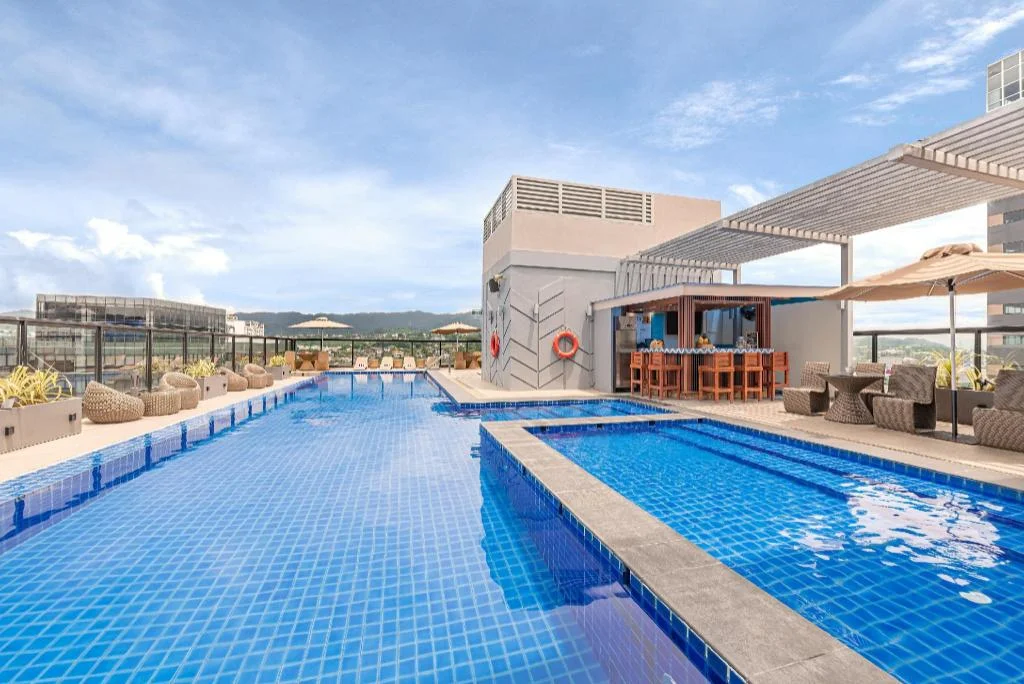
Seda Central Bloc Cebu City
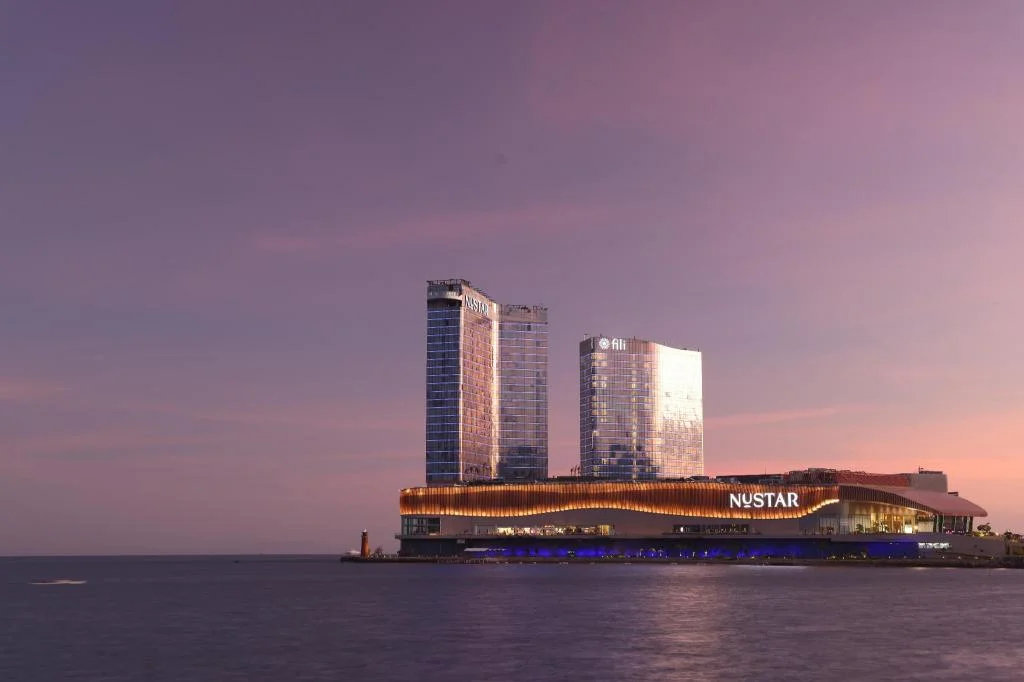
Fili Hotel - NUSTAR Resort & Casino Cebu
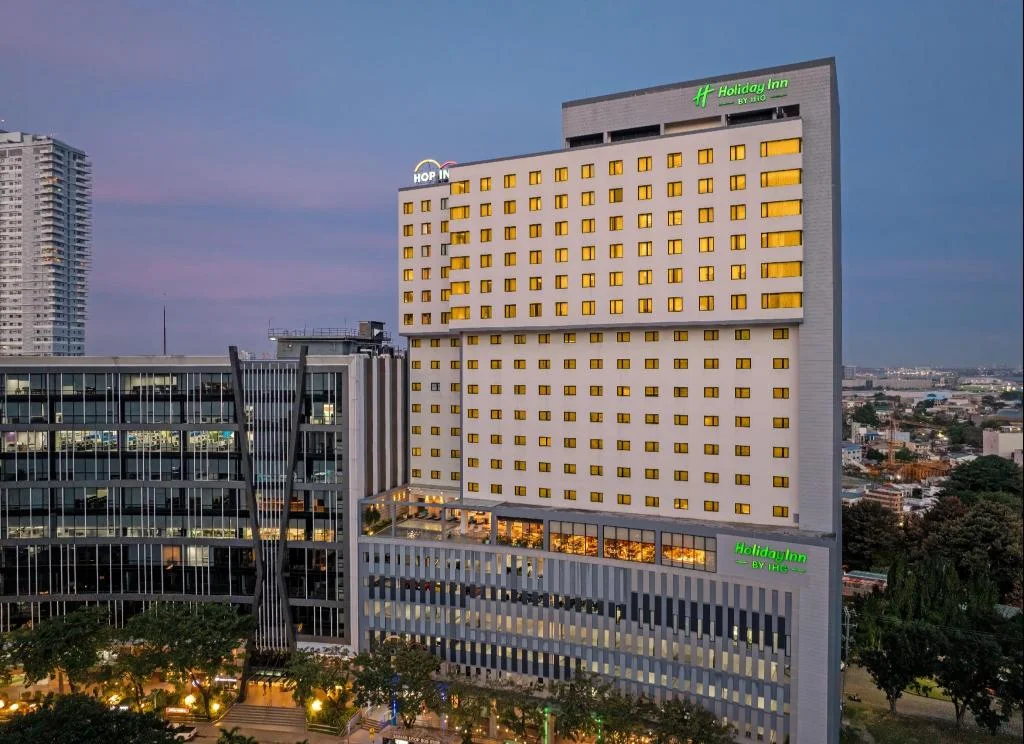
Holiday Inn Cebu City By IHG
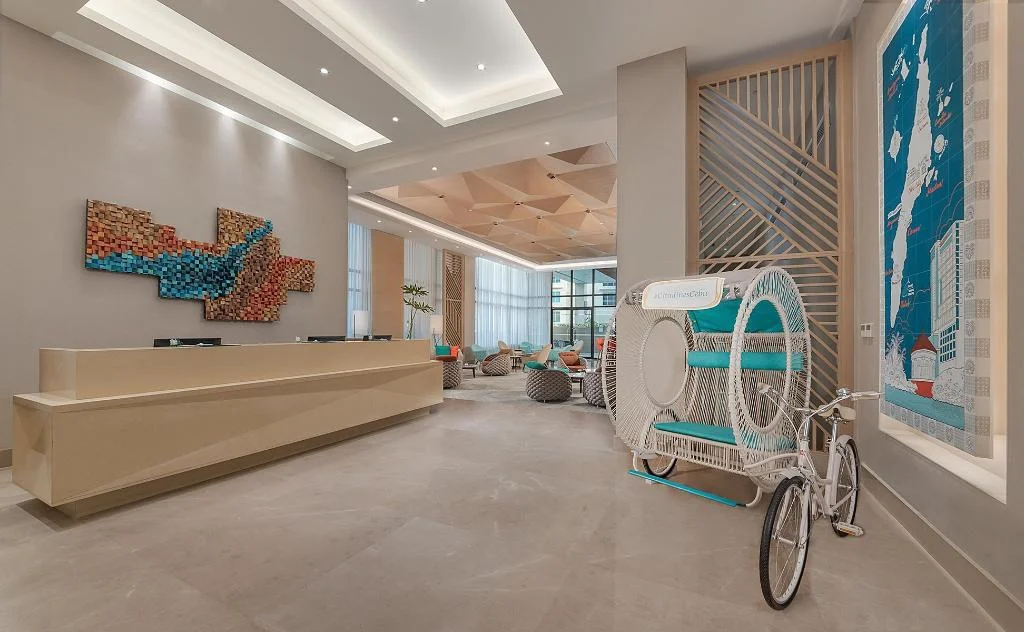
Citadines Cebu City
Prefer a rental? Vacation rentals near Cebu City
Self-catering condos and apartments — book the exact unit, kitchen included.

ClockWorkOrange Luxury Suites
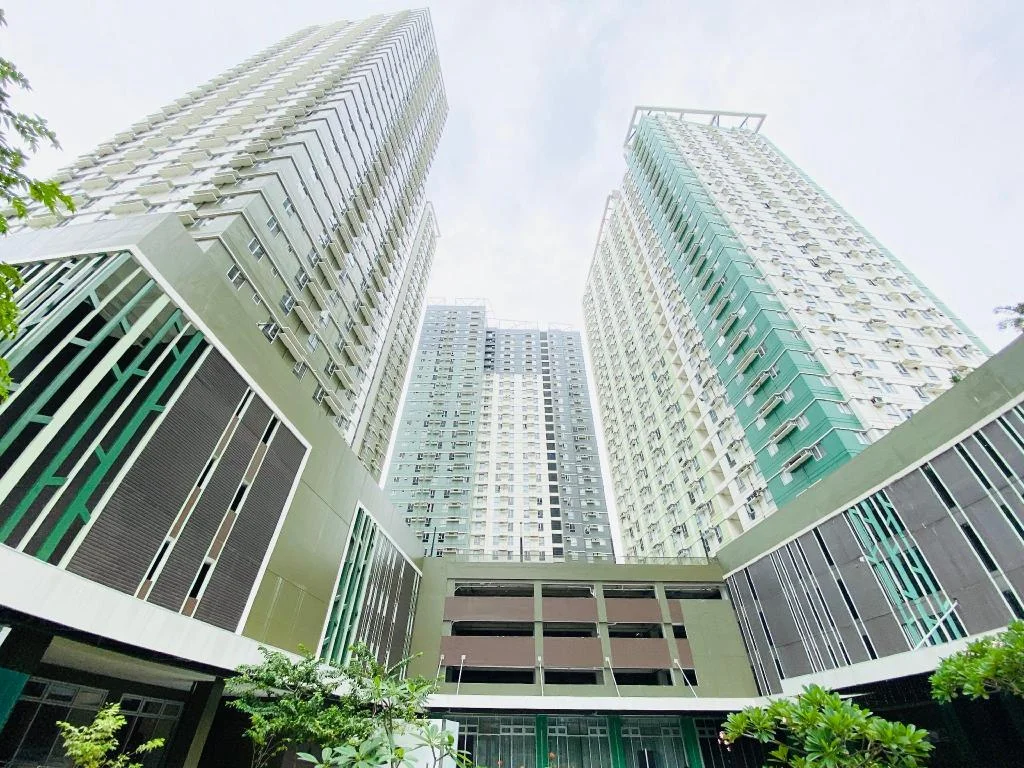
Cebu Avida Riala by P&J
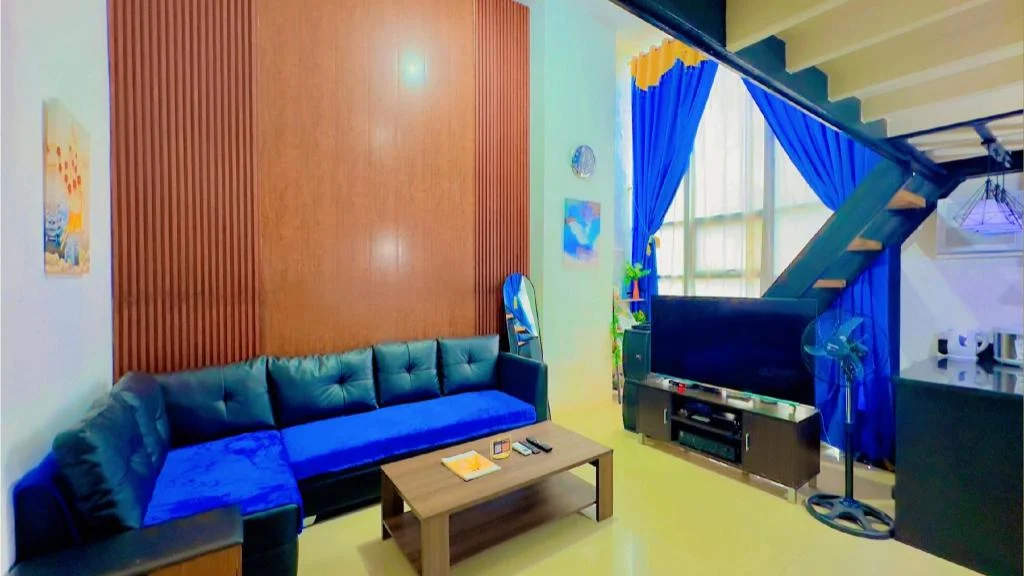
Special Big Loft Unit w/Fibreop Internet & Netflix
Before you go
Frequently asked
What was Cebu called before the Spanish arrived?
Why did Lapu-Lapu fight Magellan?
Is Cebu really the oldest city in the Philippines?
What is the oldest street in the Philippines?
What happened to Cebu during World War II?
Where can you see Cebu's pre-colonial history today?
How do I do a Cebu history day in one day?
Was Cebu ever the capital of the Philippines?
More Places to Explore
Basilica del Santo Niño
Cebu City
The oldest church in the Philippines (1565), home to the miraculous Santo Niño image and center of the famous Sinulog Festival.
Magellan's Cross
Cebu City
The historic cross planted by Ferdinand Magellan in 1521, marking the birth of Christianity in the Philippines and now a National Cultural Treasure.
Mactan Shrine
Lapu-Lapu City
Historic park commemorating the 1521 Battle of Mactan where Lapu-Lapu defeated Magellan, featuring monuments to both warriors.
Fort San Pedro
Cebu City
The oldest and smallest triangular fort in the Philippines (1565), a well-preserved Spanish colonial military structure with a history museum.
Heritage of Cebu Monument
Cebu City
A dramatic sculptural tableau by Eduardo Castrillo depicting key moments in Cebu's history, from Magellan's arrival to modern times.