
TL;DR: On April 27, 1521, the Mactan chief Lapu-Lapu and a force of roughly 1,500–3,000 warriors defeated Ferdinand Magellan’s landing party of about 60 Spaniards in shallow water off Mactan Island, killing Magellan himself and handing Spain its first defeat on Philippine soil. It’s remembered as the first native Filipino victory over a European power and delayed Spanish colonization by over 40 years. Today you can visit the free Mactan Shrine in Lapu-Lapu City to see the bronze Lapu-Lapu monument and the 1866 Magellan marker, and every April 27 the city stages a reenactment as part of the Kadaugan sa Mactan festival. Verified July 2026.
Every Filipino schoolkid learns this story, but most foreign visitors only hear the name “Lapu-Lapu” from a fish on a restaurant menu. The real story is a genuinely dramatic one: an outsider explorer, a local chief who refused to bend, and a fight in the shallows off Mactan Shrine that changed the timeline of Spanish colonization in the Philippines by decades. This guide walks through what actually happened at the Battle of Mactan, why Filipinos still mark the date every year, what’s left to see at the shrine today, and how to get there if you’re staying anywhere near Mactan or Cebu City. It’s written for travelers who want the real history, not the tourist-brochure version, plus the practical details to actually go see it.
The Battle of Mactan at a Glance
| Detail | Fact |
|---|---|
| Date | April 27, 1521 |
| Location | Mactan Island, off the coast of what is now Cebu |
| Spanish/allied force | About 60 Spaniards (roughly 49 engaged), plus Cebuano allies from Rajah Humabon |
| Mactan force | An estimated 1,500–3,000 warriors under Datu Lapu-Lapu |
| Duration | A little over an hour |
| Casualties | About 12 dead on the Spanish/allied side; about 15 on Lapu-Lapu’s side |
| Outcome | Magellan killed; Spanish force retreated; colonization delayed until 1565 |
| Where to visit today | Mactan Shrine, Lapu-Lapu City — free entry |
| Annual commemoration | Kadaugan sa Mactan festival, culminating April 27 |
Casualty and force figures follow Antonio Pigafetta’s eyewitness chronicle, the main primary source for the battle. Verified July 2026.
What Actually Happened at the Battle of Mactan?
Magellan sailed into a local political fight, and it cost him his life. By April 1521, Magellan had allied with Rajah Humabon of Cebu, who had converted to Christianity along with much of his court, and Magellan began pressuring the surrounding island chiefs to submit to Spain and Humabon’s authority too. Lapu-Lapu, one of two chiefs on Mactan Island, refused outright.
In the early hours of April 27, Magellan led a landing force of around 60 Spaniards across the water toward Mactan, backed by dozens of war boats of Humabon’s warriors, though those allies mostly stayed offshore and didn’t join the fighting. A wide coral reef kept the ships too far from shore for their cannons or muskets to do much good, so the Spaniards waded in through the shallows in full armor to face a force many times their size. Antonio Pigafetta, the Italian chronicler who survived the voyage and wrote the only detailed eyewitness account, describes a chaotic, close-quarters fight that lasted a little more than an hour. Magellan was hit by a poisoned arrow in the leg, then overwhelmed and killed with spears and swords in waist-deep water while trying to cover his men’s retreat.
Why Does This Battle Still Matter?
It’s remembered as the first time a native Filipino force turned back a European power, and it bought the islands over four decades before Spain tried again. After the defeat, the remaining expedition abandoned its plans in the Visayas and eventually limped back to Spain without Magellan, having still technically completed the first circumnavigation of the globe as a voyage, just not under his own command. Spain didn’t return to establish real colonial control until Miguel López de Legazpi’s expedition in 1565.
Lapu-Lapu is honored today as the Philippines’ first national hero for resisting outside rule, and Republic Act No. 11040 made April 27 a national holiday, Lapu-Lapu Day — a special working holiday nationwide, and a special non-working holiday within Lapu-Lapu City itself. It’s worth noting, as some historians point out, that there was no unified “Philippines” in 1521, just independent chiefdoms — so the “first Filipino hero” framing is a modern label placed on a local leader who was defending his own territory, not fighting for a nation that didn’t yet exist. That doesn’t make the victory any less real; it’s just useful context.
Who Was Lapu-Lapu?
Lapu-Lapu was the datu, or chief, of Mactan Island — specifically the settlement then called Mactan or Opon, on the island’s southern side, while a second chief, Zula, ruled a rival settlement. Very little is documented about his life outside the battle itself; almost everything known comes from Pigafetta’s account and later Spanish records. What’s clear is that he refused to recognize Rajah Humabon’s authority over him, refused Magellan’s demand to convert and pay tribute, and backed that refusal with force when it came to it. Modern Philippine culture has since made him a near-mythic figure — his name is on the country’s currency, its cities, its fish, and its statues — but the actual historical record about the man is thin.
What Is the Mactan Shrine and What Will You See There?
The Mactan Shrine, also called the Liberty Shrine, is the memorial complex built on Mactan Island’s coastline where the battle is believed to have taken place, and it’s the main place to connect with this history in person. Established as a national shrine in 1969, the grounds hold two distinct monuments that are easy to mix up:
- The Lapu-Lapu Monument — a 6-meter bronze statue of Lapu-Lapu holding a kampilan sword and shield, erected in 1981. This is the one that shows up on the Philippine peso and in most photos of the site.
- The Magellan Marker — a stone obelisk that Spanish colonial authorities erected in 1866, marking the spot they believed Magellan fell. It predates the Lapu-Lapu statue by over a century and reflects a very different, more Spain-centered telling of the same event.
Around both monuments you’ll find informational plaques on the battle, open lawns along the water, small vendor stalls, and a modest souvenir shop. It’s a quiet, walkable site rather than a sprawling museum — most visitors spend 30 to 45 minutes here, longer if you linger to read every marker or catch a guided walkthrough.
What Is Kadaugan sa Mactan?
Kadaugan sa Mactan (“Victory at Mactan”) is Lapu-Lapu City’s annual festival marking the battle’s anniversary, running as a weeks-long lead-up through April and culminating on April 27 itself. The centerpiece is a costumed reenactment of the battle staged right at the shrine on the morning of the 27th, complete with a Lapu-Lapu and a Magellan played by cast members chosen each year, alongside a flag-raising ceremony, wreath-laying at the monuments, and martial-arts and cultural performances. If your trip happens to land in late April, it’s worth building a morning around — check with Lapu-Lapu City tourism or local news closer to your dates, since the exact program and scale change from year to year.
How Do You Get to the Mactan Shrine?
The easiest way from Cebu City or the airport is Grab, which typically runs somewhere in the ₱300–500 range (about US$5–9) depending on traffic and where you’re starting from; confirm the fare in the app before you book. If you’re budget-minded or already island-hopping around Mactan, a jeepney bound for Punta Engaño from Cebu City will drop you within walking distance of the shrine for a fare of just a few pesos. Either route crosses the Mactan-Mandaue Bridge or the newer Marcelo Fernan Bridge, and travel time runs roughly 30 to 60 minutes depending on traffic and your starting point — see our Lapu-Lapu City and Mactan travel guide for the fuller lay of the land. The shrine sits on Punta Engaño Road, an easy add-on if you’re already staying at one of the Mactan resorts or passing through for a beach day.
How to Combine This With the Rest of Mactan
Since the shrine is a short stop, pair it with other things nearby rather than treating it as a day trip on its own. The Mactan Guitar Factory is a quick, low-key detour to see handmade guitars produced the traditional way, and if you’re staying on Mactan for the resorts and beaches, a morning at the shrine before you hit the pool is an easy way to add some substance to a beach-focused trip. If you’d rather have someone else handle the logistics, browse Cebu heritage and city tours on Klook — several combine the shrine with downtown Cebu City sites in one guided day.
The Honest Take
The history here is genuinely significant, and it’s free to see, but don’t expect a polished museum experience — the Mactan Shrine is a monument park, not an interactive exhibit, and the information on-site is fairly thin if you don’t already know the story going in. Read up beforehand (this page, Wikipedia’s Battle of Mactan entry, or a five-minute video) so you get more out of the visit than a photo with the statue. The site can also feel a little touristy near the entrance with vendors and photo-op setups, and some travelers find the “first Filipino hero” narrative oversold given that no unified Philippines existed in 1521 — Lapu-Lapu was defending his own turf, not a nation. None of that makes it not worth going. It’s a genuine, low-cost, quick way to connect with pre-colonial Philippine history in a country where most tourist stops are Spanish-era churches. Best time to go is early morning or late afternoon to avoid the midday heat on the open grounds, and if you can time a visit for Kadaugan sa Mactan in late April, the reenactment adds real energy that the site otherwise lacks on a normal day.
If you’re staying on Mactan Island for the beaches and resorts, compare Mactan hotels on Agoda and slot a shrine visit into a quieter morning before check-in or checkout.
Sources
- Battle of Mactan — Wikipedia (battle account, forces, casualties, based on Pigafetta’s chronicle)
- Mactan Shrine — Wikipedia (shrine history, monument details, national shrine designation)
- Lapulapu — Wikipedia (biographical background, Lapu-Lapu Day)
- Kadaugan sa Mactan 2026 festival reporting, Cebu Daily News and Sunstar Cebu (festival schedule, reenactment details)
- Getting-there and fare details cross-checked against current Cebu travel guides. Verified July 2026.
The Battle of Mactan is one small piece of a much bigger story. For the rest of it, see our Cebu cultural heritage walking tour through downtown’s Spanish-era landmarks, or start planning around it with our things to do in Cebu guide.
Book Tours & Hotels for This Trip
Find and book the best deals — prices and availability update in real time. Links open in a new tab.
Where to stay near Cebu City
Top-rated hotels for this trip — tap through to check live rates.
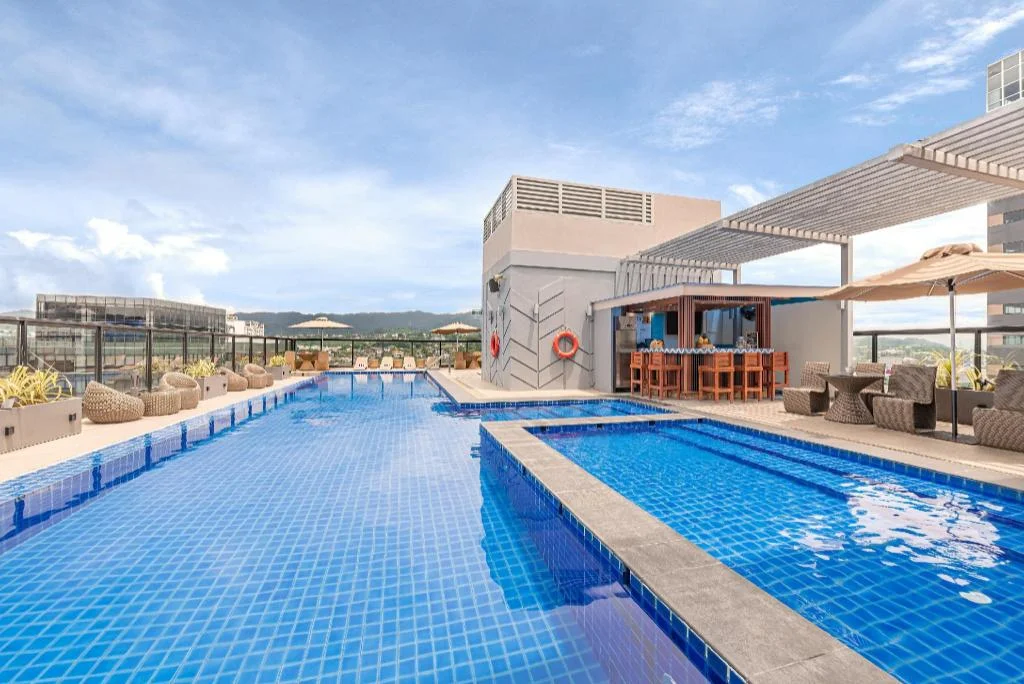
Seda Central Bloc Cebu City
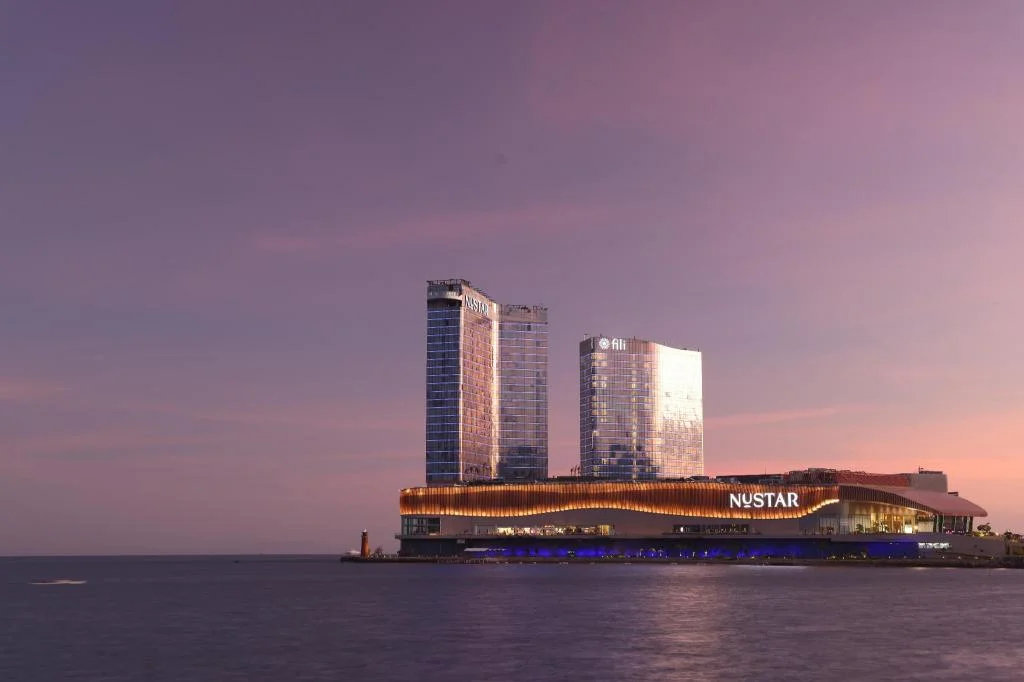
Fili Hotel - NUSTAR Resort & Casino Cebu
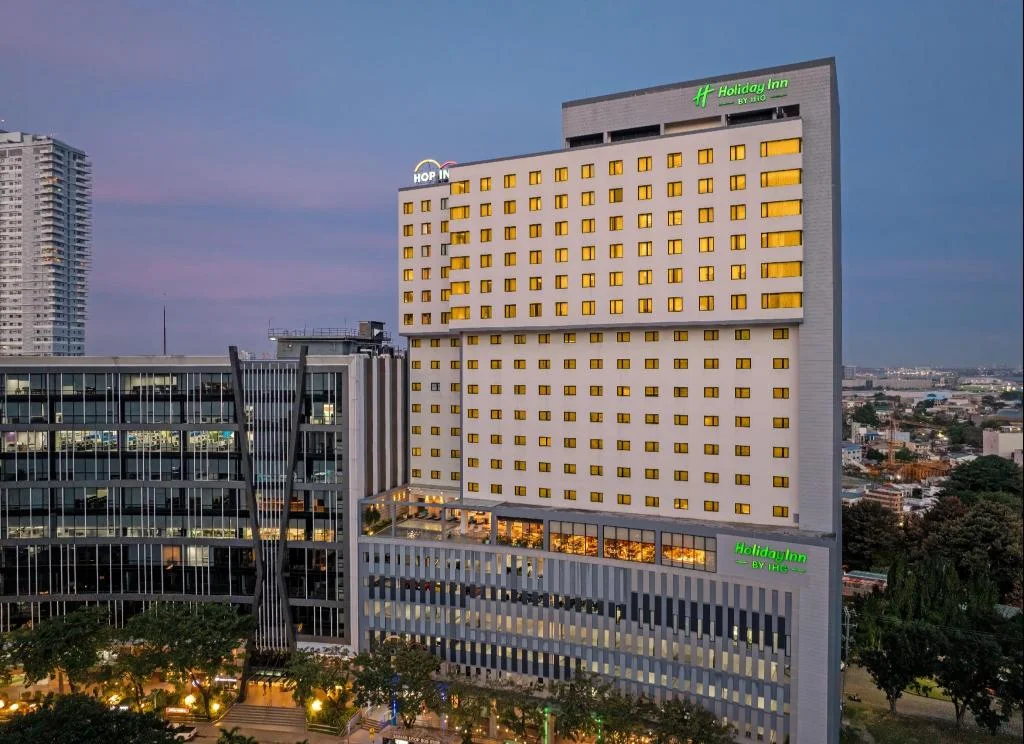
Holiday Inn Cebu City By IHG
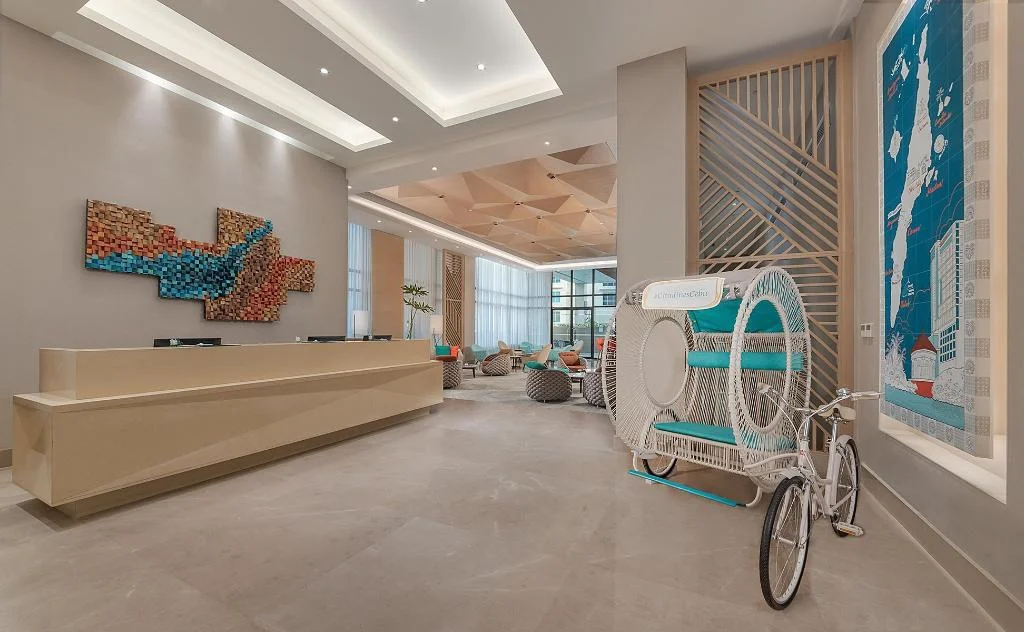
Citadines Cebu City
Prefer a rental? Vacation rentals near Cebu City
Self-catering condos and apartments — book the exact unit, kitchen included.

ClockWorkOrange Luxury Suites
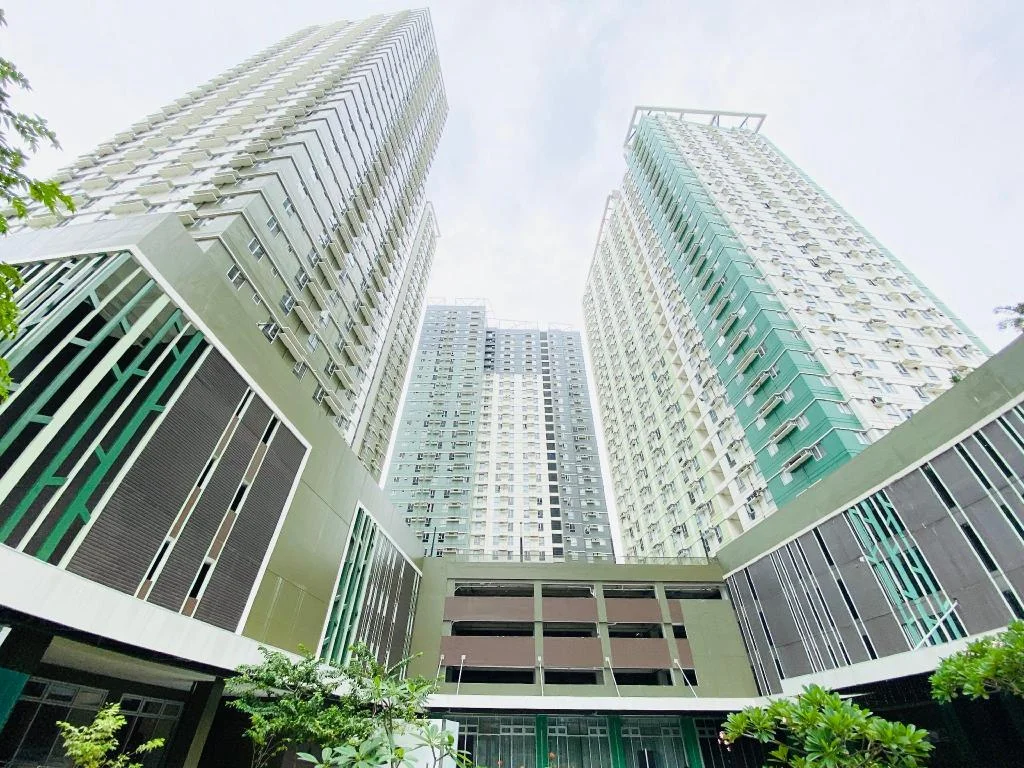
Cebu Avida Riala by P&J

Special Big Loft Unit w/Fibreop Internet & Netflix
Before you go
Frequently asked
What actually happened at the Battle of Mactan?
Why is the Battle of Mactan such a big deal in the Philippines?
Is the Mactan Shrine free to visit?
What will you actually see at the Mactan Shrine?
What is Kadaugan sa Mactan?
How do you get to the Mactan Shrine from Cebu City?
Is the Battle of Mactan story worth building a trip around?
Was Lapu-Lapu really the 'first' Filipino hero if the Philippines didn't exist yet in 1521?
More Places to Explore
Mactan Shrine
Lapu-Lapu City
Historic park commemorating the 1521 Battle of Mactan where Lapu-Lapu defeated Magellan, featuring monuments to both warriors.
Mactan Guitar Factory
Lapu-Lapu City
Visit the guitar-making capital of the Philippines and watch master craftsmen create handcrafted acoustic guitars using traditional techniques since the 1940s.
Magellan's Cross
Cebu City
The historic cross planted by Ferdinand Magellan in 1521, marking the birth of Christianity in the Philippines and now a National Cultural Treasure.
Basilica del Santo Niño
Cebu City
The oldest church in the Philippines (1565), home to the miraculous Santo Niño image and center of the famous Sinulog Festival.