
TL;DR: Four sites in Cebu trace Magellan’s entire 1521 story: Magellan’s Cross and the Basilica del Santo Nino downtown (the baptism and gift-giving, April 14), then the Mactan Shrine in Lapu-Lapu City (his death on April 27, marked by twin monuments to Magellan and Lapu-Lapu). All four are free to enter. Do the two downtown sites on foot in under an hour, then Grab across to Mactan (30-45 minutes, ~US$5-10) for the Shrine. A full loop takes half a day. Verified July 2026.
Most visitors see Magellan’s Cross, snap a photo, and move on — without realizing it’s one chapter of a story that plays out across three different parts of Cebu. In thirteen days in April 1521, Ferdinand Magellan’s expedition landed, struck an alliance with the local rajah, baptized hundreds of Cebuanos, handed over the small wooden image now called the Santo Nino, and then was killed on a beach a few kilometers away by a chieftain who refused to submit. This guide links the four sites that still mark that story: Magellan’s Cross and the Basilica del Santo Nino downtown, and the Mactan Shrine across the channel in Lapu-Lapu City. It’s built for anyone who wants the history straight, not the souvenir-stand version — with the order to visit them in, what’s verified versus what’s tradition, and how the 2021 quincentennial changed how Cebu tells this story.
The Magellan Sites at a Glance
| Site | Location | What happened there (1521) | Hours | Entry | Time needed |
|---|---|---|---|---|---|
| Magellan’s Cross | Downtown Cebu City | Cross planted after Rajah Humabon’s baptism, April 14 | 8 AM-6 PM daily | Free (donations welcome) | 15-20 min |
| Basilica del Santo Nino | Next door, downtown Cebu City | Santo Nino image gifted at the same baptism | 6 AM-7 PM daily | Free | 30-45 min |
| Mactan Shrine (Liberty Shrine) | Punta Engano Road, Lapu-Lapu City, Mactan | Magellan killed in the Battle of Mactan, April 27 | Roughly dawn-10 PM daily* | Free | 30-45 min |
| Fort San Pedro (bonus stop, not a 1521 site) | Downtown Cebu City, 5 min from the Cross | Built 1565 by Legazpi’s expedition, 44 years later | Daily, standard museum hours | Small entrance fee | 20-30 min |
*Reported hours for the Mactan Shrine vary by source (some cite 5 AM, others 8 AM as opening time). Confirm locally before you go. Verified July 2026.
Where did Magellan actually land, and why does it matter?
Magellan’s fleet reached Cebu on April 7, 1521, guided there by a local ruler he’d met at Limasawa, and made landfall near what is now downtown Cebu City. He was looking for the Spice Islands and had already crossed the Pacific — Cebu was meant to be a stop, not a destination. Rajah Humabon, the local ruler, agreed to a blood compact and trade alliance with Magellan rather than fight him, and that decision is why the next event — a mass baptism — happened at all. It’s also why this whole story is really a chapter in a much bigger one: Spain didn’t return to colonize the islands for another 44 years, after Magellan’s death derailed the first attempt.
What happened at Magellan’s Cross?
On April 14, 1521, Magellan planted a wooden cross on the shore to mark the baptism of Rajah Humabon, his wife, and roughly 400 to 800 Cebuanos into Christianity. The cross you see today, inside its open-sided pavilion on Magallanes Street, isn’t a replica built from nothing — tradition holds that the original cross is encased inside the current one, placed there after souvenir hunters chipped away pieces of the original, believing they carried healing powers. The ceiling mural above depicts the baptism scene. Entry is free, though a donation box supports the chapel’s upkeep, and the pavilion is open 8 AM to 6 PM daily. Fifteen minutes is enough unless you want to linger for the vendors selling candles and rosaries outside.
How did the Santo Nino end up in the Basilica?
Magellan gave the Santo Nino — a small carved image of the Child Jesus in Flemish style — as a baptismal gift to Humabon’s wife, Hara Humamay, on the same day as the cross-planting. It’s one of three gifts recorded by Magellan’s chronicler Antonio Pigafetta, alongside images of Christ and the Virgin Mary. The image disappeared from the historical record for 44 years, until 1565, when a soldier in Miguel Lopez de Legazpi’s expedition found it undamaged inside a burned house — taken by Cebuanos as a sign to found a settlement on the spot. That settlement became the Basilica del Santo Nino, the oldest church in the country, and the image (now behind bulletproof glass in its own chapel) is the oldest Christian relic in the Philippines. The basilica is open roughly 6 AM to 7 PM daily with a packed mass schedule, and the museum in the basement Pilgrim Center holds centuries-old vestments and documents if you want more than the chapel visit. See our Basilica del Santo Nino guide for the mass times and layout.
Where did Magellan die, and can you visit the site?
Magellan was killed on the morning of April 27, 1521, fighting on the shallows off Mactan Island against a coalition of local warriors led by the datu Lapu-Lapu. Lapu-Lapu had refused to submit to Rajah Humabon’s new alliance with Spain, and when Magellan crossed the channel with a landing party to force the issue, he was outnumbered and cut down within the hour — reportedly by bamboo spears, in armor that did him no favors in the water. His death didn’t end the expedition (Juan Sebastian Elcano brought the surviving ships home in 1522, completing the first circumnavigation), but it did end Spain’s first attempt at the Philippines for over four decades.
The approximate site is inside the Mactan Shrine (also called the Liberty Shrine) on Punta Engano Road in Lapu-Lapu City, marked by the Magellan Monument, an obelisk first erected in 1866. Facing it, a short walk away, stands the bronze Lapu-Lapu Monument — the two memorials sit in the same park, a deliberate pairing of the loser and the winner of the same battle. Entry to the whole shrine is free.
What’s the significance of the 2021 quincentennial?
2021 marked exactly 500 years since Magellan’s landing, the baptism, and the Battle of Mactan — and the Philippine government used the milestone to retell the story with Lapu-Lapu, not Magellan, as the center of it. The National Quincentennial Committee ran a year of events, including a commemoration at the Mactan Shrine on April 27, 2021, new historical markers for both Magellan and Lapu-Lapu, a commemorative banknote featuring Lapu-Lapu, and official framing of the battle as the first recorded victory by a Filipino leader against a European colonial force. That reframing is why local guides and signage today talk about “Lapu-Lapu’s Victory at Mactan” rather than “Magellan’s death” — same event, different emphasis, and it’s worth knowing before you visit so the monuments make sense in context.
What’s the best order to visit all four sites?
Start downtown, finish on Mactan. Magellan’s Cross and the Basilica sit beside each other, so cover both first — you can walk between them in under two minutes. From there it’s a five-minute walk to Fort San Pedro, which isn’t a Magellan-era site (it was built by Legazpi’s expedition in 1565, 44 years after Magellan died) but rounds out the colonial-era picture if you’re already in the neighborhood. Then take a Grab or taxi across to Lapu-Lapu City for the Mactan Shrine, roughly 30-45 minutes depending on traffic and which bridge you cross.
A realistic pace:
- 9:00 AM — Magellan’s Cross and the Basilica (allow 45-60 minutes total)
- 10:00 AM — Fort San Pedro, if you have time
- 10:30 AM — Grab to Mactan Shrine
- 11:15 AM — Mactan Shrine and the twin monuments (30-45 minutes)
That’s a half-day loop, easy to pair with lunch in Lapu-Lapu City or a beach afternoon on Mactan afterward. If you’d rather have someone narrate the history instead of piecing it together from plaques, a guided Cebu heritage walking tour covers the downtown sites, and some operators can add the Mactan Shrine as an extension.
The Honest Take
The downtown sites are easy, free, and worth 45 minutes — but don’t expect either one to feel like a museum. Magellan’s Cross is a small pavilion next to a bustling street, often crowded with candle vendors, and the “history” on-site is a mural and a plaque, not an exhibit. The Basilica is a working church first and a heritage site second — go, but time it around mass schedules if you want a quieter look at the Santo Nino chapel, and expect crowds any Friday (the traditional novena day) or during Sinulog season in January.
The Mactan Shrine is the site most visitors skip, and it shouldn’t be. It’s a genuinely reflective place — a shaded park with the sea a few meters away, and the sight of Magellan’s obelisk and Lapu-Lapu’s statue facing each other says more about how Cebu now frames this history than any placard could. It’s also the one stop that requires real effort (the crossing to Mactan, plus fare), which is probably why most day-tour itineraries leave it out in favor of beach time. If you only have an hour and want the story that isn’t on every postcard, skip the crowds at the Cross and go to Mactan instead.
One honest caveat: a lot of the “1521” detail repeated on tour scripts and blogs — exact headcounts at the baptism, precise wording of speeches, the exact spot Magellan fell — comes from Antonio Pigafetta’s journal, written by one witness on the winning side of a story that changed meaning completely five centuries later. Treat the exact numbers as tradition, not certainty, and enjoy the sites for what they clearly are: the physical anchors of the moment two very different worlds collided in Cebu.
Plan the Rest of Your Cebu History Trip
Pair this route with the full Battle of Mactan and Lapu-Lapu story for the deeper account of the fight itself, or a broader Cebu cultural heritage walking tour that folds these stops into a longer downtown circuit. If you’re in town on April 27, look into the Kadaugan sa Mactan reenactment at the Shrine itself. And if you need a base for the night, compare hotels in Cebu City close to the downtown sites, so the whole loop is walkable before you cross to Mactan.
Sources
- Battle of Mactan — Wikipedia
- Mactan Shrine — Wikipedia
- Santo Nino de Cebu — Wikipedia
- Basilica del Santo Nino — Wikipedia
- Fort San Pedro — Wikipedia
- 2021 Quincentennial Commemorations in the Philippines — Wikipedia
- Basilica mass schedule and hours cross-checked against the Basilica’s own site (santoninodecebubasilica.org) and recent visitor reports. Verified July 2026.
Book Tours & Hotels for This Trip
Find and book the best deals — prices and availability update in real time. Links open in a new tab.
Where to stay near Cebu City
Top-rated hotels for this trip — tap through to check live rates.
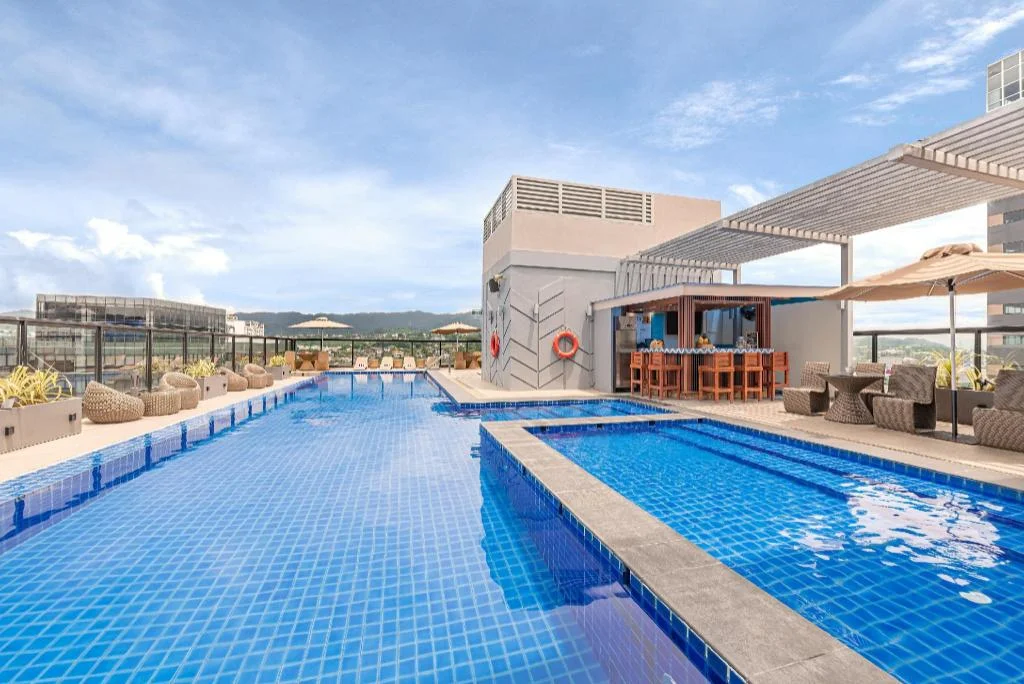
Seda Central Bloc Cebu City
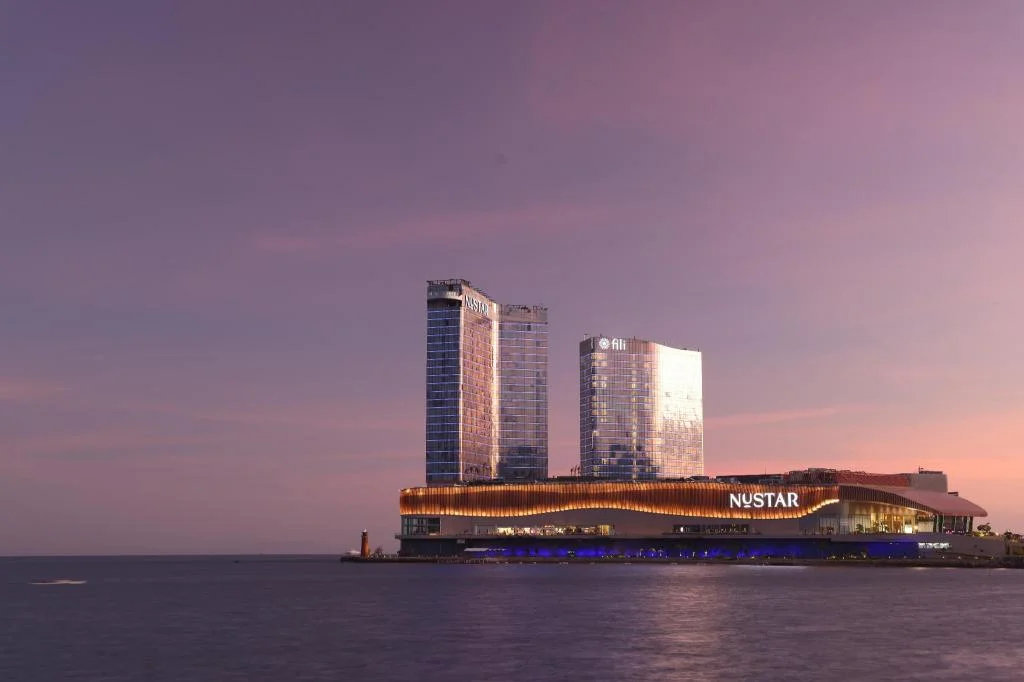
Fili Hotel - NUSTAR Resort & Casino Cebu
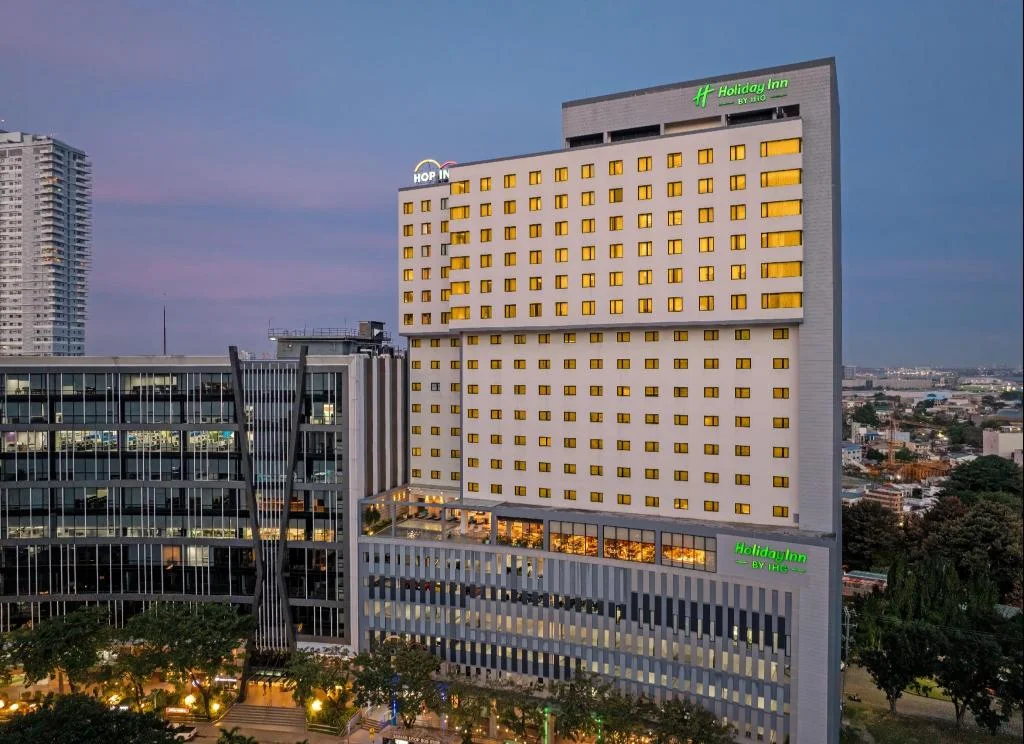
Holiday Inn Cebu City By IHG
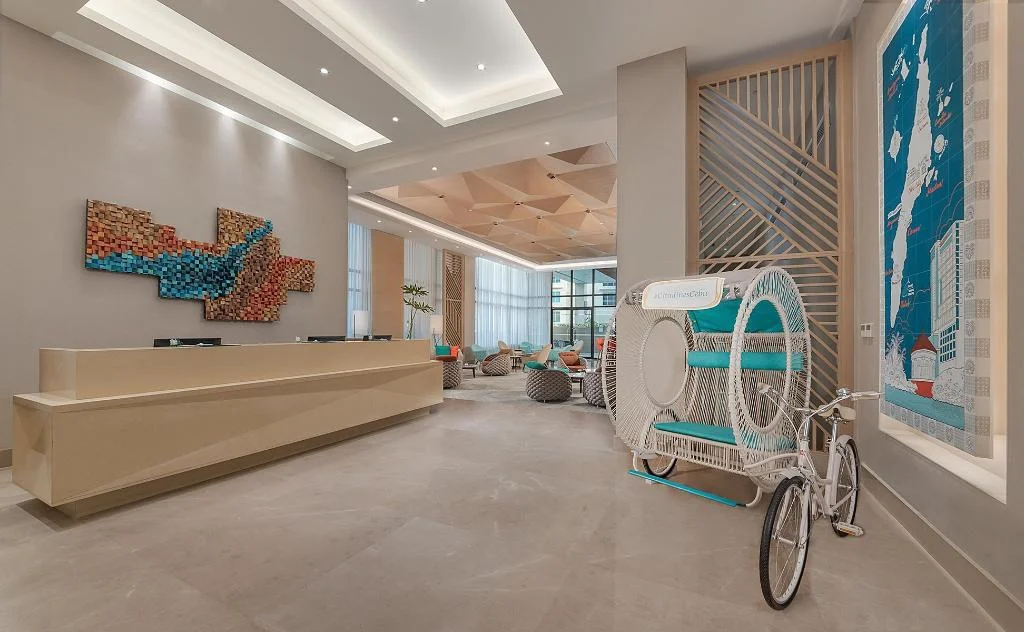
Citadines Cebu City
Prefer a rental? Vacation rentals near Cebu City
Self-catering condos and apartments — book the exact unit, kitchen included.

ClockWorkOrange Luxury Suites
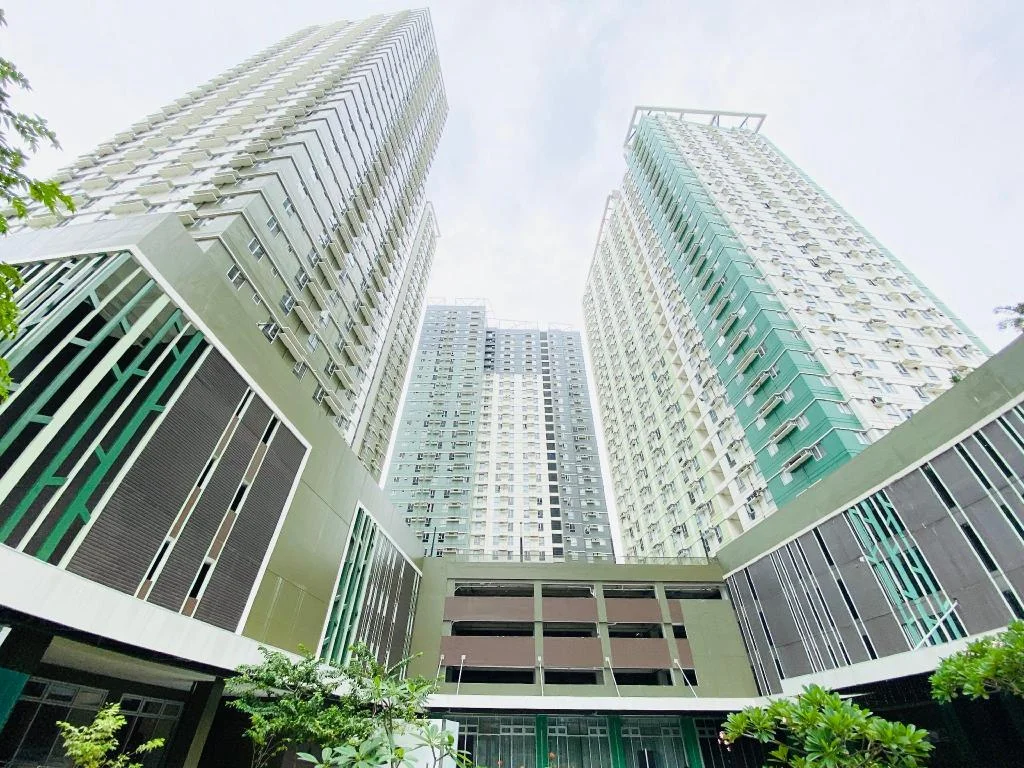
Cebu Avida Riala by P&J
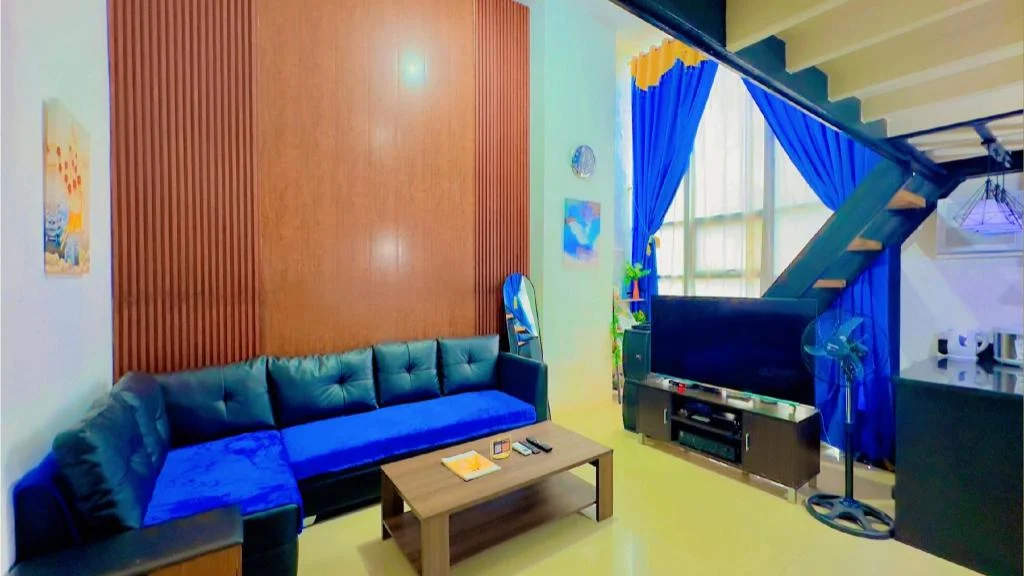
Special Big Loft Unit w/Fibreop Internet & Netflix
Before you go
Frequently asked
What sites in Cebu are connected to Magellan's 1521 landing?
Is Magellan's Cross the original cross he planted?
How much does it cost to visit the Magellan sites?
Where exactly did Magellan die?
How do you get from downtown Cebu City to the Mactan Shrine?
What was the 2021 quincentennial about?
Can you visit all four sites in one day?
Is there an annual reenactment of the Battle of Mactan?
More Places to Explore
Magellan's Cross
Cebu City
The historic cross planted by Ferdinand Magellan in 1521, marking the birth of Christianity in the Philippines and now a National Cultural Treasure.
Basilica del Santo Niño
Cebu City
The oldest church in the Philippines (1565), home to the miraculous Santo Niño image and center of the famous Sinulog Festival.
Mactan Shrine
Lapu-Lapu City
Historic park commemorating the 1521 Battle of Mactan where Lapu-Lapu defeated Magellan, featuring monuments to both warriors.
Fort San Pedro
Cebu City
The oldest and smallest triangular fort in the Philippines (1565), a well-preserved Spanish colonial military structure with a history museum.