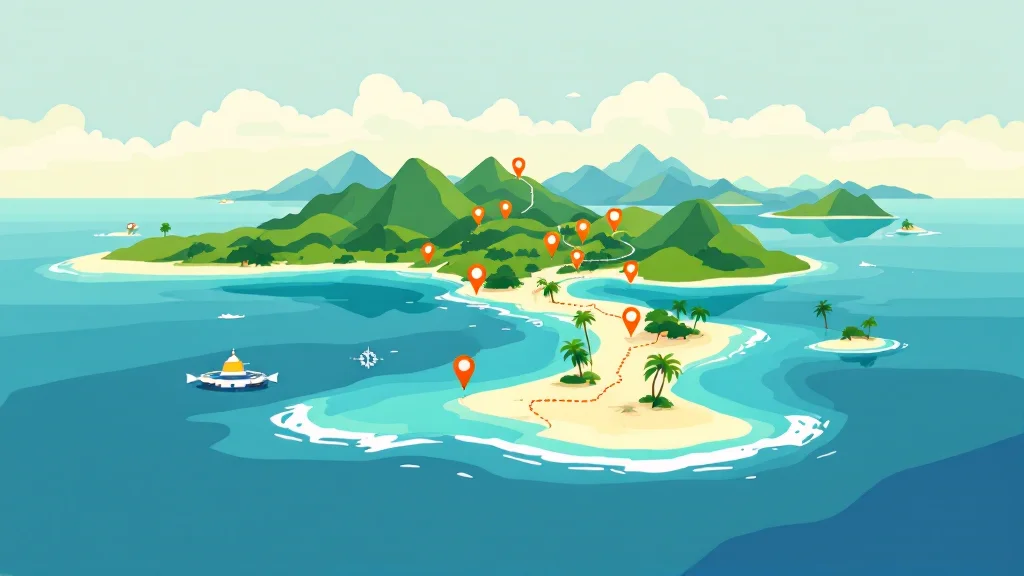
TL;DR: A south Cebu church-hopping day runs Carcar → Sibonga (Simala Shrine) → Argao → Dalaguete → Boljoon, all on the same coastal highway south of Cebu City, covering roughly 95 km one-way. Self-driving takes about 3-3.5 hours one-way with stops; by bus from the South Bus Terminal, budget a full day. None of the churches charge entrance fees, but dress modestly (covered shoulders and knees) — Simala Shrine enforces this and rents cover-ups for ₱20 (US$0.35). Boljoon’s church is Cebu’s only National Cultural Treasure and sits on UNESCO’s tentative list. Extend to Oslob for whale sharks if you start early. Verified July 2026.
South Cebu has more old churches than most travelers ever see, because everyone driving south is usually headed straight for whale sharks in Oslob or the canyoneering at Kawasan Falls. But the same highway passes through five towns with genuinely significant Spanish-colonial and Filipino-baroque churches — one with onion domes unlike anything else in the Philippines, one that draws busloads of pilgrims to a hilltop “castle,” and one that’s Cebu’s only National Cultural Treasure. This guide lays out a single day’s route: Carcar, Sibonga’s Simala Shrine, Argao, Dalaguete, and Boljoon, in that order, with driving and bus logistics, how long to spend at each, and the dress code that actually gets enforced. It’s built for churchgoers, heritage and architecture fans, and anyone who wants a slower, more textured south Cebu day than the usual whale-shark-and-waterfall combo — and it’s easy to fold into a longer trip south toward Oslob or Moalboal.
The Route at a Glance
| Stop | Distance from previous | Drive time | Time to spend | Highlight |
|---|---|---|---|---|
| Cebu City (start) | — | — | — | Depart by 6:30-7:00 AM |
| Carcar | ~40 km from Cebu City | ~50 min–1.5 hr | 45-60 min | Onion-domed St. Catherine of Alexandria |
| Sibonga (Simala Shrine) | ~10 km detour off highway | ~20-30 min | 45-90 min | Hilltop pilgrimage “castle” |
| Argao | ~17 km from Sibonga | ~20-30 min | 45-60 min | 18th-century baroque church + heritage plaza |
| Dalaguete | ~15 km from Argao | ~20 min | 20-30 min | San Guillermo de Aquitania, quick photo stop |
| Boljoon | ~10 km from Dalaguete | ~15 min | 30-45 min | Patrocinio de Maria — Cebu’s only National Cultural Treasure |
| Optional: Oslob | ~20-25 km from Boljoon | ~20-25 min | varies | Immaculate Conception Church + whale sharks |
Distances and drive times are approximate for the coastal South Road; add time for traffic through town centers and the Simala detour. Verified July 2026.
How Do You Get From Cebu City to Carcar?
Carcar is the closest stop and the easiest starting point. By car, it’s roughly 40 km south of Cebu City on the coastal highway — about 50 minutes to an hour and a half depending on traffic through Talisay and Naga. By public bus, any south-bound Ceres bus or van from the Cebu South Bus Terminal in Cebu City passes through Carcar; fares to Carcar run cheap since it’s one of the first major stops south.
Once in Carcar, the St. Catherine of Alexandria Church sits right in the historic rotunda district, near the Carcar Rotunda and Heritage District and the old Carcar Public Market. Built by the Augustinians between 1860 and 1875 from coral stone, it’s often called the second-oldest church in Cebu, and it’s the only church in the province with onion-domed belfries — a Moorish-influenced touch from 19th-century Spanish Orientalism that makes it look almost mosque-like from a distance. Inside, an 18-meter-long triple nave holds life-sized angel statues and ceiling murals painted in the 1910s–20s by Canuto Ávila. Walk the surrounding heritage streets for Spanish and American-era houses before moving on — Carcar is also the province’s lechon capital, so this is a natural stop for Carcar lechon if you’re doing this drive around lunchtime.
Is Simala Shrine Worth the Detour?
Yes, if you have the extra 45-90 minutes — it’s the most photographed stop on this route and genuinely different from the four parish churches. Simala Shrine (the Monastery of the Holy Eucharist) sits uphill from the highway in Sibonga, about 10 km past Carcar. From the main road, buses drop passengers near a 7-Eleven landmark in Sibonga; from there, a habal-habal (motorcycle taxi) up the hill costs roughly ₱20-50 per person (about US$0.35-0.85) for the 10-15-minute ride. Combined bus-plus-habal-habal cost from Carcar runs around ₱100-150 (US$1.70-2.60) per person.
The shrine’s castle-like turrets and reported Marian miracles draw pilgrims from across the Philippines, and it gets genuinely crowded on weekends and Marian feast days. It’s open roughly 8:00 AM to 5:00-6:00 PM daily, with no entrance fee — donations and ₱35 (US$0.60) prayer candles are optional. The dress code here is strictly enforced: no sleeveless tops, no shorts above the knee, no short skirts, no see-through clothing. Attendants at the entrance rent long skirts and cover-ups for about ₱20 (US$0.35) if you turn up underdressed, so it’s not a dealbreaker if you forgot to plan around it — just expect a short line for the rental.
What Makes Argao’s Church Worth the Stop?
Argao’s San Miguel Arcangel Parish Church is the most architecturally significant building on this route after Boljoon. Construction began in 1734, a year after the parish was established, and finished in 1788 — making it one of the older functioning colonial churches in the province, built from coral stone in a two-level baroque-rococo style with an ornate pediment and double-pilaster columns. Its pipe organ, installed around 1816-1818 under Augustinian Recollect friar Diego Cera (the same builder behind the famous Las Piñas bamboo organ), still stands inside.
The church anchors Argao’s old town plaza, which is walkable and worth 20-30 extra minutes if you’re not rushing — ancestral houses and the plaza kiosk sit right around it. Argao is roughly 17 km past Sibonga on the same highway, about 20-30 minutes’ drive; it’s also a sensible lunch stop if you skipped eating in Carcar, since it’s roughly the midpoint of the day.
Should You Stop in Dalaguete?
Briefly, yes — it’s a quick pass-through rather than a destination in itself on a church-focused day. Dalaguete’s San Guillermo de Aquitania Church, built between 1802 and 1825, is a smaller colonial-era church about 15 km south of Argao (20 minutes’ drive). It doesn’t demand the time Carcar or Boljoon do, but it’s directly on the route, so a 20-30-minute stop costs you nothing extra.
Dalaguete is better known as Cebu’s “vegetable basket” and the jump-off town for Osmeña Peak — if you’re not doing the full church trail in one shot, this is a natural place to break the trip, sleep over, and hike the peak the next morning instead of pressing on to Boljoon the same day. The Mantalongon Market here is also worth a look if you’re passing through on a Wednesday, its main trading day.
Why Is Boljoon Church the Highlight of the Route?
Because it’s the only church in Cebu with National Cultural Treasure status — a heritage tier above the others on this list. The Archdiocesan Shrine of Patrocinio de Maria Santísima, better known as Boljoon Church, was declared a National Historical Landmark in 1999 and a National Cultural Treasure by the National Museum of the Philippines in 2001. It’s also under consideration for UNESCO World Heritage status as part of the Baroque Churches of the Philippines (Extension) listing — not yet formally inscribed, but on the tentative list, which is a meaningful distinction if you’re trying to be precise about it.
The current structure dates to 1783, begun by Augustinian priest Fr. Ambrosio Otero and completed under his successors. The complex includes a watchtower and convent ruins from the same era, built to defend the coastal parish from Moro raids — a reminder that this stretch of coast was frontier territory well into the 19th century. Boljoon sits about 10 km past Dalaguete, roughly 15 minutes’ drive, and deserves 30-45 minutes given the complex around the church itself, not just the interior.
Can You Extend the Route to Oslob?
Yes, and a lot of travelers do, since Boljoon to Oslob is only another 20-25 minutes down the same highway. Oslob’s Immaculate Conception Church anchors a town most travelers already know for whale shark watching and Tumalog Falls; pairing it onto the end of this church trail turns a heritage day into a heritage-plus-nature day, but it also makes for a long one — figure 12+ hours round trip from Cebu City if you add Oslob and want any real time at the falls or the whale shark viewing area. Most people either start before 6 AM to fit it all in, or treat Boljoon as the natural endpoint and sleep over in south Cebu (Oslob or Moalboal) before continuing.
Driving Yourself vs. Taking the Bus: Which Should You Do?
Self-driving or hiring a private van is the easier way to do all five stops in one day, because you’re not waiting on bus schedules between towns — you stop when you want, for as long as you want, and you’re not stuck flagging down a second bus if the first one is full during peak hours. A rental car or a van with driver for the day is worth pricing out if there are three or more of you splitting the cost.
Public transport is completely doable but slower. South-bound Ceres buses and vans from the Cebu South Bus Terminal run this corridor all day, covering Carcar, Argao, and onward toward Oslob; fares to Oslob itself run around ₱269-330 (roughly US$4.65-5.70) for the full run, with shorter fares to the closer towns. The catch is that hopping off in each town to see a church and then flagging down the next south-bound bus adds real waiting time — treat the bus version of this trip as a full day, not a half-day, and expect to backtrack slightly for the Simala detour since it’s not directly on the highway.
What’s the Dress Code, and What Else Should You Know Before Going?
Cover your shoulders and knees at every stop — no sleeveless tops, no shorts or short skirts, no swimwear, no caps inside. Simala Shrine is the strictest about this and will turn away or rent cover-ups to anyone who shows up in beachwear (a habit travelers pick up because this route is often combined with a beach day). The four parish churches are more relaxed in practice, but dressing the same way for all five saves you from re-adjusting between stops.
A few other practical notes: none of the churches charge admission, so budget only for transport, food, and optional donations. Mass schedules vary by parish and change with local events, so if you specifically want to attend Mass rather than just visit, check with the parish office locally rather than relying on a fixed schedule online. And carry small bills — habal-habal drivers and parking attendants in these towns rarely have change for large notes.
The Honest Take
This route rewards people who actually care about churches and colonial history — if that’s not you, the four parish churches will start to blur together by the third stop, and you’d get more out of a straight run to Oslob or Moalboal instead. Simala Shrine is the outlier: it’s less a heritage stop than a devotional spectacle, and it’s the one place on this list that gets crowded, especially on weekends and Marian feast days, so go early if photos without crowds matter to you.
Boljoon is the one stop worth prioritizing if you can only add one detour to an existing south Cebu trip — its National Cultural Treasure status is real, not tourism-board spin, and the complex (church, watchtower, convent ruins) is more substantial than a quick look at a facade. Carcar is the easiest add-on since it’s closest to Cebu City and pairs naturally with a lechon lunch. Argao and Dalaguete are worthwhile if you’re already driving past them, but neither is worth a special trip on its own. Skip the whole route if you’re only in Cebu for two or three days and have to choose between this and the beaches — the churches will still be there next time, and Kawasan or Oslob won’t wait as patiently for a rushed itinerary.
Plan the Rest of Your South Cebu Day
If you want a private driver for the full loop rather than piecing together buses, compare south Cebu day tour options on Klook — several operators run Oslob-Kawasan combo routes that can be adapted to stop at the churches along the way. For an alternative source of guided day trips, check GetYourGuide’s south Cebu listings too. If you’re extending the trip overnight instead of rushing back to Cebu City, browse places to stay in Oslob on Agoda — it puts you closest to both Boljoon and the whale shark boats for an early start the next day.
Pair this trail with the rest of the south Cebu travel guide for beaches, waterfalls, and diving further down the coast, or read up on Simala Shrine and Boljoon’s church complex in more depth before you go.
Sources
- National Museum of the Philippines — Patrocinio de Maria Church, Boljoon (National Cultural Treasure status, history)
- Boljoon Church — Wikipedia (UNESCO tentative list status)
- Argao Church — Wikipedia (construction dates, architecture)
- Artes de las Filipinas — San Miguel Arcangel Parish Church, Argao (pipe organ, history)
- Augustinian Churches — St. Catherine of Alexandria Church, Carcar (construction, architecture)
- Simala Shrine hours, dress code, and transport costs cross-checked against multiple current traveler guides (WhyCebu, MissKhae, Chill and Travel). Verified July 2026.
Book Tours & Hotels for This Trip
Find and book the best deals — prices and availability update in real time. Links open in a new tab.
Where to stay near Oslob
Top-rated hotels for this trip — tap through to check live rates.
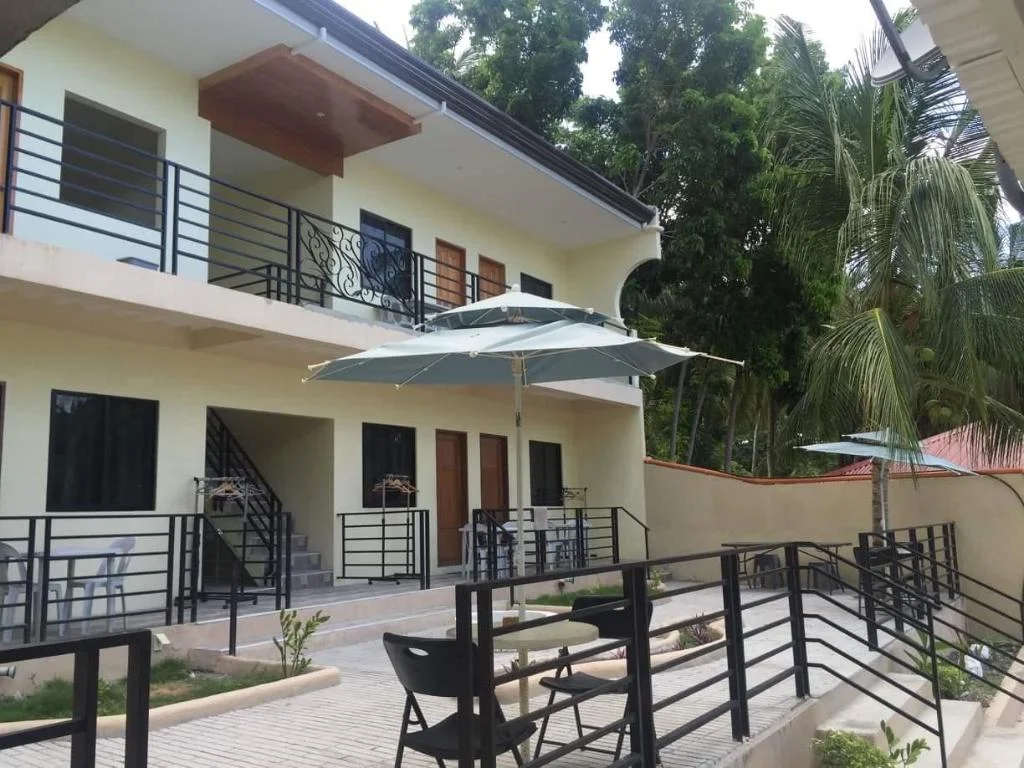
Joaquim's Lodge
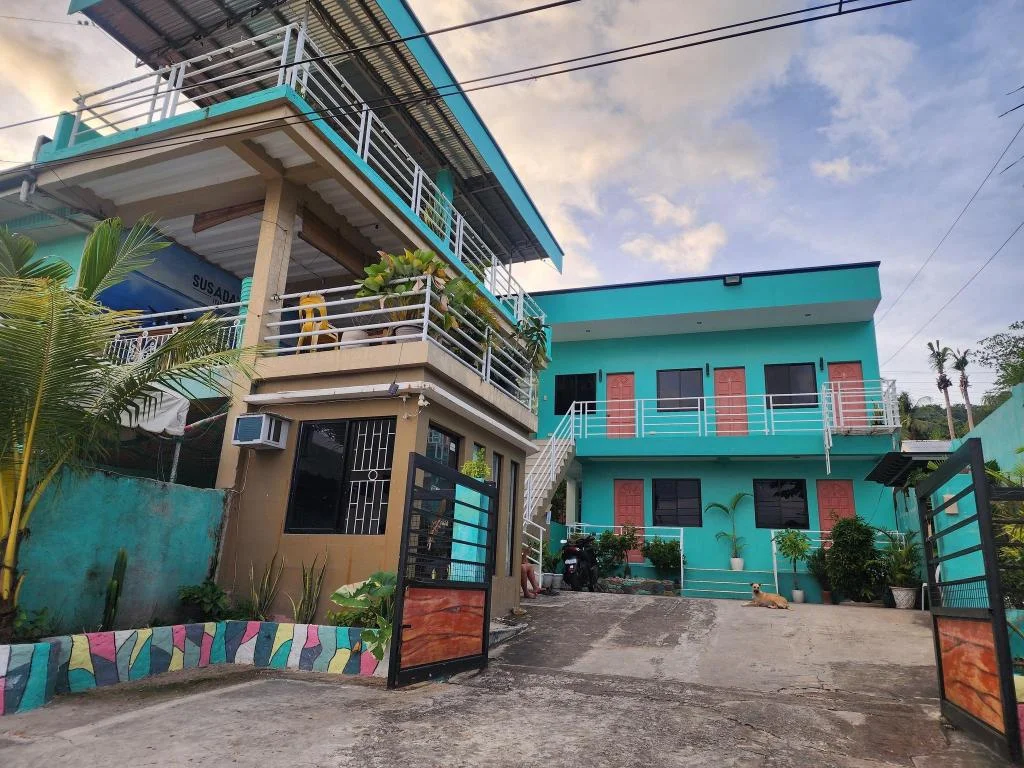
Susada's Inn
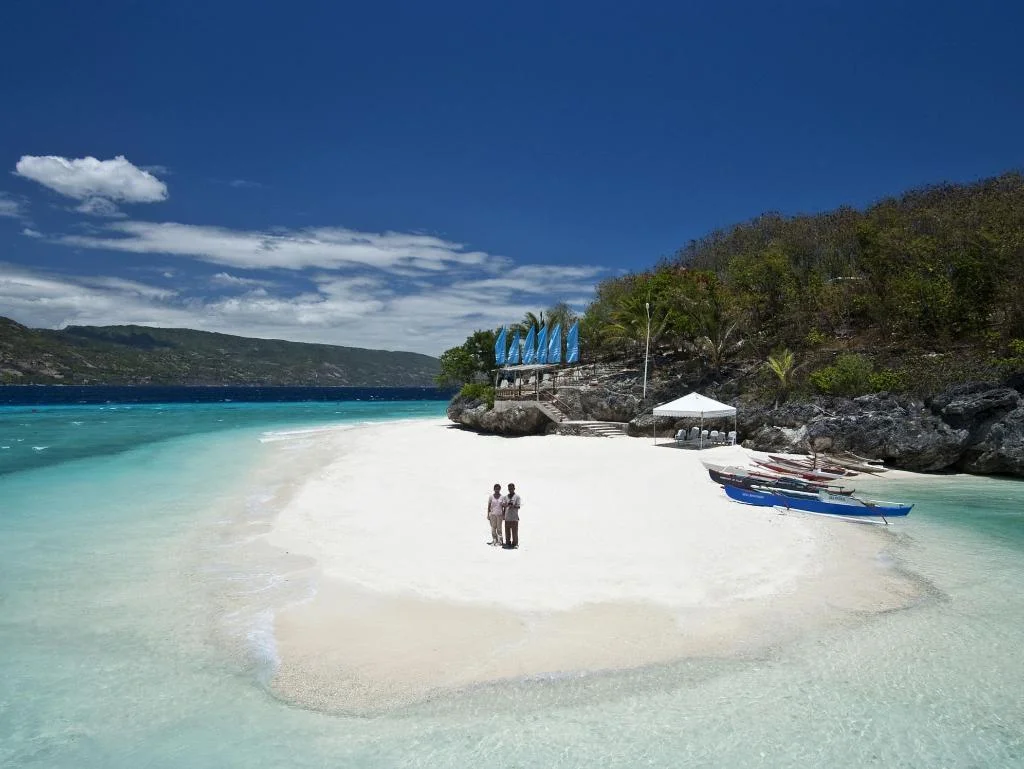
Bluewater Sumilon Island Resort
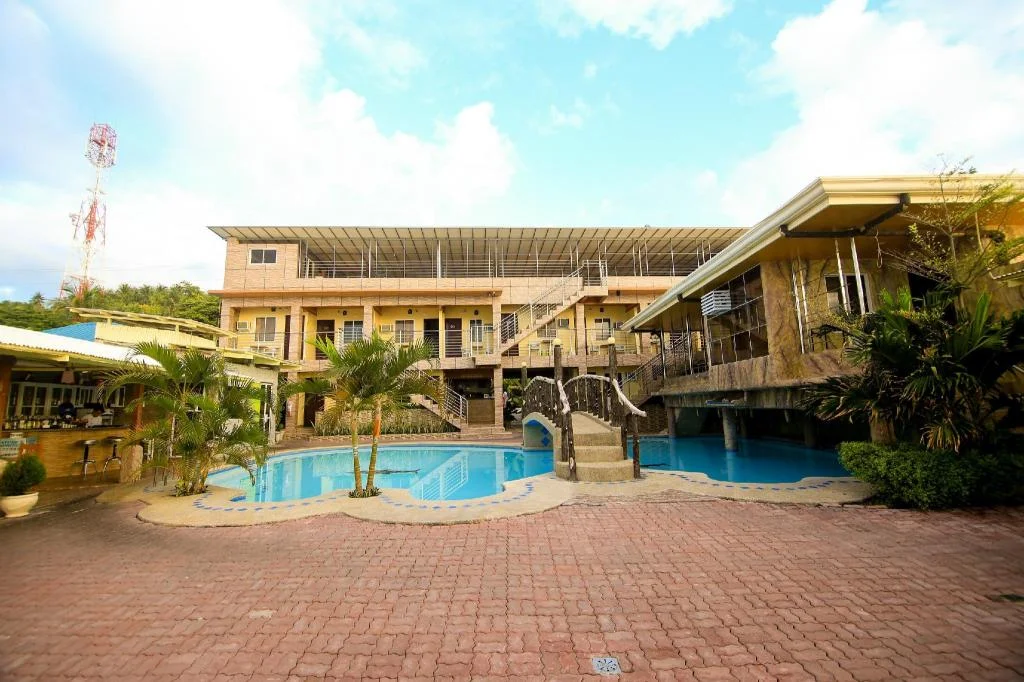
Ging-Ging Hotel & Resort
Prefer a rental? Vacation rentals near Oslob
Self-catering condos and apartments — book the exact unit, kitchen included.
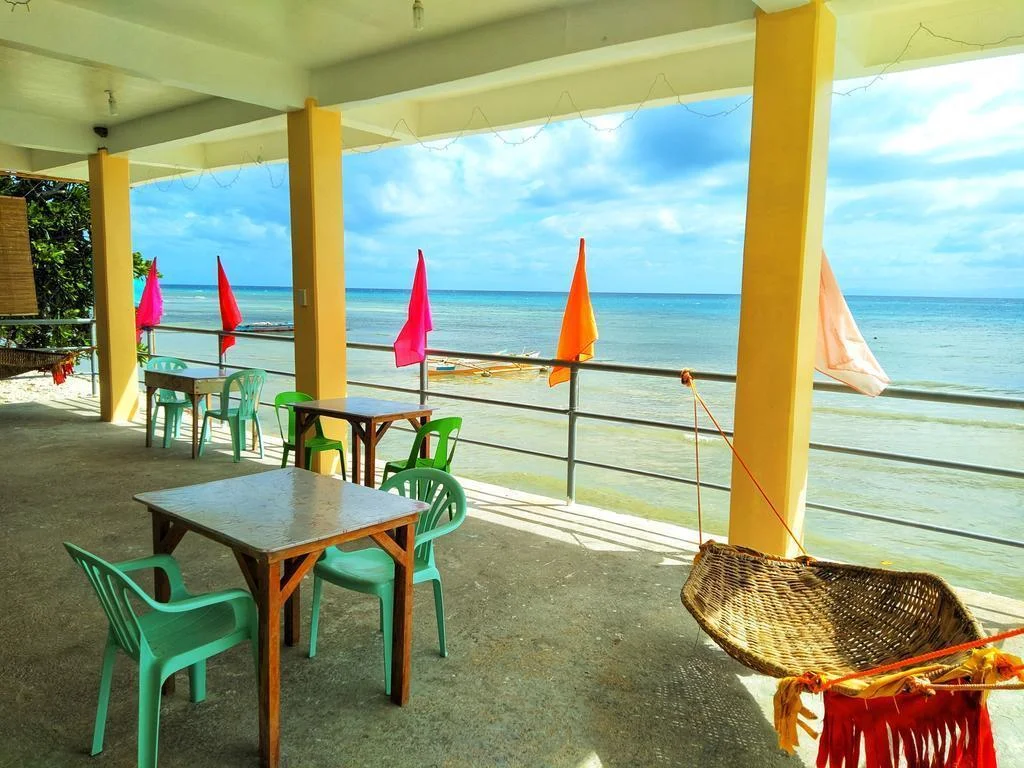
Ocean View Lodging House
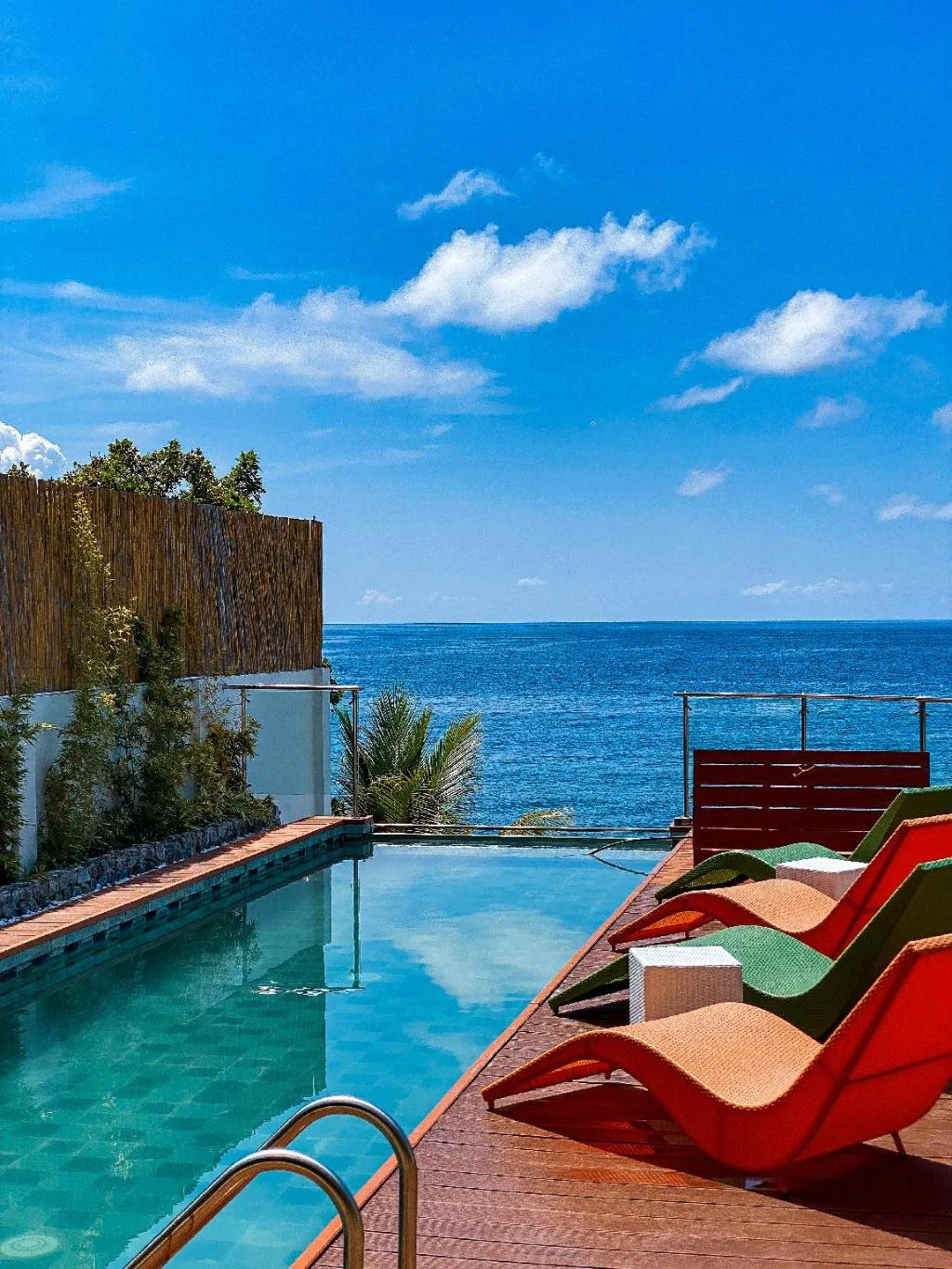
The South Hideaway Oslob
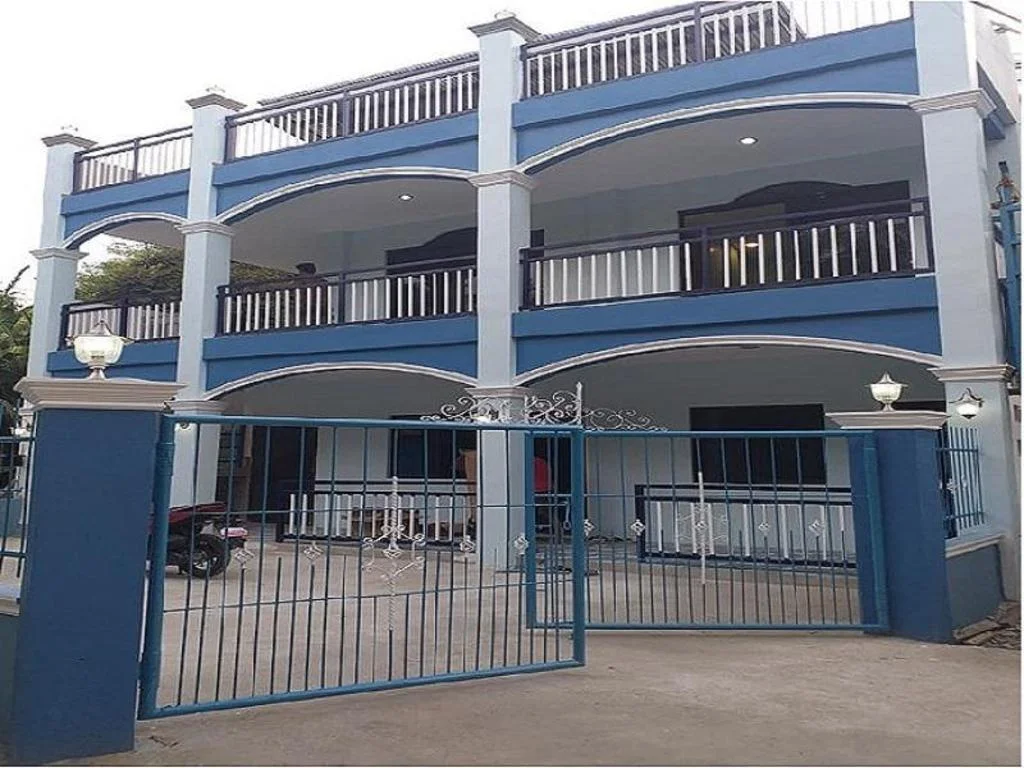
Azulea Family Deluxe 1 * own CR, shower, AC, TV
Before you go
Frequently asked
What is the order of stops on the south Cebu church heritage trail?
How long does the whole route take in one day?
Do you need a car, or can you do this by bus?
Is there an entrance fee for any of these churches?
What's the dress code?
Is Boljoon Church actually UNESCO-listed?
Can you extend this route to Oslob for the whale sharks?
What should you skip if you're short on time?
More Places to Explore
St. Catherine of Alexandria Parish Church
Carcar City
A magnificent 19th-century baroque church and National Cultural Treasure, serving as the centerpiece of Carcar's historic heritage district.
Simala Shrine (Monastery of the Holy Eucharist)
Sibonga
A magnificent castle-like church and major pilgrimage site famous for miraculous healings, attracting millions of devotees to venerate the Virgin of Simala.
San Miguel Arcangel Parish Church
Argao
A beautifully preserved 18th-century Spanish colonial church with baroque architecture, intricate carvings, and National Cultural Treasure status.
Immaculate Conception Church
Oslob
A National Cultural Treasure built in 1830, this coral stone church is a magnificent example of Spanish colonial religious architecture.