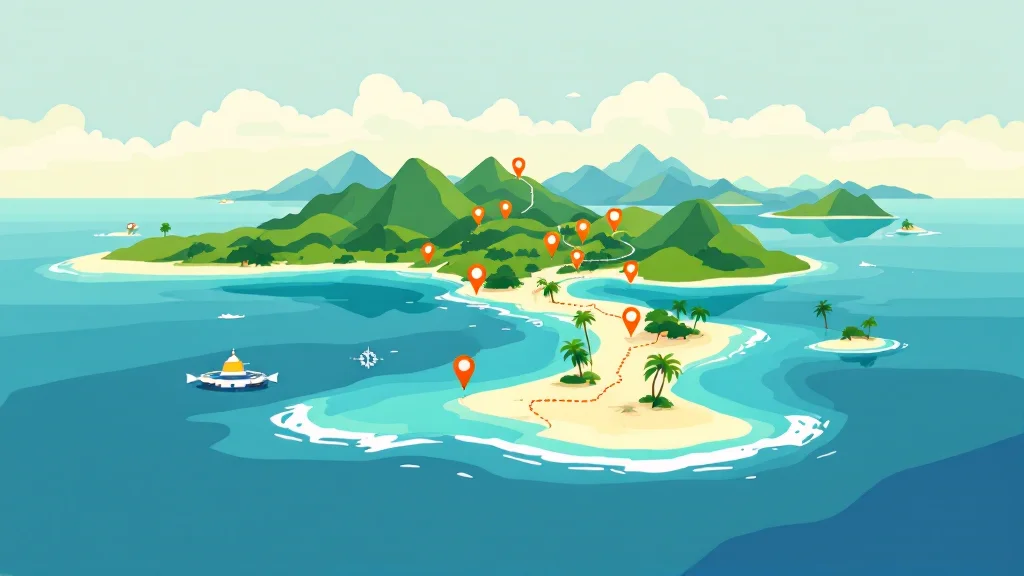
TL;DR: Carcar City, Cebu’s best-preserved 19th-century town, is about 40km (1–1.5 hours) south of Cebu City by South Bus Terminal Ceres bus (₱40–60, ~US$1) or 45–60 minutes by Grab (₱400–700, ~US$7–12). A half-day covers the rotunda, the national-treasure St. Catherine of Alexandria Church, the ancestral houses, and market lechon and chicharon (₱400–700/kg and ₱150–600 depending on quantity). Pair it with Simala Shrine, 20–30 minutes further south, for a full day. Verified July 2026.
South of Cebu City, past the malls and traffic of Talisay and Minglanilla, the highway drops into Carcar City — a town that looks like it stopped renovating somewhere around 1930 and simply kept living in the buildings it already had. This guide covers a day trip built around Carcar’s rotunda and heritage district: how to get there, the ancestral houses, the church, and the reason most Cebuanos already know Carcar’s name before they’ve ever seen it — the public market’s chicharon and lechon. It’s written for anyone renting a car or hopping a bus south for the day, whether Carcar is the whole trip or a stop on the way to Simala or Moalboal.
Cebu City to Carcar, at a Glance
| Stop | Note |
|---|---|
| Getting there | Ceres bus from South Bus Terminal, ₱40–60 (~US$1), 1–1.5 hrs; Grab/car ₱400–700 (~US$7–12), 45–60 min |
| St. Catherine of Alexandria Church | Free entry; declared a National Cultural Treasure in 2019; built 1860–1875 |
| Carcar Rotunda & Heritage District | Free; 1920s roundabout with sculpted bandstand, ~50 ancestral houses nearby |
| Balay na Tisa | Small donation typical; privately owned, scheduled visits only — confirm ahead |
| Carcar Public Market | Chicharon ₱150–600 depending on size; lechon ₱400–700/kg |
| Carcar shoes (CUFMAI-OTOP center) | Handmade sandals, loafers, sneakers; prices vary by style, ask at the stall |
| Combine with | Simala Shrine, Sibonga — about 20–30 min further south |
Verified July 2026.
How Do You Get From Cebu City to Carcar?
The easiest way is a south-bound Ceres bus from the South Bus Terminal — any unit headed to Barili, Moalboal, Bato, or Oslob passes through Carcar. Tell the conductor you’re getting off at Carcar (some say “Carcar rotunda”) and they’ll flag the stop. Fares run roughly ₱40–60 (about US$1), and the ride takes about 1–1.5 hours depending on traffic through Talisay and Minglanilla, though a direct drive covers the roughly 40km in under an hour. See our South Bus Terminal guide for terminal layout and how to find the right bus.
If you’d rather skip the terminal, a Grab or private car/van takes about 45–60 minutes and runs roughly ₱400–700 (US$7–12) one way — worth it if you’re traveling with more than two people or continuing on to Simala or further south afterward. There’s no need to book an organized tour just for Carcar; the town is small enough to walk once you arrive.
Is the Carcar Rotunda and Heritage District Worth Visiting?
Yes — it’s the most intact 19th-century streetscape left in Cebu province, and it costs nothing to walk through. The Carcar Rotunda itself is a 1920s roundabout with a sculpted bandstand and statues by local artist Dr. Ramon Abellana, based on sketches by his brother, the painter Martino Abellana. It’s the town’s traffic hub and the natural starting point for a walk.
From the rotunda, Sta. Catalina Street and the stretch of national highway leading up to it are lined with roughly 50 ancestral houses dating from the mid-1800s to the early 1900s — a mix of Spanish-era stone-and-wood construction and American-period bungalows. Most are still private homes, so you’re viewing facades rather than touring interiors, but the concentration of them in one walkable stretch is unusual even by Cebu standards. Give the walk 30–45 minutes at an easy pace.
What’s Inside St. Catherine of Alexandria Church?
A Greco-Tuscan facade with twin bell towers and coral-stone walls that took 15 years to build. The Archdiocesan Shrine of St. Catherine of Alexandria traces its parish back to 1599 — one of the oldest in Cebu — though the current stone church was built by Augustinian friars between 1860 and 1875. The National Museum declared it a National Cultural Treasure in 2019, one notch above the more common “heritage site” designation. Entry is free; check for ongoing mass before wandering in with a camera, and dress modestly (covered shoulders, no swimwear) as you would for any active Philippine church.
Can You Visit Balay na Tisa and the Other Ancestral Houses?
Sometimes — Balay na Tisa is privately owned, so it’s scheduled visits rather than fixed opening hours. Balay na Tisa (the Sarmiento-Osmeña House), built in 1859, is a Level II heritage-listed house and one of the most photographed in the district. The family that owns it has historically opened it to tourists and media by arrangement rather than as a walk-in museum, so it’s worth checking with the Carcar tourism office or a local guide before you go, and having a backup plan — the exterior views along Sta. Catalina Street, plus the other ancestral houses nearby, are worth the walk even if Balay na Tisa itself is closed that day.
What Should You Eat at Carcar Public Market?
Chicharon and lechon, both sold fresh at stalls right by the rotunda. The public market is Carcar’s real draw for most Cebuano visitors, and it earns the reputation — the chicharon here is thinner, crispier, and less greasy than the mass-market kind sold in Cebu City groceries.
| Item | Typical price | US$ equivalent |
|---|---|---|
| Fresh chicharon, 200–250g pack | ₱150–300 | ~US$2.50–5 |
| Fresh chicharon, per kilo | ₱400–600 | ~US$7–10 |
| Vacuum-packed chicharon (for travel) | ₱200–400 | ~US$3.50–7 |
| Lechon, per kilo | ₱400–700 | ~US$7–12 |
| Ampao (puffed rice cake), per piece | ₱30–80 | ~US$0.50–1.50 |
| Bocarillo (candied coconut) | ₱50–100/pack | ~US$1–2 |
Prices vary by stall and season, and lechon in particular has spiked higher during peak demand periods in past reports — always confirm the price before the vendor slices it. Verified July 2026.
Buy lechon by the kilo, ask for a mix of skin and meat if you’re eating it on the spot, and go for vacuum-packed chicharon if you’re carrying it back on a flight — the fresh version doesn’t survive a hot afternoon in a bag. For a wider rundown of what else to bring home from around the province, see our Cebu delicacies guide.
Should You Buy Carcar Shoes?
If you want a genuinely local, handmade souvenir, yes — Carcar has been a footwear town for generations. Local shoemakers cluster at the Carcar United Footwear Manufacturers Association (CUFMAI) – OTOP center along the highway, where you can browse sandals, loafers, and sneakers from multiple small workshops in one place rather than hunting individual shops. Some makers also take made-to-order requests if you want a specific size or style. Prices vary by material and craftsmanship, so ask at the stall and expect to negotiate a little — this isn’t a fixed-price retail setup.
Sample Half-Day Carcar Itinerary
- 8:00 AM — Bus from South Bus Terminal (or depart by Grab/car).
- 9:00–9:30 AM — Arrive Carcar, start at the rotunda.
- 9:30–10:15 AM — Walk Sta. Catalina Street’s ancestral houses; stop by Balay na Tisa if a visit’s arranged.
- 10:15–11:00 AM — St. Catherine of Alexandria Church.
- 11:00 AM–12:30 PM — Public market: lunch on lechon and rice, buy chicharon to take home.
- 12:30–1:00 PM — Browse the CUFMAI-OTOP shoe stalls.
- 1:00 PM — Head back to Cebu City, or continue south to Simala.
That’s a comfortable half-day. If you’re only doing Carcar and heading straight back, you can be home in Cebu City by early-to-mid afternoon.
Can You Combine Carcar With Simala Shrine?
Yes — it’s the most common way locals and tour operators build this trip, since Simala is only 20–30 minutes further down the same highway. Simala Shrine in Sibonga is a Marian shrine built to resemble a European castle, and it draws a very different crowd (pilgrims and photo-seekers) than Carcar’s heritage-and-food visitors. The natural order is Carcar first — church, market lunch, shoes — then Simala in the early-to-mid afternoon, before heading back to Cebu City. See our dedicated Cebu City to Simala Shrine guide for Simala’s dress code, hours, and getting-around details. Some travelers stretch the day further south toward Moalboal or Oslob, but that turns a day trip into an overnight — Carcar plus Simala is the version that comfortably fits in one day.
The Honest Take
Carcar rewards people who like walking around old buildings and eating well more than people looking for a single “wow” photo spot — there’s no equivalent of a waterfall or a whale shark here. The church and rotunda are genuinely worth the trip on their own, but Balay na Tisa’s scheduled-visit-only setup means you might show up to a closed door; don’t build your whole day around getting inside it. The public market is the most reliably rewarding stop and where most people end up spending the most time (and money). Go on a weekday if you can — weekends bring more traffic on the highway and more foot traffic in the market, though it’s never as crowded as Cebu City’s own markets. Skip it if you’re only in Cebu for 2–3 days and haven’t done the province’s bigger draws yet (Oslob, Moalboal, Kawasan); Carcar is a strong add-on for a longer stay, not a must for a short one.
Sources
- National Historical Commission of the Philippines — Balay na Tisa (Sarmiento-Osmeña House) registry entry
- St. Catherine’s Church, Carcar — Wikipedia
- Carcar pasalubong pricing (chicharon, lechon, ampao, bocarillo) and transport costs cross-checked against recent 2025–2026 traveler reports and pasalubong price roundups.
- Carcar shoemaking background (CUFMAI-OTOP center) per local shopping and heritage roundups on Carcar’s footwear industry.
- Bus fares, market prices, and Balay na Tisa visiting arrangements change; confirm locally before you go. Verified July 2026.
Carcar pairs naturally with a broader south Cebu run — read our Cebu cultural heritage walking tour for how it fits alongside Cebu City’s own colonial-era sites, or the Simala Shrine guide to extend the day. If you’re driving yourself, compare Cebu City hotels near the South Bus Terminal side of town on Agoda for an easy early start, or browse south Cebu day tours on Klook if you’d rather have transport handled for you.
Book Tours & Hotels for This Trip
Find and book the best deals — prices and availability update in real time. Links open in a new tab.
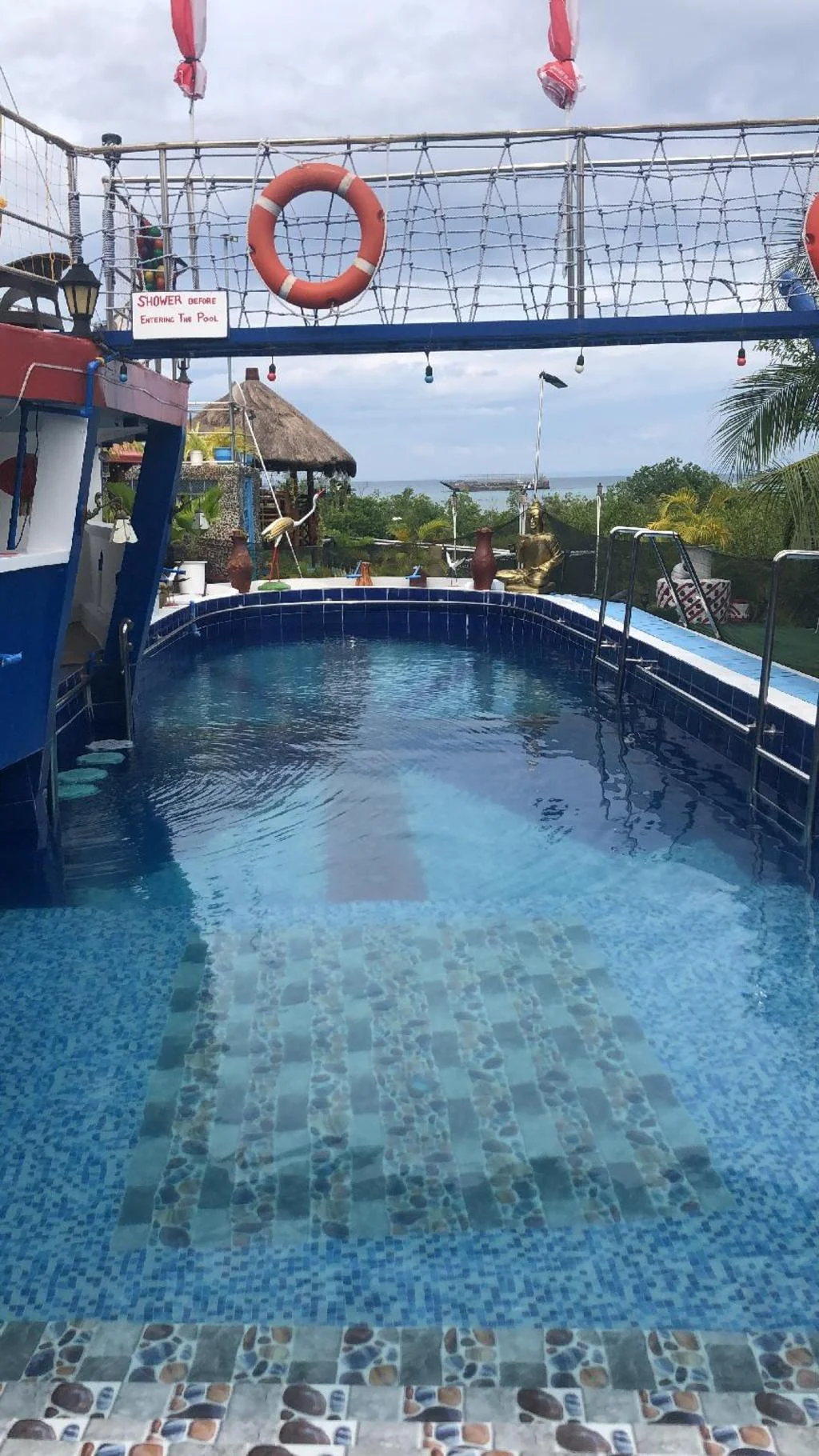
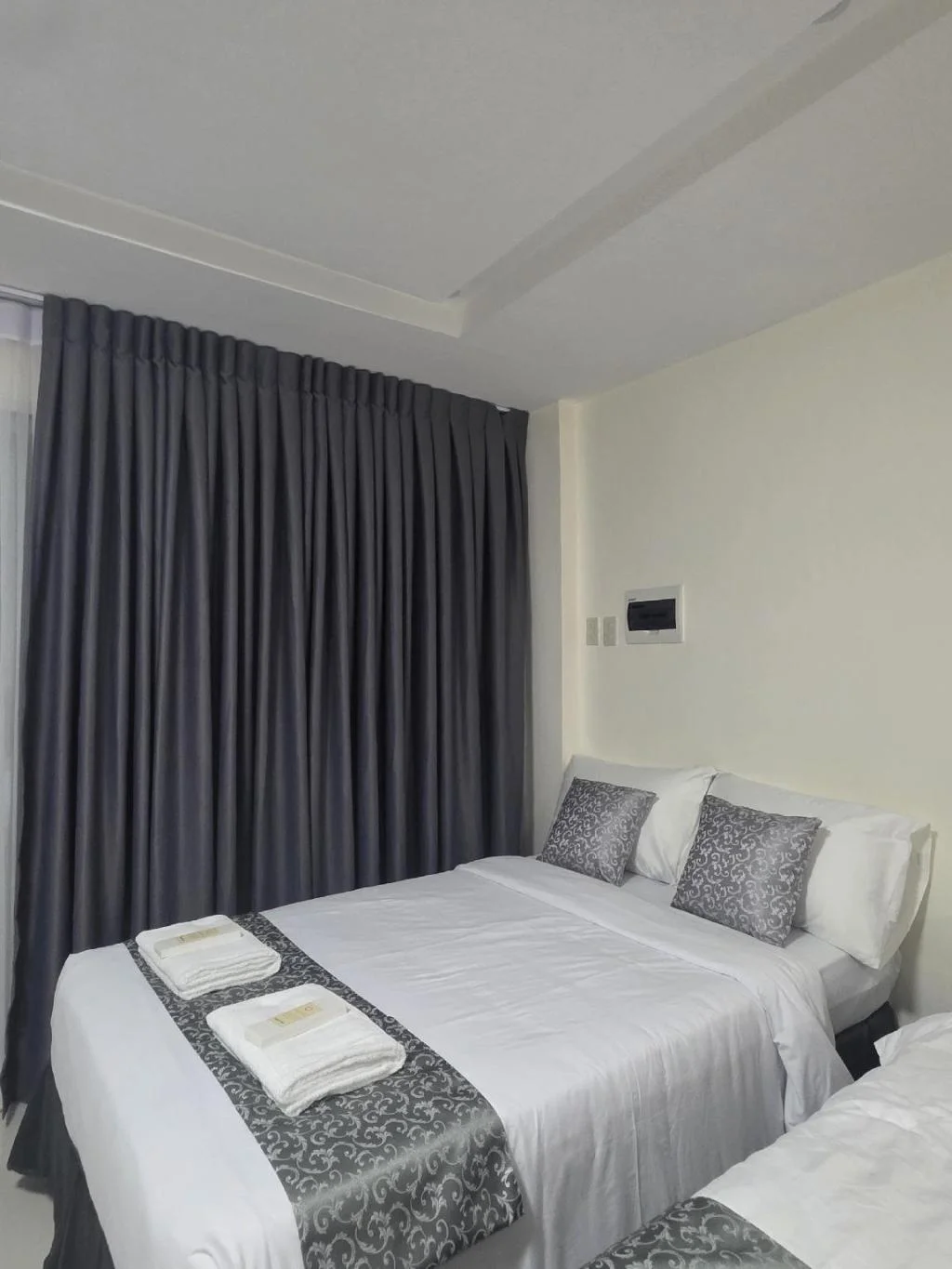
Where to stay near Carcar City
Top-rated hotels for this trip — tap through to check live rates.
Prefer a rental? Vacation rentals near Carcar City
Self-catering condos and apartments — book the exact unit, kitchen included.
Browse all vacation rentals →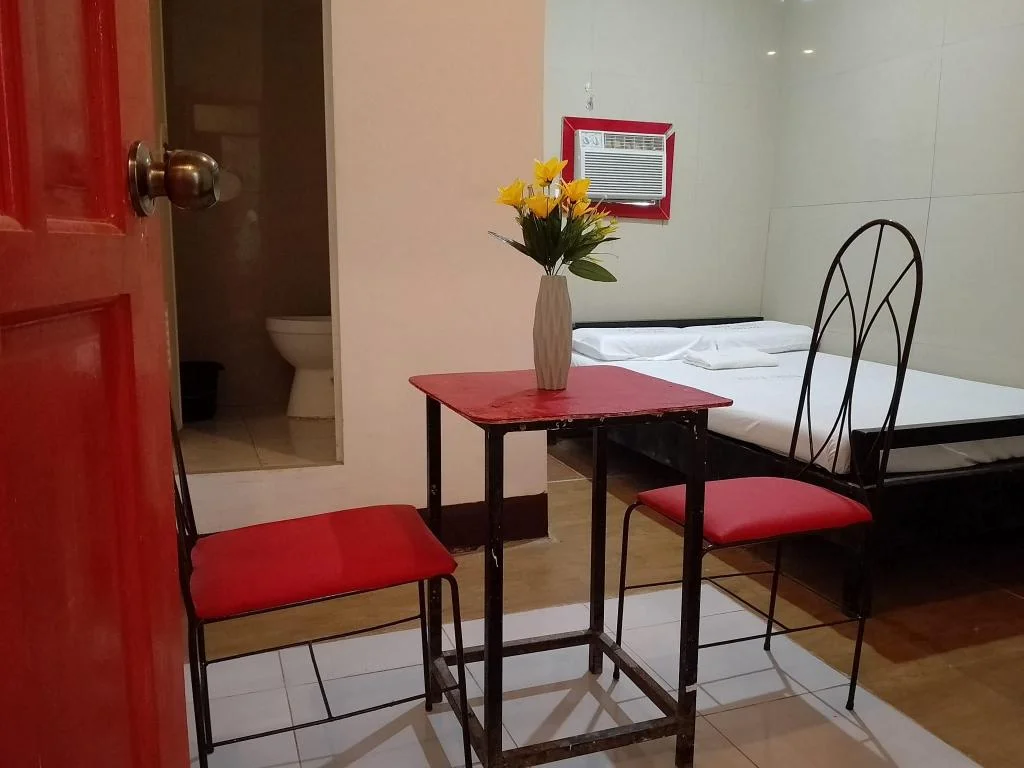
Before you go
Frequently asked
How do you get from Cebu City to Carcar?
How far is Carcar from Cebu City?
Is Carcar worth a day trip from Cebu?
What is Carcar famous for?
Can you visit Balay na Tisa?
How much does chicharon and lechon cost at Carcar Public Market?
Can you combine Carcar with Simala Shrine in one day?
Do you need a tour, or can you DIY the Carcar trip?
More Places to Explore
Carcar Rotunda and Heritage District
Carcar City
The iconic circular plaza at the heart of Carcar's heritage district, surrounded by beautifully preserved Spanish colonial ancestral houses.
Carcar Public Market
Carcar City
The famous home of Cebu's best lechon and chicharon, where generations of vendors have perfected these iconic Cebuano delicacies.
St. Catherine of Alexandria Parish Church
Carcar City
A magnificent 19th-century baroque church and National Cultural Treasure, serving as the centerpiece of Carcar's historic heritage district.
Balay na Tisa
Carcar City
A beautifully preserved ancestral house museum showcasing colonial-era architecture, antique furnishings, and Carcar's heritage.
Simala Shrine (Monastery of the Holy Eucharist)
Sibonga
A magnificent castle-like church and major pilgrimage site famous for miraculous healings, attracting millions of devotees to venerate the Virgin of Simala.