
TL;DR: Cebu’s city fiber broadband now averages 100-130 Mbps across the major providers, so IT Park cafes and coworking spaces handle video calls without drama. Mobile data is the practical option for most travelers: a Globe or Smart prepaid SIM (or an eSIM bought before you land) runs roughly ₱500-2,000 for 15-30 days of data. Malapascua and Bantayan sit on the same towers as the mainland but noticeably slower and patchier - don’t schedule a must-make call there without a backup. Verified July 2026.
Cebu is one of the easier places in Southeast Asia to stay connected, but “good wifi” here means different things depending on where you are. Cebu City and Mactan have real fiber infrastructure and a growing stack of coworking spaces around IT Park, which is exactly why so many remote workers use it as a base - see our digital nomad guide to Cebu for the bigger picture. Head out to Moalboal, Malapascua, or Bantayan, though, and you’re back to island-speed internet: workable, but not something to build your income around. This guide covers what speeds to actually expect, which SIM or eSIM makes sense for your trip length, where to work from a connection you can trust, and where to just accept that you’re offline for a bit.
At a Glance: Getting Online in Cebu
| Option | Price | Note |
|---|---|---|
| Globe Prepaid Traveler SIM (80GB/30 days) | ₱1,750 (~US$30) | Sold at Mactan-Cebu airport arrivals; best all-rounder for a multi-week trip |
| Globe basic prepaid (8GB/7 days) | ₱100 (~US$1.72) | Cheapest short top-up via the GoSURF promo in the GlobeOne app |
| Smart Prepaid eSIM (30 days) | from US$11.99 | Activate a GigaLife app promo immediately or you’re billed ₱5-10 per MB |
| DITO Prepaid (20GB/15 days) | ₱499 (~US$8.60) | Cheapest per-GB rate; confirm coverage if you’re heading beyond the city |
| Airalo “Alpas” eSIM (10GB/30 days, Globe network) | US$21 | Data-only, install and activate before you land |
| Coworking day pass (The Company, IT Park) | ₱400 (~US$6.90) | Fiber wifi and AC; the most reliable option for a call that matters |
| Hotel/resort wifi | Free-varies | Fine for browsing; often shaky for video calls, especially on the islands |
Prices change with promos and season - confirm current rates on the carrier app or with your hotel before you rely on a number here. Verified July 2026.
How fast is the internet in Cebu, really?
City-center fiber broadband in the Philippines now averages just over 100 Mbps download, with Cebu’s main providers close to that national figure. In Q1 2026, Converge led national broadband speed rankings at 129.7 Mbps download, PLDT followed at 120.7 Mbps, and Globe came in at 108.9 Mbps, according to Ookla-based reporting. Upload speeds from Converge and PLDT topped 121 Mbps, with Globe trailing at 93.4 Mbps, and latency ran 23.7-32.3ms across the three. Those are national averages, but Cebu City and Mandaue - as major secondary metros - generally track close to them wherever fiber has been laid, particularly in newer condo buildings, malls, and business districts like IT Park and Cebu Business Park.
Mobile data is a different story and much more location-dependent. In city centers and along the main highways you’ll typically get solid 4G and increasingly 5G coverage from Globe and Smart; step into an older building, a mountain barangay, or a small island and speeds can drop off fast. The Philippines still ranks only around 58th globally for fixed broadband and 65th for mobile speeds per Ookla’s global index, so treat “fast” here as relative - workable for calls and streaming in the right spot, not California-fiber fast everywhere.
Which SIM or eSIM should you actually buy?
For most travelers, buy a Globe or Smart prepaid SIM at the airport, or activate an eSIM before you land if your phone supports it. Globe’s flagship tourist bundle is 80GB over 30 days for ₱1,750 (~US$30), sold at kiosks in Mactan-Cebu International Airport’s arrival area and purchasable in advance through the GlobeOne app. Shorter or cheaper Globe options exist too: 20GB/15 days for ₱500 (~US$8.62), 30GB/15 days for ₱750 (~US$12.93), and a basic 8GB/7-day pack for ₱100 (~US$1.72) - all activated through GoSURF promos rather than raw pay-per-use rates.
Smart’s tourist eSIMs start around US$11.99 for 30 days, but the fine print matters: without activating a GigaLife app promo (like GigaHello), you fall back to pay-per-use data at roughly ₱5-10 per MB, which adds up in minutes. Activate a promo the moment you land.
DITO is the budget option: 10GB/7 days for ₱299 (~US$5.16), 20GB/15 days for ₱499 (~US$8.60), or 50GB/30 days for ₱999 (~US$17.22), plus a ₱39 (~US$0.67) starter pack. DITO’s 5G reaches a meaningful share of Cebu City and Mandaue’s barangays, but its coverage thins out fast once you’re off the main metro grid - fine as a second SIM, riskier as your only one if you’re heading south or to the islands.
If you’d rather not deal with a physical SIM at all, Airalo’s “Alpas” eSIM runs on Globe’s network with data-only plans from 1GB/7 days (US$4.50) up to 20GB/30 days (US$32) - install it before you fly so maps and ride-hailing apps work from the moment you land. You can also compare Philippines eSIM and travel SIM options on Klook if you’d rather book one before you leave home. See our SIM and eSIM guide for Cebu for the full country-wide comparison and registration steps (all Philippine SIMs require ID registration by law).
Globe vs. Smart vs. DITO - which network is best?
There’s no single winner; most long-stay expats and nomads end up carrying two SIMs. Globe generally posts the stronger fixed fiber numbers and a wide 4G/5G footprint across Cebu City, Mactan, and the main coastal highways. Smart is frequently reported as holding up better in pockets of rural south Cebu and some of the smaller towns. DITO is the cheapest per gigabyte but has the least mature coverage outside Metro Cebu. If your trip only covers Cebu City, Mactan resorts, and the standard day-trip routes to Oslob or Moalboal, either Globe or Smart alone will serve you fine. If you’re working remotely or traveling further out - Malapascua, Bantayan, Camotes - a second SIM from the other network is cheap insurance for the times one carrier drops out.
What about internet on Malapascua, Bantayan, and the smaller islands?
Expect it to be noticeably slower and less consistent than the mainland, even though the same networks technically cover these islands. Travelers on Malapascua commonly describe the connection as spotty, and forum reports and digital nomad accounts both mention carrying a dual-SIM setup (one Globe, one Smart) and hotspotting whichever has better signal in that specific spot on the island. Bantayan is a bit more developed but still runs slower than Cebu City, especially once evening hits and everyone on the island is streaming or on a call at once.
If you need to work from Malapascua or Bantayan, don’t schedule anything time-sensitive as your only plan. Confirm with your resort or guesthouse what their wifi is actually like before booking a multi-night stay around “getting work done,” and keep a mobile data plan as backup rather than relying on the property’s shared connection alone.
Where can you work from a connection you can actually trust?
IT Park and the Ayala Center / Cebu Business Park area have the highest concentration of fiber-backed cafes and coworking spaces in the city. A paid coworking day pass is the safest bet if you have a call that genuinely can’t drop: The Company in IT Park runs roughly ₱400/day (~US$6.90) or ₱1,500/week (~US$25.86), and several other spaces in the same district charge around ₱500/day (~US$8.62) for a hot desk, high-speed wifi, and decent AC. Our coworking spaces guide breaks down the specific buildings and their day-pass terms.
For casual work and browsing, a solid cafe is enough - see our guide to the best coffee shops for working in Cebu for spots with actual outlets and consistent wifi rather than one router serving a packed room. If you’re settling in longer-term, a co-living space usually bundles dedicated fiber with the room, which sidesteps the daily “will this connection hold” question entirely.
Should you trust hotel wifi?
Treat it as fine for browsing and messaging, but don’t bet an important video call on it. Shared hotel and resort wifi, especially at budget and mid-range properties or in older buildings, is routed through a single connection split across every guest, and it noticeably slows down at peak evening hours. Higher-end hotels and newer buildings in Mactan and IT Park tend to hold up better - when you’re picking a place to stay for a work trip, check current rates and guest wifi reviews for Cebu City hotels on Agoda before booking. If a call actually matters, test the room’s wifi as soon as you check in, and have a coworking space, a mobile hotspot, or a cafe with fiber lined up as backup rather than finding out mid-call that it can’t keep up.
The Honest Take
Cebu’s internet is genuinely good by regional standards in the places tourism and business have concentrated - IT Park, Ayala/Business Park, Mactan’s bigger resorts - and genuinely mediocre almost everywhere else. The mistake most visitors make is assuming that because the country has decent overall broadband rankings, every guesthouse and every island will match it. They won’t. If your trip is a normal one- to two-week vacation, don’t overthink this: buy a tourist SIM at the airport and you’ll be fine for maps, messaging, and social media across the whole itinerary. If you’re actually trying to work remotely, base yourself near IT Park or Business Park, carry a second SIM as backup, and treat any trip to Malapascua, Bantayan, or Camotes as a working vacation where “unreachable for a few hours” is the honest expectation, not a failure.
Sources
- Converge tops PH broadband speed rankings in Q1 2026 - Newsbytes.ph (fixed broadband speed and latency figures)
- Globe Prepaid Traveler SIM and eSIM - official Globe page (tourist SIM pricing and data allocations)
- DITO Mobile Prepaid - official DITO page (prepaid plan pricing)
- Airalo Philippines eSIM store (eSIM plan pricing)
- Coworking day-pass pricing referenced against 2026 listings for The Company and other IT Park coworking spaces; confirm current rates directly. Verified July 2026.
Whatever your trip looks like, sort your connectivity in the first hour after landing rather than the first day - grab a SIM or activate your eSIM at Mactan-Cebu International Airport, and you’ll spend the rest of your time in Cebu actually looking at the islands instead of hunting for signal.
Book Tours & Hotels for This Trip
Find and book the best deals — prices and availability update in real time. Links open in a new tab.
Where to stay near Mandaue City
Top-rated hotels for this trip — tap through to check live rates.
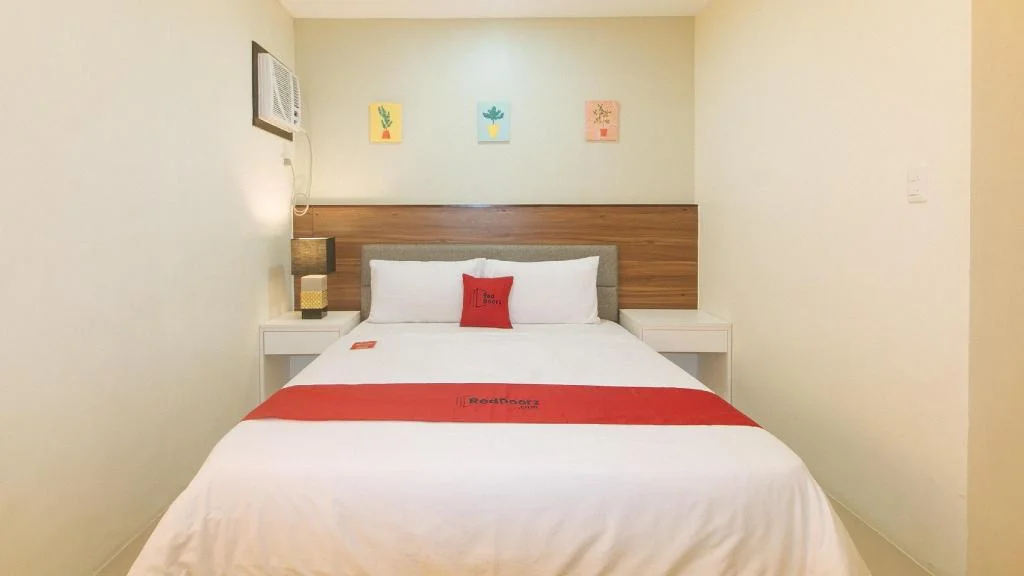
RedDoorz @ Leoncia Apartelle Mandaue City
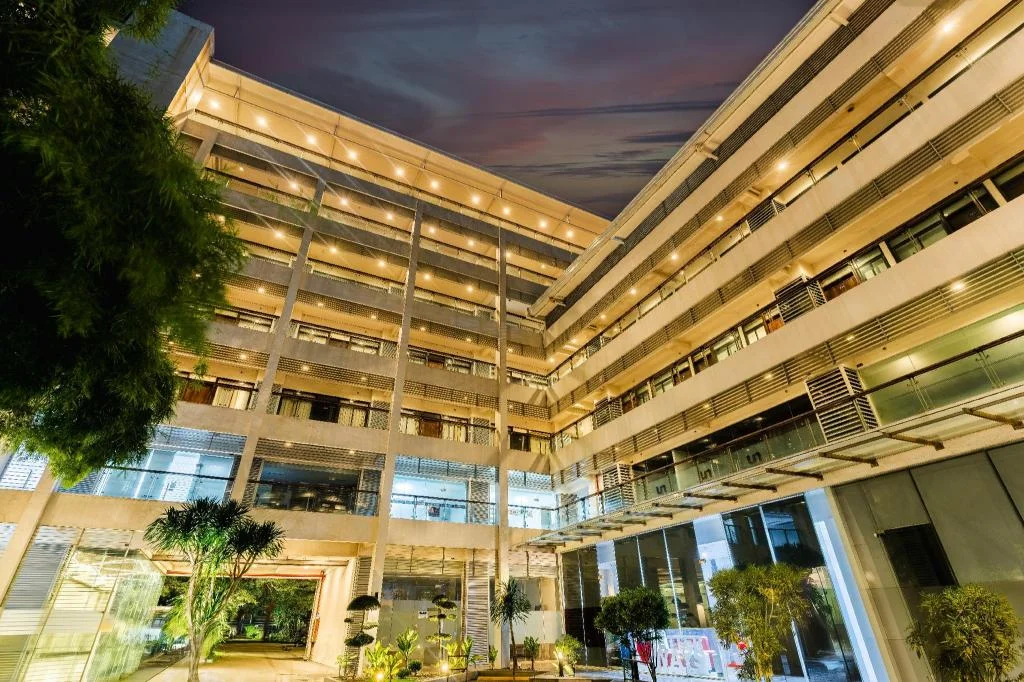
Copenhagen Main Residences
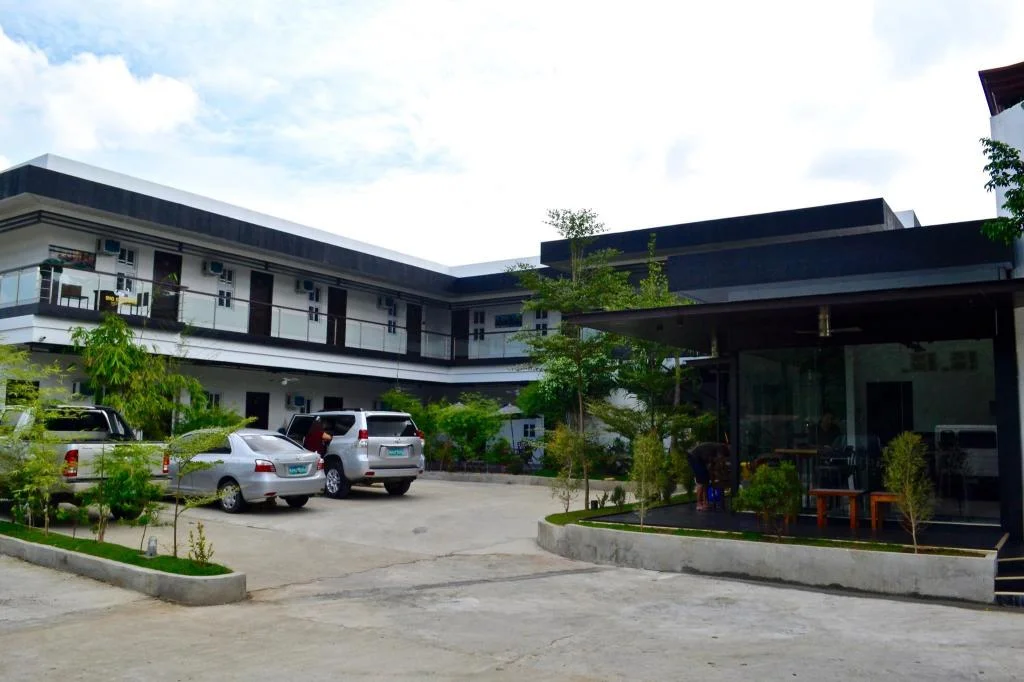
Big Dreams Residences
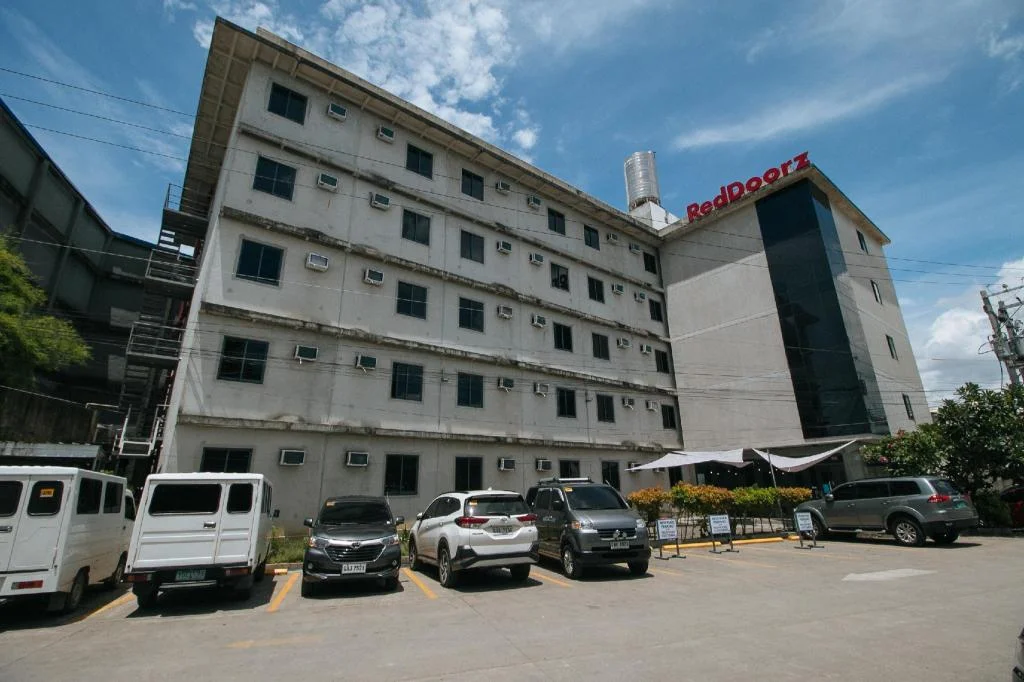
RedDoorz @ Insular Square Mandaue City
Prefer a rental? Vacation rentals near Mandaue City
Self-catering condos and apartments — book the exact unit, kitchen included.
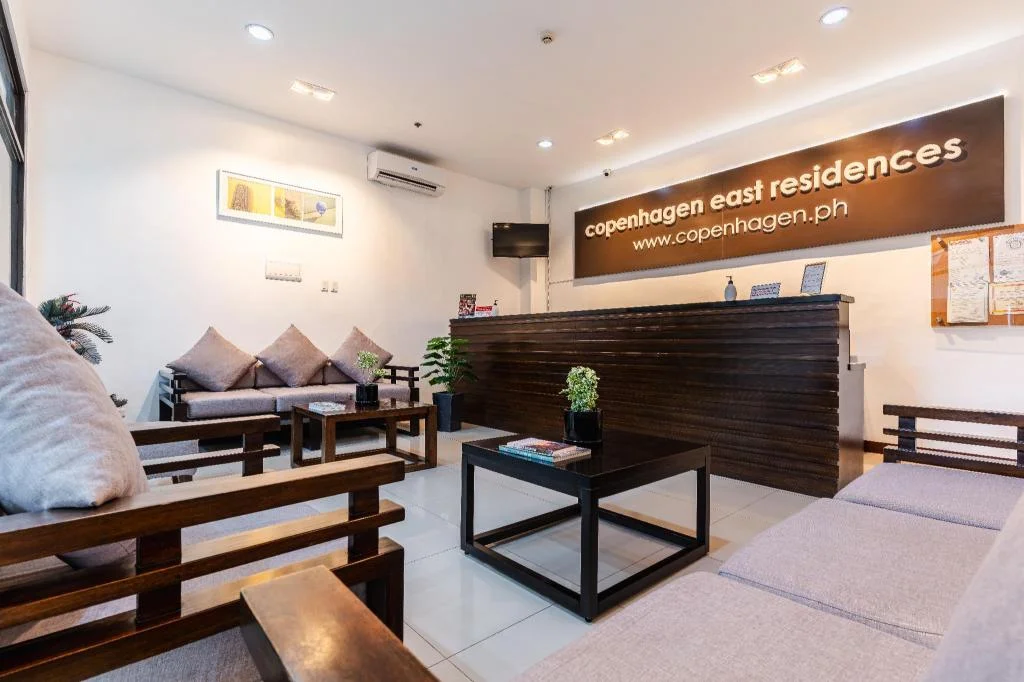
Copenhagen East Residences
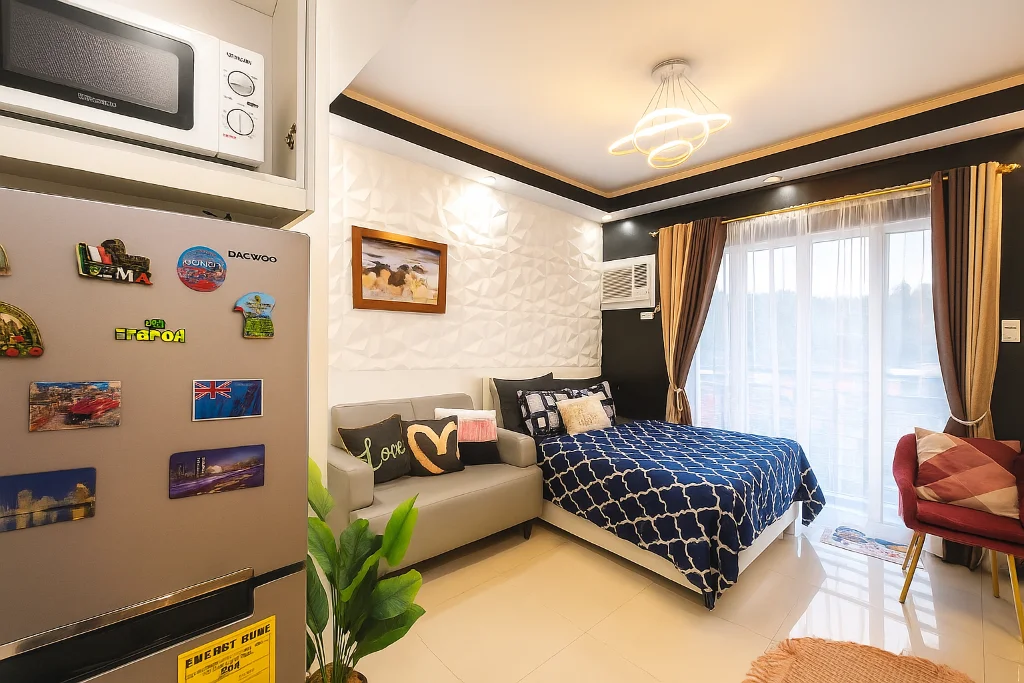
Azehr's Walk up and Cozy Condo
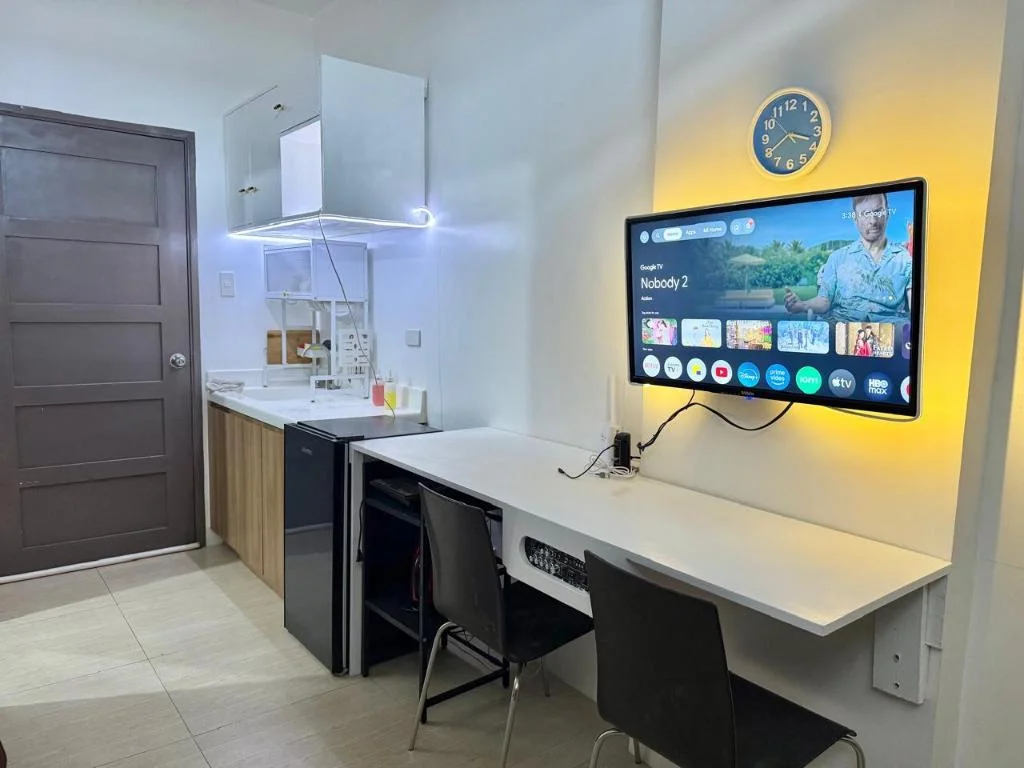
D'hub AC Suites (Simplicity & Comfort)
Before you go
Frequently asked
What's the fastest way to get online when I land in Cebu?
How much mobile data do I actually need for a week in Cebu?
Is Globe or Smart better in Cebu?
Does DITO work well in Cebu?
Is the internet on Malapascua and Bantayan reliable?
Where can I actually work from a reliable connection in Cebu City?
Should I buy an eSIM before I arrive or a physical SIM after I land?
Is hotel wifi in Cebu good enough for video calls?
More Places to Explore
Minglanilla Techno Park
Minglanilla
A public recreational park offering green space, walking paths, and community gathering areas in rapidly growing Minglanilla.
Mantawi International Drive
Mandaue City
A modern waterfront promenade along the Mactan Channel with parks, cafes, and stunning views of the bridges connecting Cebu to Mactan Island.