
TL;DR: Cebu works as a digital nomad base for $800-1,500/month all-in — fiber wifi (100-300 Mbps) in IT Park, Lahug, and Cebu Business Park, a real coworking scene, and beaches like Panagsama Beach three to four hours away. It’s cheaper than Bali, similar to Chiang Mai, and easier to navigate in English. The catch: 2026 brought real rotational brownouts to the Visayas grid, rush-hour traffic is genuinely bad, and infrastructure gets patchy the moment you leave the business districts. Worth it if you want lifestyle and value over polish; skip it if you need zero-downtime internet and can’t tolerate scheduled power cuts. Verified July 2026.
Every “best digital nomad cities” list eventually mentions Cebu, usually in the same breath as Bali and Chiang Mai, and usually without saying much about what living here actually costs or breaks. This guide is the verdict, not the how-to — it’s written for someone deciding whether to book the flight, not someone who’s already landed and needs a wifi speed test. If you’ve already decided and need the operational details (visa runs, exact coworking addresses, SIM cards, condo contracts), our digital nomad guide to Cebu is the logistics hub; this one is the pros, cons, and honest comparison to the other places on your shortlist.
Cebu at a Glance for Nomads
| Factor | Cebu | Bali | Chiang Mai |
|---|---|---|---|
| Monthly budget (comfortable) | $800-1,500 | $1,500-2,500 | Under $1,500 |
| Fiber internet (business districts) | 100-300 Mbps, $30-50/mo | Variable, often slower outside Canggu/Ubud hubs | 100-200 Mbps, widely rated reliable |
| Coworking day pass | $8-15 | $10-20 | $5-12 |
| Nomad community maturity | Growing, smaller | Large, established | Oldest and largest in SE Asia |
| Beaches within city limits | No; 1-4 hrs away | Yes, on-island | No; landlocked |
| English fluency | Very high | Moderate | Low-moderate |
| Known infrastructure risk | Rotational brownouts (2026), traffic | Cost has risen sharply | Air quality (burning season, Feb-Apr) |
Cost ranges compiled from multiple 2026 cost-of-living and nomad-community sources; treat as directional and confirm current rates before committing to a lease. Verified July 2026.
Is Cebu Actually Worth It for Digital Nomads?
Yes, if you value cost and lifestyle over polished infrastructure — no, if you need guaranteed uptime. Cebu gives you fast, cheap fiber in a handful of business districts, genuine English fluency, a real (if smaller) coworking and nomad scene, and easy weekend access to beaches, waterfalls, and islands that Bali and Chiang Mai simply don’t offer from their own city centers. What it doesn’t give you is Bali’s decade of nomad-built infrastructure or Chiang Mai’s rock-solid utilities. Whether that trade is worth it depends on how much you’re optimizing for lifestyle versus reliability.
How Much Does Cebu Cost Compared to Bali and Chiang Mai?
Cebu runs cheaper than Bali and roughly comparable to, or a bit above, Chiang Mai. A comfortable nomad month in Cebu lands around $800-1,500, covering a one-bedroom in IT Park, Lahug, or Cebu Business Park ($300-600), groceries ($200-300), a coworking desk ($100-150/month), and eating out a few times a week. Bali’s real cost of living has climbed well past its cheap-paradise reputation — a comfortable budget there now runs $1,500-2,500 a month, and that gap has only widened as Canggu and Ubud gentrify. Chiang Mai still holds the budget crown among the three, staying under $1,500 a month with more mature discounts on long-term housing and coworking. If your priority is stretching a modest income furthest, Chiang Mai wins on paper; if you want beaches without Bali’s price tag, Cebu is the middle path.
Is the Internet Actually Reliable Enough to Work From Cebu?
In the core business districts, yes — outside them, treat it as a gamble. PLDT and Globe fiber in IT Park, Lahug, Cebu Business Park, and Banilad commonly delivers 100-300 Mbps for $30-50 a month, and most coworking spaces advertise similar numbers. That’s genuinely fast enough for video calls, large uploads, and streaming without complaint. The catch is that this reliability is geographically narrow — outside those districts, or in a random Airbnb picked without checking the building’s ISP, both speed and uptime get noticeably shakier. Chiang Mai’s infrastructure is more evenly reliable citywide, which is one reason it still edges out Cebu on pure connectivity surveys.
What About the Brownouts? Should That Change Your Decision?
It’s a real 2026 problem, not internet-forum exaggeration. The Visayas power grid hit a red alert in May 2026 after multiple power plants went offline for maintenance and outages — some had been down since as far back as 2021 — and Visayan Electric (VECO) responded with rotational, hour-long brownouts across Metro Cebu, hitting Cebu Business Park, Lahug, Mabolo, Banilad, and other central districts on a rolling schedule. If you’re relying on a single condo’s wifi with no backup, a scheduled brownout mid-workday is a real risk, not a hypothetical. The practical fix: pick a coworking space that runs on generator or battery backup during outages, keep a mobile hotspot on a different carrier (Globe and Smart don’t always go down together), and check VECO’s outage schedule for your barangay before signing a lease. This is the single biggest 2026-specific downside Cebu has that Chiang Mai and most of Bali currently don’t.
How Bad Is the Traffic, Really?
Bad enough to plan your day around it, not bad enough to strand you if you pick the right neighborhood. Rush hour runs roughly 7-9 AM and 5-8 PM, and Cebu’s growing car ownership has outpaced its road network, so a trip that should take fifteen minutes can take an hour at the wrong time. The fix most nomads land on: base yourself in IT Park, Lahug, or Cebu Business Park, where coworking, food, gyms, and condos sit within walking distance or a short Grab ride, so your daily routine never has to touch the worst corridors. The Cebu Bus Rapid Transit (CBRT) began initial operations in March 2026 and early riders reported a faster, less congested trip on its dedicated-lane sections — worth checking if your route lines up with it, though it’s too new to count on citywide yet.
Can I Actually Get a Digital Nomad Visa for the Philippines?
On paper, yes — in practice, most people still don’t bother with it yet. Executive Order 86 established a Philippine Digital Nomad Visa aimed at remote workers earning roughly $2,000+ a month from overseas clients, offering stays of up to a year with no tax on foreign-sourced income. It’s a newer program with a less-tested application process than the standard tourist route. Most nomads currently in Cebu are here on the visa-free 30-day entry, extended in 29-day blocks (up to 59 days total) through the Bureau of Immigration, now handled mostly online with fees payable by card or e-wallet. Confirm current Digital Nomad Visa requirements directly with the Bureau of Immigration or a Philippine consulate before building a plan around it — policy details here shift faster than tourist-visa rules. For the tourist route, PHGuides has the published extension fees and, once you pass 59 days, the ACR I-Card schedule.
What Do You Get for the Lifestyle That Chiang Mai Doesn’t Have?
Beaches, islands, and a genuinely different weekend. Chiang Mai is landlocked; your weekend options are mountains, temples, and cafes. From an IT Park desk, Panagsama Beach and the Moalboal sardine run are a 3-4 hour drive, the Camotes Islands are a ferry ride northeast with almost no traffic or commercial sprawl once you’re there, and whale sharks, canyoneering, and island-hopping are all weekend-trip distance. Bali obviously has beaches built into the city itself, which is a real advantage Cebu can’t match — but Cebu’s version of “close to paradise” is still leagues ahead of anything landlocked Chiang Mai offers.
Who Should Actually Move to Cebu vs. Bali vs. Chiang Mai
- Pick Cebu if: you want lower costs than Bali with real beach access, you’re comfortable troubleshooting infrastructure occasionally, and you’d rather have a smaller, quieter nomad scene than a crowded one.
- Pick Bali if: budget is less of a constraint, you want the most mature nomad community and coworking density in the region, and you don’t mind that “cheap paradise” hasn’t been accurate for years.
- Pick Chiang Mai if: stretching a modest income matters most, you want the most reliable utilities of the three, and you can live without the ocean.
The Honest Take
Cebu is not a polished nomad hub the way Canggu or Chiang Mai’s Nimman are — it’s a working Filipino city that happens to have good fiber in a few pockets and genuinely great islands nearby. The 2026 brownouts are a real, current risk factor, not a scare story, and traffic will eat time you didn’t budget for if you live outside IT Park, Lahug, or Business Park. What you get in return is a lower cost than Bali, near-universal English, a friendlier bureaucracy for extensions than most people expect, and a lifestyle upgrade — beaches, waterfalls, and diving — that no landlocked nomad hub can offer. If you need zero-downtime internet for client calls every single day, either build in a hard backup plan or reconsider until the grid situation stabilizes. If you can tolerate the occasional gap and want value plus lifestyle, Cebu earns its spot on the shortlist.
Plan the Move
Once you’ve decided Cebu’s worth trying, our digital nomad guide to Cebu covers the wifi specs, visa runs, and coworking shortlist in full, and digital nomad bases in Cebu breaks down neighborhood-by-neighborhood where to actually rent. For day-to-day budgeting, see cost of living in Cebu. Browse coworking-friendly condos and serviced apartments in Cebu City on Agoda to compare a month-long stay before committing to a lease.
Sources
- Visayan grid red alert and rotational brownouts, May 2026 — BusinessMirror
- VECO rotational brownout schedule, Metro Cebu, 2026 — Cebu Daily News
- Cebu Bus Rapid Transit initial operations, 2026 — SunStar Cebu
- Philippines Digital Nomad Visa (Executive Order 86) overview — Citizen Remote
- Philippines tourist visa and extension rules, 2026 — GuidePH
- Cost-of-living and coworking figures cross-checked against multiple 2026 nomad-focused sources (FindYourStay, Nomadlio, Digital Nomad World). Confirm current rates locally. Verified July 2026.
Book Tours & Hotels for This Trip
Find and book the best deals — prices and availability update in real time. Links open in a new tab.
Where to stay near Cebu City
Top-rated hotels for this trip — tap through to check live rates.
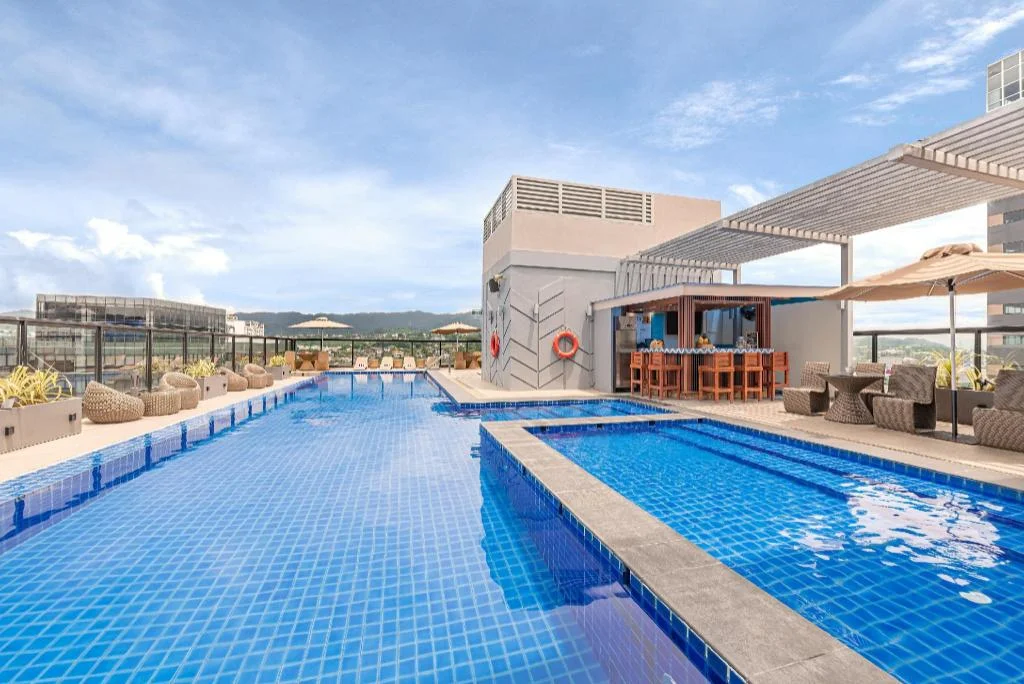
Seda Central Bloc Cebu City
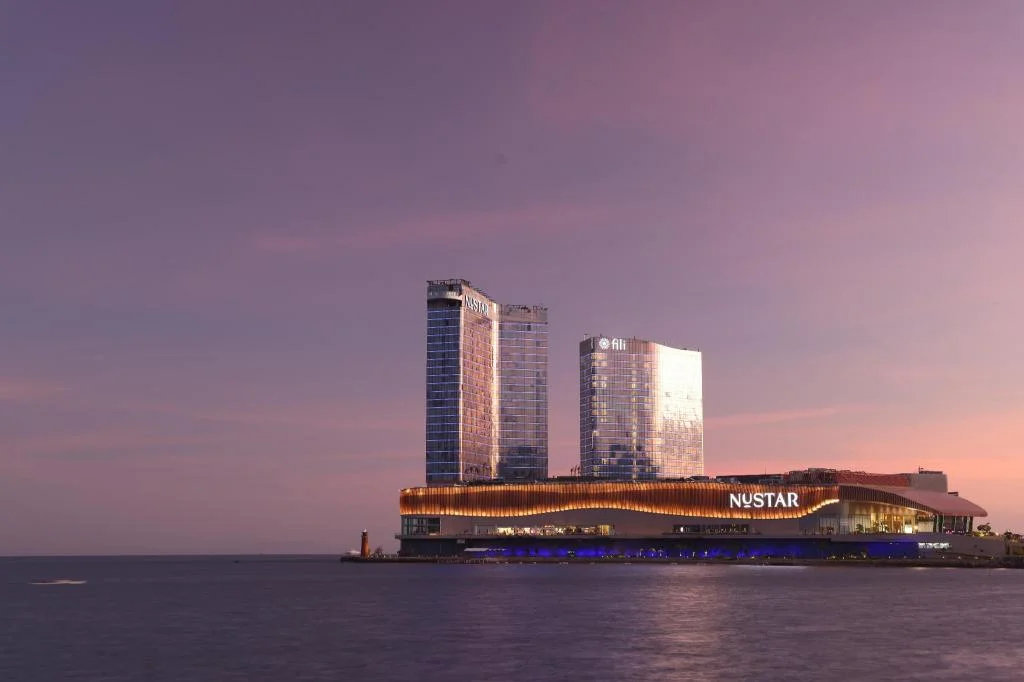
Fili Hotel - NUSTAR Resort & Casino Cebu
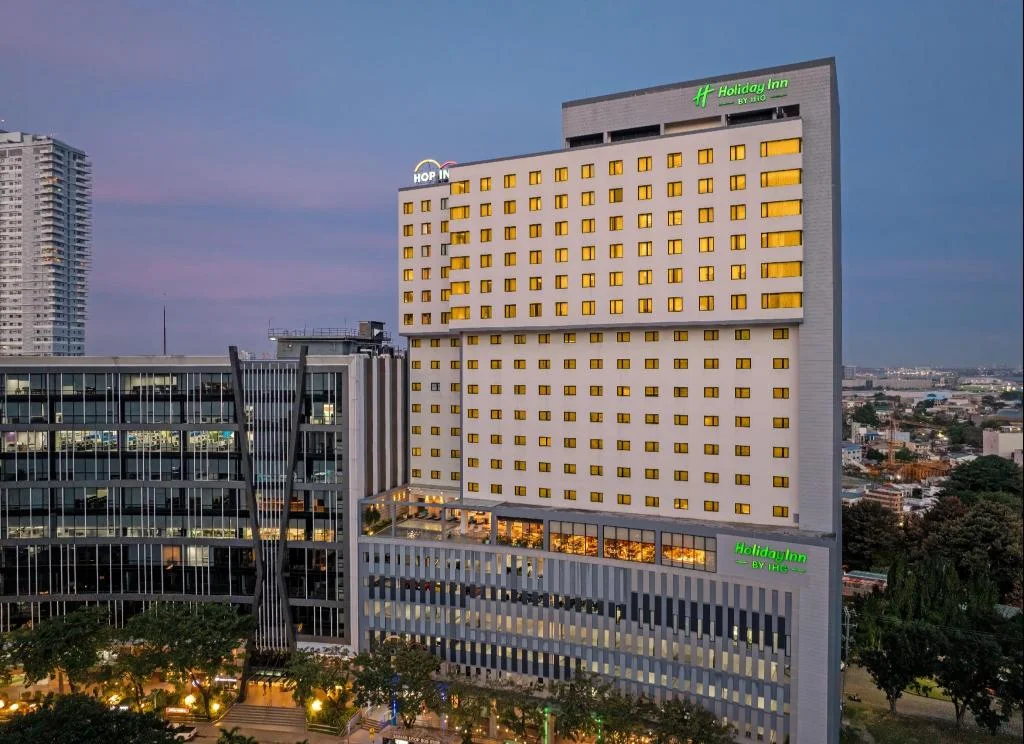
Holiday Inn Cebu City By IHG
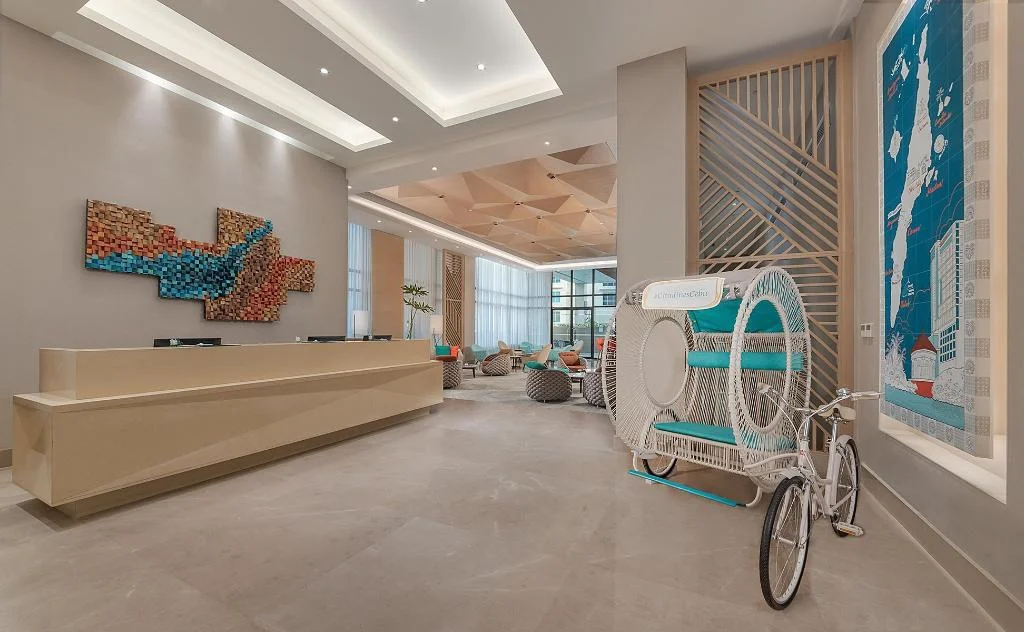
Citadines Cebu City
Prefer a rental? Vacation rentals near Cebu City
Self-catering condos and apartments — book the exact unit, kitchen included.
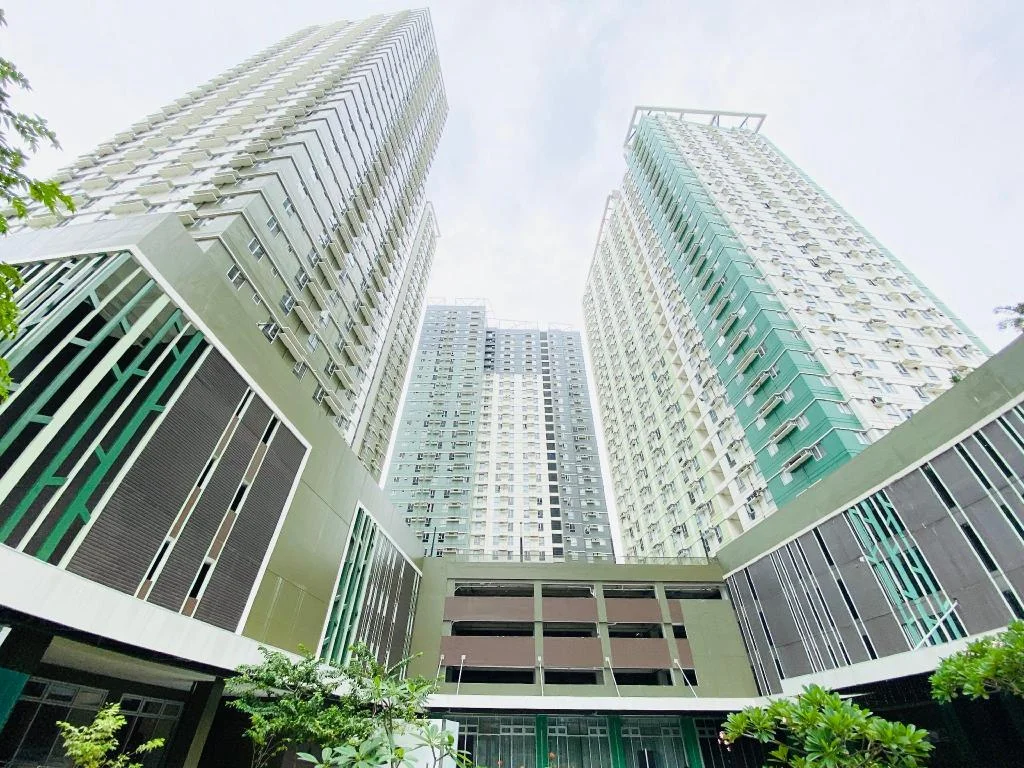
Cebu Avida Riala by P&J
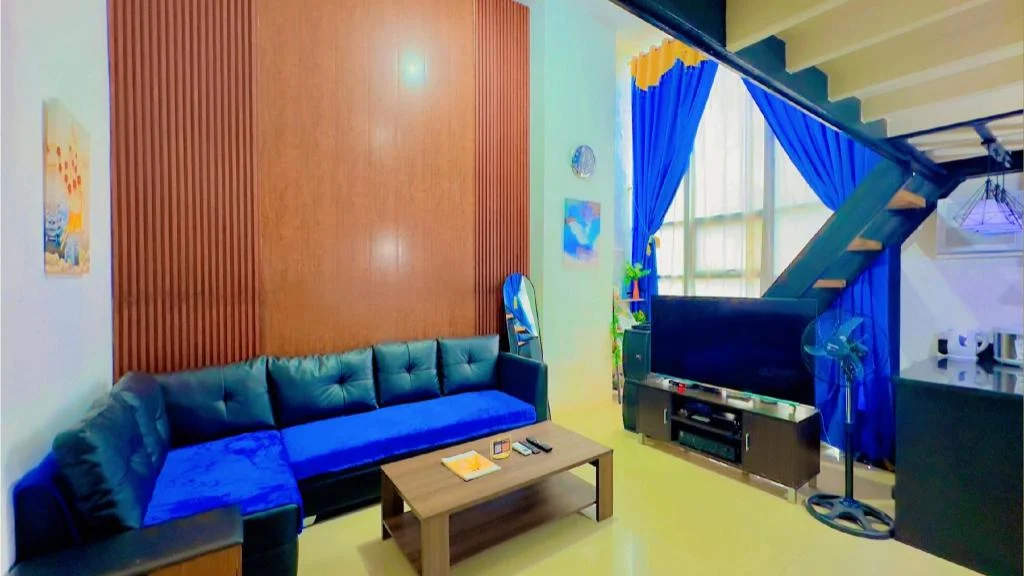
Special Big Loft Unit w/Fibreop Internet & Netflix
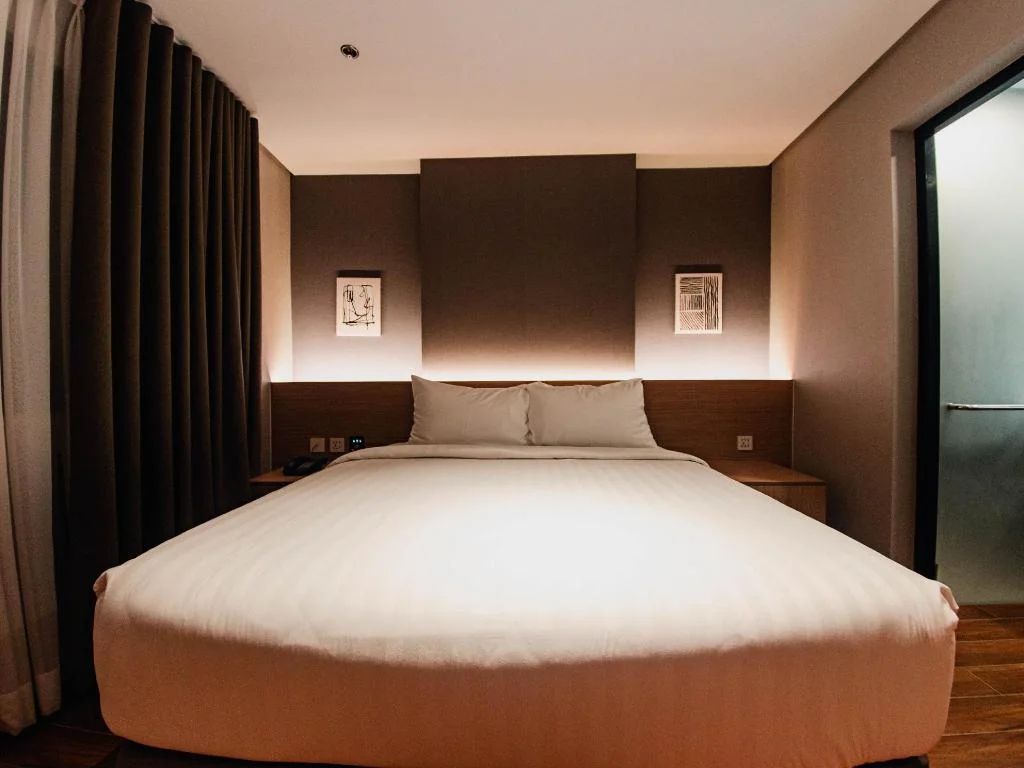
Moonstar Cebu Hotel - Deluxe Room
Before you go
Frequently asked
Is Cebu good for digital nomads?
How much does it cost to live in Cebu as a digital nomad?
Is Cebu cheaper than Bali or Chiang Mai?
Does Cebu have brownouts and does that affect remote work?
Is there a digital nomad visa for the Philippines?
Where should a digital nomad live in Cebu?
What internet speed can I expect in Cebu?
What's the biggest downside of nomading in Cebu?
More Places to Explore
Panagsama Beach
Moalboal
Moalboal's main beach and diving hub, famous for the sardine run and sea turtles just meters from shore.
Temple of Leah
Cebu City
A magnificent Roman-inspired temple built as a monument of love, nicknamed 'Cebu's Taj Mahal,' offering stunning architecture and city views.