San Juan Nepomuceno Parish Church
An 1864 Spanish-era parish church in San Remigio's poblacion, known for its espadana facade and a 2012 pre-colonial burial find nearby.
The overview
About San Juan Nepomuceno Parish Church
San Juan Nepomuceno Parish Church is the historic Roman Catholic church of San Remigio's town center, established as a parish on March 23, 1864 after the area was separated from the neighboring Bogo parish. The church itself was built shortly after, on April 12, 1864, under the town's first parish priest, Fr. Ceferino Montecillo. The area was formerly known as Kanhagas before being renamed for the parish's patron saint, John Nepomucene. The church's facade follows an espadana-influenced design with eight pilasters dividing it into seven vertical sections, a rectangular three-part entrance door topped with large volutes, and a recessed niche for the patron saint framed by three progressively raised arches of fluted pilasters. A bell tower rises on the gospel side, capped with a red pyramidal roof, giving the structure a silhouette typical of Spanish-era Cebu churches. The parish's feast day, honoring St. John Nepomuk, falls on May 16 and coincides with San Remigio's Lapyahan Festival. In 2012, an archaeological dig near the church uncovered a burial site believed to date to the 1500s, adding a pre-colonial layer to the church grounds' history.
What makes it worth it
Highlights
- Built in 1864 under Fr. Ceferino Montecillo
- Triangular espadana-style facade with eight pilasters
- Bell tower with a red pyramidal roof
- Feast day tied to the Lapyahan Festival (May 16)
- Site of a 2012 archaeological dig uncovering 1500s-era burials
- Centerpiece of San Remigio's poblacion
- 1 Dress modestly and keep quiet during active Masses. Check locally for Mass schedules if you want to attend a service. Best visited in the cooler morning hours or during the Lapyahan Festival in mid-May for added local color. Location approximate — confirm on arrival.
Wayfinder route
How to get there
From Cebu City North Bus Terminal, take a bus or van bound for San Remigio/Bogo (~2.5-3 hours). The church sits in the poblacion, a short tricycle or walking distance from the town's public market and bus stop.
Before you go
Frequently asked
How much is the entrance fee at San Juan Nepomuceno Parish Church?
What are the opening hours at San Juan Nepomuceno Parish Church?
When is the best time to visit San Juan Nepomuceno Parish Church?
How long should you spend at San Juan Nepomuceno Parish Church?
Book tours & tickets for San Juan Nepomuceno Parish Church
Skip-the-line tickets and guided tours with real-time prices and free cancellation on most options. Link opens in a new tab.
Book Heritage & City Tours on KlookAffiliate link — we may earn a small commission at no extra cost to you.
Nearby on the chart
Where to stay & eat nearby
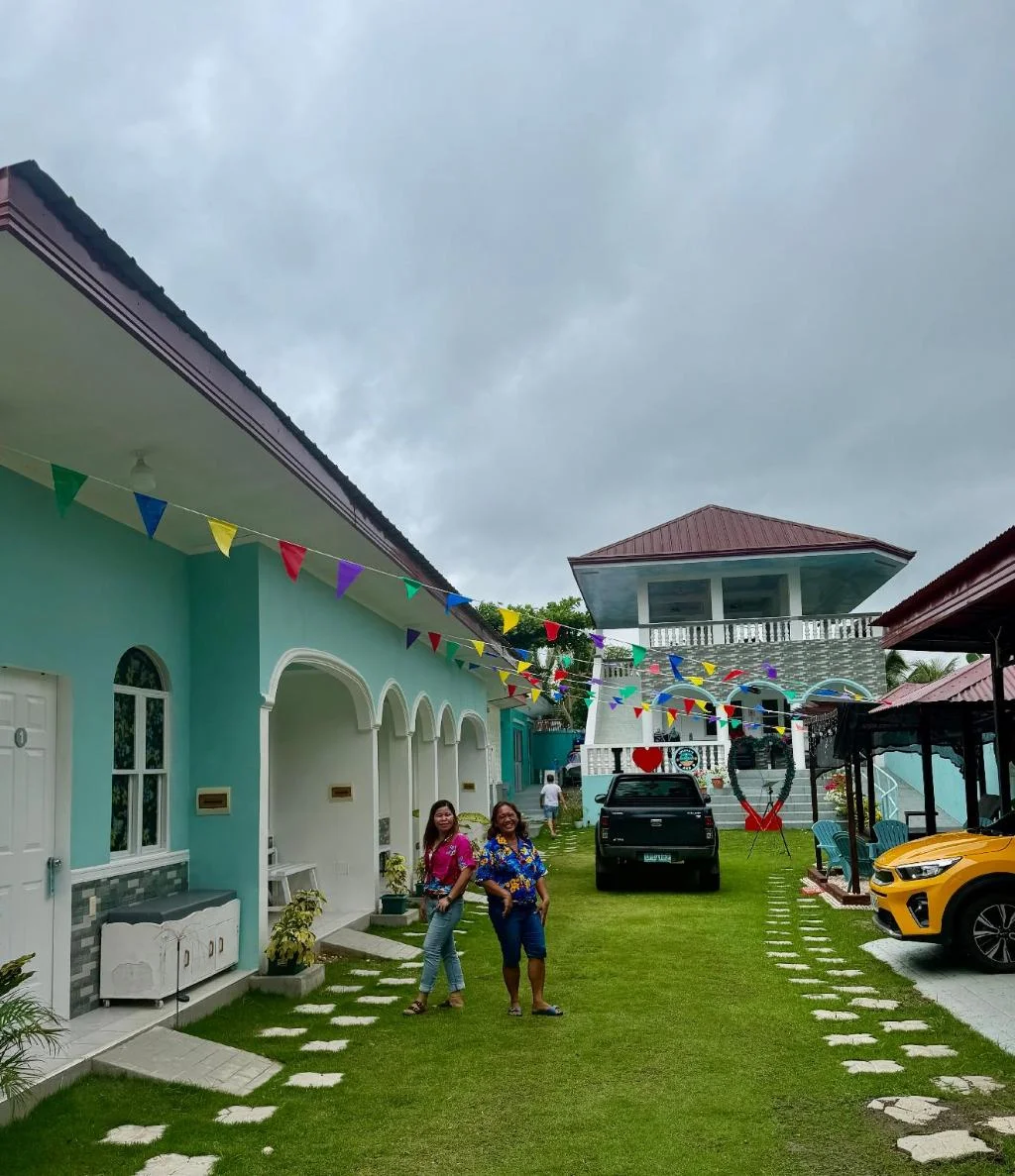
Lucena’s B&B near Maravilla White Sand beach for 8
San Remigio
A bed and breakfast for up to 8 guests near Maravilla beach, San Remigio.
View & BookSan Remigio Beach Club Sports and Leisure Resort
San Remigio
Beachfront leisure resort in San Remigio with pools, a waterslide, private beach and team-building facilities.
View & BookSonrisa Resort de Playa by Hiverooms
San Remigio
Seaside resort in San Remigio with a garden, terrace, restaurant and bar, run by Hiverooms Hospitality.
View & Book
AC Room2 w/ Shared CR, Near Hagnaya Port & Beaches
San Remigio
AC room with shared bath near Hagnaya Port, San Remigio, rated 7.5/10.
View & BookWhere to stay near San Remigio
Search live rates for hotels and rentals near San Juan Nepomuceno Parish Church on Agoda — filter by your dates, price, and guest score.
Keep exploring
You might also like
San Miguel Arcangel Parish Church
Argao
A beautifully preserved 18th-century Spanish colonial church with baroque architecture, intricate carvings, and National Cultural Treasure status.
San Roque Parish Church
Asturias
The historic Spanish-era parish church of Asturias, dedicated to St. Roch of Montpellier, in the town's Poblacion center.
Sts. Peter and Paul Church
Bantayan
The oldest parish in Visayas and Mindanao (established 1580), built with coral stones and featuring stunning 2018 ceiling murals.
Archdiocesan Shrine and Parish of Sta. Ana
Barili
A coral-stone Romanesque parish church in Barili's town center, built from 1889 and the only Cebu parish dedicated to St. Anne.
Entrance Fee
Free
Opening Hours
Daylight hours; Mass schedule varies (confirm locally)
Duration
30-45 minutes
Difficulty
Easy
Best Time to Visit
Morning hours, or during the Lapyahan Festival in mid-May
Share this destination
Planning your Cebu trip?
Our free guides cover what to do, how to get there, and where to stay across Cebu.
Explore travel guides →