
TL;DR: Sts. Peter and Paul Parish in Bantayan town — founded June 11, 1580 — is one of the oldest parishes in the Visayas, with a coral-stone church built 1839–1863. The September 30, 2025 earthquake (magnitude 6.9, epicenter near Bogo City) badly damaged the bell tower and facade, and as of mid-2026 Mass is held outdoors while restoration is planned — confirm current access before visiting. From Santa Fe Port it’s a ₱25–50, ~20-minute tricycle ride to reach the church. The town’s Palawod fiesta (June 28–29) and its famous, deeply solemn Holy Week processions center on this parish. Verified July 2026.
Most visitors to Bantayan Island come for the white sand and the sunsets, and never make it to the historic town center on the island’s west coast. That’s a missed layer of the island’s story. Sts. Peter and Paul Parish, known locally simply as Bantayan Church, anchors a town that’s been a functioning parish since 1580 — decades before most of the Visayas had permanent Spanish settlements. It survived pirate raids, fires, and a 19th-century rebuild, only to take serious damage in the 2025 Cebu earthquake that shook the whole province. This guide covers what the church actually is, what happened to it, when Mass currently runs, the town’s two big traditions built around it (the Palawod fiesta and Holy Week), and exactly how to get there from the Santa Fe side of the island where most travelers land. It’s written for anyone adding a half-day of heritage to an island-hopping or beach trip — not for pilgrims making Bantayan Church their sole destination.
Bantayan Church at a Glance
| Detail | Info |
|---|---|
| Parish founded | June 11, 1580 (Augustinian friars) |
| Current building | Coral stone, built 1839–1863 |
| Feast day | June 29 (Sts. Peter and Paul) — Palawod Festival |
| Heritage status | National Registry of Historic Sites marker, installed 1980 |
| 2025 earthquake damage | Bell tower and facade damaged; Mass moved outdoors |
| Location | Poblacion, Bantayan town, west side of Bantayan Island |
| From Santa Fe Port | ~20 min, ₱25–50 tricycle (or ₱50–100 habal-habal) |
Confirm the church’s current access status locally before visiting — restoration timelines were still being finalized as of mid-2026. Verified July 2026.
How Old Is Bantayan Church, and Why Does It Matter?
The parish dates to June 11, 1580, making it one of the oldest continuously operating parishes in the Visayas and Mindanao, and one of the oldest in the Philippines outside Manila. Augustinian friars established it when Bantayan already had a substantial population, decades before Cebu’s other major coastal towns were formally organized. It changed patronage over the centuries — originally dedicated to Nuestra Señora de la Asunción, later placed under St. Peter the Apostle, with St. Paul added as co-patron; the parish only formalized the “Sts. Peter and Paul” name and unveiled an official logo confirming it in 2022.
The building itself is younger than the parish. Early structures were lost to Moro raids and fires in the 1600s and 1700s, and the coral-stone church standing today was built between 1839 and 1863. It earned a National Historical Commission Level II heritage marker in 1980, and in 2018–2019 twelve artists painted a 1,130-square-meter ceiling mural across the nave, unveiled on the parish feast day in June 2019 — one of the largest church ceiling paintings in the country, until the earthquake put its future in question.
What Happened to the Church in the 2025 Earthquake — Can You Still Visit?
A magnitude-6.9 earthquake struck northern Cebu on September 30, 2025, with an epicenter about 17 km east of Bogo City, and it badly damaged Bantayan Church’s bell tower, pediment, and cross. It was the strongest earthquake on record in northern Cebu and the country’s deadliest since 2013, and it damaged five historic coral-stone churches across Daanbantayan, Bantayan, Tabogon, San Remigio, and Bogo. Witnesses described hearing a loud crack from the direction of the belfry moments before debris fell.
The parish closed the church building to the public for safety and has been holding Mass on the grounds outside rather than inside the structure. A rapid damage assessment involving the National Historical Commission, the National Commission for Culture and the Arts, ICOMOS, and the University of San Carlos’s heritage conservation institute has been completed, but as of the most recent reporting, detailed engineering studies and a formal restoration plan were still in progress, and the parish had opened a dedicated Earthquake Repair Project account for donations. There’s no confirmed date for the interior — including that ceiling mural — to reopen to the public.
If you’re planning a visit specifically to see the inside of the church or the mural, call this uncertain and confirm locally first. The exterior, the plaza, and the surrounding heritage streetscape are still worth the stop either way.
What Does the Church Look Like?
It’s a Spanish colonial coral-stone church with a Baroque-influenced facade — an arched main entrance, an ornamental pediment with statue niches, and four sets of twin pilasters on the front wall. A detached four-level bell tower stands on the gospel (left) side of the building, the same tower that took the brunt of the 2025 earthquake damage. Before the quake, the interior’s main draw beyond the altar was that recently completed ceiling mural spanning the length of the nave — a modern addition to a centuries-old structure, and part of why locals were especially shaken by the damage.
The church anchors a small historic plaza in Poblacion, Bantayan’s town proper, with older houses and municipal buildings around it — a genuine, lived-in heritage core rather than a restored-for-tourists version.
When Are Mass Times at Bantayan Church?
The pre-earthquake schedule ran weekday Masses at 5:30–6:30 AM and 5:15–6:15 PM, with six Masses on Sunday between 5:30 AM and 7:00 PM (including an 8:00 AM Mass streamed on the parish Facebook page). Since the quake, Mass has moved outdoors to the church grounds, and the exact times in circulation locally may not match this pre-quake schedule exactly. If attending Mass is part of your plan, check the parish’s Facebook page (Parokya ni Pedro Bantayan) or ask at your accommodation the day before — schedules for outdoor Masses have shifted around weather and repair work.
What Is the Palawod Festival and the Sts. Peter and Paul Feast Day?
Palawod is Bantayan town’s fiesta, celebrated around June 28–29 for the feast of its patron saints, and it’s built entirely around the fishing life that supports the town. The name comes from “to go farther out to sea,” and the street performances stage the motions of a fishing trip — paddling, casting torches for night fishing, mending nets, and hauling in the catch — as a thanksgiving dance performed in the streets around the church. It’s smaller and far less crowded than Cebu City’s Sinulog, and it’s one of the more distinctive town fiestas in the province precisely because the choreography is drawn from actual local livelihood rather than generic festival steps.
How Is Holy Week in Bantayan Different From a Regular Fiesta?
Bantayan’s Holy Week is one of the most elaborate in the Philippines — but locals and the parish are consistent that it’s a solemn observance, not a festival, and treating it like one is a common visitor mistake. The centerpiece is a pair of processions: on Maundy Thursday, 16 to 19 carrozas carrying life-size Passion images move through town; on Good Friday, a larger procession of around 17 carrozas — including a centuries-old Santo Entierro (Dead Christ) and Mater Dolorosa (Sorrowful Mother) — draws an estimated 40,000–50,000 people, according to past local reporting, more than double Thursday’s crowd.
If you’re visiting for Holy Week, dress modestly, keep a respectful distance from the processions, and don’t expect nightlife or street parties — Bantayan empties out its usual beach-town energy for the week. Pair this with our broader Holy Week in Cebu guide if you’re timing a trip around Semana Santa.
How Do You Get From Santa Fe to Bantayan Town?
Most travelers arrive at Santa Fe Port on the island’s east coast, then need a short second leg to reach Bantayan town on the west side — it’s about a 20-minute tricycle ride for roughly ₱25–50 per person (US$0.50–1). Habal-habal (motorbike taxi) costs more, around ₱50–100 depending on distance and how many stops you make.
To reach Santa Fe in the first place, take a ferry from either Hagnaya Port (San Remigio) or Kawit Port (Medellin) on mainland Cebu — the Hagnaya crossing is the most common, running about an hour on operators like Super Shuttle Ferry, OceanJet, or Island Shipping, with economy fares from roughly ₱330 (about US$5.70) as of early 2026 updated rates. See our ferry guide from Hagnaya to Santa Fe for full schedules and how to book ahead. Confirm current tricycle and ferry fares locally — both have been adjusted within the past year.
Combine It With the Rest of Bantayan
Bantayan town itself has a few other stops worth a short walk from the church — the old plaza, and if you continue north along the coast, the mangrove boardwalks and lagoon beaches that make Bantayan municipality (not just Santa Fe) worth a slower day. If you’re staying on the Santa Fe side for the beaches, treat the church as a half-day detour rather than the main event: combine it with Santa Fe Beach and Bantayan Town Plaza for a loop that mixes heritage with the coastline you actually came for. For where to base yourself, see our where to stay in Bantayan Island guide.
If church-hopping is your thing beyond Bantayan, it sits alongside a short list of genuinely old Cebu parishes worth comparing — see our oldest churches in Cebu roundup and the broader best churches in Cebu heritage roundup for context on how it stacks up against Carcar, Argao, and Boljoon.
The Honest Take
Before the earthquake, Bantayan Church was a solid half-day add-on for anyone already on the island — old, photogenic, and unusually well-documented for a small-town parish. Right now, in mid-2026, you should go in with adjusted expectations: the building most people want to photograph from the inside is closed, Mass is outdoors, and nobody has published a firm reopening date. That’s not a reason to skip Bantayan town entirely — the plaza, the facade, and the fact that you’re standing in a parish older than most European colonial settlements in the region are still worth the tricycle ride — but it’s not currently a “must-see interior” the way it was before September 2025.
Skip it if your schedule is tight and beaches are the priority; Santa Fe alone will fill a day easily. Make time for it if you care about heritage, if you’re visiting during Holy Week or the June 28–29 Palawod fiesta (both are genuinely worth witnessing), or if you just want to see how a small Cebu town is handling recovery from a major earthquake with more patience than spectacle.
Sources
- Bantayan Church — Wikipedia (founding date, architecture, mural, heritage marker)
- Sts. Peter and Paul Church, Bantayan — The Old Churches (architecture detail, Mass schedule, mural completion)
- 2025 Cebu earthquake — Wikipedia (magnitude, epicenter, damage scope)
- Cebu earthquake: Heritage churches in northern Cebu damaged — Cebu Daily News
- Bantayan priest appeals for patience as church repairs to take time — SunStar
- Holy Week in Bantayan is about solemnity, faith, not fiesta — Cebu Daily News
- Ferry schedule and fares checked against 2026 operator updates via Pamasahe.com and CebuInsider.com route guides. Verified July 2026.
Planning the rest of the island around this stop? Compare places to stay on Bantayan Island on Agoda or browse Bantayan island-hopping and ferry tours on Klook to fill out the rest of your itinerary alongside the church.
Book Tours & Hotels for This Trip
Find and book the best deals — prices and availability update in real time. Links open in a new tab.
Where to stay near Santa Fe
Top-rated hotels for this trip — tap through to check live rates.
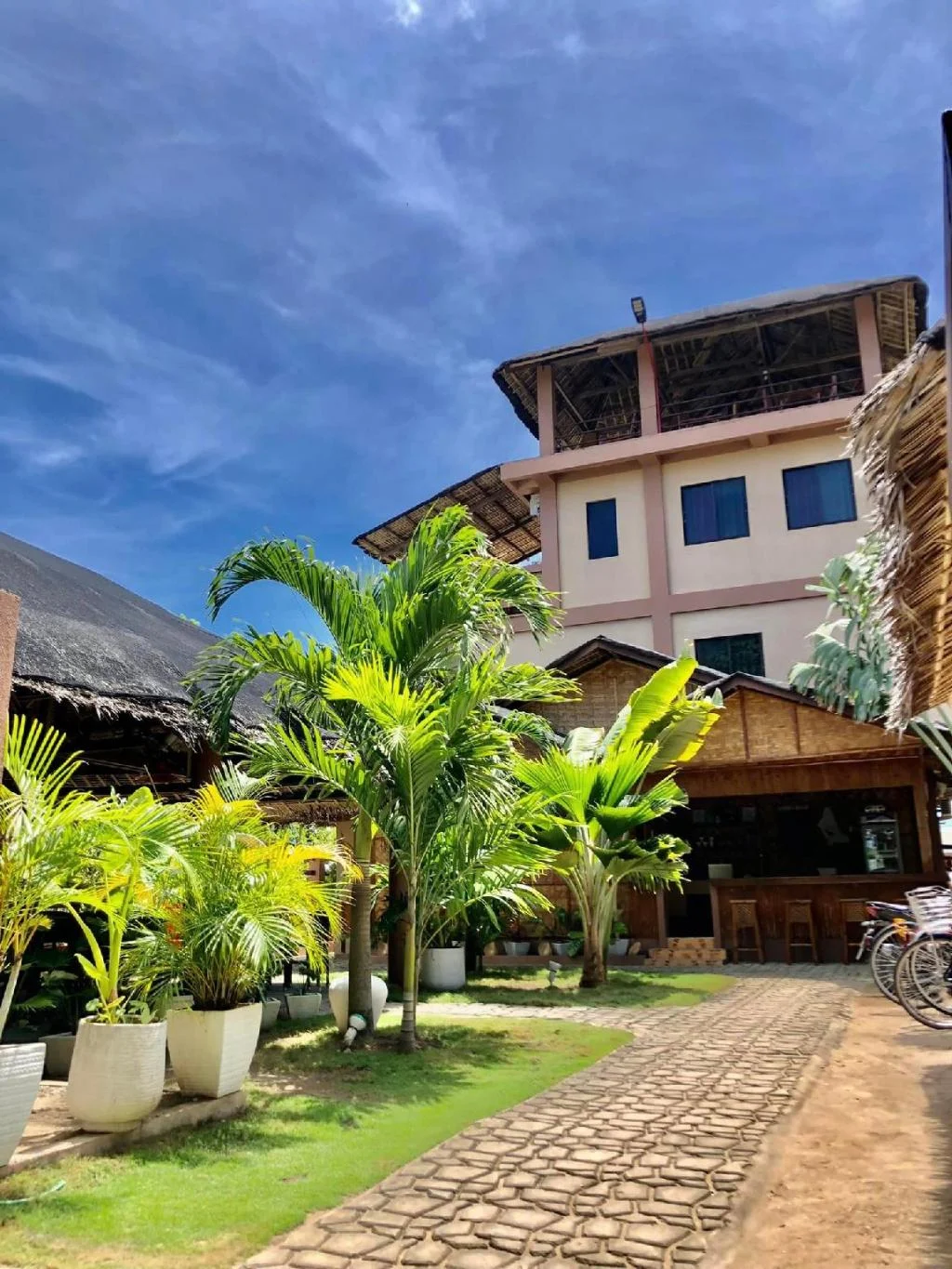
Anahaw Seaside Inn
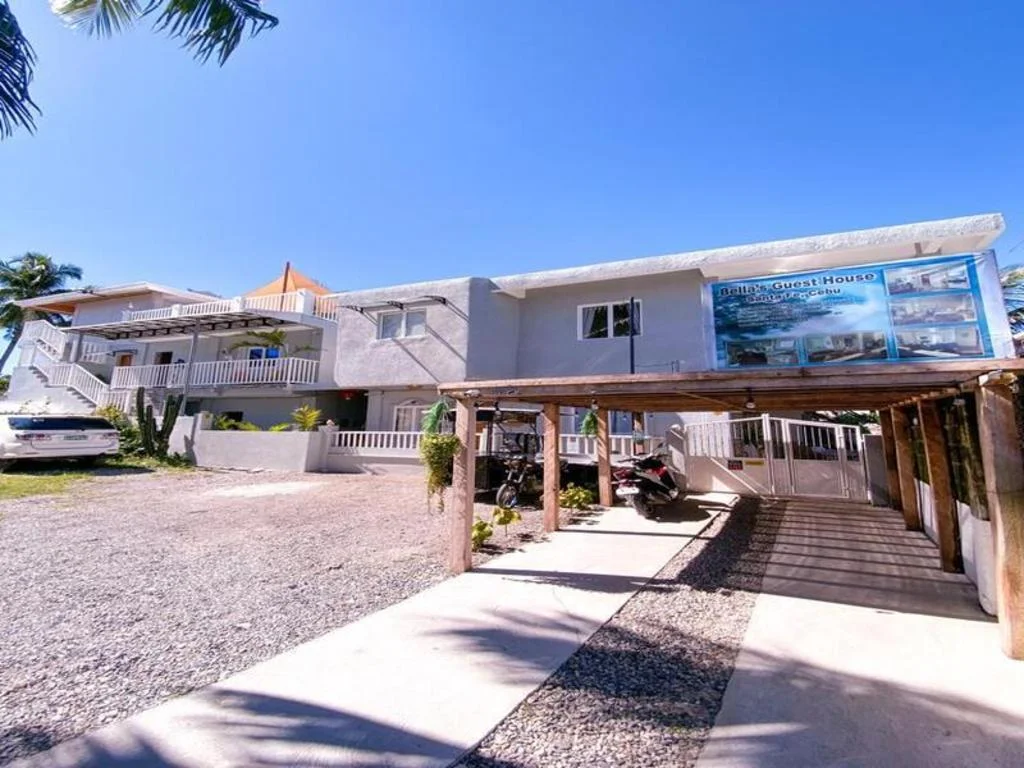
Bella's Guest House

4VJ's Apartelle
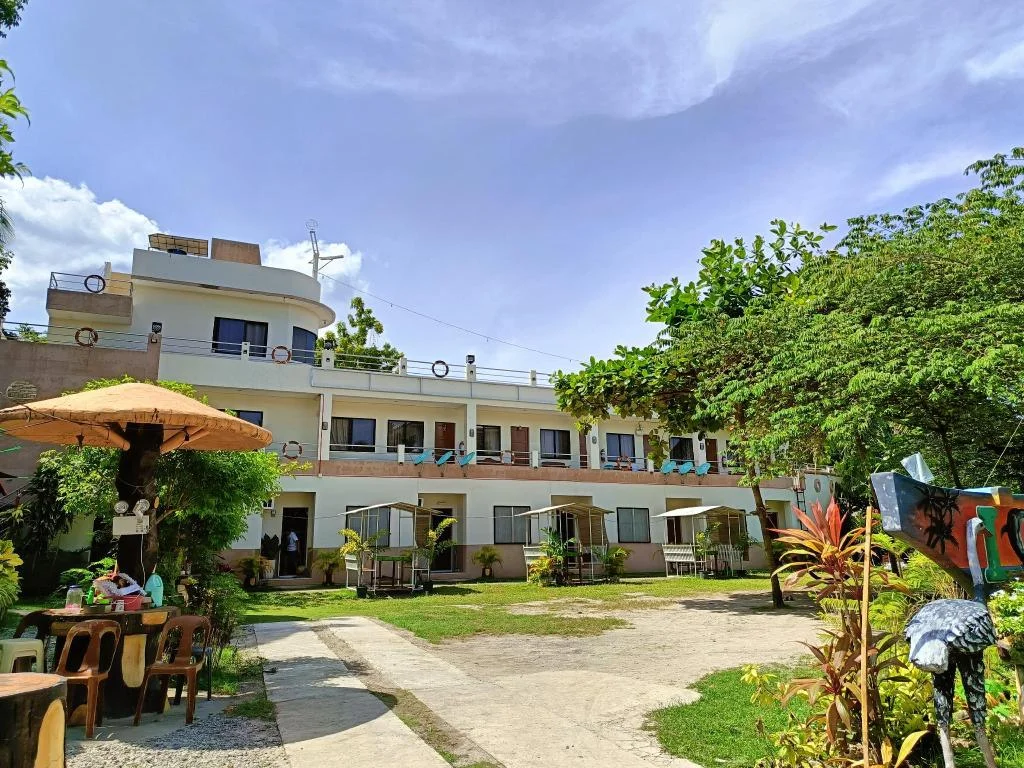
Allen Marie Shiphaus powered by Cocotel
Prefer a rental? Vacation rentals near Santa Fe
Self-catering condos and apartments — book the exact unit, kitchen included.
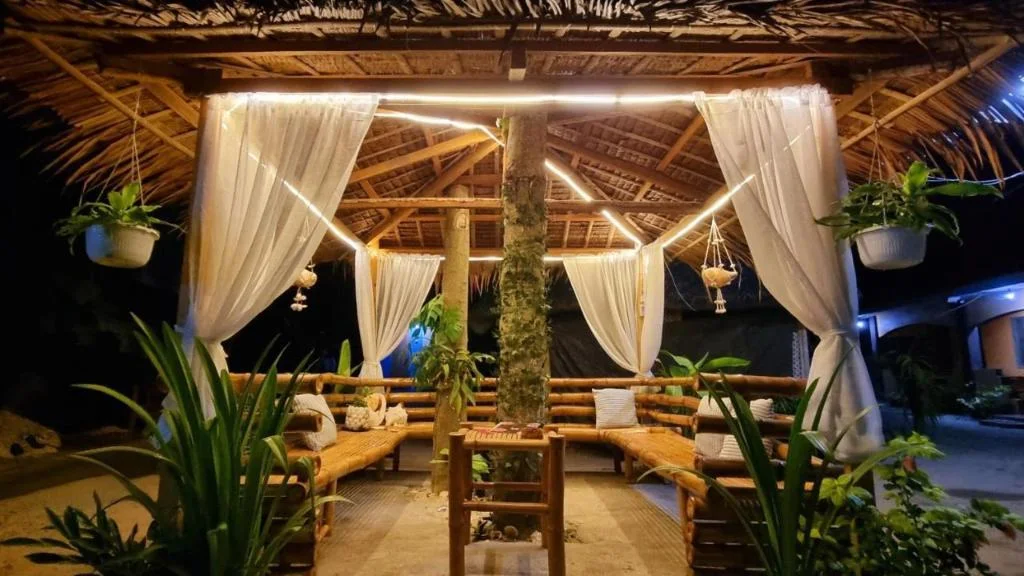
Edsan Apartment
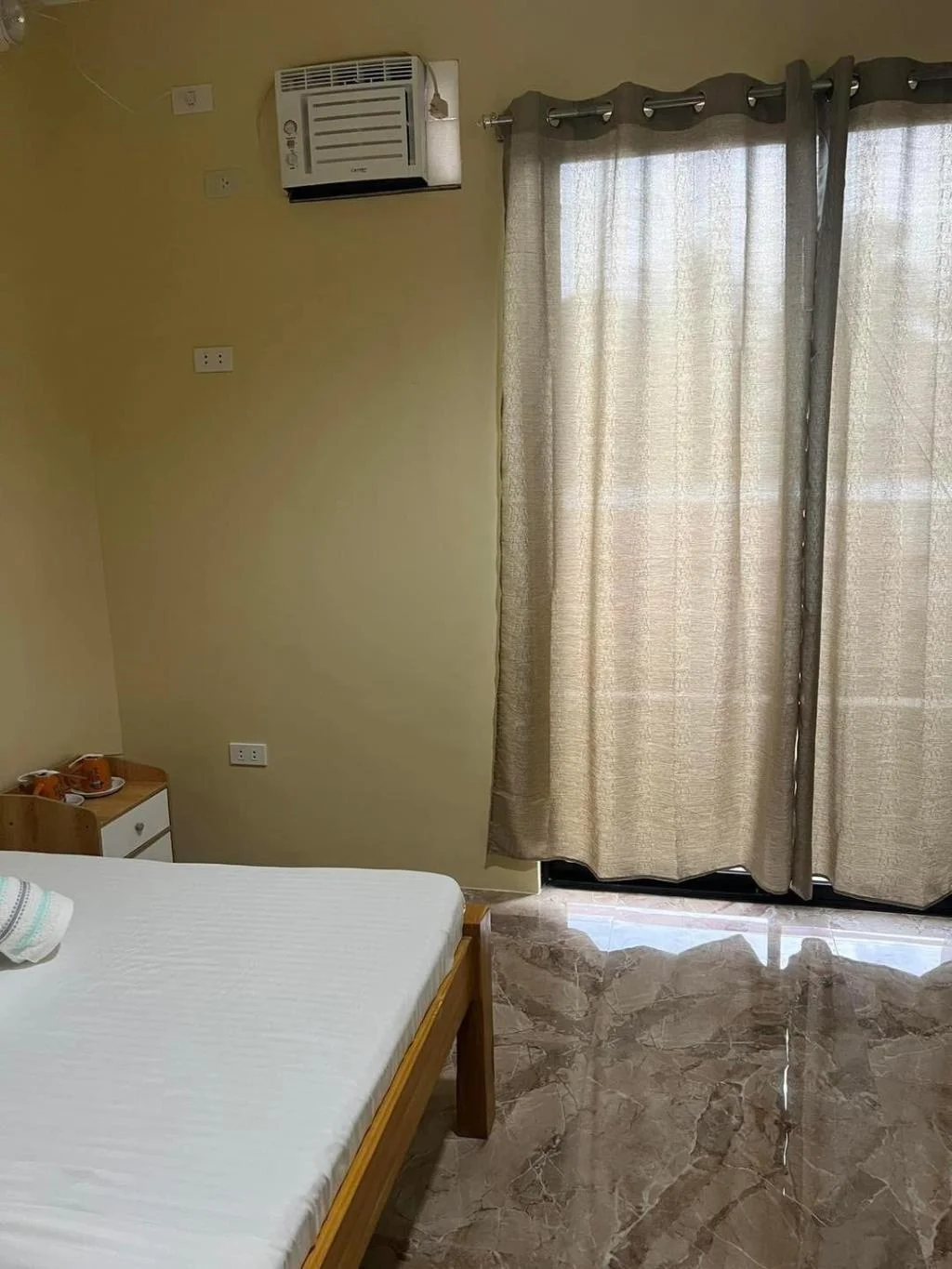
Seamed Guest House - Couple room

SF Cantina Hotel
Before you go
Frequently asked
How old is Bantayan Church?
Is Bantayan Church open after the 2025 earthquake?
What time are Masses at Bantayan Church?
What is the Palawod Festival?
Why is Holy Week in Bantayan famous?
How do you get from Santa Fe to Bantayan town?
Is Bantayan Church worth visiting?
More Places to Explore
Sts. Peter and Paul Church
Bantayan
The oldest parish in Visayas and Mindanao (established 1580), built with coral stones and featuring stunning 2018 ceiling murals.
Bantayan Town Plaza
Bantayan
The historic heart of Bantayan town, featuring heritage architecture, shaded walkways, and proximity to the island's oldest church and local food scene.
Santa Fe Beach
Santa Fe
The main beach hub of Bantayan Island with white sand, clear waters, stunning sunsets, and easy access to all Santa Fe amenities.