
TL;DR: Bantayan town’s Holy Week is one of the Philippines’ most elaborate — 16-19 carrozas on Maundy Thursday, roughly 17 on Good Friday (April 2-3, 2026), drawing 40,000-50,000 people. This is devotion, not fiesta — the famous “meat-eating” story is a real but expired 1824-1843 papal indult. Dress modestly; keep your distance. Verified July 2026.
Ask most travelers about Bantayan Island and they picture Santa Fe’s white sand. Ask a Cebuano about Bantayan’s Holy Week and they mean something else entirely: Bantayan town, on the island’s west coast, where Sts. Peter and Paul Church anchors what’s widely regarded as one of the most elaborate Semana Santa observances in the Visayas. Good Friday’s procession, built around the centuries-old Santo Entierro image, draws the biggest crowd of the two days. And the famous “Bantayan eats meat during Holy Week” story traces to a real 1824 papal indult that expired in 1843 — today the parish and LGU actively correct the idea that it’s an ongoing tradition. Our broader Holy Week in Cebu guide covers what closes across the province and how packed Santa Fe’s beaches get over the break — this guide goes narrower and deeper, into Bantayan town’s own devotional tradition: the carrozas, the Good Friday procession, the real story behind the island’s famous meat-eating history, and how to watch it all respectfully if you’re there.
Bantayan Holy Week 2026 at a Glance
| Detail | Information |
|---|---|
| Maundy Thursday | April 2, 2026 — 16-19 carrozas processed through Bantayan town |
| Good Friday | April 3, 2026 — roughly 17 carrozas, including the Santo Entierro; largest crowd of the week |
| Estimated Good Friday attendance | 40,000-50,000, per past local reporting — more than double Thursday’s |
| Centerpiece image | Santo Entierro (Holy Burial), paired with the Mater Dolorosa (Sorrowful Mother) |
| Meat-eating indult | Granted 1824 by Pope Leo XII, expired 1843 — historical, not an active custom today |
| Church status (2026) | Bell tower and facade damaged in the 2025 earthquake; Mass held outdoors |
| Tone | Solemn religious observance — locals and the parish explicitly say it is not a fiesta |
Verified July 2026. Confirm the 2026 procession schedule and church access with the parish’s Facebook page (Parokya ni Pedro Bantayan) as Holy Week approaches.
What Makes Bantayan’s Holy Week So Distinctive?
The scale of the processions, concentrated in one small town, is what sets Bantayan apart from most of Cebu. On Maundy Thursday, 16 to 19 elaborately decorated carrozas — horse-drawn or hand-pulled carriages — carry life-size religious images through Bantayan town’s streets, each one depicting a scene from Christ’s Passion, from the Last Supper through the road to Calvary. Many of these images date back to the 1800s, some reportedly brought over by Spanish priests, others commissioned by local families as a panaad (vow) and carved by local artisans. Sculptor Severino “Ma Binoy” Carabio’s depiction of the deposition from the cross and Antonio Tinga’s piece showing Christ stripped of his garments are among the specific, named works still processed today.
What makes it more than a visual spectacle is the family structure behind it: heirloom images are passed down through generations, and it’s common for children in the procession to be dressed as angels or saints — often kids whose families are honoring a favor granted, frequently a healing. Fishermen from Bantayan and neighboring islands gather for the observance too, tying the week to the same maritime livelihood the town’s Palawod Festival celebrates in June, on the other side of the calendar.
What Happens on Good Friday — the Santo Entierro Procession?
Good Friday is the bigger of the two processions, built around the Santo Entierro — a centuries-old image of the dead Christ. Around 17 carrozas move through town, culminating in the Santo Entierro paired with the Mater Dolorosa, the Sorrowful Mother. Past local reporting has estimated the Good Friday crowd at 40,000 to 50,000 people, more than double Maundy Thursday’s turnout, making it by far the largest single gathering on Bantayan Island’s annual calendar — bigger than any beach-season weekend in Santa Fe.
One local custom tied to the procession: attendees collect flowers from the Santo Entierro carroza afterward, believed to bring luck when used as a kind of incense for fishing gear — a small detail that ties the week’s devotion back to the same fishing economy the rest of the island runs on.
Is It True Bantayanons Eat Meat During Holy Week?
Yes, historically — but the real story is narrower and more conditional than the popular version, and it’s not an endorsed practice today. On July 27, 1824, Pope Leo XII granted Bantayan’s parish a meat-eating indult (indulto apostólico para el uso de carnes), reportedly requested by then-parish priest Fr. Doroteo Andrada del Rosario III. The reasoning tied to the island’s dependence on seafood and, in one telling, to the fact that the entire community was engaged in building a new church at the time, leaving little time to fish and meat as the only practical food source. The indult was granted for 10 years, later extended, and remained in effect until 1843 — just under two decades in total.
Recent scholarship has complicated the story further: some researchers now argue the indult may have been a personal dispensation for Fr. del Rosario himself, not a blanket exemption for the whole town’s population, which would make the popular “Bantayan is exempt from Lenten meat rules” version a folk exaggeration of a narrower document. A copy is preserved at the Sts. Peter and Paul Parish Museum in Bantayan town.
What matters for a 2026 visitor: the indult expired in 1843, and both the Archdiocese of Cebu and Bantayan’s local government now actively push back on the idea that Holy Week here is a meat-eating occasion at all. Past local reporting and parish statements describe the “Bantayan Holy Week fiesta” framing as a misconception the town is trying to correct — the Church currently encourages normal Lenten abstinence, and the week is presented, consistently, as solemn observance rather than an exception to fast. Treat the indult as a genuinely interesting piece of 19th-century Church history, not a live dining recommendation.
Is Bantayan’s Holy Week a Fiesta?
No — and locals will tell you so directly if you frame it that way. The confusion is understandable given the meat-indult history and the scale of the crowds, but the municipal government and the parish have run public campaigns specifically to correct the “Holy Week equals fiesta” idea. What’s actually happening is a solemn devotional tradition: novena masses in the lead-up, the Pabasa ng Pasyon (the chanted, often hours-long reading of Christ’s Passion common across Visayan Holy Week observance) heard from homes and chapels, and the processions themselves, which move at a slow, reverent pace rather than a parade tempo. If you’re picturing something closer to a street party, recalibrate before you go.
How Should Visitors Behave During the Procession?
Treat it the way you’d treat any solemn religious event you’re a guest at — quiet, modest, and at a respectful distance.
- Dress modestly — covered shoulders and knees are the safe default, especially if you plan to step inside the church grounds.
- Keep your distance from the carrozas and the families walking with them — these are personal devotions for many participants, not a performance staged for photographers.
- Stay quiet during the procession itself, and be mindful with flash photography and video.
- Don’t schedule loud or festive activities in Bantayan town on Maundy Thursday or Good Friday — save that energy for Santa Fe’s beaches on the other side of the island, where the mood is genuinely different.
- Expect street closures around the procession route through town on both days, and build extra time into any plans that require getting through the town center.
Is the Church Open for Holy Week 2026?
Partially — the building itself is still recovering from the September 30, 2025 earthquake, but the processions are a street event and are expected to continue in some form. The magnitude-6.9 quake damaged Sts. Peter and Paul Church’s bell tower and facade, and Mass has been held outdoors on the church grounds since, with no confirmed date for the interior to reopen. Since Bantayan’s Holy Week centers on carrozas moving through the streets and plaza rather than an indoor Mass, the core of the observance isn’t dependent on the building being fully restored — but confirm the specific 2026 arrangement with the parish’s Facebook page (Parokya ni Pedro Bantayan) closer to April, and see our dedicated Bantayan Church guide and north Cebu earthquake update for the fuller recovery picture.
How Does This Compare to Santa Fe’s Holy Week Crowds?
They’re genuinely different trips on the same island. Santa Fe, on Bantayan’s other coast, is where the domestic beach-tourism crowd concentrates during the Holy Week break — our Holy Week in Cebu guide covers just how packed that side gets, with past reporting citing well into the thousands of visitors hitting Santa Fe over the week. Bantayan town, roughly 20 minutes away by tricycle, is the devotional counterpart: quieter day to day, but the single biggest crowd of the year shows up specifically for the Good Friday procession. A common pattern is splitting the week — beach days in Santa Fe, then a dedicated trip into Bantayan town for Maundy Thursday or Good Friday evening.
How Do You Get to Bantayan Town for Holy Week?
Same route as any Bantayan trip, just busier. From Cebu City, take a bus or van from Cebu North Bus Terminal to Hagnaya Port (about 3-4 hours), then the Hagnaya-Santa Fe ferry (about 1-1.5 hours, roughly ₱295-396 / US$5-6.85 — see our Hagnaya-Santa Fe ferry guide). From Santa Fe Port, it’s a further 20-minute, ₱25-50 tricycle ride into Bantayan town. Book ferry tickets and accommodation well ahead if you’re traveling during Holy Week — both fill up fast across the whole island, not just in Bantayan town, as covered in our province-wide Holy Week in Cebu guide.
The Honest Take
Bantayan’s Holy Week is one of the more genuinely moving religious events you can witness in Cebu — the carrozas are real heirlooms, the crowd is there for devotion rather than spectacle, and the town’s own insistence that this isn’t a fiesta says something honest about how seriously it’s taken locally. If you’re drawn to the cultural and religious side of the Philippines, this is worth building a trip around, especially paired with a few beach days in Santa Fe.
But go in with the right expectations. This isn’t a photo-op parade, the meat-eating story is history rather than a current custom, and the church you might want to see the inside of is still recovering from real earthquake damage. If you want a relaxed, low-key beach week instead, Holy Week generally — not just in Bantayan — is the wrong time to visit Cebu’s coast; check our best time to visit Cebu guide for calmer stretches of the dry season.
Round Out the Trip
Pair a Holy Week visit with the rest of what Bantayan town has to offer — the plaza, the surviving facade of Sts. Peter and Paul Church, and the heritage streets around it — and with Santa Fe’s beaches for the days that aren’t procession days. Our Bantayan Island 3-day itinerary and Bantayan Church guide both go deeper on planning a fuller island visit, and if late June works better for your schedule than Holy Week, the town’s Palawod Festival is the livelier, less solemn alternative built around the same fishing-community identity.
Sources
- How Bantayan Island got a Vatican pass to eat meat during Holy Week — Philippine Daily Inquirer (indult date, Pope Leo XII, Fr. del Rosario, duration, recent scholarship)
- Holy Week procession showcases tradition, faith of Bantayan folk — Philippine Daily Inquirer (carroza counts, named artisans, Santo Entierro custom)
- Holy Week in Bantayan is about solemnity, faith — not fiesta — Cebu Daily News (LGU and parish clarifying the fiesta misconception)
- Bantayan Church — Wikipedia (parish history)
- 2025 Cebu earthquake — Wikipedia (damage scope)
- Attendance figures, carroza counts, and 2026 Holy Week dates cross-checked against our own Holy Week in Cebu guide and Bantayan Church guide. Verified July 2026.
Planning to base yourself on the island for the week? Compare Bantayan Island stays on Agoda — book early, since Holy Week accommodation sells out months ahead — or check Bantayan Island tours on Klook for island-hopping to fill the non-procession days.
Book Tours & Hotels for This Trip
Find and book the best deals — prices and availability update in real time. Links open in a new tab.
Where to stay near Santa Fe
Top-rated hotels for this trip — tap through to check live rates.
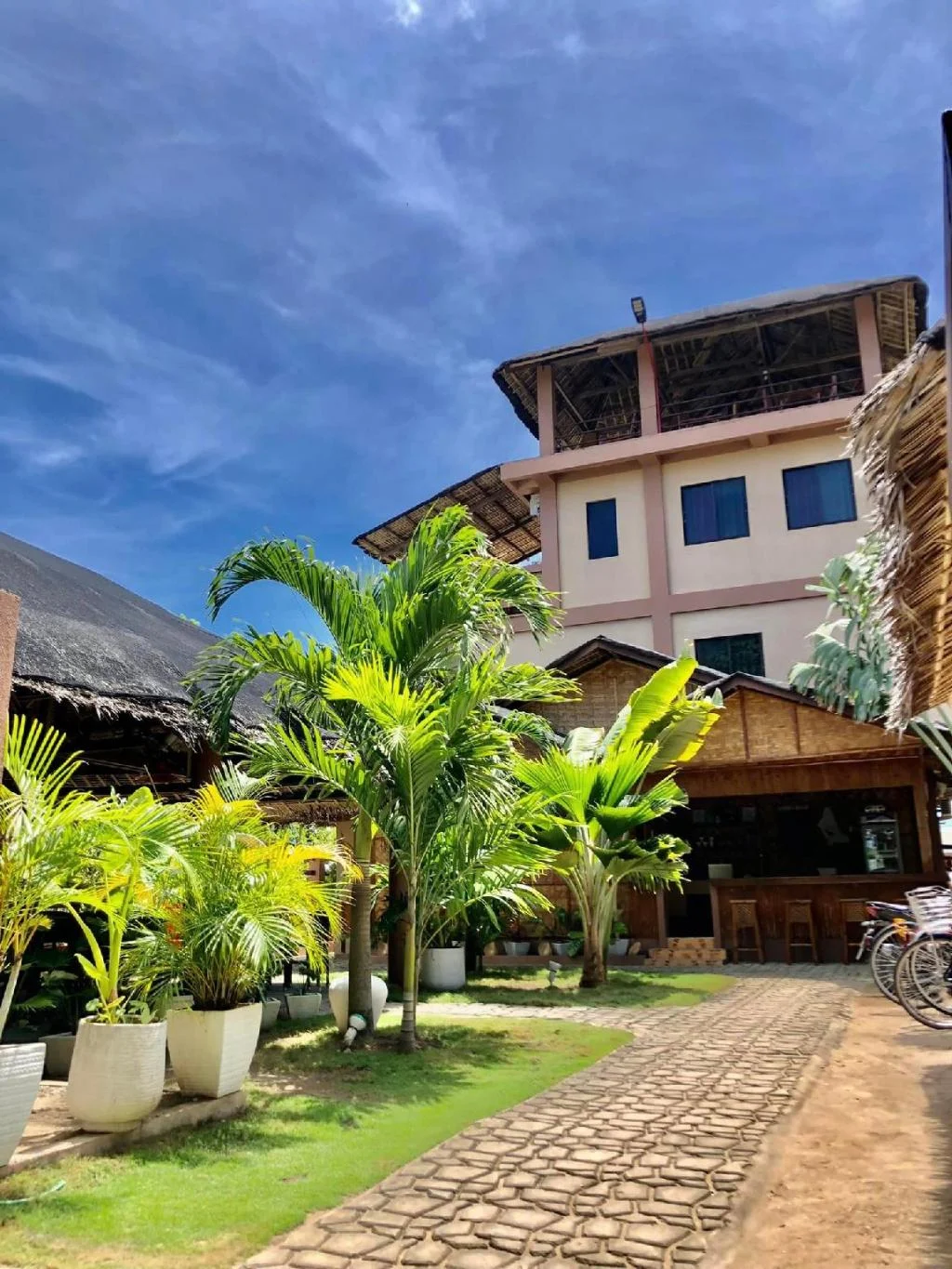
Anahaw Seaside Inn
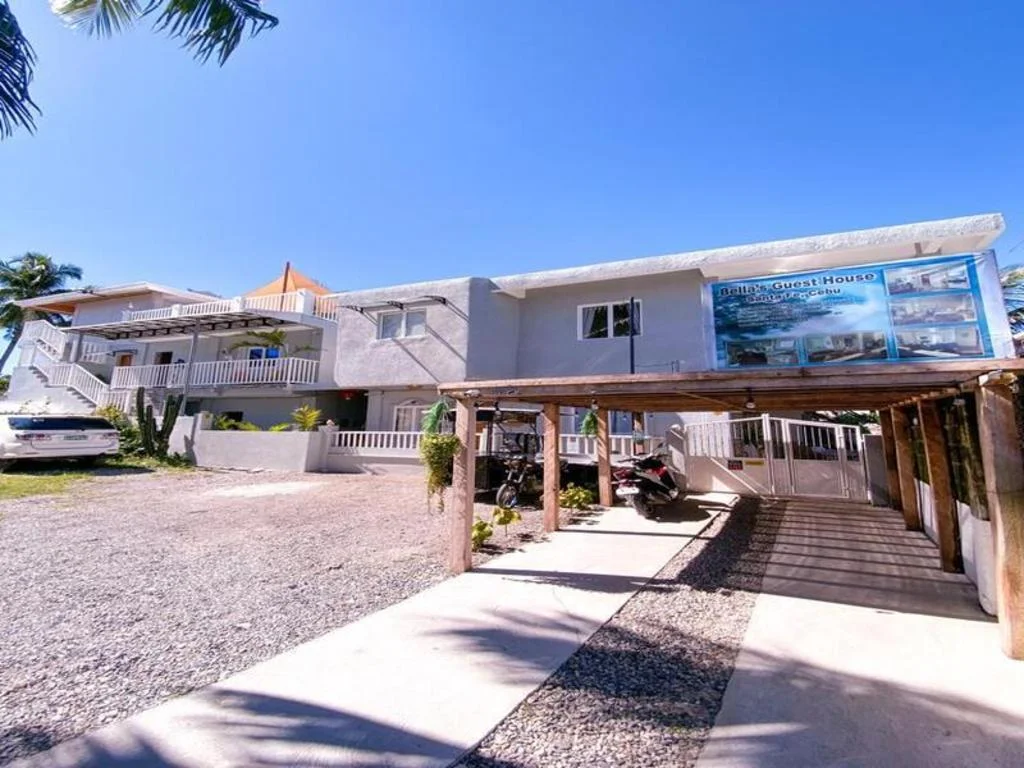
Bella's Guest House

4VJ's Apartelle
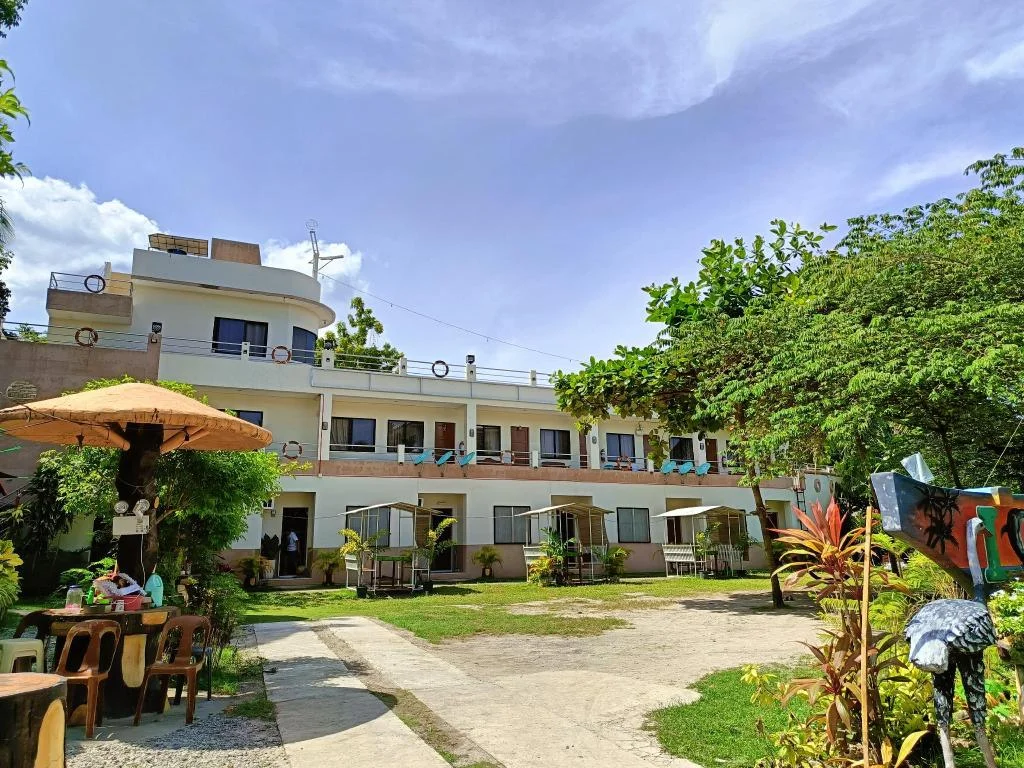
Allen Marie Shiphaus powered by Cocotel
Prefer a rental? Vacation rentals near Santa Fe
Self-catering condos and apartments — book the exact unit, kitchen included.
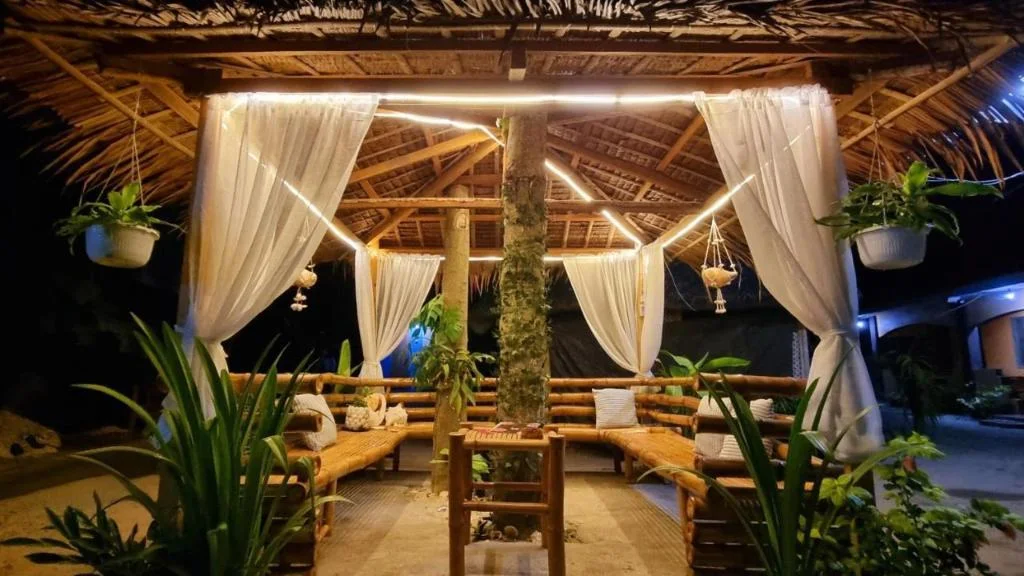
Edsan Apartment
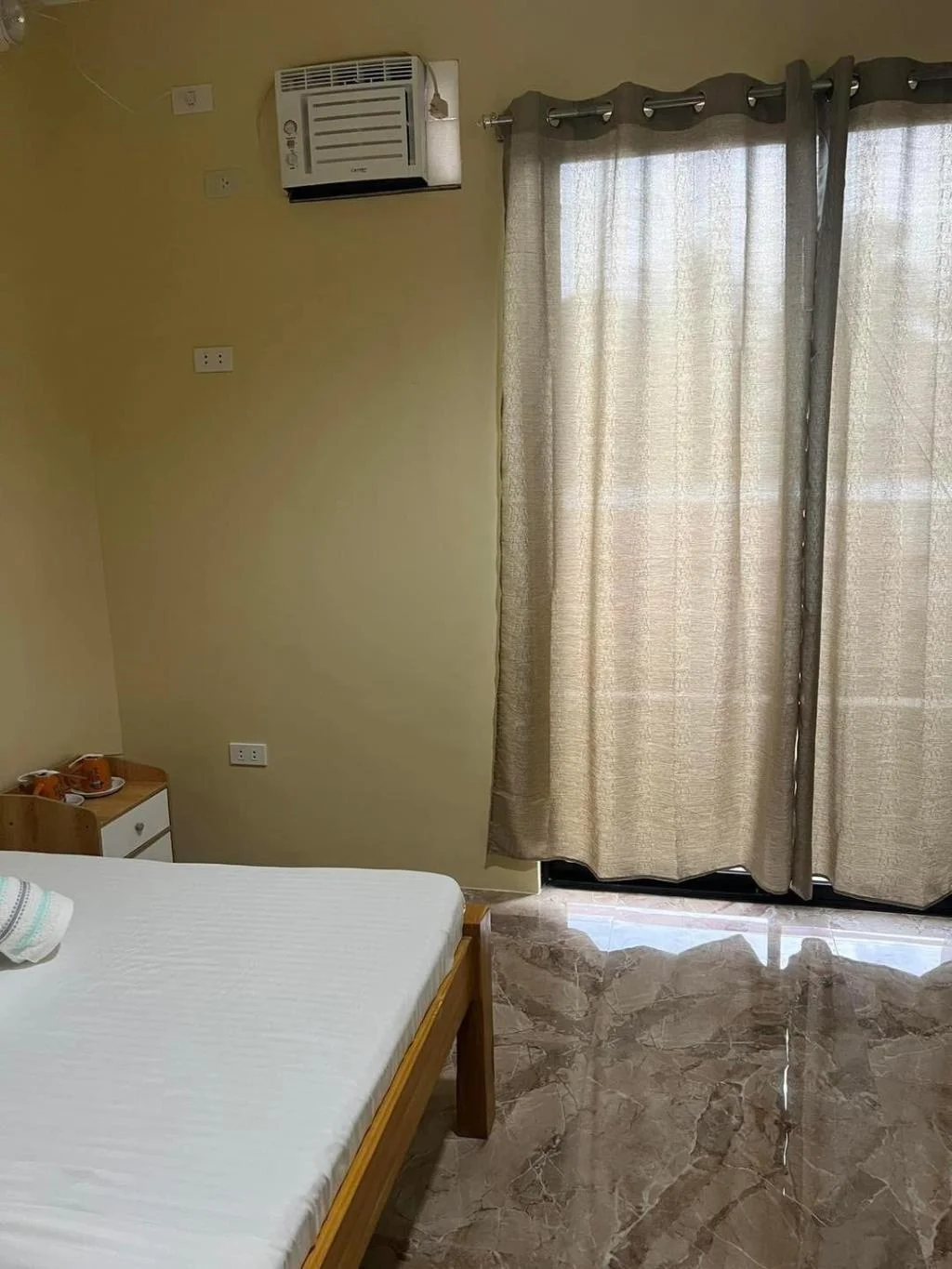
Seamed Guest House - Couple room
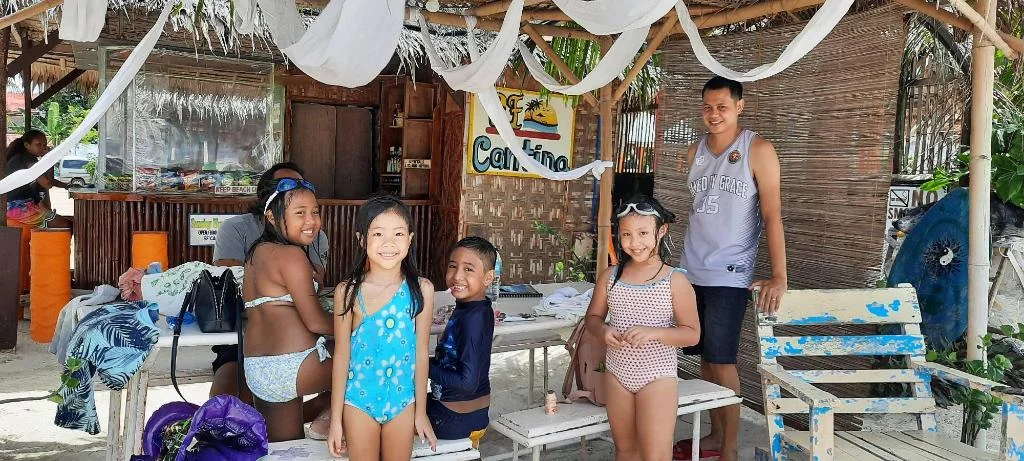
SF Cantina Hotel
Before you go
Frequently asked
What makes Bantayan's Holy Week different from the rest of Cebu?
What is the Santo Entierro procession in Bantayan?
Is it true Bantayan residents eat meat during Holy Week?
Where can you see the indult document?
How does Bantayan's Holy Week compare to Santa Fe's Holy Week crowds?
Is Sts. Peter and Paul Church open for Holy Week 2026?
What's the respectful way to watch the processions as a visitor?
When is Holy Week 2026 in Bantayan?
More Places to Explore
Sts. Peter and Paul Church
Bantayan
The oldest parish in Visayas and Mindanao (established 1580), built with coral stones and featuring stunning 2018 ceiling murals.
Bantayan Town Plaza
Bantayan
The historic heart of Bantayan town, featuring heritage architecture, shaded walkways, and proximity to the island's oldest church and local food scene.
Santa Fe Beach
Santa Fe
The main beach hub of Bantayan Island with white sand, clear waters, stunning sunsets, and easy access to all Santa Fe amenities.