
TL;DR: Yes — Cebu is safe and open for tourism in 2026. The magnitude 6.9 earthquake of September 30, 2025 hit northern Cebu hardest (Bogo, San Remigio, Medellin, Daanbantayan); the province lifted its state of calamity in May 2026. Cebu City, Mactan, and southern Cebu’s tourist areas were never significantly affected.
On the night of September 30, 2025, a magnitude 6.9 earthquake struck offshore northern Cebu near Bogo City. It was the strongest earthquake ever recorded in the province and the country’s deadliest since 2013 — 79 people died, hundreds were injured, and tens of thousands of homes were damaged. Real communities lost real people, and this guide is written with that firmly in mind.
It exists because travelers keep asking the same fair question: is Cebu safe to visit now? The short answer is yes, and has been since the Department of Tourism’s assessment in October 2025. But “Cebu” covers a 200-kilometer-long island where the earthquake’s impact was intensely local. This is the factual, area-by-area picture as of July 2026 — what happened, where recovery stands, and what it means for your trip.
Is Cebu Safe to Visit Now?
Yes. The Department of Tourism kept Cebu open for tourism throughout the response and recovery, stating in October 2025 that operations across Cebu and Central Visayas remained business as usual, with public areas, heritage sites, and hotels inspected and declared structurally sound. Tourism Secretary Christina Frasco put the reasoning on record: “We, at the DOT, encourage tourism operations in Cebu not only to attract visitors to explore the island’s rich culture, history, and natural beauty, but most importantly to sustain the livelihood of our tourism stakeholders who depend on the continued vibrancy of tourism activities.”
Two further markers since then. The Cebu Provincial Board lifted the province’s state of calamity in May 2026, formally shifting from emergency response to long-term recovery. And PHIVOLCS reported no ongoing earthquake swarms in Cebu as of June 2026 — the occasional small tremors still felt around Bogo are a tapering aftershock sequence, not new activity. None of this erases what northern Cebu went through, but it does mean there is no safety-based reason to cancel a Cebu trip in 2026.
What Happened in the September 2025 Earthquake?
A magnitude 6.9 earthquake struck at 9:59 PM on September 30, 2025, from a shallow source (about 5 km deep) offshore northern Cebu, near Bogo City and Daanbantayan. PHIVOLCS later confirmed it ruptured a previously unmapped structure now named the Bogo Bay Fault. Shallow depth close to populated towns is why the shaking was so destructive: Intensity VII (destructive, on the PHIVOLCS scale) was recorded in Bogo, Daanbantayan, Medellin, San Remigio, Tabuelan, and Cebu City.
The verified human toll, per the NDRRMC: 79 dead (count as of October 17, 2025), 559 injured, roughly 134,000 houses damaged and over 7,000 destroyed, and around 20,000 people displaced at the peak. Five 19th-century coral-stone churches were damaged across the north, and the aftershock sequence exceeded 13,500 recorded events by October 21, 2025, the strongest a magnitude 5.8. Casualties and heavy structural damage were overwhelmingly concentrated in the northern towns near the epicenter.
Which Areas Were Affected — and Where Does Recovery Stand?
Here’s the area-by-area status as of July 2026. The dividing line is roughly Sogod: north of it, the earthquake was a disaster; south of it, it was a scary night with little lasting damage.
| Area | Quake impact | Status (July 2026) |
|---|---|---|
| Bogo City (epicenter area) | Severest — Intensity VII, heavy damage | Open; mid-recovery. Tent cities closed Feb 2026; rebuilding of ~38 public buildings and the cathedral still ongoing |
| San Remigio | Severe — sinkholes, bridge, historic church unusable | Open; Hagnaya Port (Bantayan ferry) operating normally |
| Medellin | Severe — sinkholes, port damage | Open; Kawit Port usable, some repairs continuing |
| Daanbantayan | Severe in town; shrine partially collapsed | Open; highway fully passable, Maya Port (Malapascua boats) operating |
| Malapascua Island | Light — dive resorts largely unaffected | Open; DOT confirmed diving safe, operations normal |
| Bantayan Island / Santa Fe | Moderate — resorts minor/no damage | Open; ferries normal. Ogtong Cave closed for evaluation — confirm before visiting |
| Cebu City | Intensity VII felt; scattered damage | Fully normal; repaired sites include Fort San Pedro area |
| Mactan (airport, resorts) | No structural damage | Fully normal throughout |
| South Cebu (Moalboal, Oslob, Badian) | Intensity ~V, no significant damage | Fully normal throughout |
Compiled July 2026 from NDRRMC figures, DOT statements, and Philippine news reporting (PNA, SunStar, Manila Times, Inquirer). Conditions in recovering towns change — check locally for the latest.
Is Malapascua Open for Diving?
Yes — and this matters, because Malapascua’s thresher sharks are one of north Cebu’s biggest tourism draws. The island’s dive resorts came through largely structurally unaffected, and Maya Port in Daanbantayan, the mainland jump-off, reopened shortly after post-quake safety inspections. The provincial government and accredited dive operators ran marine ecosystem assessments afterward, and the DOT confirmed Malapascua and nearby Gato Island remained safe for diving. Boat schedules from Maya run as usual — our Daanbantayan and Malapascua gateway guide covers the logistics.
The same broadly holds for Bantayan: Santa Fe’s ports and beach resorts operate normally, with the Ogtong Cave closure the one lingering exception worth checking before you go.
Were Cebu City, Mactan, and South Cebu Affected?
Briefly and lightly — and it’s worth being precise rather than saying “not at all.” Cebu City recorded Intensity VII shaking and took scattered damage: City Hall, Fort San Pedro, and a mall ceiling among them. But the city was never among the high-casualty zones, repairs proceeded, and tourism operations continued essentially uninterrupted. Mactan-Cebu International Airport reported no structural damage and stayed fully operational throughout, as did the big Mactan resorts — the DOT specifically named Shangri-La Mactan, Crimson, and Dusit Thani as inspected and undamaged.
Southern Cebu — Kawasan Falls, Oslob’s whale sharks, Sumilon Island, Moalboal’s reefs — sat far from the epicenter, felt only moderate Intensity V shaking, and reported no significant damage. Canyoneering, diving, and whale shark tours ran without interruption. If your itinerary is the classic Cebu City–Mactan–south loop, the earthquake has no practical bearing on it at all.
Should You Visit North Cebu Now? (The Honest Take)
Go — but go with awareness rather than as if nothing happened. The northern towns are open, the highway and ports work, and daily life has resumed. What you’ll still see, as of mid-2026, is a region mid-rebuild: reporting from June 2026 described Bogo’s recovery as slow going, with dozens of public buildings awaiting repair, the city’s main church closed to services because of structural cracks, and a significant funding gap. San Remigio’s 1854 church remains unusable. These are communities that lost neighbors, not a backdrop for disaster tourism — be the kind of visitor who buys the boat trip, the lunch, and the pintos, because that spending genuinely supports the rebuild.
Two honest footnotes. First, the Philippines is seismically active, full stop — that was true before September 2025 and will stay true; PHIVOLCS’s June 2026 reminder that a separate fault system near central Cebu could someday produce a strong quake is long-term hazard awareness that applies to the whole country, not a warning about your trip. Second, if a pristine, fully polished tourist product matters to you, the mainland north (Bogo, San Remigio, Medellin) isn’t that right now — Malapascua and Bantayan are much closer to normal. For overall traveler safety context beyond earthquakes, see our is Cebu safe for tourists guide.
Final Word
Cebu is open, and the places most travelers come for were never significantly affected. The north took a genuine blow on September 30, 2025 — 79 lives, tens of thousands of homes — and is still rebuilding, but it is safe to visit, its islands are running normally, and its towns benefit from every visitor who shows up with respect and spends locally. Check current conditions for the specific northern town you’re headed to, keep plans flexible around anything still under repair, and travel as you normally would everywhere else on the island.
Sources
- Philippine News Agency — Cebu quake fatalities climb to 79 (NDRRMC)
- Inquirer — Cebu remains safe, open for tourism after M6.9 quake, DOT (Oct 2025)
- The Manila Times — Cebu lifts state of calamity (May 2026)
- SunStar Cebu — Rebuilding in Bogo City remains slow eight months after quake (June 2026)
- PHIVOLCS bulletins on the September 30, 2025 offshore northern Cebu earthquake and the Bogo Bay Fault. Facts verified July 2026; recovery status changes — confirm locally for northern towns.
Book Tours & Hotels for This Trip
Find and book the best deals — prices and availability update in real time. Links open in a new tab.
Where to stay near Oslob
Top-rated hotels for this trip — tap through to check live rates.
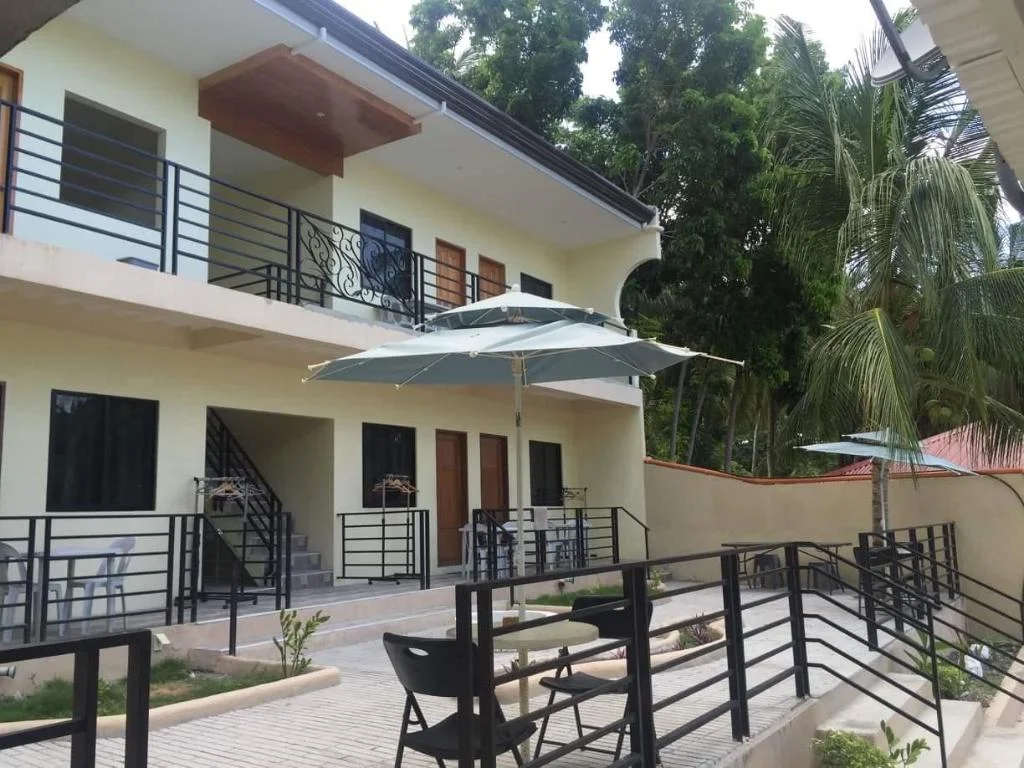
Joaquim's Lodge
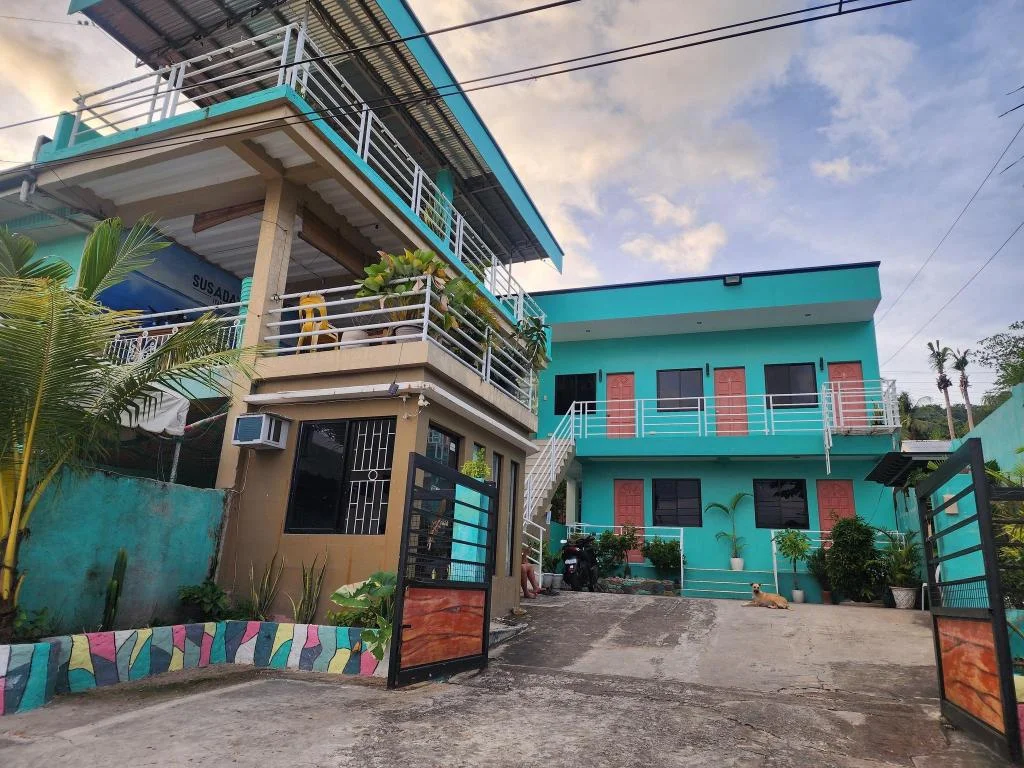
Susada's Inn
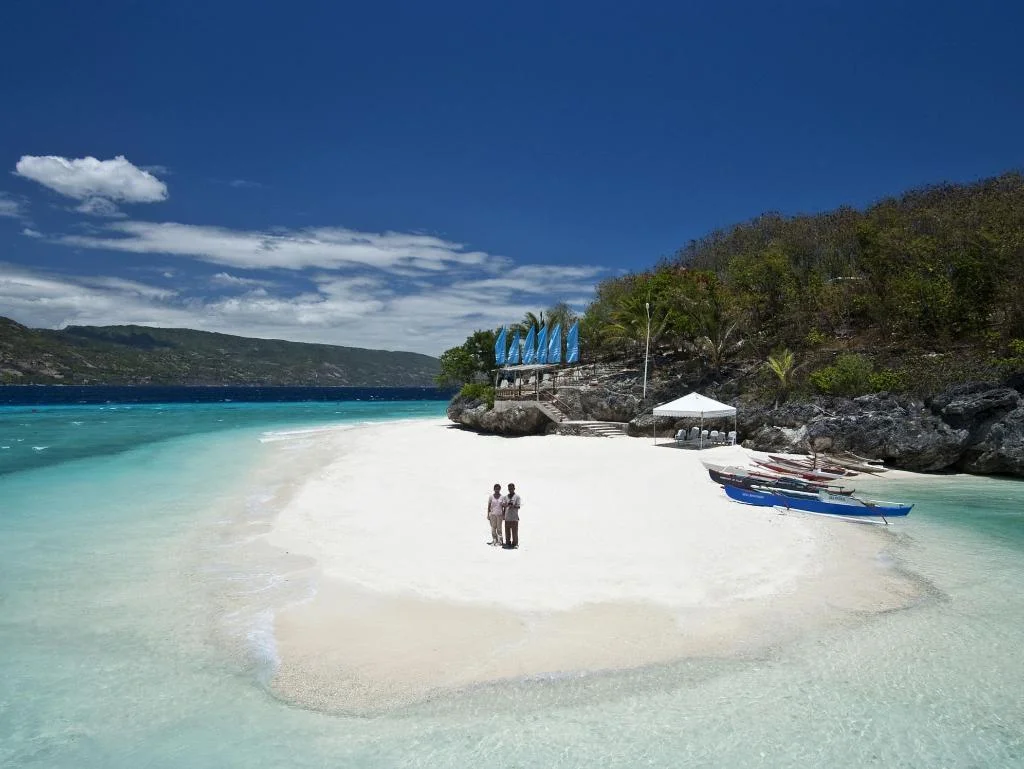
Bluewater Sumilon Island Resort
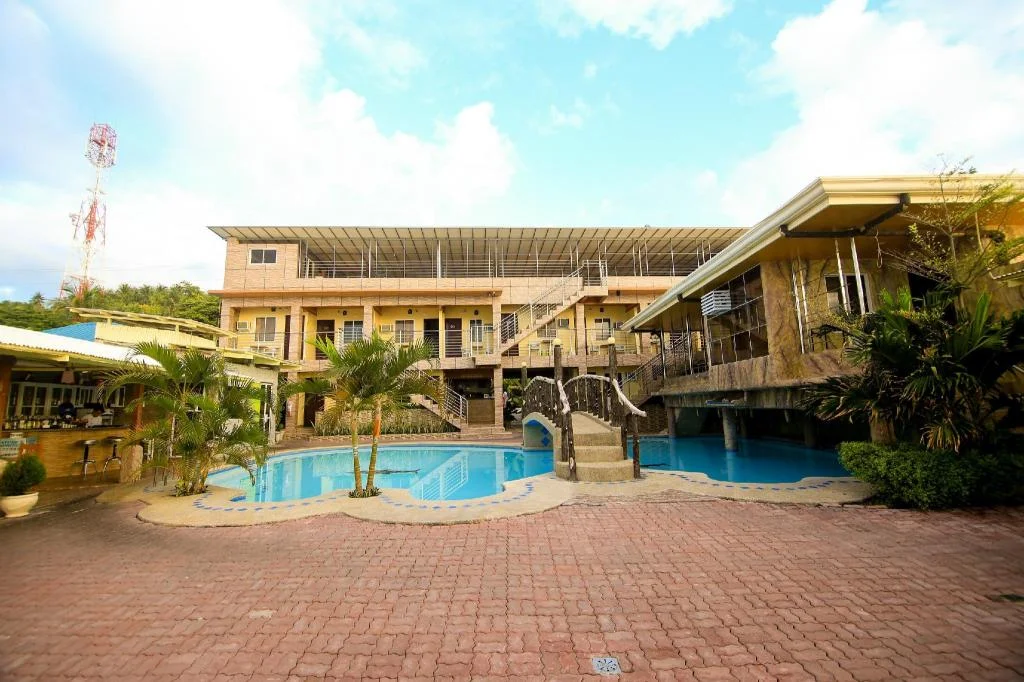
Ging-Ging Hotel & Resort
Prefer a rental? Vacation rentals near Oslob
Self-catering condos and apartments — book the exact unit, kitchen included.
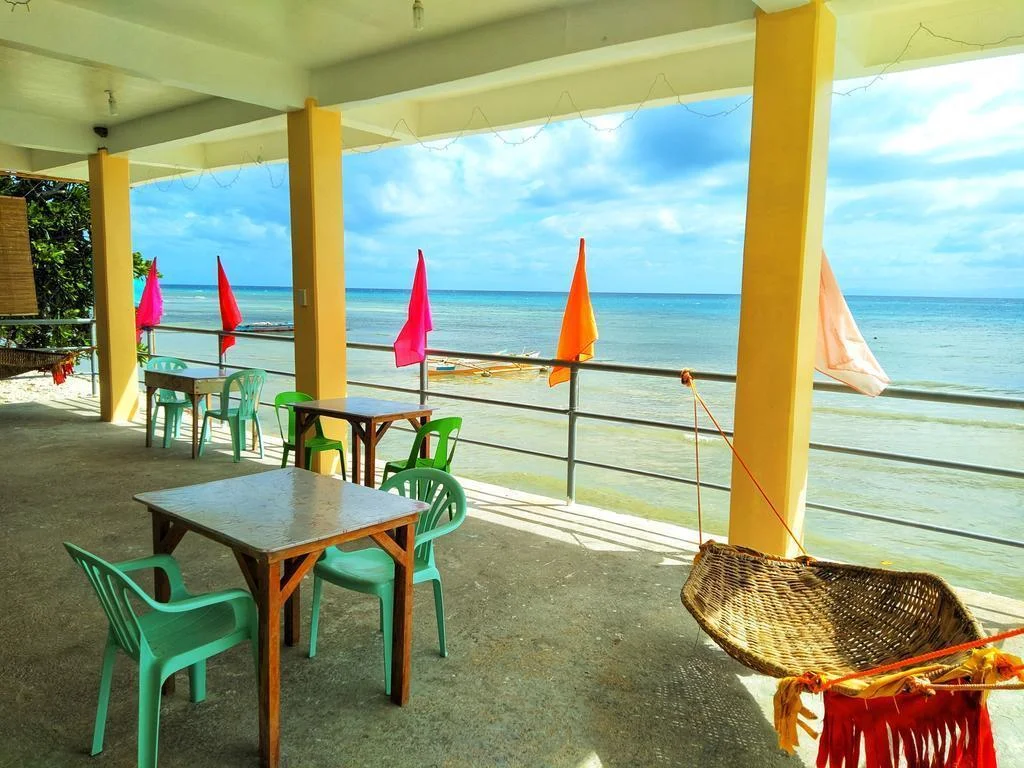
Ocean View Lodging House

The South Hideaway Oslob
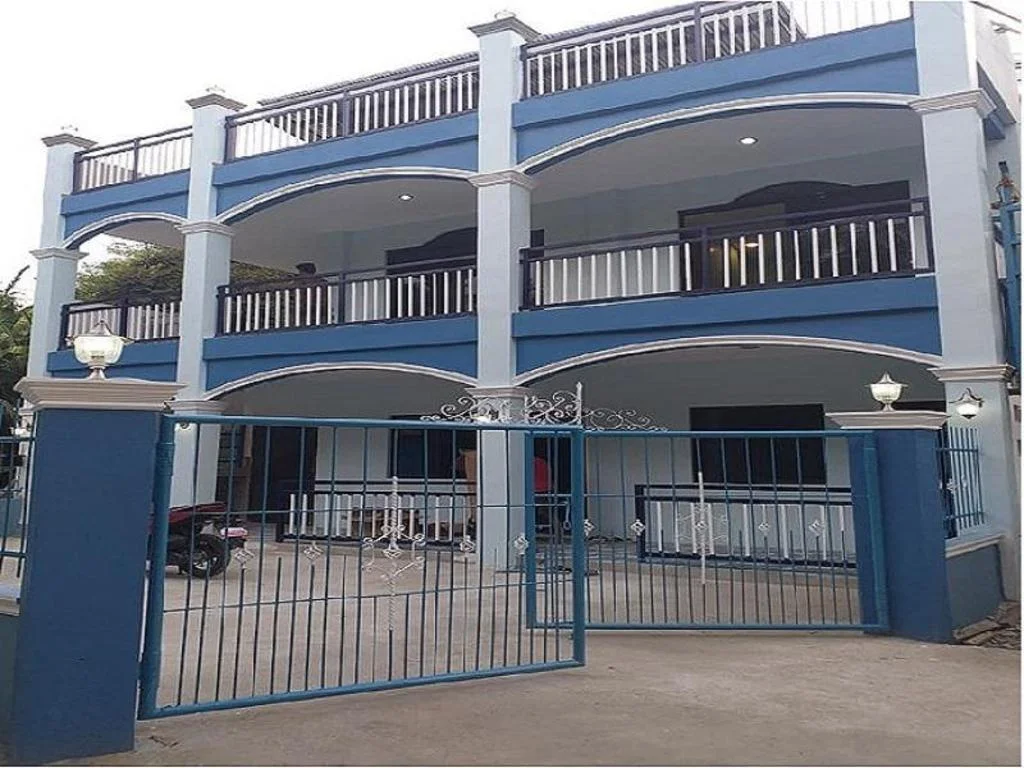
Azulea Family Deluxe 1 * own CR, shower, AC, TV
Before you go
Frequently asked
Is Cebu safe to visit in 2026 after the earthquake?
How strong was the 2025 Cebu earthquake?
How many people died in the September 2025 Cebu earthquake?
Is Malapascua Island open for diving after the earthquake?
Was Cebu City or Mactan damaged by the earthquake?
Are there still aftershocks in northern Cebu?
Is Bantayan Island safe to visit now?
Should tourists avoid Bogo and the epicenter area?
More Places to Explore
Kawasan Falls
Badian
A stunning three-tiered waterfall famous for its turquoise waters, bamboo raft rides, and as the endpoint of the famous Badian canyoneering adventure.
Whale Shark Watching
Oslob
Swim alongside gentle whale sharks, the world's largest fish, in one of the few places where these magnificent creatures can be reliably encountered.
Sumilon Island
Oslob
A pristine coral island with a famous shifting white sandbar, excellent snorkeling, and the distinction of being the Philippines' first marine sanctuary.