
TL;DR: You don’t need Cebuano (Bisaya) to get around Cebu — English is spoken everywhere tourists go — but a handful of phrases go a long way. Learn salamat (thank you), maayong buntag/hapon/gabii (good morning/afternoon/evening), and tagpila? (how much?) and you’ll cover most friendly small talk and every market haggle. Beyond set phrases, the single words worth knowing are the question words — unsa (what), asa (where), pila (how many) — and everyday nouns like tubig (water) and pagkaon (food). Skip Tagalog: Cebu speaks Bisaya, not Tagalog, and locals notice the difference. Numbers 1–10 have native Cebuano words, but prices are almost always said in Spanish-derived numbers instead. Verified July 2026.
Cebu is one of the easier places in Southeast Asia to travel without learning the local language — English is a medium of instruction in Philippine schools, so most people you’ll deal with as a tourist, from hotel front desks to tricycle drivers to stallholders at Carbon Market, can hold a conversation in it. That said, the local language isn’t Tagalog. It’s Cebuano, usually called Bisaya or Binisaya by the people who speak it, and it’s a genuinely different language from Filipino/Tagalog, not a dialect of it. This guide is for travelers who want a working set of Bisaya phrases: greetings, numbers, market and food phrases, and directions, plus the honest read on how much of this you actually need and how locals react when you try. Wander down Colon Street with even three of these phrases and you’ll get more smiles than blank stares.
Cebuano Survival Phrases at a Glance
| English | Cebuano | Pronunciation | Use it when… |
|---|---|---|---|
| Good morning | Maayong buntag | mah-AH-yong BOON-tag | Before noon |
| Good afternoon | Maayong hapon | mah-AH-yong HAH-pon | Noon to sunset |
| Good evening | Maayong gabii | mah-AH-yong ga-BEE | After dark |
| Thank you | Salamat | sah-LAH-mat | Any time, any place |
| Thank you very much | Salamat kaayo | sah-LAH-mat kah-AH-yo | Someone did you a favor |
| Please | Palihog | pah-LEE-hog | Asking for something |
| Yes / No | Oo / Dili | OH-oh / DEE-lee | Answering questions |
| How much? | Tagpila? | tag-PEE-lah | Any market or stall |
| Delicious | Lami kaayo | LAH-mee kah-AH-yo | Complimenting food |
Verified July 2026.
Do You Actually Need to Speak Bisaya in Cebu?
No — English will get you through almost any tourist situation in Cebu. It’s one of the two official languages of the Philippines and the working language of tourism, business, and higher education, so hotel staff, tour operators, mall employees, and most restaurant servers speak it comfortably. Where English gets thinner is at open-air markets, with older vendors, tricycle and habal-habal drivers outside the main tourist zones, and in smaller towns south and north of Cebu City. In those spots, a few Bisaya words smooth things out and sometimes soften a price.
The bigger trap for visitors isn’t skipping the local language — it’s studying the wrong one. Many first-time visitors arrive with a few Tagalog phrases memorized, assuming it’s the national default. Cebuanos speak Bisaya at home, at work, and on the street, and Tagalog shows up mostly through national TV and school. You’ll be understood if you speak Tagalog, but you won’t get the same reaction as a genuine “salamat” or “maayong buntag” in Bisaya — locals clock the difference immediately, and the local language is what earns the warm, “oh you know Bisaya!” response.
What Are the Most Common Cebuano Words?
The Cebuano words you’ll hear most as a visitor are everyday nouns and question words — tubig (water), pagkaon (food), balay (house), asa (where), unsa (what), pila (how many). Phrases get you through set situations; single words let you improvise when a phrase doesn’t fit, and they’re what you’ll actually recognise in overheard conversation.
Question words first, because they turn any noun into a usable sentence:
| English | Cebuano | Pronunciation |
|---|---|---|
| What? | Unsa? | oon-SAH |
| Where? | Asa? | AH-sah |
| Who? | Kinsa? | keen-SAH |
| When? | Kanus-a? | kah-NOOS-ah |
| Why? | Ngano? | ngah-NOH |
| How many / how much? | Pila? | PEE-lah |
Everyday nouns — the ones that come up at markets, in jeepneys, and over meals:
| English | Cebuano | English | Cebuano |
|---|---|---|---|
| Water | Tubig | Food | Pagkaon |
| Rice (cooked) | Kan-on | Fish | Isda |
| Meat | Karne | Coffee | Kape |
| House | Balay | Road / street | Dalan |
| Market | Merkado | Store | Tindahan |
| Church | Simbahan | School | Eskwelahan |
| Sea | Dagat | Mountain | Bukid |
| Beach / shore | Baybayon | River | Suba |
| Person | Tawo | Friend | Higala |
| Child | Bata | Sibling | Igsoon |
Descriptions and time words, which do most of the work in casual conversation:
| English | Cebuano | English | Cebuano |
|---|---|---|---|
| Good | Maayo | Bad | Daotan |
| Big | Dako | Small | Gamay |
| Hot | Init | Cold | Bugnaw |
| Expensive | Mahal | Cheap | Barato |
| Delicious | Lami | Spicy | Halang |
| Now | Karon | Later | Unya |
| Tomorrow | Ugma | Yesterday | Gahapon |
| Day / sun | Adlaw | Night | Gabii |
| Month / moon | Bulan | Year | Tuig |
A few of these do double duty in ways that surprise learners: adlaw means both “day” and “sun,” and bulan means both “month” and “moon” — context tells you which. Spelling also varies in casual use (daotan/dautan, gabii/gabie), so don’t be thrown by seeing the same word written two ways on menus and signs.
Verified July 2026.
How Do You Greet People in Cebuano?
Start with the time-of-day greetings — they’re the easiest win and the most-used phrases on this list.
| English | Cebuano | Pronunciation |
|---|---|---|
| Good morning | Maayong buntag | mah-AH-yong BOON-tag |
| Good afternoon | Maayong hapon | mah-AH-yong HAH-pon |
| Good evening/night | Maayong gabii | mah-AH-yong ga-BEE |
| How are you? | Kumusta ka? | koo-moos-TAH kah |
| I’m fine | Maayo ra ko | mah-AH-yo rah koh |
| Take care | Amping | AHM-ping |
| Safe travels | Amping sa biyahe | AHM-ping sah bee-YAH-heh |
“Maayo” means “good,” and it’s the root of most greetings — swap in “buntag” (morning), “hapon” (afternoon), or “gabii” (evening/night) depending on when you’re saying it. “Kumusta ka?” (how are you?) doubles as small talk with a driver or shop owner and is almost always met with a smile.
How Do You Say Thank You and Be Polite?
Say “salamat” and mean it — it’s the single most useful word on this list, and Cebuanos use it constantly, even for small things like someone stepping aside on a sidewalk.
| English | Cebuano | Pronunciation |
|---|---|---|
| Thank you | Salamat | sah-LAH-mat |
| Thank you very much | Salamat kaayo / Daghang salamat | sah-LAH-mat kah-AH-yo |
| Please | Palihog | pah-LEE-hog |
| Yes | Oo | OH-oh |
| No | Dili | DEE-lee |
| I’m sorry / excuse me | Pasaylo-a ko | pah-sigh-LOH-ah koh |
| Friend | Higala | hee-GAH-lah |
Use “salamat kaayo” or “daghang salamat” (both mean “thank you very much”) when a driver waits for you, a vendor throws in an extra piece, or someone goes out of their way to help — it’s a small upgrade that reads as genuinely grateful rather than just polite.
How Do You Count in Cebuano?
Native Cebuano numbers exist from 1–10, and you’ll hear them for counting small quantities — “duha ka mangga” (two mangoes), “tulo ka bulan” (three months).
| English | Cebuano | Pronunciation |
|---|---|---|
| 1 | Usa | OO-sah |
| 2 | Duha | DOO-hah |
| 3 | Tulo | TOO-loh |
| 4 | Upat | OO-pat |
| 5 | Lima | LEE-mah |
| 6 | Unom | OO-nom |
| 7 | Pito | PEE-toh |
| 8 | Walo | WAH-loh |
| 9 | Siyam | SEE-yam |
| 10 | Napulo | nah-POO-loh |
Here’s the twist that trips up learners: for prices, time, and dates, Cebuanos almost always switch to Spanish-derived numbers instead — uno, dos, tres, kwatro, singko, sais, siyete, otso, nuwebe, diyes, and onward through beinte (20), trenta (30), singkwenta (50), and sanggatos (100). So if a vendor rattles off a price, listen for the Spanish-sounding number, not the native Cebuano one — “singkwenta pesos” (50 pesos), not “lima ka pulo.”
How Do You Ask “How Much” and Bargain at the Market?
Ask “Tagpila?” — it’s a complete question on its own once you’re pointing at something, and it’s the one word that unlocks Carbon Market, Cebu’s biggest and oldest public market.
| English | Cebuano | Pronunciation |
|---|---|---|
| How much? | Tagpila? | tag-PEE-lah |
| How much is this? | Tagpila ni? | tag-PEE-lah nee |
| How much is that? | Tagpila na? | tag-PEE-lah nah |
| That’s expensive | Mahal kaayo | mah-HAL kah-AH-yo |
| Is there a discount? | Naa bay diskwento? | NAH-ah bye dees-KWEN-toh |
| One kilo | Usa ka kilo | OO-sah kah KEE-loh |
Point at the item while you ask — vendors are used to gesture-plus-Bisaya from tourists, and it avoids any confusion about what you’re pricing. “Mahal kaayo” (that’s expensive) said with a smile, followed by “naa bay diskwento?” (is there a discount?), is standard, good-natured haggling at a wet market or souvenir stall — it won’t work, and shouldn’t be tried, at fixed-price shops in malls.
If you want a guided taste of Cebu’s markets and street food scene with a local translating as you go, browse Cebu food and market tours on Klook — a good shortcut to trying these phrases with backup on hand.
How Do You Ask for Directions?
Lead with “Asa ang…?” (where is the…?) — it’s the all-purpose way to locate anything from a jeepney stop to your hotel.
| English | Cebuano | Pronunciation |
|---|---|---|
| Where is the…? | Asa ang…? | AH-sah ang |
| Straight ahead | Diretso | dee-RET-soh |
| Turn left | Liko sa wala | LEE-koh sah WAH-lah |
| Turn right | Liko sa tuo | LEE-koh sah TOO-oh |
| It’s close | Duol ra | DOO-ol rah |
| It’s still far | Layo pa | LAH-yoh pah |
| Where is this (jeepney) headed? | Asa ni padulong? | AH-sah nee pah-DOO-long |
That last one — “Asa ni padulong?” — is genuinely useful for Cebu’s jeepneys, which rarely have clear destination signage once you’re a few blocks from the terminal; drivers and conductors will happily shout back the route in English or Bisaya. For getting oriented on the ground with an actual guide rather than a phrasebook, a downtown walking or heritage tour is a good low-stress way to practice — check availability for Cebu City walking tours on GetYourGuide.
What Should You Say When Ordering Food?
Say “lami kaayo!” (it’s very delicious!) after a good meal, and expect the room to light up — Cebuanos take real pride in local food, and a compliment in Bisaya lands better than the same one in English.
| English | Cebuano | Pronunciation |
|---|---|---|
| Delicious | Lami | LAH-mee |
| Very delicious | Lami kaayo | LAH-mee kah-AH-yo |
| It’s spicy | Halang ni | hah-LAHNG nee |
| Not spicy, please | Dili halang, palihog | DEE-lee hah-LAHNG, pah-LEE-hog |
| Give me… | Hatagi ko ug… | hah-TAH-gee koh oog |
| The bill, please | Ang bayad, palihog | ang bah-YAD, pah-LEE-hog |
“Halang” is the word to know before you order anything at a carinderia — Cebu food leans milder than some regional Filipino cuisine, but chili is common in condiments and a few dishes, and “dili halang, palihog” (not spicy, please) is a normal, unremarkable request. For a fuller rundown of what to actually order, see our Cebu street food guide.
Tips for Using These Phrases
- Start every interaction with “maayong buntag/hapon/gabii.” It costs nothing and consistently gets a warmer reply than jumping straight to English.
- Don’t stack Tagalog and Bisaya. If you know a Tagalog phrase, it’s fine as a backup, but lead with Bisaya — mixing them can confuse rather than charm.
- Point while you ask “tagpila.” It removes any ambiguity about what you’re pricing, especially in a crowded market stall.
- Numbers for money are usually Spanish-derived, not native Cebuano. If a price sounds like “singkwenta” or “beinte,” that’s 50 or 20 pesos — don’t try to translate it as a native number.
- Mispronunciation is fine. Locals are famously good-humored about foreigners attempting Bisaya; a mangled “salamat” still lands better than silence.
The Honest Take
You will not need Cebuano to have a good trip to Cebu — that needs to be said plainly, because some phrasebooks oversell how essential this is. English covers hotels, tours, malls, ride-hailing, and most restaurants without friction. What these phrases actually buy you is warmth: a genuine smile from a Carbon Market vendor, a driver who relaxes and starts joking with you, a “salamat kaayo” that gets you real gratitude back instead of a transactional nod. It’s a goodwill investment, not a survival requirement.
Skip the temptation to learn Tagalog phrases instead, thinking it’s the “national” fallback — in Cebu it isn’t the everyday language, and locals will notice if you’ve clearly prepped the wrong one. And don’t over-rehearse; nobody expects fluency from a visitor. Three or four phrases used naturally beat twenty memorized ones recited stiffly.
Take These Phrases Further
Try “maayong buntag” on your driver from Mactan-Cebu International Airport, “tagpila?” at Carbon Market, and “lami kaayo!” after your first plate of street food — see our Cebu street food guide for where to try it. If you want to go past a phrasebook, our deeper explainer on the Cebuano language itself covers grammar, dialects, and a longer word list, and Cebuano vs Tagalog settles the question most visitors arrive with. If this is your first trip, our guide on why Cebu works so well for first-time foreign visitors and our is Cebu safe for tourists rundown round out the practical basics. Ready to put the phrases to use? Browse Cebu tours and activities on Klook and try them out with your guide on day one.
Sources
- TalkBisaya — Bisaya phrases and pronunciation guide
- Wikivoyage — Cebuano phrasebook
- Preply — Cebuano greetings and travel phrases
- BisayaCebuano.com — lessons on numbers, directions, and bargaining
- Binisaya — Cebuano-English dictionary
- Phrases and spellings cross-checked against multiple Cebuano-language teaching sources; local usage can vary by town. Verified July 2026.
Book Tours & Hotels for This Trip
Find and book the best deals — prices and availability update in real time. Links open in a new tab.
Where to stay near Cebu City
Top-rated hotels for this trip — tap through to check live rates.
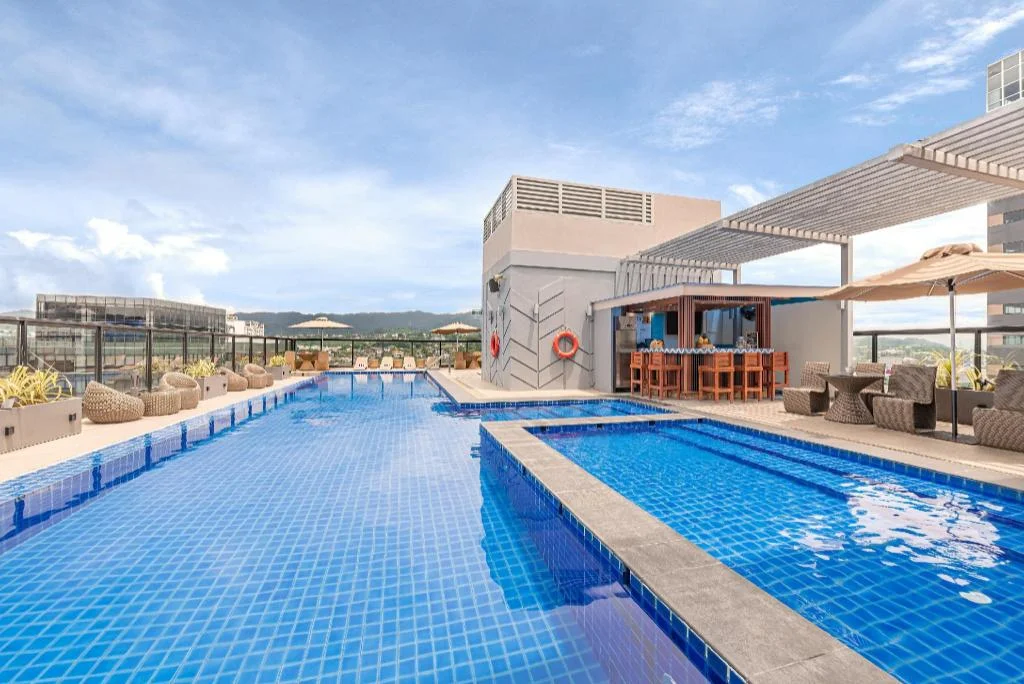
Seda Central Bloc Cebu City
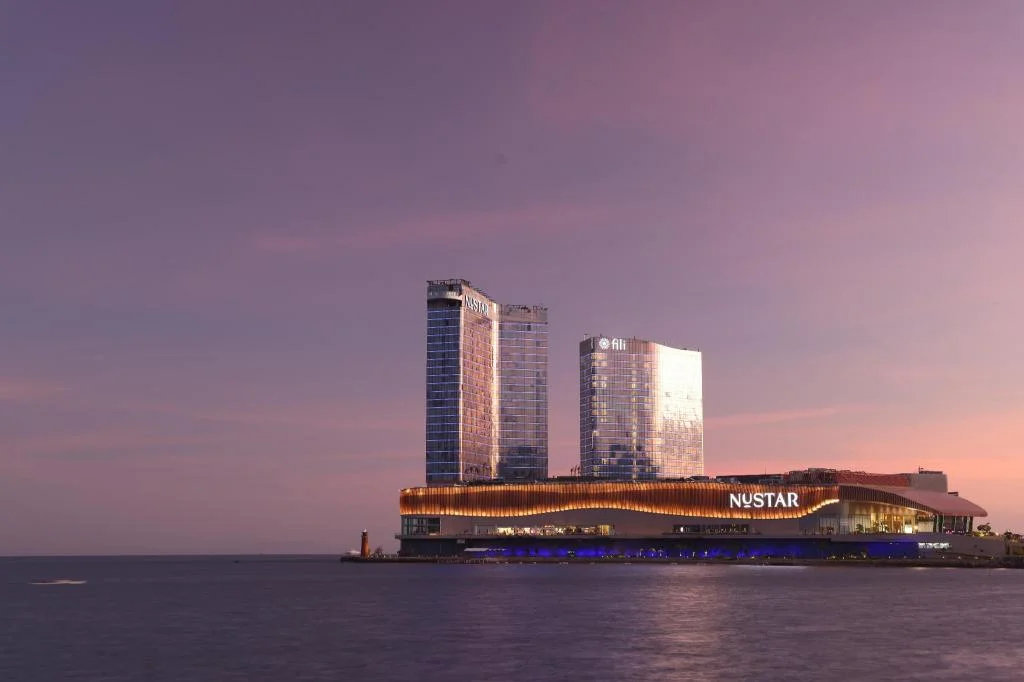
Fili Hotel - NUSTAR Resort & Casino Cebu
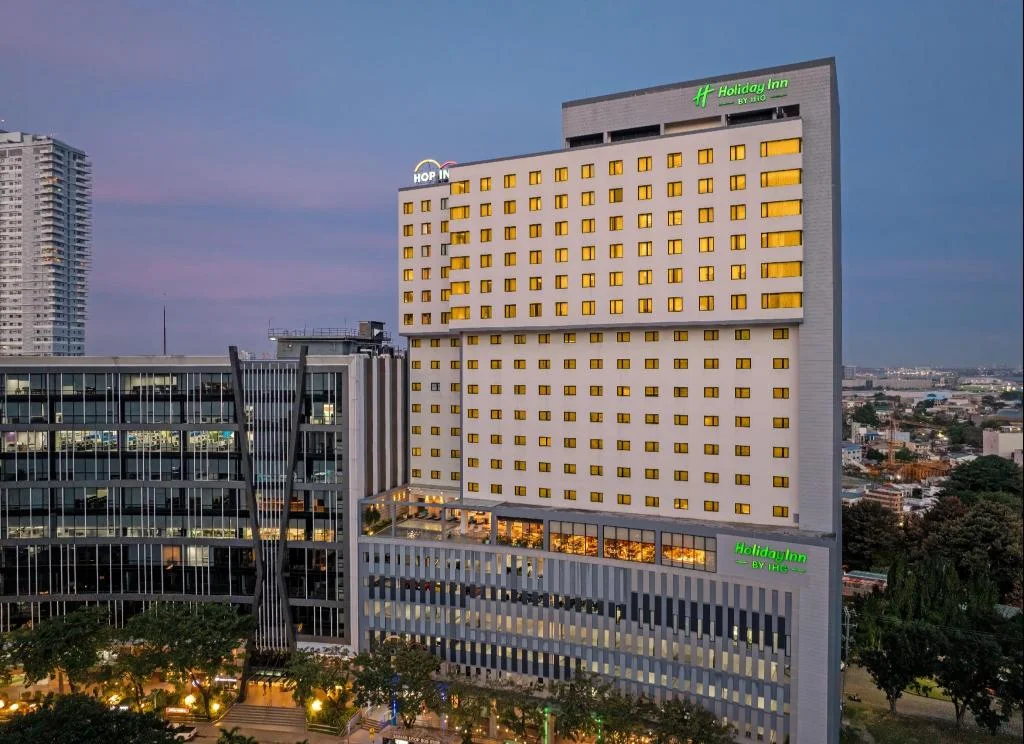
Holiday Inn Cebu City By IHG
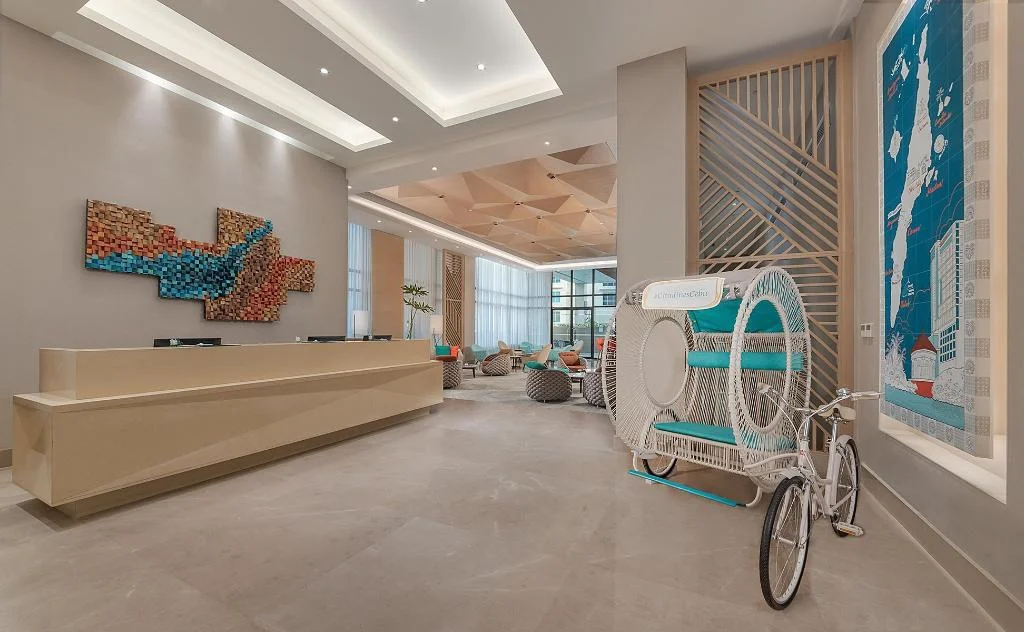
Citadines Cebu City
Prefer a rental? Vacation rentals near Cebu City
Self-catering condos and apartments — book the exact unit, kitchen included.
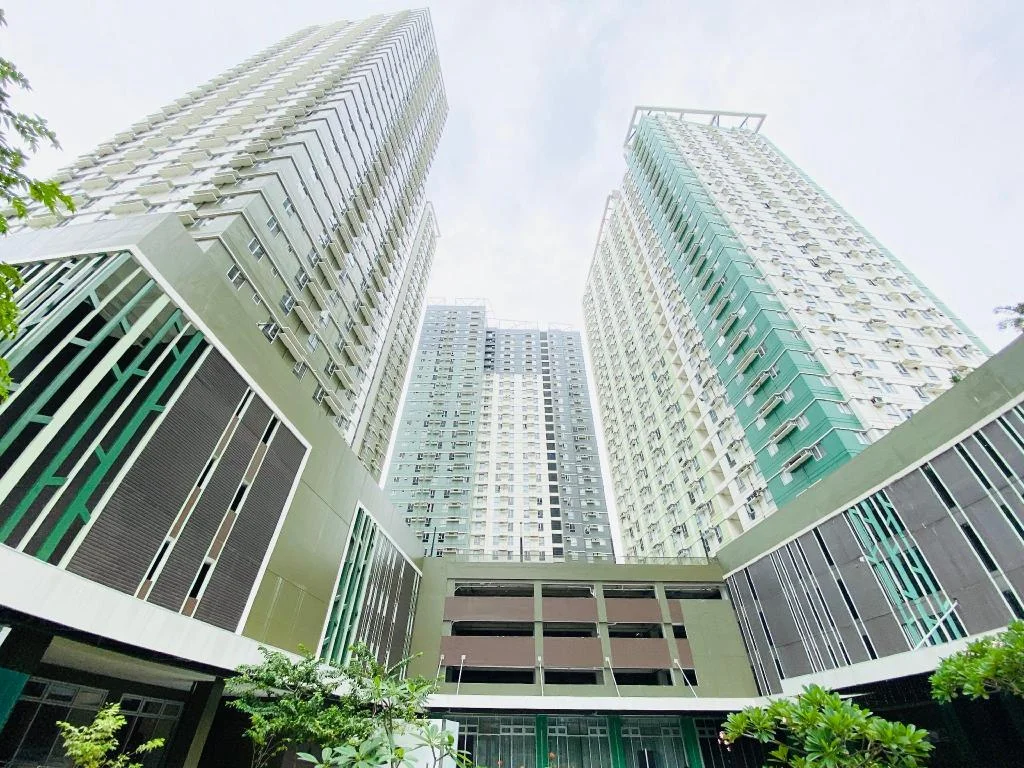
Cebu Avida Riala by P&J

Special Big Loft Unit w/Fibreop Internet & Netflix
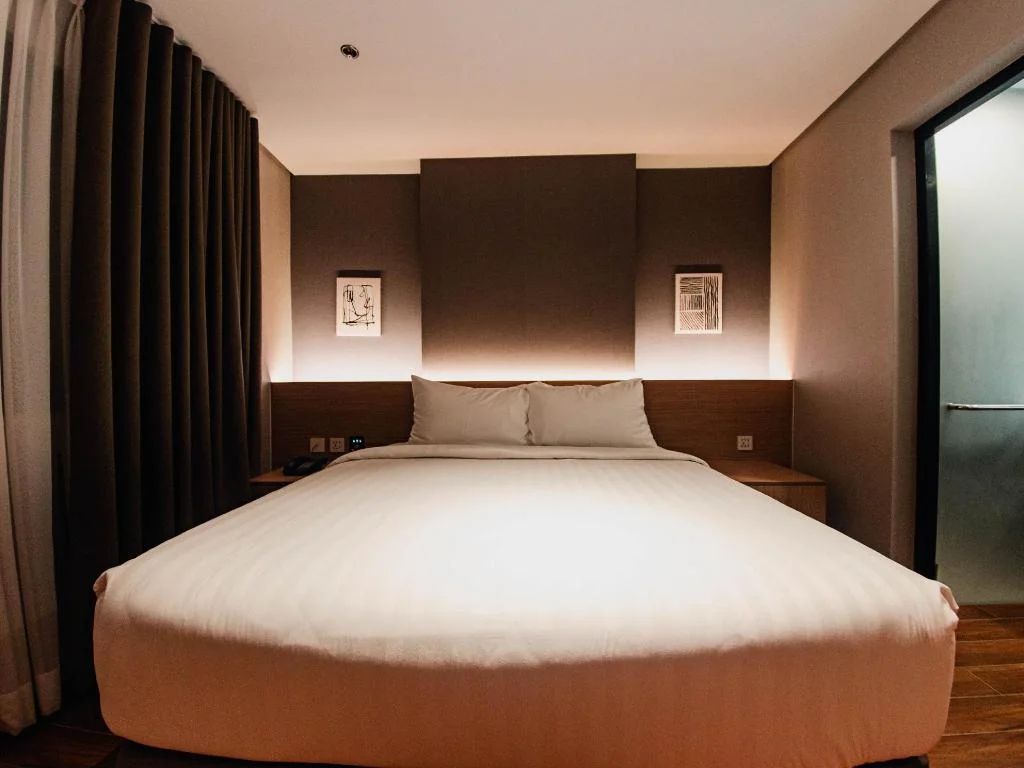
Moonstar Cebu Hotel - Deluxe Room
Before you go
Frequently asked
Do I need to learn Cebuano to visit Cebu?
Is Cebuano the same as Tagalog?
What is the most useful Cebuano word to know?
What are some common Cebuano words?
How do you say 'thank you very much' in Cebuano?
Will locals laugh if I mispronounce Cebuano?
How do you ask 'how much' in Cebuano?
What number system do Cebuanos use for prices?
Are Cebuano and Bisaya the same word?
More Places to Explore
Colon Street
Cebu City
The oldest street in the Philippines, a historic commercial thoroughfare that has been Cebu's trading center since Spanish colonial times.
Carbon Market
Cebu City
Cebu's oldest and largest market (since 1909), offering an authentic local shopping experience with fresh produce, seafood, and traditional goods.
Related Guides
- The Cebuano Language (Bisaya) Explained (2026)
- Cebuano vs Tagalog: A Traveler's Language Guide (2026)
- Is Cebu Safe for Tourists? An Honest Guide for Foreign Visitors (2026)
- Cebu Street Food Guide (2026): What & Where to Eat
- Why Cebu Is the Easiest Philippine Island for First-Time Foreign Visitors (2026)
- The Best Things to Do in Cebu: The Ultimate Guide (2026)