
TL;DR: Cebu’s best cheap eats aren’t in restaurants — they’re at Larsian BBQ (₱150–200 a meal), carinderia rice-and-viand plates at Carbon Market (₱80–150), tuslob-buwa stalls in Pardo (₱70–100), and ngohiong stands along Colon Street (₱15–25 a piece). Night markets like Sugbo Mercado run a bit higher (₱100–250) but still beat a sit-down restaurant. Stick to busy stalls, carry small bills, and you can eat well on ₱250–400 a day (US$4.30–7). Verified July 2026.
Cebu feeds itself on carinderias, BBQ grills, and market stalls long before it feeds tourists — and that’s exactly where the best cheap food is. This guide rounds up the spots and dishes that actually deliver on “budget food”: Larsian’s smoky puso-and-BBQ stalls, the carinderia rows at Carbon Market, tuslob-buwa in Pardo, ngohiong stands around Colon Street, Sugbo Mercado’s night-market scene, and the mall food courts and fast-food chains that work as a reliable fallback. It’s written for anyone stretching a travel budget, backpacking Cebu day to day, or just curious how locals eat when they’re not bringing visitors somewhere fancy. Most of what’s here costs under ₱150 (about US$2.60) a plate — a few standouts run a little more, and that’s flagged honestly.
Cebu’s Best Cheap Eats, at a Glance
| Dish / spot | ~₱ (US$) | Where |
|---|---|---|
| Larsian BBQ + puso | ₱150–200 (US$2.60–3.50) | Don Mariano Cui St, near Fuente Osmeña |
| Tuslob-buwa | ₱70–100 (US$1.20–1.70) | Pardo (7’E Tuslob Buwa sa Pardo); Sugbo Sentro, IT Park |
| Carinderia / turo-turo plate | ₱80–150 (US$1.40–2.60) | Carbon Market, Colon Street |
| Ngohiong (per piece) | ₱15–25 (US$0.25–0.45) | Colon/Junquera Sts, outside Carbon Market |
| Lechon over rice (by scoop) | ~₱150 (US$2.60) | Carinderias near Carbon; CnT branches |
| Sugbo Mercado stall meal | ₱100–250 (US$1.70–4.30) | IT Park, Escario |
| Mall food court value meal | ₱59–150 (US$1–2.60) | SM City Cebu, Ayala Center food courts |
| Mang Inasal (unli-rice add-on) | ₱120–180 (US$2–3.10) | Branches citywide |
Street prices vary by stall and shift with market rates — treat these as ranges, not fixed menus. Verified July 2026.
Where’s the Best Cheap BBQ and Puso in Cebu?
Larsian, on Don Mariano Cui Street near Fuente Osmeña, is the classic answer. It’s a strip of roughly 30 open-air stalls where you pick raw skewers — pork, chicken, marlin, squid — from a glass case and a cook grills them over charcoal while you wait. Skewers start around ₱5–7 each, puso (rice steamed in a woven coconut-leaf pouch) is ₱5–10 a piece, and bigger seafood items like stuffed squid or buttered scallops run ₱100–150. A full plate for one — a few skewers, two puso, a soda — typically lands at ₱150–200, and a spread for three people can come in under ₱600 total.
The trick to Larsian is going with an appetite and a small group: it’s built for sharing, and the smoke and grilling theater is half the point. It’s touristy in the sense that it’s well known, but the crowd is mostly Cebuanos grabbing dinner, not a staged experience.
What Is Tuslob-Buwa, and Where Do You Try It?
Tuslob-buwa is a sizzling pork liver-and-brain sauté that you scoop up with puso instead of eating with a spoon — it’s one of Cebu’s most distinctly local dishes, born in the Pardo district. 7’E Tuslob Buwa sa Pardo, on Calle Lucas A. Ganiyan Street, is one of the long-running originals; a set without puso runs about ₱70, and a set with six pieces of puso is closer to ₱100 per person. You’ll also find newer versions at food hubs like Queen’s Tuslob Buwa in IT Park’s Sugbo Sentro, if Pardo is out of the way.
It sounds intense on paper, but it eats more like a rich, savory dip — smoky, garlicky, and thick enough to hold onto the rice. Go where there’s a steady queue of regulars; that turnover is the best sign the sauté was made fresh, not reheated.
Is Carbon Market Still the Best Spot for Cheap Carinderia Food?
Yes — Carbon Market’s carinderia row is still the benchmark for rock-bottom, honest food in Cebu. It runs a turo-turo system: point at whatever’s in the trays, and you get a scoop of rice with your pick of viands. A full plate — rice plus two viands and a drink — typically comes to ₱80–150. Individual items run even cheaper: a bowl of pork soup with rice for around ₱80, a mussels bowl for ₱50, or a piece of grilled fish with rice and seaweed for about ₱120.
Colon Street, right next to Carbon, has its own strip of turo-turo counters and street-snack vendors, so the two areas work well as one downtown cheap-eats crawl. Pick stalls with a visible line of jeepney drivers and market workers — that’s the crowd this food is actually made for, and it’s the best hygiene signal you’ll get on the street.
Where Do You Get Ngohiong, and What Does It Cost?
Ngohiong — a Cebuano-Chinese spring roll of minced meat, jicama (singkamas), and spices, deep-fried and sliced into rounds — is one of the cheapest real snacks in the city. Prices run ₱15–25 a piece, dipped in a garlicky-sweet-sour sauce. You’ll find stalls scattered near school gates, wet markets, and jeepney stops across the city, but the reliable clusters are around Colon and Junquera Streets and just outside Carbon Market. A few pieces with a side of rice makes a filling snack or light meal for under ₱100.
Can You Get Real Cebu Lechon Without Paying Restaurant Prices?
Yes — buy it by the scoop instead of by the roast pig. A quarter-kilo of lechon over rice from a carinderia near Carbon Market or a CnT branch typically runs close to ₱150, which is a full, satisfying meal for one person. For comparison, buying lechon whole or by the kilo at sit-down specialists runs far more — CnT prices from around ₱600 a kilo, and Rico’s Lechon runs roughly ₱650–800 a kilo. The by-the-scoop carinderia route gets you the same crackling skin and juicy meat everyone travels to Cebu for, minus the price of a whole pig.
Is Sugbo Mercado Actually Cheap, or Just Cheap-Looking?
It’s a step up from carinderia prices, but still far below restaurant dining. Sugbo Mercado — the open-air night market that rotates through locations including IT Park and Escario — typically runs Thursday through Sunday evenings, roughly 5 PM to 1 AM, though hours shift; check their Facebook page before you go. Most stalls charge ₱100–250 per dish, spanning everything from grilled skewers and siomai-and-rice combos to fusion snacks and desserts.
To keep a Sugbo Mercado visit close to ₱150, stick to one solid rice-and-protein stall — a plate of BBQ, a siomai-and-fried-rice combo — and skip stacking on dessert stalls, specialty drinks, and fusion add-ons, which is where the bill creeps up. The crowd is genuinely local (students, office workers on a night out), so it’s not purely a tourist markup, just a pricier tier of street food.
Are Mall Food Courts and Fast-Food Chains Worth It on a Budget?
They’re a reliable fallback, especially if street food feels intimidating on day one. At SM City Cebu’s food court, stalls like Neo Neo run value meals around ₱59, Dimsum Break’s pork steamed rice is about ₱65 and a 3-piece siomai order is ₱59, and a lechon value meal from Ayer’s runs close to ₱79. Ayala Center’s food court skews slightly higher, with Filipino comfort-food counters like Hukad sa Golden Cowrie in the ₱200–500 range per person.
For Filipino chain food specifically, Mang Inasal — grilled chicken with an unli-rice add-on (roughly ₱29–39 on top of the base meal) — typically comes to about ₱120–180 for one person with rice refills, and Jollibee’s solo combo meals run roughly ₱130–210, with the Jolly Spaghetti Solo at around ₱60 as the cheapest full item on the menu. None of this is as cheap as a carinderia, but it’s consistent, air-conditioned, and a fine backup when you don’t have time to hunt down a market stall.
How Do You Choose Where to Eat Cheap in Cebu?
- Follow the queue. A line of Filipino families, students, or jeepney drivers is the best sign a stall is both good and safe — high turnover means food isn’t sitting around.
- Bring small bills. Almost none of these places take cards, and vendors often can’t break a ₱500 note for a ₱60 plate.
- Match the spot to your comfort level. Carinderias and street stalls are the cheapest and most authentic, but if you want seating, air-con, and a menu in English on day one, food courts and chains are a fine bridge before you branch out.
- Pace your splurges. Treat Sugbo Mercado or a sit-down lechon meal as the occasional upgrade, not the daily habit, if you’re trying to hold to a tight per-day food budget.
The Honest Take
Cheap eating in Cebu is not a compromise — carinderia rice plates, Larsian’s smoky BBQ, and a real quarter-kilo of lechon are, dish for dish, some of the best food in the city, and they cost a fraction of what a hotel restaurant charges for a diluted version of the same thing. The trade-offs are real, though: seating is a plastic stool or a shared bench, not every stall has an English menu, and hygiene is judged by turnover and common sense rather than a certificate on the wall. Sugbo Mercado and mall food courts smooth those edges out but cost more for it.
Skip Larsian only if you’re squeamish about eating shoulder-to-shoulder with strangers at a communal grill — otherwise it’s worth the smoke in your clothes. Tuslob-buwa is worth trying at least once even if organ meat isn’t your usual order; it’s one of the dishes that actually tells you something about Cebuano food culture, not a shock-value stunt. If you want the full spread of Cebuano dishes beyond the budget angle, see our guide to the best Cebuano dishes to try. If you’d rather have someone else pick the stops, a guided Cebu food tour on Klook covers a lot of this same ground in one evening.
Eat Your Way Through the Rest of Cebu
Pair a cheap-eats crawl through Carbon Market and Colon Street with the rest of the city’s food scene — see our full Cebu street food guide for more stalls and dishes beyond this budget round-up. If you’re planning meals around a full itinerary, our guide to things to do in Cebu covers where cheap eats fit alongside the sights. And if you’d rather have a fixed base to explore from, compare Cebu City hotels on Agoda — staying near downtown puts Carbon Market, Colon Street, and Larsian all within walking distance.
Sources
- Larsian BBQ overview and pricing — Cebu Paradise
- 7’E Tuslob Buwa Sa Pardo — Restaurant Guru
- Best tuslob-buwa spots in Cebu — Sugbo.ph
- Cebu’s ngohiong spots — Sugbo.ph
- Carbon Market food and pricing — Mindtrip
- Rico’s Lechon Cebu branch price list
- CnT Lechon menu and pricing — Wheree
- Sugbo Mercado IT Park hours and stalls — WhyCebu
- SM City Cebu food court budget picks — Penfires
- Mang Inasal menu and pricing 2026
- Jollibee value meals 2026
- Prices cross-checked against 2025–2026 first-hand reports and vendor pages; street prices shift with market rates — confirm locally before you go. Verified July 2026.
Book Tours & Hotels for This Trip
Find and book the best deals — prices and availability update in real time. Links open in a new tab.
Where to stay near Cebu City
Top-rated hotels for this trip — tap through to check live rates.
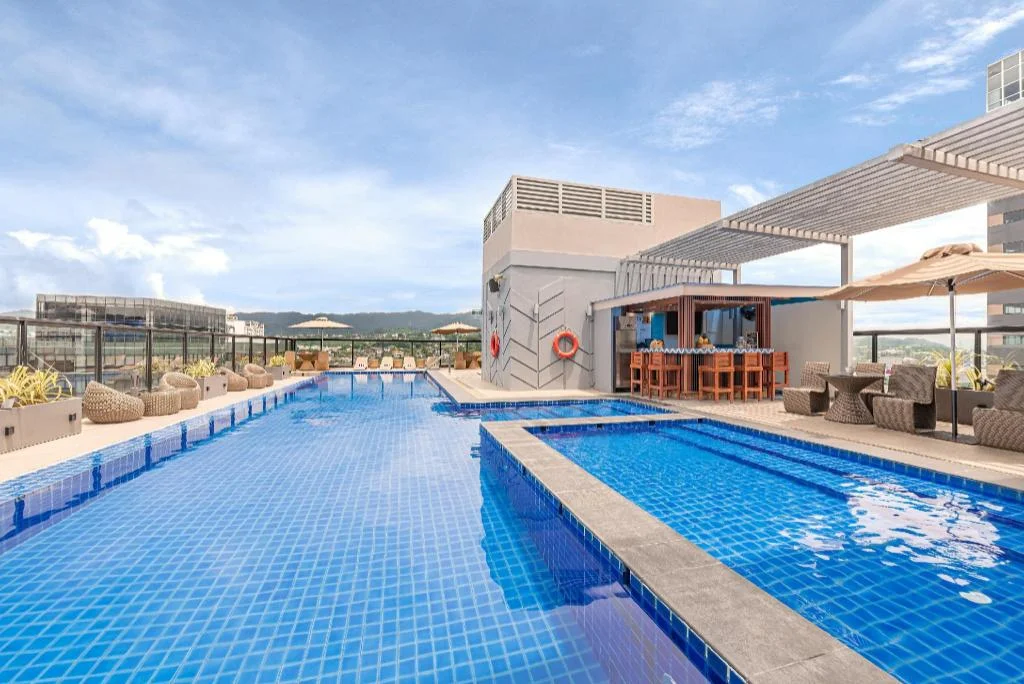
Seda Central Bloc Cebu City
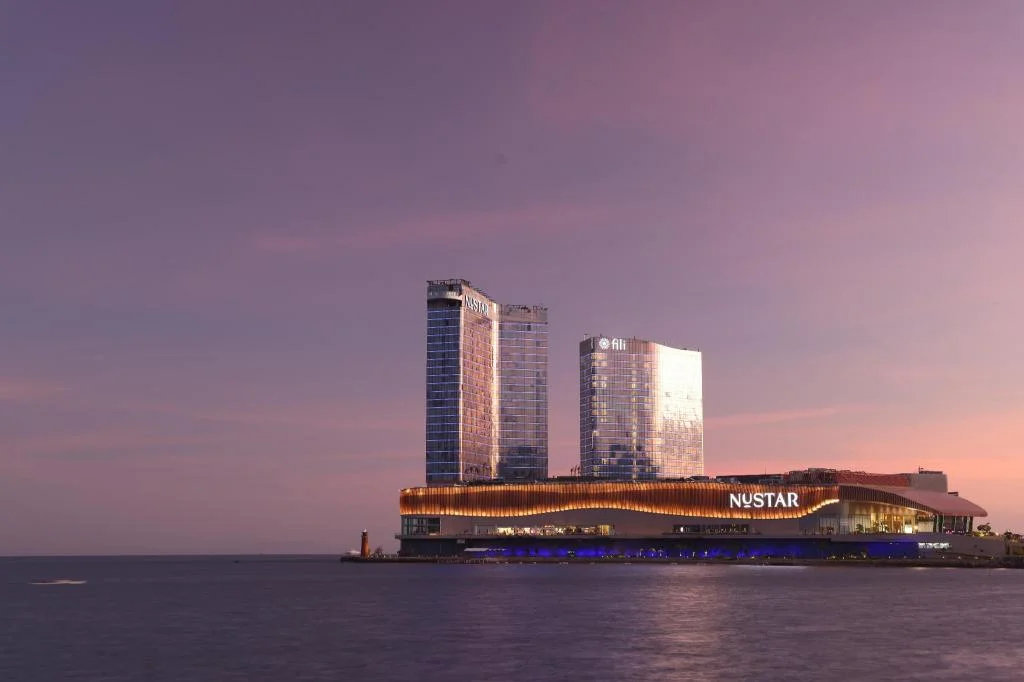
Fili Hotel - NUSTAR Resort & Casino Cebu
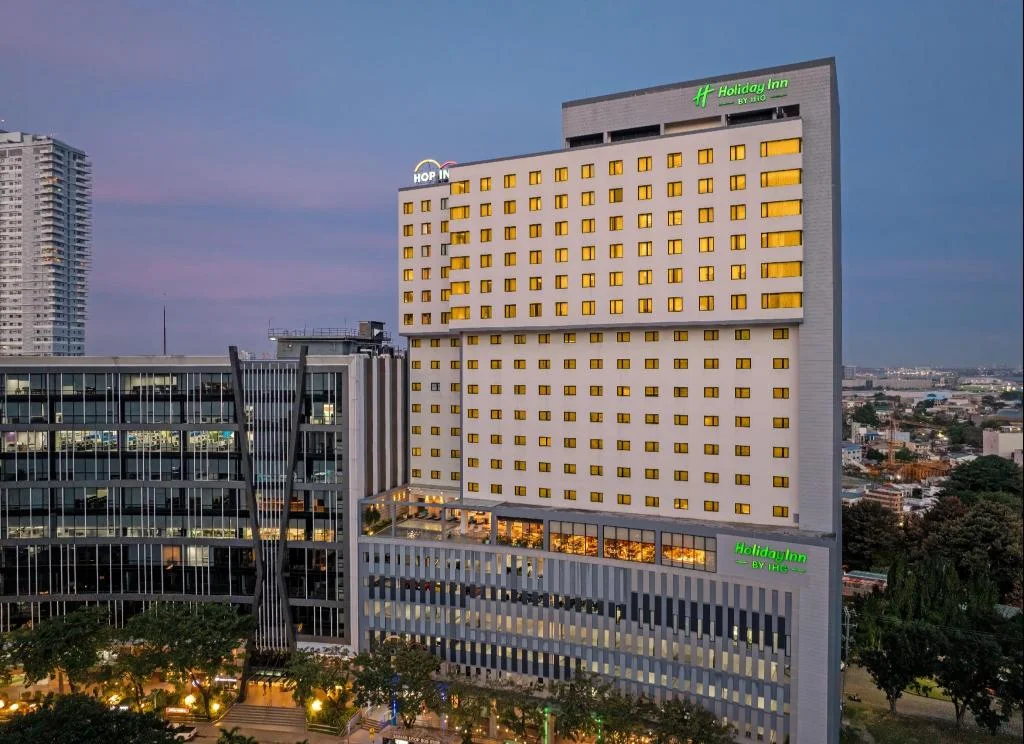
Holiday Inn Cebu City By IHG

Citadines Cebu City
Prefer a rental? Vacation rentals near Cebu City
Self-catering condos and apartments — book the exact unit, kitchen included.
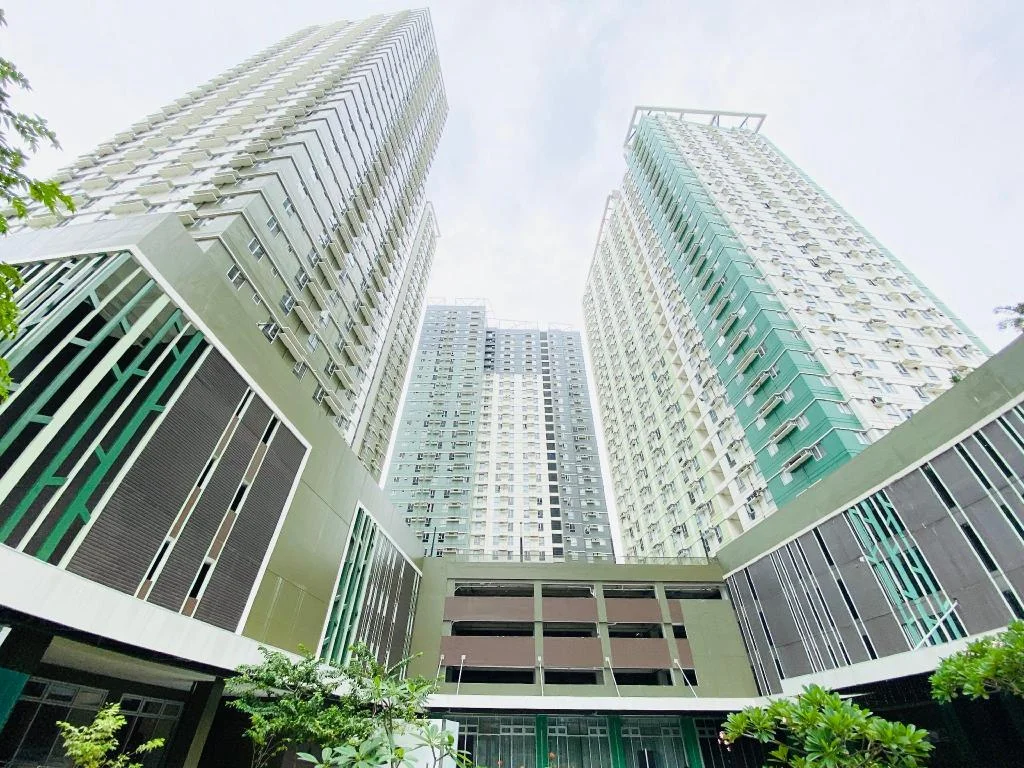
Cebu Avida Riala by P&J

Special Big Loft Unit w/Fibreop Internet & Netflix
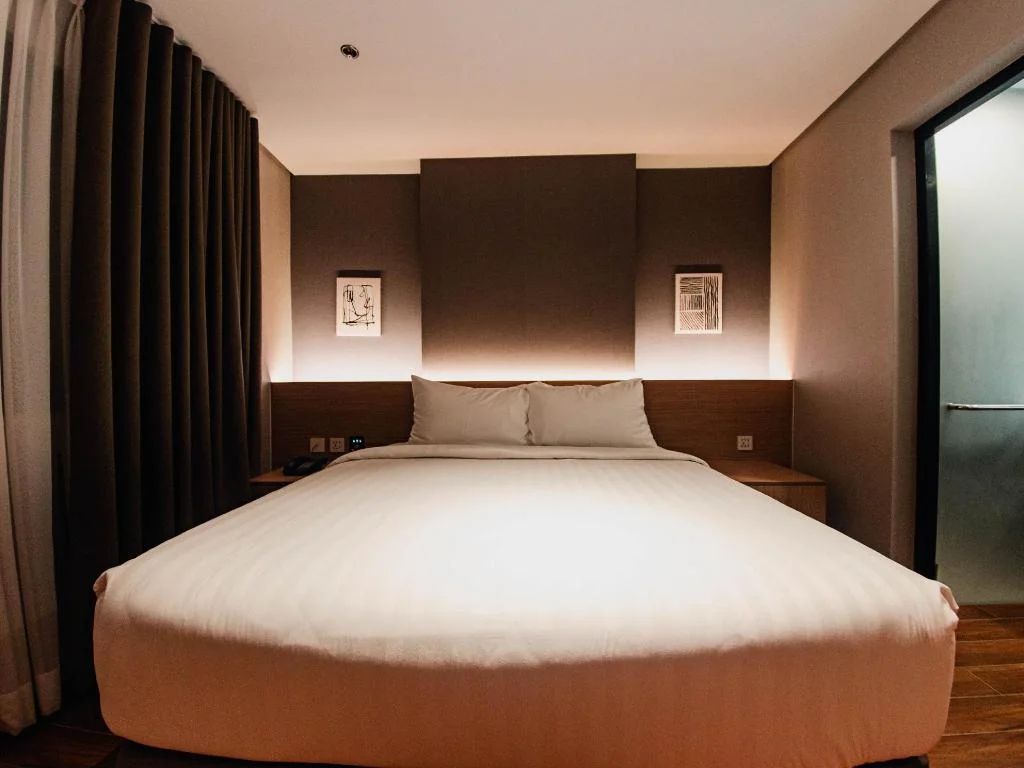
Moonstar Cebu Hotel - Deluxe Room
Before you go
Frequently asked
What's the cheapest way to eat well in Cebu?
How much does Larsian BBQ actually cost?
What is tuslob-buwa and is it safe to try?
Is food at Carbon Market safe to eat?
Can you get real Cebu lechon cheap?
Is Sugbo Mercado worth it if I'm on a tight budget?
Are mall food courts or fast-food chains a cheap option in Cebu?
How much should I budget per day for cheap eating in Cebu?
More Places to Explore
Colon Street
Cebu City
The oldest street in the Philippines, a historic commercial thoroughfare that has been Cebu's trading center since Spanish colonial times.
Carbon Market
Cebu City
Cebu's oldest and largest market (since 1909), offering an authentic local shopping experience with fresh produce, seafood, and traditional goods.