
TL;DR: Boljoon’s 18th-century fortress church (Archdiocesan Shrine of Patrocinio de Maria Santisima) is Cebu’s only National Cultural Treasure church and sits on UNESCO’s tentative list since 2006 as part of the proposed “Baroque Churches of the Philippines (Extension)” — it is not yet an inscribed World Heritage Site. The complex includes El Gran Baluarte, the largest fortified watchtower built in Cebu, plus a small parish museum with pre-Hispanic artifacts. It’s about 100 km / 2–2.5 hours south of Cebu City by Ceres Liner bus, sitting right on the highway roughly 13 km before Oslob — an easy 30–60 minute add-on to a south Cebu day trip. Verified July 2026.
Boljoon is a small municipality on Cebu’s southeastern coast that most travelers blow past on the way to Oslob’s whale sharks — which is a shame, because its church complex is one of the best-preserved pieces of Spanish-colonial defense architecture in the Visayas. Locals sometimes call it Cebu’s “postcard town” for the way the coral-stone church, bell tower, and sea line up in one frame. This guide is for anyone doing the south Cebu run (Oslob, Tumalog Falls, Sumilon Island) who wants to know whether a Boljoon stop is worth the extra 15–20 minutes, plus what you’ll actually see once you’re there: the church itself, the fortress-like bell tower, a small museum, and a quiet stretch of coastline. It pairs naturally with the Immaculate Conception Church in Oslob just up the road, and with a longer detour, the southernmost tip of Cebu in Santander.
Boljoon at a Glance
| What | Details |
|---|---|
| Distance from Cebu City | ~100–103 km, about 2–2.5 hrs by bus/car depending on traffic |
| How to get there | Ceres Liner bus from Cebu South Bus Terminal, signed “Bato via Oslob/Alcoy” or “Samboan” |
| Bus fare (one-way) | Roughly ₱180–250 non-aircon to aircon (~US$3–4.30) — confirm with conductor |
| Church hours | Generally open daytime; confirm mass schedule locally |
| Museum fee | Historically a small fee or donation-based (~₱20–50 in older listings) — confirm locally |
| Heritage status | National Cultural Treasure (2001), National Historical Landmark (1999), UNESCO tentative list (since 2006) |
| Distance to Oslob | ~13 km, roughly 20 minutes further down the same highway |
Verified July 2026.
Is Boljoon Church Actually a UNESCO Site?
Not yet — it’s on the tentative list, which is a candidate list, not an inscribed World Heritage Site. The Archdiocesan Shrine of Patrocinio de Maria Santisima (Boljoon Church) was added to UNESCO’s tentative list in 2006 as one of five churches proposed for “Baroque Churches of the Philippines (Extension),” a proposed expansion of the Philippines’ existing inscribed World Heritage Site (San Agustin Church in Manila, and the churches of Paoay, Santa Maria, and Miag-ao, inscribed since 1993). Being on the tentative list means the Philippine government has nominated it as a future candidate; it has not been formally inscribed, and there’s no public timeline for that to happen. If you see a claim that Boljoon Church is “already a UNESCO World Heritage Site,” that’s not accurate — say it’s UNESCO-tentative, not UNESCO-listed.
What Boljoon does hold, already confirmed, is domestic recognition: the National Museum of the Philippines declared it a National Cultural Treasure in 2001 — the only church in Cebu with that designation — and the National Historical Commission listed it as a National Historical Landmark in 1999.
What Makes the Church Complex Worth Seeing?
The church you see today was built from coral stone starting in 1783 under Fr. Ambrosio Otero, continued by Fr. Manuel Cordero from 1794, and completed by Fr. Julian Bermejo — the same Augustinian priest behind Cebu’s chain of coastal watchtowers built to guard against Moro raids. It functioned as both a place of worship and a defensible structure, which is why the surrounding walls and tower feel more like a small fort than a typical parish church.
The complex includes the main church, an L-shaped convent, and the remains of an old parish school (Escuela Catolica), all sitting on a low rise near the water. In March 2025, the church’s original hand-carved pulpit panels were reinstalled after conservation work by the National Museum — a reminder that this is a living restoration project, not a static ruin.
What Is El Gran Baluarte?
El Gran Baluarte is the fortified bell tower attached to the church — reportedly the largest watchtower structure built anywhere in Cebu. Part of Fr. Bermejo’s coastal defense network, it has walls said to be around two meters thick, a ground floor once used to hold captured raiders, and an upper level for weapons storage and the bell that warned the town of incoming attacks. It now functions as the church’s belfry. It’s the single most photographed structure in Boljoon after the church facade itself, and it’s the piece locals mean when they mention Boljoon’s “fortress wall.”
What’s Inside the Parish Museum?
The small museum inside the complex is split into three galleries — two of religious artifacts, one archaeological. The first two hold liturgical items, vestments, statues of saints, and handwritten manuscripts dating to the 1800s. The third gallery is the more unusual one: it displays items excavated from the parish grounds, including artifacts reportedly dated to the 15th century — evidence of a settlement in the area before Spanish contact. Entrance has historically been a small fee or a donation, and reported hours run daytime, Tuesday through Sunday — both worth confirming with the parish office since small heritage museums change hours without much notice.
How Do You Get to Boljoon From Cebu City?
Take a Ceres Liner bus from Cebu South Bus Terminal heading toward Bato via Oslob, Bato via Alcoy, or Samboan — all of them pass directly through Boljoon. The town sits about 100–103 km south of Cebu City on the coastal highway, which usually works out to 2 to 2.5 hours depending on traffic and how many stops the bus makes along Carcar and Dalaguete. Fares run in the same range as the Cebu–Oslob route, roughly ₱180–250 one-way (about US$3–4.30) depending on whether the bus is aircon or not — Boljoon is a shorter ride than the Oslob fare since it’s about 13 km before it, so expect to pay slightly less. Tell the conductor you want Boljoon poblacion or the church, since it’s a quick stop and easy to miss if you’re dozing. If you’re renting a car or hiring a private van with driver, Boljoon slots in as a 30–60 minute stop on the same drive south.
What Else Is There to Do in Boljoon?
Beyond the church complex, Boljoon is a quiet coastal town rather than a resort destination:
- The baywalk directly in front of the church has calm, clear water and is a pleasant spot for a sunset walk, though it’s not a big-name beach.
- Small beachfront resorts scattered around town (names like Granada Beach Resort and Palanas by the Sea come up in traveler write-ups) offer basic day-use or overnight stays for anyone wanting to linger.
- Eli Rock, a natural rock formation, and Boljoon’s small terraced rice paddies give the inland side of town a scenic, rural backdrop if you have time to wander beyond the church.
None of these are destination-in-themselves attractions — they’re reasons to stay an extra hour or two if the church has already won you over, not reasons to make Boljoon your main stop.
Should You Combine Boljoon With Oslob?
Yes — it’s a natural add-on, not a detour. Boljoon sits directly on the highway about 13 km before Oslob, so anyone doing Oslob’s whale shark watching or heading to Tumalog Falls is already driving past it. Ask your driver (or the bus conductor, if you’re on public transport) to stop for 30–60 minutes at the church on the way down or back up. If you’re going further south, the drive continues on toward Santander and the ferry crossing to Dumaguete, so a heritage-plus-whale-shark-plus-southern-tip day is realistic for anyone with a full day and a private vehicle. For a packaged version of the whale shark and canyoneering combo that a Boljoon stop pairs well with, compare south Cebu day tours on Klook.
The Honest Take
Boljoon rewards a specific kind of traveler — the one who actually cares about Spanish-colonial architecture and wants to see a fortress church that isn’t swarmed with tour buses. If that’s not you, be honest with yourself: it’s a modest town with one real headline attraction, and 30–60 minutes covers it comfortably. Don’t build an entire day trip around Boljoon alone.
The best time to visit is any weekday morning, since it’s rarely crowded even during Oslob’s peak season — a genuine contrast to how packed the whale shark area gets. Skip it if you’re short on time and have to choose between it and Tumalog Falls or the whale sharks themselves; those are the bigger draws for most first-time visitors. But if you’ve already done Oslob once and are looking for something quieter and more historical on a repeat trip south, Boljoon is one of the better under-the-radar stops in the province.
If you need a place to base yourself for a south Cebu heritage-and-whale-shark run, check hotel options in Oslob on Agoda — staying overnight nearby means you can hit Boljoon Church at opening time before the day’s tour groups arrive at Oslob.
Sources
- Baroque Churches of the Philippines (Extension) — UNESCO World Heritage Centre tentative list
- Baroque Churches of the Philippines — inscribed UNESCO World Heritage Site
- Boljoon Church — Wikipedia
- Boljoon Church Museum: A National Treasure of Cebu — Vigattin Tourism
- Bus routes and fares cross-checked against current Cebu South Bus Terminal / Ceres Liner route reporting for the Cebu–Oslob–Bato corridor. Verified July 2026.
Getting There From Cebu City
Boljoon is a worthwhile detour if you’re already making the long drive south for whale sharks or waterfalls — a fortress church, a genuinely historic watchtower, and a small museum that most tourists skip entirely. Read the full south Cebu travel guide for how it fits into a longer itinerary, check the Immaculate Conception Church page for what’s waiting 13 km further down the road, and browse South Cebu tour options on GetYourGuide if you’d rather book the whole run as a package.
Book Tours & Hotels for This Trip
Find and book the best deals — prices and availability update in real time. Links open in a new tab.
Where to stay near Oslob
Top-rated hotels for this trip — tap through to check live rates.
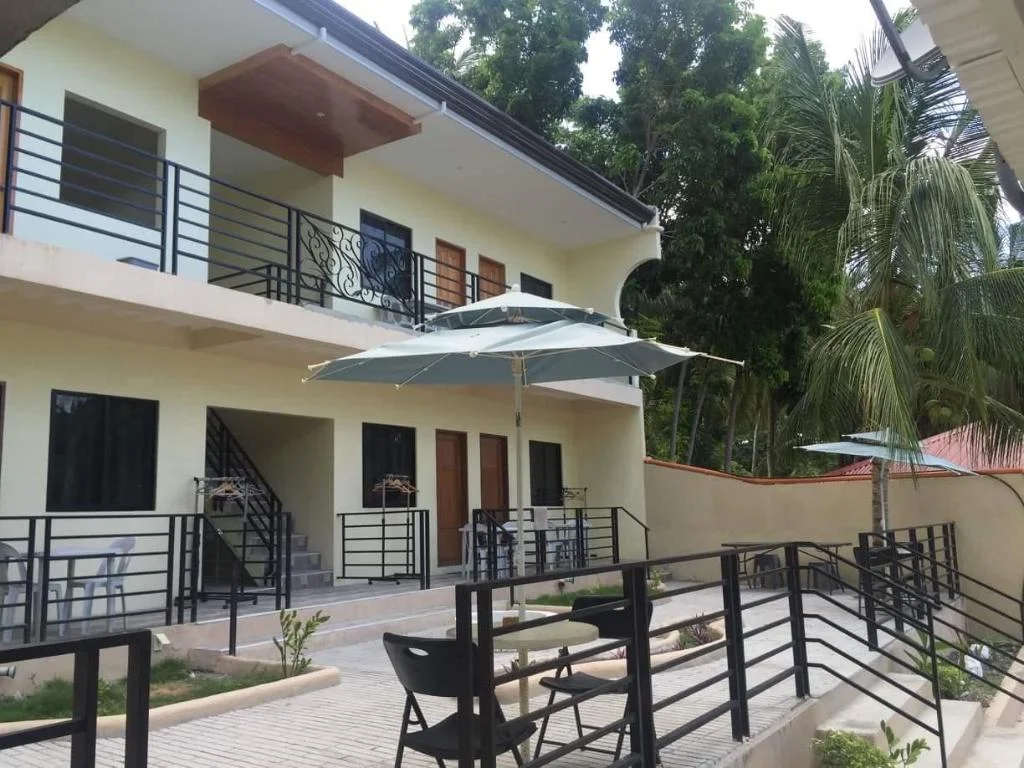
Joaquim's Lodge
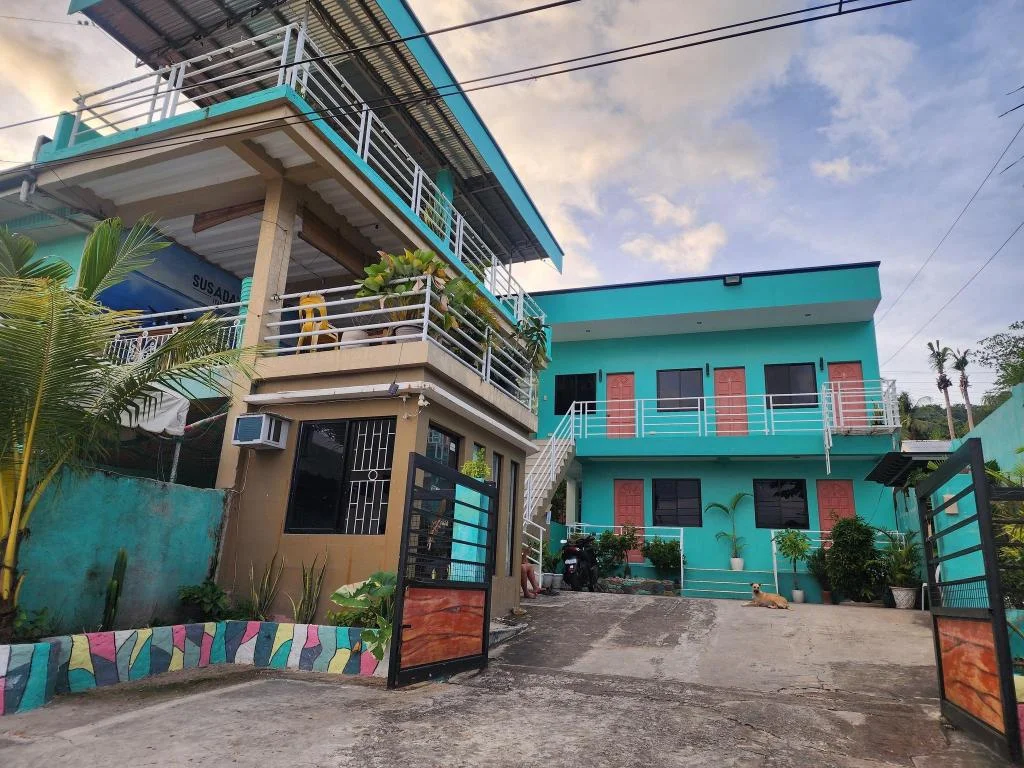
Susada's Inn
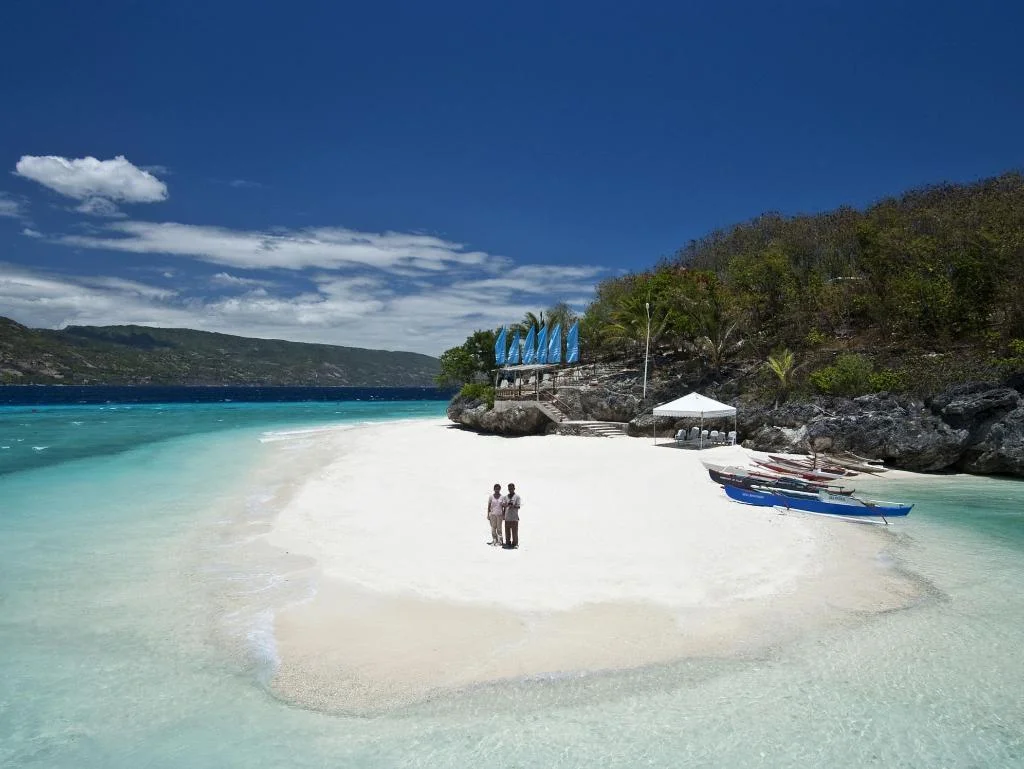
Bluewater Sumilon Island Resort
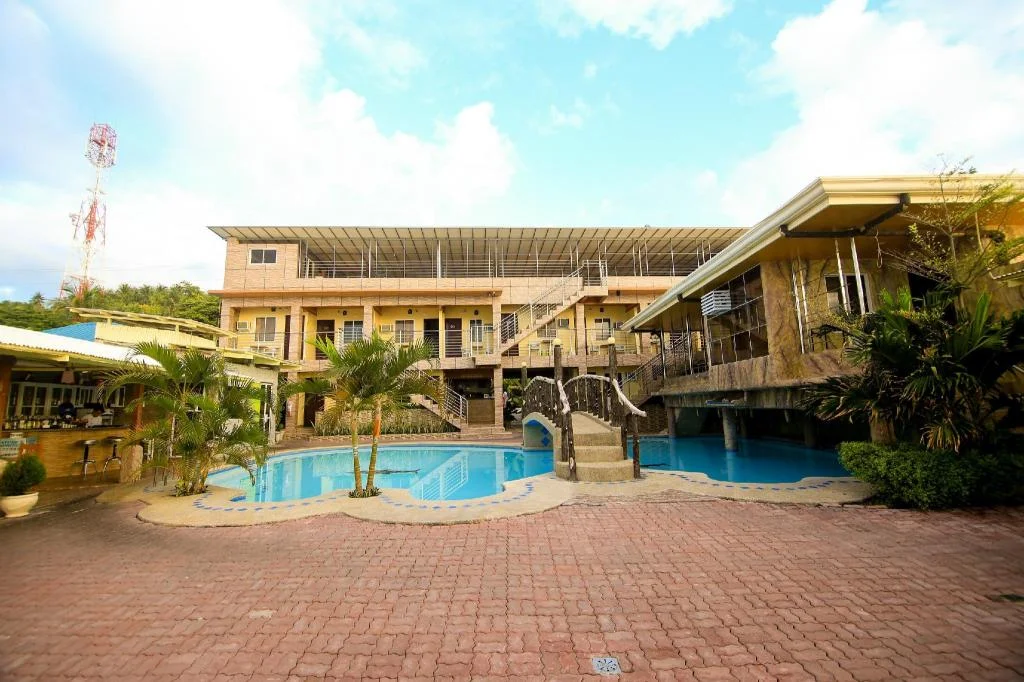
Ging-Ging Hotel & Resort
Prefer a rental? Vacation rentals near Oslob
Self-catering condos and apartments — book the exact unit, kitchen included.
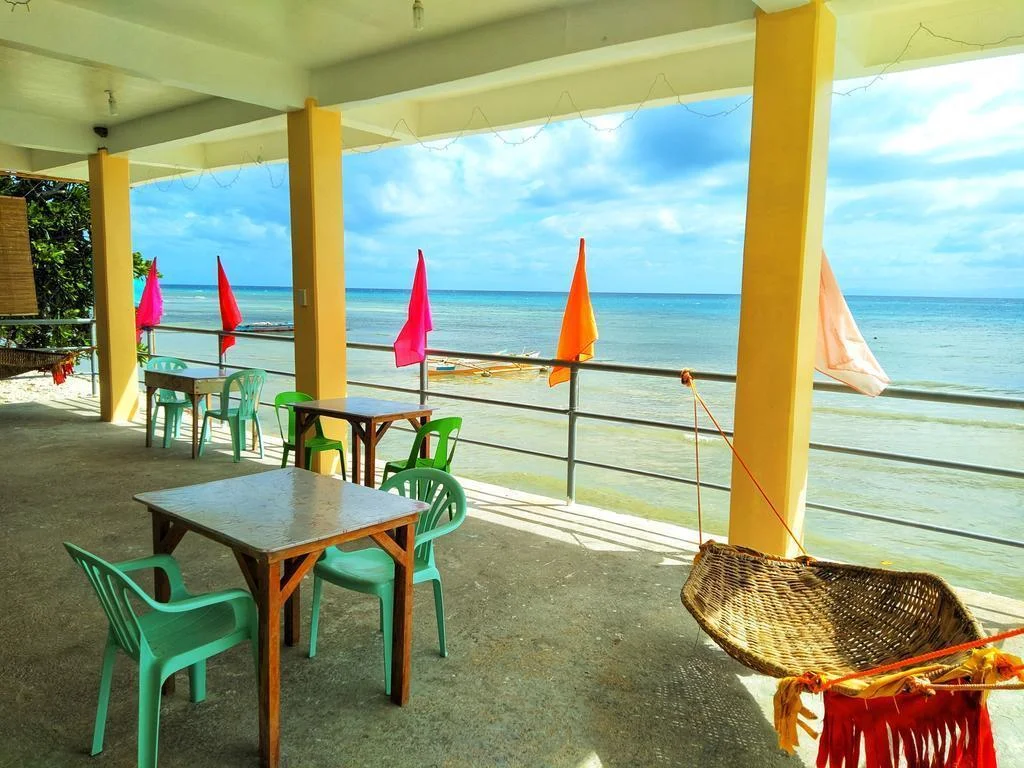
Ocean View Lodging House
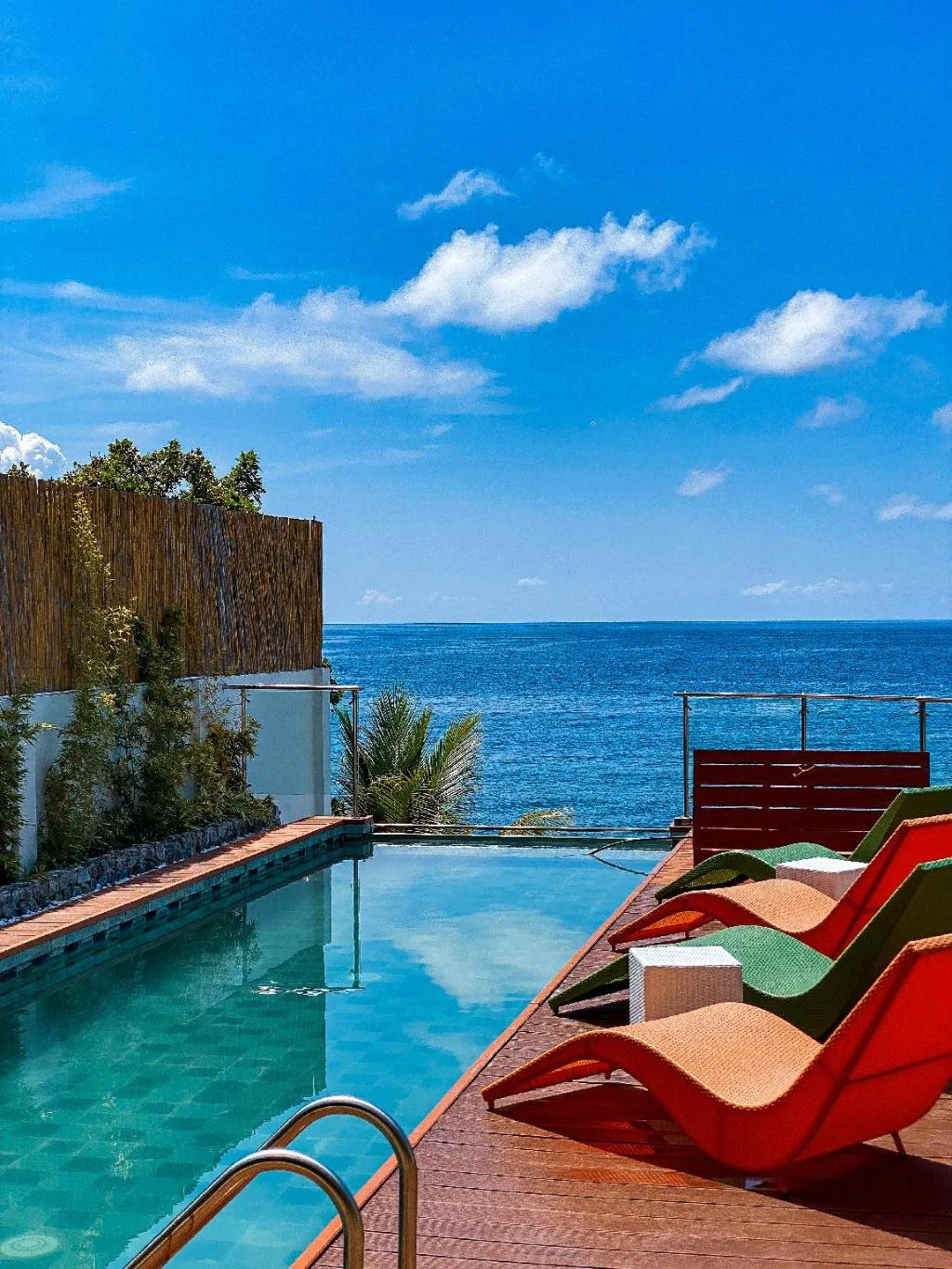
The South Hideaway Oslob
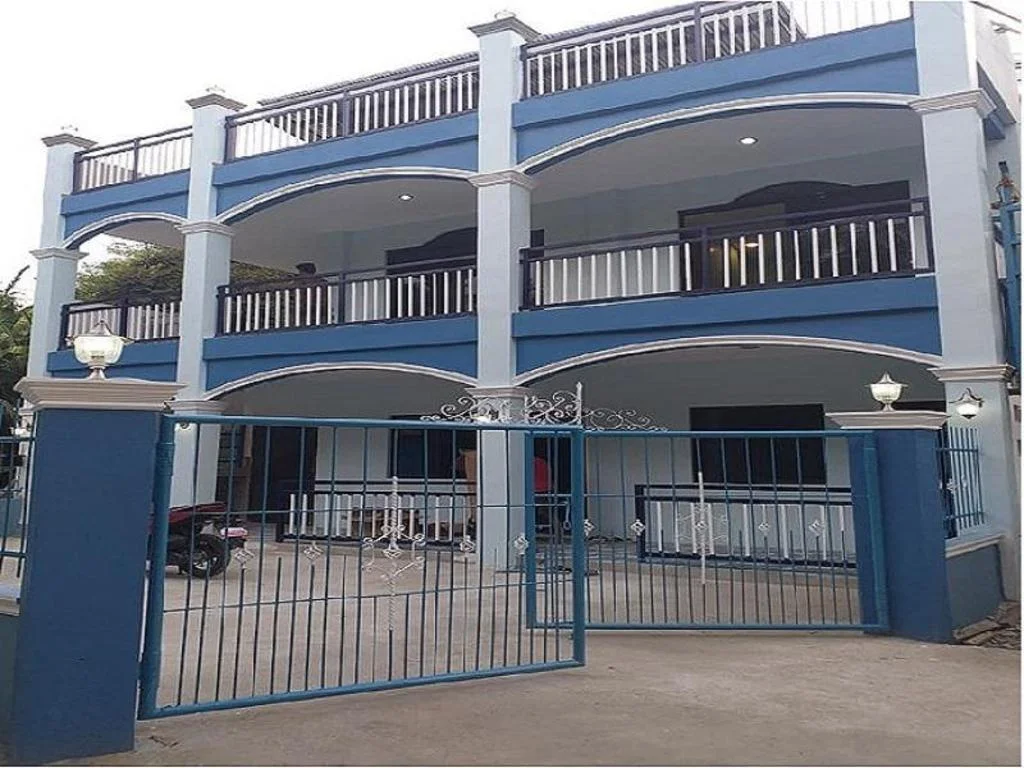
Azulea Family Deluxe 1 * own CR, shower, AC, TV
Before you go
Frequently asked
Is Boljoon Church a UNESCO World Heritage Site?
Why is Boljoon Church a National Cultural Treasure?
What is El Gran Baluarte?
How do you get to Boljoon from Cebu City?
How much is the Boljoon Parish Museum entrance fee?
Can you combine Boljoon with Oslob in one day trip?
Are there beaches in Boljoon?
Is Boljoon worth visiting?
More Places to Explore
Immaculate Conception Church
Oslob
A National Cultural Treasure built in 1830, this coral stone church is a magnificent example of Spanish colonial religious architecture.
Southernmost Tip of Cebu
Santander
A scenic geographical landmark marking the extreme southern point of Cebu Island, offering panoramic strait views and memorable photo opportunities.