
TL;DR: January is Cebu’s best all-round weather month — warm days around 29°C, cool nights near 24°C, and only about 130mm of rain over 12 days. It’s also the month of Sinulog, Cebu’s biggest festival, with the 2027 grand parade on Sunday, January 17. That one weekend brings huge crowds, doubled hotel rates, and downtown road closures to Cebu City; the rest of the island and the rest of the month run close to normal. Book flights and hotels 2–3 months ahead if your trip touches Sinulog weekend, otherwise the usual 4–8 weeks is fine. Verified July 2026.
January is the month Cebu shows up in its best shape: the rains ease off, the air cools down a few degrees, and the seas around Moalboal and Malapascua settle into their calmest stretch of the year. It’s also, not coincidentally, when the island throws its biggest party — the Sinulog Festival, built around the Basilica del Santo Niño and its centuries-old devotion to the Holy Child. That overlap makes January a genuinely great time to visit Cebu, but it also means one specific week looks very different from the other three. This guide breaks down the weather you’ll actually get, what Sinulog changes (and what it doesn’t), whether to plan your trip around the festival or away from it, and how far ahead to book either way.
Cebu in January at a Glance
| What | Details |
|---|---|
| Average temperature | 24–30°C (highs ~29.7°C, lows ~24°C) — the coolest month of the year |
| Rainfall | ~130mm over ~12 days — mostly short showers, not all-day rain |
| Season | Amihan (northeast monsoon), dry-season conditions, generally sheltered from typhoons |
| Sinulog 2027 grand parade | Sunday, January 17, 2027 (always the third Sunday of January) |
| Hotel prices, festival week | Often double or triple normal rates near the parade route; ~90% occupancy days before the event |
| Book-ahead window (festival week) | 2–3 months for flights and hotels |
| Book-ahead window (any other January week) | 4–8 weeks is usually enough |
| Sea conditions | Generally calm (amihan dry season); exposed coasts can still get wind chop on any given day |
Verified July 2026.
What’s the Weather Like in Cebu in January?
January is warm, comparatively dry, and the coolest month Cebu gets. Expect daytime highs around 29–30°C and nights dipping to a genuinely comfortable 24°C — enough of a difference from April’s 33°C peak that locals actually reach for a light jacket in the evening. Rainfall averages around 130mm spread across roughly 12 days, which sounds like a lot until you realize it’s mostly brief afternoon showers rather than the sustained downpours of habagat season (June–November). Cebu also sits in a relatively sheltered pocket of the Visayas, so typhoon risk this time of year is low compared to islands further north and east.
Pack for both ends of it: swimwear and light, breathable clothes for daytime, plus a rain jacket or umbrella for the odd shower, and a light layer for evenings up in the hills around Kawasan Falls or Cebu City’s Busay area, where the air runs noticeably cooler than at sea level.
Does the Sinulog Festival Change Your Trip?
Only if you’re in Cebu City on parade weekend — the rest of the province runs close to normal. Sinulog 2027’s grand parade falls on Sunday, January 17, with the dawn fluvial procession and solemn foot procession the day before on Saturday, January 16, and a nine-day novena at the Basilica building up to it. For the full rundown — parade route, ticket prices, what you can and can’t bring — see our dedicated Sinulog Festival guide.
What actually changes:
- Downtown Cebu City closes to traffic from the early hours of parade day, and taxis and Grab can’t reach the route.
- The South Bus Terminal shuts for the day, so south-bound trips to Oslob, Moalboal, or Kawasan Falls need to route around it or happen on a different day.
- Hotels near the route sell out and roughly double in price, with occupancy in downtown Cebu City commonly hitting around 90% in the days just before the event.
What doesn’t change much: Moalboal, Oslob, Bantayan, and Malapascua all keep running on a normal schedule, aside from heavier weekend road traffic feeding out of Cebu City and slightly fuller resorts as some visitors extend a Sinulog trip into a beach week.
Should You Visit For Sinulog, or Avoid It?
Come for Sinulog if you love big, loud, crowded festivals — plan around it if you don’t. There’s no wrong answer here, just a trade-off to be honest with yourself about.
Reasons to come for the festival:
- It’s one of the largest and most photogenic street festivals in the Philippines — drums, feathered costumes, a genuine devotional core.
- The Saturday processions (fluvial and solemn foot) carry the religious meaning with a fraction of the Sunday parade’s chaos, if you want less crowd.
Reasons to visit a different January week instead:
- You get the same excellent dry-season weather without the hotel markup, the crowds, or the no-drive zone.
- Beaches, waterfalls, and dive sites are all at their best in January regardless of the festival — you’re not trading away the weather by skipping Sinulog.
- Whale shark tours and canyoneering trips run on normal schedules and normal prices outside festival week.
If your travel dates are flexible, shifting a beach-and-waterfalls trip to the first or last week of January — instead of the third weekend — gets you the same climate for a fraction of the hassle and cost.
What Should You Do in Cebu Beyond the Festival?
Use the dry season for the things that need calm water and clear sky. January’s conditions are close to ideal for:
- Whale shark watching in Oslob — runs daily, though see the section below on monsoon timing.
- Canyoneering and swimming at Kawasan Falls — the falls run at a manageable volume in dry season, versus the swollen, muddier flow you sometimes get after habagat rains.
- The Moalboal sardine run — happens year-round just off Panagsama Beach, and January’s calmer amihan seas generally mean better visibility for snorkeling over the shoal and the reef wall nearby.
- Island hopping around Mactan and the Camotes — dry-season seas make for smoother boat rides and better underwater visibility for snorkeling stops.
- Hiking Osmeña Peak and the Busay/Sirao hills — cooler air up top makes January one of the more comfortable months for a sunrise trek.
Compare island-hopping and canyoneering tours on Klook if you want the logistics (transport, guide, gear) handled for you rather than arranging transport and permits yourself.
Are the Seas Calm Enough for Whale Sharks and Island Hopping?
Mostly yes, with one caveat: early January still sits inside the northeast monsoon, so conditions improve as the month goes on. The amihan season (November–May) generally brings calmer water and clearer visibility than the June–November habagat months, and dive visibility around Moalboal and Malapascua can run 20–30 meters at its best. That said, January isn’t the flattest-calm stretch of the whole dry season — many operators and divers rate late January through March as the smoothest window, once the strongest monsoon winds ease off.
For whale shark watching in Oslob specifically, strong wind and rough seas during the monsoon can occasionally shorten hours or pause boats for safety, even though the feeding (and therefore the sightings) happens daily regardless. If swimming with whale sharks is a non-negotiable part of your trip, build in a spare day or two of flexibility rather than scheduling it for your one full day in the south. Search Oslob whale shark tours on Klook to compare operators and see current availability.
How Far Ahead Should You Book?
Two to three months out if any part of your trip touches Sinulog weekend; 4–8 weeks otherwise. Hotels along the parade route and around Fuente Osmeña and Cebu Business Park fill up months ahead of the festival, with occupancy citywide commonly reaching around 90% just days before the event, and rates that often double or triple versus a normal week. If you’re planning a January trip that has nothing to do with Sinulog, normal booking timelines apply — compare Cebu City hotel rates on Agoda 4–8 weeks out is typically enough to get a good rate and a real choice of areas.
If you do want to catch Sinulog and also want a quieter base, staying in Mactan, IT Park, or Mandaue keeps you at normal pricing while still within a reasonable ride of downtown on any day but the parade itself.
The Honest Take
January genuinely is one of the best months to be in Cebu — the weather does the heavy lifting, delivering cooler nights, drier days, and calmer seas than most of the rest of the year, festival or not. The catch is that the single most famous week to visit is also the most crowded, most expensive, and most logistically annoying, purely because of Sinulog. That’s not a knock on the festival; it’s genuinely worth experiencing once. It’s just not automatically the best week for beaches, diving, or a relaxed pace, and treating “visit in January” and “visit for Sinulog” as the same decision is where people trip up.
If you’re chasing the festival itself, go in with open eyes: book early, expect crowds and heat, and don’t plan a beach day for the Sunday of the parade. If you’re chasing Cebu’s dry-season weather and calm water, any other week in January delivers that just as well, at a fraction of the cost and stress — see our best time to visit Cebu guide for how January stacks up against the rest of the year, or our month-by-month weather breakdown if you’re weighing January against February or March instead.
Combine It With the Rest of Cebu
However you time it, January pairs naturally with Cebu City’s heritage core around the Basilica del Santo Niño, then south to Kawasan Falls and the Moalboal sardine run once you’re ready for beaches and dive sites. If Sinulog weekend is part of your plan, our Sinulog weekend itinerary lays out how to fit the festival and a few days of island time into one trip without the closures wrecking your schedule.
Sources
- Sinulog Foundation Inc. — official festival body (2027 date confirmation, schedule)
- Cebu climate and monthly weather data aggregated from Climates to Travel, Weather Atlas, and Weather2Travel (Cebu City January averages)
- Manila Times and Sunstar Cebu reporting on Sinulog 2026 hotel occupancy and pricing
- Oslob whale shark operator status pages and Cebu dive-operator seasonal guides (amihan/habagat conditions)
- Verified July 2026; confirm exact 2027 festival dates and any tour schedule changes closer to your travel date.
Ready to lock in your January dates? Check Cebu City hotel availability on Agoda early, especially if Sinulog weekend falls inside your trip.
Book Tours & Hotels for This Trip
Find and book the best deals — prices and availability update in real time. Links open in a new tab.
Where to stay near Cebu City
Top-rated hotels for this trip — tap through to check live rates.
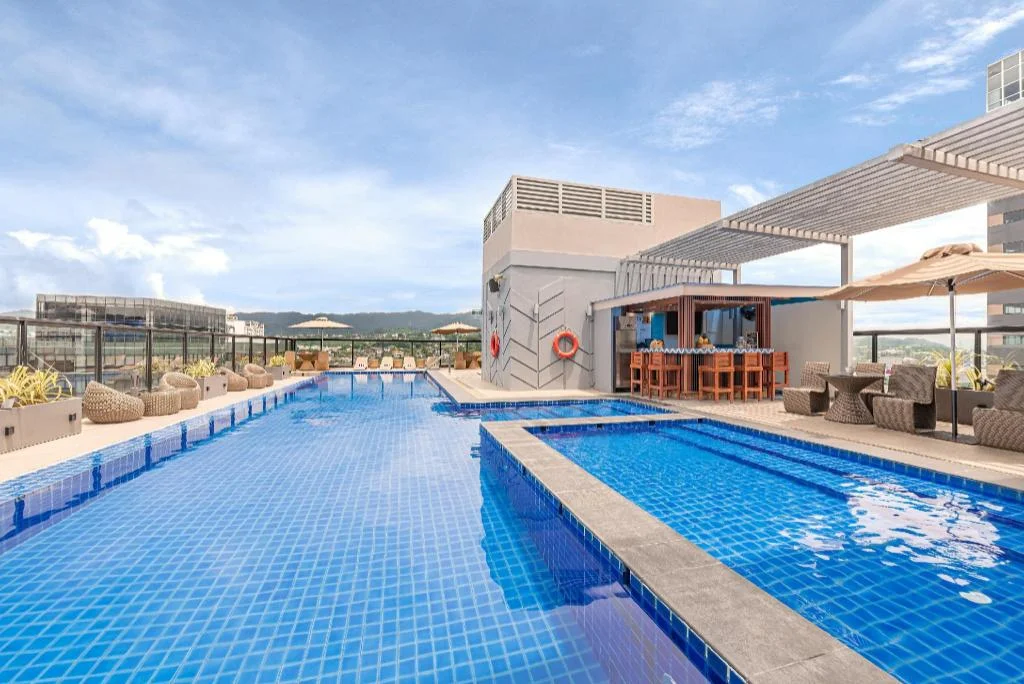
Seda Central Bloc Cebu City
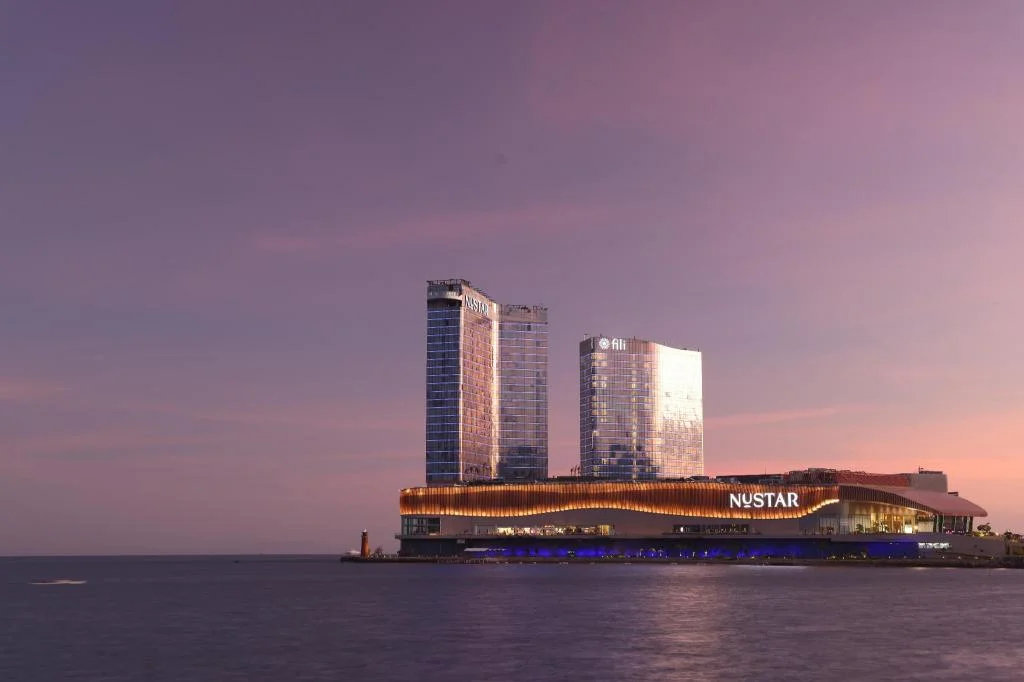
Fili Hotel - NUSTAR Resort & Casino Cebu
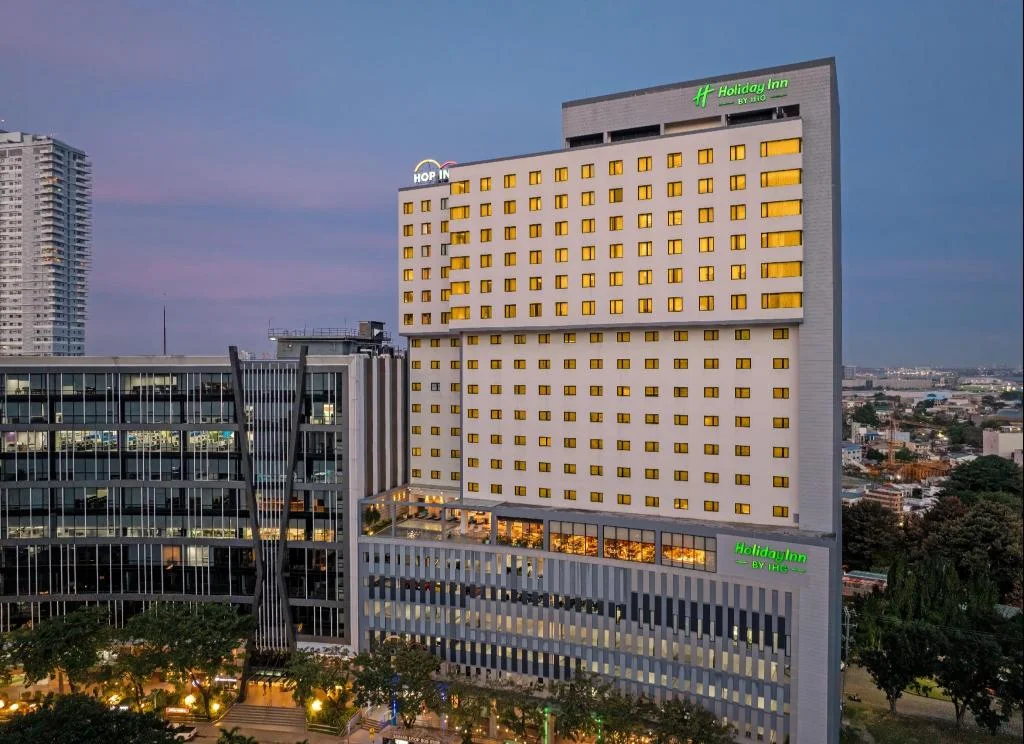
Holiday Inn Cebu City By IHG
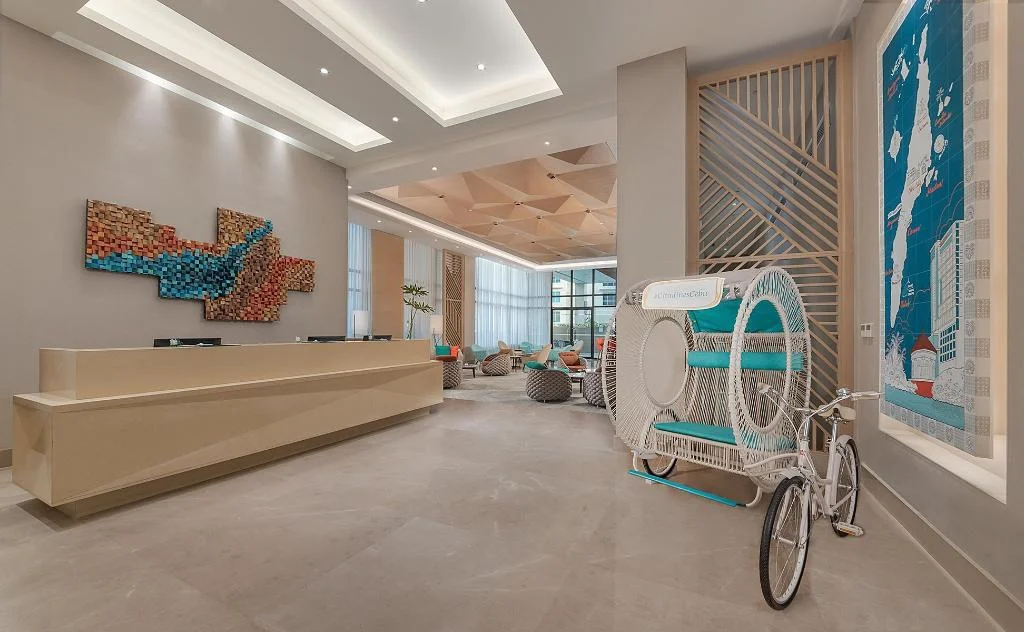
Citadines Cebu City
Prefer a rental? Vacation rentals near Cebu City
Self-catering condos and apartments — book the exact unit, kitchen included.
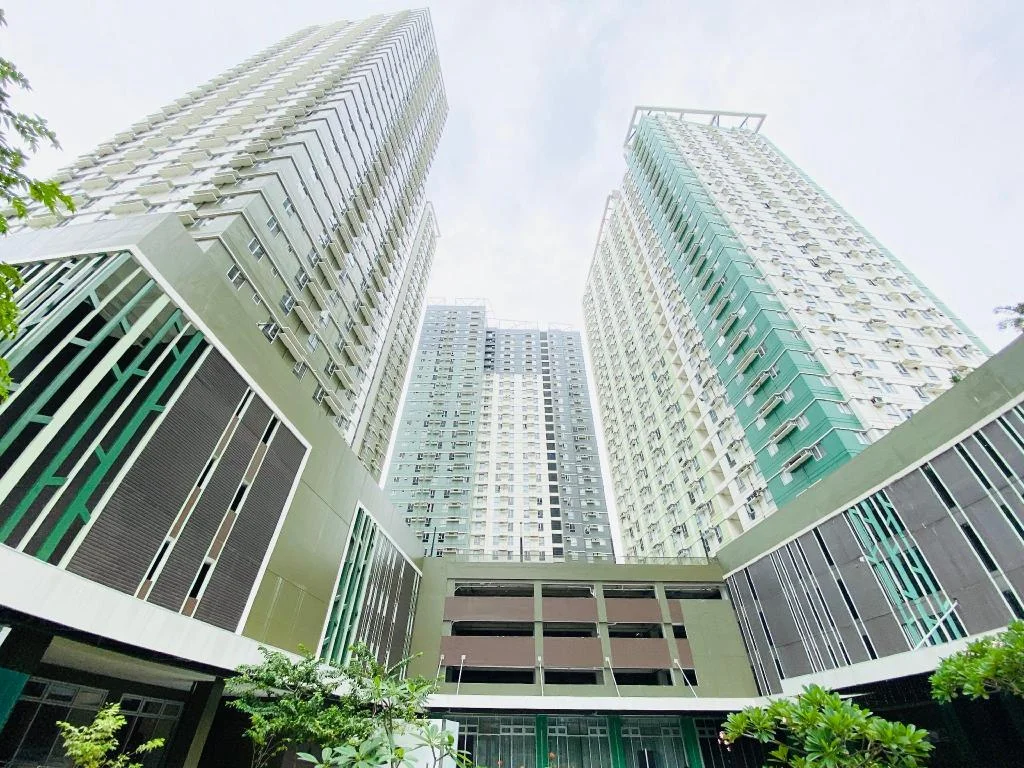
Cebu Avida Riala by P&J

Special Big Loft Unit w/Fibreop Internet & Netflix
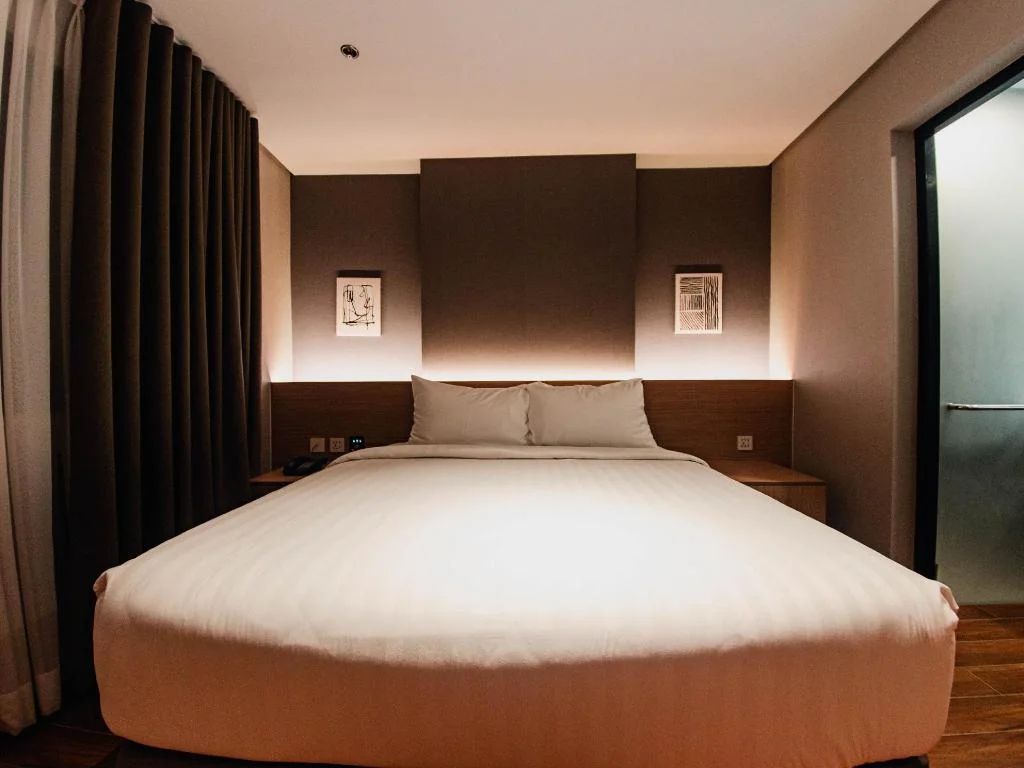
Moonstar Cebu Hotel - Deluxe Room
Before you go
Frequently asked
Is January a good time to visit Cebu?
Will Sinulog affect my trip if I'm not going to the festival?
What's the weather like in Cebu in January?
Can I still see whale sharks in Oslob in January?
Where should I stay in January if I want to avoid festival crowds?
How far ahead should I book flights and hotels for a January trip?
Is Sinulog worth planning a trip around?
Is the sea calm enough for island hopping in January?
More Places to Explore
Basilica del Santo Niño
Cebu City
The oldest church in the Philippines (1565), home to the miraculous Santo Niño image and center of the famous Sinulog Festival.
Kawasan Falls
Badian
A stunning three-tiered waterfall famous for its turquoise waters, bamboo raft rides, and as the endpoint of the famous Badian canyoneering adventure.
Moalboal Sardine Run
Moalboal
Swim with millions of sardines in one of the world's only year-round sardine runs, just meters from shore.