
TL;DR: Skip the money changer at Mactan-Cebu Airport if you can — it runs about 5-6% below the mid-market rate. Change a small amount there for your taxi and first meal, then get real rates from an independent money changer in the city: the cluster on Colon Street or the counters inside Ayala Center are the standard local picks. ATMs work fine too — expect a flat ₱250 (~US$4-5) foreign-card fee per withdrawal plus your home bank’s cut, with per-transaction limits around ₱10,000-20,000. Bring USD in clean, newer bills, keep your passport handy, and always ask for a mix of smaller notes. Verified July 2026.
If you’ve landed at Mactan-Cebu International Airport and you’re wondering whether to change money right there at the counter, the short answer is: change just enough to get you into town, then wait. This guide is for anyone bringing foreign cash to Cebu — first-time visitors, balikbayans carrying USD from abroad, and digital nomads figuring out the cheapest way to keep pesos in their pocket. It covers the airport, the money changers around Colon Street and Ayala Center, banks, ATM withdrawals, and the practical stuff nobody tells you until you’re standing at a counter with a stack of bills — bill condition, small denominations, and how much cash you actually need day to day.
Where Should You Exchange Money in Cebu?
Independent money changers in Cebu City beat the airport and usually beat banks, too. The city’s best-known cluster is on Colon Street, where storefront and kiosk changers post competitive boards and compete openly for your business. Ayala Center has changers as well — the one in the basement level near Rustans is a regular local recommendation, and there are more counters scattered around Fuente Osmeña Circle and General Maxilom Avenue (Mango Ave). All of these post their buy/sell rates out front, so it costs nothing to walk past two or three and compare before you commit.
| Option | Rate quality | Typical fees | Best for |
|---|---|---|---|
| Airport counters (CEB) | Worst — roughly 5-6% below mid-market | Built into the rate, no separate fee | A small emergency amount only |
| Colon Street money changers | Best in the city, close to mid-market | None — the rate is the cost | USD, EUR, larger amounts |
| Ayala Center / mall changers | Very good, occasionally a shade below Colon | None | Convenience, air-conditioned comfort, USD/EUR/GBP/AUD |
| Banks (BDO, Metrobank, etc.) | Fair, sometimes worse than changers | None to exchange cash; ₱250 per foreign ATM withdrawal | Large sums, less common currencies, an official receipt |
| ATM withdrawal (foreign card) | Mid-market minus fees — usually the best real value | ~₱250/transaction + your home bank’s foreign fee (1-3%) | Everyday spending without carrying a wad of cash |
Verified July 2026.
Is the Airport Money Changer a Rip-Off?
Not a scam, just a bad rate. Counters at Mactan-Cebu International Airport are licensed and legitimate — they’re just pricing in the fact that you’re a captive audience fresh off a flight. Reporting on airport exchange rates across the Philippines consistently puts CEB’s rates around 5-6% below the mid-market rate, worse even than what you’d get at Manila’s airport. Change only what covers your Grab or taxi into the city and a meal — a few thousand pesos is plenty — and do the rest of your exchanging once you’re in Cebu City proper.
Where Are the Best Exchange Rates in Cebu City?
Colon Street and the Ayala Center basement changers are the two names that come up again and again. On Colon, changers like Vhez Money Exchange and SLM Money Changer sit among the busy downtown storefronts and are used to tourists changing USD and EUR. At Ayala Center, the Drop By Foreign Exchange counter in the Rustans basement level is a frequently cited pick for better-than-mall-average rates, and the mall itself is an easy, air-conditioned stop if you’re already there — pair it with a stop at the Ayala Center guide for what else is in the complex. Fuente Osmeña Circle and General Maxilom Avenue also have standalone changers if you’re staying near IT Park or downtown and don’t want to detour to the mall.
Rates move day to day and changer to changer, so the habit that actually pays off is comparing two or three postings before you exchange — it takes five minutes and the spread between changers can be meaningful on a few hundred dollars.
Should You Use a Bank Instead?
Only if you’re changing an unusual currency or a large sum and want an official paper trail. Banks like BDO and Metrobank do exchange cash, but their posted rates are frequently no better — and sometimes worse — than a good money changer, and the process is slower: banking hours only, a queue, and your passport recorded for the transaction. Where banks pull ahead is for currencies smaller changers won’t touch, or if you’d simply rather deal with a bank counter than a sidewalk kiosk. For USD and EUR in normal tourist amounts, a reputable money changer is faster and usually cheaper.
Is It Better to Withdraw Cash From ATMs?
For most travelers, yes — ATMs give you close to the real mid-market rate, and the fees are predictable. Philippine banks typically charge foreign cards a flat ₱250 (about US$4-5) per withdrawal, and your own bank may add its own foreign transaction fee on top. Per-transaction dispense limits generally sit around ₱10,000-20,000, so a bigger withdrawal just means doing it in two taps rather than one. Stick to ATMs inside malls — SM, Ayala, Robinsons — rather than standalone street machines, which carry a higher skimming risk.
If you’re using a travel-specific card, the math can favor you further: Wise cards typically give a monthly fee-free withdrawal allowance (around ₱13,000) before a low charge applies, and similar multi-currency cards offer comparable free tiers before a small percentage fee kicks in. For the day-to-day mechanics of ATMs, cards, and cash together, see our money in Cebu guide. Whichever card you use, always decline dynamic currency conversion (DCC) if the ATM offers to charge you in your home currency — say no and let it charge in pesos; DCC rates are almost always worse.
Which Currency Gets the Best Rate — USD, EUR, or Something Else?
USD is king in Cebu. It gets the tightest spreads, every money changer accepts it, and it’s the currency locals expect from foreign visitors. EUR, GBP, AUD, and CAD are all exchangeable at the bigger changers in Ayala Center and on Colon Street, just with a slightly wider spread than you’d get on dollars. If you’re carrying JPY, KRW, CNY, or another Asian currency, stick to the larger city-center changers rather than small street kiosks — not every counter deals in those currencies, and the ones that do will have noticeably worse rates than on USD.
How Much Cash Should You Bring to Cebu?
Enough for transport, markets, and anywhere that doesn’t take cards — the rest can come from an ATM as you go. As a rough guide, budget ₱1,500-3,000 a day in cash if you’re island-hopping, riding jeepneys, or eating at local carinderias and street stalls; less if you’re mostly at card-friendly restaurants and resorts. Carrying a large stack of foreign cash around Cebu isn’t necessary or particularly safe — exchange or withdraw in smaller batches instead. For a full daily number crunch, our budget breakdown walks through typical costs. And if you’re weighing cash against e-wallets, our GCash and Maya for tourists guide covers what those apps can and can’t do for a short trip.
Some tour operators let you prepay online instead of settling in cash on the day — browse and book Cebu tours and activities on Klook ahead of time and you’ll need less cash on hand for that part of the trip.
Tips for a Smooth Exchange
- Bring your passport. Every legitimate changer and bank asks for it; don’t expect to exchange without one.
- Bring clean, newer bills. Torn, stained, heavily creased, or marked-up notes get refused or docked at the counter — Philippine money changers are strict about condition.
- Ask for a mix of denominations. Taxis, sari-sari stores, jeepneys, and market vendors in the city — and especially in the provinces like Moalboal, Oslob, or Bantayan — often can’t break a ₱1,000 note. Ask the teller for smaller bills alongside the large ones.
- Compare before you commit. Rates are posted publicly; check two or three changers if you’re exchanging a meaningful amount.
- Negotiate on bigger amounts. Changing several hundred dollars or more, especially in USD or EUR, is where you have room to ask for a slightly better rate.
- Avoid unofficial street touts. Stick to storefronts and recognized kiosks rather than anyone approaching you on the sidewalk with an offer.
The Honest Take
Currency exchange in Cebu isn’t complicated, but it rewards a little patience. The single biggest mistake is changing a full trip’s worth of cash at the airport counter out of convenience or jet lag — that convenience costs you real money, routinely 5-6% off the top. The fix is simple: change a little at the airport, then handle the rest at a Colon Street or Ayala Center changer once you’ve settled in, or skip changing cash altogether and lean on ATM withdrawals for a rate close to mid-market.
If there’s an overrated worry here, it’s cash safety — Cebu money changers and mall ATMs are routine, low-drama transactions, not something to stress over. The bigger practical risk is arriving with only large bills and no ₱20s or ₱50s for a tricycle or a market stall, which is a genuinely common first-timer headache. Sort your denominations early and you’ll spend a lot less time fumbling for change on your first day.
Sources
- Wise — Best places to exchange money in Cebu City
- Wise — ATMs in the Philippines: locations, fees, and tips
- The Cebu Tourist — currency exchange and remit counters in Cebu
- Mactan-Cebu International Airport — official money exchange page
- Money-changer names, ATM fees, and airport-rate spread cross-checked against current traveler reporting (Tripadvisor Cebu forum, YouTrip Philippines ATM guide). Verified July 2026.
Getting your cash sorted is step one — once that’s handled, plan the rest of your trip around it. Check our budget breakdown for day-by-day spending, read up on common scams to avoid so your pesos stay in your pocket, and if you’d rather prepay some of the trip in your home currency, compare Cebu City hotels on Agoda before you land.
Book Tours & Hotels for This Trip
Find and book the best deals — prices and availability update in real time. Links open in a new tab.
Where to stay near Cebu City
Top-rated hotels for this trip — tap through to check live rates.
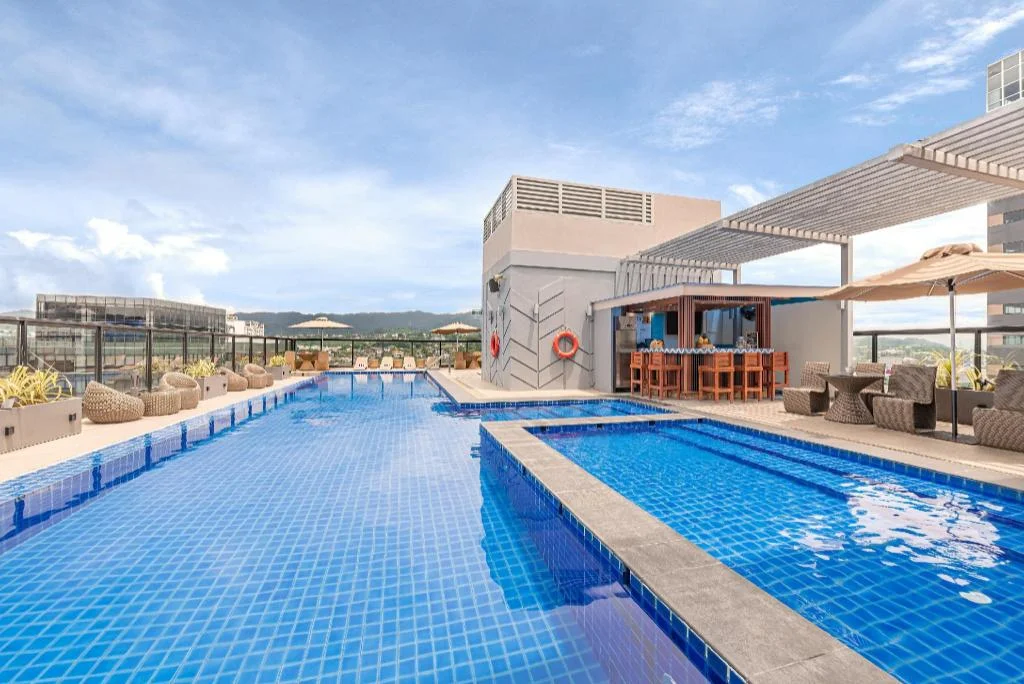
Seda Central Bloc Cebu City

Fili Hotel - NUSTAR Resort & Casino Cebu
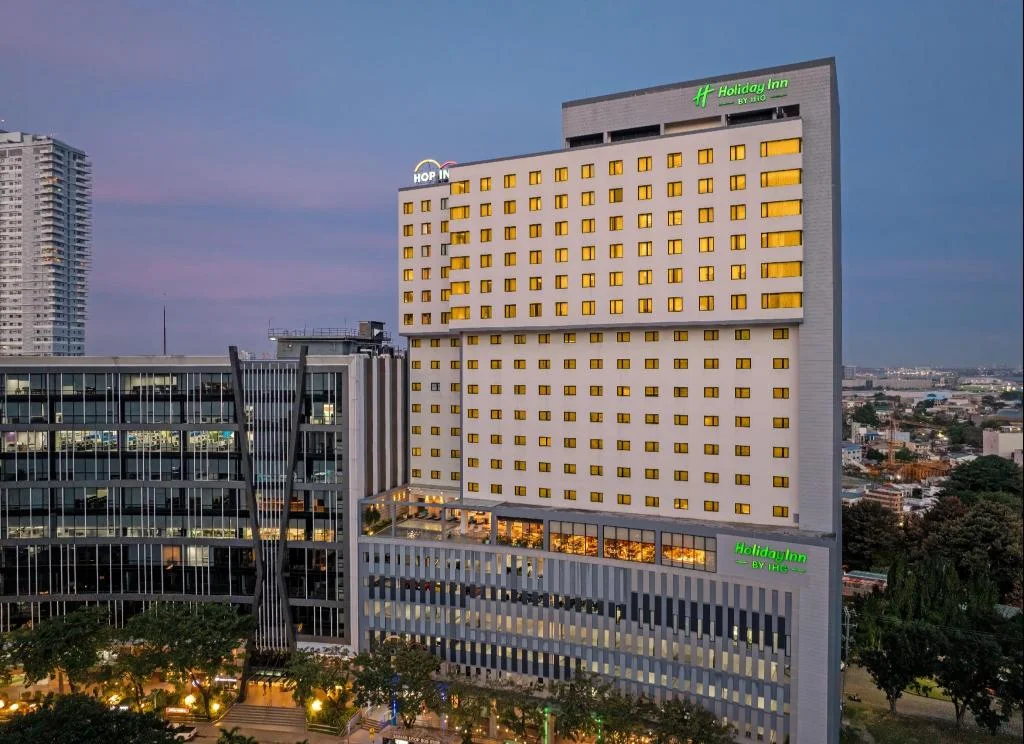
Holiday Inn Cebu City By IHG
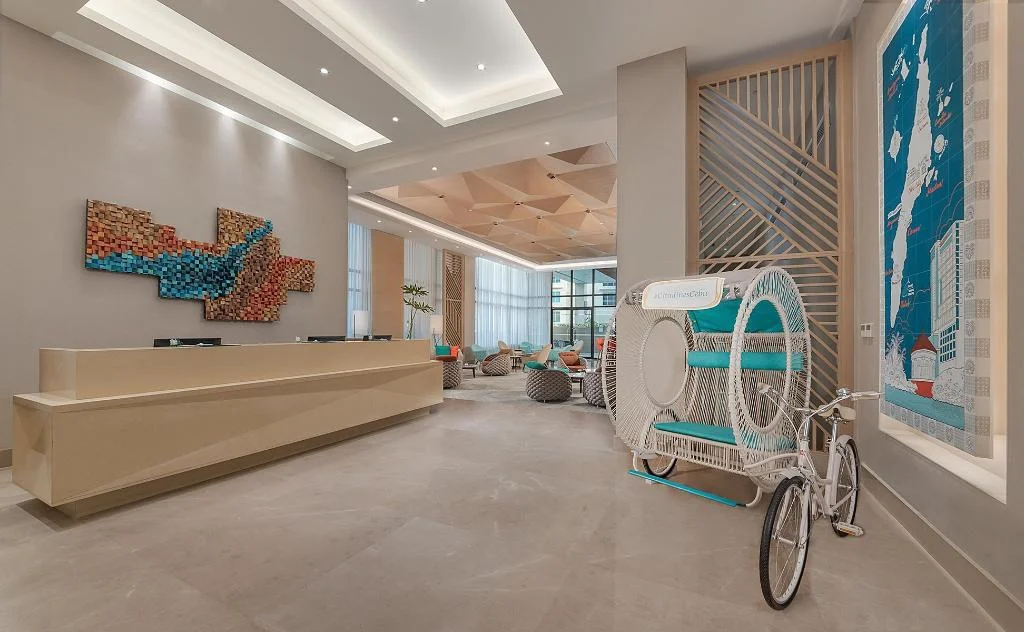
Citadines Cebu City
Prefer a rental? Vacation rentals near Cebu City
Self-catering condos and apartments — book the exact unit, kitchen included.
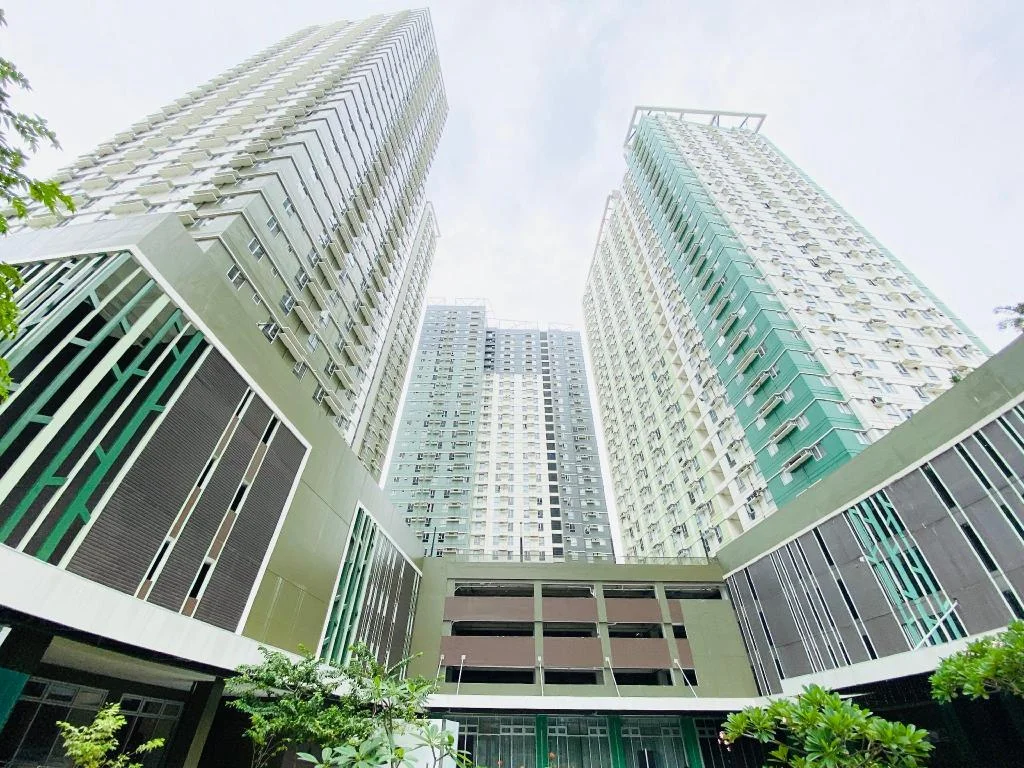
Cebu Avida Riala by P&J
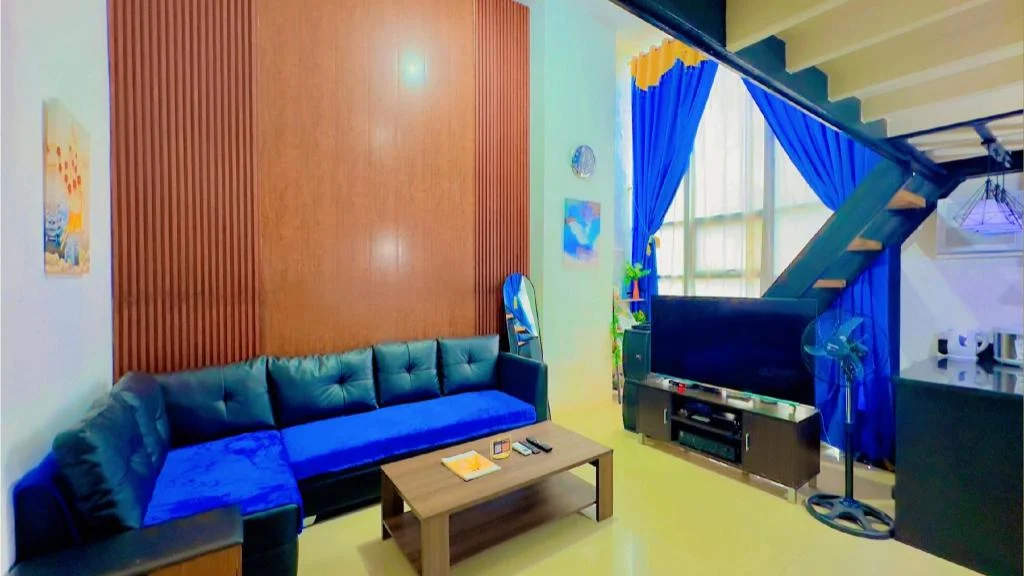
Special Big Loft Unit w/Fibreop Internet & Netflix
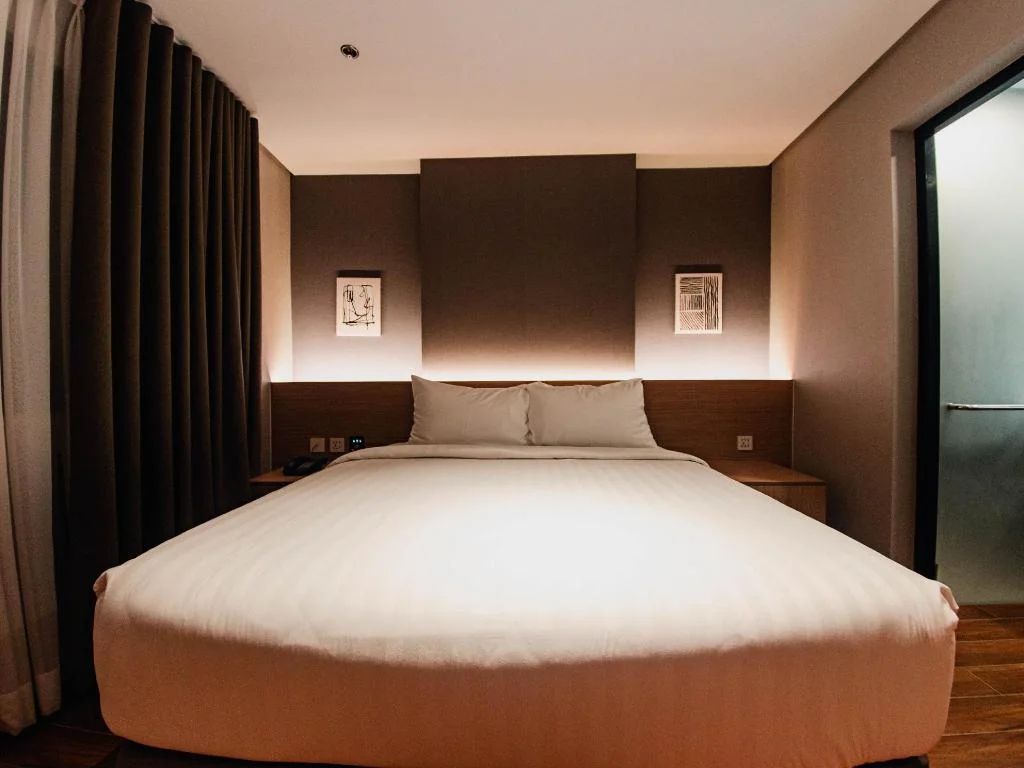
Moonstar Cebu Hotel - Deluxe Room
Before you go