
TL;DR: For most short-stay visitors, the honest answer is no, not easily — GCash’s standard account effectively requires an ACR I-Card that the Bureau of Immigration only issues after 59 days in-country, and its tourist-specific “GTourist” tier is currently limited to US (+1) numbers. Maya is more forgiving with a passport-based upgrade but still needs a Philippine SIM. Skip the hassle: a foreign Visa or Mastercard covers malls, hotels, and chain restaurants, and cash still runs the sari-sari stores, tricycles, and markets. Travelers from Singapore, Thailand, Malaysia, Indonesia, and South Korea can scan-and-pay directly through QR Ph’s cross-border link with their home apps. Verified July 2026.
If you’ve spent any time in a Cebu Facebook group or a balikbayan forum, you’ve seen the question: can I just use GCash like everyone else here? It’s a fair thing to want — GCash and Maya are how the Philippines pays for lunch, splits a tricycle fare, and tops up a SIM, and downtown strips like Colon Street run on QR codes as much as cash. But both apps were built to serve Filipino residents and long-term OFWs, not a visitor here for ten days, and their verification systems show it. This guide lays out exactly what a tourist can and can’t do with GCash and Maya right now, where the real friction is, and what to use instead so payments don’t eat into your trip.
What Actually Works for Paying in Cebu — Verified July 2026
| Option | Works for a short-stay tourist? | What you need | Best for |
|---|---|---|---|
| GCash (standard account) | Practically no | PH SIM + ACR I-Card (only issued after 59 days in-country) | Long-stay expats, OFWs |
| GCash GTourist | Yes, if eligible | Foreign passport scan + selfie, non-PH mobile number (currently US +1 only) | Short-term US travelers |
| Maya | Sometimes | PH SIM + passport-based upgrade | Visitors who already have a local number |
| QR Ph via home e-wallet | Yes, for some nationalities | Your own PayNow, PromptPay, TrueMoney, DuitNow, QRIS, KakaoPay, PayCo, or Naver Pay app | SG, TH, MY, ID, KR tourists |
| Foreign Visa/Mastercard | Yes | Chip-and-PIN or tap card | Malls, hotels, chain restaurants |
| Cash (PHP) | Yes, always | ATM withdrawal or currency exchange | Everywhere, especially the provinces |
Fees and eligibility change with little notice — treat the app-specific details above as a starting point and confirm inside the app before your trip. Verified July 2026.
Can Tourists Sign Up for GCash in Cebu?
Mostly, no — not in the way residents do. A standard GCash account is built around a Philippine mobile number and, for higher wallet limits and full verification, an Alien Certificate of Registration Identity Card (ACR I-Card). That card is only issued once a foreigner has stayed in the country beyond 59 days — the initial 30-day visa-free stamp plus the first 29-day extension — which rules it out for anyone on a normal one- or two-week trip. Travelers have also reported GCash’s automated document check rejecting foreign passports for standard-tier accounts.
GCash does run a purpose-built tourist product called GTourist, confirmed on GCash’s own help center: it lets a visiting foreigner use GCash for 30 days with a foreign passport scan and a selfie for verification. The catch, as of mid-2026, is that it currently only accepts a non-Philippine mobile number with the +1 (US) country code — GCash says it plans to roll out to more countries, but that hasn’t happened broadly yet. If you’re not on a US number, GTourist likely isn’t available to you yet; confirm the current eligible-country list in the app before you rely on it.
Is Maya Easier for Visitors?
It’s a step easier, but not friction-free. Maya’s account upgrade path leans on passport verification rather than requiring the ACR I-Card GCash’s standard tier expects, and some travelers who got stuck with GCash report getting through Maya’s process instead. That said, Maya still needs a Philippine mobile number to receive its one-time codes, so you’ll need a local SIM before you can even try. Verification outcomes vary by nationality and by how the app’s document scanner reads your particular passport, so don’t book a trip around the assumption it’ll work — treat it as a “worth trying if you’re staying a while” option, not a guarantee.
Where Do GCash and Maya Actually Get Used Here?
Everywhere a local shops, but not necessarily where you will. Sari-sari stores, food stalls at Carbon Market, tricycle drivers, and small restaurants across Cebu increasingly display a QR Ph sticker — the Bangko Sentral’s unified QR standard that any linked wallet or bank app can scan. For a resident, that means one QR code works whether they’re paying with GCash, Maya, or their bank app. For a tourist without a working local wallet, it just means you’ll pay cash or card at the same counter instead.
Can I Pay With My Home Country’s E-Wallet Instead?
Yes, if you’re from the right country. QR Ph has cross-border links that let visitors scan and pay Philippine merchants directly with their own app — no Philippine account needed. As of 2026, that covers PayNow (Singapore), PromptPay and TrueMoney (Thailand), DuitNow (Malaysia), QRIS (Indonesia), and KakaoPay, PayCo, and Naver Pay (South Korea). If you’re carrying one of those apps, look for the QR Ph logo at the counter and scan as you would at home. This does not extend to Alipay, WeChat Pay, Apple Pay, or most European and North American wallets — those travelers should plan on cards and cash.
Should I Just Use My Foreign Debit or Credit Card?
For most trips, yes — it’s the path of least resistance. Visa and Mastercard, tap or chip, are accepted at Ayala Center Cebu and SM malls, hotel chains, and most sit-down restaurants in Cebu City and Mactan. Check with your home bank about foreign transaction fees before you go — a card with no foreign fee will beat any e-wallet workaround on cost and hassle. Pair it with cash for the places cards don’t reach (see below), and you’ve covered nearly everything on a typical itinerary without touching a Philippine e-wallet at all.
Is Cash Still Necessary?
Yes, and it stays necessary the further you get from the city. Tricycle and jeepney fares, wet markets, sari-sari stores, and small resorts in places like Moalboal, Oslob, or Bantayan still run mostly on cash. Card and QR acceptance thins out fast outside Cebu City and Mactan’s tourist strip, so withdraw or exchange enough peso before a day trip south or north rather than assuming you’ll find a card machine.
ATMs are the simplest way to get cash. Most Philippine bank ATMs charge a foreign card roughly ₱200–300 (about US$3.50–5) per withdrawal, on top of whatever fee your own bank adds, and typically dispense ₱10,000–20,000 per transaction. HSBC’s branch in Cebu Business Park is the one locals point tourists to for fee-free foreign withdrawals with a higher per-transaction limit — useful to know, but it’s a single branch, so don’t plan your whole trip’s cash supply around reaching it. For comparing rates on cash exchange versus ATM withdrawals, see our currency exchange guide.
How to Handle Money in Cebu as a Tourist
- Under two weeks: Bring a no-foreign-fee debit or credit card, withdraw peso from a couple of reliable ATMs, and don’t bother with GCash or Maya at all.
- Staying a month or more, or coming back often: A Philippine SIM plus Maya (or GCash’s GTourist if you’re on a US number) starts to pay off — see our SIM and eSIM guide and our breakdown of getting a local bank account or GCash as a foreigner for the fuller process.
- From Singapore, Thailand, Malaysia, Indonesia, or South Korea: Keep your home e-wallet app handy and look for the QR Ph sticker — it’ll often work.
- Booking tours or hotels ahead of time: Pay by card online before you arrive and you sidestep the cash-vs-e-wallet question for that expense entirely. It’s worth checking Cebu tour availability on Klook or comparing Cebu City hotels on Agoda and locking in the big-ticket items with a card before you land.
- For the general rundown on cards and ATMs beyond e-wallets, see our money in Cebu guide.
The Honest Take
GCash’s tourist experience in 2026 is genuinely frustrating if you go in expecting it to work like it does for a resident. The standard account’s ACR I-Card expectation shuts out almost anyone on a normal tourist stay, and GTourist — while a real, welcome step from GCash — is still narrow enough (US numbers only, so far) that it won’t help most visitors yet. Maya is the more realistic option if you want to try an e-wallet at all, but success varies by traveler, and neither app is worth burning your first day in Cebu fighting a verification screen.
The unglamorous truth is that a card plus cash has always covered a Cebu trip just fine, long before GCash or Maya existed, and it still does. Save the e-wallet chase for a longer stay where the local number and the paperwork actually pay off.
Sources
- GCash Help Center — What is GTourist?
- Bureau of Immigration Philippines — visa waiver and ACR I-Card rules
- Bangko Sentral ng Pilipinas QR Ph standard and 2024–2025 cross-border QR interoperability reporting (PayNow, PromptPay, TrueMoney, DuitNow, QRIS, KakaoPay, PayCo, Naver Pay)
- Traveler and expat forum reports on GCash and Maya verification outcomes for foreign passport holders, 2024–2026 — treat as anecdotal, confirm current rules in-app
- ATM fee and branch information cross-checked against traveler ATM guides for the Philippines, 2025–2026. Verified July 2026.
Book Tours & Hotels for This Trip
Find and book the best deals — prices and availability update in real time. Links open in a new tab.
Where to stay near Cebu City
Top-rated hotels for this trip — tap through to check live rates.
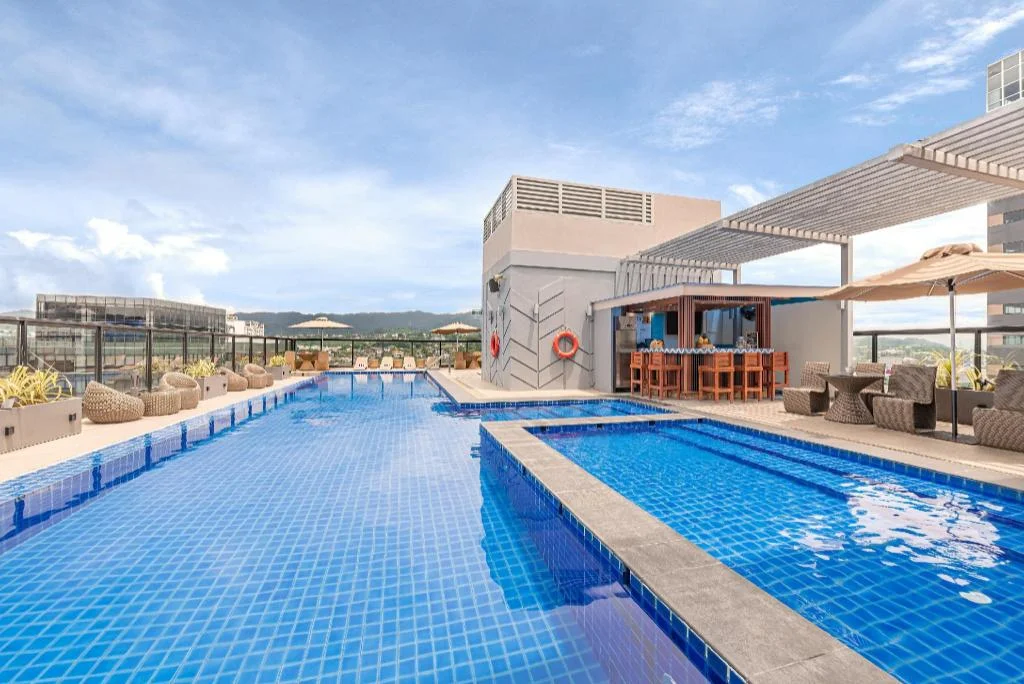
Seda Central Bloc Cebu City

Fili Hotel - NUSTAR Resort & Casino Cebu
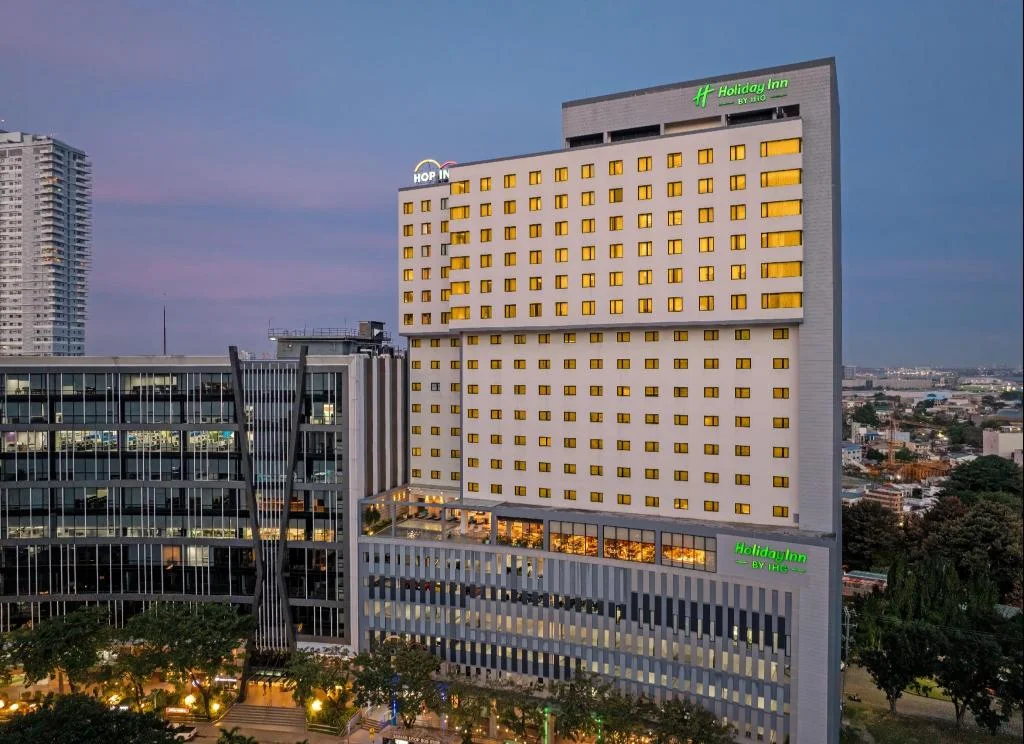
Holiday Inn Cebu City By IHG
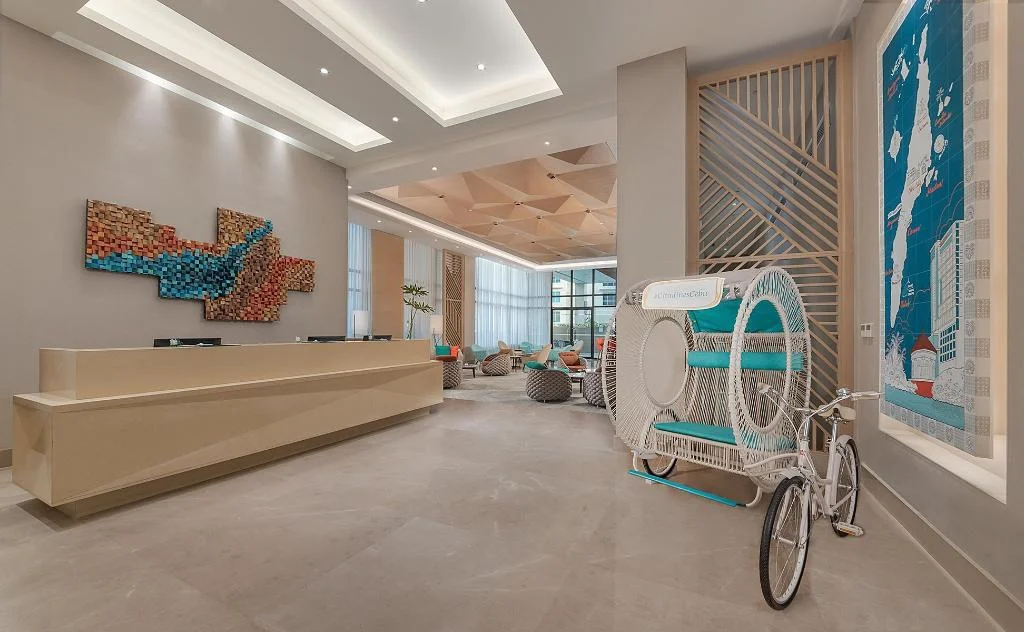
Citadines Cebu City
Prefer a rental? Vacation rentals near Cebu City
Self-catering condos and apartments — book the exact unit, kitchen included.
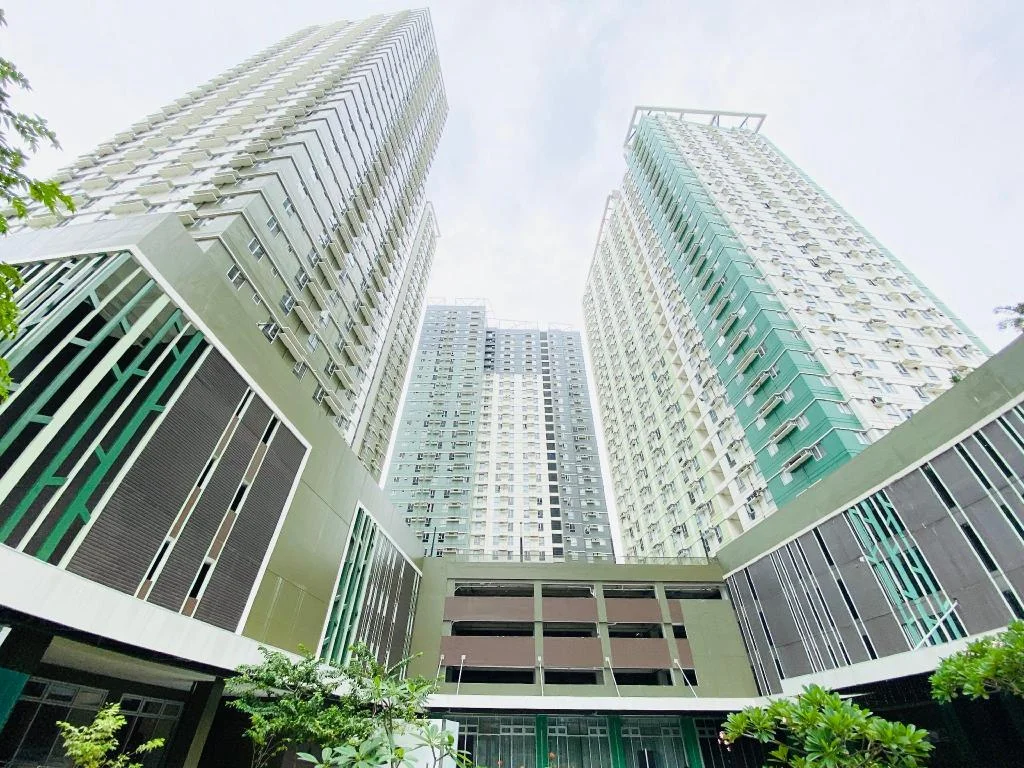
Cebu Avida Riala by P&J
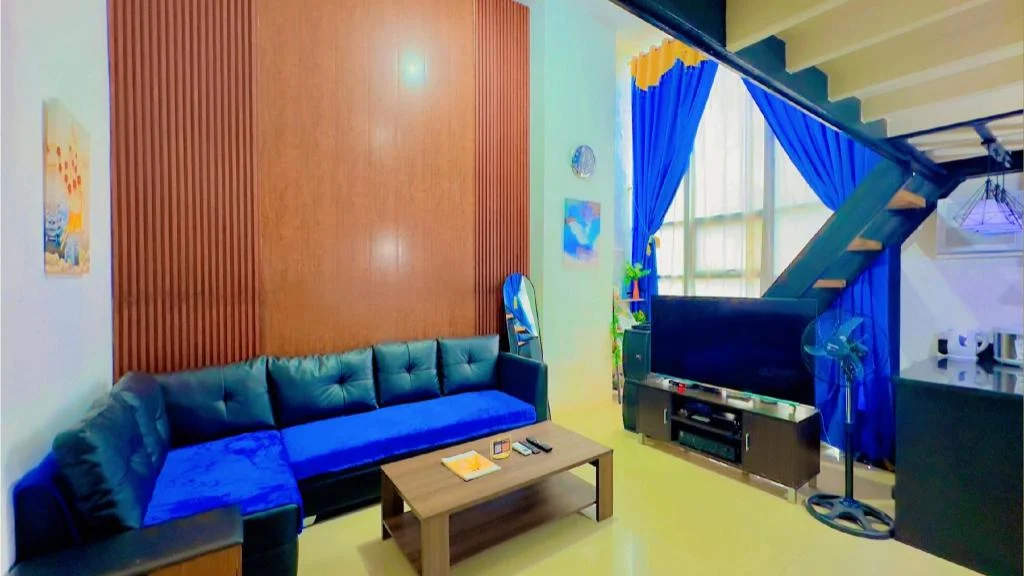
Special Big Loft Unit w/Fibreop Internet & Netflix

Moonstar Cebu Hotel - Deluxe Room
Before you go
Frequently asked
Can a tourist sign up for GCash in the Philippines?
Is Maya easier for foreigners to use than GCash?
Do I need GCash or Maya to visit Cebu?
Can I pay Cebu merchants using my home country's e-wallet app?
Is it worth getting a Philippine SIM just to use GCash or Maya?
Are ATMs in Cebu reliable for foreign cards?
Why can't I just use Alipay or WeChat Pay in Cebu?
Is cash still necessary in Cebu in 2026?
More Places to Explore
Colon Street
Cebu City
The oldest street in the Philippines, a historic commercial thoroughfare that has been Cebu's trading center since Spanish colonial times.
Carbon Market
Cebu City
Cebu's oldest and largest market (since 1909), offering an authentic local shopping experience with fresh produce, seafood, and traditional goods.