
TL;DR: Foreigners can open a peso account at BDO, BPI, Metrobank, or UnionBank in Cebu, but branches generally want an ACR I-Card (issued once you’ve stayed past 59 days) or a long-stay visa, plus proof of a local address. Initial deposits run roughly ₱2,000–5,000 (US$34–86) for basic savings accounts, more for checking or premium tiers. Full GCash verification also leans on the ACR I-Card; Maya is usually easier since it accepts a foreign passport without one. For moving money from abroad, Wise is the default choice among expats. Verified July 2026.
If you’re settling into Cebu for more than a visit — teaching English, working remotely, retiring, or just staying long enough that carrying cash and using a tourist-tier wallet gets old — you’ll eventually need a real Philippine bank account and a fully verified e-wallet. This is different from the quick GCash-or-Maya-for-a-two-week-trip question (see our tourist guide to GCash and Maya for that). This guide covers the expat path: what the Bureau of Immigration’s ACR I-Card actually gates, which banks in Cebu will work with you, what to bring, and how to get GCash or Maya past tourist-tier limits once you’ve got a local number and ID. None of this involves handling your actual account numbers, passwords, or PINs — treat this as the roadmap, not the transaction.
What Actually Unlocks Banking Access: Your Visa Status
The single biggest factor is whether you’ve moved past the first 59 days of a tourist stay. The Alien Certificate of Registration Identity Card (ACR I-Card) — the Bureau of Immigration’s standard ID for registered foreign nationals — is only issued once your stay extends beyond that initial 59-day window, whether through a visa extension, a 9(g) work visa, an SRRV retirement visa, or another long-stay category. Banks and GCash’s full verification tier both treat the ACR I-Card as the anchor document, so if you’re still in your first 59 days on a plain tourist visa, expect limited options: a restricted account at best, or a referral to come back once you’re registered.
If you’re planning to stay long-term, see our guide on long-stay visa options in Cebu before you get to the bank counter — sorting the visa first makes everything downstream faster.
Which Banks Work With Foreigners in Cebu?
| Bank | Foreigner-friendly? | Typical documents asked for | Basic savings initial deposit* |
|---|---|---|---|
| BDO | Yes — widely used by expats | Passport, visa/ACR I-Card, proof of address; some products allow online start + branch pickup | ~₱2,000 (ATM Savings) / ~₱5,000 (Passbook) |
| BPI | Yes | Passport, visa/ACR I-Card, proof of address, sometimes a bank reference letter | ~₱3,000 (Regular Savings) |
| Metrobank | Yes | Passport, visa/ACR I-Card, proof of address | ~₱10,000 (checking); savings varies by branch |
| UnionBank | Yes, especially for residents 180+ days | Passport, ACR I-Card, proof of address | Varies by product — confirm with branch |
*Figures are for entry-level peso savings/checking products as generally published; exact minimums vary by branch and account type and change over time. Confirm the current amount and required documents with the specific Cebu branch before you go. Verified July 2026.
BDO, BPI, Metrobank, and UnionBank are the four names that come up most often among foreigners banking in Cebu. All four have branches across Cebu City, Mandaue, and Mactan. None of them process foreigner applications purely online end-to-end — even BDO’s online path, which lets eligible applicants fill out forms, upload ID, and do a video call, still requires funding the account and picking up your card at a physical branch within about a week.
What to Bring to the Branch
Bring originals plus at least two photocopies of each:
- Passport (with valid visa stamp/sticker)
- ACR I-Card, or your long-stay visa (SRRV, 9(g) work visa, etc.) if the ACR I-Card hasn’t been issued yet
- Proof of local address — a lease agreement, a notarized certificate from your landlord, or a utility bill in your name
- Initial deposit in cash
- A reference letter from a previous bank, if the branch asks for one (not universal, but some do)
- If you’re employed locally: a certificate of employment or work permit; if retired on SRRV: your SRRV documents
Call the specific branch first. Foreigner account opening in the Philippines is notoriously branch-dependent — one BDO branch might process you in an hour, another might ask for documents the head office doesn’t officially require. A phone call before you go, confirming what that branch wants from a foreigner, saves a wasted trip.
Getting GCash Fully Verified
GCash’s standard, fully-verified tier is built around Philippine residents and asks for your ACR I-Card. Once you have a Philippine SIM number and your ACR I-Card (or another accepted government-issued local ID), you can apply for full verification in the app: upload your ID, complete a video selfie, and wait for approval. Passport-only verification for the standard tier has become unreliable — automated checks have been rejecting foreign passport submissions for the full account since roughly early-to-mid 2024. If the app rejects your documents, the workaround expats report is visiting a physical Globe Telecom store with your originals so a representative can trigger a manual review.
If you’re still short of the 59-day mark and only need GCash for basic tourist spending, GCash also offers a short-term GTourist tier using your foreign mobile number and passport, valid for about 30 days — but that’s the tourist path, not the long-stay one; see our GCash and Maya for tourists guide for that route.
Getting Maya Verified (Often the Easier Path)
Maya tends to be the smoother option for foreigners because its standard Consumer wallet upgrade accepts a valid foreign passport and doesn’t require an ACR I-Card. You’ll need a Philippine SIM card and a local address on file. During the upgrade you upload a passport photo and complete a video selfie; approval typically comes back within about 24 hours. A basic wallet caps you around ₱50,000 in monthly transactions, with upgraded verification raising that ceiling — confirm current limits in-app, since digital wallet limits get adjusted periodically as Philippine KYC rules tighten (the country came off the FATF grey list in February 2025, and regulators have been pushing stricter e-KYC enforcement since).
Moving Money From Abroad: Wise and Remittances
Wise is the transfer method most long-stay foreigners in Cebu default to. You can apply with just your foreign passport (an SRRV can serve as proof of residence if asked), and you get local PHP account details plus SWIFT details to receive transfers directly. Currency conversion fees start around 0.57%, and a Wise debit card carries a one-time fee with no recurring cost, plus fee-free ATM withdrawals up to a monthly cap. Straight international bank wires into a Philippine account also work, but they’re typically slower and carry higher fixed fees than routing through Wise into your local peso account. Whichever you use, confirm current fees and limits before a large transfer — remittance pricing shifts often.
The Honest Take
Don’t expect a quick, guaranteed process — banking as a foreigner in the Philippines runs on branch-level discretion more than a fixed national checklist. Two branches of the same bank can genuinely give you different answers on the same day. The ACR I-Card is the document that unlocks the most doors (banks and GCash both lean on it), so if you’re serious about staying, getting registered with Immigration past the 59-day mark should be an early priority, not an afterthought. If your visa situation is still in flux, Maya plus a Wise account can cover you reasonably well in the meantime — you don’t strictly need a Philippine bank account on day one. But once you’re renting long-term, working locally, or retired here on an SRRV, having an actual bank account makes rent, bills, and larger transfers far less friction than running everything through e-wallets alone.
Settling In Beyond the Paperwork
Once your finances are sorted, the rest of settling into Cebu gets easier. Compare visa paths in our long-stay visa options guide, budget realistically with our cost of living in Cebu vs. Manila breakdown, and if retirement is the plan, our SRRV and retiring in Cebu guide covers the visa that often makes bank approval easiest in the first place. For quieter days off between errands, Temple of Leah and Tops Lookout are both easy half-day trips up in the hills above the city.
Sources
- Bureau of Immigration — ACR I-Card information
- Wise — Can a foreigner open a bank account in the Philippines?
- BDO Unibank — personal accounts
- BPI — list of account opening requirements
- GCash Help Center — What is GTourist
- GCash Help Center — Accepted IDs for GCash verification
- Wise — Guide to PHP transfers
- Bank deposit minimums and Maya verification details cross-checked against 2025–2026 reporting; branch requirements and figures change, so confirm locally before applying. Verified July 2026.
Book Tours & Hotels for This Trip
Find and book the best deals — prices and availability update in real time. Links open in a new tab.
Where to stay near Cebu City
Top-rated hotels for this trip — tap through to check live rates.
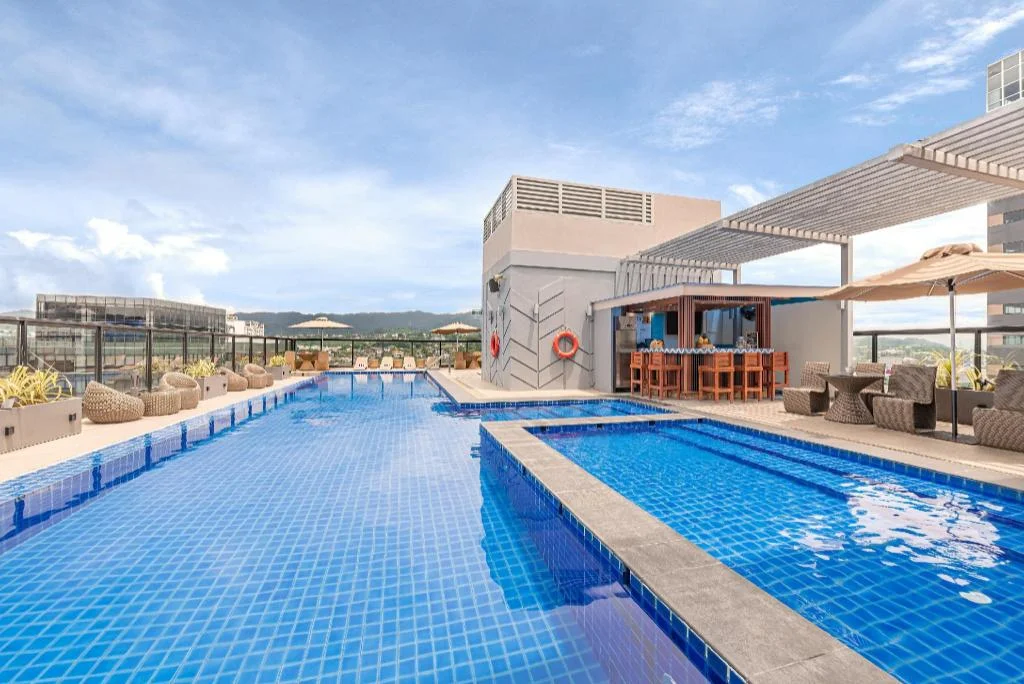
Seda Central Bloc Cebu City
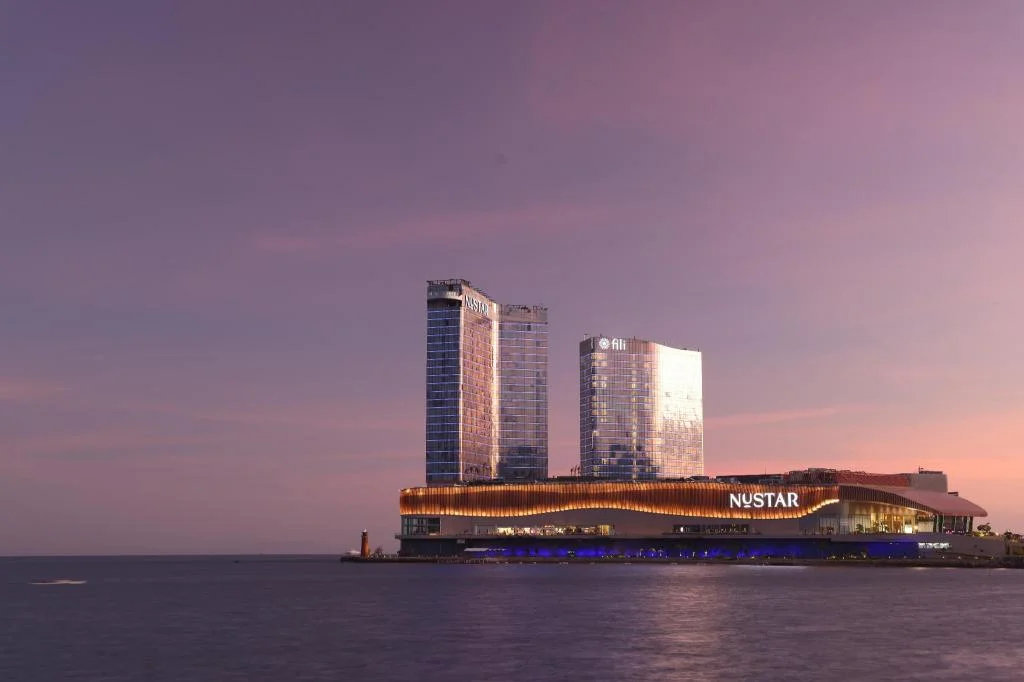
Fili Hotel - NUSTAR Resort & Casino Cebu
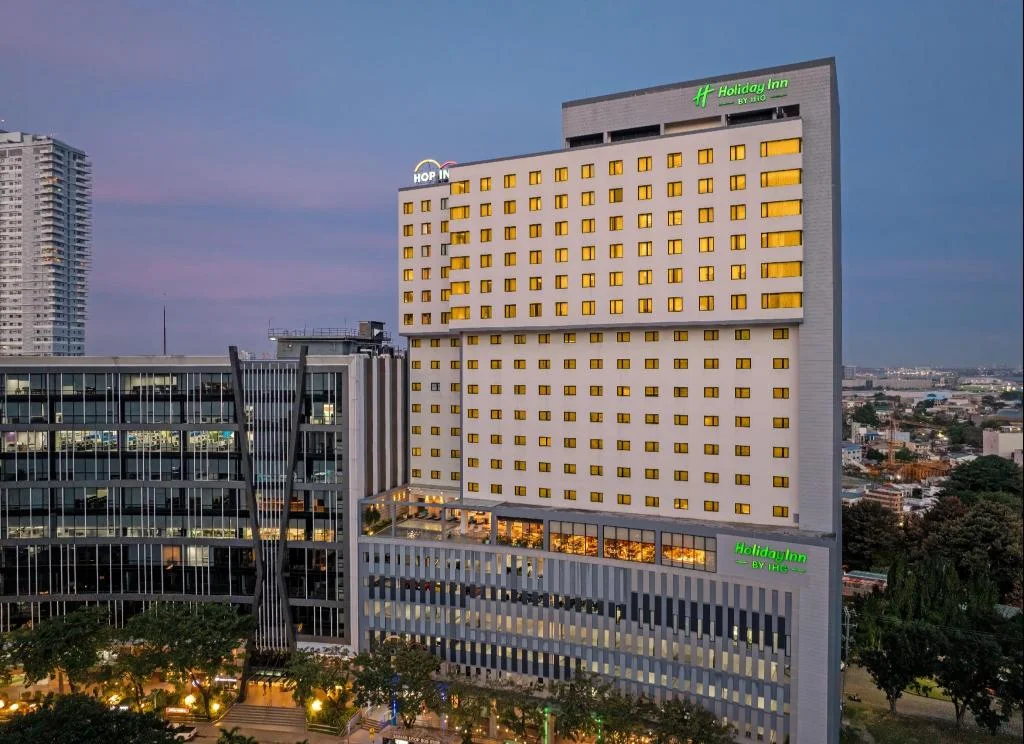
Holiday Inn Cebu City By IHG
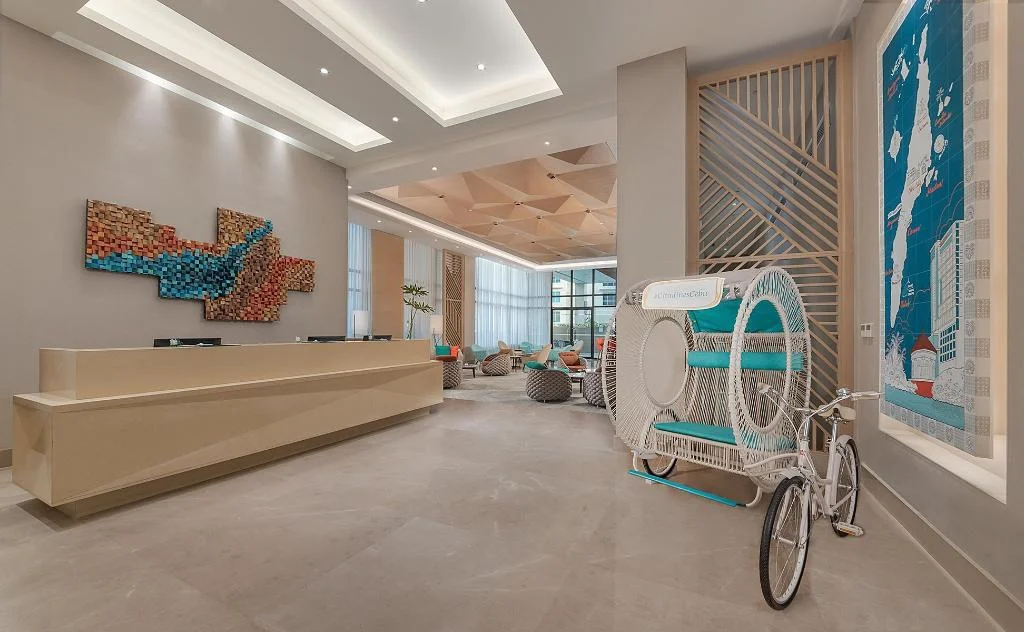
Citadines Cebu City
Prefer a rental? Vacation rentals near Cebu City
Self-catering condos and apartments — book the exact unit, kitchen included.
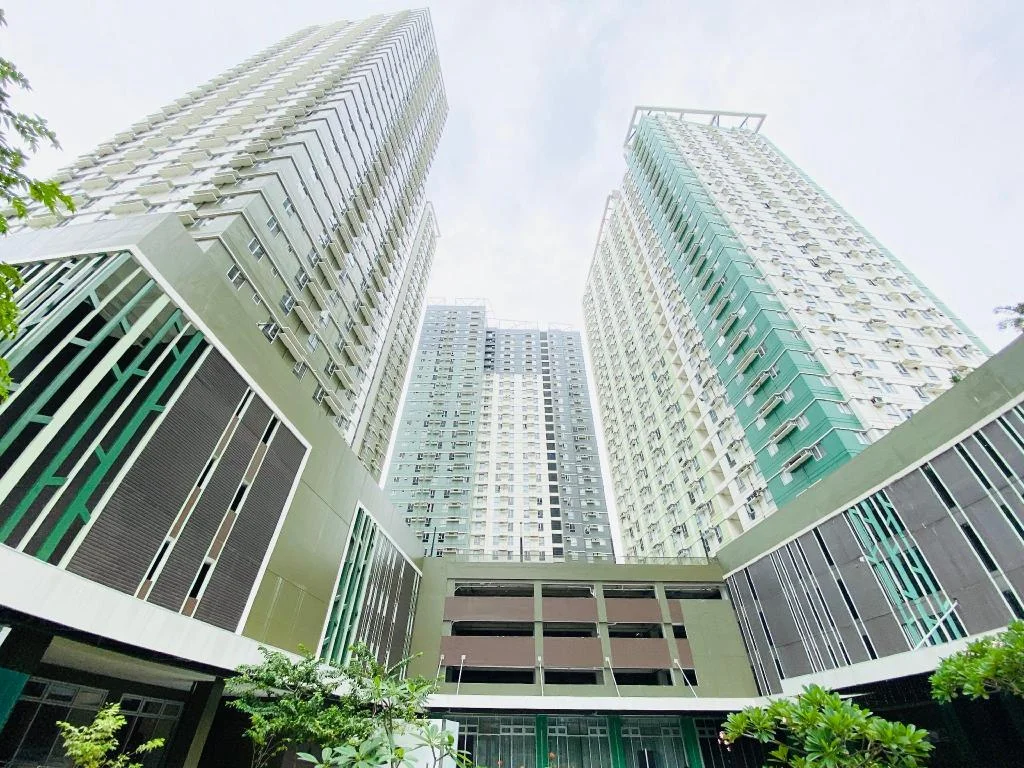
Cebu Avida Riala by P&J
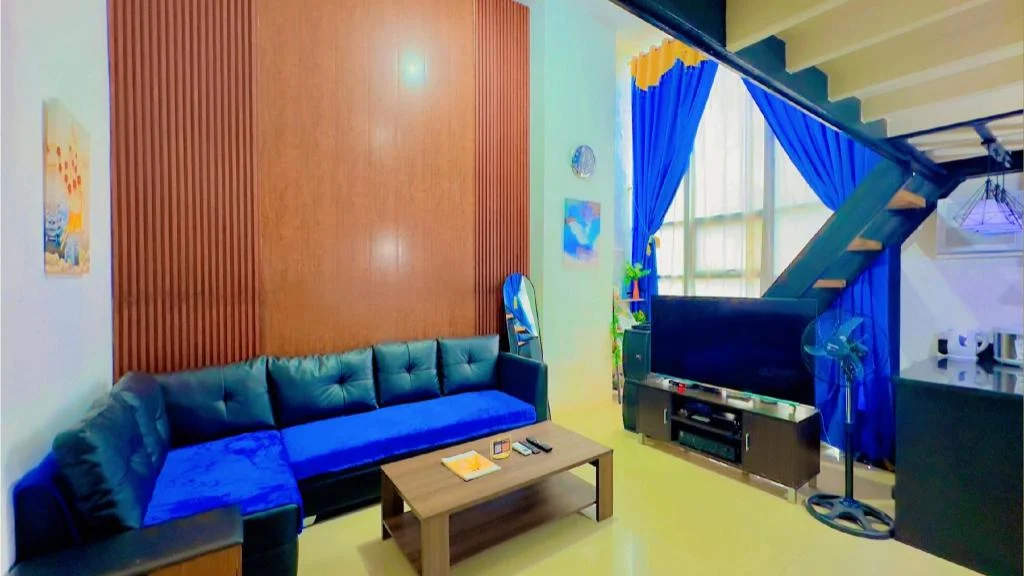
Special Big Loft Unit w/Fibreop Internet & Netflix
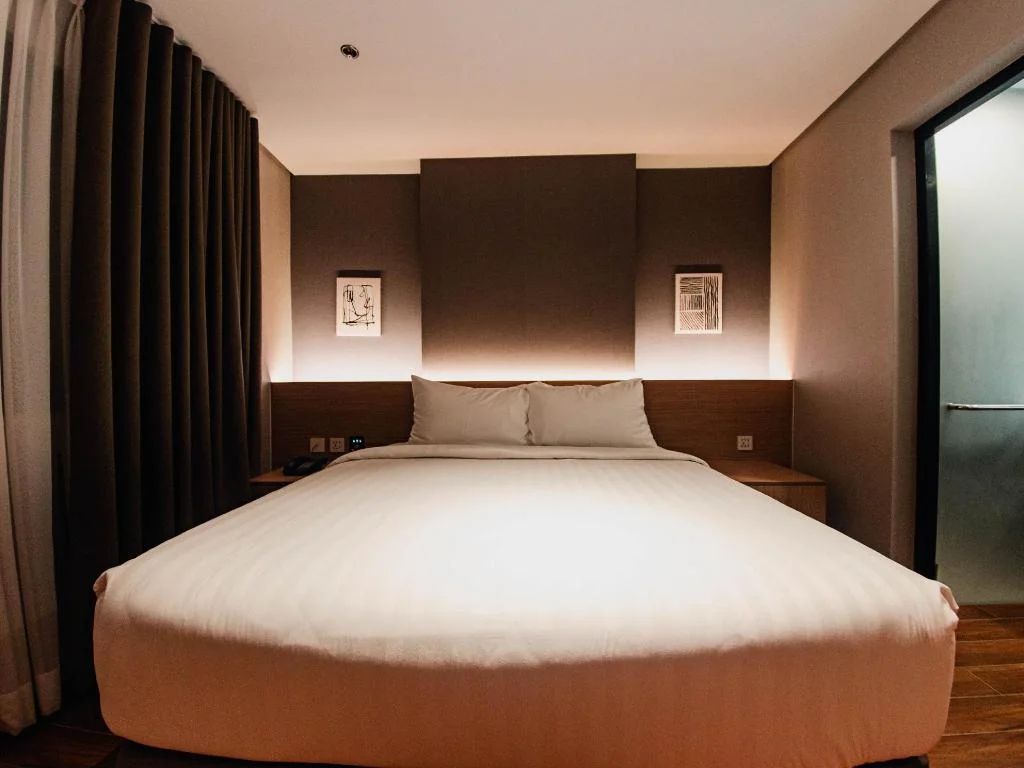
Moonstar Cebu Hotel - Deluxe Room
Before you go
Frequently asked
Can a foreigner on a tourist visa open a bank account in Cebu?
What is the ACR I-Card and do I need one for GCash or a bank account?
Which Philippine banks are easiest for foreigners in Cebu?
How much money do you need to open a bank account in Cebu?
Can foreigners get a fully verified GCash account?
Is Maya easier to verify than GCash for foreigners?
What's the best way to move money from abroad once you're set up?
Do I need a local bank account if I already have GCash or Maya?
More Places to Explore
Temple of Leah
Cebu City
A magnificent Roman-inspired temple built as a monument of love, nicknamed 'Cebu's Taj Mahal,' offering stunning architecture and city views.
Tops Lookout
Cebu City
Cebu City's premier hilltop viewpoint offering stunning panoramic views of the city, especially spectacular at sunset and nighttime.