
TL;DR: Most nationalities get 30 days visa-free in the Philippines, then can extend at Cebu’s Bureau of Immigration office in 1- or 2-month blocks — commonly up to 36 months total for visa-free nationalities. Beyond that, your real options are the SRRV (retirees 40+, US$15,000–50,000 deposit depending on age and pension), a 9G work visa (employer-sponsored, ₱70,000–140,000 all-in), the new Digital Nomad Visa under EO 86 (foreign-income remote workers,
US$24,000/year proof, reciprocity rules still being finalized), or a Special Study Permit (₱12,000–13,000) for language-school students. None of this is personalized immigration advice — confirm your specific case with the Bureau of Immigration. Fee figures from the BI Citizen’s Charter 2025, 1st Edition. Verified September 2026.
Cebu has a way of turning a two-week trip into a two-year stay. Between the beaches, the cost of living, and a genuinely easy pace of life, plenty of visitors start asking the same question a few weeks in: how do I actually stay longer, legally? The honest answer is that “longer” comes in several very different flavors — a simple tourist extension, a retirement visa, a work visa tied to a local job, a brand-new remote-work visa, or a student permit — and each one has its own rules, costs, and ceiling. This guide walks through all five so you can figure out which one actually matches your situation, whether you’re weighing island life against a return flight, chasing sunset views from Tops Lookout on a random Tuesday, or wandering Temple of Leah because you finally have the time. It does not replace legal advice — think of it as the map before you talk to the actual agencies.
Cebu Long-Stay Options at a Glance
| Option | Who it’s for | Approx. cost |
|---|---|---|
| Tourist visa + extensions | Anyone not working locally, testing the waters | ₱2,130 visa waiver (first 29 days), then ₱3,400–4,200 per extension plus the US$50 ACR I-Card (~US$37–120) |
| Long-Stay Visitor Visa Extension (LSVVE) | Tourists wanting a 6-month block at once | ₱11,500–13,900 (~US$185–224) |
| SRRV (retiree visa) | Ages 40+ with savings or a pension | US$15,000–50,000 deposit + ~US$1,500 application fee |
| 9G work visa | Foreigners with a Philippine employer sponsor | ₱70,000–140,000 all-in (~US$1,100–2,300) |
| Digital Nomad Visa (EO 86) | Remote workers paid only by foreign clients | ~US$200–300 in fees, ~US$24,000/year income proof |
| Special Study Permit (SSP) | Students in short non-degree courses (e.g. language schools) | ₱12,000–13,000 (~US$194–210) |
Peso figures use ₱62 ≈ US$1 (July 2026). Fees change without much notice — confirm the current schedule with the relevant agency before you budget around it. Verified July 2026.
How Long Can You Stay Visa-Free — and How Do You Extend?
Most nationalities enter the Philippines visa-free for 30 days, then can keep extending at the Bureau of Immigration. A handful of nationalities have different terms (see our Philippines visa-free entry guide for the by-country breakdown), but for the majority — US, UK, Australian, Canadian, EU, Japanese, Korean, and Singaporean passport holders among others — the 30-day stamp is the starting point.
From there, tourists renew in 1- or 2-month increments at the Bureau of Immigration’s Cebu District Office, now on the 2nd floor of GMall of Cebu in the North Reclamation Area (it relocated from Mandaue’s JCentre Mall in January 2024, so ignore any older directions pointing you there). The first extension is the 29-day visa waiver, published at ₱2,130 at the regular lane (₱3,030 online, ₱3,130 express). After 59 days, a one-month extension is ₱3,400 regular / ₱4,400 express and a two-month extension ₱3,900–5,700 depending on lane and nationality — all exclusive of the US$50 ACR I-Card, which is what pushes a later renewal toward ₱6,300–8,600 all-in. Figures from the BI Citizen’s Charter 2025; PHGuides has the same schedule by lane. If you’d rather book a longer block at once, the Long-Stay Visitor Visa Extension (LSVVE) covers up to six months for ₱11,500–13,900 depending on your nationality. Our visa extension in Cebu guide covers the walk-in process step by step.
Once your cumulative stay passes 59 days, you’re required to get a Tourist ACR I-Card (Alien Certificate of Registration), which runs about US$50 in peso equivalent plus a roughly ₱500 express-lane fee if you want it same-day. Bring your passport and two 2x2 white-background photos.
Cumulative extensions max out eventually — commonly 36 months total for visa-free nationalities, and around 24 months for visa-required nationalities — after which you’re expected to leave or convert to a different visa category. In practice, most travelers do one or two extensions and move on; it’s the people settling in for good who need to think about the options below.
Is the SRRV Retirement Visa Worth It?
If you’re 40 or older and have savings or a pension, the SRRV is the closest thing to permanent residency without citizenship. The Special Resident Retiree’s Visa, issued by the Philippine Retirement Authority (PRA), was restructured in September 2025 to lower the minimum age from 50 to 40, splitting applicants into two brackets.
For ages 50 and up, the required time deposit is US$15,000 with a pension or US$30,000 without. For ages 40–49, it’s US$25,000 with a pension or US$50,000 without. A budget “Courtesy” tier exists for retired diplomats, military, and former Filipino citizens, with deposits as low as US$1,500–6,000 depending on age and pension status. On top of the deposit, expect a US$1,500 application fee and roughly US$360/year in Classic-tier annual dues.
The appeal: no annual BI reporting, no ACR I-Card requirement, no exit clearances, and the deposit itself is refundable and can even be converted into a condo purchase with PRA approval. It’s the most hands-off long-stay option in Cebu once it’s set up — see our SRRV lifestyle guide for what daily life on it actually looks like.
What About the 9G Work Visa?
The 9G is for foreigners with an actual job offer from a Philippine-registered employer — it isn’t something you apply for on your own. Getting one is a two-step process: your employer first secures you an Alien Employment Permit (AEP) from the Department of Labor and Employment (DOLE, roughly ₱10,000–15,000), then applies for the 9G Pre-Arranged Employment Visa through the Bureau of Immigration. The charter prices that by validity rather than as a flat fee: ₱10,130 for one year, ₱17,170 for two and ₱25,710 for three, and those totals already fold in the ACR I-Card. PHGuides breaks down what the 9(g) costs the employer.
Add mandatory publication fees (₱20,000+) and a medical exam (₱5,000+), and total costs commonly land at ₱70,000–140,000 (roughly US$1,100–2,300), mostly borne by the employer. As of 2026, applications also require a Labor Market Test and a stricter Economic Needs Test showing why a Filipino worker couldn’t fill the role, so the process runs 3–5 months. This is the standard route for BPO management roles, ESL academy staff, and dive instructors employed directly by a Philippine company — see our working in Cebu guide for how those job markets actually work.
Is the Digital Nomad Visa (EO 86) an Option Yet?
It exists on paper and is processing applications, but the eligibility rules make it a narrower fit than the name suggests. Executive Order 86, signed in April 2025, created the country’s first dedicated Digital Nomad Visa for foreigners who work remotely and are paid exclusively by clients or employers outside the Philippines — it isn’t for anyone doing local work on the side.
To qualify you generally need to show around US$24,000 a year (roughly US$2,000/month) in foreign-sourced income, a clean record, and valid health insurance. The catch: EO 86 requires your home country to offer Filipino citizens a reciprocal digital nomad visa, and as of mid-2026 the Philippines still hasn’t published an official list of which countries qualify — practically the single biggest thing to check before you plan around this visa. You apply online or through a Philippine embassy or consulate before arrival, then register for your ACR I-Card with the Bureau of Immigration once you land; the visa runs 12 months and is renewable for up to 24 total. Fees are modest, roughly US$200–300 depending on where you apply. Given how new and unsettled the rules still are, treat this as an emerging option rather than a settled plan — our digital nomad guide to Cebu covers how most remote workers here get by in the meantime, largely on stacked tourist extensions.
Do You Need a Student Visa to Study in Cebu?
If you’re enrolling in a short course — most commonly one of Cebu’s English-language schools — you need a Special Study Permit (SSP), not a separate student visa. The SSP is arranged through the school itself, costs roughly ₱12,000–13,000, and is valid for six months per issuance. It doesn’t cover your day-to-day immigration status, though — you still extend your underlying tourist visa in parallel, which most language schools help coordinate as part of enrollment.
How Do You Choose?
- Just want more beach time and no local income? Stick with tourist extensions until you approach the 24–36 month ceiling.
- Retiring or semi-retiring with savings or a pension? The SRRV is the most hands-off long-term option, if you can meet the deposit.
- Have a Philippine employer wanting to hire you? The 9G is the only legal route for that — get your employer’s HR involved early given the 3–5 month timeline.
- Fully remote, foreign-paid, and from an eligible country? Watch the Digital Nomad Visa’s reciprocity list before assuming it’s available to you.
- Studying English or another short course? The SSP through your school, alongside a standard tourist extension.
If you’re renting rather than hotel-hopping while you sort any of this out, our guide to finding an apartment in Cebu covers what long-stayers actually pay.
Two obligations sit outside the visa itself and catch long-stayers out. Once you’re a registered alien, Section 10 of RA 562 requires a BI annual report in the first 60 days of every calendar year — ₱810, and missing it is a fine rather than a warning. And if your stay runs past six months, you can’t simply fly out: you need an Emigration Clearance Certificate proving you have no derogatory record and no pending government obligations, which takes days rather than minutes at the airport.
The Honest Take
None of these routes are instant, and immigration rules in the Philippines shift often enough that a number quoted in a 2025 forum post can already be stale. The SRRV is the smoothest if you can afford the deposit; the 9G is entirely dependent on having an employer willing to do the paperwork; and the Digital Nomad Visa, while promising on paper, is still working out basic kinks like the reciprocal-country list — don’t book flights around it until your country is confirmed eligible. For most people testing out Cebu life, honestly, stacking tourist extensions for a year or two while you decide is the least stressful path, as long as you extend before your stamp lapses and stay under the cumulative cap for your nationality.
Whatever route applies to you, treat this guide as a starting point, not a substitute for the Bureau of Immigration, the PRA, DOLE, or the DFA — the agencies that actually issue these visas and update their own rules faster than any blog can track.
Sources
- Bureau of Immigration Philippines — official site (tourist visas, extensions, ACR I-Card, 9G)
- BI Citizen’s Charter 2025, 1st Edition — published fee schedules for the visa waiver, post-59-day extensions and the 9(g) visa
- Philippine Retirement Authority — SRRV program (SRRV benefits and deposit structure)
- Executive Order No. 86 (2025) (Digital Nomad Visa legal basis)
- Bureau of Immigration — eServices portal (online extension filing)
- PHGuides — BI Annual Report and ECC (published fees and the statutory basis for each)
- Fee ranges cross-checked against recent 2025–2026 immigration-consultancy reporting on tourist extensions, SRRV deposits, 9G/AEP costs, and SSP fees. Confirm exact current fees with the issuing agency before you apply. Verified July 2026.
Sorting out your legal status is the unglamorous part of staying in Cebu — the good news is that once it’s done, the island doesn’t get old. Whether you end up on repeat tourist extensions, an SRRV, or a fresh Digital Nomad Visa, book flexible accommodation while you handle the paperwork: compare extended-stay options in Cebu City on Agoda, check Mactan-area stays if you’re closer to the airport, and grab a local eSIM on Klook so you’re not stuck on mall wifi during BI errands. From there, see our cost of living in Cebu and best neighborhoods to live in Cebu guides for the rest of the settling-in checklist.
Book Tours & Hotels for This Trip
Find and book the best deals — prices and availability update in real time. Links open in a new tab.
Where to stay near Cebu City
Top-rated hotels for this trip — tap through to check live rates.
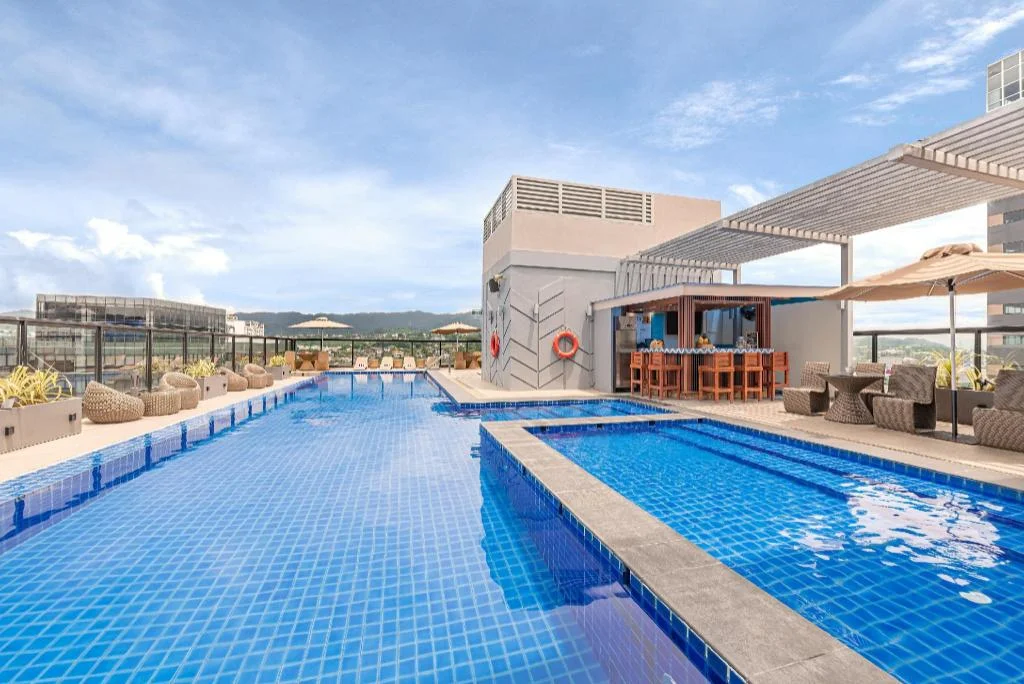
Seda Central Bloc Cebu City
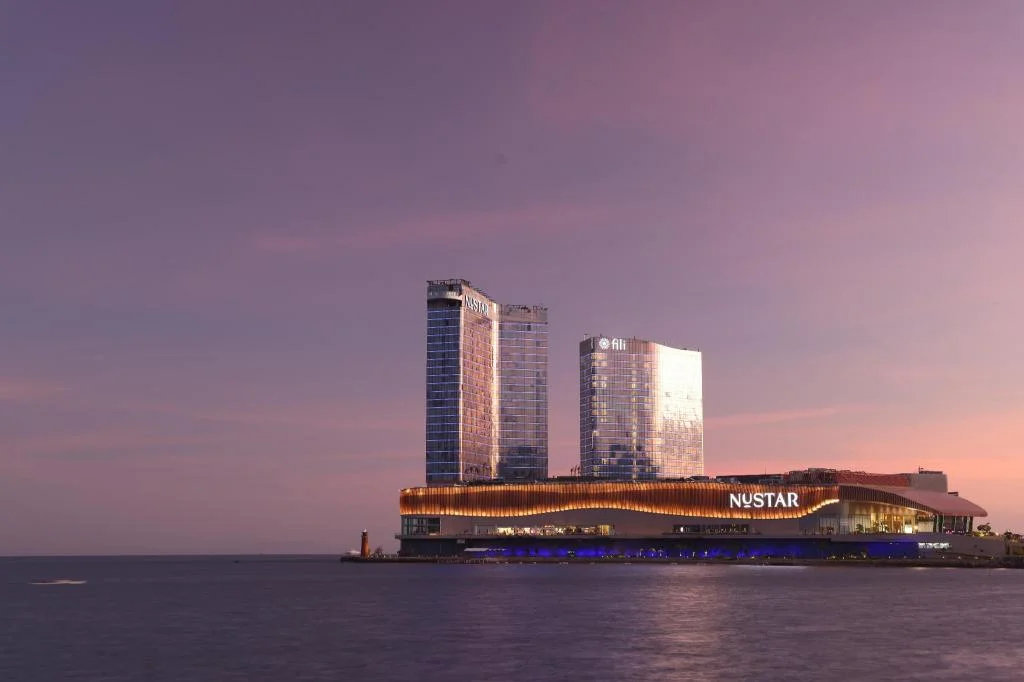
Fili Hotel - NUSTAR Resort & Casino Cebu
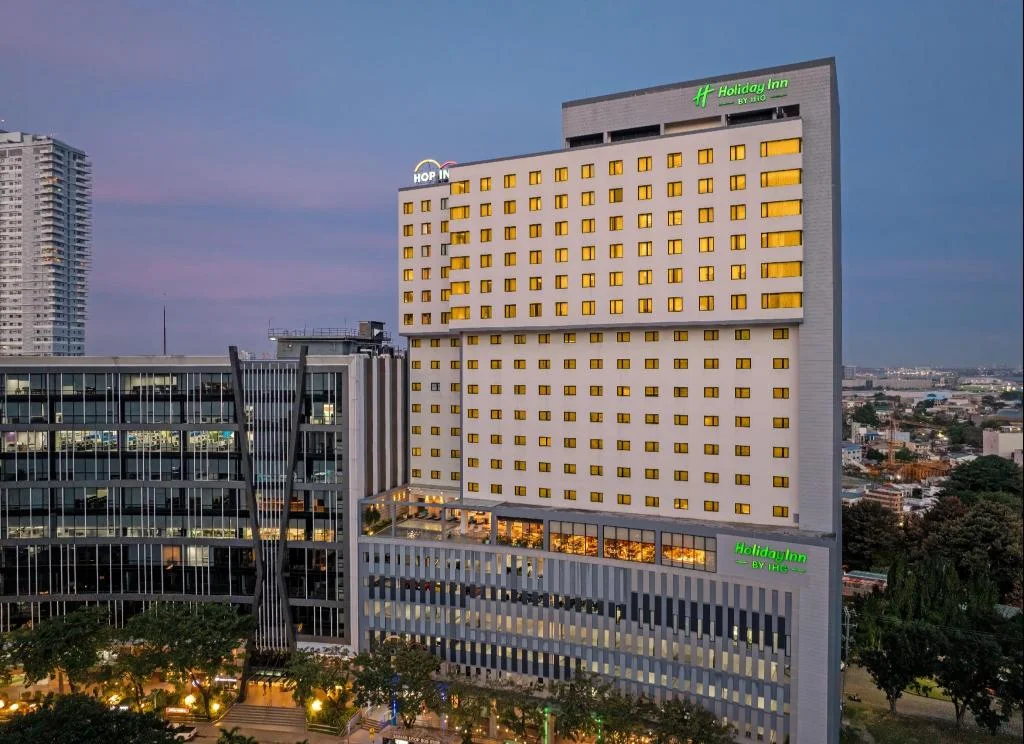
Holiday Inn Cebu City By IHG
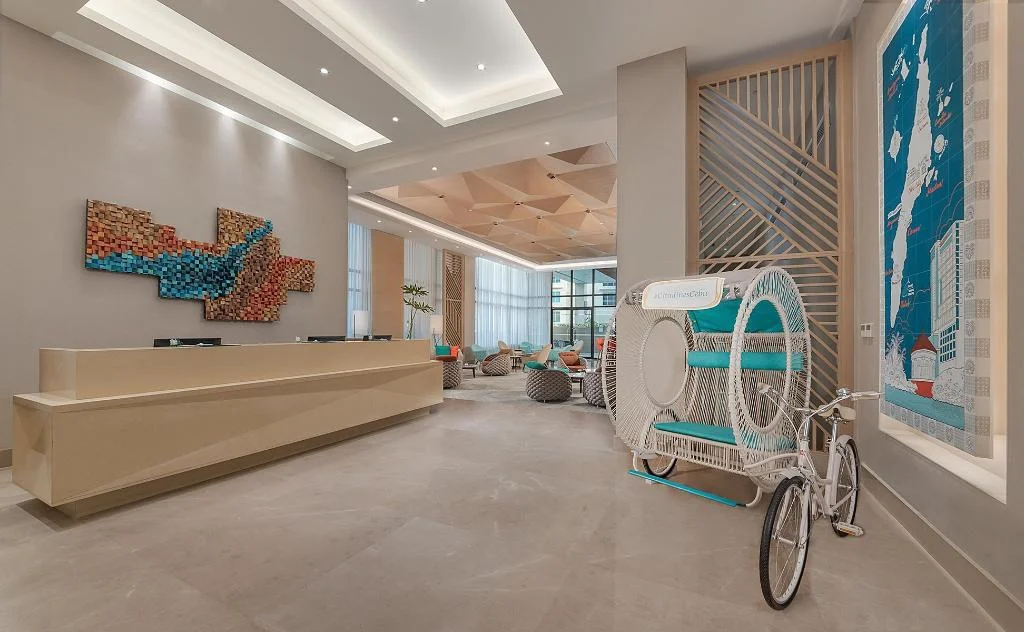
Citadines Cebu City
Prefer a rental? Vacation rentals near Cebu City
Self-catering condos and apartments — book the exact unit, kitchen included.
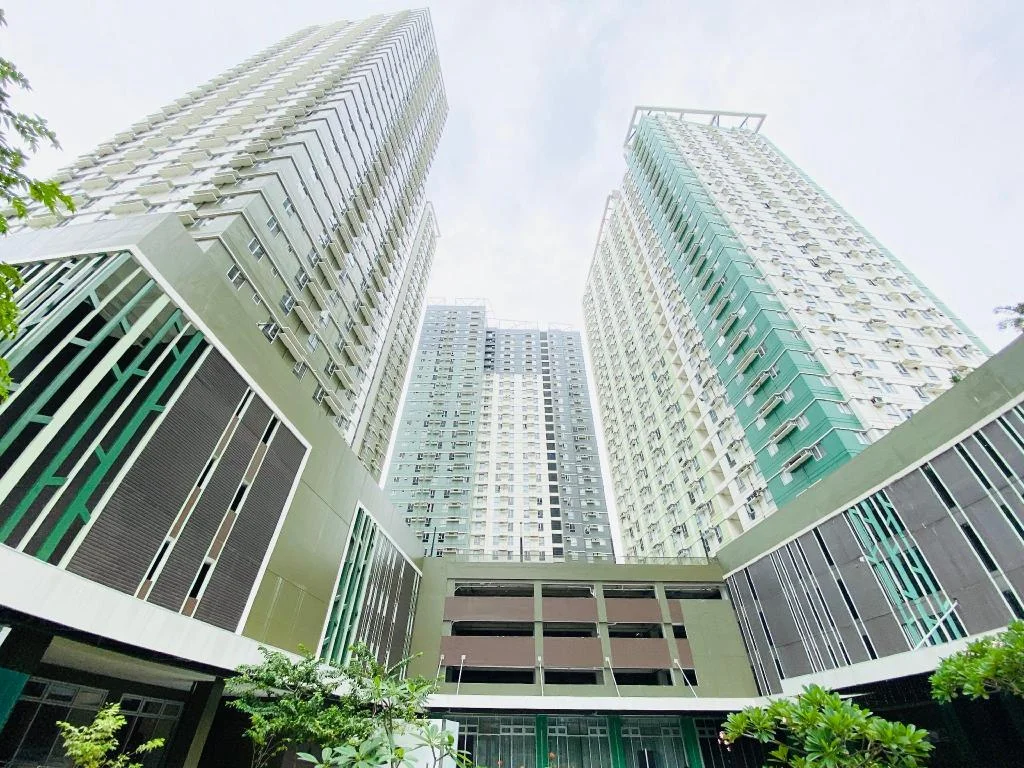
Cebu Avida Riala by P&J
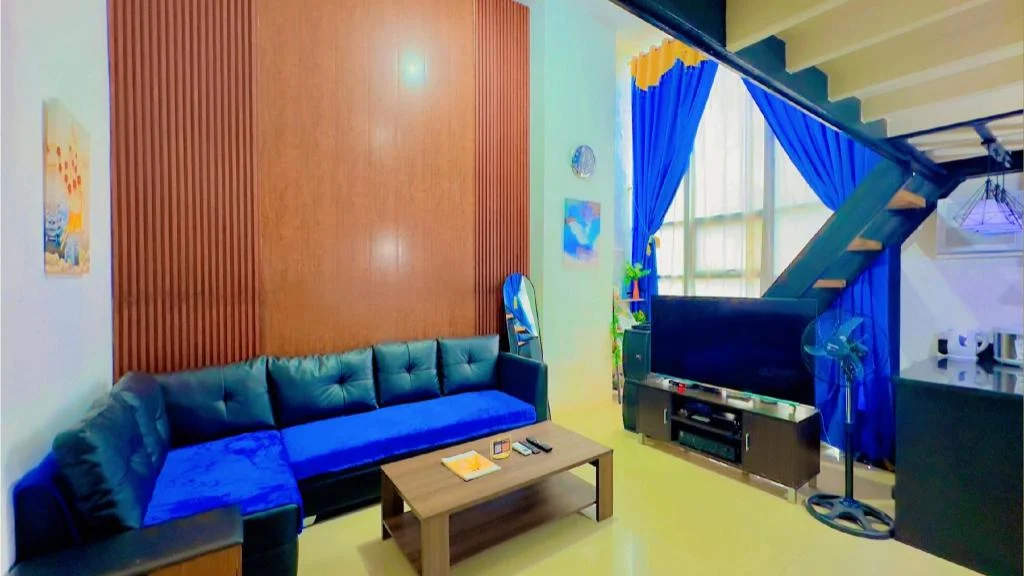
Special Big Loft Unit w/Fibreop Internet & Netflix
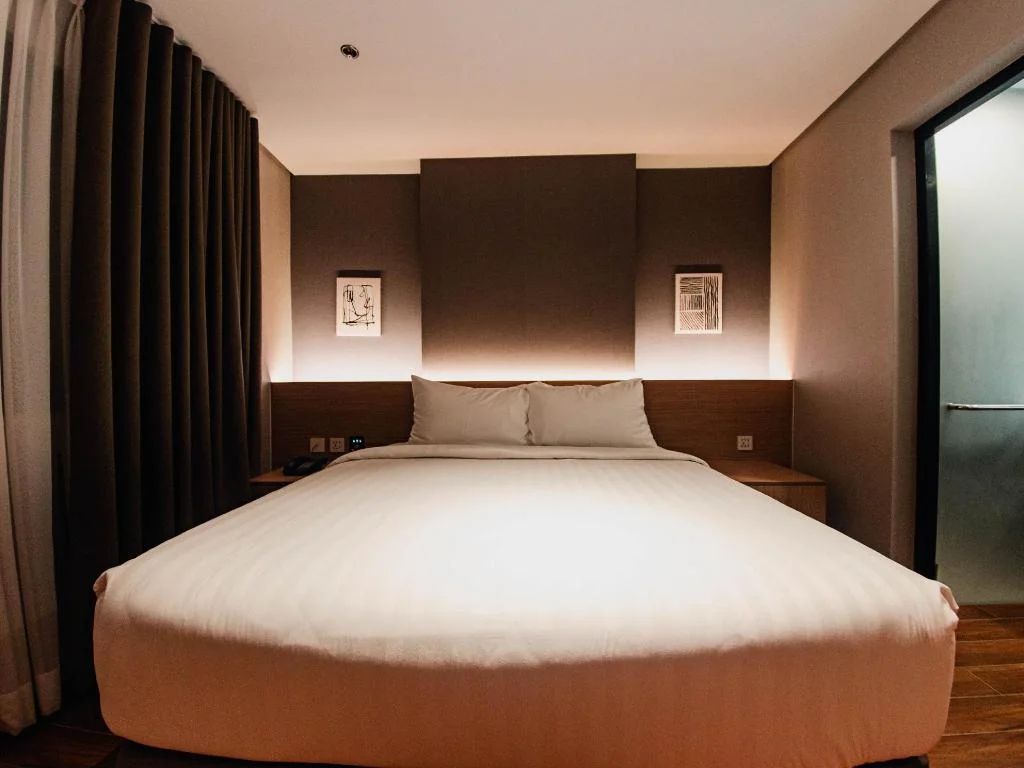
Moonstar Cebu Hotel - Deluxe Room
Before you go
Frequently asked
What's the simplest way to stay in Cebu longer than 30 days?
Do I need a visa to live in Cebu long-term?
Who qualifies for the SRRV retiree visa?
What is the Philippines Digital Nomad Visa and can I get one?
How much does a 9G work visa cost in Cebu?
What is an SSP and do I need one to study in Cebu?
Where do I actually go in Cebu to extend a visa or start one of these processes?
Can I just keep extending my tourist visa forever instead of getting a 'real' visa?
More Places to Explore
Temple of Leah
Cebu City
A magnificent Roman-inspired temple built as a monument of love, nicknamed 'Cebu's Taj Mahal,' offering stunning architecture and city views.
Tops Lookout
Cebu City
Cebu City's premier hilltop viewpoint offering stunning panoramic views of the city, especially spectacular at sunset and nighttime.