
TL;DR: Search on Lamudi, Dot Property, and Cebu-specific Facebook groups for the widest range of listings — agents typically cost you nothing since landlords pay their commission. Expect 2 months’ deposit + 1 month advance upfront, a 12-month lease, and rent that excludes utilities (add ₱4,000–8,000/US$69–138 a month). Studios run ₱18,000–28,000 (US$310–483) and furnished one-bedrooms ₱22,000–38,000 (US$379–655) in 2026. Never send a “reservation fee” by GCash before seeing the unit — that’s the most common scam. Verified July 2026.
If you’re staying in Cebu for more than a month, renting beats booking hotels or Airbnbs on repeat — both on cost and on actually feeling settled. But the process trips up a lot of newcomers: no centralized rental board, deposit amounts that vary landlord to landlord, and a real scam problem targeting foreigners who want to book sight-unseen. This guide walks through where to search, what a normal deal looks like, what belongs in your contract, and the traps to avoid, whether you’re eyeing a studio near IT Park or a family house in Banilad. If you’re still deciding whether renting suits your trip length at all, read our digital nomad guide to Cebu or cost of living breakdown first — this guide assumes you’ve already decided to commit to a lease.
What Does Rent Cost in Cebu Right Now?
| Unit type | Typical monthly rent (2026) | Notes |
|---|---|---|
| Studio, standard building | ₱18,000–28,000 (US$310–483) | Unfurnished to semi-furnished |
| Studio, IT Park / Cebu Business Park | up to ₱35,000 (US$603) | Prime location premium |
| 1-bedroom, furnished | ₱22,000–38,000 (US$379–655) | Most common expat unit |
| 1-bedroom, high-end (pool, gym, 24/7 security) | ₱50,000–75,000 (US$862–1,293) | Best buildings in CBP/IT Park |
| House, Banilad-type area | ₱60,000–150,000 (US$1,034–2,586) | Size and land area drive the range |
| Utilities (electricity, water, internet) | +₱4,000–8,000/month (US$69–138) | Almost never included in rent |
Rents vary by building, floor, view, and how recently it was renovated — treat these as planning ranges, not fixed prices. Verified July 2026.
Where Do You Actually Search for an Apartment?
Start with Lamudi and Dot Property — the two biggest listing platforms in the Philippines, both searchable by city, price, and unit type, and both carrying a mix of owner-direct and agent listings for Cebu. For faster turnover and sometimes better prices, join Cebu-specific Facebook groups (search “Cebu apartment for rent,” “Cebu condo for rent,” or “Cebu expats housing”) and check Facebook Marketplace directly — a lot of local landlords skip the property portals entirely and post there first. Agents also work these same channels, so don’t assume a Facebook post is landlord-direct; ask upfront.
If you want someone to shortlist units and arrange viewings for you, a local agent is worth using — in Cebu, the landlord pays the agent’s commission (typically one month’s rent), not you, so it costs you nothing extra to have help. Just confirm the agent is PRC-licensed before handing over any money or personal documents.
How Much Deposit and Advance Do Landlords Ask For?
Two months’ security deposit plus one month advance rent is the norm — you’ll see this shortened to “2D+1A” in listings. That means you typically pay three months’ rent before you get the keys: one month covers your actual first month, and the two-month deposit sits with the landlord as damage/unpaid-bill security until you move out.
Some smaller or older-building landlords will accept one month deposit instead of two, especially if you look like a stable long-term tenant. On the other end, landlords renting to someone with no local income history or references sometimes ask for more — occasionally a full year paid upfront. Everything here is negotiable before you sign; it’s rarely negotiable after.
The deposit is refundable at move-out, provided there’s no damage beyond normal wear and no outstanding bills. It is not meant to double as your last month’s rent — don’t assume you can just stop paying near the end of your lease and let the deposit cover it, unless your contract says so explicitly.
What Should Be in the Lease Contract?
A written contract isn’t a strict legal requirement in the Philippines, but skipping one is a bad idea, especially as a foreigner with limited recourse if something goes wrong. At minimum, the contract should state:
- Monthly rent and what currency/method it’s paid in
- Lease length — almost always 12 months as standard, though 6-month or shorter terms show up more often in Mactan and among landlords used to renting to nomads
- Deposit and advance amounts, and the conditions for getting the deposit back
- What’s included (parking, association dues, appliances) versus what you pay separately (electricity, water, internet)
- Notice period required to end the lease early, and any penalty for breaking it
- Your passport details and permanent home address, which landlords commonly require for the paperwork
Read it before you sign, not after. If a landlord resists putting basic terms in writing, treat that as a warning sign, not a formality you can skip.
Furnished or Unfurnished — and What About Utilities?
Fully furnished units carry a premium of roughly ₱5,000–10,000 a month (US$86–172) over an unfurnished equivalent, which is often worth it if you’re not planning to stay long enough to justify buying furniture and appliances. “Semi-furnished” is a common middle ground — usually a bed, some kitchen basics, and maybe an aircon unit, but not a full setup.
Almost no listing includes utilities in the quoted rent. Electricity is the biggest variable cost, since aircon-heavy usage in a hot climate adds up fast; budget ₱4,000–8,000 a month combined for electricity, water, and internet, more if you’re running aircon most of the day. Condo association dues (for building maintenance, security, common areas) are sometimes bundled into the landlord’s price and sometimes billed to you directly — get this in writing before you move in, not after your first bill arrives.
Which Neighborhood Should You Live In?
- IT Park (Lahug) — the most walkable district, dense with cafes, coworking spaces, and nightlife. Best for people who want to step outside and have everything nearby; rents run at the top of the range.
- Cebu Business Park (Ayala area) — similar profile to IT Park, more corporate, close to Ayala Center mall.
- Mabolo — the value play, sitting between IT Park and Ayala at meaningfully lower rents while still an easy commute to both.
- Banilad — quieter, more residential, popular with families because of nearby international schools and hospitals; houses here can be spacious but pricier than a comparable condo elsewhere.
- Mactan — a different pace entirely: beach-adjacent, popular with divers, retirees, and remote workers who’d rather live near the water and airport than downtown.
There’s no universally “right” answer — it depends on whether you’re optimizing for walkability, quiet, family logistics, or beach access. If Cebu City’s hills and viewpoints are part of the appeal, being based anywhere in the city core also keeps spots like Temple of Leah and Tops Lookout within a short Grab ride for weekend trips. For a deeper area-by-area breakdown, see our best areas to stay in Cebu guide.
How Do You Avoid Rental Scams?
The single most common scam targeting renters, especially foreigners searching remotely before arrival, is being asked to pay a “reservation fee” — usually ₱1,000–10,000 (US$17–172) — by GCash, Maya, or bank transfer to a personal account, before you’ve seen the unit. The listing looks legitimate: real-looking photos, a responsive “landlord,” maybe fake reviews. Once you pay, they either stall indefinitely or vanish.
Warning signs to treat as hard stops:
- Refusal to do a live video call or in-person viewing before payment
- Pressure tactics (“someone else is about to book it, pay now to hold it”)
- Any request to pay a personal e-wallet account rather than a documented company account
- Listings that only exist on Facebook Marketplace with no other verifiable footprint
Protect yourself by insisting on a viewing (in person, or at minimum a live video walkthrough) before any money changes hands, verifying the agent’s PRC license if one is involved, and never wiring a full deposit to someone you’ve only spoken to online. For more patterns to watch for beyond housing, see our common scams in Cebu guide.
The Honest Take
Renting in Cebu is genuinely easier than the horror stories suggest, as long as you insist on seeing the place first and getting terms in writing. The market is landlord-friendly on paper (2-3 months upfront is a real barrier for a lot of people), but it’s also negotiable more often than listings suggest — especially if you’re renting for a year rather than three months, or if you can pay a chunk upfront in cash. Where people actually get burned is skipping the viewing to “lock in” a good-looking Facebook post, or assuming a verbal handshake deal protects them the way a lease would. Slow down on the first two weeks of searching, and the rest of the year gets a lot easier.
If you’re only in Cebu for a few weeks, a short-term furnished rental or serviced apartment will save you the deposit hassle entirely — check monthly apartment rentals in Cebu for that route instead.
Sources
- Lamudi Philippines — Cebu rental listings
- Dot Property — Cebu condos for rent
- Respicio & Co. — legal guidelines on deposits and advance rental in the Philippines
- Philippine National Police / Philstar reporting on fake Airbnb and rental scams
- Deposit norms, price ranges, and neighborhood profiles cross-checked against current 2025–2026 listing and expat-guide reporting; confirm exact terms with your landlord or agent before signing. Verified July 2026.
Once your lease is signed, the fun part starts — figuring out what to actually do with your weekends. Compare long-term-friendly buildings in our best condos for long-term rent in Cebu roundup, check real numbers in our cost of living in Cebu guide, and if you need furniture or short-term photography-ready listings while you search, browse serviced apartments and condos on Agoda to bridge the gap.
Book Tours & Hotels for This Trip
Find and book the best deals — prices and availability update in real time. Links open in a new tab.
Where to stay near Cebu City
Top-rated hotels for this trip — tap through to check live rates.
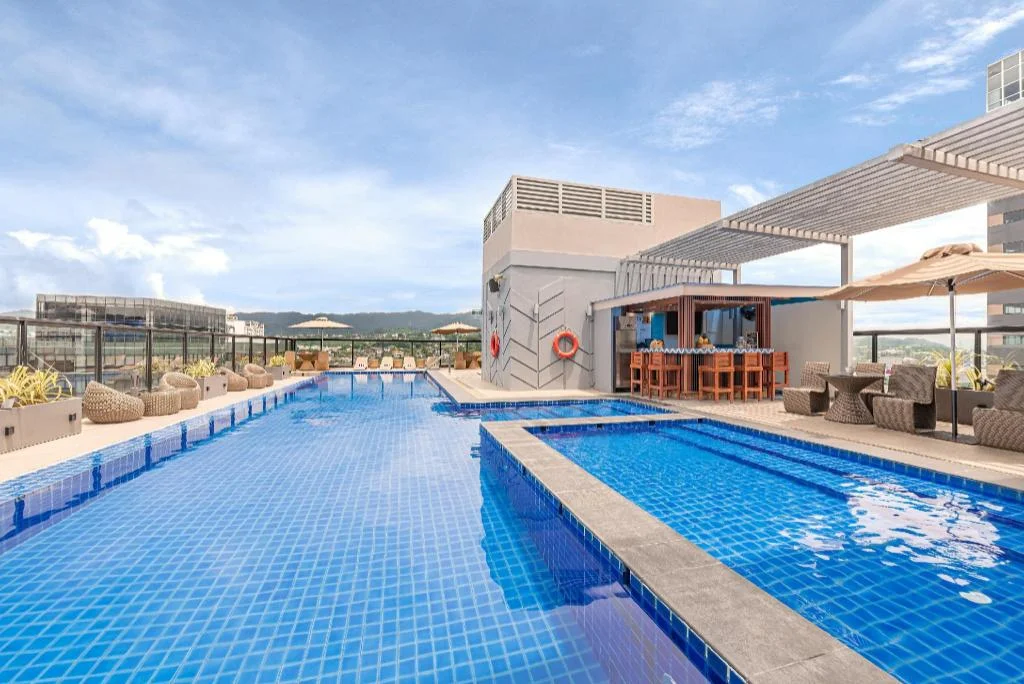
Seda Central Bloc Cebu City
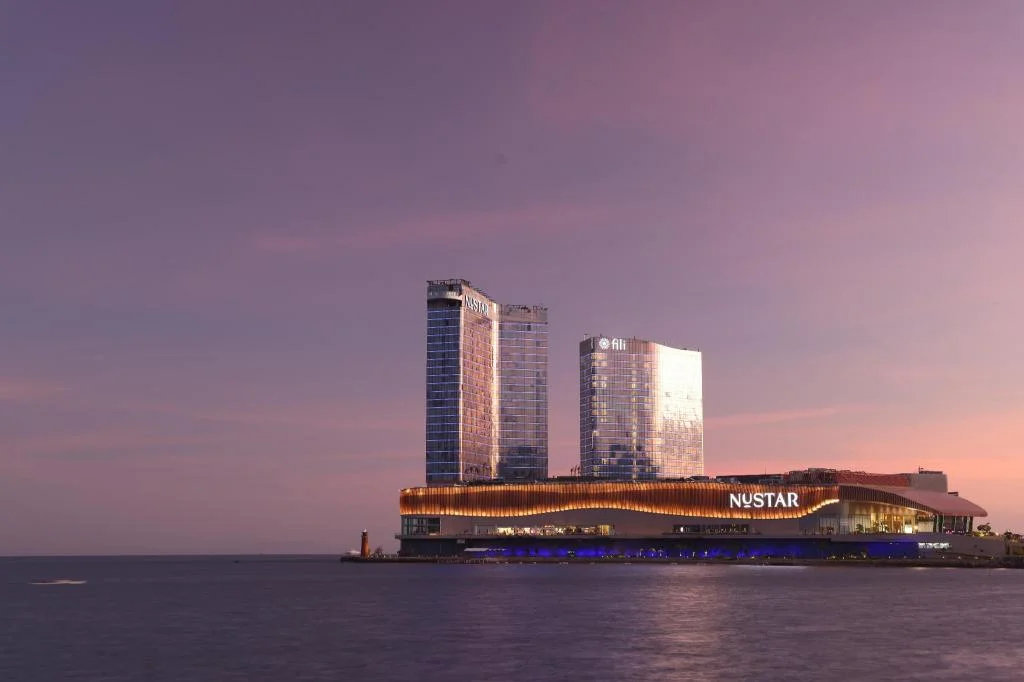
Fili Hotel - NUSTAR Resort & Casino Cebu
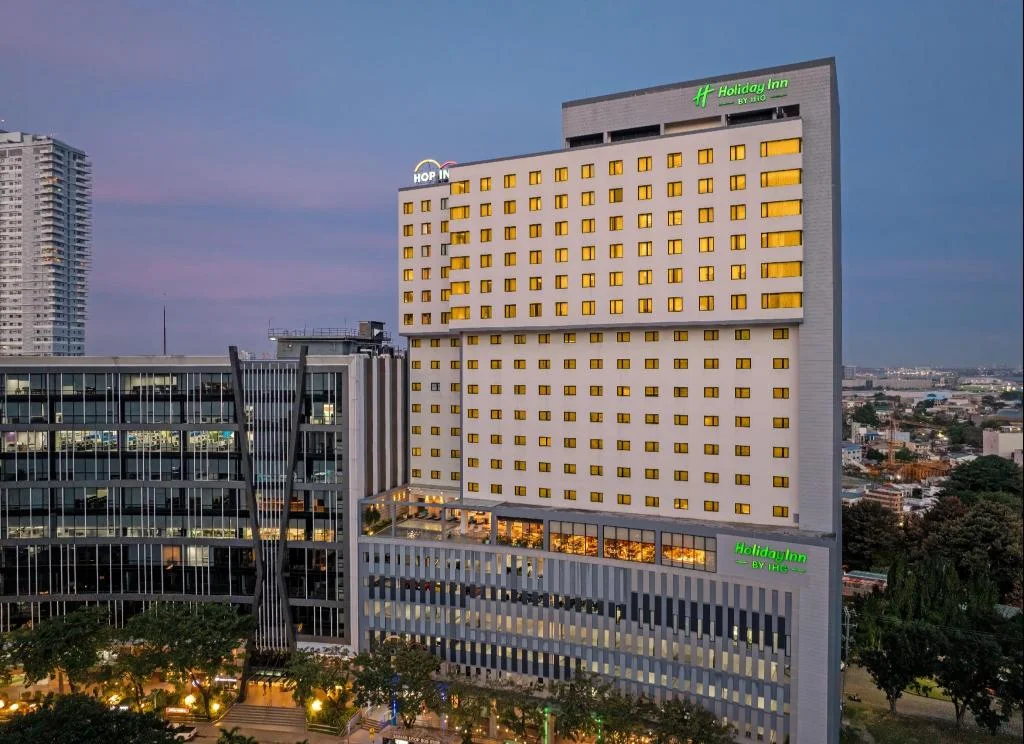
Holiday Inn Cebu City By IHG
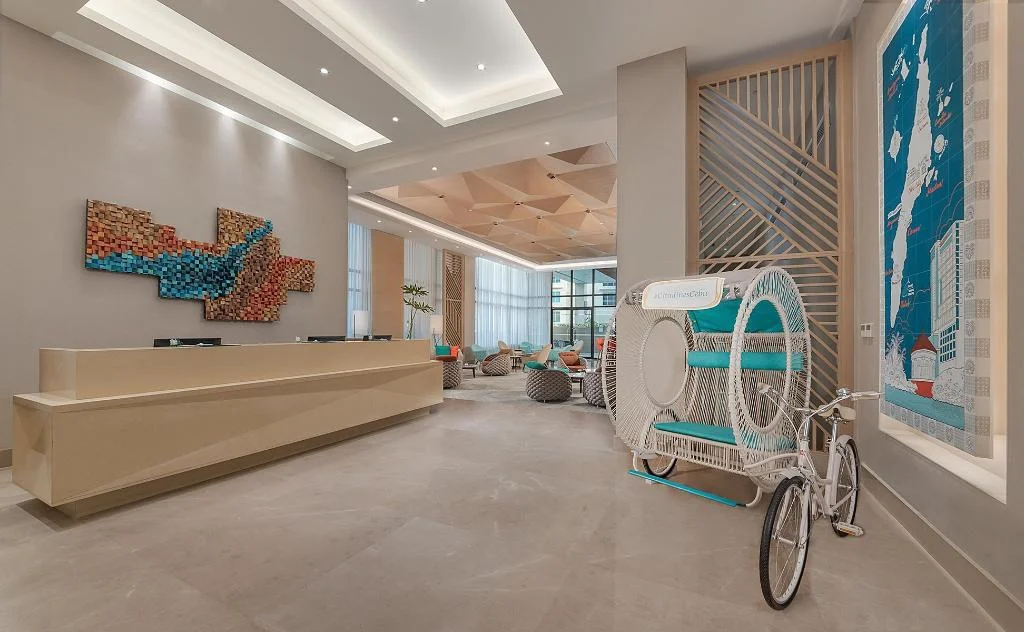
Citadines Cebu City
Prefer a rental? Vacation rentals near Cebu City
Self-catering condos and apartments — book the exact unit, kitchen included.
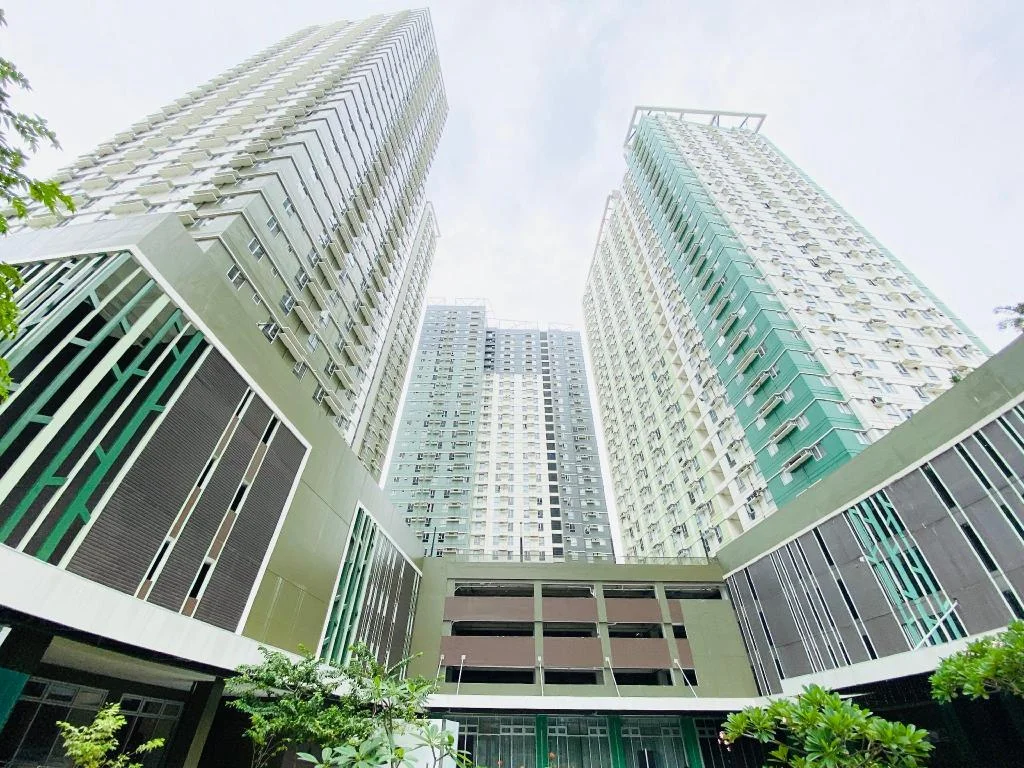
Cebu Avida Riala by P&J
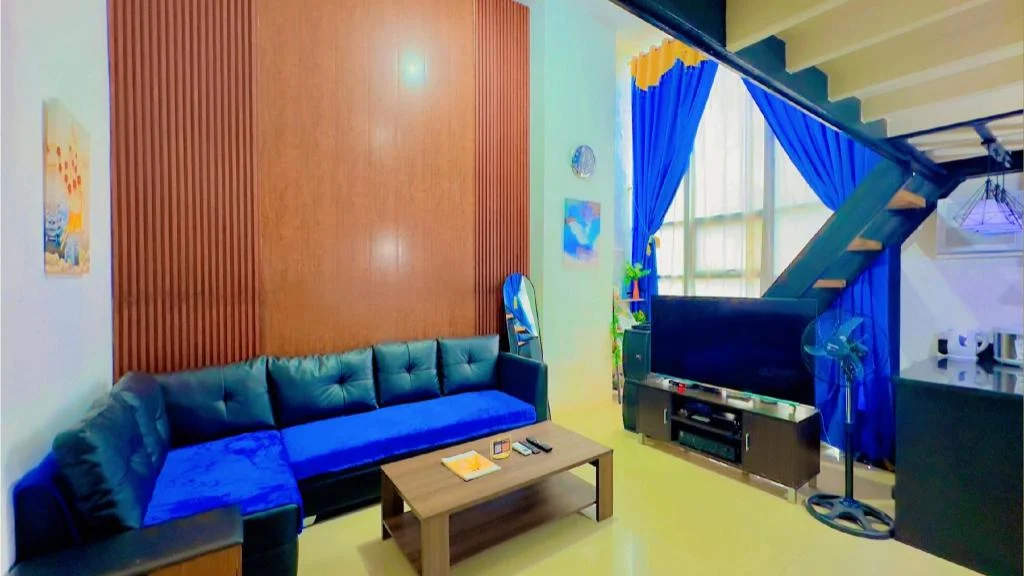
Special Big Loft Unit w/Fibreop Internet & Netflix
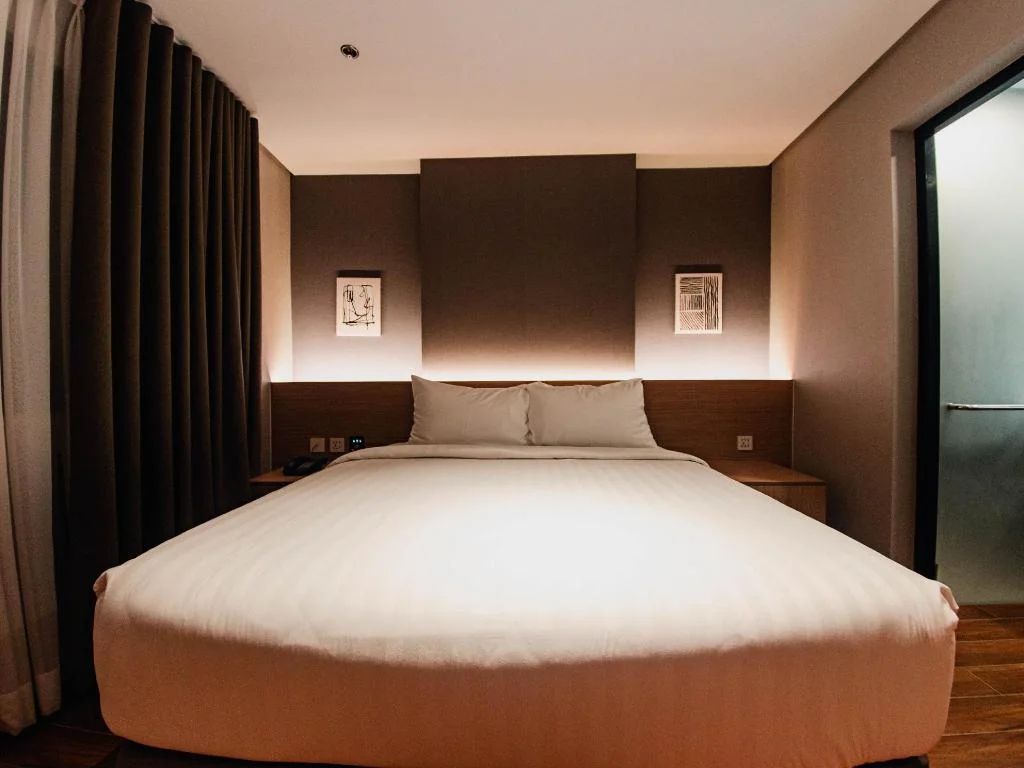
Moonstar Cebu Hotel - Deluxe Room
Before you go
Frequently asked
How much is rent for an apartment in Cebu?
How much deposit do landlords ask for in Cebu?
Can foreigners legally rent an apartment in Cebu?
Is a written lease contract required?
Do I need a real estate agent to find an apartment in Cebu?
Are utilities included in Cebu apartment rent?
What's the biggest apartment rental scam in Cebu?
Which Cebu neighborhood is best for renting long-term?
More Places to Explore
Temple of Leah
Cebu City
A magnificent Roman-inspired temple built as a monument of love, nicknamed 'Cebu's Taj Mahal,' offering stunning architecture and city views.
Tops Lookout
Cebu City
Cebu City's premier hilltop viewpoint offering stunning panoramic views of the city, especially spectacular at sunset and nighttime.