
TL;DR: Cebu’s two real local job paths for foreigners are ESL teaching (roughly US$800-1,500/month, often with free housing, sponsored via a 9(g) visa) and niche or management roles inside the BPO industry, which pays Filipino agents ₱20,000-31,000/month but rarely hires foreigners for entry-level seats. Remote freelance work under the 2025 digital nomad visa is the fastest-growing option but bars local employment entirely. Any paid local job needs an employer-sponsored Alien Employment Permit (AEP) and 9(g) visa, a 2-3 month process you can’t start without a signed offer. Verified July 2026.
Cebu is the Philippines’ second-biggest outsourcing hub after Manila, with an IT-BPM sector employing close to 300,000 people concentrated in Cebu IT Park and Cebu Business Park. That industry is real and growing — but it’s built almost entirely on Filipino talent, not foreign hires. If you’re a foreigner asking “can I get a job in Cebu,” the honest answer depends heavily on which job you mean. This guide breaks down what BPO work actually pays, how ESL teaching works as the main sponsored path for foreigners, what remote/freelance work looks like under the new digital nomad visa, and the work-visa paperwork (9G, AEP) that trips up almost everyone who skips the research. It’s written for foreigners weighing a move to Cebu for work, and for anyone curious what locals actually earn here.
Cebu Work Options at a Glance
| Path | Typical pay | Who it’s realistically for | Visa needed |
|---|---|---|---|
| BPO/call center agent | ₱20,000-31,000/mo (US$323-500) | Filipino citizens | N/A (local hire) |
| BPO team lead / QA | ₱30,000-45,000/mo (US$484-726) | Filipino citizens, rare expat management hires | 9G/AEP if foreign |
| ESL teacher (foreigner) | US$800-1,500/mo, often + housing | Native/near-native English speakers with a degree | 9G/AEP, school-sponsored |
| Remote freelancer/nomad | Your foreign-client income | Anyone working for overseas clients | Digital nomad visa (EO 86) or tourist status |
| Local office/professional | ₱15,000-35,000/mo | Filipino residents | N/A (local hire) |
| Minimum wage (Class A areas) | ₱540/day (~₱11,700-14,000/mo) | Entry-level local labor | N/A (local hire) |
Peso figures converted at ₱62 ≈ US$1 (July 2026). Confirm current rates and openings with employers directly — pay varies by company, account, and experience. Verified July 2026.
What’s the BPO industry like in Cebu, and what does it pay?
Cebu’s BPO sector employs an estimated 280,000-300,000 workers, and entry-level agents start around ₱20,000-31,000 a month (US$323-500). The industry is centered in two districts: Cebu IT Park in Apas/Lahug, which alone hosts well over 100,000 BPO employees across dozens of towers, and Cebu Business Park near Ayala Center. Major employers with a Cebu presence include Concentrix, Teleperformance, Accenture, IBM, 24-7 Intouch, and JPMorgan Chase, spanning customer service, technical support, healthcare information management, and financial-services back-office work.
Base pay is only part of the package — night-shift differential (most accounts run US/UK hours), attendance bonuses, sales commissions, and account-specific allowances can meaningfully raise take-home pay above the base. Specialized accounts (healthcare, IT, financial services) and team-lead/QA roles pay more, typically ₱30,000-45,000. It’s a real, stable career track for Filipino workers — just not one built around hiring foreign nationals into agent seats.
Can foreigners actually get BPO jobs in Cebu?
Rarely, and almost never at entry level. Standard agent roles are filled by Filipino citizens, and companies have little reason to sponsor a foreign hire’s AEP and 9(g) visa for a job that any local English speaker can do. The exceptions are niche language accounts (Korean, Japanese, Mandarin support, where native fluency is the actual requirement) and management, training, or quality-assurance roles where a company is transferring in specific expertise. If you’re aiming for BPO work in Cebu as a foreigner, target those niche or leadership tracks specifically rather than applying for general customer-service openings.
How does ESL teaching work for foreigners in Cebu?
This is the main realistic, sponsored path into local employment for foreigners in Cebu, paying roughly US$800-1,500 a month. Cebu has run Korean- and Japanese-owned English academies for years, clustered mainly in Talamban, Banilad, and Guadalupe, serving students who fly in specifically for immersive English study. Schools typically require a bachelor’s degree (in any field), a TEFL or TESOL certificate (120 hours is the common minimum), native or near-native English fluency, and a clean police clearance. Many bundle free or subsidized staff housing and meals into the package, which stretches the salary further than the raw number suggests.
Crucially, the school sponsors your AEP and 9(g) visa — you generally can’t just show up and start teaching without that paperwork already in motion, since the permit has to exist before you’re legally allowed to work. PHGuides has what the 9(g) actually costs the employer — ₱10,130 for a one-year visa up to ₱25,710 for three years, with spouse and unmarried children under 21 covered — and what DMW controls versus what it doesn’t. See our dedicated guide to teaching English in Cebu’s ESL academies for school-by-school detail, application steps, and what the interview process actually looks like.
What about remote work and freelancing from Cebu?
The Philippines’ 2025 digital nomad visa, established under Executive Order No. 86, is now the clearest legal route for remote workers — but it explicitly bars local employment. To qualify, you need to show you’re working exclusively for clients or employers based outside the Philippines, proof of sufficient foreign-sourced income, and valid health insurance. The visa runs one year with a renewal option for a second, and holders aren’t treated as Philippine tax residents on that foreign income. In practice, plenty of freelancers and remote employees have long worked from Cebu on tourist-visa extensions instead, since enforcement on quiet remote work has historically been light — but that sits in a legal gray zone, not a sanctioned arrangement, so the nomad visa is the safer paper trail if you plan to stay a while.
Cebu supports this crowd well: fiber internet is widely available in condos and coworking spaces, and IT Park and the best coworking spaces in Cebu cater specifically to remote workers and BPO night-shift staff sharing the same buildings. See our guide for digital nomads in Cebu and internet speed and reliability for remote work for the practical setup side.
What’s the real work-visa process — 9G and AEP?
Any paid job with a Philippine employer legally requires an Alien Employment Permit (AEP) from DOLE plus a 9(g) pre-arranged employment visa, and you can’t apply for either without a signed job offer first. The AEP confirms no qualified Filipino is available for the role and is only valid for that specific position — change jobs, and you need a new one. Processing the AEP alone takes roughly 2-3 weeks; the full 9(g) visa process, including the AEP, typically takes 2-3 months end to end. Once issued, 9(g) holders must complete annual reporting with the Bureau of Immigration in the first 60 days of each calendar year. For visa-extension logistics once you’re here, our BI office and visa extension guide and the broader long-stay visa options guide cover the practical side.
There is no shortcut around this: no employer, no AEP application; no AEP, no legal 9(g) job. If you’re job-hunting from abroad, expect the offer-and-sponsorship process to move slower than you’d like.
What do typical local wages look like in Cebu?
Cebu’s minimum wage is ₱540 a day for Cebu City, Mandaue, and Lapu-Lapu as of October 2025 (Wage Order ROVII-26) — about US$8.71, or roughly ₱11,700-14,000 a month. Nationally, the Philippine Statistics Authority’s most recent occupational wage survey put the average formal-sector monthly wage around ₱21,500-22,700. Locally, general office workers in Cebu City average closer to ₱15,000, while professional and technical roles commonly land between ₱25,000 and ₱45,000 depending on industry and experience. Compare that against cost of living in Cebu versus Manila if you’re weighing whether these wages make sense for the lifestyle you’re planning.
How do you choose between these paths?
If you need a legitimate, sponsored reason to live and work in Cebu long-term as a foreigner, ESL teaching is the most accessible route — schools actively recruit foreign teachers and handle the visa sponsorship as part of the job. If your income comes from clients or an employer outside the Philippines, the digital nomad visa is the cleanest legal fit and doesn’t depend on a local company sponsoring you at all. BPO work is worth targeting only if you have a specific skill (a rare language, senior management experience, a technical specialty) that a company would justify sponsoring over a local hire — walking in cold for a standard agent role isn’t realistic.
The Honest Take
Cebu’s job market is genuinely large and growing, but it’s a market built for Filipino workers, not an open door for foreigners. The AEP requirement exists specifically to protect that — a company sponsoring you has to prove no qualified Filipino could do the job, which is a hard case to make for most entry-level roles. ESL teaching works because native English fluency is a real, defensible qualification a Filipino candidate usually can’t match; that’s precisely why it’s the dominant foreigner-employment niche here. If someone tells you they’ll “get you a BPO job” without a specific skill or sponsorship plan already lined up, be skeptical — and don’t accept unpaid trial periods or vague verbal promises about visa paperwork; ask to see the AEP filing, not just a job title.
Getting Set Up in Cebu
Once you’ve got a sponsored role lined up or you’re arriving on the digital nomad visa, sort short-term housing before committing to a lease — compare serviced condos and hotels in Cebu City on Agoda for your first few weeks while you scout Talamban, Banilad, or IT Park for the long-term fit. And once the work routine settles in, remember why you moved here in the first place — book an island-hopping day trip on Klook for your first weekend off.
For the bigger picture on relocating rather than just working here, see our guides to cost of living in Cebu vs. Manila, digital nomad life in Cebu, and Cebu IT Park where much of this industry is based.
Sources
- DOLE / Bureau of Immigration — 9(g) Pre-Arranged Employment Visa (visa and AEP process)
- National Wages and Productivity Commission — Region VII wage orders (minimum wage, Wage Order ROVII-26)
- Industry employment and investment figures from 2025 Cebu IT-BPM sector reporting
- ESL academy locations, requirements, and pay ranges from Cebu-based TEFL/ESL industry reporting
- Digital nomad visa details per Executive Order No. 86 (2025) and Philippine e-visa portal guidance
- BPO and office-worker salary ranges cross-checked against Cebu-specific job board listings (Indeed, JobStreet, Glassdoor)
- Verified July 2026.
Book Tours & Hotels for This Trip
Find and book the best deals — prices and availability update in real time. Links open in a new tab.
Where to stay near Cebu City
Top-rated hotels for this trip — tap through to check live rates.
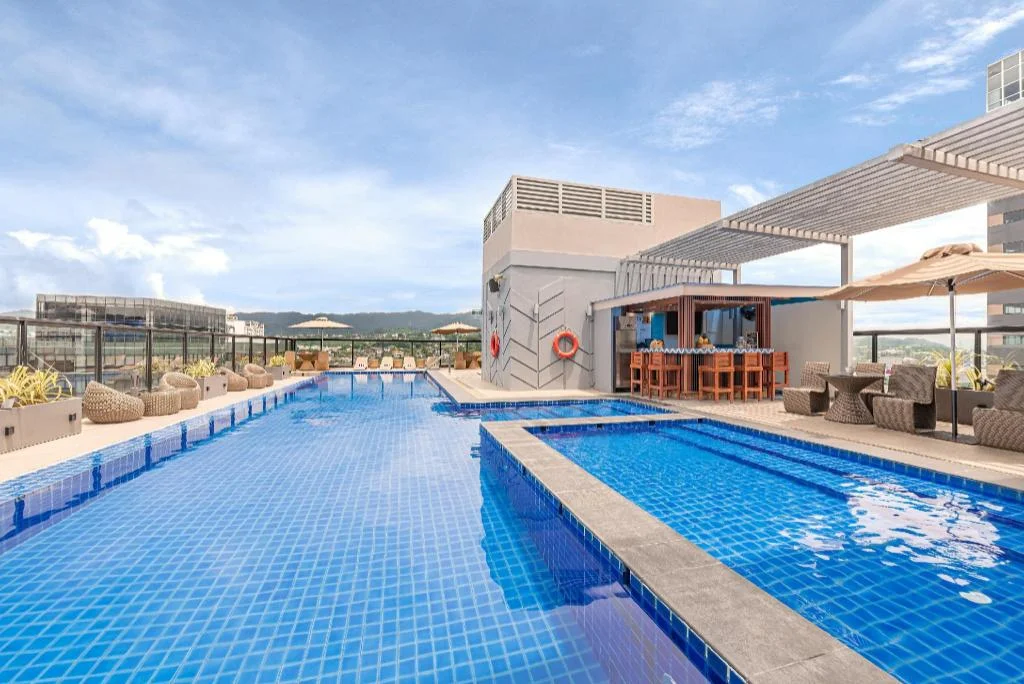
Seda Central Bloc Cebu City

Fili Hotel - NUSTAR Resort & Casino Cebu
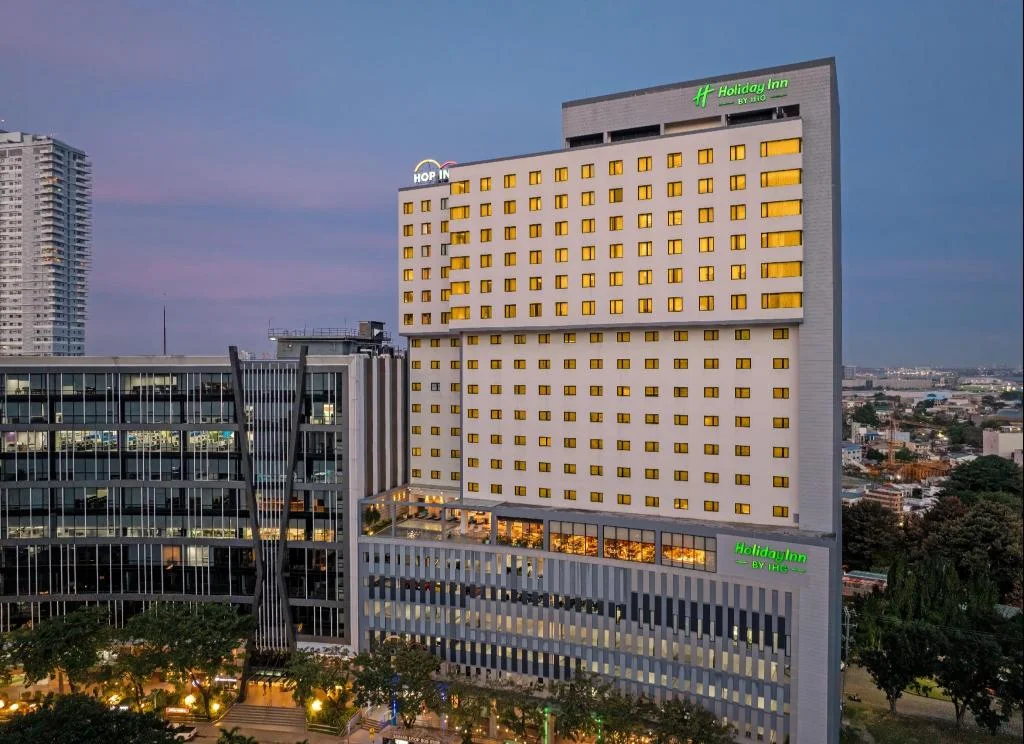
Holiday Inn Cebu City By IHG
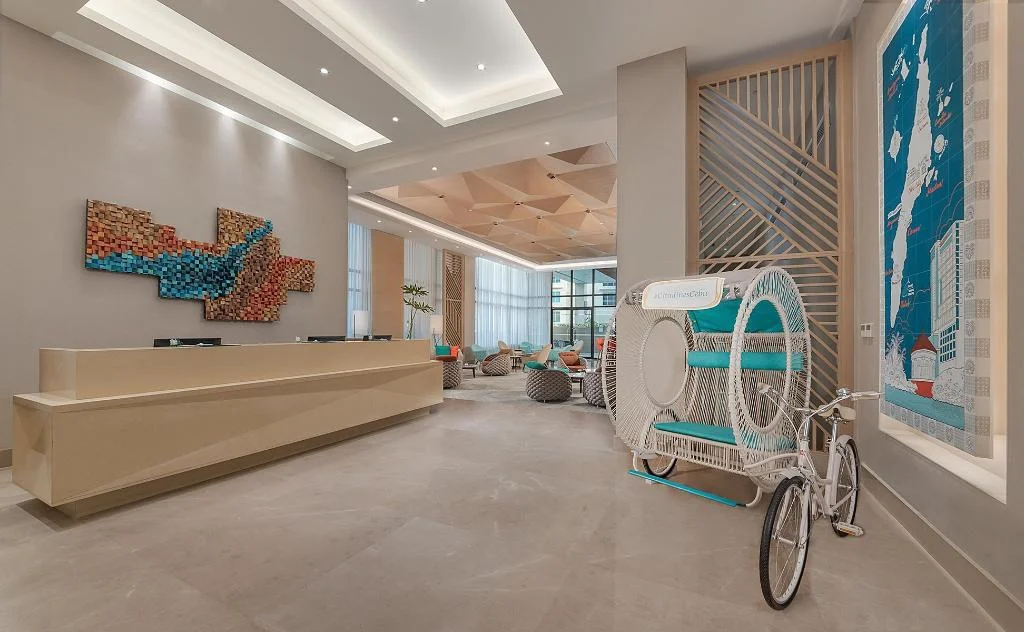
Citadines Cebu City
Prefer a rental? Vacation rentals near Cebu City
Self-catering condos and apartments — book the exact unit, kitchen included.
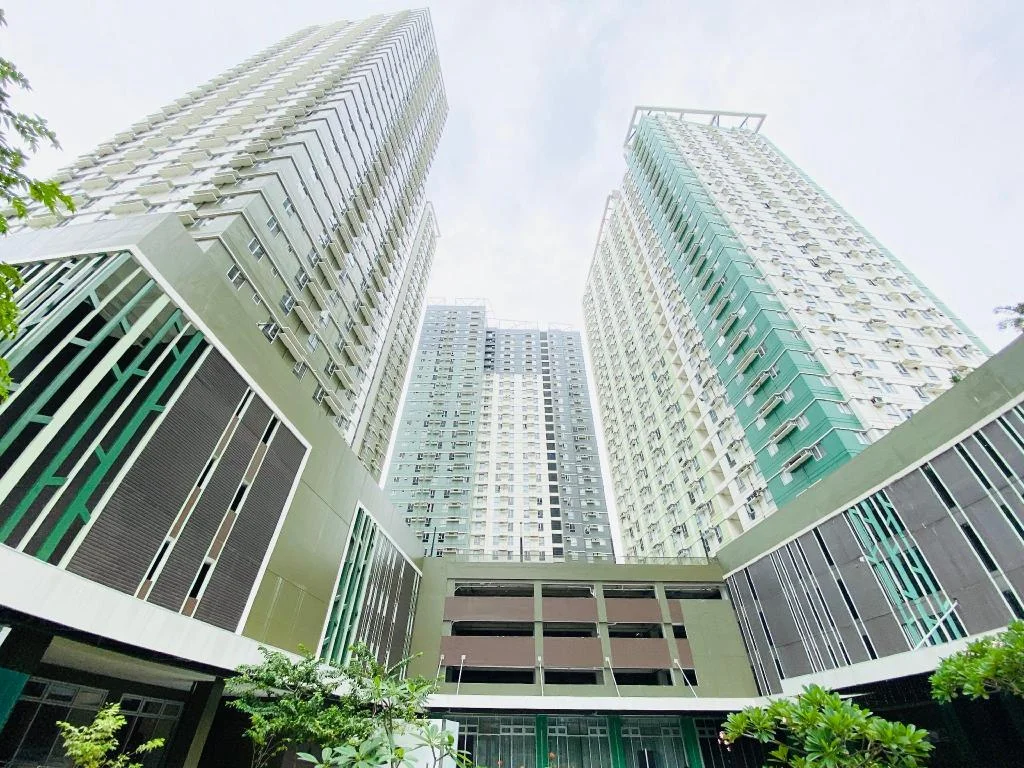
Cebu Avida Riala by P&J

Special Big Loft Unit w/Fibreop Internet & Netflix

Moonstar Cebu Hotel - Deluxe Room
Before you go