
TL;DR: Foreign teachers at Cebu’s ESL academies typically earn ₱15,000–25,000 a month (roughly US$260–430), often bundled with free or subsidized housing and a meal allowance; senior and test-prep specialist roles pay more. Academies like CPILS, SMEAG, EV Academy, and CIJ Academy run intensive programs for Korean, Japanese, and Vietnamese students, mostly hiring passport holders from the US, UK, Canada, Ireland, Australia, New Zealand, and South Africa as “native speaker” instructors. The proper visa route is an Alien Employment Permit (AEP) and 9(g) visa, though many teachers start on a tourist visa and a Special Working Permit while that’s processed — confirm this in writing before accepting a job. Verified July 2026.
Cebu isn’t just a beach and diving destination — it’s one of Asia’s biggest ESL hubs, built around intensive academies where Korean, Japanese, and Vietnamese students fly in for months to study English immersively. That industry needs a steady supply of foreign instructors, which is where this guide comes in. This is the teacher’s side of that story: how the academies work, what you’ll actually get paid, whether you need to be a native speaker, and how the visa process really plays out. If you’re the one coming to study English instead, see our guide to studying English in Cebu. Weighing this against a call-center job? Our working in Cebu guide covers that comparison.
Foreign English Teacher Roles in Cebu at a Glance
| Role | Typical monthly pay | Housing / perks | Best for |
|---|---|---|---|
| Full-time academy instructor | ₱15,000–25,000 (US$260–430) | Often free or subsidized dorm-style housing, meal allowance | First-timers with a degree + TEFL, especially “native speaker” passport holders |
| Online instructor working onsite (e.g. QQEnglish) | ₱15,000–20,000 (US$260–345) | 2 months free accommodation is a common perk, plus meal allowance and a ₱2,000–5,000 regularization bonus (US$34–86) | Teachers who’d rather work from an office than a classroom |
| Private tutoring (side income) | ₱300–800/hour (US$5–14/hour) | None — cash supplement to a main job | Teachers already employed who want extra income |
| Senior instructor / IELTS-TOEFL specialist | Roughly ₱31,000–50,000+/month (US$540–855+) | Varies by school, sometimes includes housing | Experienced teachers with certifications and a track record |
Ranges are compiled from academy job postings, recruiter listings, and salary aggregator data current as of late 2025–2026. Actual pay varies by school, experience, and negotiation — confirm the exact offer in writing. Verified July 2026.
How Does Cebu’s ESL Academy Industry Actually Work?
Cebu’s ESL academies run intensive, live-in study programs mostly for East Asian students — overwhelmingly Korean, plus Japanese and Vietnamese, with smaller numbers of Chinese and Taiwanese students. Students enroll for weeks to months, live in academy dormitories, and follow a packed schedule of one-on-one lessons, small group classes, and mandatory study halls, often with a curfew. It’s closer to a boarding school than a language class you drop into.
Foreign teachers are hired to deliver the “native” conversation and pronunciation classes that anchor the marketing pitch to parents back home, while Filipino teachers — excellent English speakers, but not classified as native speakers under Philippine labor rules — typically cover grammar, writing, and general coursework at a different pay scale. That split is why “native speaker” status matters so much to which job you’re offered.
What Do Foreign Teachers Actually Get Paid?
Expect roughly ₱15,000–25,000 a month (US$260–430) as a full-time instructor, with pay for senior or specialist roles going noticeably higher. Data aggregated in late 2025 put the average ESL teacher salary in Cebu City around ₱19,000 a month (about US$330), while broader Philippines-wide postings for ESL teacher roles range up to roughly ₱375,000–595,000 a year (about US$540–855 a month) for more senior, experienced, or specialized positions like IELTS/TOEFL coaching.
That base number understates the real package. Housing, meals, and other perks are usually layered on top rather than deducted from it — academies commonly offer free or subsidized dormitory housing (two months is a figure that comes up repeatedly in job listings) plus a monthly meal allowance, and some pay a small regularization bonus (₱2,000–5,000, or US$34–86) after probation. None of this rivals Korea- or Japan-level ESL pay, but paired with Cebu’s low cost of living it funds a genuinely comfortable single life — see our cost of living in Cebu vs. Manila guide. Many teachers also pick up private tutoring on the side at ₱300–800 an hour (US$5–14).
Does It Matter If You’re a Native or Non-Native English Speaker?
Yes — it determines which job you’re offered and, often, what you’re paid. Academies market “native speaker” instructors heavily to parents, and in practice that label is reserved for passport holders from the US, Canada, UK, Ireland, Australia, New Zealand, and South Africa. It isn’t just marketing: Philippine labor rules require an employer to justify hiring a foreigner over a Filipino for the Alien Employment Permit, and “native English speaker” is the easiest justification a school can put on paper.
Fluent non-native speakers do teach at these academies, but usually on the grammar, writing, or test-prep side rather than the “native speaker conversation” track, sometimes at a different rate. If you’re not from one of those seven countries, ask directly in the interview which track you’d be teaching and what the pay difference looks like.
What Do You Need to Get Hired?
The baseline most academies ask for is straightforward:
- A bachelor’s degree, in any field — an education or English-related degree helps but usually isn’t mandatory.
- A TEFL, TESOL, or CELTA certificate, typically 120 hours or more. This is required at some schools and strongly preferred at nearly all of them — it’s the single easiest thing to fix before you apply if you don’t have a teaching background.
- Clear, confident spoken English and comfort in front of a classroom — schools will usually do a demo lesson or interview call before hiring.
- A clean criminal record and medical clearance, both of which your employer will need for your work permit application regardless of your teaching credentials.
None of this is exotic, but skipping the TEFL certificate is the most common reason applicants get filtered out early, even native speakers with strong English.
Is Your Visa Actually Legal?
This is the part most job ads gloss over. The proper route is an Alien Employment Permit (AEP) from the Department of Labor and Employment, followed by a 9(g) pre-arranged employment visa — both sponsored by your employer, not something you arrange yourself. DOLE rules effective February 2025 added a labor market test and a requirement to publicly post the job (newspaper, PhilJobnet, the local Public Employment Service Office) before the AEP is approved, stretching the full process to roughly six to ten weeks.
Because of that timeline, many teachers start on a tourist visa under a Special Working Permit (SWP) — a stopgap allowing a few months of legal work while the 9(g)/AEP is processed. What isn’t legal is working past a tourist visa’s terms with no SWP and no AEP in motion, which does happen at smaller or less careful academies. Immigration enforcement periodically sweeps ESL schools, and teachers without proper papers risk fines and deportation regardless of what the school told them. Ask in writing: is there an SWP while the 9(g) is filed, and when does the AEP application actually go in? A vague answer is a warning sign. For the bigger visa picture, see our Cebu long-stay visa options guide.
Which Academies Actually Hire Foreign Teachers?
| Academy | Focus | Typical student nationalities | Notable |
|---|---|---|---|
| CPILS | General ESL | Korean, Japanese, Vietnamese, other East Asian | One of Cebu’s oldest ESL schools, with one of the largest campuses in the country |
| SMEAG | General ESL + intensive test prep | Korean, Japanese, Vietnamese, Chinese | Three campuses; marketed as the largest single ESL operator in the Philippines |
| EV Academy | IELTS/TOEFL test-prep focus | Korean, Vietnamese | Known for a strict, highly structured study system |
| CIJ Academy | Academic, structured ESL | Korean, Japanese | Popular with students chasing measurable score gains over casual immersion |
| Genius English Academy | General ESL, island campus | Korean, Japanese | Based in Mactan rather than Cebu City proper |
| QQEnglish | Online lessons delivered from a Cebu office | Mostly Japanese, plus other Asian markets | Foreign teachers work onsite in IT Park, teaching students abroad by video call |
Academy names, focuses, and capacities are drawn from school marketing materials and third-party ESL school directories current as of 2025–2026. Programs and hiring needs change — confirm current openings directly with each school. Verified July 2026.
Is Teaching Online From Cebu a Better Option?
If live-in dormitory academies and curfews don’t appeal, Cebu also has an online-teaching layer worth knowing about. QQEnglish, headquartered in IT Park, hires foreign teachers to work onsite in a Cebu office while teaching students — mostly in Japan — over video call. Pay and perks look similar to academy work (₱15,000–20,000 a month, with accommodation support and a meal allowance commonly cited in postings), but the daily rhythm is closer to a call-center shift than a classroom job.
That’s distinct from fully remote, freelance online tutoring done independently of any Cebu-based employer, which comes with its own visa and tax questions this guide doesn’t cover.
How Do You Actually Land One of These Jobs?
- Get the TEFL certificate before you apply. It’s the cheapest way to move to the top of the pile.
- Ask about the visa process in the interview. Get the AEP/9(g) timeline and any SWP arrangement in writing.
- Clarify what “housing included” means — free for the whole contract, free for two months, or a fixed allowance are very different deals.
- Talk to current or former teachers if you can — culture and management vary enormously between academies, more than a ₱2,000 pay gap ever will.
- Confirm the contract length and exit penalties before signing — academy contracts are typically fixed-term, and leaving early can carry a cost.
The Honest Take
This is a real industry with steady demand, but go in with realistic expectations. Pay is modest — nowhere near Korea- or Japan-level ESL wages — and it only works financially because Cebu is cheap to live in. Some academies run a tight, professional operation with proper visa sponsorship and decent housing; others cut corners on paperwork and expect teachers to work on tourist visas indefinitely, which is a legal risk for you, not just the school. Don’t take a verbal promise about visa sponsorship at face value.
The work can also be more intense than it sounds — schedules are long, students are often teenagers on a tight study regimen set by parents back home, and the “study camp” atmosphere means less flexibility than a typical teaching job. It suits people who like structure more than people chasing a loose, easygoing overseas gig. On your days off, though, you get all of Cebu — a short ride up to Temple of Leah or a weekend south for waterfalls and whale sharks beats basing yourself in Seoul or Osaka.
Combine It With the Rest of Cebu
If teaching is your reason for moving to Cebu long-term, pair this guide with our cost of living in Cebu vs. Manila breakdown to budget realistically, and our Cebu long-stay visa options guide for what happens after your teaching contract ends. If you’re still deciding between the classroom and a desk job, our working in Cebu BPO and teaching jobs guide lays out both paths side by side. And if you need somewhere to stay while you interview and get settled, compare short-term stays in Cebu City on Agoda before committing to a lease.
Sources
- Academy job postings and recruiter listings for foreign ESL instructors in Cebu (QQEnglish, general academy postings), 2025–2026
- ESL teacher salary data, Indeed Philippines
- School directories and profiles for CPILS, SMEAG, EV Academy, CIJ Academy, and Genius English Academy
- DOLE rules on Alien Employment Permits and the 9(g) pre-arranged employment visa, including changes effective February 2025
- Verified July 2026.
Book Tours & Hotels for This Trip
Find and book the best deals — prices and availability update in real time. Links open in a new tab.
Where to stay near Cebu City
Top-rated hotels for this trip — tap through to check live rates.

Seda Central Bloc Cebu City

Fili Hotel - NUSTAR Resort & Casino Cebu

Holiday Inn Cebu City By IHG
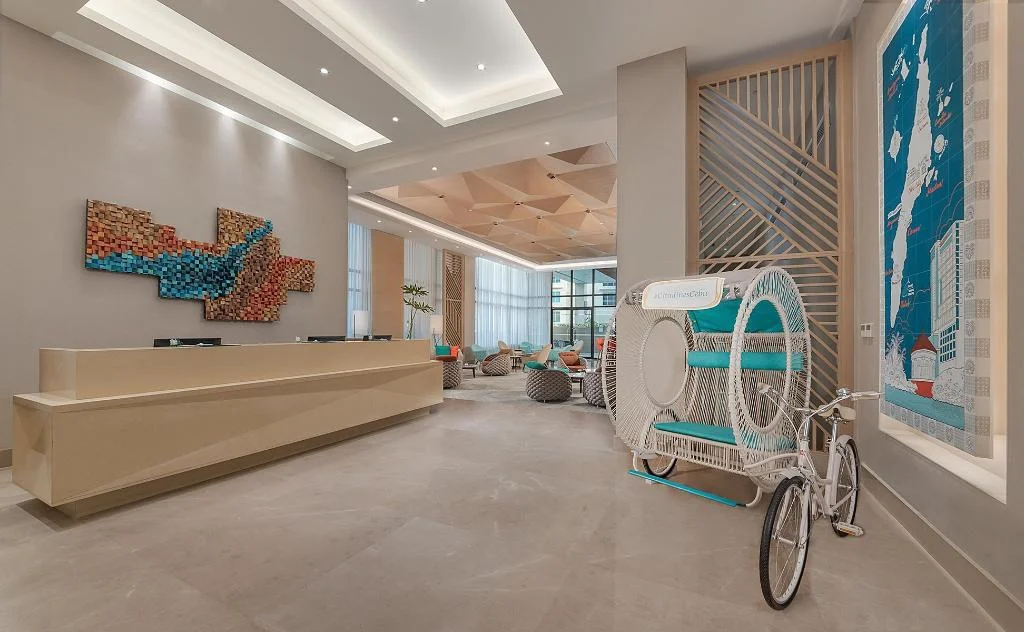
Citadines Cebu City
Prefer a rental? Vacation rentals near Cebu City
Self-catering condos and apartments — book the exact unit, kitchen included.

Cebu Avida Riala by P&J
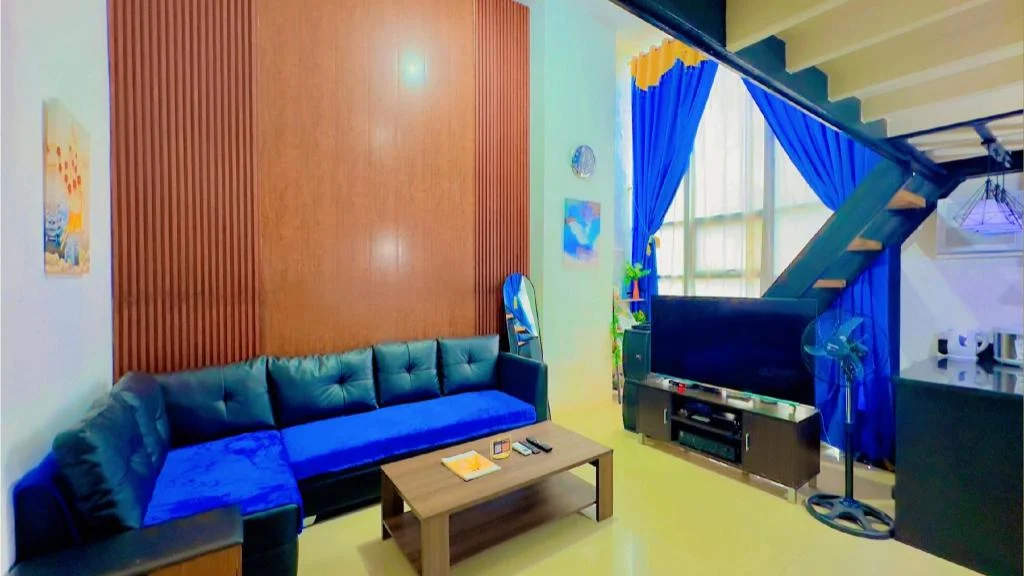
Special Big Loft Unit w/Fibreop Internet & Netflix
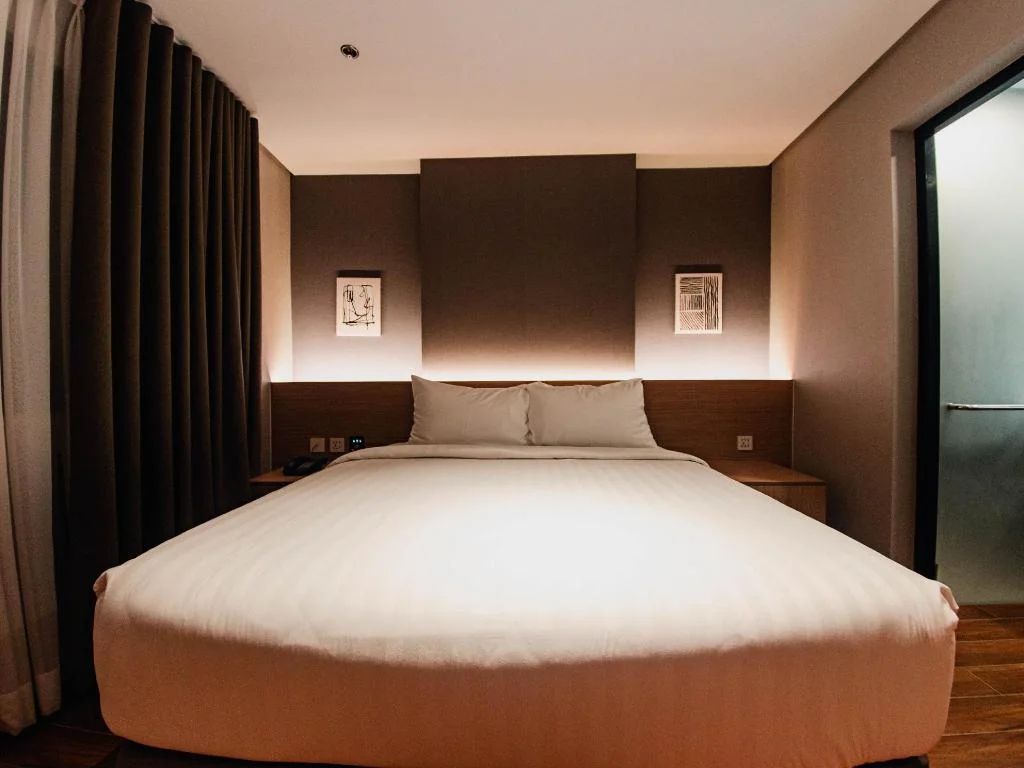
Moonstar Cebu Hotel - Deluxe Room
Before you go