
TL;DR: Cebu is a budget-friendly English-immersion base for Korean, Japanese, Taiwanese, and Vietnamese students, built around one-on-one class-heavy “Sparta,” “Semi-Sparta,” and “Non-Sparta” dorm schools. Expect roughly US$250-350/week for lighter, group-based tuition and US$400-700+/week for full-board Semi-Sparta or Sparta packages with a dorm room, meals, and 6-8 classes a day. You’ll also need a Special Study Permit (SSP), typically bundled by the school for about ₱10,000-12,000 (US$170-205). Verified July 2026.
If you’ve searched “study English in the Philippines” from Seoul, Osaka, Taipei, or Hanoi, Cebu almost certainly came up - it’s one of the country’s two biggest ESL hubs alongside Metro Manila, and for many families it’s the cheaper, calmer choice. This guide is written for the student (or the parent booking for a teenager), not the teacher: how the Sparta/Semi-Sparta system actually works, what a week really costs, the immigration paperwork you can’t skip, and which schools keep coming up in reviews. If you’re researching the other side of this industry - the foreign teachers hired to run these classes - see our teaching English in Cebu guide instead. Most ESL campuses cluster around Mabolo, near Cebu IT Park, or across the channel in Lapu-Lapu City on Mactan.
What’s the Cebu ESL Model, and Why Does It Exist?
Cebu’s ESL industry is built on one core idea: cheap, plentiful one-on-one English tutoring, delivered by native and near-native Cebuano teachers, at a fraction of what equivalent hours cost in Korea, Japan, Taiwan, or an English-speaking country. Korean entrepreneurs pioneered the model in the early 2000s (CPILS, one of the oldest schools, opened in 2001), and it has since expanded to serve Japanese, Taiwanese, Vietnamese, Chinese, and Mongolian students as well. Schools bundle tuition, dorm accommodation, three meals a day, and structured study hours into one weekly or monthly package - closer to a boarding-school model than a typical language-school-plus-homestay setup you’d find in Europe or Australia.
What’s the Difference Between Sparta, Semi-Sparta, and Non-Sparta?
These are intensity levels, not certifications - every school defines its own version, so always check the actual daily schedule before booking.
| Program type | Typical daily load | Curfew / self-study | Best for |
|---|---|---|---|
| Sparta | 8-10 classes/day, mostly 1:1 | Strict curfew, mandatory night self-study, limited weekday outings | Fast, disciplined score gains (IELTS/TOEIC crash prep) |
| Semi-Sparta | 6-7 classes/day (mix of 1:1 and small group) | Curfew with some evening freedom, 1-2 hrs mandatory self-study | Most students - solid discipline without full lockdown |
| Non-Sparta / General | 4-6 classes/day, more group-based | No curfew, no mandatory self-study | Working adults, families, students who want flexibility |
Verified July 2026 against current program descriptions from Cebu ESL operators.
A typical Semi-Sparta day (as described by 3D Academy and similar schools) runs four 1:1 classes, three group classes, one optional class, a mandatory morning English test, and two hours of supervised self-study from around 9-11 PM. Sparta programs add more class hours and stricter curfews on top of that. Non-Sparta schools, like QQ English’s regular tracks, let you build your own weekly class count (commonly 4-8 lessons a day) with no lockdown after hours - a better fit if you’re an adult who wants evenings free to explore the city.
How Much Does ESL School in Cebu Cost Per Week?
Budget US$250-350/week for lighter tuition-only options, and US$400-700+/week for a full-board Semi-Sparta or Sparta package, depending on class load and room type.
| Package type | Example basis | Weekly cost (approx.) |
|---|---|---|
| Group-heavy / flexible tuition (no housing) | QQ English, 4 x 1:1 + 2 group lessons/day | |
| Heavy 1:1 tuition only (8 lessons/day) | QQ English | |
| Capsule dorm add-on | QQ English campus housing | |
| Meals (3x/day) add-on | QQ English | |
| All-inclusive Semi-Sparta, shared room (tuition + dorm + 3 meals) | 3D Academy | From ~US$461/week (~₱26,700) |
Prices are per-student estimates built from published 2025-2026 rate cards; they vary by class mix, room type (shared vs. private), and season. Always request a current written quote. Verified July 2026.
On top of the weekly package, expect a one-time enrollment fee (commonly around US$100-150), an airport pickup fee (roughly US$30 each way), a refundable dorm deposit (a few thousand pesos), and the SSP permit fee below. Multi-month bookings (8, 12, or 24 weeks) usually come with a lower effective weekly rate, so ask for the long-stay price sheet if you’re planning more than a month.
Do You Need a Visa? What Is the SSP?
Yes, but it’s a permit, not a visa. Korean, Japanese, Taiwanese, and Vietnamese passport holders can generally enter the Philippines visa-free as tourists (commonly 30 days, extendable at a Bureau of Immigration office - see our Cebu long-stay visa options guide for the extension process). Once you enroll in a short-term, non-degree course like an ESL program, Philippine law requires you to also hold a Special Study Permit (SSP), issued by the Bureau of Immigration.
Your school normally files the SSP on your behalf shortly after you arrive. It’s valid for around 90 days; if your program runs longer, you renew before it expires. Schools quote all-in SSP costs (which typically bundle the government filing fees with the ACR I-Card and administrative processing) at roughly ₱10,000-12,000 for a first application (about US$170-205), with lower renewal fees. The Bureau of Immigration’s own published base fee schedule is lower on paper - PHGuides lists the SSP government fee at ₱4,740 or ₱5,240 depending on the immigration office, plus the US$50 ACR I-Card - but the amount you’ll actually pay through your school covers additional required steps (ACR I-Card, service and legal research charges) - so treat the school’s quoted figure as the real number and confirm it directly with them or the Bureau of Immigration before you commit.
Which Schools Do Koreans, Japanese, Taiwanese, and Vietnamese Students Actually Choose?
There’s no single “best” school - fit depends on your nationality mix preference, budget, and how much structure you want. Names that come up consistently in reviews and school-comparison directories:
- CPILS (Center for Premier International Language Studies) - one of Cebu’s original ESL schools, open since 2001, offering 1:1, small-group (1:4), and larger-group (1:8) class formats.
- 3D Academy - well known for its Semi-Sparta and junior (teen) programs, with detailed published pricing.
- EV Academy - operating since 2004, an early developer of intensive “Spartan” programs in Cebu.
- Genius English Academy - runs Sparta, Semi-Sparta, and Non-Sparta tracks side by side so students can pick their intensity.
- Philinter - markets itself specifically around the Semi-Sparta format.
- Cebu International Academy (CIA) - based in Lapu-Lapu City/Mactan, popular with a broad nationality mix including Korean, Japanese, Chinese, Mongolian, and Vietnamese students.
- QQ English - Japanese-owned, based in Cebu IT Park, known for a flexible, no-curfew scheduling model and transparent per-lesson pricing.
Before booking any of these, ask for recent student reviews by nationality, a virtual campus tour, and a written breakdown of what’s actually included in the weekly rate - two schools quoting a similar headline price can differ a lot on room size, meal quality, and how strictly the curfew is enforced.
Why Cebu Over Manila, Baguio, or Elsewhere?
Mainly cost and pace. Within the Philippines, Cebu undercuts Manila on day-to-day living costs - food, transport, and incidentals all run cheaper (see our cost of living in Cebu vs. Manila comparison) - while still offering a full ESL ecosystem, an international airport, and a genuine beach-and-island backdrop for weekends off. Baguio built the country’s other major ESL cluster earlier, trading on its cooler mountain climate, but it’s smaller and further from a major international gateway than Cebu. Zoom out further and the real comparison is regional: an equivalent block of daily 1:1 English tutoring in Korea, Japan, or Taiwan costs multiples of the Philippine rate, and immersion study in a native English-speaking country (US, Canada, Australia) costs multiples more again once flights, visas, and living costs are factored in. That price gap, more than any single feature of Cebu itself, is what built this entire industry.
How to Choose the Right Program
- Match the intensity to your goal. Chasing a fast IELTS/TOEIC score bump in a short window favors Sparta; steady conversational improvement over a longer stay favors Semi-Sparta or Non-Sparta.
- Decide on room type early. Shared rooms cut weekly cost significantly versus a private room - confirm exactly how many roommates and what the room actually looks like (photos or a video call, not just a brochure render).
- Ask what “all-inclusive” excludes. Some quotes leave out the SSP, laundry, or airport transfer - get a full itemized total before you pay a deposit.
- Check the nationality mix on campus. If practicing English with a diverse group matters to you, ask directly what proportion of current students share your first language - some campuses skew heavily toward one nationality.
- Confirm term length flexibility. Ask whether you can extend week-to-week once you’re there, in case you want to add time after arriving.
The Honest Take
The Sparta system works because it removes decision fatigue - your schedule is made for you, and for a motivated student that structure genuinely accelerates progress in a way a casual class or two a week never will. But it isn’t for everyone: the curfews, dorm living, and daily testing suit disciplined teens and adults with a clear score or fluency goal, not someone hoping for a half-immersion, half-vacation experience. If you want real freedom to explore Cebu’s beaches and mountains on weekdays, a Non-Sparta or lighter Semi-Sparta package is the honest choice, even if the marketing around “full Sparta” sounds more impressive. And be skeptical of any school quoting a price that seems far below the ranges here - it usually means a smaller room count per bed, an outdated meal plan, or an SSP fee that gets added on as a surprise later. Get everything in writing before you wire a deposit.
Combine It With the Rest of Cebu
Studying doesn’t mean staying on campus every weekend. Once classes wrap on a Friday, most students head up to Temple of Leah and the Busay hills for a break from the dorm, or explore the malls and cafés near Cebu IT Park if your campus is nearby. If you’re weighing Cebu against working here afterward instead of just studying, our guide to teaching English and BPO jobs in Cebu covers what comes next for graduates who want to stay longer term.
Ready to compare schools directly? Most ESL academies publish current rate sheets and offer video campus tours on request - reach out to two or three before deciding, and confirm every fee in this guide against their latest quote.
Sources
- Bureau of Immigration Philippines - Special Study Permit
- 3D Academy - Semi-Sparta course and 2025 tuition/fee breakdowns
- QQ English - study plans and pricing
- CPILS - school history and program formats
- EV Academy program background
- Program structures and pricing cross-checked against current listings on Language International and ESL Cebu school directories. Verified July 2026.
Book Tours & Hotels for This Trip
Find and book the best deals — prices and availability update in real time. Links open in a new tab.
Where to stay near Cebu City
Top-rated hotels for this trip — tap through to check live rates.
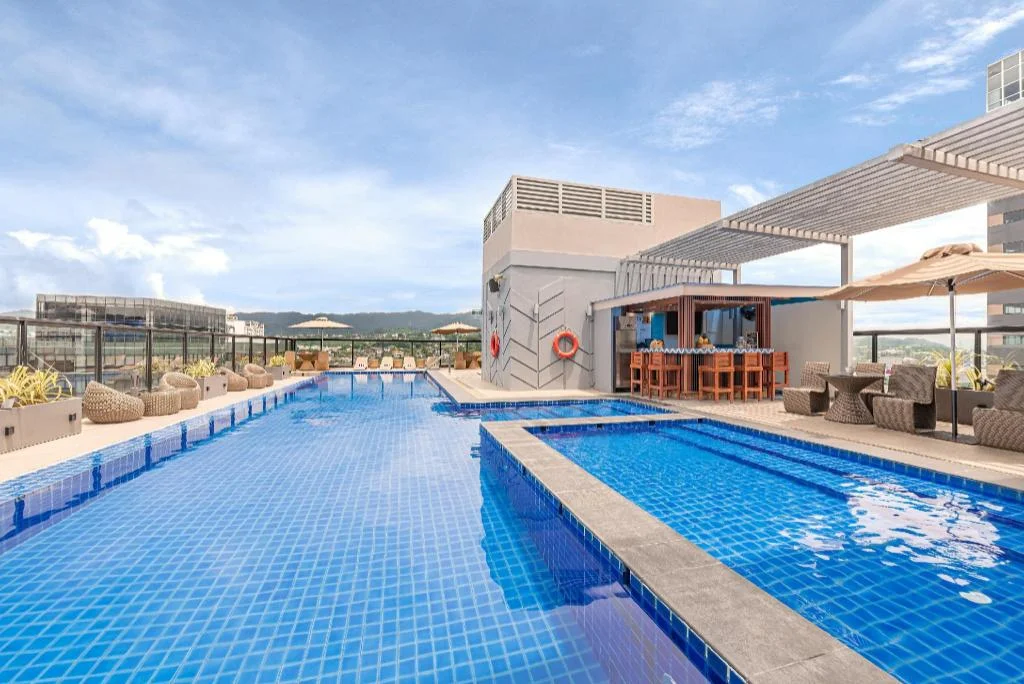
Seda Central Bloc Cebu City
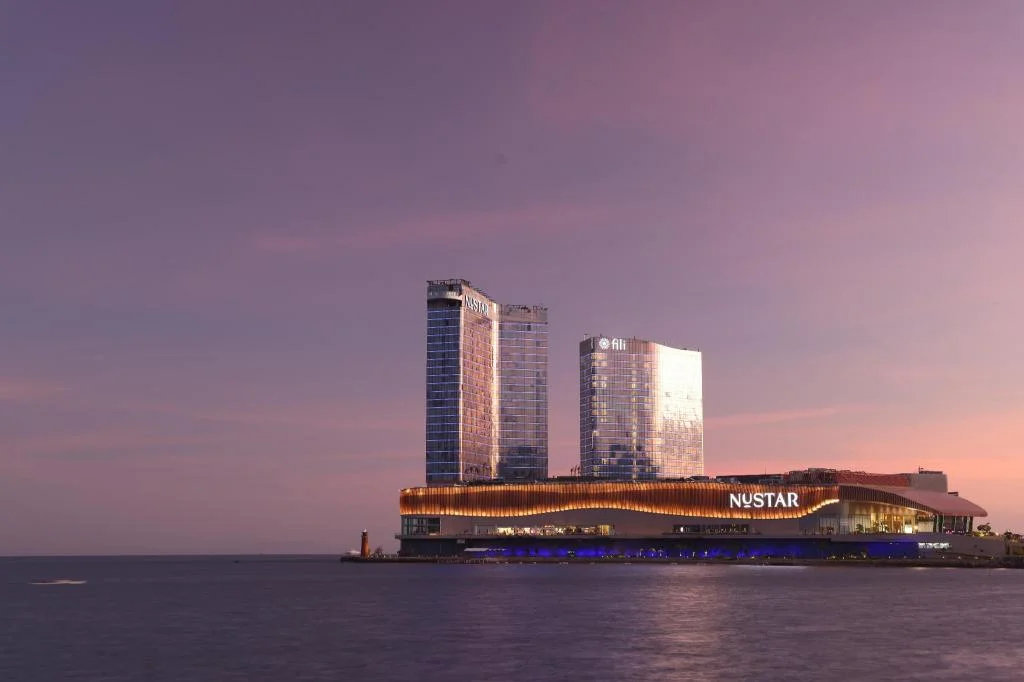
Fili Hotel - NUSTAR Resort & Casino Cebu
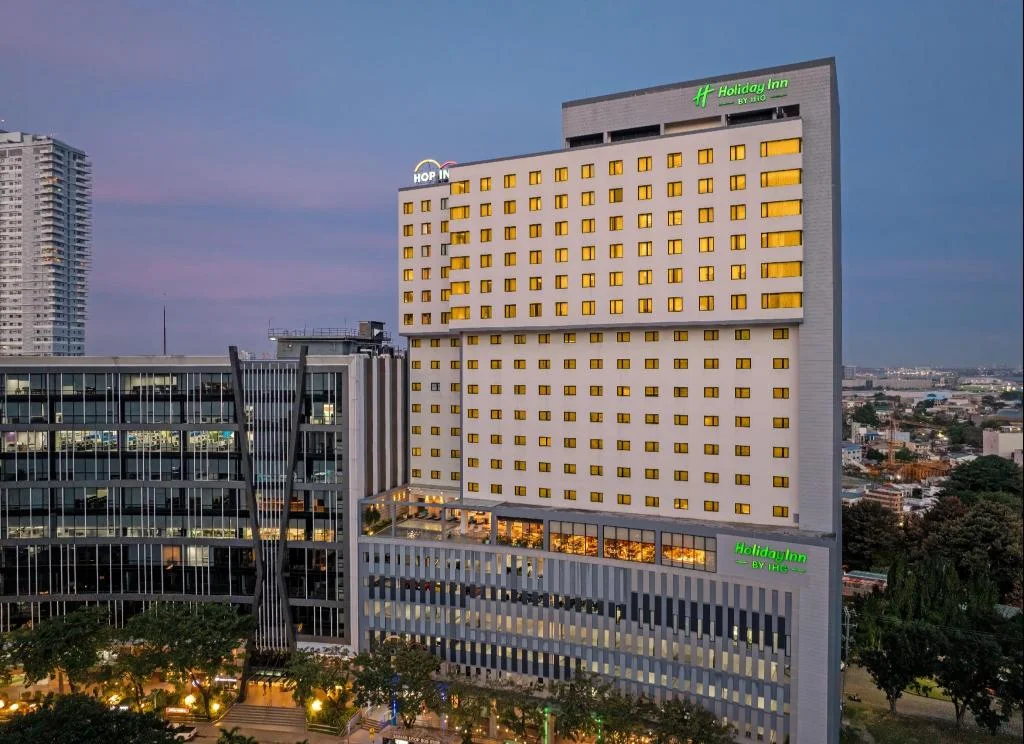
Holiday Inn Cebu City By IHG
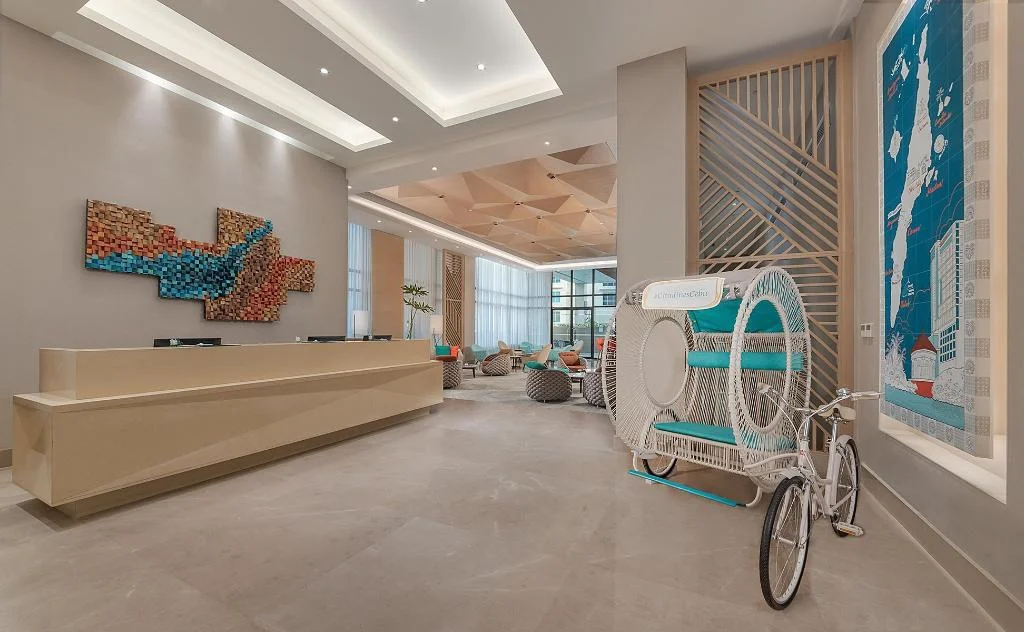
Citadines Cebu City
Prefer a rental? Vacation rentals near Cebu City
Self-catering condos and apartments — book the exact unit, kitchen included.
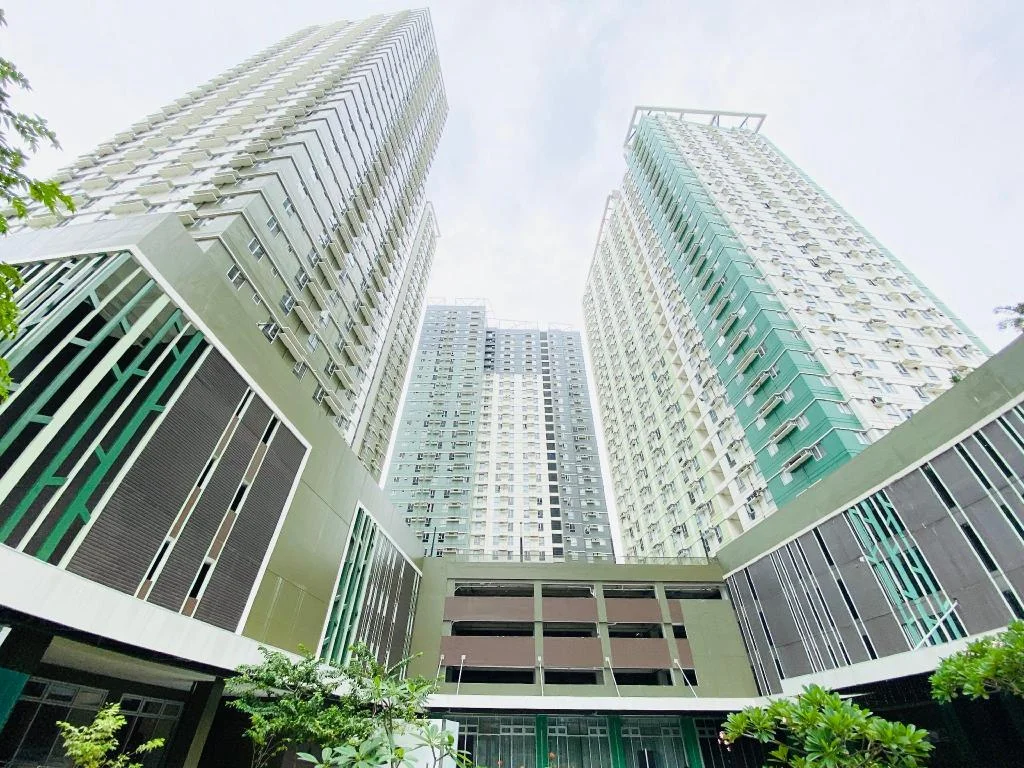
Cebu Avida Riala by P&J
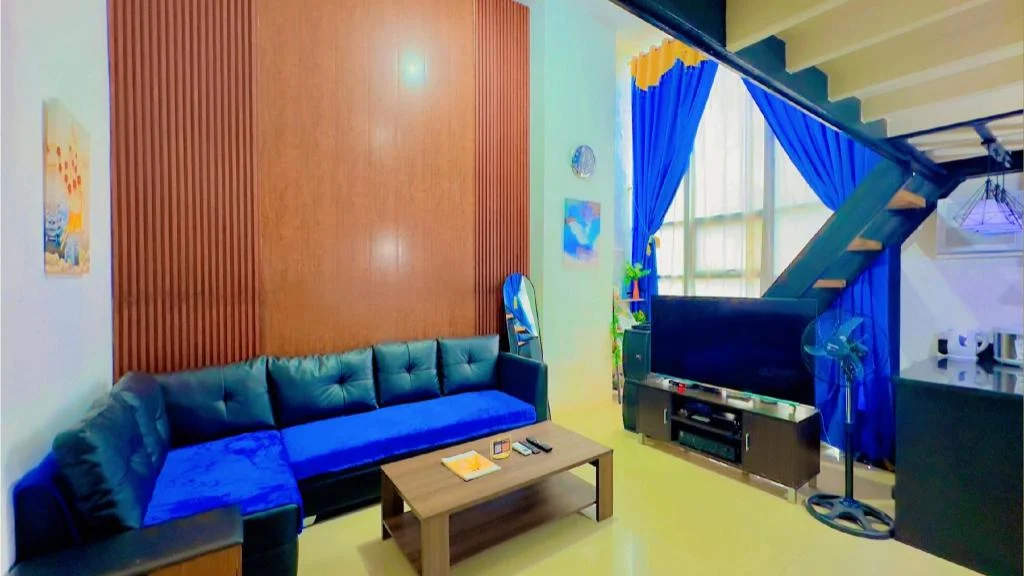
Special Big Loft Unit w/Fibreop Internet & Netflix
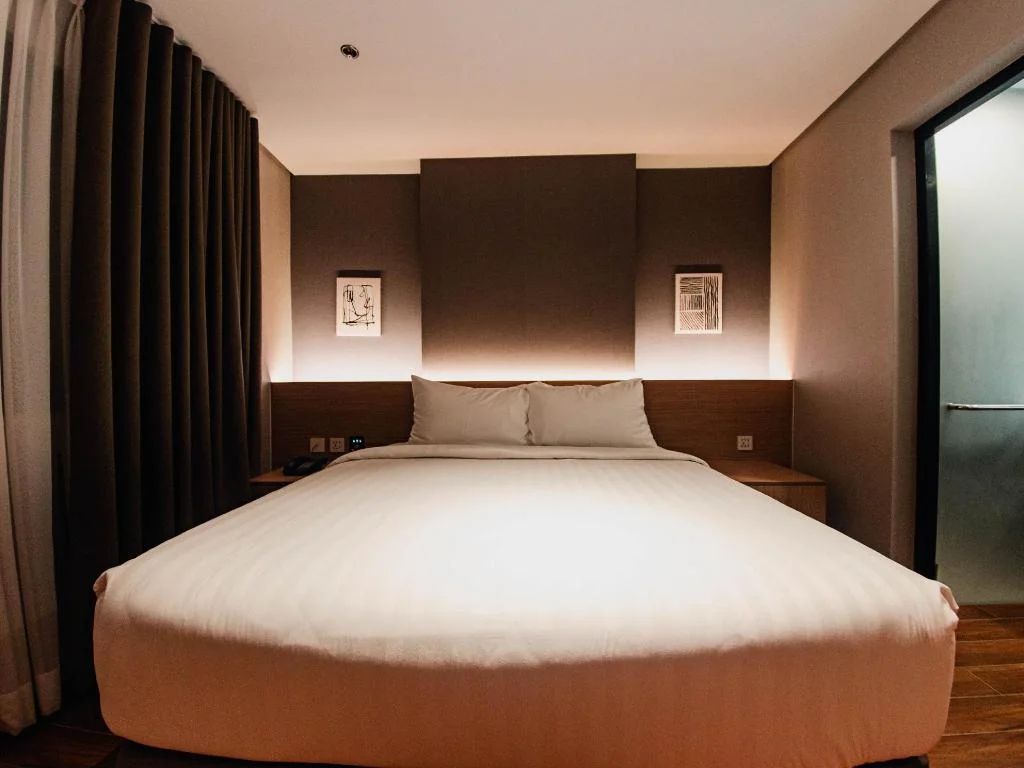
Moonstar Cebu Hotel - Deluxe Room
Before you go