
TL;DR: The SRRV retirement visa was overhauled on September 1, 2025 — the cheap “Smile” tier is gone, the minimum age is now 40 for everyone, and SRRV Classic deposits run roughly US$15,000 to US$50,000 depending on your age and pension status. Cebu still stacks up well against the alternative of not moving at all: a comfortable retiree budget runs US$1,200–2,300/month, healthcare at private hospitals like Chong Hua and Cebu Doctors’ is solid and English-spoken, and most people speak English. This is general information, not personalized visa or financial advice — verify your exact numbers with the Philippine Retirement Authority before you send any money. Verified July 2026.
Cebu shows up on a lot of “best places to retire in Asia” lists, and for once the reputation mostly holds up: warm weather year-round, English spoken almost everywhere, a real private healthcare system, direct flights home, and a cost of living that stretches a modest pension a lot further than it would in the US, UK, or Australia. It’s also a real city with real traffic, real bureaucracy, and a visa program that just went through its biggest shake-up in years. This guide is for anyone seriously looking into the SRRV and weighing Cebu as a base — it covers what the visa costs now, what it’s like to actually live here day to day, where retirees settle, and the trade-offs worth knowing before you wire a deposit. If Cebu City’s heritage core and viewpoints like Temple of Leah and Tops Lookout are part of the draw, this is also the practical side of that same decision.
SRRV Classic at a Glance (2026)
| Category | Age 50+ | Age 40–49 | Notes |
|---|---|---|---|
| Classic — Pensioner | ~US$15,000 | ~US$25,000 | Requires a lifetime pension of at least US$800/month (single) or US$1,000/month (couple) |
| Classic — Non-Pensioner | ~US$30,000 | ~US$50,000 | No qualifying pension required |
| Courtesy — Former Filipino | ~US$1,500 | ~US$3,000 | For natural-born Filipinos who lost citizenship abroad |
| Courtesy — Foreign nationals | ~US$1,500–6,000 | — | Retired diplomats, international org officers, and similar |
| Processing fee | US$1,500 principal + US$300/dependent | One-time, all categories | |
| Annual fee | ~US$360 (Classic) | Paid yearly to keep the visa active |
Figures reflect the Classic/Courtesy structure introduced September 1, 2025, sourced from PRA and PRA-agent guidance current as of mid-2026 — third-party sources vary slightly on exact tiers. Confirm your specific deposit with the PRA or a PRA-accredited agent before transferring funds. Verified July 2026.
What Is the SRRV, Exactly?
The SRRV is a Philippine long-stay visa, administered by the government’s Philippine Retirement Authority, built around a refundable bank deposit instead of a pension or income test. You place the deposit in a PRA-accredited bank, it stays your property, and in exchange you get an indefinitely renewable resident’s visa — no more 59-day tourist-visa runs, no local sponsor, no employer needed. It covers the principal applicant plus a spouse and unmarried children under 21. If you ever leave the program, the deposit is refundable when you surrender the visa (procedures and timing apply — confirm with PRA).
What Changed on September 1, 2025?
The PRA collapsed several sub-categories into two, and raised the minimum age. Before the overhaul, the SRRV had multiple tiers — Smile (a lower deposit, popular with younger retirees), Classic, and Human Touch (for those needing ongoing medical care) — with pensioners eligible from age 35 and non-pensioners from 50. As of the restructure, Smile and Human Touch are closed to new applicants, the minimum age is a flat 40 regardless of pension status, and a Bureau of Immigration clearance certificate is now a mandatory part of the application. If you already hold an SRRV under the old categories, none of this affects you — you keep your visa and just pay your annual fee as before. If you’re applying fresh in 2026, budget for the new, higher deposit tiers.
How Do You Actually Apply?
Through a PRA-accredited marketing partner or directly at a PRA office, not on your own. The typical path: get a clean National Bureau of Investigation/police clearance and medical exam, gather proof of pension (if applying as a pensioner), get the mandatory Bureau of Immigration clearance, wire the deposit to a PRA-accredited bank, and pay the processing fee. Most applicants use an accredited agent to manage the paperwork rather than dealing with every office themselves — the requirements have changed enough in the past year that self-filing without local help is a good way to lose time. This guide won’t walk you through your specific paperwork; for that, go to the PRA directly or an accredited representative.
What Does Retiring in Cebu Actually Cost Day to Day?
Plan on roughly US$1,200–1,500 a month for a modest lifestyle, or US$1,700–2,300 for a more comfortable one — separate from your SRRV deposit, which just sits in the bank. A one-bedroom furnished condo in Lahug, Banilad, or Mandaue starts around US$300–400/month; a nicer two-bedroom in IT Park or Cebu Business Park with a pool and gym runs US$550–750/month. Add roughly ₱5,000–8,000 (about US$81–129) a month for electricity with regular aircon use, ₱300–500 for water, and ₱1,200–2,000 for fiber internet. Groceries, dining out, a helper, and healthcare premiums are on top of that. See our cost of living in Cebu vs. Manila breakdown for a fuller comparison. All peso figures at roughly ₱62 ≈ US$1 (July 2026) — check current rates before budgeting.
Where Do Retirees Actually Live?
Most foreign retirees settle in one of four types of area, depending on what they want out of daily life. IT Park, Cebu Business Park, Banilad, and Lahug suit people who want restaurants, malls, and hospitals within a short ride. Talamban is quieter and more residential, popular with retirees who want space and easy access to international schools (useful if grandkids visit long-term). Mactan Island — particularly Maribago and Cordova — is the beach option, with a growing expat community and easy access to Mactan-Cebu International Airport. Talisay City and Guadalupe trade a bit of distance from the city core for noticeably lower rent. Our long-term condo rental guide covers specific buildings and price points in these areas.
Is Healthcare Good Enough to Retire On?
For day-to-day care and most serious conditions, yes — Cebu’s private hospital system is genuinely solid. Chong Hua Hospital and Cebu Doctors’ University Hospital are the two names retirees consistently rely on: both are large, modern, staffed with English-speaking doctors, and cover a broad range of specialties, from Chong Hua’s nephrology and transplant program to Cebu Doctors’ heart center and orthopedics. The SRRV itself does not include health insurance — you’ll want to pair PhilHealth (the national program) with a private HMO or an international plan from an insurer like AXA Philippines, Pacific Cross, Allianz, or Cigna Global. For very specialized or rare-condition treatment, some retirees still travel to Manila or fly home; it’s worth asking your specific specialty’s availability before assuming Cebu covers everything. Our healthcare for expats in Cebu guide goes deeper on hospitals, insurance, and what to expect at the pharmacy counter.
Should You Get the SRRV, or Is There a Simpler Option?
The SRRV makes sense if you want an indefinite, low-hassle residency without visa runs and you’re comfortable parking five figures in a Philippine bank deposit. If you’re not ready to commit that much capital, or you’re testing out Cebu before committing to a permanent move, a long-stay tourist visa with extensions can cover a year or more at a fraction of the up-front cost — see our Cebu long-stay visa options guide for that comparison. Some retirees do a year or two on extended tourist visas first, then apply for the SRRV once they’re sure Cebu is where they want to stay long-term. Either way, this is exactly the kind of decision worth running past a PRA-accredited agent or a Philippine immigration lawyer rather than a random forum thread — the rules changed materially in 2025 and will likely keep evolving.
The Honest Take
Retiring in Cebu genuinely works for a lot of people — the English, the healthcare, the weather, and the cost of living are real advantages, not marketing copy. But go in with clear eyes about the trade-offs. The SRRV just got more expensive and more bureaucratic for anyone under 50 without a qualifying pension, and the rules have already shifted once in the past year, so anything you read (including this guide) should be double-checked against the current PRA schedule before you act. Traffic in Cebu City is genuinely bad at peak hours, power and water interruptions happen in some barangays during storms, and foreigners still can’t own land outright — you’re buying condos or leasing, not owning a house and lot. Healthcare is good but not infinite: complex or rare specialist care may still mean a flight to Manila or home. None of that makes Cebu a bad choice — it just means the “cheap paradise” pitch skips the parts that make it a real place to live, not a permanent vacation.
Sources
- Philippine Retirement Authority (PRA) — SRRV official page
- Reporting on the September 1, 2025 SRRV restructuring (age eligibility, category changes) from multiple PRA-accredited immigration consultancies, cross-checked for consistency
- Cost-of-living and neighborhood figures drawn from 2026 expat cost-of-living and relocation reporting on Cebu
- Hospital information from Chong Hua Hospital and Cebu Doctors’ University Hospital public information and expat healthcare guides
- Deposit tiers and fees vary slightly across secondary sources — confirm exact current figures with the PRA or a PRA-accredited agent. Verified July 2026.
If Cebu’s checking out as a place to retire, spend some time here before you commit paperwork or capital to it. Compare furnished condos in Cebu City on Agoda for a trial stay near IT Park or Banilad, or look at beachfront options on Mactan if the coast is more your speed. Once you’re settled, our things to do in Cebu roundup and best day trips from Cebu City guide cover how to actually enjoy retirement here, not just plan for it.
Book Tours & Hotels for This Trip
Find and book the best deals — prices and availability update in real time. Links open in a new tab.
Where to stay near Cebu City
Top-rated hotels for this trip — tap through to check live rates.
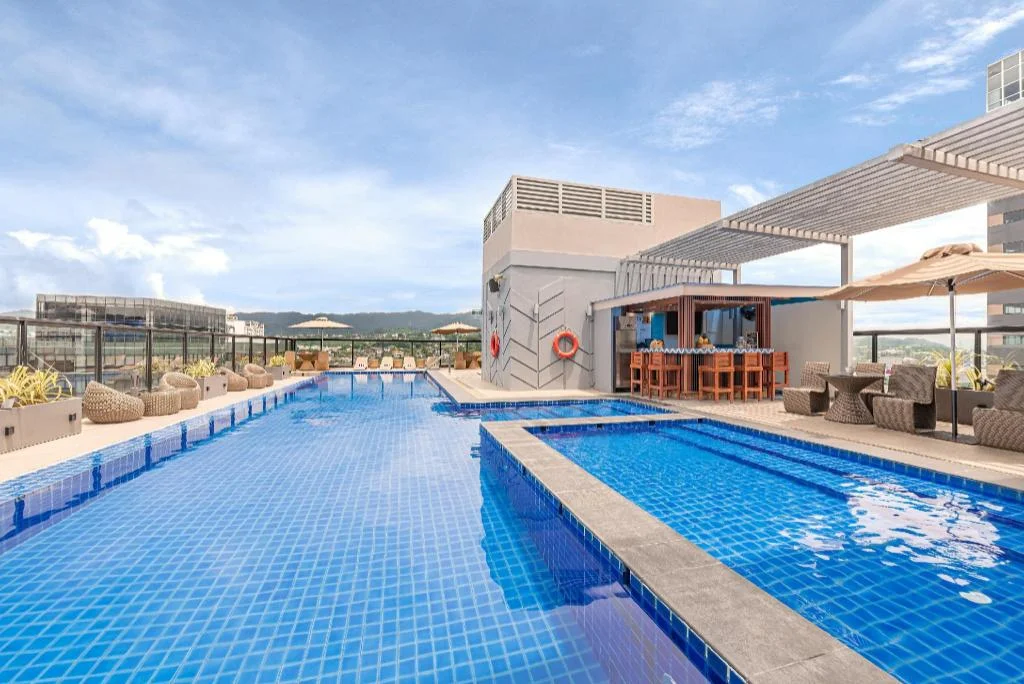
Seda Central Bloc Cebu City
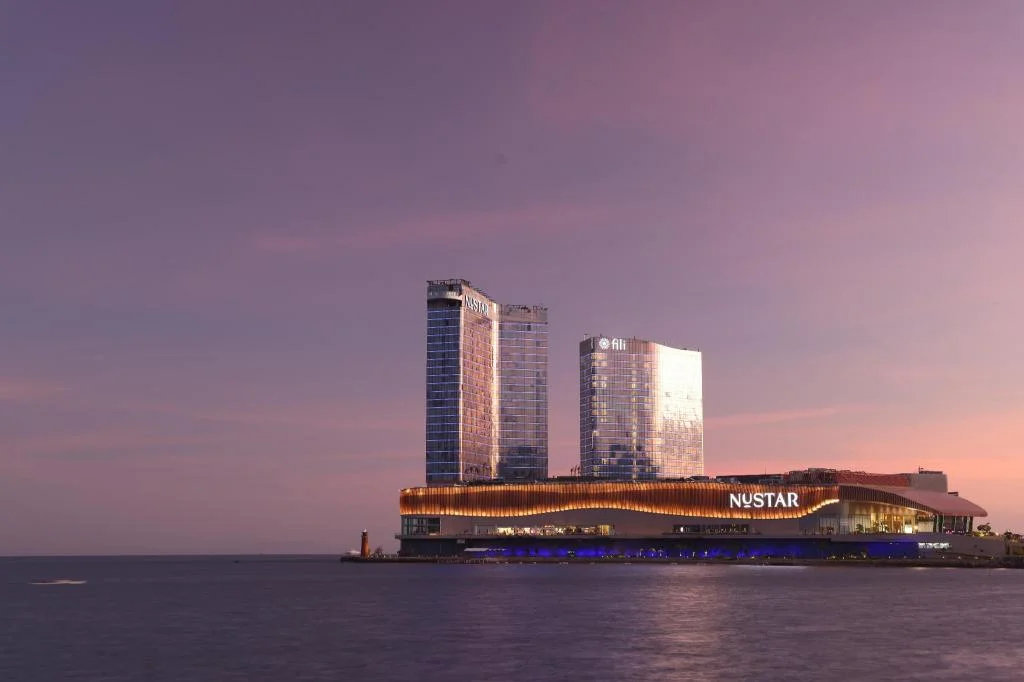
Fili Hotel - NUSTAR Resort & Casino Cebu
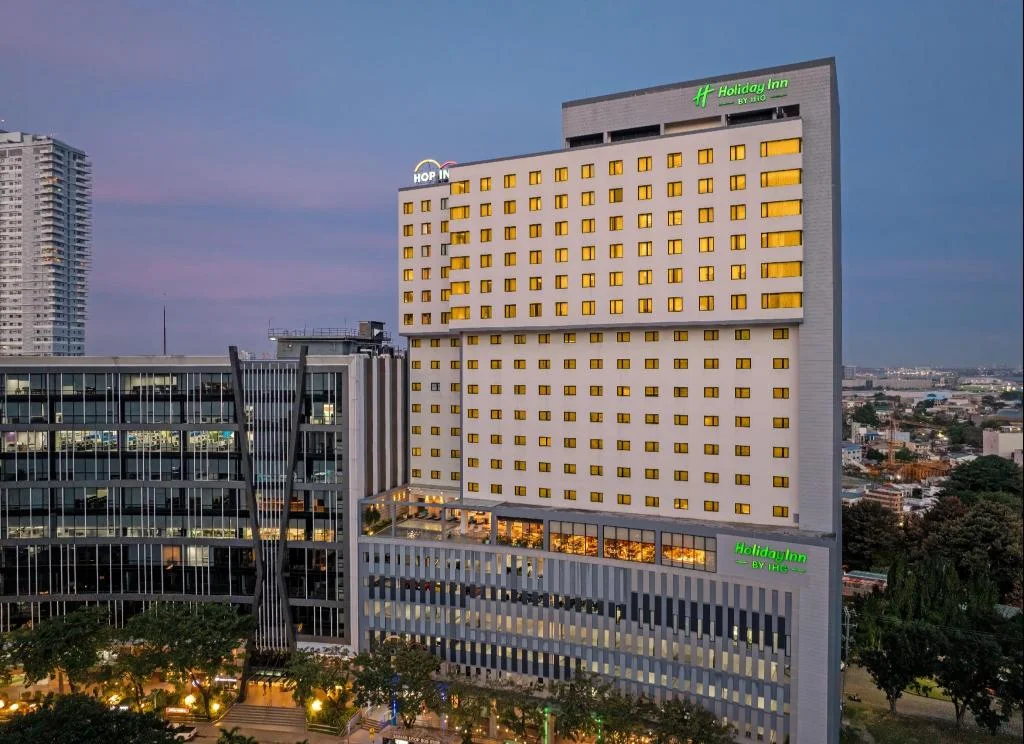
Holiday Inn Cebu City By IHG
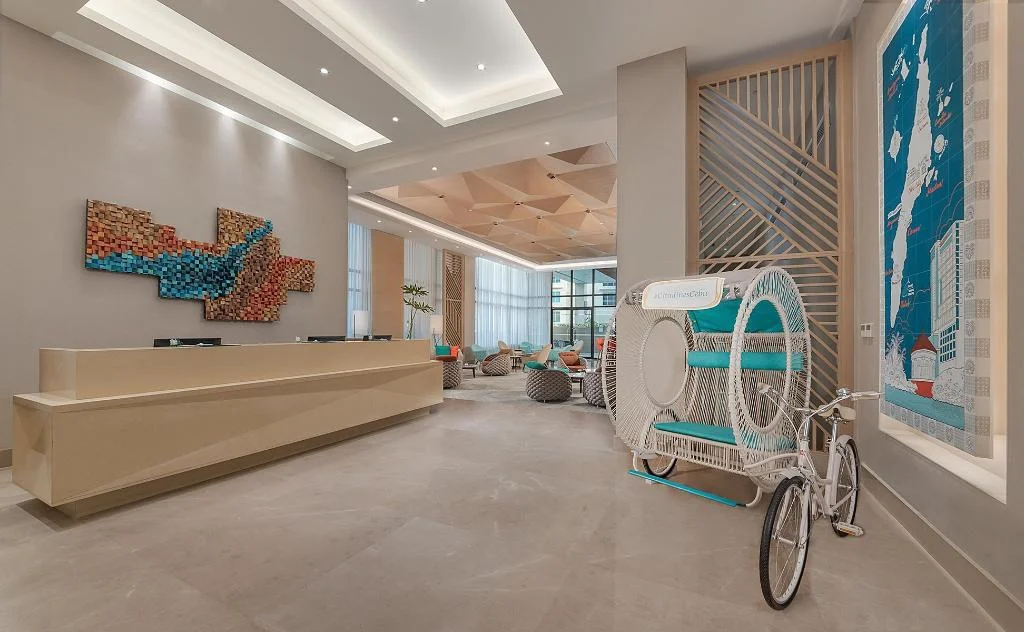
Citadines Cebu City
Prefer a rental? Vacation rentals near Cebu City
Self-catering condos and apartments — book the exact unit, kitchen included.
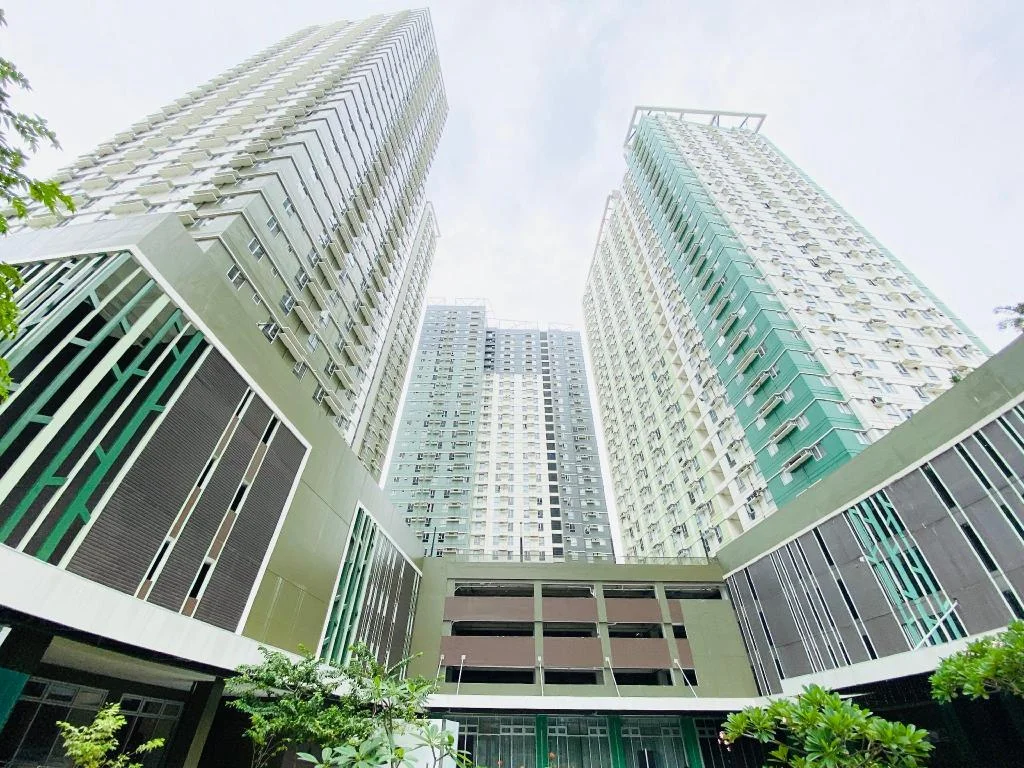
Cebu Avida Riala by P&J
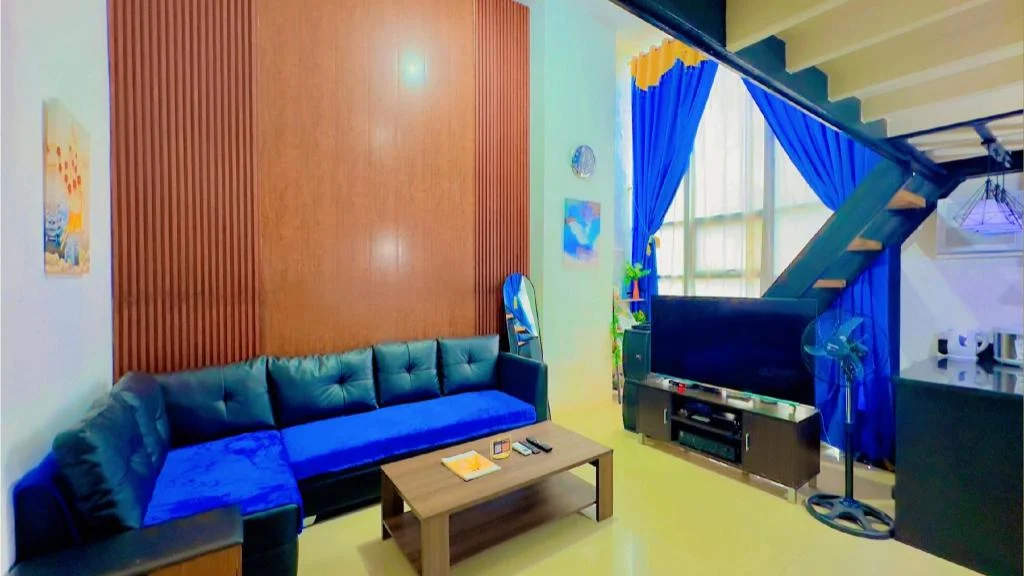
Special Big Loft Unit w/Fibreop Internet & Netflix
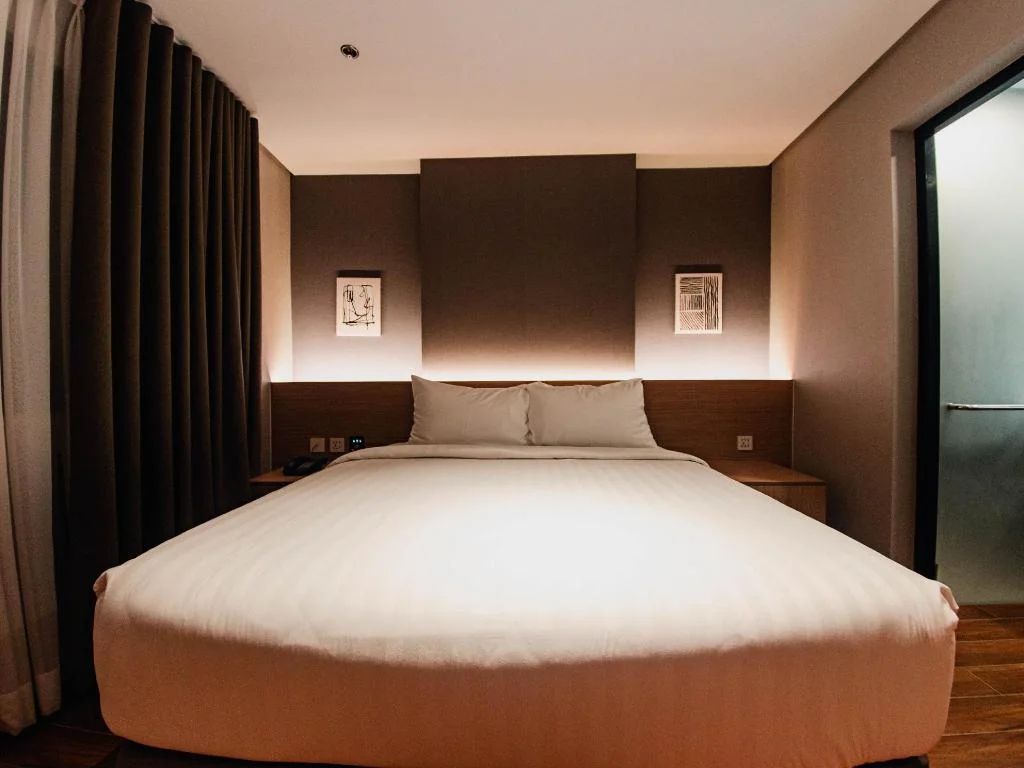
Moonstar Cebu Hotel - Deluxe Room
Before you go
Frequently asked
What is the SRRV and who is it for?
What are the current SRRV deposit amounts?
Is the SRRV Smile visa still available?
What's the minimum age to qualify?
Can I work or run a business in the Philippines on an SRRV?
Where do most foreign retirees live in Cebu?
Is healthcare in Cebu good enough for retirees?
What's a realistic monthly budget for retiring in Cebu?
More Places to Explore
Temple of Leah
Cebu City
A magnificent Roman-inspired temple built as a monument of love, nicknamed 'Cebu's Taj Mahal,' offering stunning architecture and city views.
Tops Lookout
Cebu City
Cebu City's premier hilltop viewpoint offering stunning panoramic views of the city, especially spectacular at sunset and nighttime.