
TL;DR: Cebu has three private hospitals foreigners actually use — Chong Hua Hospital, Cebu Doctors’ University Hospital, and the newer UC Med — where a general consultation runs ₱800–1,200 (US$14–21). PhilHealth is only open to foreigners with recognized residency (employed, married to a Filipino, or on a long-stay visa like an SRRV), not tourist-visa holders. Maxicare sells individual plans to foreigners directly; Intellicare is mostly corporate-only. Retirees on an SRRV should budget $2,500–4,000/year for private international cover on top of (or instead of) PhilHealth. Verified July 2026.
If you’re staying in Cebu for months rather than days, healthcare stops being an abstract “just in case” question and becomes something you actually need to set up — a hospital you’d trust in an emergency, a way to pay for it, and a plan for the boring stuff like blood pressure meds and a dental cleaning. This guide is written for that person: the digital nomad on an extended stay, the retiree settling in near Temple of Leah or up in the hills toward Tops Lookout, or the expat who’s already living here and just hasn’t sorted this out yet. If you’re only visiting for a week or two and want travel-insurance-style advice instead, see our guide to hospitals and medical care in Cebu for travelers — this one is the long-stay version.
Hospitals and Insurance Options at a Glance
| Option | Type | Typical cost | Best for |
|---|---|---|---|
| Chong Hua Hospital | Private tertiary (Cebu City & Mandaue) | OPD ₱800–1,200 (US$14–21); ER ₱1,800–4,500 (US$31–78) | Broadest specialist bench, cardiac/oncology/transplant |
| Cebu Doctors’ University Hospital | Private tertiary (Osmeña Blvd) | Consult ₱500–1,500 (US$9–26) | Surgical specialties, diagnostics, teaching hospital |
| UC Med (University of Cebu Medical Center) | Private (Mandaue/Mantawi) | Consult ₱500–1,000 (US$9–17) | Northern Metro Cebu residents, newer facility |
| Vicente Sotto Memorial Medical Center | Government tertiary | Consult ₱100–500 (US$2–9) | Cheapest option; longer waits |
| PhilHealth | National insurance | 5% of monthly income (employer splits if employed); ~₱15,000/yr flat rate for SRRV retirees | Residents, employed foreigners, SRRV holders |
| Maxicare (MyMaxicare HMO) | Private local HMO | Roughly US$50–150/month for individual comprehensive plans | Foreigners with ACR wanting local HMO cover |
| International private insurance | Private global insurer | ~US$2,500–4,000/year (healthy 60-year-old, comprehensive) | Retirees, anyone with pre-existing conditions |
Prices vary by plan tier and are indicative only — confirm current rates directly with the hospital, HMO, or insurer before enrolling. Verified July 2026.
Which Private Hospital Should You Choose?
For most expats in Cebu, it comes down to Chong Hua Hospital, Cebu Doctors’ University Hospital, or UC Med, and the honest answer is that proximity to where you live matters more than brand loyalty.
Chong Hua Hospital is the one most long-stay foreigners default to. It’s the largest private hospital system in the Visayas, with campuses in Cebu City (Fuente) and Mandaue, over 700 beds, and the deepest specialist bench in the province — cardiovascular surgery, oncology, organ transplant, a 24/7 trauma center. If something serious happens and you want the widest range of subspecialists under one roof, this is usually it.
Cebu Doctors’ University Hospital, on Osmeña Boulevard downtown, is a close second and arguably stronger in surgical specialties — it was the first hospital in the Visayas-Mindanao region to offer nuclear medicine and one of the first to get a 64-slice CT scanner. Its Centre for Women handles a large share of the province’s OB-GYN and maternity cases.
UC Med (University of Cebu Medical Center) is the newest of the three, on Mantawi International Drive in Mandaue. It doesn’t yet match the other two on specialist depth, but if you’re based in Mandaue, Consolacion, or the northern part of Metro Cebu, it saves a real commute versus driving downtown — worth knowing for anything routine.
If cost matters more than comfort, Vicente Sotto Memorial Medical Center, the government-run tertiary hospital, charges a fraction of private rates (consultations as low as ₱100–500) but comes with longer queues and less English-language hand-holding at the front desk. Some expats use it for cheap diagnostics and stick with private hospitals for anything that needs a specialist’s judgment call. For a broader rundown of options across the city, see our best hospitals in Cebu guide.
Do You Need PhilHealth as a Foreign Resident?
Only if you have recognized residency status — a tourist visa alone doesn’t qualify you. PhilHealth, the national health insurer, is generally open to foreigners who are employed in the Philippines, married to a Filipino citizen, or holding a long-stay visa that establishes residency (such as an SRRV or a 13(a) visa). Simply holding an Alien Certificate of Registration as a tourist-visa holder usually isn’t sufficient on its own, though enforcement varies by branch — some local PhilHealth offices have accepted ACR I-Card applications where others haven’t.
If you do qualify, you register with the PhilHealth Member Registration Form and pay contributions of 5% of your monthly income, split with your employer if you’re employed, with an income floor around ₱10,000 and a ceiling around ₱100,000 a month. If you’re self-employed or informally employed, you pay the full 5% yourself as a voluntary member. SRRV retirees get a separate arrangement — a flat PRA-negotiated annual premium, commonly cited around ₱15,000/year (roughly US$259), rather than the income-based formula.
Confirm your specific eligibility and required documents with the PhilHealth office nearest you before assuming either way — rules here are applied inconsistently enough between branches that “ask the local office” is genuinely the right answer, not a cop-out. PHGuides sets out the membership categories side by side, which is the fastest way to work out which one you’d be arguing for at the counter, and how to actually pay a contribution once you’re registered.
Which HMO Plans Actually Accept Foreigners?
Maxicare is the more foreigner-friendly local HMO of the two big names; Intellicare is mostly corporate-only. Maxicare explicitly accepts an Alien Certificate of Registration as valid ID and sells individual comprehensive plans (MyMaxicare) directly to foreign nationals, typically running somewhere in the US$50–150/month range depending on room-and-board tier and outpatient limits. Maxicare also sells cheaper prepaid consultation cards (PRIMA), starting under ₱1,000/year, but those cover outpatient visits only, not hospitalization — don’t mistake one for the other.
Intellicare, by contrast, leans almost entirely on corporate accounts. As an individual foreign applicant without an employer sponsoring the plan, you’ll likely find it difficult to enroll directly — if your employer offers it, take it, but don’t expect to walk in and buy your own Intellicare policy the way you can with Maxicare.
Whichever HMO you consider, go in with clear eyes about the standard exclusions: pre-existing conditions are typically excluded, at least in the first year or two, and most local HMOs stop accepting new members somewhere around age 65 — which rules out a chunk of the retiree population outright. That’s exactly why a lot of expats run a two-tier setup: a local HMO or cash payments for day-to-day care, and a separate international policy for anything major or age-related.
What If You’re Retiring in Cebu on an SRRV?
Budget for private insurance regardless of what PhilHealth technically allows you. If you’re on the SRRV Human Touch category specifically (for retirees 50+ needing ongoing medical care), a private health insurance policy valid in the Philippines is a stated requirement of the visa itself, not optional. Even outside that category, most retirees who’ve actually done this long-term carry private international cover — from providers like Pacific Cross, Cigna Global, Allianz Care, or AXA Philippines — because PhilHealth’s payouts are modest against what a private Cebu hospital actually bills for a serious admission.
Expect roughly US$2,500–4,000 a year in premiums for a healthy 60-year-old on a comprehensive plan with a deductible (commonly around $5,000); costs climb from there with age and pre-existing conditions. Pair that with PhilHealth if you qualify — it won’t cover much on its own, but it stacks on top of private insurance for free, so there’s little reason to skip it if you’re eligible. Our retiring in Cebu (SRRV & lifestyle) guide covers the visa side of this in more detail.
What About Routine Care — Dentists, GPs, and Meds?
This is where Cebu is genuinely a good deal, insurance or not. A general practitioner visit at a private clinic or hospital OPD runs roughly ₱500–1,200 (US$9–21) whether or not you have coverage, which makes paying cash for routine stuff perfectly normal even among expats who do carry insurance. Dental cleaning runs about ₱300–2,500 (US$5–43) and a filling ₱800–5,000 (US$14–86) per tooth — both Chong Hua and Cebu Doctors’ have dental departments, though most people use a standalone dental clinic for routine work.
Pharmacies (Mercury Drug and Watsons are the two chains you’ll see everywhere) are noticeably less strict about prescriptions than in the US, UK, or Australia — a lot of maintenance medication for blood pressure, cholesterol, and similar chronic conditions can be bought over the counter with a pharmacist’s guidance. Antibiotics for anything serious and controlled substances still need an actual prescription. If you’re on long-term medication, bring your prescription history and generic drug names from home, since local brand names and available dosages don’t always match what you’re used to.
How Do Cebu’s Costs Compare to Home?
For cash-pay care, Cebu is dramatically cheaper than the US, and meaningfully cheaper than the UK or Australia’s private sector. Specialist consultations commonly run US$14–25 in Cebu versus $150–300 or more paying cash in the US. Major surgery is frequently cited at 60–70% below US private-pay prices, with English-speaking, often US- or UK-trained specialists doing the work. The honest caveat: this comparison mostly matters if you’d otherwise be paying out of pocket at home. If you have strong insurance in your home country, weigh the cost and hassle of flying back for anything complex against the savings of treating it locally — and factor medevac or flight costs into that math, not just the procedure price.
How to Choose the Right Setup for Your Situation
- Short-term digital nomad (under a year): Skip PhilHealth (you likely won’t qualify anyway), get a travel/nomad international policy before you arrive, and pay cash for routine visits locally.
- Long-stay expat with local income or a Filipino spouse: Enroll in PhilHealth if eligible, add a Maxicare individual plan for day-to-day and hospitalization coverage, and keep it simple.
- Retiree on an SRRV: Private international insurance is close to mandatory in practice (and required outright for the Human Touch category) — enroll in PhilHealth too since it’s cheap and stacks on top.
- Anyone with a pre-existing condition: Don’t count on a local HMO covering it in year one. Talk to an international insurer about what they’ll actually pay for before you need it, not after.
- Family with kids: Check pediatric ICU and NICU availability specifically — Chong Hua and Cebu Doctors’ both maintain dedicated pediatric departments, which matters more for a family than for a single adult.
If a family member is flying in to be with you during a hospital stay or recovery, book accommodation close to whichever hospital you’re using rather than downtown for its own sake — compare places to stay in Cebu City on Agoda and filter by area near Fuente Osmeña (Chong Hua and Cebu Doctors’) or Mandaue (UC Med).
The Honest Take
Cebu’s private hospitals are genuinely good — Chong Hua and Cebu Doctors’ wouldn’t feel out of place in Manila, and the price gap versus the US or Australia is real, not marketing. But don’t let the low cash prices lull you into skipping coverage entirely: a serious surgery or extended ICU stay at a private hospital can still run into the hundreds of thousands of pesos, and without either PhilHealth, an HMO, or private insurance backing you up, you’re the one covering that bill on the spot before discharge — Philippine private hospitals routinely require a deposit or guarantee letter before admitting for anything major.
The other honest gap: if you’re over 65 or carrying a pre-existing condition, don’t expect a cheap local HMO to solve your problem. That’s the population most likely to need coverage and least likely to get it from Maxicare or Intellicare — you’ll need to shop the international insurers, and you’ll pay accordingly. Do that homework before you commit to Cebu long-term, not after your first hospital bill.
Sources
- ClinicFinderPH — Healthcare Guide for Cebu City (hospital comparisons, consultation pricing)
- ClinicFinderPH — Chong Hua Hospital Rates & Fees 2026 (OPD, ER, imaging, room rates)
- ClinicFinderPH — Maxicare Plans & Prices 2026 (PRIMA and MyMaxicare pricing)
- ClinicFinderPH — Dental Cleaning Cost Cebu 2026 (routine dental pricing)
- Chong Hua Hospital — official website (services, specialties, locations)
- Cebu Doctors’ University Hospital — Wikipedia (history, facility firsts)
- Philippine Retirement Authority — SRRV benefits (SRRV categories and requirements)
- PhilHealth eligibility, HMO foreigner policy, and international insurance premium ranges cross-checked against 2026 expat healthcare and insurance reporting; confirm your specific eligibility with PhilHealth and your chosen insurer directly. Verified July 2026.
Sorting out healthcare is one of the less exciting parts of settling into Cebu, but it’s worth doing properly before you need it, not during an emergency. Once it’s handled, read up on the practical side of daily life in our pros and cons of living in Cebu guide, and if you want the bigger picture on staying long-term, our living in Cebu as an expat guide covers visas, housing, and cost of living together. And when the admin’s done, Cebu’s still got Temple of Leah and Tops waiting for you on a free afternoon.
Book Tours & Hotels for This Trip
Find and book the best deals — prices and availability update in real time. Links open in a new tab.
Where to stay near Cebu City
Top-rated hotels for this trip — tap through to check live rates.
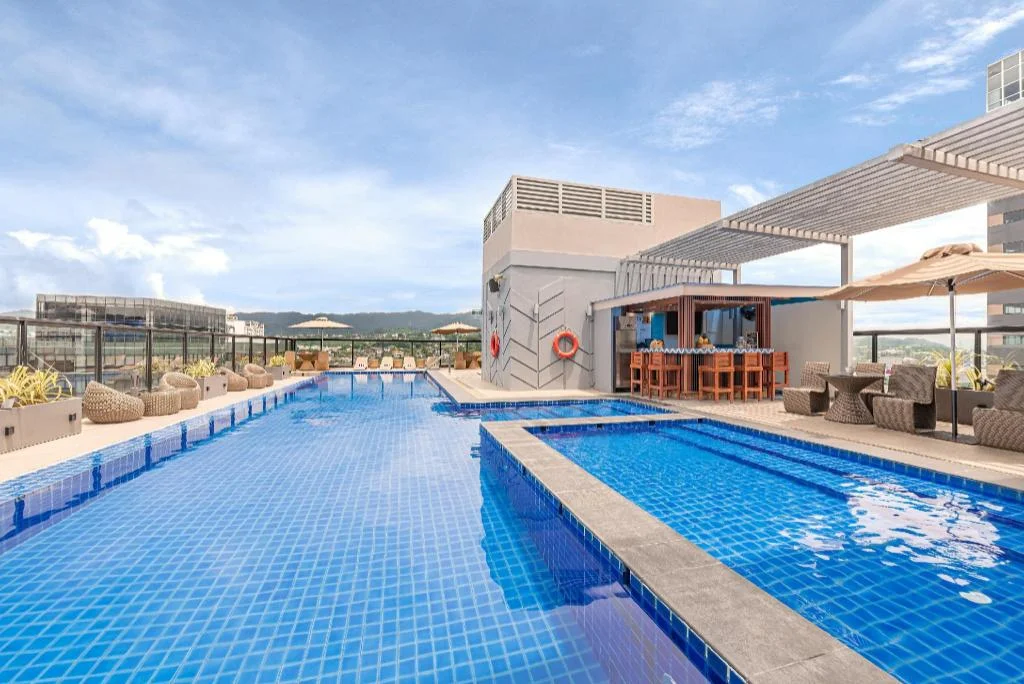
Seda Central Bloc Cebu City
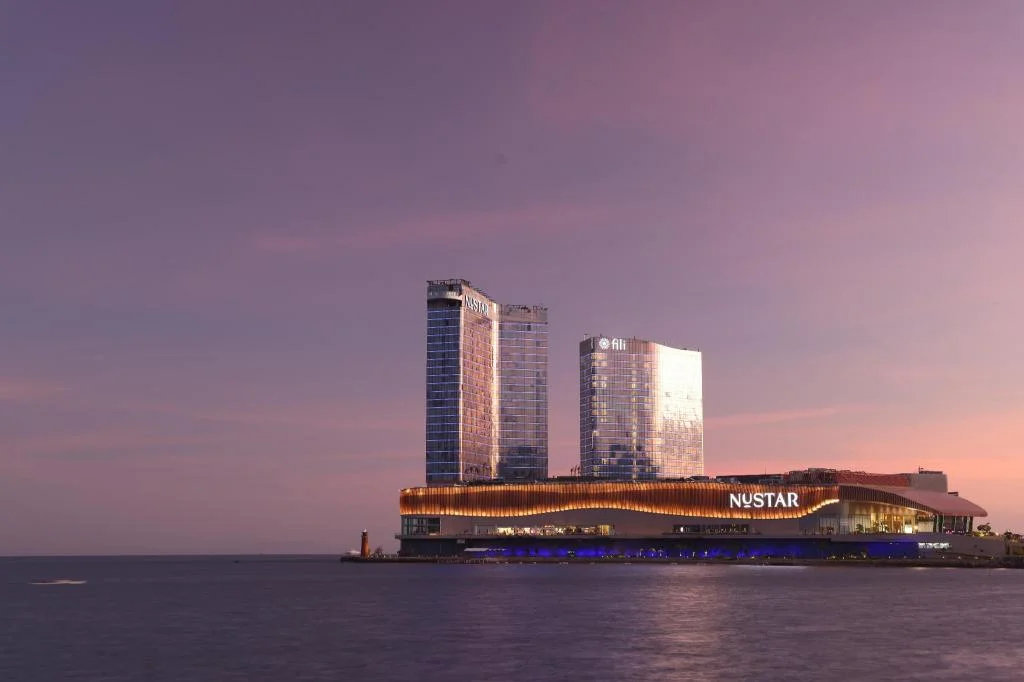
Fili Hotel - NUSTAR Resort & Casino Cebu
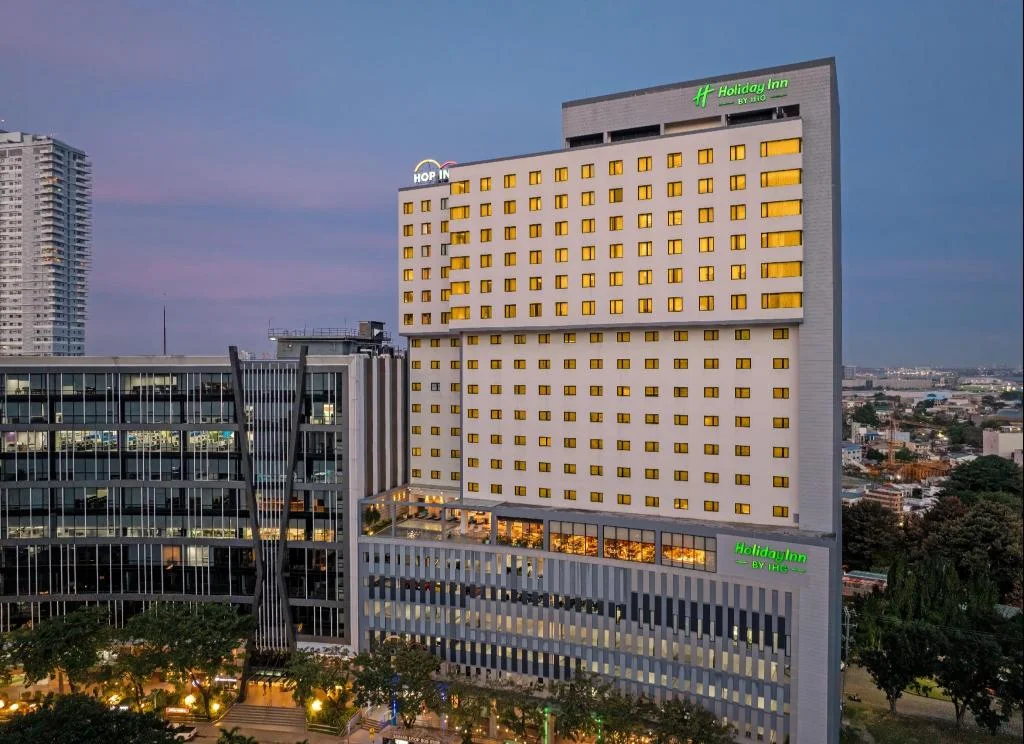
Holiday Inn Cebu City By IHG
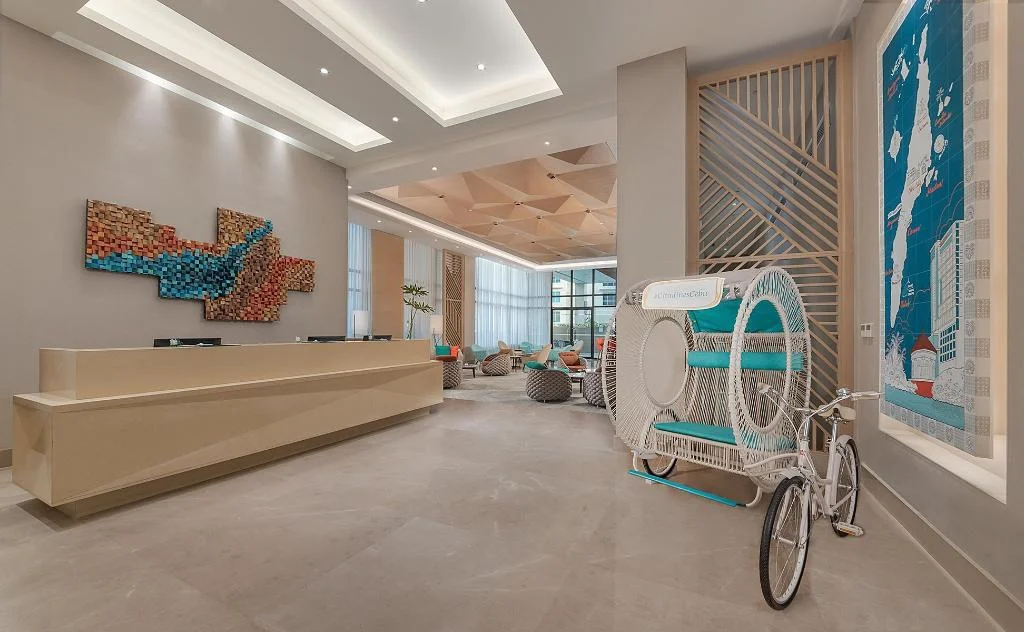
Citadines Cebu City
Prefer a rental? Vacation rentals near Cebu City
Self-catering condos and apartments — book the exact unit, kitchen included.
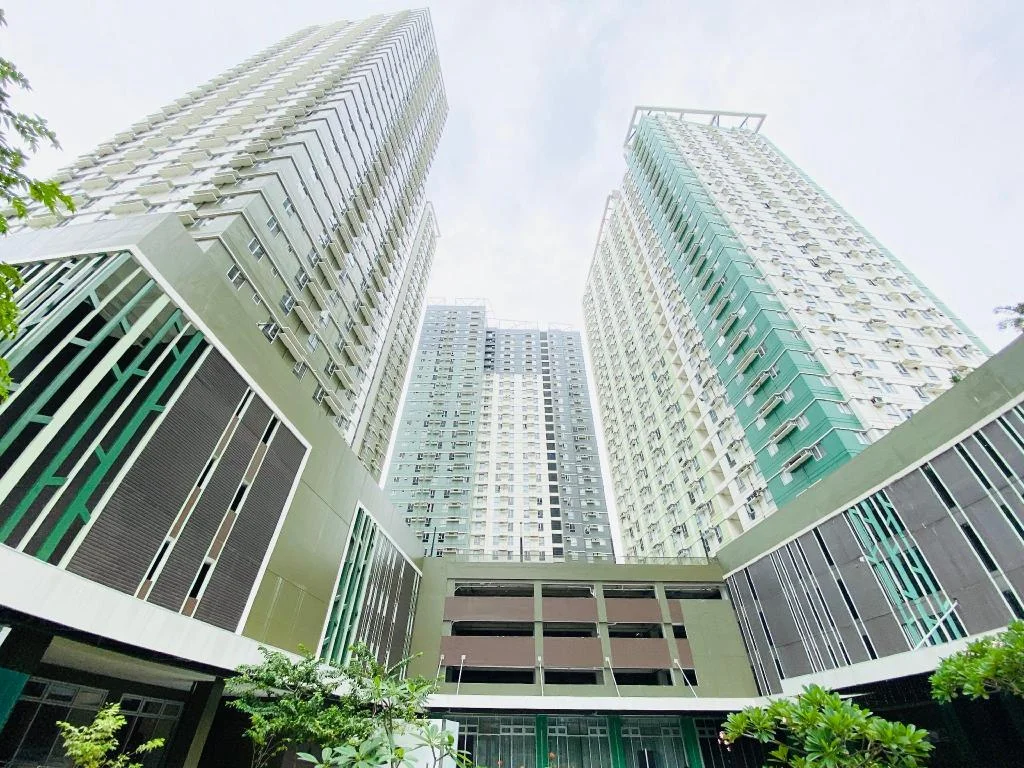
Cebu Avida Riala by P&J
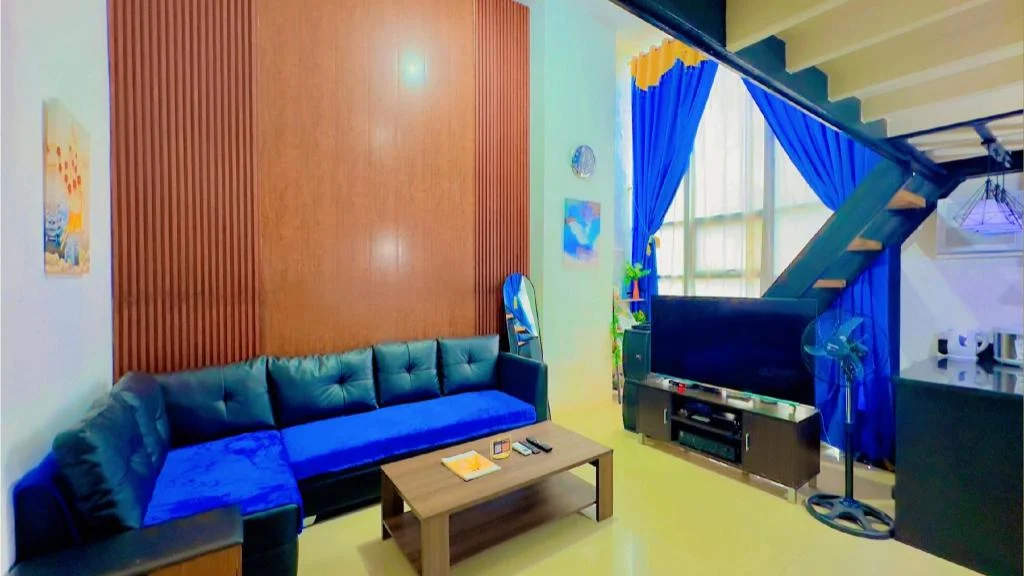
Special Big Loft Unit w/Fibreop Internet & Netflix
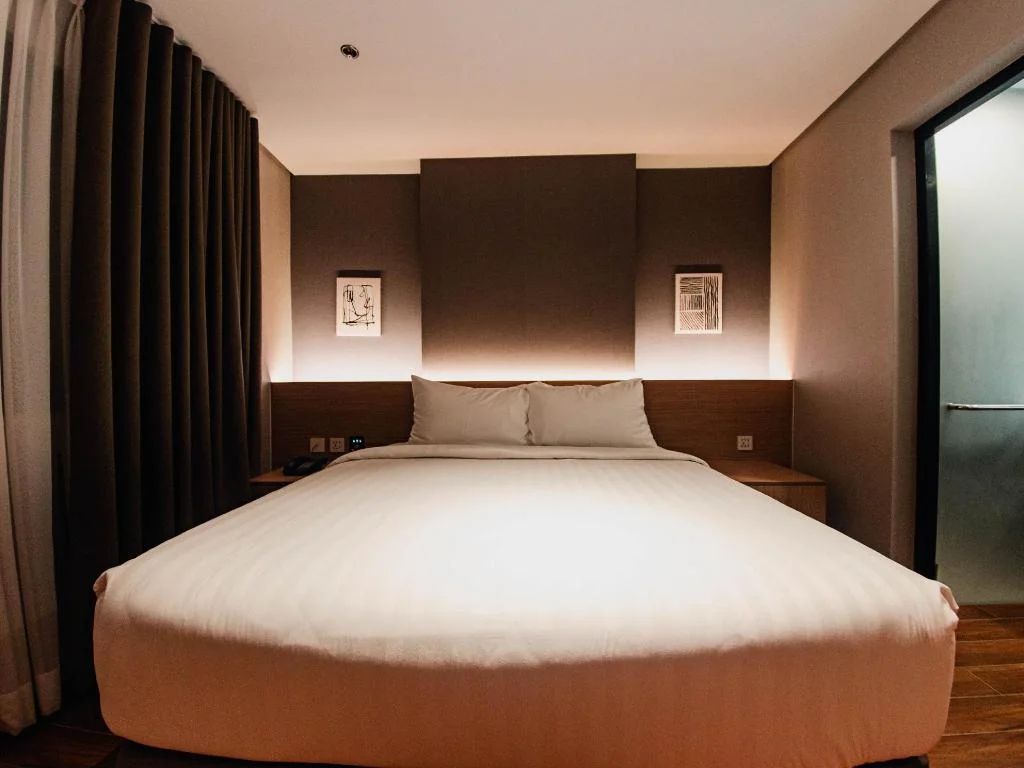
Moonstar Cebu Hotel - Deluxe Room
Before you go
Frequently asked
Can foreigners get PhilHealth in Cebu?
Which private hospital is best for expats in Cebu — Chong Hua, Cebu Doctors', or UC Med?
Do Maxicare or Intellicare accept foreigners?
How much does a doctor's visit cost in Cebu without insurance?
What should retirees on an SRRV do about health insurance?
Is Cebu healthcare cheaper than the US, UK, or Australia?
Can you just walk into a pharmacy in Cebu for medication?
Where should I go for dental work as an expat in Cebu?
More Places to Explore
Temple of Leah
Cebu City
A magnificent Roman-inspired temple built as a monument of love, nicknamed 'Cebu's Taj Mahal,' offering stunning architecture and city views.
Tops Lookout
Cebu City
Cebu City's premier hilltop viewpoint offering stunning panoramic views of the city, especially spectacular at sunset and nighttime.