
TL;DR: Living in Cebu means genuinely low costs (roughly US$1,200-1,800/month for a comfortable single life), English spoken everywhere, friendly locals, real beaches and mountains an hour away, and decent private healthcare. The trade-off is infrastructure that doesn’t match Western expectations: rotational brownouts during grid shortfalls, electricity priced around ₱12-15/kWh (roughly US$0.19-0.24, among the highest in Southeast Asia), rush-hour traffic around IT Park and Mandaue, and a rainy season that brings real flood and typhoon risk, most recently a damaging 2025 earthquake and Typhoon Tino back to back. It’s a good move for people who can plan around the gaps, not for anyone who needs everything to run like clockwork. Verified July 2026.
If you’ve been weighing a move to Cebu, you’ve probably already read a dozen “top 10 reasons to live in Cebu” posts that skip past the annoying parts. This is the other version: an honest, cost-by-cost look at what’s actually good and what actually wears on people who live here year-round, written from the ground rather than from a highlight reel. It’s meant as the hub for everything else you’ll want to read before or after you land, from cost of living in Cebu vs. Manila to retiring in Cebu on an SRRV to safety for expats and long-stay visitors. Whether you’re a retiree, a remote worker, or someone moving for family, the calculus below is the same one long-term residents actually run.
Pros vs. Cons at a Glance
| Pros | Cons |
|---|---|
| Comfortable single-person budget: US$1,200-1,800/month | Electricity is expensive: ₱12-15/kWh (~US$0.19-0.24) |
| English is a working language everywhere — clinics, banks, government offices | Rotational brownouts during grid shortfalls (last hit May 2026) |
| Friendly, welcoming culture; low culture-shock for English speakers | Rush-hour traffic around IT Park, Banilad, Lahug, Mandaue can double commute times |
| Beaches, waterfalls, and mountain viewpoints within 1-2 hours | Rainy-season flooding in low-lying barangays; typhoon and earthquake risk |
| Good private hospitals (Chong Hua, Cebu Doctors’) with English-speaking staff | Complex/specialized care often means flying to Manila or abroad |
| Fiber internet in the urban core from ₱1,500-3,000/month | Coverage and reliability drop off fast outside Metro Cebu |
| SRRV and other long-stay visa routes exist and are well-trodden | Visa and bureaucracy paperwork moves slowly; patience required |
Prices in ₱62 ≈ US$1 (July 2026). Verified July 2026.
Is Cebu Actually Cheap to Live In?
Yes, meaningfully cheaper than most Western cities, though not the “$800 a month paradise” some blogs promise. Most expats living comfortably in Cebu, covering a decent condo, regular Grab rides, eating out several times a week, and routine healthcare, land around US$1,200-1,800/month. A single professional can go lower, closer to US$700-900, by living further from the center, cooking at home, and skipping aircon-heavy habits. Families budgeting for a household of four typically plan for ₱150,000-170,000/month (roughly US$2,419-2,742) in day-to-day costs before housing. Central one-bedroom rent runs from the low-$300s up depending on building and neighborhood, with newer towers in IT Park or the Cebu Business Park costing noticeably more than older buildings in Banilad or Mabolo. For a side-by-side against the country’s other major hub, see cost of living in Cebu vs. Manila.
The one line item that consistently surprises new arrivals is electricity. Rates run roughly ₱12-15 per kilowatt-hour (about US$0.19-0.24), among the highest in Southeast Asia and well above Thailand or Vietnam. Run two or three aircon units daily and your power bill can rival your rent. Budget for it upfront rather than discovering it on your first bill.
What Makes Daily Life Easy Here?
English works everywhere — that’s the single biggest quality-of-life difference versus most Southeast Asian relocation options. You can navigate a hospital, a bank, a barangay office, or a landlord negotiation in English without a translator, which removes a huge source of relocation stress that people moving to Bangkok or Ho Chi Minh City deal with daily. Cebuanos are also broadly warm toward foreigners; long-term residents describe the culture as low-friction compared to bigger, more transactional cities. Food is another underrated win: local carenderias serve full meals for ₱80-150, and the variety, from Cebu lechon to Korean and Japanese restaurants clustered around IT Park, is well ahead of what the population size would suggest.
Connectivity has caught up too. PLDT and Converge fiber plans in Metro Cebu run about ₱1,500-3,000/month (US$24-48), and Converge has recently topped Philippine broadband speed and reliability rankings. That’s solid enough for remote work and video calls if you’re based in the urban corridor covering Cebu City, IT Park, Mandaue, Lapu-Lapu, and Talisay. If you’re weighing Cebu as a work base rather than just a home, our digital nomad guide to Cebu goes deeper on coworking spots and neighborhood picks.
What’s the Nature and Weather Side Like?
Genuinely one of Cebu’s strongest cards: you can be at a beach, a waterfall, or a mountain viewpoint within one to two hours of the city. Weekend regulars head up to Temple of Leah and Tops Lookout in the hills above the city for sunset views and cooler air, then south to Moalboal or Oslob for diving and whale shark encounters, or north to Bantayan and Malapascua for island time. It’s a rare setup where city convenience and nature access sit this close together.
Cebu also sits mostly outside the Philippines’ main typhoon corridor, which is a real advantage over Luzon or the Samar-Leyte area, but “mostly outside” isn’t “immune.” Typhoon Odette caused catastrophic province-wide damage in December 2021, and the island is still working through longer recovery projects tied to it. More recently, late 2025 brought a one-two punch: a damaging earthquake followed weeks later by Typhoon Tino (Kalmaegi), which triggered severe flooding on top of the quake recovery. Rainy season, roughly June through December, also means localized flash flooding in low-lying barangays even without a named storm. If you’re planning a long stay, build typhoon season into your calendar rather than treating it as a footnote.
What Are the Real Downsides?
Traffic, power reliability, and bureaucracy are the three things that wear on long-term residents most. None of them are dealbreakers on their own, but stacked together they’re the honest counterweight to the low cost of living.
- Traffic: Cebu isn’t as gridlocked as Metro Manila, but weekday mornings and evenings around IT Park, Banilad, Lahug, and the Mandaue corridor slow to a crawl. Commutes that take 15 minutes at midday can take 40-50 during rush hour, and Grab availability drops (with surge pricing) at the worst times.
- Power: Beyond the high per-kWh rate, Metro Cebu has had real rotational brownouts, most recently in May 2026 when the Visayas Grid was placed under a red alert and Visayan Electric (VECO) ran scheduled one-hour outages across Cebu City, Mandaue, Lapu-Lapu, and Talisay feeders to prevent a wider grid collapse. Anyone working remotely should keep a UPS or power bank on hand and check VECO’s service advisories.
- Bureaucracy: Visa renewals, barangay clearances, and government office visits move at their own pace. Lines are long, requirements can shift, and “come back tomorrow” is a normal answer. Budget patience, not just paperwork.
- Flooding and disaster recovery: As above, low-lying areas flood in heavy rain, and the island is still absorbing the compounding effects of the 2025 earthquake and Typhoon Tino.
How Good Is Healthcare, Really?
Solid for routine and mid-complexity care, with real gaps at the specialist end. Chong Hua Hospital and Cebu Doctors’ University Hospital are the two private hospitals expats consistently name, both with English-speaking staff and private consultations running roughly ₱2,000-5,000 (about US$34-86). For everyday needs, check-ups, common illnesses, minor procedures, dental work, that’s a genuinely good and affordable setup, often better value than equivalent private care back home.
Where it gets thinner is complex or highly specialized treatment: rare conditions, major trauma, and some advanced surgeries. Long-term residents who’ve needed that level of care often describe flying to Manila or back to their home country as the realistic path. Private health insurance or a solid international policy is worth carrying rather than leaning on PhilHealth alone, especially past your 50s.
What About Visas and Long-Term Legal Status?
If you’re 40 or older, the SRRV is the best-trodden path to long-term residency. A September 2025 reform lowered the minimum SRRV age from 50 to 40, splitting applicants into 40-49 and 50-and-above brackets with different deposit tiers, ranging roughly from US$1,500 to US$50,000 depending on your age and pension status. The deposit is held at a Philippine Retirement Authority-accredited bank and remains your money, refundable if you surrender the visa, and it can later be converted into an approved investment like a condo purchase. Full details are in our retiring in Cebu on an SRRV guide. Younger residents typically rely on repeated tourist visa extensions, a work visa tied to employment, or a spousal 9(g) visa if married to a Filipino citizen.
Who Should Actually Move to Cebu?
Cebu rewards people who can be flexible: remote workers who don’t need a guaranteed 100% uptime internet connection every single hour, retirees who’ve priced in a real healthcare and insurance plan rather than assuming “it’ll be fine,” and anyone comfortable with a slower bureaucratic pace. It’s a harder fit for people who need first-world infrastructure guarantees, can’t tolerate heat and humidity for eight months of the year, or are moving purely for nightlife and city density (Cebu City is a mid-size Philippine city, not Singapore or Bangkok).
The Honest Take
The cost of living and the friendliness are real, and they’re the reasons Cebu keeps showing up on expat and digital nomad shortlists. But don’t let the highlight-reel version fool you: the brownouts, the traffic, and the 2025 earthquake-and-typhoon combo are not edge cases, they’re the recurring backdrop of living here. The honest read is that Cebu is a great value trade if you build in buffers, backup power, travel insurance, patience for paperwork, rather than assuming the low costs come with zero friction. Talk to residents in your target neighborhood before signing a year-long lease, and read our safety for expats guide alongside this one before you commit.
Sources
- Visayan Electric Company — service advisories
- Chong Hua Hospital — official site
- Philippine Retirement Authority — SRRV visa
- Cost of living figures cross-checked against multiple 2026 expat cost-of-living guides for Cebu; healthcare, power, and disaster-recovery details verified against 2025-2026 Philippine news reporting (Sunstar Cebu, Rappler, GMA News). Verified July 2026.
Weighing where to land first? Compare serviced apartments and long-stay condos in Cebu City on Agoda to get a feel for neighborhoods before you commit to a lease, and once you’re settled, book weekend island-hopping and canyoneering trips on Klook to make the most of the nature that makes the trade-offs worth it. From here, read cost of living in Cebu vs. Manila and the digital nomad guide to Cebu to plan the details.
Book Tours & Hotels for This Trip
Find and book the best deals — prices and availability update in real time. Links open in a new tab.
Where to stay near Cebu City
Top-rated hotels for this trip — tap through to check live rates.
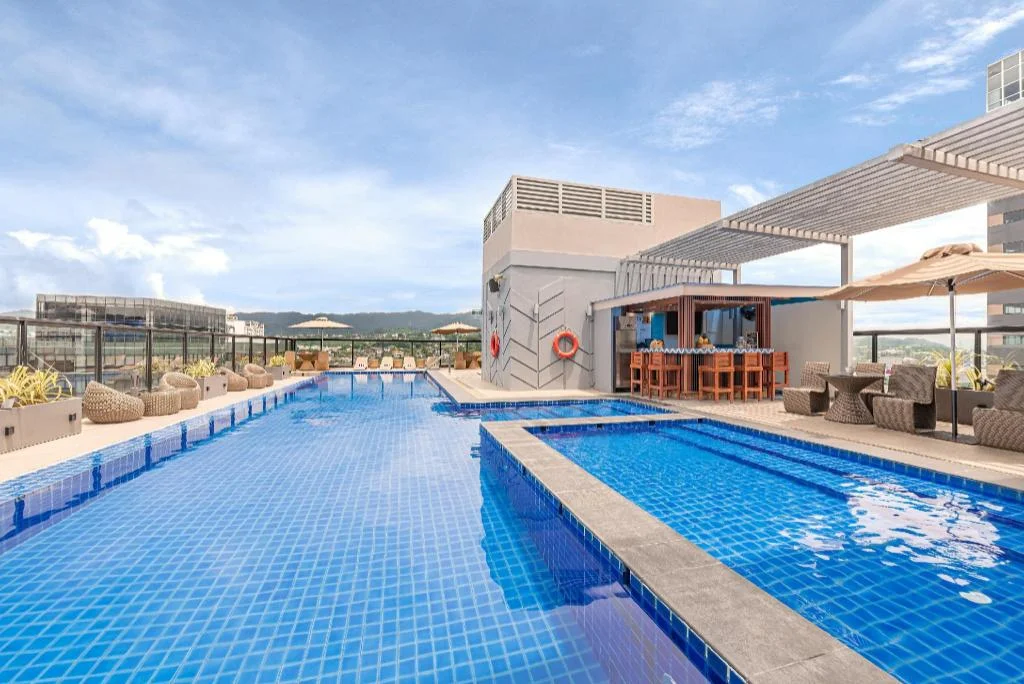
Seda Central Bloc Cebu City
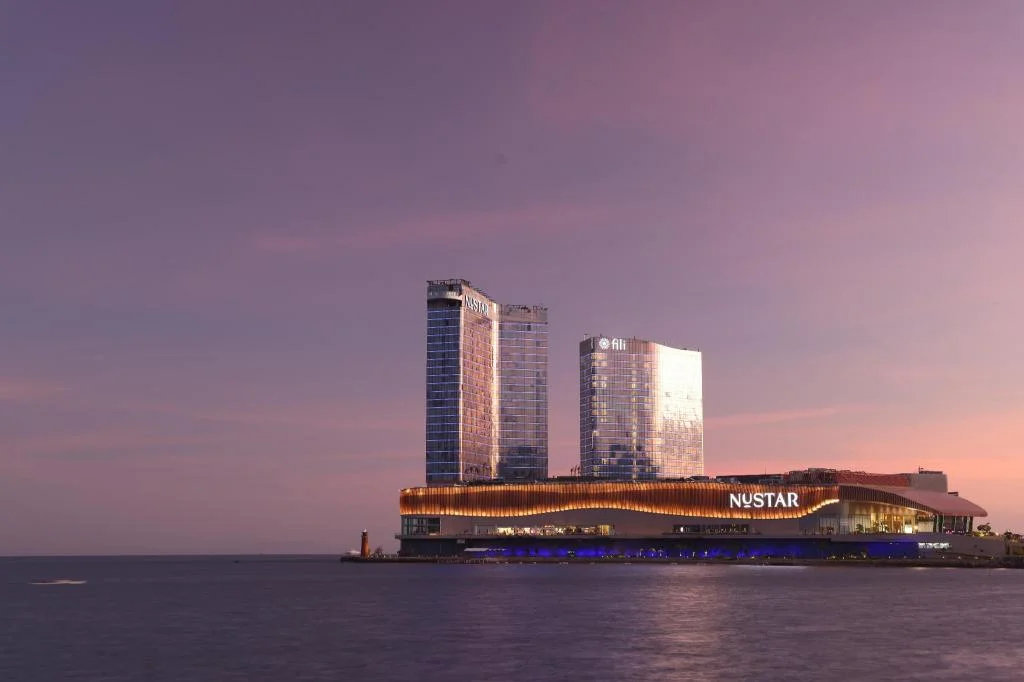
Fili Hotel - NUSTAR Resort & Casino Cebu
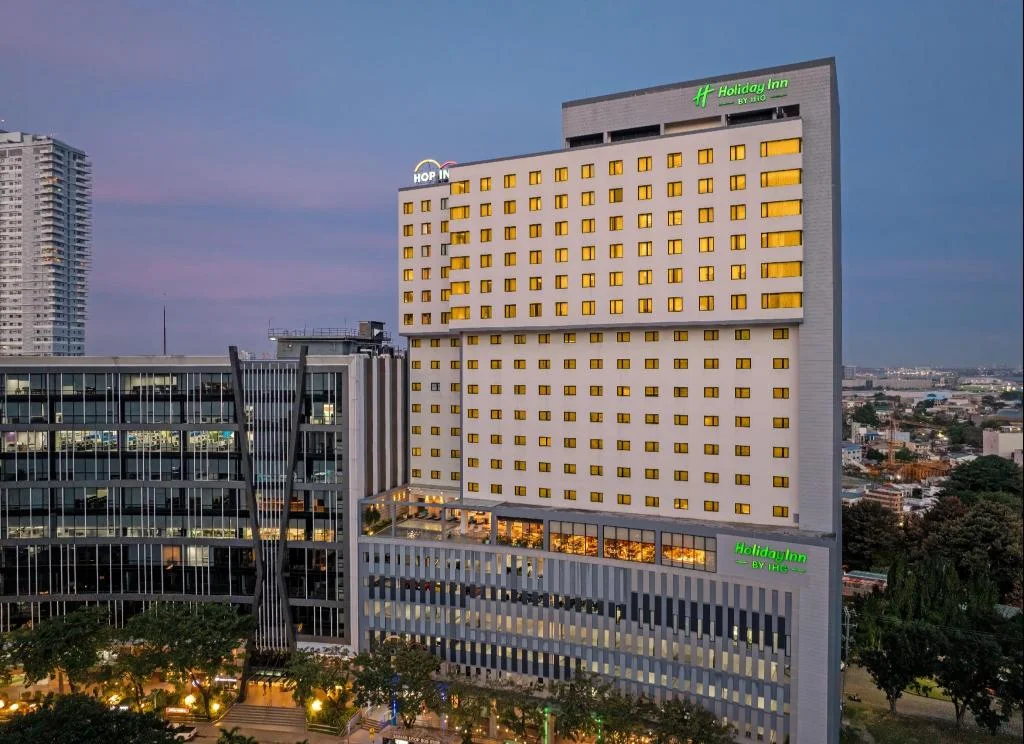
Holiday Inn Cebu City By IHG
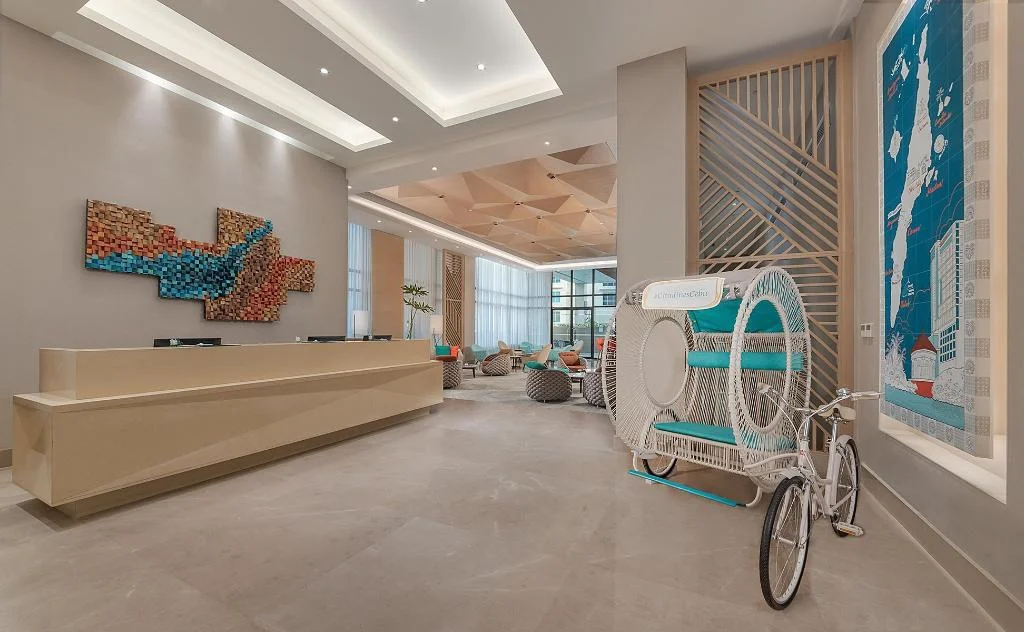
Citadines Cebu City
Prefer a rental? Vacation rentals near Cebu City
Self-catering condos and apartments — book the exact unit, kitchen included.
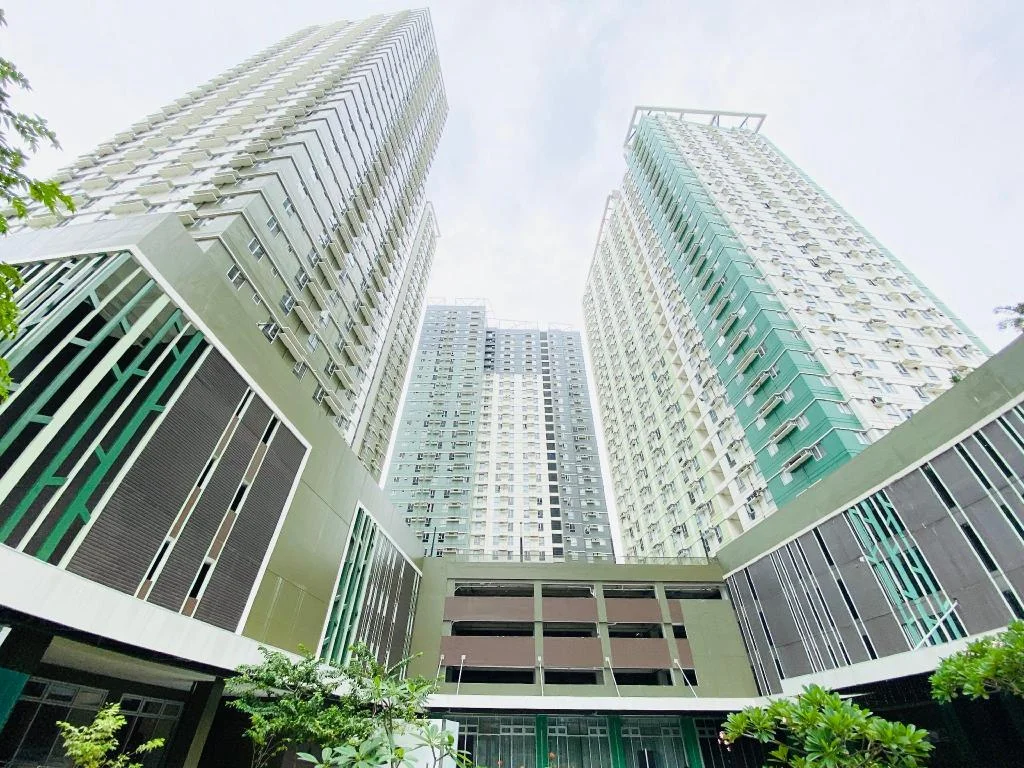
Cebu Avida Riala by P&J
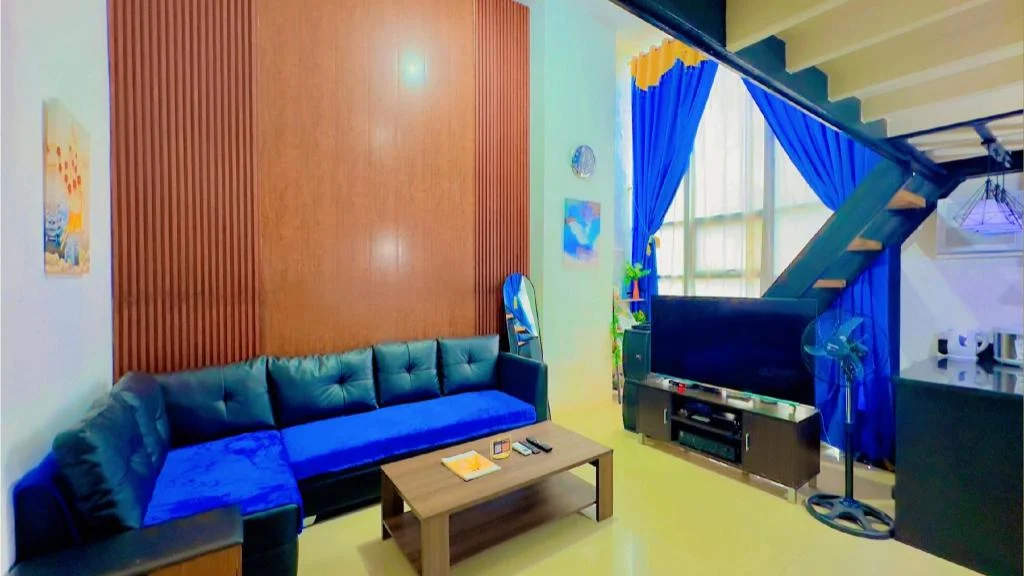
Special Big Loft Unit w/Fibreop Internet & Netflix
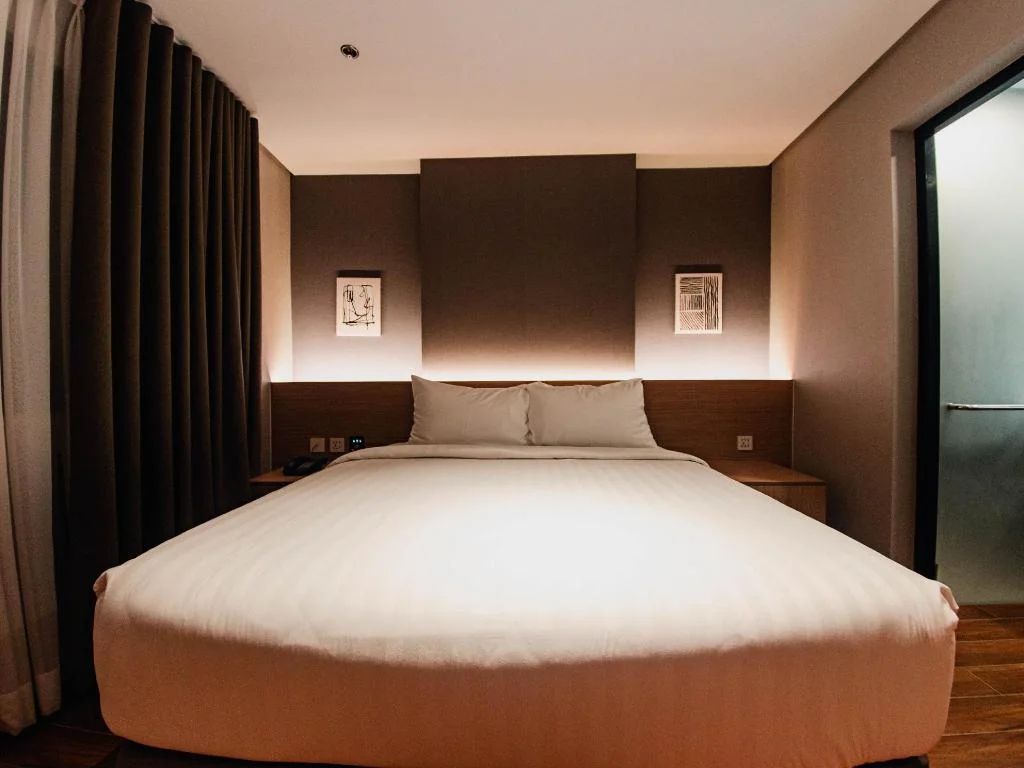
Moonstar Cebu Hotel - Deluxe Room
Before you go
Frequently asked
Is Cebu a good place to live as a foreigner?
How much does it cost to live comfortably in Cebu?
What is the biggest downside of living in Cebu?
Is Cebu safer than Manila?
Can I get good healthcare in Cebu?
Do I need a retirement visa to live in Cebu long-term?
How reliable is the internet in Cebu for remote work?
What's the weather like, and does typhoon season matter?
More Places to Explore
Temple of Leah
Cebu City
A magnificent Roman-inspired temple built as a monument of love, nicknamed 'Cebu's Taj Mahal,' offering stunning architecture and city views.
Tops Lookout
Cebu City
Cebu City's premier hilltop viewpoint offering stunning panoramic views of the city, especially spectacular at sunset and nighttime.