
TL;DR: Cebu is a genuinely livable, low-violent-crime city for expats and long-stay visitors — the real risks are property crime (phone snatching, condo break-ins), online scams that specifically target foreigners (fake rentals, romance scams, fake booking pages), and natural hazards (typhoons peaking July–November, plus the M6.9 earthquake that hit north Cebu in September 2025). Base yourself in IT Park, Banilad, Mabolo, Cebu Business Park, or Mactan Newtown for 24/7 foot traffic and visible security. Save 911 as your emergency number, insure your belongings if you’re on a ground floor, and never send money to anyone — landlord, “girlfriend,” or Facebook seller — you haven’t verified in person. Verified July 2026.
Moving to Cebu for a few months or settling in for years is a different equation than a one-week holiday. You’re not just dodging tourist scams for a few days — you’re picking a neighborhood to actually live in, signing a lease, leaving a condo empty while you travel, and riding out at least one typhoon season. This guide is written for that longer horizon: expats, digital nomads, retirees, and returning balikbayan settling in for the long haul. If you’re here for a short trip instead, see our general Cebu safety guide for tourists — the fundamentals overlap, but the risks that actually bite long-stay residents are different, and that’s what’s covered here.
The short version: Cebu isn’t a dangerous city by regional standards, and it isn’t on any major government’s do-not-travel list. But “safe” for a long-stay resident means something specific — knowing which barangays have real security infrastructure, how condo scams and romance scams actually work here, and what to do when the ground literally shakes, which it did in 2025.
Which Cebu Neighborhoods Are Safest for Long-Stay Expats?
Stick to areas with round-the-clock foot traffic, gated compounds, and visible private security, and your baseline risk drops a long way.
| Area | Why it works | Watch for |
|---|---|---|
| IT Park & Lahug | 24/7 crowds, coworking spaces, gated towers, strong lighting | Can feel like a bubble; rent runs higher |
| Cebu Business Park (Ayala) | Corporate district, heavy security presence, walkable | Quiet and empty late at night despite the daytime crowds |
| Banilad | Established expat base, English widely used, gated subdivisions nearby | Traffic on the main road; side streets vary in lighting |
| Mabolo | Middle ground between IT Park and Ayala on price | Mixed residential/commercial — check the specific street, not just the barangay |
| Maria Luisa Estate Park | Gated subdivision, private security | Car-dependent, limited walkability |
| Mactan / Mactan Newtown | Resort-style condos, airport-adjacent, private security | Farther from downtown conveniences |
| Colon Street / Carbon Market | Historic, cheap, central | Avoid after dark — this is where most reported pickpocketing and bag-snatching happens |
Verified July 2026.
For deeper neighborhood-by-neighborhood tradeoffs beyond safety alone (cost, commute, lifestyle), see pros and cons of living in Cebu.
What Should You Look for in Condo or Home Security?
Prioritize buildings with a manned entrance, CCTV covering the lobby and parking, and a key-card or biometric elevator system — these three cut out most opportunistic break-ins before they start. Ask to see the guard logbook and CCTV coverage during a viewing, not just take the leasing agent’s word for it. Ground-floor units are more exposed; if that’s your only option, check that windows have grilles and the unit isn’t overlooked from an accessible ledge or fire escape.
If you travel and leave the unit empty for weeks, tell a trusted neighbor or the building admin, use smart plugs to fake a lived-in look, and don’t post travel dates publicly on social media. For anything irreplaceable — passport, land title, spare cash reserves, jewelry — a bank safe deposit box (a few thousand pesos a year, roughly US$50–90) is cheaper than the risk of losing it to a break-in, and a bolted-down fireproof home safe is a reasonable middle option for things you need faster access to.
What Petty Crime Should You Actually Worry About?
Phone and bag snatching by passing motorbikes is the most common real risk for long-stay residents — don’t walk with your phone out near moving traffic, and keep bags across your body, not dangling off one shoulder. Pickpocketing clusters around Colon Street, Carbon Market, and crowded jeepney stops. None of this is unique to expats; it’s the same advice that applies to any resident of a fast-growing Southeast Asian city, and it’s manageable with basic street awareness rather than paranoia.
What Scams Target Expats and Long-Stay Visitors Specifically?
Unlike petty street crime, these scams are built around the fact that you’re a foreigner with money and, often, more trust than caution.
Rental scams: A “landlord” posts a real unit’s photos (sometimes lifted straight from a legitimate listing) at a below-market price, then pushes you to wire a deposit before you’ve viewed it in person or verified the lease and title. Only pay a deposit after an in-person viewing, ideally with a licensed broker, and confirm the person you’re paying actually owns or manages the unit.
Romance scams: These have gotten more organized and more convincing. Some operations run out of condo units with dozens of fake profiles going at once, using AI-generated photos and voice notes to build a relationship over weeks or months before asking for money — often framed as a visa fee, a medical emergency, or travel costs to finally meet you. Philippine police raided one such operation in Manila in late 2025 with dozens arrested. If someone you’ve never met in person asks for money, that’s the scam, regardless of how real the relationship has felt.
Fake booking and marketplace scams: Fraudulent Facebook pages impersonating real Cebu resorts and rentals use stolen photos and ask for payment via GCash or Maya straight to a personal account. Central Visayas tourism authorities logged over 200 such cases and more than ₱1 million (about US$17,000) in losses across late 2025 and early 2026. Book through the operator’s verified page or a known platform, and be suspicious of any listing that only accepts e-wallet transfers to a personal name.
For the tourist-facing version of these scams (taxis, tours, fake tickets), see common scams in Cebu and how to avoid them.
How Do You Prepare for Typhoons and Earthquakes?
Cebu sits inside the main Philippine typhoon belt, and 2025 was a reminder that both typhoons and earthquakes are real risks here, not abstract ones. A magnitude-6.9 earthquake struck off the coast of northern Cebu on September 30, 2025 — the strongest ever recorded in that part of the province — and Typhoon Tino hit the region only about five weeks later while recovery was still underway. PAGASA’s 2026 outlook expects 6 to 14 tropical cyclones in the Philippine Area of Responsibility, with activity peaking from July through November.
Practical prep that actually matters for a long-stay resident:
- Keep a 3-day emergency kit: bottled water, cash (ATMs and card machines go down in outages), a flashlight, a charged power bank, and basic first aid.
- Know your building’s evacuation route and where higher ground is if you’re near the coast.
- If you’re on a ground floor or in a barangay known to flood, get contents insurance before typhoon season starts, not after the first storm warning — premiums and availability both tighten once a storm is already forecast.
- Register with your embassy’s traveler program if one exists, so they can reach you in a major disaster.
For a full month-by-month breakdown of storm risk, see typhoon season in Cebu: safety planning.
What Are the Emergency Numbers You Should Save?
Save 911 as your primary number — it’s the Philippines’ unified nationwide emergency line, now routed through a Regional Command Center based in Cebu City that uses geolocation to dispatch the nearest police, fire, or rescue unit. Older direct lines still work in some areas as backups: 166 for police, 160 for fire. The Emergency Rescue Unit Foundation (ERUF) runs a free ambulance service. Confirm any barangay-specific hotline with your building admin or landlord when you move in — response networks vary block to block, and it’s worth knowing before you need it.
How Do You Keep a Low Profile With Valuables?
Don’t wear obviously expensive watches or jewelry on the street, especially in crowded downtown areas or on jeepneys. Split cash and cards between a bag and a hidden pouch when you’re out for the day, and leave your passport at home (a photocopy or photo is usually enough for ID checks) unless you specifically need the original. If you’re heading up to a scenic overlook like Tops Lookout or Temple of Leah in the evening, go with others rather than alone, and don’t leave valuables visible in a parked car — those roads get quiet after dark.
What’s the Deal With Local Police and the Barangay?
Every neighborhood in the Philippines is organized into a barangay, the smallest local government unit, and the barangay hall is usually your first stop for anything short of a genuine emergency — a noise complaint, a lost ID report, a dispute with a neighbor. Barangay tanod (community watch volunteers) patrol many residential areas at night and are generally approachable if you need directions or help. For anything serious, go straight to 911 or the nearest police station rather than routing through the barangay first. If you need something on record — for an insurance claim or a replacement document — PHGuides sets out how the PNP says to file a blotter entry.
One piece of paperwork belongs here too, because forgetting it turns into a fine rather than a reminder: registered foreign residents owe a BI annual report in the first 60 days of each calendar year, ₱810.
The Honest Take
Cebu’s safety profile for long-stay foreigners is genuinely good — better, in violent-crime terms, than plenty of cities back home. The mistake expats make isn’t underestimating street crime; it’s underestimating the scams built specifically around them, and underestimating how fast a typhoon or earthquake situation can turn serious when you don’t have a plan. Do the boring things: pick a well-lit, secure building, keep an emergency kit, don’t wire money to anyone you haven’t met, and insure your stuff if you’re exposed to flooding. None of this requires living in fear — it just means treating Cebu like the real place it is, not a permanent vacation.
Sources
- LiveInPH — Is Cebu Safe for Expats? Crime, Neighborhoods, Scams
- Philippine Information Agency — Cebu launches Unified 911 Regional Center
- Wikipedia — 2025 Cebu earthquake
- SunStar Cebu — Cebu’s 2025 wake-up call: what disasters exposed
- Rappler — In Numbers: All that Cebu lost to disasters in 2025
- Philippines Investigation — Romance Scams in the Philippines: 2026 Guide
- Crime statistics, neighborhood details, and scam patterns cross-checked against 2025–2026 reporting; confirm current figures with local sources before relying on them. Verified July 2026.
Settling in for the long term means getting the boring logistics right — a safe home base, a plan for storm season, and a habit of not sending money to strangers. Pair this with our guides on living in Cebu as an expat and is Cebu safe for tourists if you’re still weighing the move. If you need a secure short-term base while you apartment-hunt in a neighborhood you trust, compare condotels and serviced apartments in Cebu City on Agoda, or check Mactan options if you’d rather be near the airport while you get oriented.
Book Tours & Hotels for This Trip
Find and book the best deals — prices and availability update in real time. Links open in a new tab.
Where to stay near Cebu City
Top-rated hotels for this trip — tap through to check live rates.
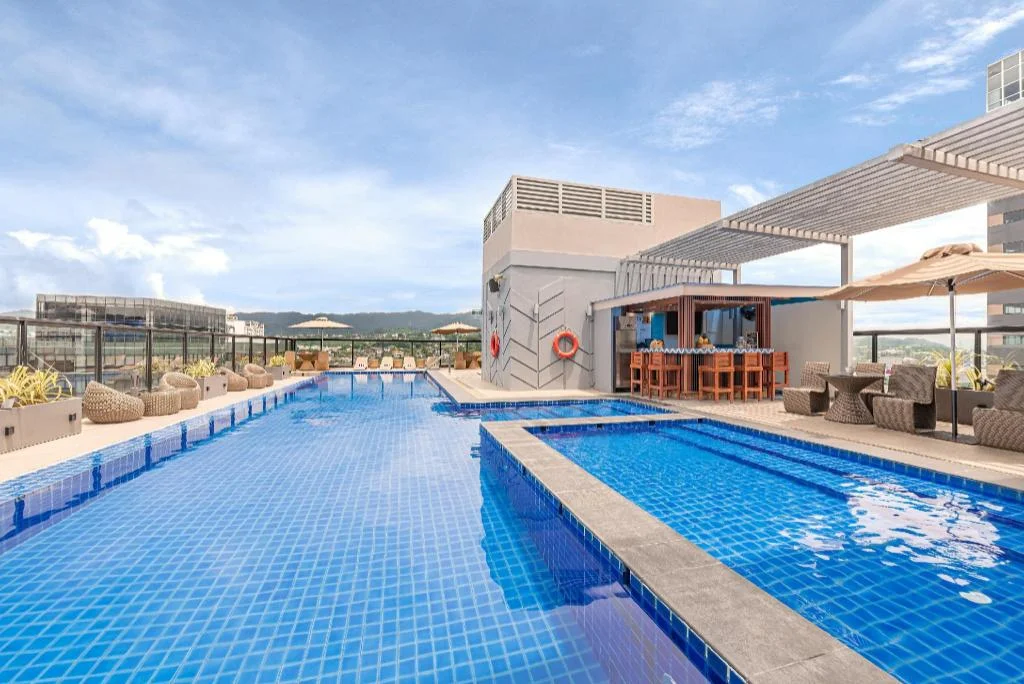
Seda Central Bloc Cebu City
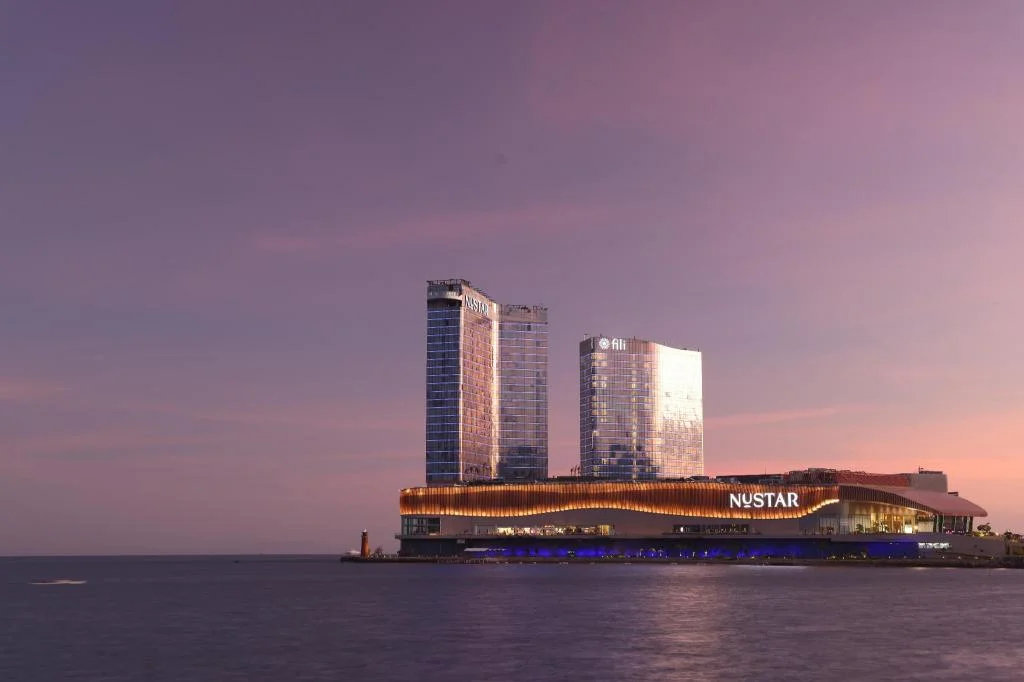
Fili Hotel - NUSTAR Resort & Casino Cebu
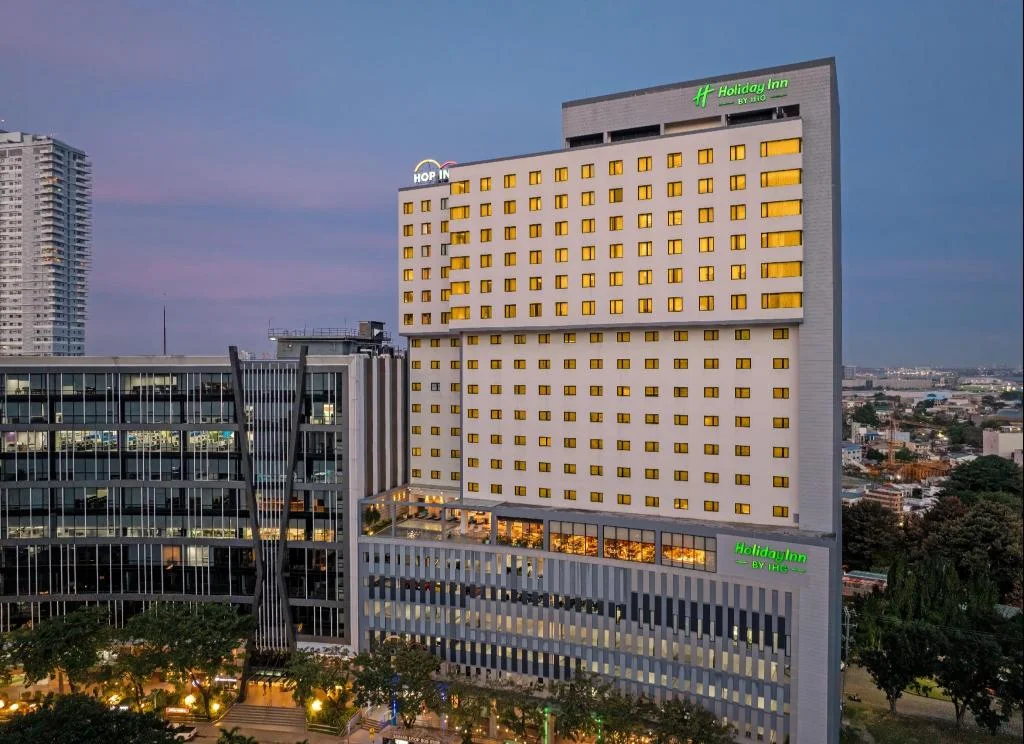
Holiday Inn Cebu City By IHG
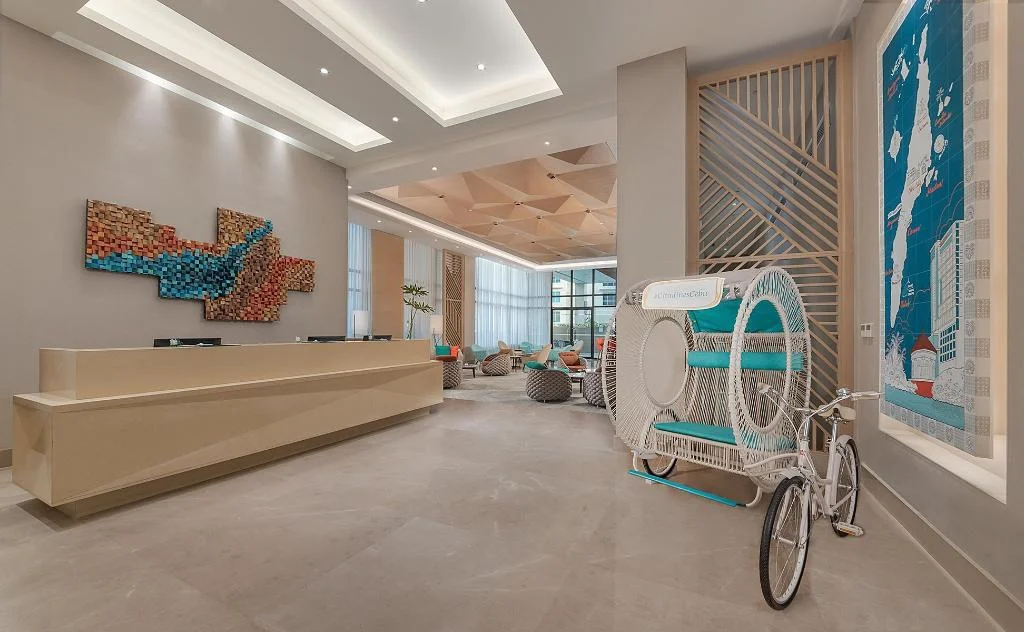
Citadines Cebu City
Prefer a rental? Vacation rentals near Cebu City
Self-catering condos and apartments — book the exact unit, kitchen included.
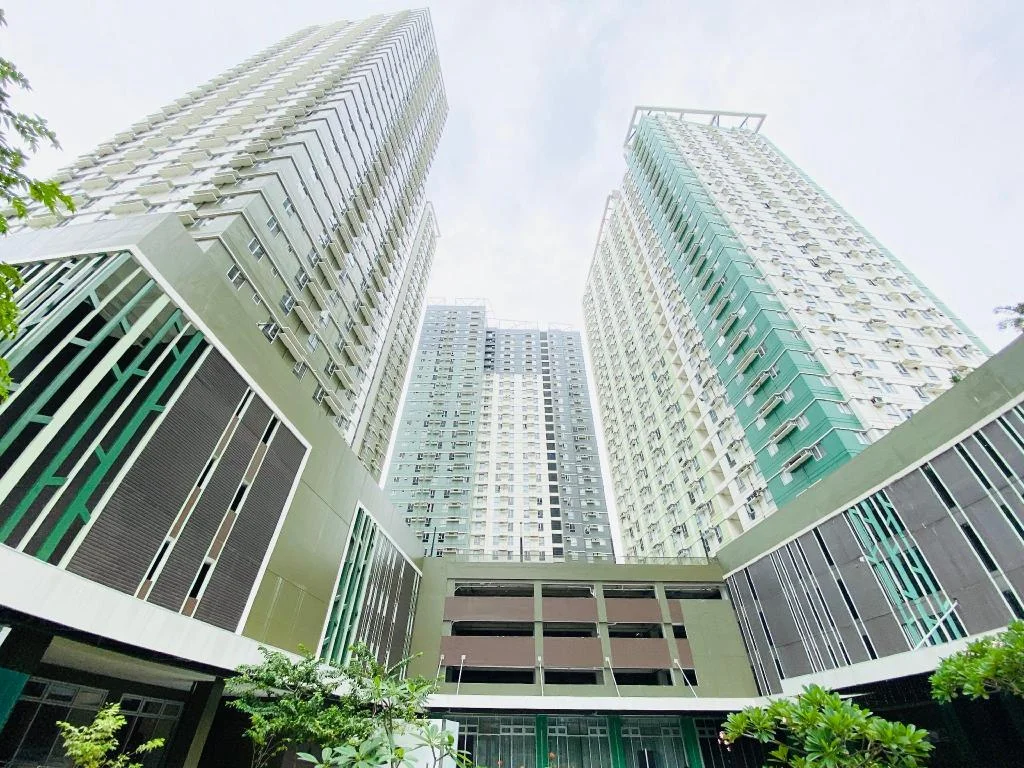
Cebu Avida Riala by P&J
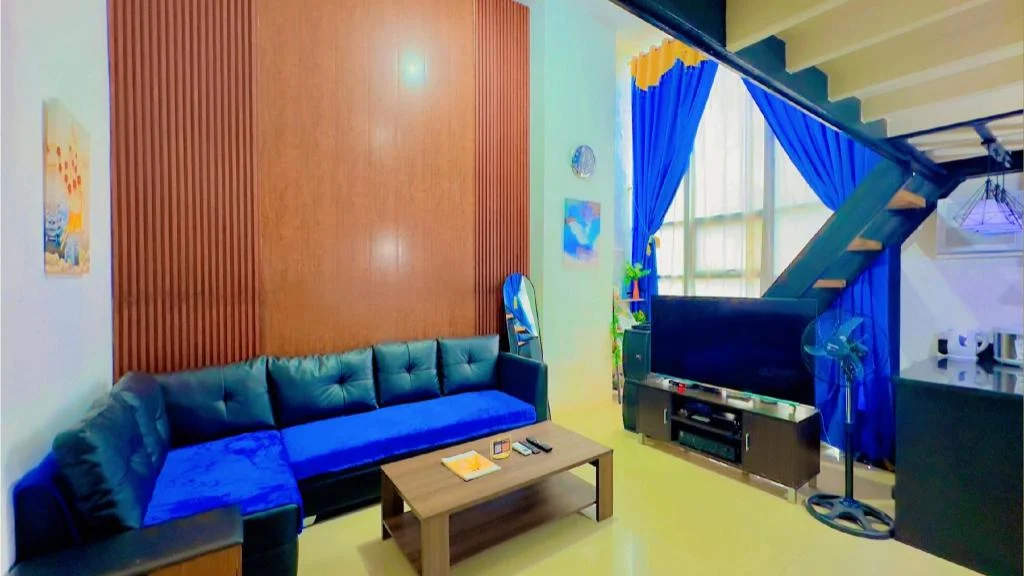
Special Big Loft Unit w/Fibreop Internet & Netflix
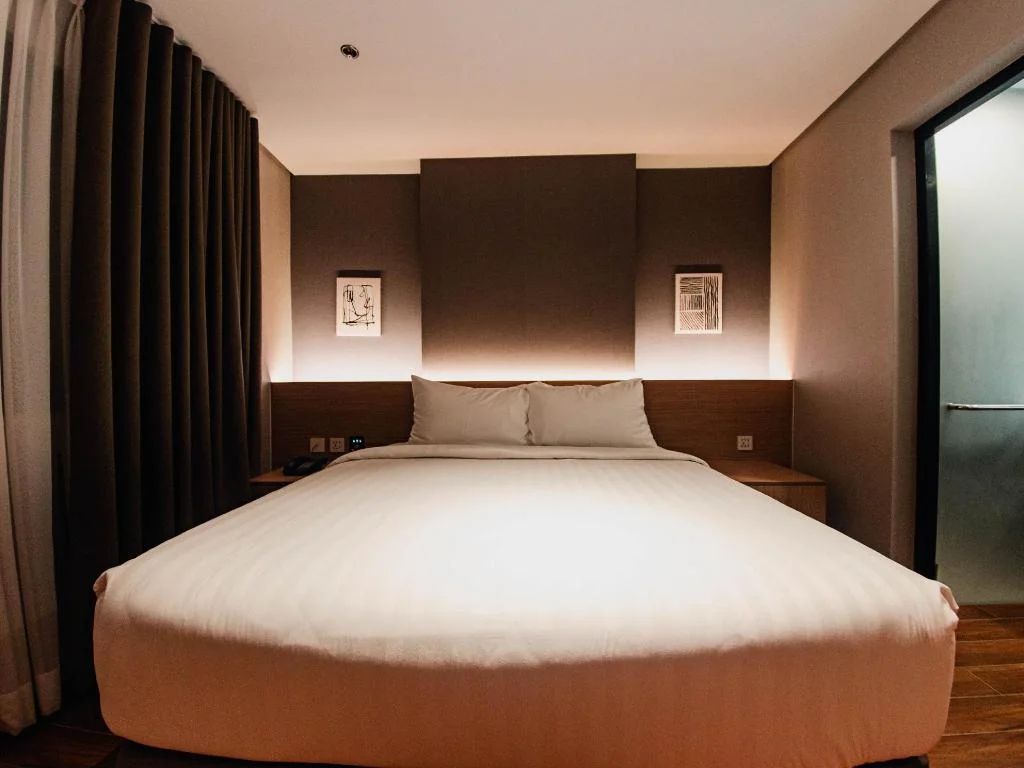
Moonstar Cebu Hotel - Deluxe Room
Before you go
Frequently asked
Is Cebu safe for expats and long-stay visitors?
Which neighborhoods should expats avoid in Cebu?
What's the biggest safety risk for long-stay foreigners in Cebu?
How do rental scams targeting expats in Cebu work?
Are romance scams common in Cebu?
What's the emergency number in Cebu?
How should expats prepare for typhoon season?
Should I get a safe deposit box in Cebu?
More Places to Explore
Temple of Leah
Cebu City
A magnificent Roman-inspired temple built as a monument of love, nicknamed 'Cebu's Taj Mahal,' offering stunning architecture and city views.
Tops Lookout
Cebu City
Cebu City's premier hilltop viewpoint offering stunning panoramic views of the city, especially spectacular at sunset and nighttime.