
TL;DR: Dalaguete Church (San Guillermo de Aquitania Parish) in south Cebu is a coral-stone fortress-church begun in 1802, paired with an even older 1768 watchtower across the plaza — together they’re one of the last intact church-fortification complexes in the Philippines and a National Cultural Treasure since 2019. It’s free to visit, sits right on the highway through Poblacion Dalaguete, and pairs naturally with a trip up to Osmeña Peak (about 30–45 minutes further by habal-habal) or a stop at Mantalongon Market. Budget 2.5–3 hours by bus from Cebu City, fare ₱105–150 (US$2–3). Verified July 2026.
Most people who pass through Dalaguete are headed somewhere else — up the mountain to Osmeña Peak, or further down the coast to Oslob. That’s a shame, because the town itself has one of the best-preserved Spanish-era church complexes in Cebu, and it sits right on the highway, so seeing it costs you maybe twenty minutes. San Guillermo de Aquitania Parish Church — everyone just calls it Dalaguete Church — is a squat, heavy, coral-stone building that was built to survive both earthquakes and pirate raids, and it still stands next to its own 18th-century watchtower in the town plaza. This guide covers what the church actually is, its Mass schedule, how to get there, and how to fold it into a bigger south Cebu day trip built around Osmeña Peak or Mantalongon Market.
What Is Dalaguete Church, Exactly?
It’s a fortified Spanish colonial parish church built from coral stone, dedicated to St. William of Aquitaine, and declared a National Cultural Treasure in 2019. Construction began around 1802 under Fray Juan Chacel, using coral stone quarried from local reefs and cut by forced labor under the colonial polo y servicio system; the convent portion was finished in the early 1830s. Dalaguete had been its own parish since 1711, and the church you see today replaced earlier, less permanent structures.
| What | Detail |
|---|---|
| Official name | San Guillermo de Aquitania Parish Church |
| Built | Began ~1802; convent finished early 1830s |
| Style | “Earthquake Baroque” — coral stone, massive pilasters, octagonal bell tower set apart from the nave |
| Watchtower | Bantayan sa Hari, built 1768, in the plaza in front of the church |
| Heritage status | National Historical Landmark (2004); National Cultural Treasure (2019) |
| Entrance fee | None |
| Address | San Guillermo St., Poblacion, Dalaguete, Cebu |
Verified July 2026.
What Does the Church Look Like?
A three-level carved facade, a bell tower deliberately built as a separate structure, and walls thick enough to double as a bunker. The design is what historians call “Earthquake Baroque” — heavy cornices, massive buttressing pilasters, and an octagonal belfry kept structurally independent from the main nave so that if one part failed in a quake, the other wouldn’t come down with it. That engineering held up: the church came through the 2013 Bohol earthquake and Typhoon Odette in 2021 with cracked walls and some fallen debris, but nothing close to collapse, while newer buildings nearby fared worse.
Inside, five Rococo-style retablos (altar screens) date to the original construction, and the ceiling carries trompe l’oeil paintings — flat panels made to look like three-dimensional coffered vaulting — done by Cebuano artist Canuto Avila and his sons in the 1930s, in soft blues, pinks, and greens. In 2024 the parish installed three replacement bells to restore the tower’s full ring after the originals were damaged or lost over the centuries.
What Is the Watchtower (Cotta) in Front of the Church?
It’s the Bantayan sa Hari, a coral-stone lookout tower built in 1768 — older than the church itself. Locals also call it the Poblacion Watchtower or, using the Spanish term, the cotta. It sits in the plaza directly facing the church, and its job was to spot Moro raiding vessels approaching from the Bohol Sea early enough for the town to take shelter inside the church’s thick walls. Together, the watchtower and the fortified church form one of the more complete surviving examples of a Spanish-era coastal defense complex in the Philippines — most towns kept only one piece of that system, not both.
Why Was a Church Built Like a Fortress?
Because south Cebu’s coastline was a regular target for slave-raiding fleets during the Spanish period. Coastal parishes across the Visayas built churches with the same defensive logic — thick coral or adobe walls, few and small windows, a watchtower nearby — because the church was often the strongest, most defensible building in town. Dalaguete’s version is one of the better-preserved examples still standing largely intact, which is part of why the National Museum listed it as a National Cultural Treasure in 2019, the fourth structure in Cebu to receive that designation.
When Can You Visit, and Is There a Fee?
There’s no entrance fee, and the church and plaza are open to the public daily; just work around Mass times if you want a quiet look inside. As of mid-2026 the parish’s posted schedule runs roughly:
| Day | Approximate Mass times |
|---|---|
| Sunday | 5:30am, 9:00am, 2:30pm, 4:30pm |
| Weekdays | 5:30am (plus an anticipated Mass Friday evening) |
| Saturday | 5:30am, early evening (anticipated Sunday Mass) |
Confirm the current schedule with the parish’s Facebook page (Parokya ni San Guillermo de Aquitania) before you go — parish schedules shift. Verified July 2026.
Dress modestly (covered shoulders and knees), keep phones on silent if a Mass is in session, and step outside if you’re purely there for photos during a service.
How Do You Get to Dalaguete Church?
Take a south-bound Ceres bus from Cebu South Bus Terminal and get off at Dalaguete’s Poblacion. The town is roughly 85–90 km south of Cebu City along the South Coastal Road (Natalio Bacalso Avenue), and buses headed to Oslob, Bato, or Santander all pass through it.
| Option | Cost | Time from Cebu City |
|---|---|---|
| Ceres bus (South Bus Terminal → Dalaguete) | ₱105–150 (~US$2–3) | ~2.5–3 hours |
| Private car / van | Fuel + tolls | ~2.5–3 hours |
| Habal-habal onward to Mantalongon/Osmeña Peak | ~₱200/way (2 pax) | 30–45 minutes from the highway junction |
Fares fluctuate with fuel prices; confirm at the terminal. Verified July 2026.
The church sits right on the main road through Poblacion, close to the municipal hall, so if you’re already riding through Dalaguete on the way south, ask the conductor to drop you at the plaza rather than the highway junction.
Is It Worth Combining With Osmeña Peak?
Yes — it’s a natural pairing, since both are in Dalaguete and most people are already passing through on the way up the mountain. Osmeña Peak is Cebu’s highest point and one of its most-photographed viewpoints, and its jump-off sits in the highland barangay of Mantalongon, about 30–45 minutes by habal-habal from the Dalaguete junction on the highway. A workable day plan:
- Morning: Bus down from Cebu City, stop at the church and plaza for 20–30 minutes.
- Late morning: Habal-habal up to Mantalongon, hike Osmeña Peak (allow 1.5–2 hours round trip at an easy pace).
- Midday: Detour to Mantalongon Market if it’s a Wednesday or Saturday (its busiest trading days) for fresh produce and cheap eats.
- Afternoon: Head back down — either return to Cebu City or continue south toward Oslob or Argao.
If you’d rather build a whole itinerary around the town instead of just passing through, our Dalaguete guide covers the vegetable-garden side of town and using Dalaguete as a base for Osmeña Peak in more depth.
The Honest Take
Dalaguete Church won’t wow you the way Simala Shrine or the Basilica del Santo Niño do — there’s no gold leaf, no crowds, no gift shop. What it has is authenticity: this is a genuinely old, genuinely unrestored-to-death coral-stone building that’s survived earthquakes, typhoons, and three centuries of use, sitting next to a watchtower that’s rarely mentioned outside heritage circles. If you’re the type of traveler who wants a photo op, you can get one in ten minutes and move on. If you actually care about Cebu’s Spanish-colonial history, it rewards a slower look — the trompe l’oeil ceiling, the separated bell tower, the plaza layout that still reads as a defensive complex if you know what you’re looking at.
Best time to visit is a weekday morning outside of Mass hours, when the plaza is quiet and the light through the facade carvings is best for photos. Skip a mid-Mass visit if you just want to wander and take pictures — it’s disrespectful to worshippers and you’ll get a better look afterward anyway.
Combine It With the Rest of South Cebu
Dalaguete sits in a heritage-and-nature corridor: Argao, about 9 km north on the highway, has its own well-preserved Spanish-era church and a lively heritage town center, making a two-church heritage stop easy on the same drive. For a broader look at Cebu’s surviving Spanish-era churches, see our oldest churches in Cebu roundup or the best churches in Cebu heritage guide. If you want to build a full south Cebu day around waterfalls, canyoneering, and whale sharks rather than heritage stops, most of those routes also pass right by Dalaguete on the highway — worth the twenty-minute detour either way.
Planning transport for the day? Compare Cebu tour and van options on Klook if you’d rather not manage buses and habal-habal rides yourself, especially if you’re combining the church with Osmeña Peak in one trip.
Sources
- San Guillermo de Aquitania Church — Wikipedia
- Dalaguete Church: Cebu’s Southern Heritage — UnknownCebu
- Rock of Ages: This Church in Dalaguete, Cebu Weathered Quakes and Questions — Sugbo.ph
- A Cup in the Fortress: Dalaguete Watchtower — UnknownCebu
- Church in Dalaguete, Cebu named National Cultural Treasure — GMA Network
- San Guillermo de Aquitania Parish Mass Schedule — Philmass.com
- Mass times, fares, and watchtower details confirmed against 2025–2026 reporting; schedules and fares fluctuate — confirm locally before you go. Verified July 2026.
Book Tours & Hotels for This Trip
Find and book the best deals — prices and availability update in real time. Links open in a new tab.
Where to stay near Dalaguete
Top-rated hotels for this trip — tap through to check live rates.
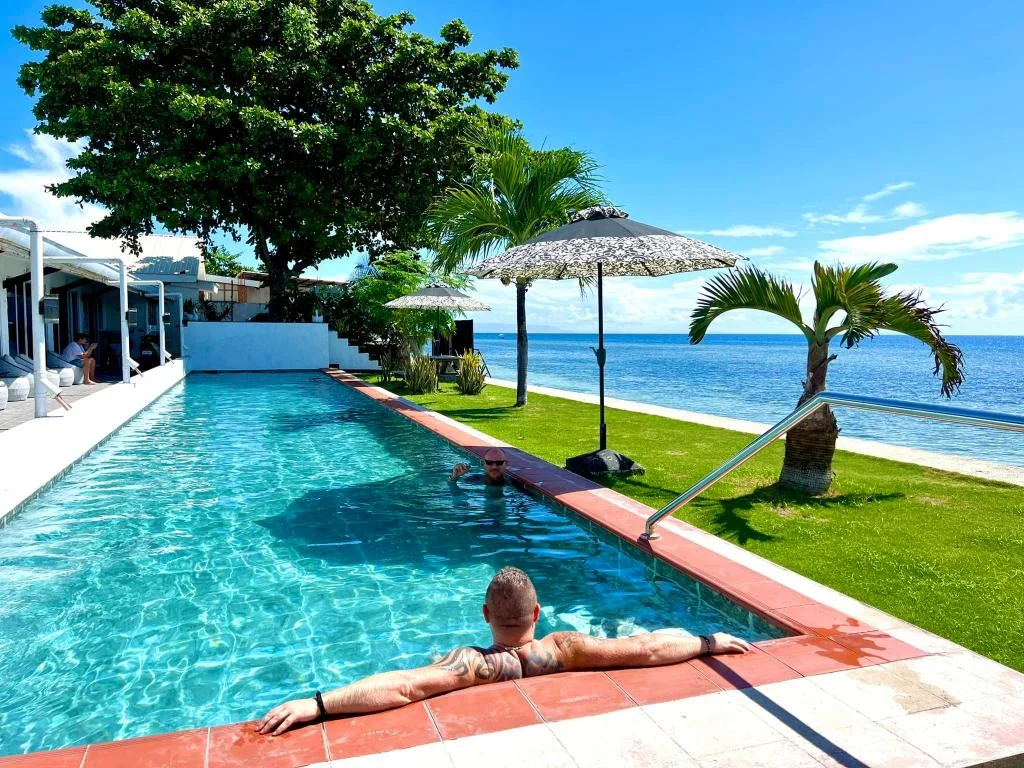
Beachhouse Poolside Room.
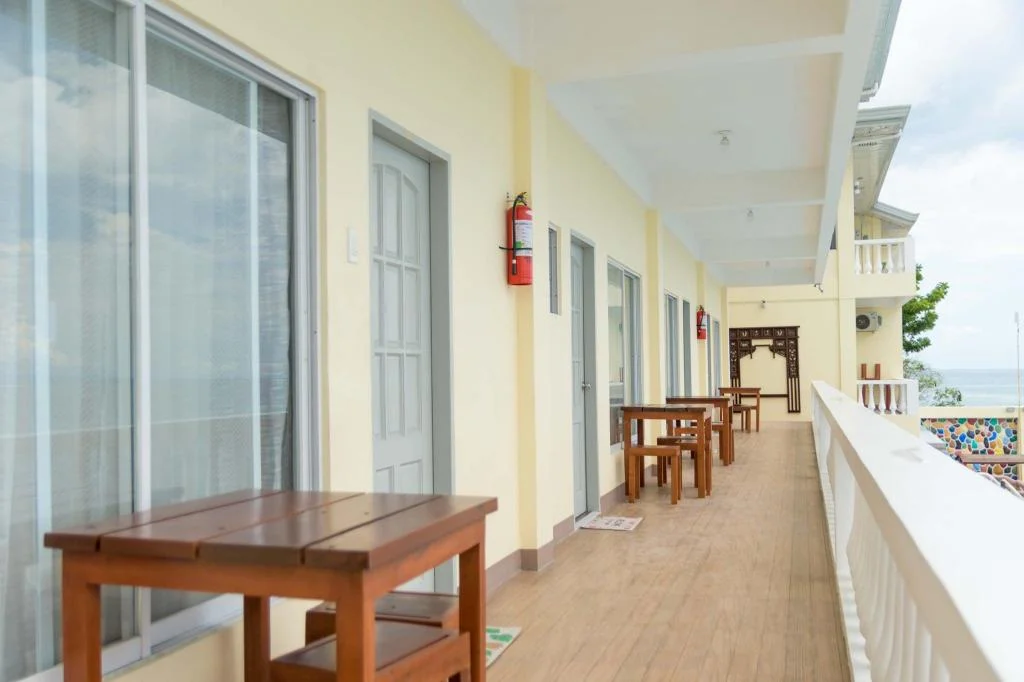
Nadelmar Hotel and Resort
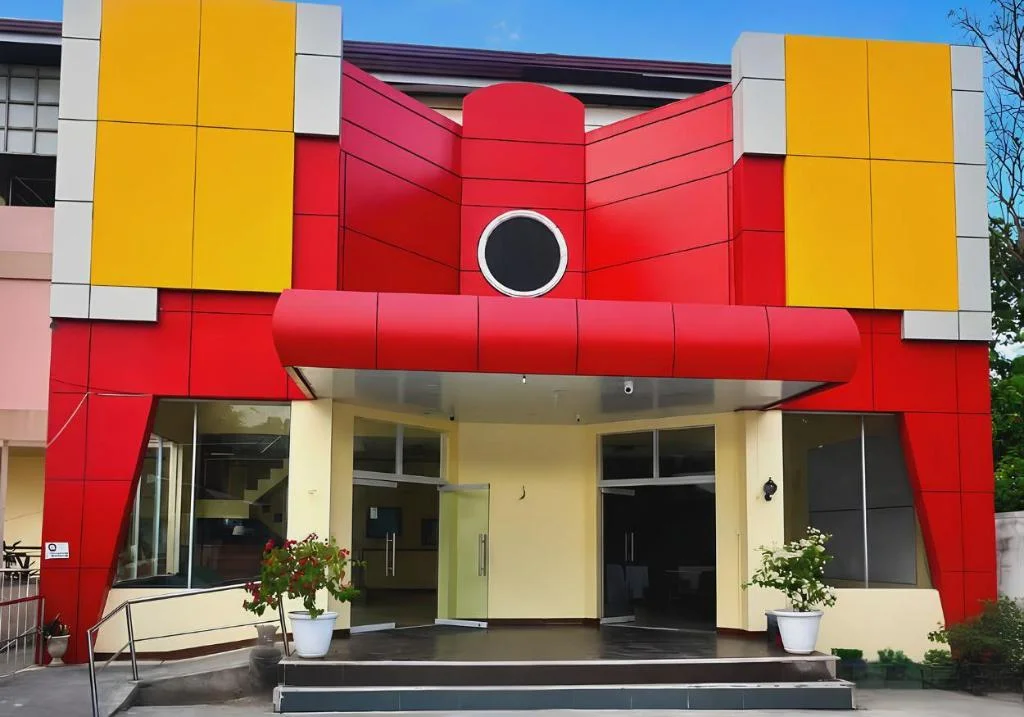
Kyleville Resort by Hiverooms
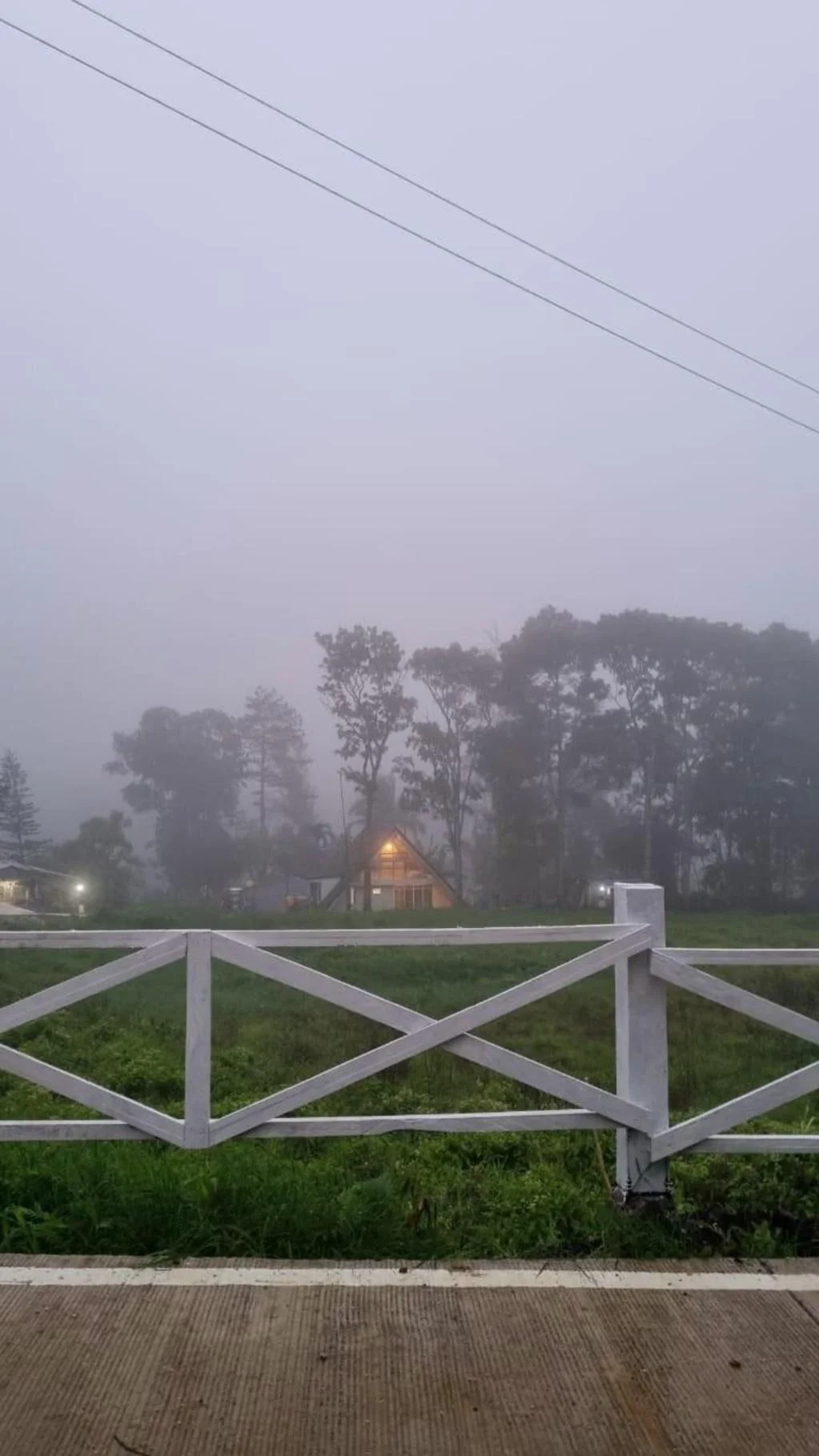
Casa Manta Mountain home, pool, bonfire, camping
Prefer a rental? Vacation rentals near Dalaguete
Self-catering condos and apartments — book the exact unit, kitchen included.
Browse all vacation rentals →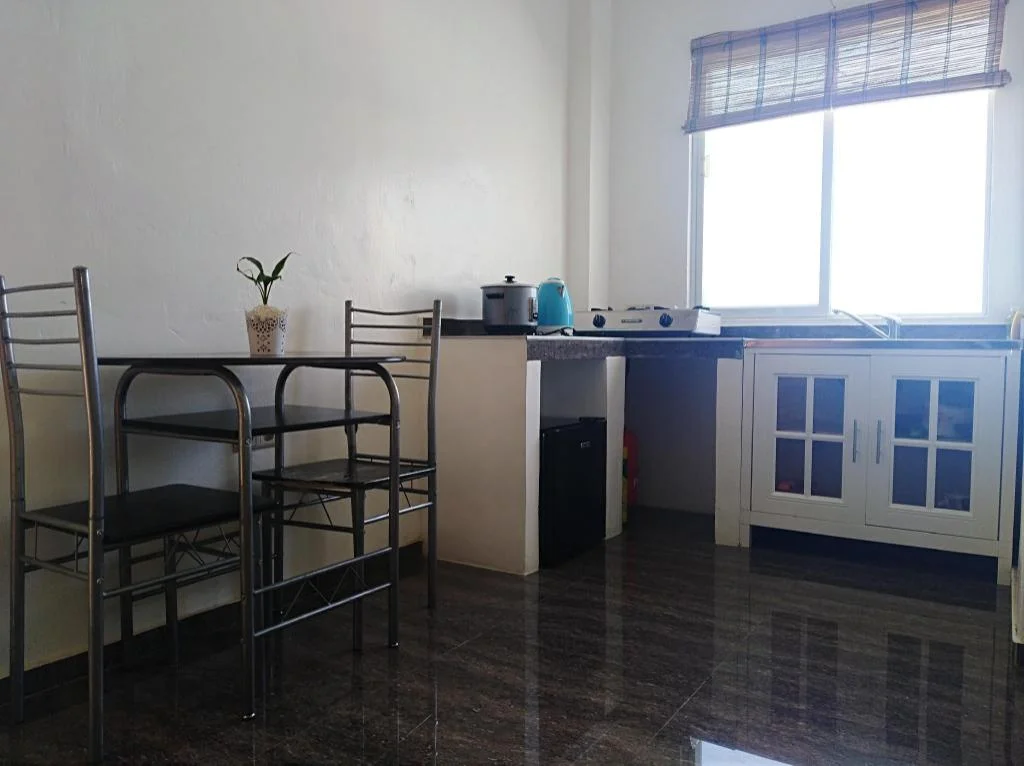
Before you go
Frequently asked
What is Dalaguete Church officially called?
How old is Dalaguete Church?
Is Dalaguete Church free to visit?
What are the Mass times at Dalaguete Church?
Why was Dalaguete Church built like a fortress?
How do you get to Dalaguete Church from Cebu City?
Can you combine Dalaguete Church with Osmeña Peak?
What else is near Dalaguete Church?
More Places to Explore
Dalaguete Beach Park
Dalaguete
A municipal beach park with calm waters and basic amenities, offering an affordable local beach experience with views toward Bohol.
Osmeña Peak
Dalaguete
Cebu's highest peak at about 1,013 meters, with jagged Chocolate-Hills-like ridges and panoramic island views.
Mantalongon Market
Dalaguete
The 'Vegetable Basket of Cebu' - a traditional highland market where farmers sell fresh mountain-grown produce at bargain prices.
Obong Spring
Dalaguete
A natural cold spring resort in Dalaguete's highlands with crystal-clear pools fed by mountain spring water, perfect for a refreshing swim.