
TL;DR: Habal-habal (single motorbike, driver plus you on the back) is for short hops where cars can’t go — waterfall trailheads, mountain barangay roads, steep resort driveways — and runs roughly ₱50-200 depending on distance. Tricycles (motorbike with a sidecar) cover town centers and small islands and run about the same, but carry more people and bags. Neither is metered — always agree on the fare before you get on. Angkas and Grab only reliably work inside Metro Cebu; everywhere else, these two are the default last-mile ride. Verified July 2026.
Cebu’s jeepneys and buses get you between towns, and Grab covers the city and Mactan — but neither one gets you the final kilometer to a waterfall trailhead, a hidden beach access road, or a resort tucked up a hillside. That gap is filled by two vehicles you’ll see everywhere outside the malls: the habal-habal (a motorbike you ride pillion) and the tricycle (a motorbike with a sidecar bolted on). If you’re heading to Kawasan Falls, a hillside viewpoint like Temple of Leah, or any small town off the main highway, you’ll use one or both. This guide covers what each one actually is, what they cost, how to flag one down and negotiate without getting overcharged, and how to ride safely — habal-habal in particular has real, unregulated risk if you’re not paying attention.
Habal-Habal vs. Tricycle vs. Jeepney vs. Grab: At a Glance
| Ride | Best for | Typical fare (short-medium trip) |
|---|---|---|
| Habal-habal | Falls trailheads, mountain roads, steep or narrow terrain, solo/pair trips | ₱50-200 per person |
| Tricycle | Town centers, small islands (Bantayan, Camotes), groups with bags | ₱50-150 per person, or ₱150-300 to charter the whole tricycle |
| Jeepney | Fixed routes between towns, cheapest per head | ₱13-15 minimum fare |
| Grab (car) | Metro Cebu and Mactan, air-con, fixed upfront price | Varies by distance, quoted in-app |
| Angkas (app) | Metro Cebu only, quick point-to-point | Quoted in-app, generally ₱60-180 |
Fares are negotiated ranges reported by recent travelers and local operators, not fixed or metered — actual price depends on distance, road condition, and your negotiating. Confirm locally before you go. Verified July 2026.
What Exactly Is a Habal-Habal?
A habal-habal is a standard motorbike that works as an informal taxi, with you riding on the back behind the driver. It’s the vehicle of choice anywhere the road gets too steep, narrow, or rough for a tricycle or car — which in Cebu means waterfall access trails, mountain barangay roads on the Transcentral Highway, and the last stretch into resorts built into a hillside.
There’s no meter and, outside app platforms, no company behind it — it’s one driver, one bike, and a price you settle before you climb on. In busier tourist spots (Moalboal, Oslob, Malapascua) habal-habal drivers cluster near parking areas, ports, and trailheads and are used to tourist routes and rough English. In truly rural areas, you may be flagging down someone’s personal motorbike, which is common and normal, but means less predictability on price and safety gear.
Some habal-habal in Cebu’s mountains carry more than one passenger at a time, and in parts of the Visayas and Mindanao the extended version with side planks (called a “skylab”) can carry six or more people. In Cebu proper this is less common than in Mindanao, but if a bike already has two or three people on it, don’t add yourself as a fourth — wait for the next one.
What Exactly Is a Tricycle?
A tricycle is a motorbike with a sidecar welded on, built to carry three to four passengers plus bags. It’s the standard short-hop ride in town centers, at ports, and on small islands like Bantayan and the Camotes group, where roads are flatter and wider than mountain trails. Tricycles are steadier than habal-habal — the sidecar means no balancing act — and they’re the practical choice if you’re traveling with luggage, a dive bag, or more than one companion.
Tricycle “terminals” (informal queuing areas) sit outside markets, plazas, ports, and bus terminals. In some towns, tricycles run semi-fixed routes at a flat per-head fare during the day (like a jeepney in miniature), and switch to “special trip” charter pricing once you want a specific, off-route destination — expect to pay more for the charter.
How Much Do Habal-Habal and Tricycles Actually Cost?
Expect ₱50-100 for a short hop under 2 km, ₱100-200 for 3-5 km, and ₱200-400 for longer or steeper mountain routes — these are negotiated, not metered, so treat them as ranges.
Some real examples travelers and local guides report for 2025-2026:
- Moalboal town to Kawasan Falls (roughly 8 km, steep in parts): habal-habal around ₱200-300 one-way.
- Oslob public market to Tumalog Falls: habal-habal roughly ₱80-150 per person round trip, including a short wait while you look around.
- Oslob town to the Tan-awan whale shark area (~10 km): tricycle around ₱100-150, habal-habal ₱70-100.
- Within a small town (Moalboal, Malapascua, Camotes): tricycle ₱50-150 depending on distance; chartering a whole tricycle for your group often runs ₱150-300 flat.
These numbers move with fuel prices, season, and how touristy the specific spot has become, so treat them as a starting point for negotiation, not a fixed price list.
How Do You Flag One Down and Negotiate a Fair Fare?
Wave from the roadside, then agree on a price before you get on — never after. Habal-habal and tricycle drivers cluster near plazas, markets, ports, and trailhead parking areas; in quieter spots, you may just flag down whoever’s passing.
A few practical habits that keep the fare honest:
- Ask “Magkano po?” (“How much?”) before boarding, and state your destination clearly. If a price feels high, a polite “Puwede pa ba mababa?” (“Can it be lower?”) is normal and expected — this isn’t rude, it’s how fares get set here.
- Ask other travelers or your accommodation what they paid for the same trip that morning; prices for common tourist routes (Moalboal to Kawasan, Oslob town to Tumalog) are well known locally, so a driver quoting far above that is testing you.
- For a return trip, negotiate the round-trip fare up front, including any waiting time, so you’re not renegotiating from a position of no other ride back.
- Small bills matter. Rural drivers frequently can’t break a ₱500 or ₱1,000 note, especially early in the day. Carry ₱20s, ₱50s, and ₱100s.
- If you’ll be based somewhere for a few days — Moalboal, Malapascua, the Camotes — get a driver’s mobile number on day one. Locals text or call the same trusted rider rather than flagging a stranger each time.
Is It Safe? What About Helmets and Overloading?
It’s reasonably safe for short, careful rides if you use common sense — but habal-habal in particular runs with almost no on-the-spot oversight. Republic Act 10054 (the Motorcycle Helmet Act) legally requires both the driver and back-rider to wear a standard protective helmet, and most habal-habal drivers who work tourist routes will hand you one; in rural areas, don’t assume one will be offered — ask.
Things worth actually paying attention to:
- Don’t board an already-overloaded bike. If two people plus the driver are already on it, wait for the next one rather than becoming passenger three or four.
- Hold onto the driver or the grab bar, not just your bag or phone — Cebu’s falls-access and mountain roads have loose gravel, sudden potholes, and steep grades.
- Skip habal-habal after dark on unlit rural roads unless you know the driver and the route well; stick to tricycles or arranged transport at night instead.
- Legally, informal habal-habal drivers who take fares are still treated as common carriers even without an LTFRB franchise, and motorbikes used for hire are required to carry compulsory third-party liability insurance. In practice, enforcement on rural routes is thin, so your own caution matters more than the paperwork.
- If something feels off about a driver or a bike’s condition, it’s fine to say no and wait for the next one — there’s almost always another.
When Should You Use Habal-Habal or a Tricycle Instead of Grab or a Jeepney?
Use them for the last mile a car or jeepney can’t reach — that’s their whole purpose. Grab (cars) and Angkas (motorbike-taxi app) both work well, but only inside Metro Cebu — Cebu City, Mandaue, Lapu-Lapu, and nearby Cordova and Consolacion. Once you’re past that zone — Moalboal, Oslob, Malapascua, the mountain barangays along the Transcentral Highway, or any small island — app-based rides mostly stop showing available drivers, and you’re back to flagging a habal-habal or tricycle in person.
Jeepneys, meanwhile, are the cheapest way to move between towns on fixed routes (see our jeepney guide), but they only stop along their set route. If your actual destination is a trailhead, a resort gate, or a dive shop a kilometer off that road, a habal-habal or tricycle is how you close the gap. A typical day trip south, for instance, might be: bus from Cebu City to Moalboal, then habal-habal for the final push to Kawasan Falls — see our south Cebu waterfall route for how that combination works end to end.
The Honest Take
Habal-habal and tricycles aren’t glamorous, and they’re not for everyone — no air-con, no seatbelt, no meter, and (for habal-habal especially) genuinely thin safety regulation. But they’re also the only realistic way to reach a lot of what makes Cebu worth visiting: waterfalls at the end of a dirt trail, viewpoints up a hillside road, small-island streets too narrow for a car. Don’t let unfamiliarity talk you out of them — thousands of tourists take these rides every week without incident, and the fare you’ll pay is genuinely small.
Where I’d personally be more careful: after dark on unlit mountain roads, and any bike that already looks overloaded before you get on it. Where I wouldn’t think twice: a daytime habal-habal from a falls parking area to the entrance, or a tricycle around a small town. If in doubt, ask your resort or homestay to arrange a driver they already trust — most will.
Pair this with our taxis and Grab fares guide for the city and airport legs of your trip, and our full getting around Cebu overview for how all these pieces — buses, ferries, jeepneys, and these short-hop rides — fit together. If you’re planning the south Cebu waterfall run where habal-habal is basically mandatory, compare Kawasan Falls tours and transport options on Klook before you go, so you know the DIY habal-habal price against a packaged tour.
Sources
- Legal Basis for Habal-Habal Motorcycle Taxi Operations in the Philippines — Respicio & Co.
- Republic Act No. 10054 — Motorcycle Helmet Act, LawPhil
- VERA Files Fact Sheet: The legality of motorcycle taxis
- Angkas — Coverage Areas
- Recent traveler and local-guide reporting on Moalboal, Kawasan Falls, and Oslob/Tumalog Falls fares (2025-2026); confirm current prices with drivers locally. Verified July 2026.
Book Tours & Hotels for This Trip
Find and book the best deals — prices and availability update in real time. Links open in a new tab.
Where to stay near Cebu City
Top-rated hotels for this trip — tap through to check live rates.
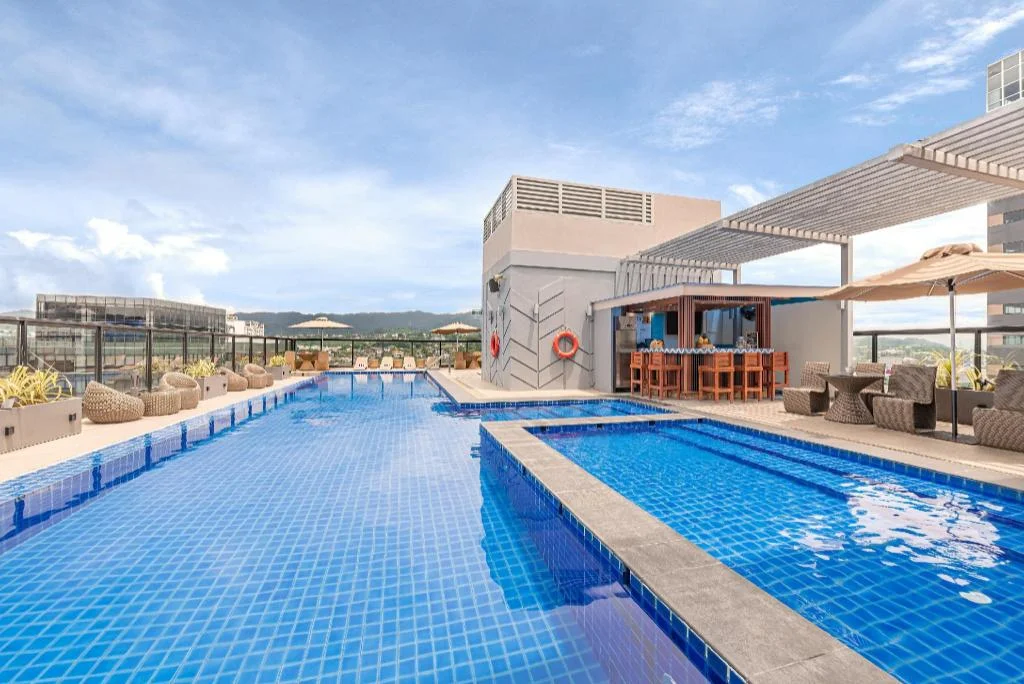
Seda Central Bloc Cebu City
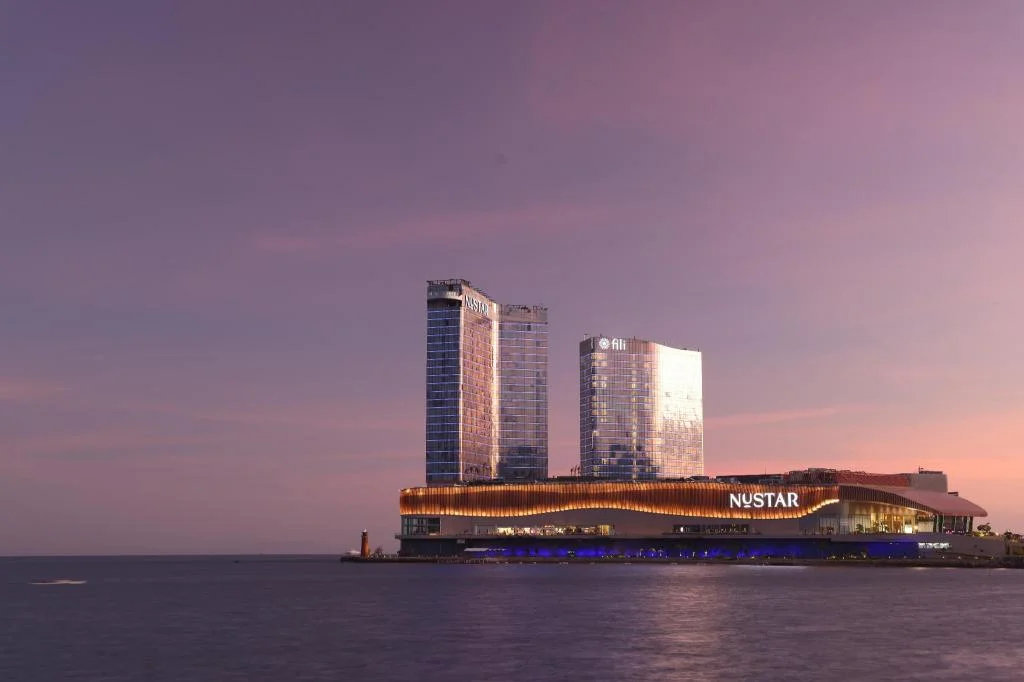
Fili Hotel - NUSTAR Resort & Casino Cebu
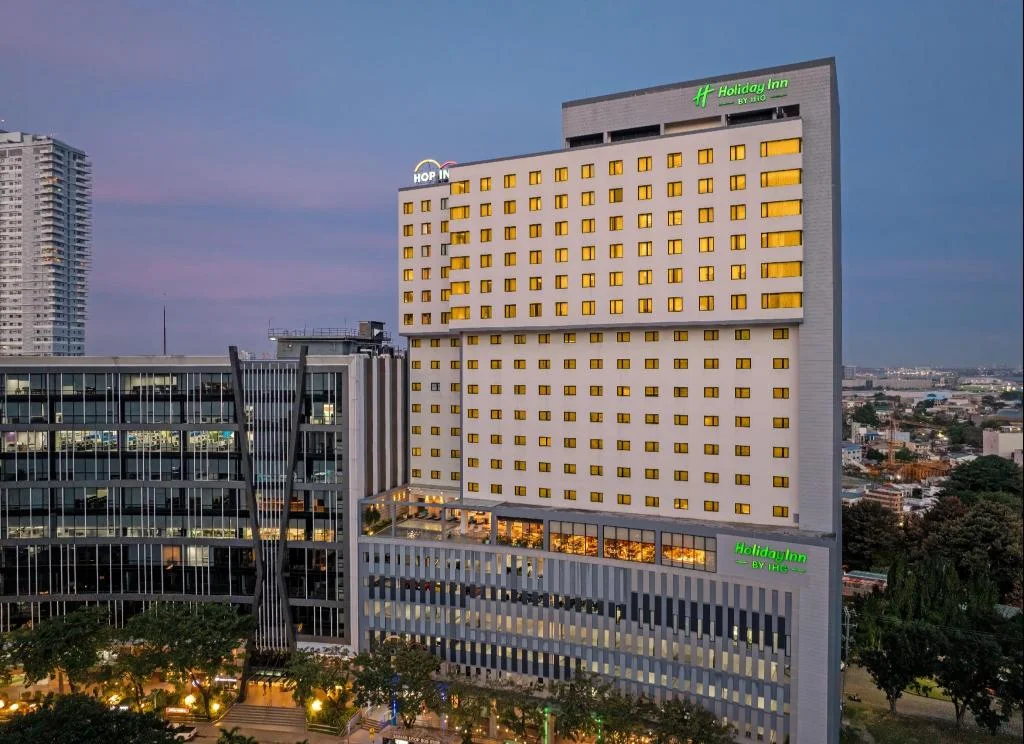
Holiday Inn Cebu City By IHG
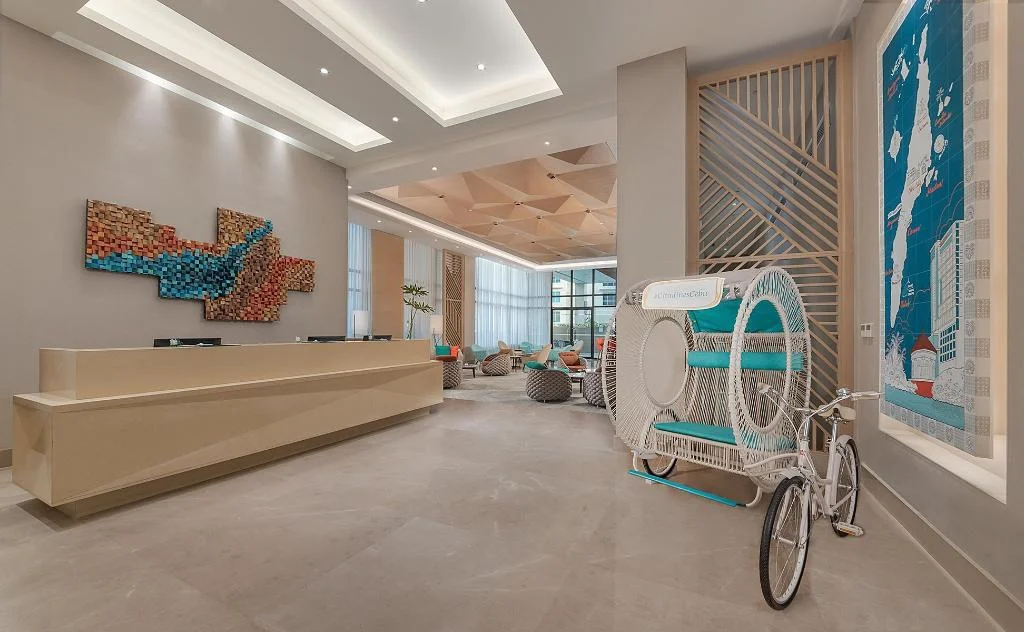
Citadines Cebu City
Prefer a rental? Vacation rentals near Cebu City
Self-catering condos and apartments — book the exact unit, kitchen included.
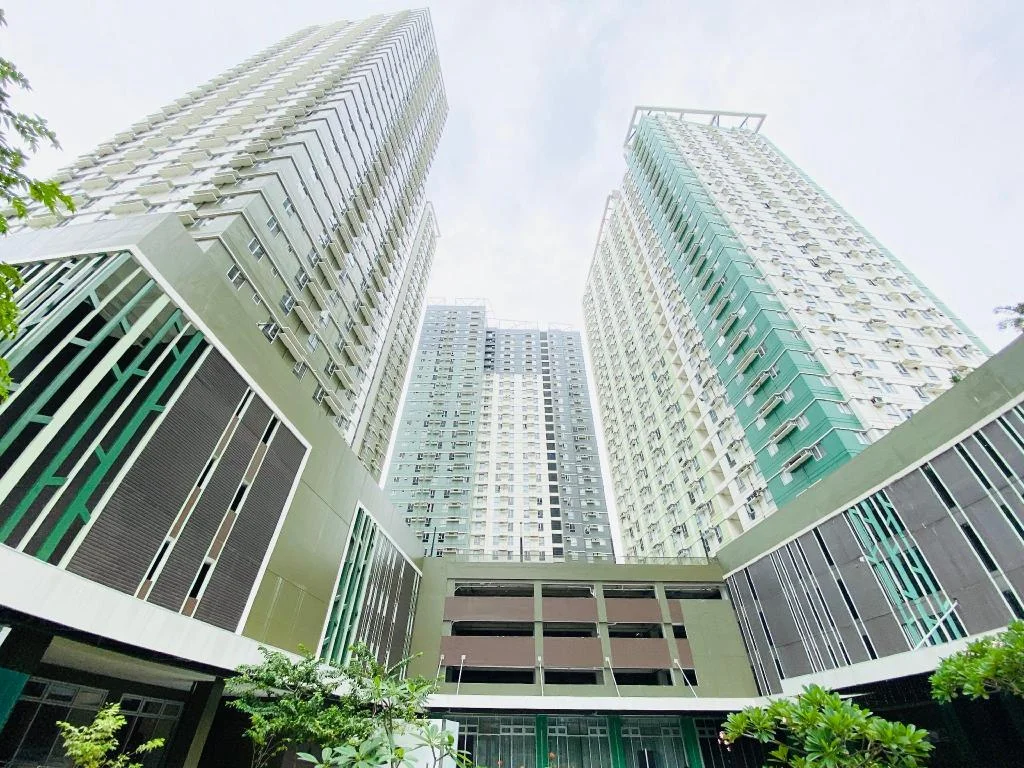
Cebu Avida Riala by P&J
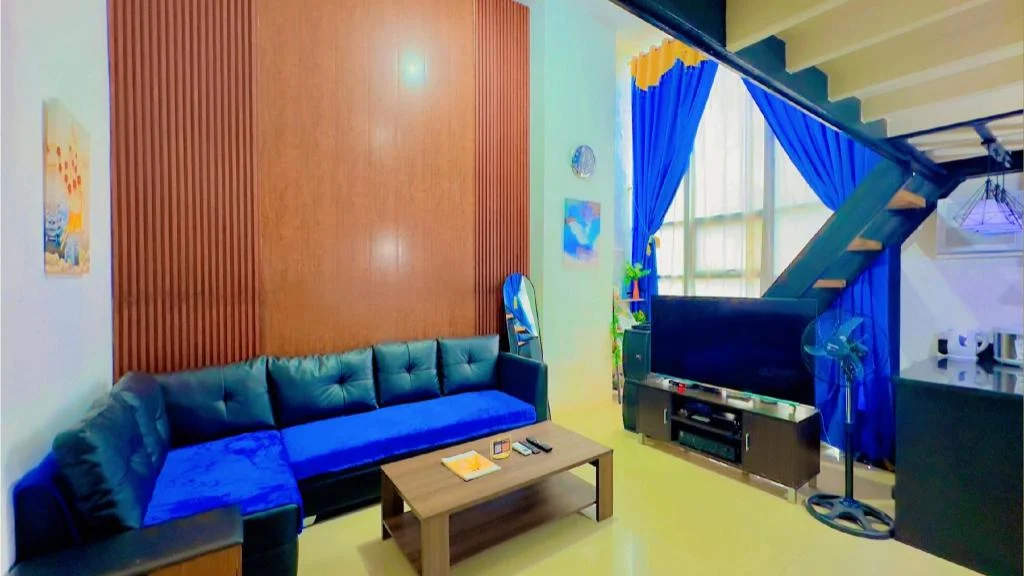
Special Big Loft Unit w/Fibreop Internet & Netflix
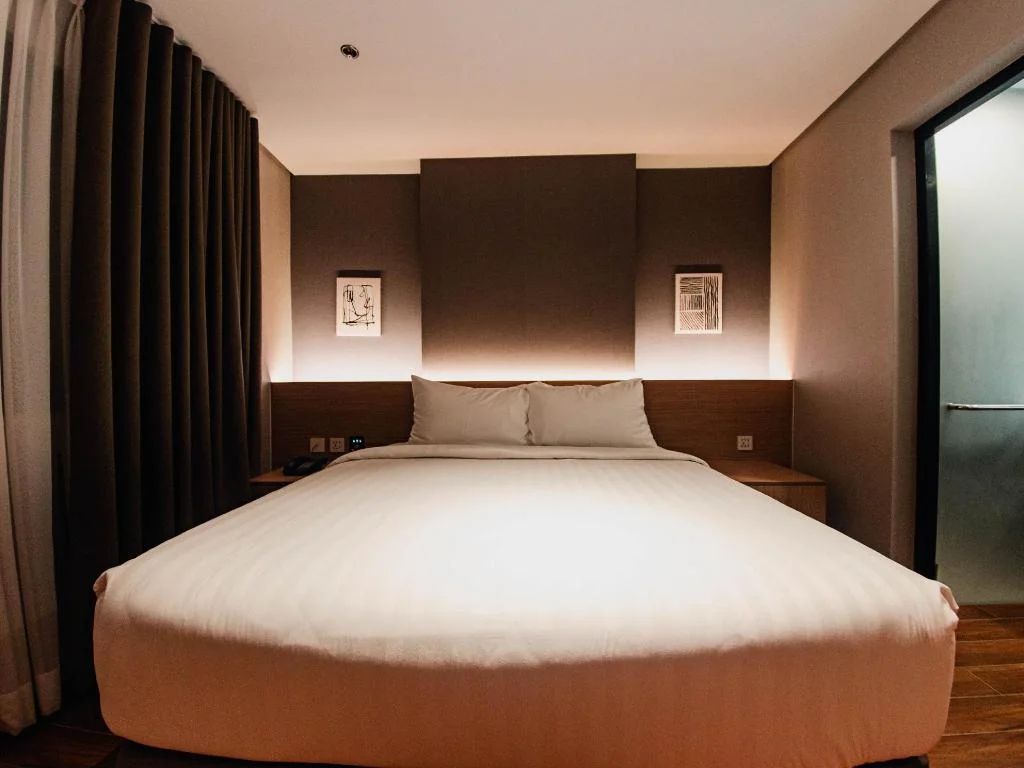
Moonstar Cebu Hotel - Deluxe Room
Before you go
Frequently asked
What's the difference between a habal-habal and a tricycle in Cebu?
How much does a habal-habal cost in Cebu?
Is it safe to ride a habal-habal?
Can I use Grab or Angkas instead of a habal-habal?
Do you tip habal-habal or tricycle drivers?
How do you flag down a tricycle or habal-habal?
Are tricycles or habal-habal cheaper than a jeepney?
What should I bring cash-wise for habal-habal and tricycle rides?
More Places to Explore
Kawasan Falls
Badian
A stunning three-tiered waterfall famous for its turquoise waters, bamboo raft rides, and as the endpoint of the famous Badian canyoneering adventure.
Temple of Leah
Cebu City
A magnificent Roman-inspired temple built as a monument of love, nicknamed 'Cebu's Taj Mahal,' offering stunning architecture and city views.