
TL;DR: Cebu’s Korean grocery stops are H Mart, Hanaro Mart, KOA Mart, and a Banilad cluster of K-Mart/SB Kmart and Pusan Mart. They stock noodles, sauces, kimchi, and snacks — pricier than Korea (Samyang Buldak runs ₱110/US$1.90 vs US$0.70–1.25 there), but cheaper than flying home. Koreans were 54.1% of Cebu’s 2024 foreign visitors. Verified July 2026.
Some links on this page are affiliate links — if you book through them we may earn a small commission at no extra cost to you. We only recommend things we’d tell a friend to do.
If you’ve spent any time in Cebu City or Mactan, you’ve probably noticed Korean signage on more storefronts than seems proportional to a Southeast Asian city — that’s not a coincidence. Cebu has one of the densest Korean tourist and resident populations in the Philippines outside Metro Manila, and a real Korean grocery scene has grown to match it, from a dedicated Mactan superstore to a scattering of neighborhood marts in Banilad and IT Park. That’s H Mart in Lapu-Lapu City’s Mactan district, Hanaro Mart inside IT Park, KOA Mart on Pope John Paul II Avenue, and the Banilad cluster — and between them they stock everything from frozen dumplings and rice cakes to instant noodles and snacks. This guide covers where they are, what they actually stock, and whether the prices make sense compared to buying the same products back home.
Why Does Cebu Have a Korean Grocery Scene at All?
Cebu is one of the Philippines’ biggest draws for Korean travelers and long-term residents, and the grocery stores exist to serve that population. Koreans accounted for 54.1% of Cebu’s 1.9 million foreign visitors in 2024 — roughly 1.03 million arrivals — according to Department of Tourism Region 7 data, far ahead of the next-largest nationalities. Beyond tourism, Cebu has long hosted a large Korean resident community drawn by ESL schools, business, and retirement, a pattern documented in Philippine migration research going back to the mid-2000s. That combination of steady tourist volume and a resident base with daily grocery needs is what supports multiple dedicated Korean marts rather than just a Korean aisle in a regular supermarket.
Where Are Cebu’s Korean Grocery Stores?
Here’s the real, current cluster — five stores across three parts of the metro.
| Store | Area | Notes |
|---|---|---|
| H Mart | Mactan (Lapu-Lapu City, near The Mactan Newtown, beside LG Gardenwalk) | Billed as the biggest Korean grocery store in Lapu-Lapu City; combines packaged groceries with a Korean street-food counter and DIY ramen station |
| Hanaro Mart | IT Park, Cebu City | Established Korean grocery inside the IT Park commercial district |
| KOA Mart | Pope John Paul II Avenue, Barangay Luz, Cebu City (near Caltex and The Greenery) | Central Cebu City location, budget-friendly per customer posts |
| K-Mart / SB Kmart | Banilad High Street, Cebu City | Advertises 24-hour operation; also stocks some Japanese items |
| Pusan Mart | GQ Plaza, Banilad, Cebu City | Neighborhood Korean grocery in the same Banilad cluster |
Locations and hours current as of July 2026 per each store’s public listings and social pages — confirm before a special trip, since small marts can relocate or adjust hours without much notice.
Mactan is the standout for volume and food-court energy — H Mart’s Lapu-Lapu branch leans into prepared Korean street food (rice cakes, tteokbokki, corn dogs) alongside its packaged aisles, making it as much a snack stop as a grocery run. Banilad is the neighborhood cluster, with K-Mart/SB Kmart and Pusan Mart both a short walk from Banilad High Street, useful if you’re staying in that part of the city rather than IT Park or Mactan.
What Do These Stores Actually Stock?
Expect the staples of a Korean pantry: instant noodles (ramyeon) in dozens of brands and spice levels, gochujang and doenjang pastes, soy sauces, rice and tteok (rice cakes), frozen mandu (dumplings) and kimchi, Korean snacks and drinks, and often a small selection of Korean beauty or household items alongside the food. Several of the Banilad stores also carry overlapping Japanese items — natto, tofu, miso, cup noodles — since the same import channels and customer base often shop across both cuisines.
The bigger stores, particularly H Mart in Mactan, go further and function partly as a food destination in their own right, with a hot-food counter and a self-serve ramen station where you build and cook your own bowl on-site — worth a stop even if you’re not doing a full grocery run.
Is Buying Korean Groceries in Cebu More Expensive Than in Korea?
Generally yes, though the gap is smaller than you might expect for everyday staples. As one concrete example: a Samyang Buldak spicy chicken ramen pack retails for roughly ₱110 (about US$1.90) in Philippine online and retail listings, while a comparable instant noodle cup costs roughly 1,000–1,800 KRW (about US$0.70–1.25) at a convenience store in Korea itself. That puts the Cebu price at roughly 1.5–2.5x the domestic Korean price for that single product — a reasonable proxy for imported packaged goods generally, though not a full basket comparison, since fresh items, produce, and certain staples can price differently.
The markup reflects shipping and import costs rather than anything unusual to Cebu specifically — the same math applies to Korean groceries anywhere outside Korea. For residents and long-stay visitors, it’s the trade-off for not having to fly home (or wait on a slow international shipment) every time you want a specific brand of ramyeon or a proper jar of gochujang.
Who Actually Shops at Cebu’s Korean Marts?
Three overlapping groups keep these stores running: short-term tourists, Korean ESL students, and long-term residents. Cebu has been a major destination for Korean students studying English for years — Korean nationals have historically made up the large majority of foreigners on special study permits in Cebu, according to Philippine migration research — and ESL academy dorms in Talamban, Banilad, and Mabolo sit close to several of the marts on this list, which is no accident. Long-term residents and retirees add steady daily demand beyond the tourist bump, which is why these stores carry pantry basics and cooking staples rather than only souvenir-style snack packs aimed at short-stay visitors.
That mixed customer base also explains the product mix: alongside food, several stores stock Korean skincare and household basics — sheet masks, cleansers, laundry and kitchen items — catering to residents restocking a household, not just tourists grabbing ramyeon for a hotel-room snack. If you’re an ESL student or long-stay visitor, it’s worth scouting the mart closest to your dorm or apartment early, since a five-minute walk beats a dedicated trip across town for a bag of rice.
The Honest Take: Manage Your Expectations on Selection
Cebu’s Korean grocery scene is real and useful, but it isn’t Seoul, and it isn’t even H Mart’s flagship US stores. Expect a curated, popular-brand selection rather than the full range you’d find in Korea — the stores stock what turns over fastest with the local Korean population and curious Filipino shoppers, not a complete Korean supermarket catalog. If you’re after a specific, less mainstream brand or a fresh Korean produce item, you may come up short and need to substitute or order online through Philippine-based Korean grocery delivery services instead.
Also worth knowing: this is a fast-moving, small-business scene. New marts open and some close or relocate within a year or two as the Korean population and tourist flows shift — treat the list above as current for mid-2026, but confirm via each store’s Facebook page before a dedicated trip, especially if you’re coming from another part of the city just for one item.
Plan Around It
If you’re based in IT Park or Ayala Center for a long stay, both put you within easy reach of Hanaro Mart and KOA Mart — see our IT Park guide and Banilad/Mabolo guide for accommodation context in those neighborhoods, or search Cebu City stays on Agoda if you’re picking a base near one of these grocery clusters. Pair a grocery run with a proper Korean meal at one of our best Korean restaurants in Cebu, and if you’re planning a longer Cebu trip from Korea, our Cebu travel guide for Koreans covers the wider trip beyond groceries.
Sources
- Seoul Economic Daily — Koreans account for 54% of foreign tourists in Cebu (Dec 2025)
- The Freeman/Philstar — South Koreans still top foreign tourists in Cebu
- 3D Academy Cebu — Where to Buy Japanese and Asian Groceries in Cebu
Store locations, hours, and prices verified July 2026; confirm current hours and stock directly with each store before a special trip.
Book Tours & Hotels for This Trip
Find and book the best deals — prices and availability update in real time. Links open in a new tab.
Where to stay near Cebu City
Top-rated hotels for this trip — tap through to check live rates.
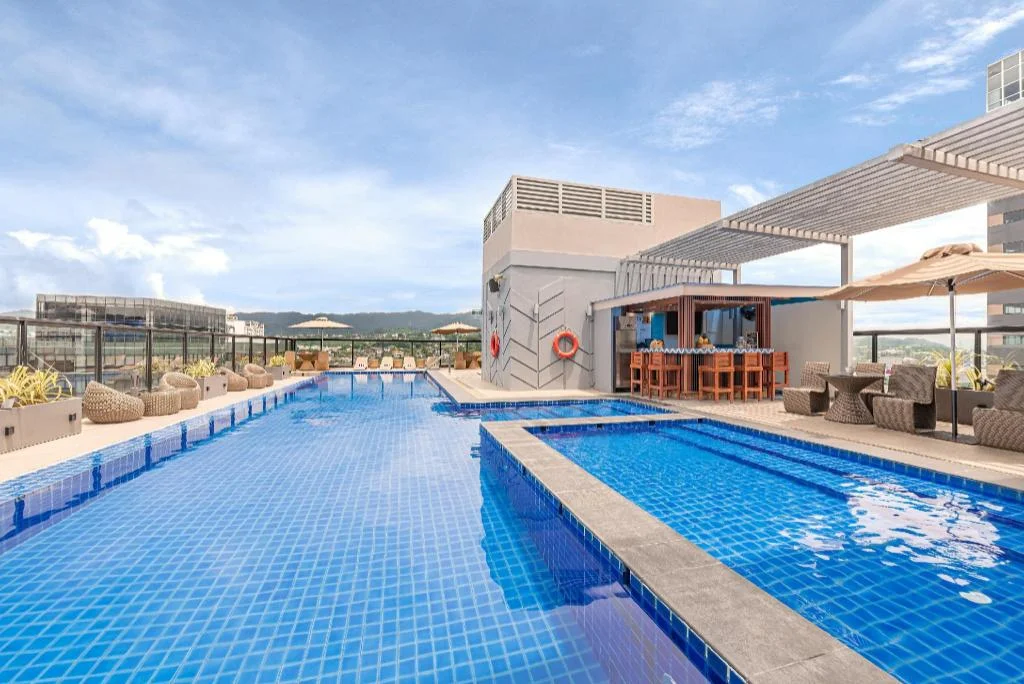
Seda Central Bloc Cebu City
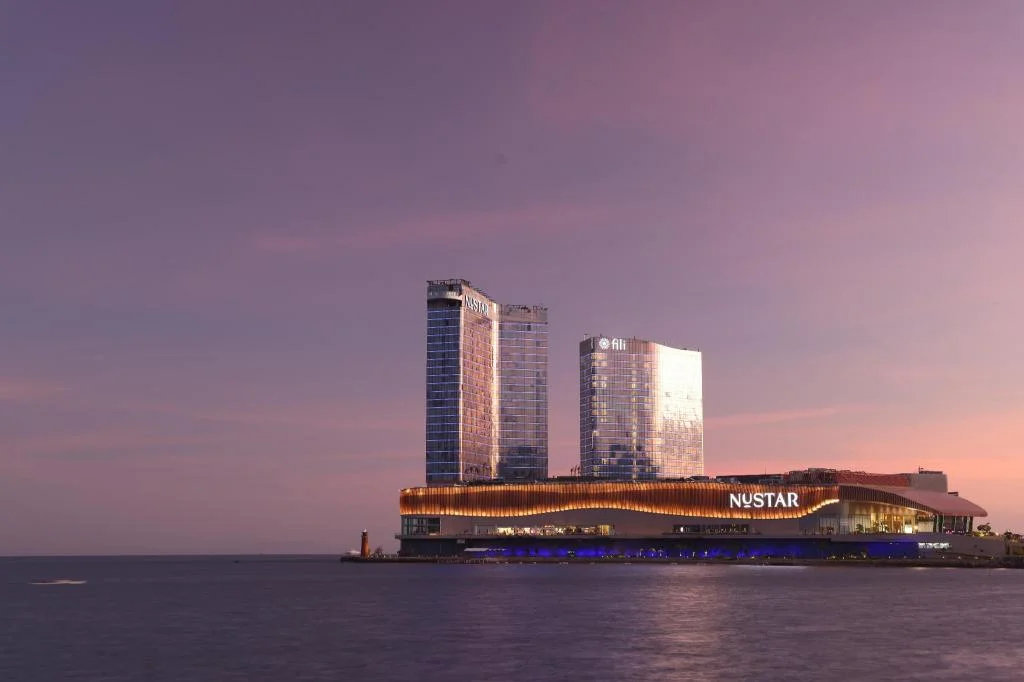
Fili Hotel - NUSTAR Resort & Casino Cebu
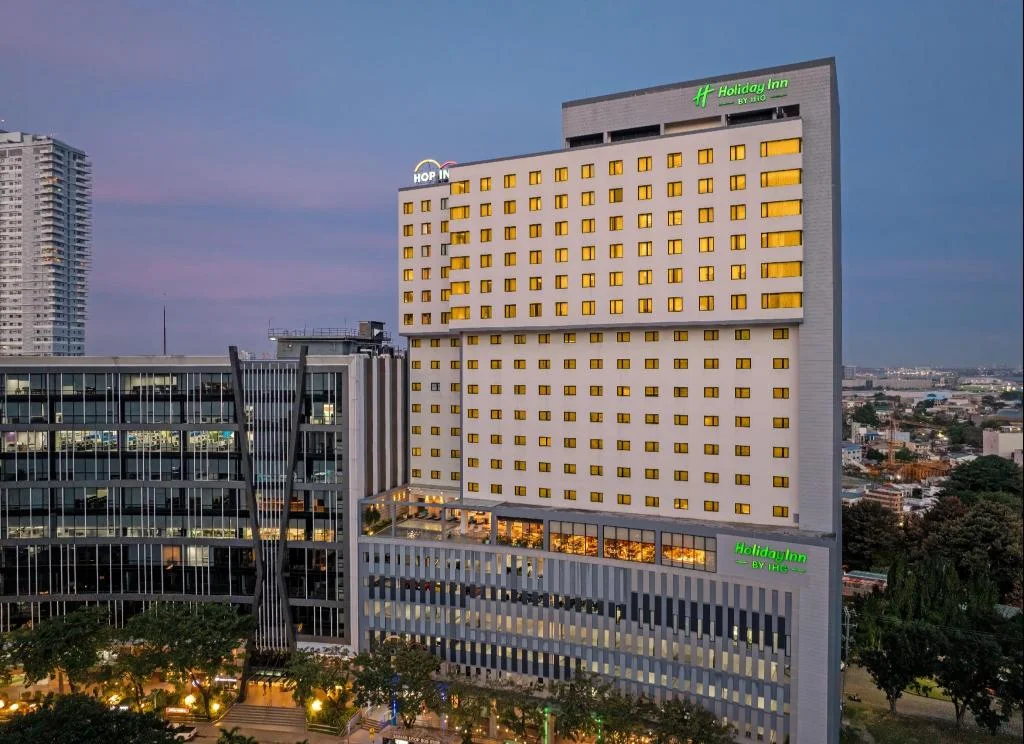
Holiday Inn Cebu City By IHG
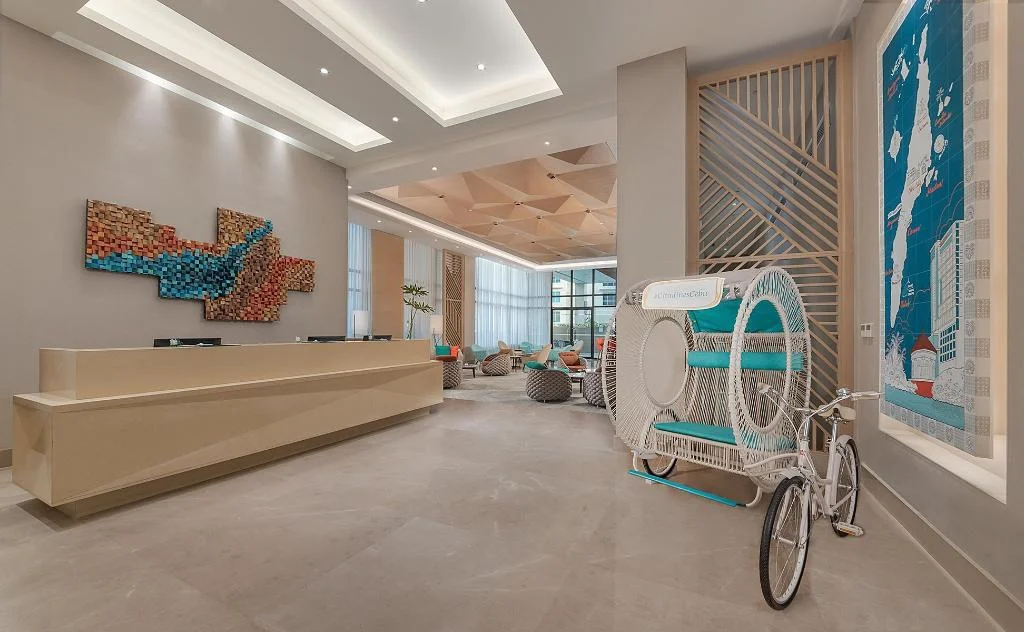
Citadines Cebu City
Prefer a rental? Vacation rentals near Cebu City
Self-catering condos and apartments — book the exact unit, kitchen included.
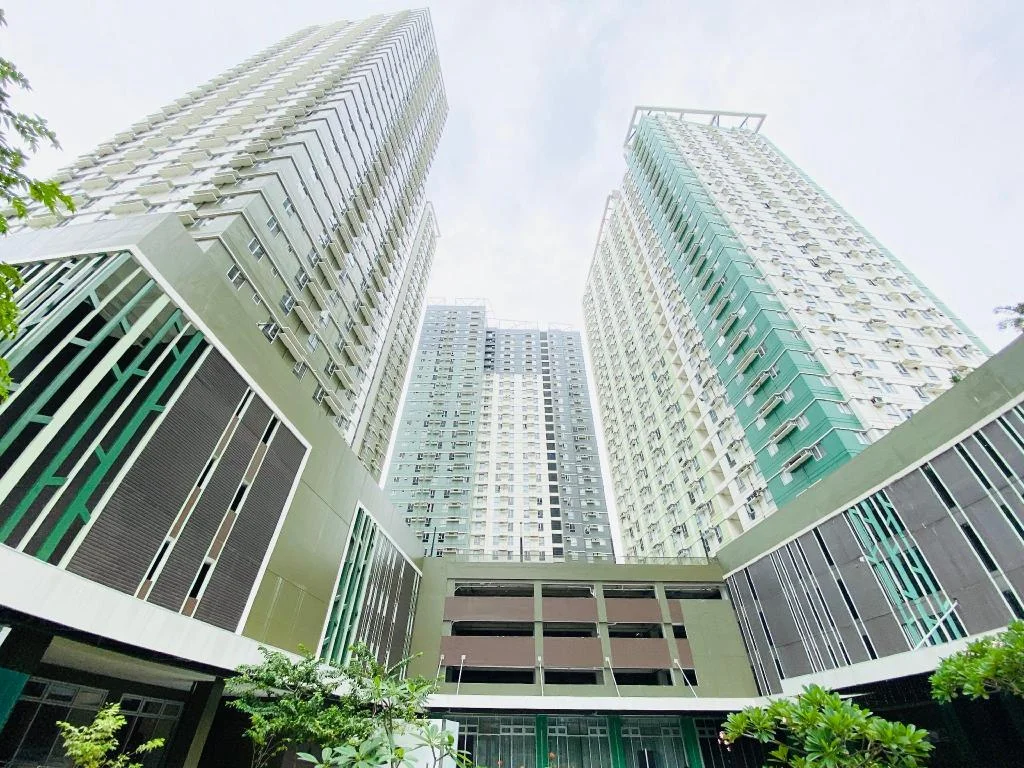
Cebu Avida Riala by P&J
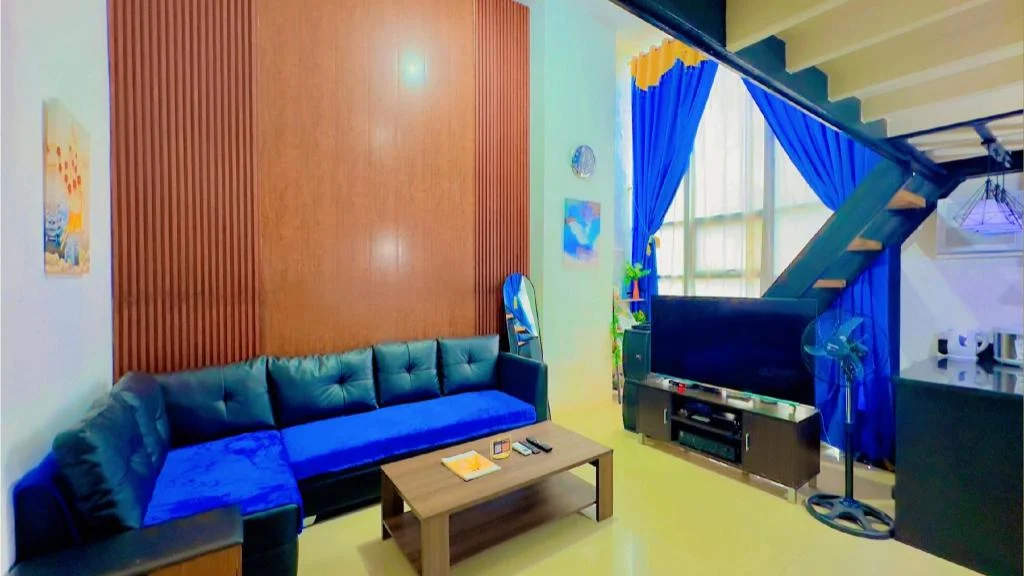
Special Big Loft Unit w/Fibreop Internet & Netflix
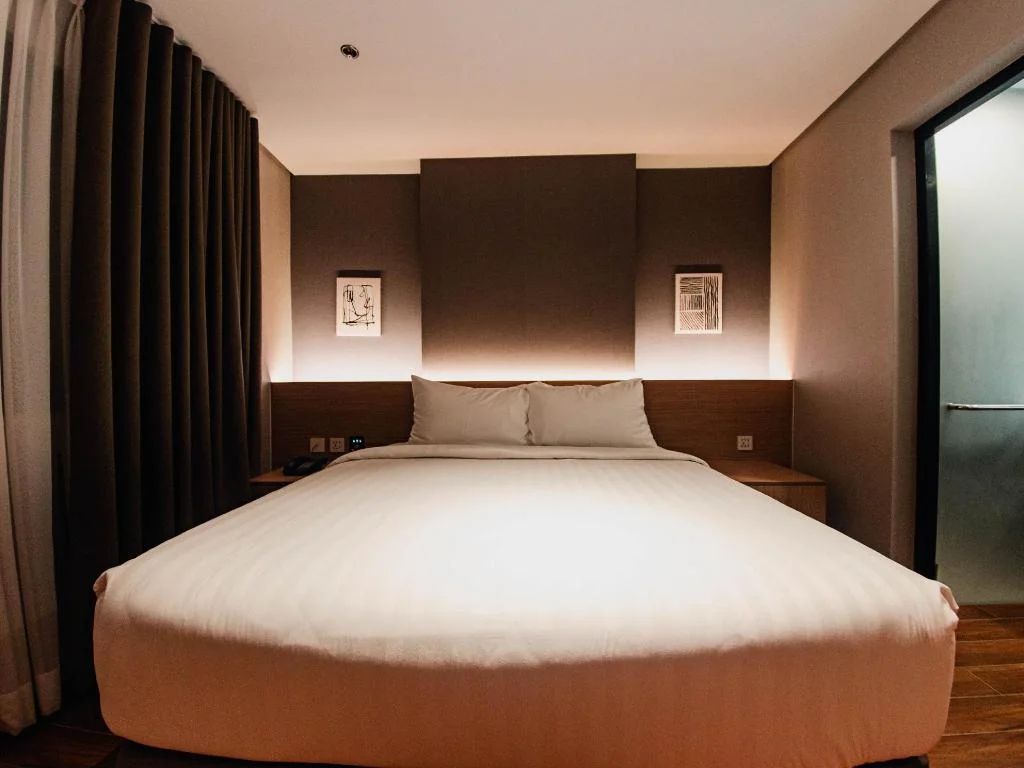
Moonstar Cebu Hotel - Deluxe Room
Before you go
Frequently asked
Where can I buy Korean groceries in Cebu?
Why does Cebu have so many Korean grocery stores?
Are Korean groceries in Cebu more expensive than in Korea?
What do Korean marts in Cebu actually sell?
Is there a Korean grocery store near IT Park or Ayala Center?
What are the store hours for Korean marts in Cebu?
Do Korean marts in Cebu deliver or take online orders?
More Places to Explore
Temple of Leah
Cebu City
A magnificent Roman-inspired temple built as a monument of love, nicknamed 'Cebu's Taj Mahal,' offering stunning architecture and city views.
Tops Lookout
Cebu City
Cebu City's premier hilltop viewpoint offering stunning panoramic views of the city, especially spectacular at sunset and nighttime.