
TL;DR: Camp overnight at Osmeña Peak to catch sunrise (just before 6:00 AM) and, on a good morning, a sea of clouds over the Visayan Sea. Budget ₱50 for the camping fee, ₱300–400 to rent a tent on-site, plus the entrance fee (reported anywhere from ₱30–150 depending on the source and whether a guide is bundled in). Nights drop to around 16°C (61°F), campfires are banned, and spots are first-come, first-served — get up before dark. Travel up from Cebu City or Moalboal the afternoon before rather than same-day. Verified July 2026.
Osmeña Peak already has one of the best view-to-effort ratios in the Philippines — a 15–30 minute walk to Cebu’s highest point, at 1,013 meters. But the day-hike crowd only gets half the experience. Spend the night on the summit ridge in Barangay Mantalongon, Dalaguete and you get the other half: a genuinely cold, quiet night under a highland sky, then — if the weather cooperates — a sunrise that breaks over a sea of clouds pooled in the valleys below the jagged green hills.
This guide is strictly about that overnight version: what camping actually costs, where you can pitch a tent, what time to set your alarm, what to pack for the cold, and how to get up the mountain the evening before instead of scrambling up in the dark. If you just want the short day-hike basics, fees for a daytime visit, or the traverse down to Kawasan Falls, our general Osmeña Peak guide covers those. This one is for the people staying overnight.
Camping Fees & Gear at a Glance (2026)
| Item | Price (₱) | US$ (₱62≈$1) | Notes |
|---|---|---|---|
| Entrance/registration fee | ₱30–150 | $0.48–2.42 | Reports vary; some bundle a mandatory guide into this, others charge the guide separately — confirm at the registration hut |
| Guide fee (if not bundled) | ₱100–150 | $1.61–2.42 | Optional for a solo summit visit, effectively expected for overnight groups |
| Camping fee | ₱50/person | ~$0.81 | Paid on top of the entrance fee, at the summit campsite |
| Tent rental (on-site) | ₱300–400 | $5–6 | Basic tent plus a sleeping mat; bring your own gear to skip this |
| Habal-habal, Dalaguete → Mantalongon | ₱100–150 each way | $1.61–2.42 | Negotiate the return trip or ask the driver to wait |
| Parking (own vehicle/scooter) | By donation, ~₱20+ | ~$0.32+ | At the jump-off lot |
| Ceres bus, Cebu City → Dalaguete | ₱150–200 | $2.42–3.23 | ~3 hours from the South Bus Terminal |
Prices in Philippine Peso. ₱62 ≈ US$1 (July 2026). Fee figures come from a range of 2024–2026 traveler and blog reports that don’t fully agree — confirm the exact numbers at the Mantalongon registration hut before you go up. Verified July 2026.
How Much Does It Actually Cost to Camp Overnight?
Plan for roughly ₱150–300 per person all-in for the night, covering entrance, guide, and the camping fee, before transport. The camping fee itself is the most consistent figure across recent reports at ₱50 per person, paid at the summit alongside (or after) the entrance fee. Where the numbers genuinely diverge is the entrance/registration charge — some travelers report ₱30, others ₱100–150 with a guide already folded in. That spread isn’t a typo; the fee structure at Cebu’s small community-run trail sites shifts, and different groups get quoted differently. Bring extra small bills and expect to pay whatever the registration hut posts that day.
If you don’t own camping gear, renting a tent with a mat on-site runs ₱300–400, which is genuinely convenient if you flew in and didn’t pack a tent. Bringing your own gear only costs you the ₱50 camping fee, though a few reports mention a small extra charge for pitching your own tent — again, worth confirming on arrival rather than assuming.
Where Do You Actually Pitch a Tent?
There’s a designated camping area near the summit, on relatively flat ground close to the cluster of jagged hills that give Osmeña Peak its Chocolate-Hills-of-Cebu look. It is first-come, first-served — there’s no reservation system, so the good flat spots with unobstructed sunrise views go to whoever arrives earliest in the afternoon or evening. On a busy weekend or long holiday, that campsite fills up with dozens of tents, so if you want space to yourself, hike up on a weekday.
Don’t expect facilities beyond simple toilets. There’s no shower, no real shelter from wind, and cell signal is patchy. Small sari-sari stalls near the jump-off sell instant noodles, snacks, and drinks, but stock is limited once the sun goes down, so bring what you need rather than counting on buying it there.
What Time Should You Wake Up for Sunrise?
Sunrise in Cebu falls just before 6:00 AM year-round, so aim to be up, dressed, and out of the tent by around 5:00–5:30 AM. The final scramble to the best viewpoints along the ridge is short, but you’re moving in the cold and half-dark, so give yourself margin rather than sprinting out at 5:55. A headlamp is genuinely necessary here — there’s no ambient light on the summit before dawn.
The reward, when the weather lines up, is a sea of clouds: fog pooling in the lowlands below the ridge while you stand above it in clear air, with the sun coming up over the Visayan Sea and, on the clearest mornings, Negros visible across the water. It doesn’t happen every night — the same overnight fog that creates the effect can just as easily rise high enough to swallow the whole summit in a whiteout with no view at all. Dry season (roughly December–May) improves your odds, but treat it as a genuine gamble either way, not a guarantee you’re paying for.
What Should You Pack for a Cold Night on the Summit?
It gets colder here than almost anywhere else in Cebu, and underestimating it is the single biggest camping mistake people make.
- A real sleeping bag or thick blanket — overnight temperatures at 1,013 meters can drop to around 16°C (61°F), and wind makes it feel colder. A cotton hoodie is not enough once the sun goes down.
- An insulating sleeping mat — the ground pulls heat out of you faster than the air does; skip this and you’ll be cold no matter how warm your bag is.
- A headlamp, not just a phone flashlight — for the pre-dawn walk to the viewpoint and general camp movement.
- A portable gas stove if you want to cook — open campfires are banned on the ridge because the dry grass catches fire easily, so don’t plan on one.
- At least 2 liters of water per person and your own food — supplies at the jump-off thin out fast and there’s nothing for sale on the summit itself.
- Cash in small bills — for entrance, guide, camping, and tent fees. No card payments up here.
- A rain shell — highland weather can turn regardless of season.
How Do You Get There the Night Before?
The comfortable way is to travel up in daylight the afternoon before you plan to camp, not to try the whole round trip same-day from Cebu City. From the Cebu South Bus Terminal, a Ceres bus to Dalaguete takes about 3 hours (₱150–200). From Dalaguete town, a habal-habal up to the Mantalongon jump-off is another 20–60 minutes depending on the source and the driver, for ₱100–150 each way — agree on the fare, and ideally the driver’s availability for your descent, before you get on.
If you’re coming from the southwest coast, Moalboal to Osmeña Peak is roughly an hour by scooter, van, or arranged habal-habal, which makes Moalboal a genuinely easier overnight base than Cebu City for this trip — you can have lunch, ride up in the early afternoon, register, pitch your tent, and still have daylight left to explore the ridge before dark. Riding the mountain road up to Mantalongon in daylight is meaningfully safer and less stressful than doing it after dusk trying to beat nightfall.
Is Camping at Osmeña Peak Safe?
Reasonably, yes — this is a busy, well-known community campsite, not a remote backcountry pitch, but the real risks are cold, fog, and footing rather than crime. Register with a guide on the way up, since the trail branches a little near the huts and a guide keeps you oriented in fog or darkness. Watch your footing on the final rocky scramble, especially descending it in low light. Keep valuables zipped inside your tent overnight rather than left in a pack outside — this is a popular, crowded spot on weekends, and normal outdoor-camping caution applies. The bigger practical dangers are underestimating the cold and wandering off the ridge in heavy fog looking for a photo angle; stick to the marked paths.
Camping vs the Day Hike — Which Should You Do?
If your priority is simply seeing Osmeña Peak, the day hike wins on convenience — 15 to 30 minutes up, the same down, no gear, no cold night. Our general Osmeña Peak guide covers that version, along with the entrance fee for a daytime-only visit and the traverse down to Kawasan Falls.
Camp overnight instead if sunrise and the possibility of a sea of clouds matter more to you than convenience, and if you’re comfortable being cold, using a basic toilet, and gambling on the weather. It’s a completely different trip logistically — you need gear or a rental, a plan for the night before, and realistic expectations about the view.
The Honest Take
Osmeña Peak camping is genuinely one of the better low-cost adventures in Cebu — for well under US$10 all-in you get a night on the province’s highest point and a real shot at a spectacular sunrise. But be honest about the trade-offs before you commit to hauling gear up there. The sea of clouds is a gamble, not a guarantee; plenty of overnight campers wake up to featureless white fog instead. The cold catches first-timers off guard every single time, and the facilities are basic at best — don’t expect a shower or a proper toilet block.
Weekends and holidays turn the campsite into a crowded row of tents with limited privacy and noise well into the night, so if you want the quiet, contemplative version of this trip, go on a weekday. And if fog is heavy in the forecast or you’re traveling in the wet season (roughly June–November), consider skipping the overnight and doing an afternoon day hike instead — you’ll see the same jagged ridge without paying for a cold, foggy, view-less night.
Combine It With the Rest of Dalaguete’s Highlands
Pair the overnight with Casino Peak, a five-minute drive away for a second Chocolate-Hills-style viewpoint, and swing by Mantalongon Market on your way down — it’s one of the biggest highland produce markets in Cebu and a good place to grab cheap fruit and vegetables before heading back to the coast. For more highland hikes in the province, see our best hikes in Cebu roundup.
Search Cebu tours and guided camping trips on Klook if you’d rather not arrange transport and gear yourself, and check accommodation in Moalboal on Agoda for the night before you head up.
Sources
- Camping fee, tent rental price, and gear reports cross-checked across multiple 2024–2025 travel blogs and local guides (figures for the entrance/registration fee varied ₱30–150 across sources and were not fully reconcilable — confirm on-site).
- Osmeña Peak general guide — this site’s own reference on day-hike fees, difficulty, and the Kawasan traverse.
- On-the-ground fee postings at the Mantalongon registration hut change; always confirm current prices with the registration office or a local guide before you go. Verified July 2026.
Book Tours & Hotels for This Trip
Find and book the best deals — prices and availability update in real time. Links open in a new tab.
Where to stay near Dalaguete
Top-rated hotels for this trip — tap through to check live rates.
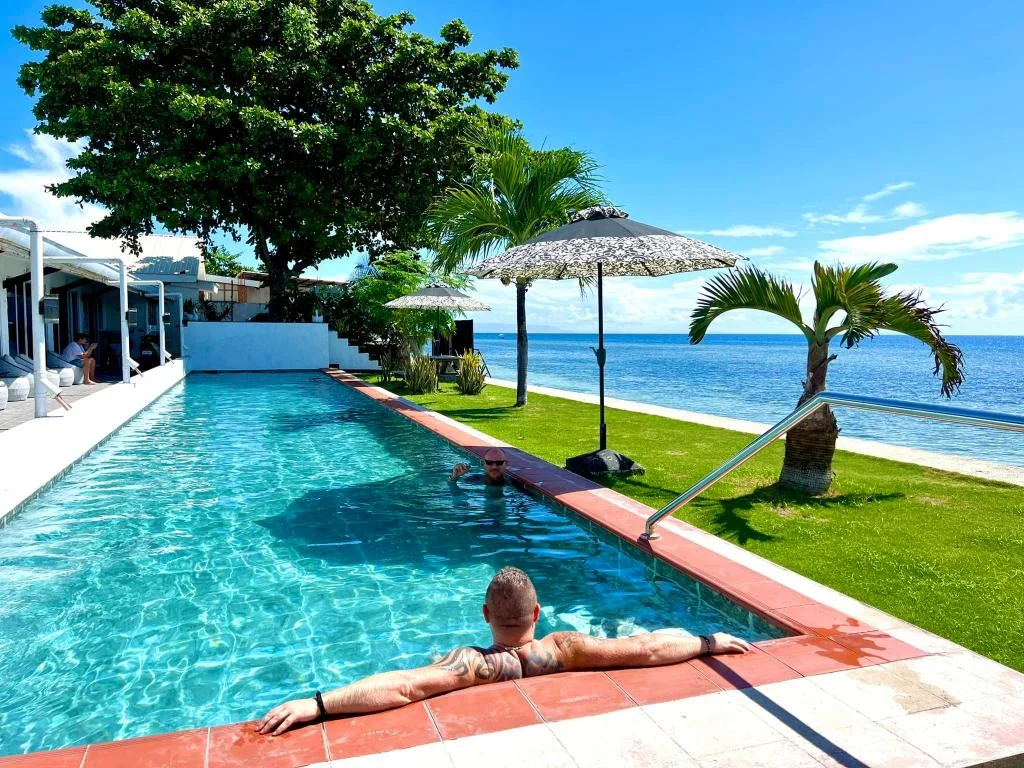
Beachhouse Poolside Room.
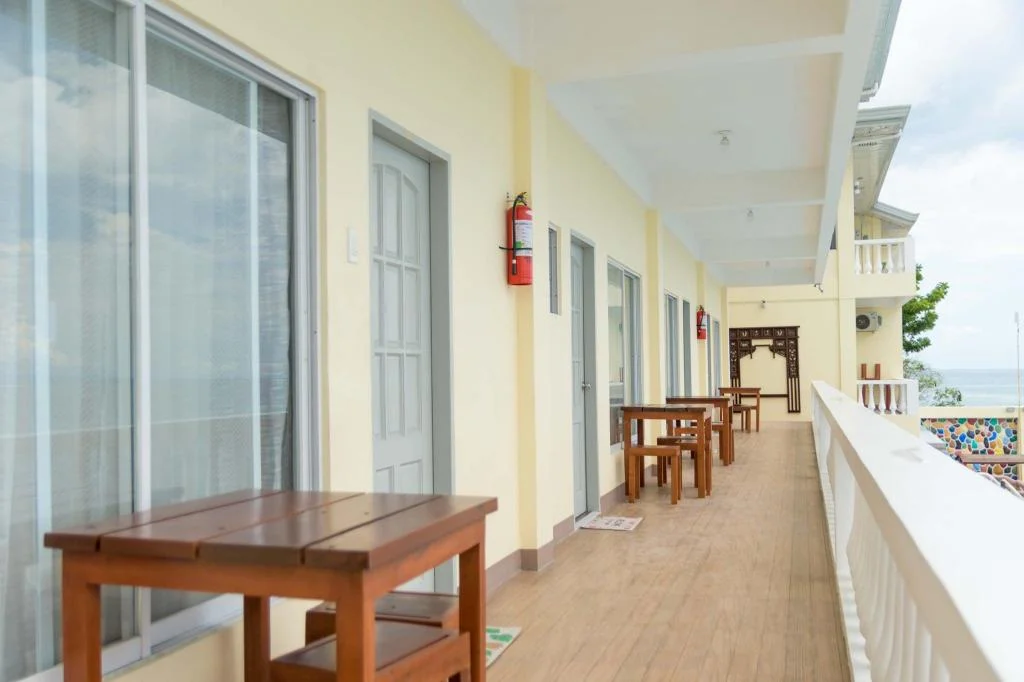
Nadelmar Hotel and Resort
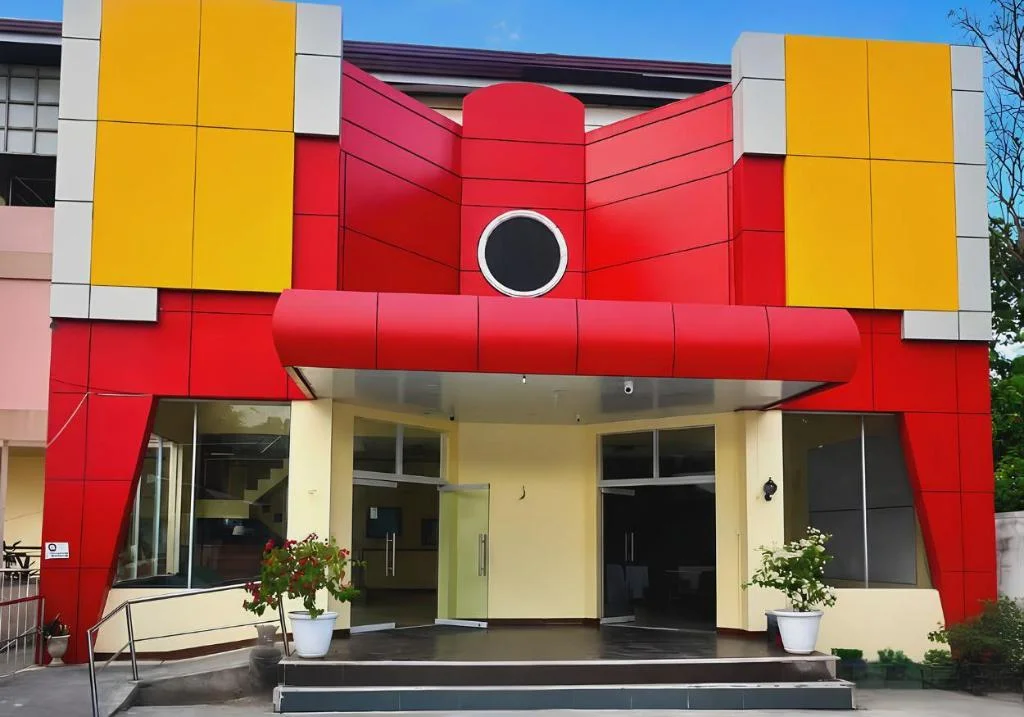
Kyleville Resort by Hiverooms
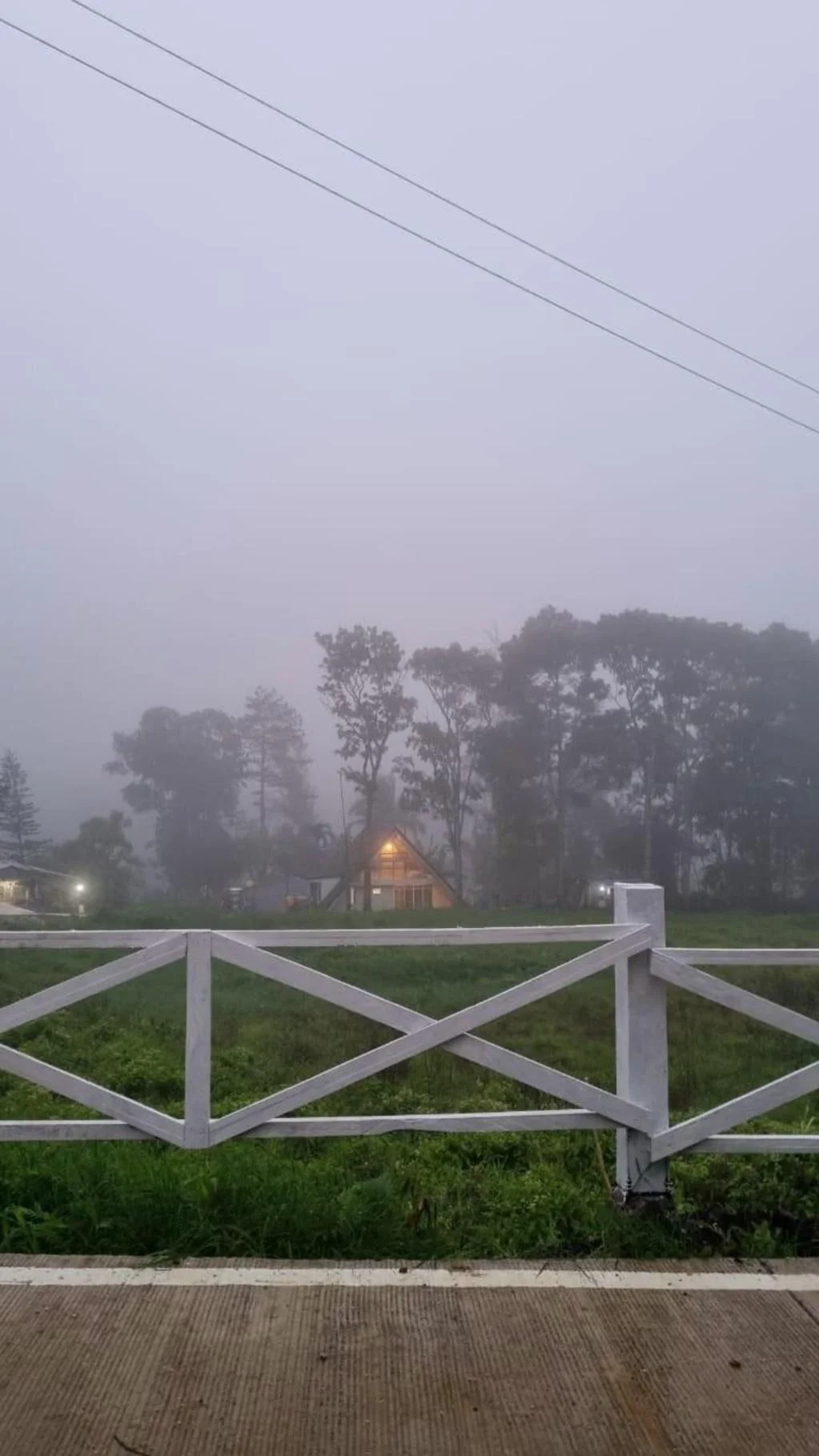
Casa Manta Mountain home, pool, bonfire, camping
Prefer a rental? Vacation rentals near Dalaguete
Self-catering condos and apartments — book the exact unit, kitchen included.
Browse all vacation rentals →
Before you go
Frequently asked
How much does it cost to camp overnight at Osmeña Peak?
Do you need to bring your own tent?
What time is sunrise at Osmeña Peak, and when should you wake up?
Is there a sea of clouds at Osmeña Peak?
Is it cold at Osmeña Peak at night?
Are campfires allowed at Osmeña Peak?
How do you get to Osmeña Peak the night before, to camp?
Is camping at Osmeña Peak safe?
More Places to Explore
Osmeña Peak
Dalaguete
Cebu's highest peak at about 1,013 meters, with jagged Chocolate-Hills-like ridges and panoramic island views.
Casino Peak
Dalaguete
A photogenic peak featuring Chocolate Hills-like formations, just 5 minutes from Osmeña Peak.
Mantalongon Market
Dalaguete
The 'Vegetable Basket of Cebu' - a traditional highland market where farmers sell fresh mountain-grown produce at bargain prices.