
TL;DR: The Osmeña Peak to Kawasan Falls traverse is a 6–8 hour trek from the highlands of Mantalongon down to the turquoise pools of Kawasan Falls in Badian — plan for a full day, not the “4-hour” claims some tour ads make. Entrance fees are ₱30 at Osmeña Peak and ₱200 at Kawasan Falls (about US$0.48 and US$3.23). A guide is essential for the traverse itself, with day rates negotiated on the spot, commonly ₱300–800 per group (about US$5–13). Get to the Mantalongon jump-off by bus from Cebu City (₱150–250, ~3 hours) plus a short habal-habal ride. Go in dry season, start at sunrise, and bring more water than you think you need. Verified July 2026.
If you only do one hike in Cebu, this is the one people talk about years later. You start before dawn at Osmeña Peak — Cebu’s highest point at 1,013 meters, ringed by jagged green hills that look like a smaller, sharper version of Bohol’s Chocolate Hills — and watch the sun come up over a sea of clouds if you’re lucky with the weather. Then, instead of turning around, you keep walking: down through farmland, forest, and dry riverbeds, all the way to the cool turquoise pools of Kawasan Falls in Badian. It’s one trek, two of Cebu’s best-known landmarks, and a full day of walking in between. This guide covers the real duration (longer than the marketing says), what a guide actually costs, both entrance fees, and how to get to and from the jump-off — written for anyone planning the traverse for the first time, not a casual afternoon detour.
Costs at a Glance (2026)
| Item | Price (₱) | US$ Equivalent | Notes |
|---|---|---|---|
| Osmeña Peak entrance fee | ₱30/person | ~US$0.48 | Paid at the Mantalongon registration hut |
| Camping environmental fee (optional) | ₱50/person | ~US$0.81 | Only if you overnight for sunrise |
| Tent rental (optional) | ₱100/tent | ~US$1.61 | Skip if you bring your own |
| Full traverse guide | ₱300–800/group | ~US$5–13 | Negotiated on the spot, not a fixed government rate |
| Kawasan Falls entrance fee | ₱200/person | ~US$3.23 | Paid at whichever checkpoint you pass on the way down |
| Bus, Cebu City → Mantalongon/Dalaguete junction | ₱150–250 | ~US$2.42–4.03 | ~3 hours from the South Bus Terminal |
| Habal-habal, junction → jump-off | ₱100–150/person each way | ~US$1.61–2.42 | Negotiate before you get on |
| Habal-habal or bus, Kawasan/Matutinao → Cebu City | ₱120–150 (habal) + ₱120–140 bus | ~US$1.94–2.42 + ~US$1.94–2.26 | Or arrange private transport back |
| Alternative: habal-habal instead of trekking | ~₱1,000/motorbike (2 riders) | ~US$16.13/motorbike | Roughly ₱500/person if the peak-only sunrise is what you want |
Prices in Philippine Peso. ₱62 ≈ US$1 (July 2026). Verified July 2026.
What Is the Osmeña Peak to Kawasan Falls Traverse?
It’s a point-to-point trek that starts at the summit trailhead in Barangay Mantalongon, Dalaguete, and ends near Kawasan Falls in Badian — roughly two municipalities and one mountain range apart. Instead of hiking Osmeña Peak and backtracking to the jump-off, you continue over the ridge and down the other side, following farm trails, dirt roads, and a forested descent until the trail spits you out near the falls.
Most people build their day around a sunrise summit: camp overnight or arrive before dawn, catch the light over the hills, then start the long walk down while it’s still cool. First-hand trip reports consistently describe two distinct halves — a short, easy climb to the peak (15–30 minutes), and then a much longer, harder descent that makes up the rest of the day.
How Long Does the Trek Take and How Hard Is It?
Set aside 6–8 hours of actual walking. Some tour operators and older blog posts advertise the traverse as a 4–5 hour hike, but multiple recent first-hand trip reports put the full trek closer to 7–8 hours depending on pace, group size, and how many breaks you take. Treat any “4-hour” claim as optimistic marketing, not a planning number.
The trail itself has two very different characters:
- The climb (15–30 min): Easy, mostly along a clear path with some rock scrambling near the summit.
- The descent (5–7+ hrs): Long stretches of unpaved, dusty, shadeless road — travelers describe an “endless” exposed section after the first few hours — followed by a steep, loose-soil section locals call the Crescent Trail or Half Moon Trail. The final approach into Kawasan involves more downhill on tired knees.
It’s rated moderately challenging rather than technical — no ropes or scrambling gear needed — but the combination of heat, sun exposure, distance, and sustained downhill makes it harder on the body than the elevation numbers suggest. Reasonably fit hikers manage it fine; if you’ve never done a multi-hour trek, this isn’t the place to start solo.
Do You Need a Guide?
Yes. For the summit alone you can walk the short, obvious trail without one, but the traverse down to Kawasan is a different matter entirely — the path crosses private farmland, splits at multiple unmarked junctions, and has long stretches with no cell signal. Getting lost here means getting lost in rural terrain with no easy way to call for help.
There’s no single regulated rate for the full traverse the way there is for the ₱30 Osmeña Peak entrance fee. Guides approach hikers at the Mantalongon jump-off and negotiate a day rate on the spot — trip reports put this anywhere from a modest per-group fee for a casual arrangement up to ₱300–800 for a dedicated guide committing to the full 6–8 hour day. Agree on the price, the exact endpoint (Kawasan Falls proper vs. the highway near Matutinao), and whether the guide walks back with you or ends at the falls, before you start walking. Confirm the current rate locally — it moves with demand and season.
How Much Are the Entrance Fees?
Two separate gates, two separate fees, both cash-only:
- Osmeña Peak: ₱30 per person, paid at the registration hut near the jump-off in Mantalongon. If you’re camping overnight for sunrise, add a ₱50 environmental fee and ₱100 tent rental if you need one.
- Kawasan Falls: ₱200 per person, paid at the checkpoint you pass through on the way down. This is the same fee day-trippers pay if they’d driven straight to the falls — the traverse doesn’t get you a discount, and you should expect to pay it in cash when you arrive, tired and ready for that first swim.
How Do You Get to the Mantalongon Jump-Off from Cebu City?
From the Cebu South Bus Terminal, take a south-bound Ceres or Bato–Oslob bus toward Dalaguete — about 3 hours, fare ₱150–250. Tell the conductor you’re getting off at the Mantalongon–Dalaguete junction. From there, hire a habal-habal up to the Osmeña Peak jump-off for ₱100–150 per person each way; agree on the fare before you climb on, since there’s no meter.
A faster alternative some travelers use: a direct minibus from Carbon Market (Magallanes Street) straight to Mantalongon Market, running ₱100–150, which skips one leg of the transfer. If you’re coming from Moalboal instead of Cebu City, a private habal-habal or rented scooter east toward Dalaguete gets you there in about an hour.
Plan an early departure — you want to be at the jump-off well before dawn if sunrise at the summit is the goal, and the last bus/habal-habal connections thin out as you go rural.
What Should You Bring?
- Sturdy shoes with grip — the descent is loose soil and rock; trainers work, sandals don’t.
- More water than feels necessary — the exposed midsection has zero shade and this is the number one reason people struggle on this trek.
- A hat, sunglasses, and sunscreen — you’re exposed to full sun for hours on the descent.
- A rain shell — highland weather turns fast, in any season.
- Snacks and electrolytes — there’s little to buy between the jump-off and Kawasan.
- Cash in small bills — both entrance fees, the guide, habal-habal fares, and food at Kawasan are all cash-only.
- A power bank and offline map/GPS track — cell signal drops out for long stretches.
- Trim your nails before you go — a small but frequently repeated tip from past hikers; toes take a beating on the long downhill.
When Is the Best Time to Go?
Dry season, roughly December to May, is the safer window. The trail’s exposed sections are brutal in full sun either way, but during the rainy months (June–November) the descent gets slick and muddy, and streams near Kawasan can rise quickly after heavy rain. If you’re trekking in the wet season, check conditions with your guide the day before and build in flexibility.
Start as early as you can. A pre-dawn arrival at the jump-off means sunrise at the summit and a full day of daylight for the descent — starting late risks finishing the last stretch into Kawasan after dark, which nobody wants on an unfamiliar trail.
Is There a Shortcut? (Habal-Habal Instead of the Full Trek)
If sunrise at Osmeña Peak is the priority and the 6–8 hour walk isn’t something you have time or energy for, you can hire a habal-habal to ride down to Kawasan Falls instead of trekking. Travelers report roughly ₱1,000 per motorbike, which typically carries two riders — so about ₱500 per person. It’s a rough, unpaved, genuinely scenic ride, and it turns a full-day commitment into a half-day one. Worth considering if you’re short on time or trekking with someone who isn’t up for the descent.
The Honest Take
This is one of the best full-day adventures in Cebu, but go in with realistic expectations. The sunrise at Osmeña Peak is genuinely special when the weather cooperates — and a coin-flip when it doesn’t, since highland fog can erase the view entirely. The descent is the part people underestimate: it’s long, hot, exposed, and hard on the knees, and the “quick 4-hour traverse” some tour pages advertise sets people up to be miserable and behind schedule by hour five.
Do this trek if you want a real day of hiking and don’t mind discomfort for a good story and a well-earned swim at the end. Skip it — and take the habal-habal shortcut, or just visit each spot separately by road — if you want the views without the grind, or if you’re traveling with anyone who struggles with multi-hour treks in heat. Either way, budget the whole day for this; it is not a morning activity you can pair with much else.
Plan the Rest of the Trip
Pair this with a night in Moalboal or Badian so you’re not rushing back to Cebu City exhausted, and read our dedicated Osmeña Peak guide for more on the sunrise camping option before the descent. If the full traverse sounds like too much but you still want Kawasan, our Kawasan Falls complete guide covers visiting it on its own, road-accessible terms. For more of south Cebu’s trails, see best hikes in Cebu, and for a multi-day route that folds this trek into a bigger loop, check the South Cebu 3-Day Itinerary.
Need a guide or transport arranged in advance rather than negotiated on the day? Search Cebu trekking tours on Klook for operators who run the traverse with a guide included, or check Moalboal and Badian accommodation on Agoda for a base close to the finish line.
Sources
- Osmeña Peak guide — cebudestinations.com (entrance fee, summit trail, transport)
- Kawasan Falls complete guide — cebudestinations.com (Kawasan entrance fee, access)
- First-hand traverse trip reports (Bean in Transit, trail condition and guide-fee accounts; multiple 2023–2025 blogs corroborating the 6–8 hour duration and Crescent/Half Moon Trail section)
- Habal-habal and bus fare figures cross-checked against recent traveler reports for the Mantalongon and Matutinao legs
- Entrance and guide fees change without notice — confirm current rates locally before you go. Verified July 2026.
Book Tours & Hotels for This Trip
Find and book the best deals — prices and availability update in real time. Links open in a new tab.
Where to stay near Badian
Top-rated hotels for this trip — tap through to check live rates.
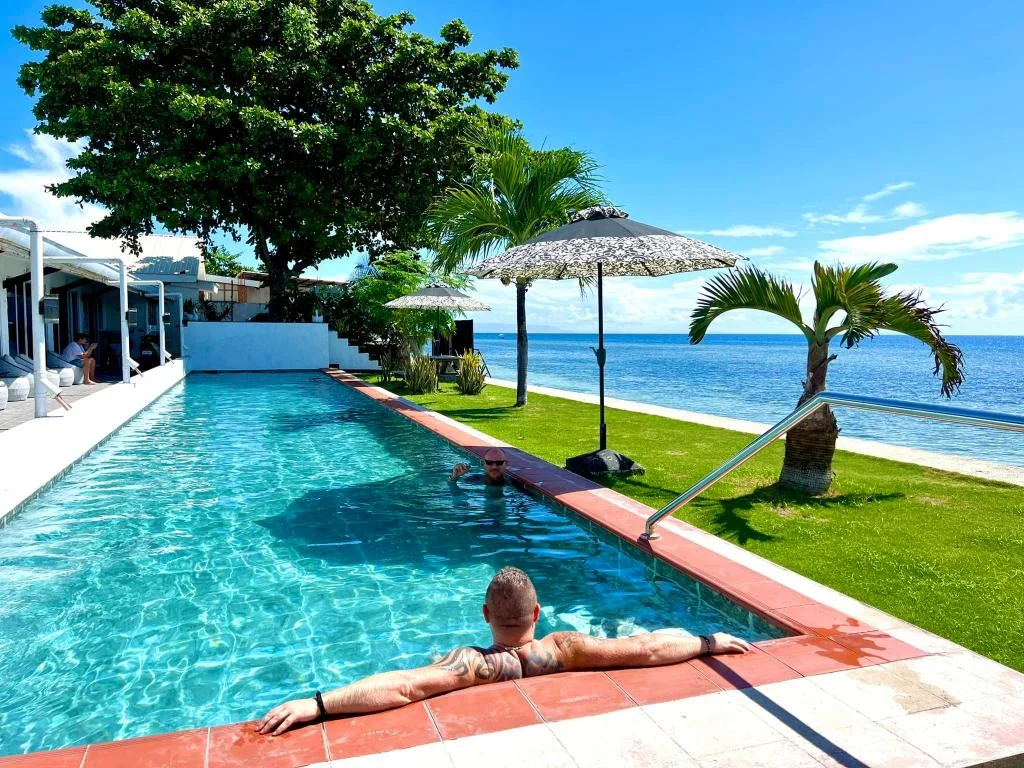
Cuestas Beach Resort and Restaurant
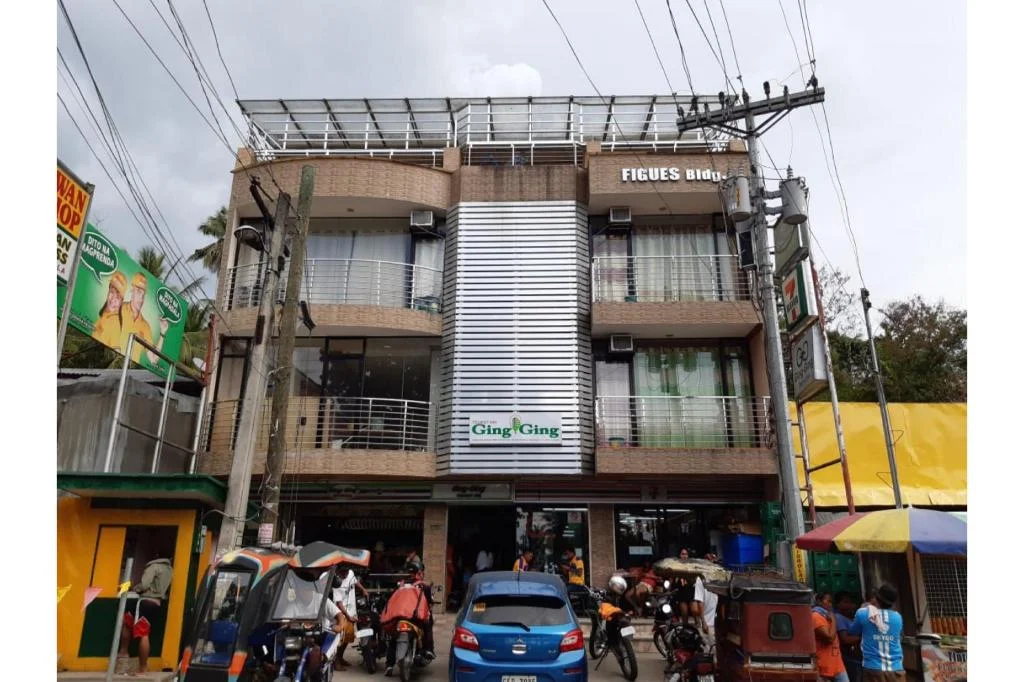
Ging Ging Tourist Inn
Beachhouse Poolside Room.
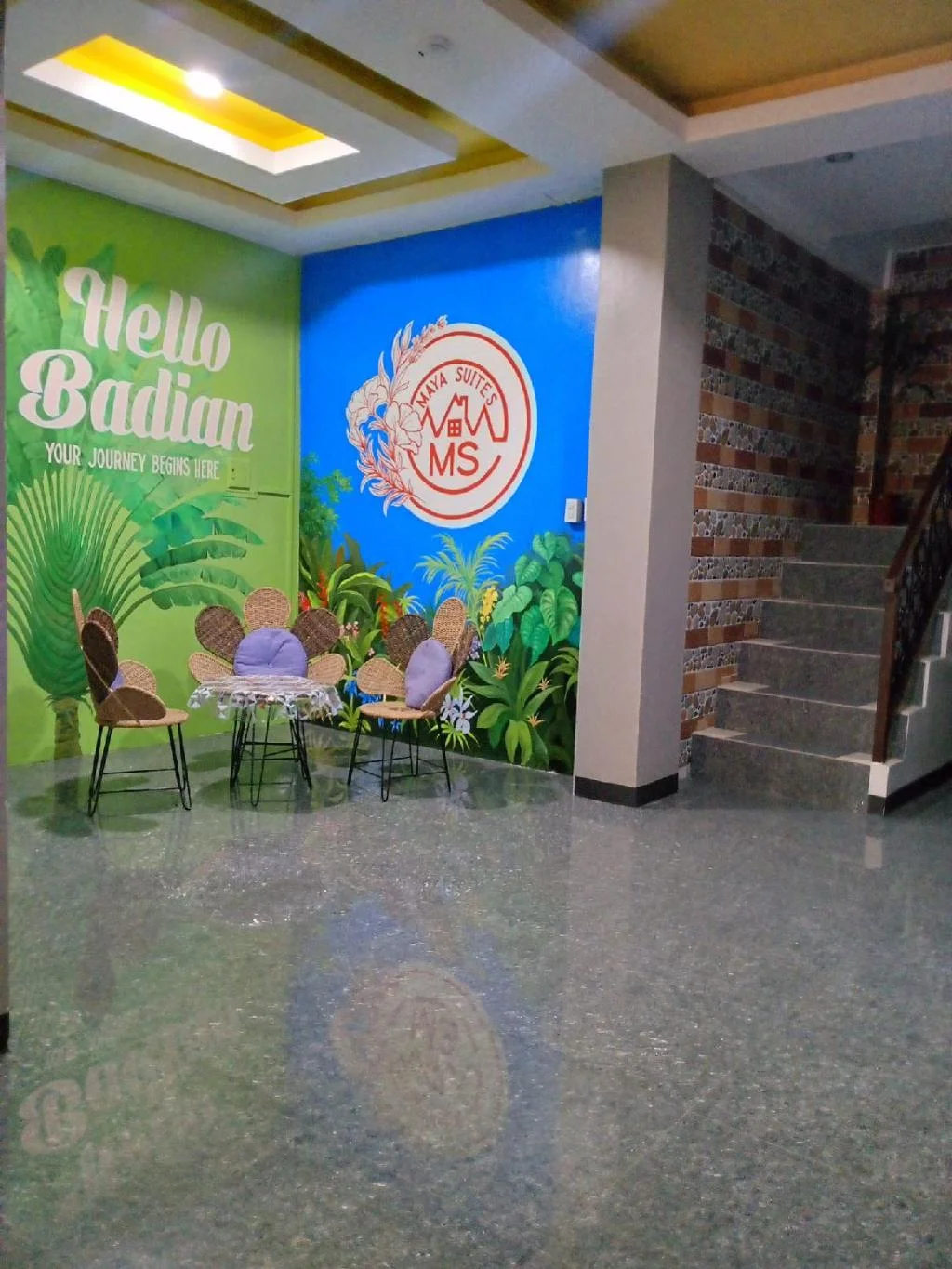
Maya Suites Badian powered by Cocotel
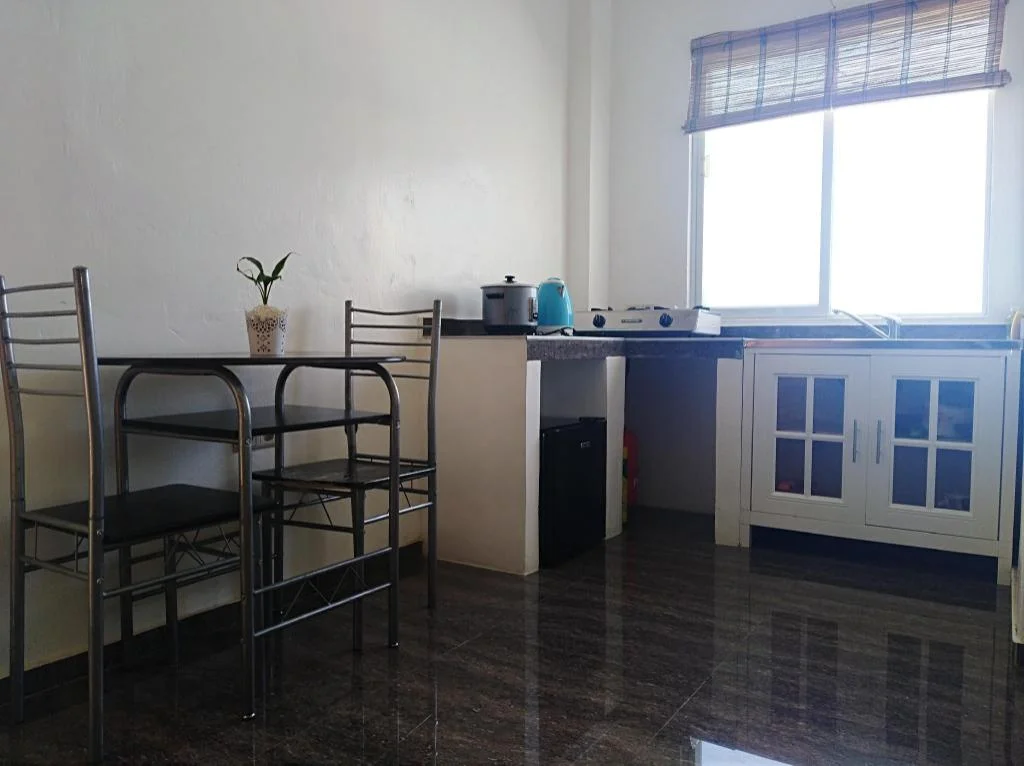
Prefer a rental? Vacation rentals near Badian
Self-catering condos and apartments — book the exact unit, kitchen included.
Browse all vacation rentals →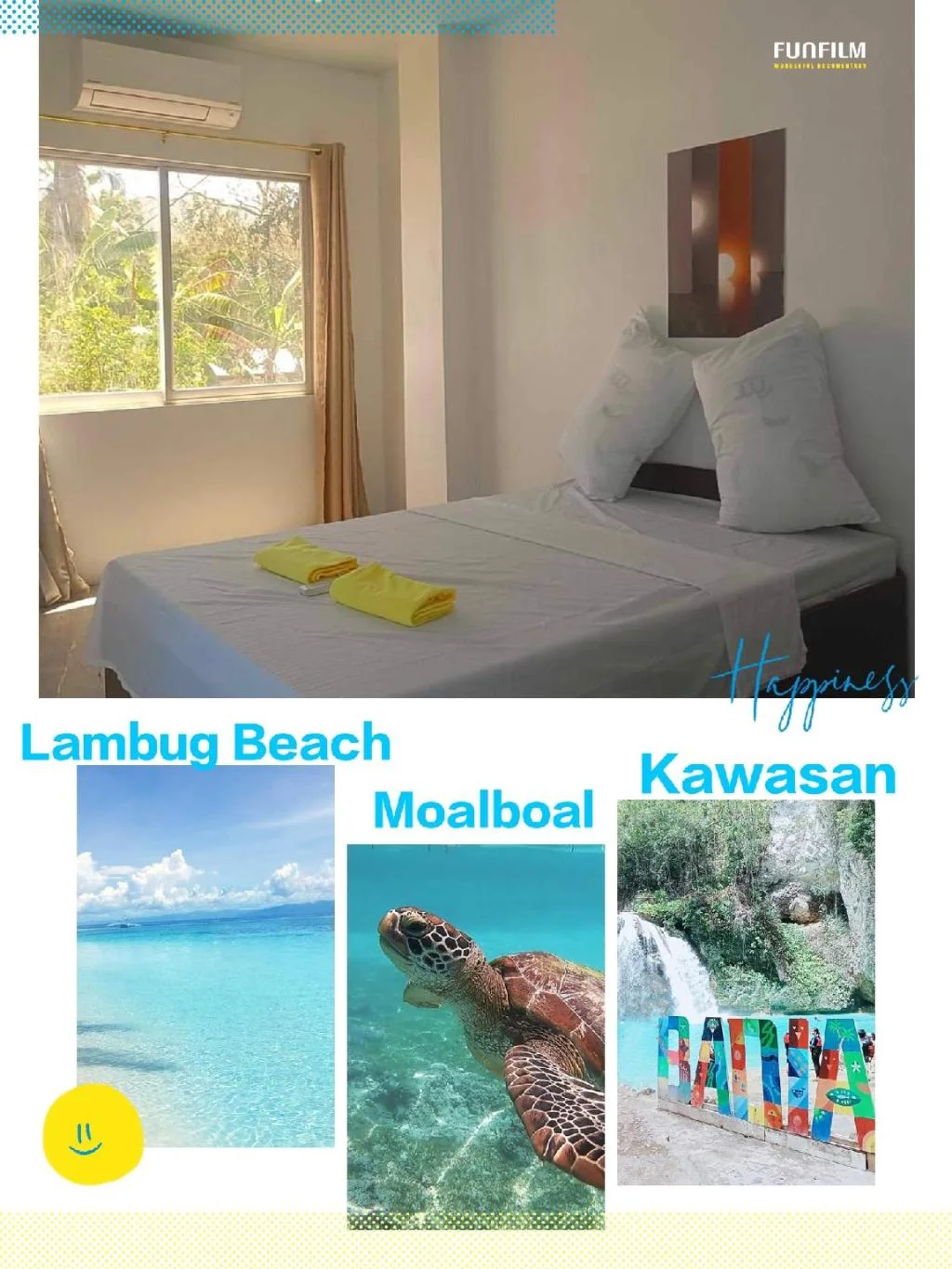
Before you go
Frequently asked
How long does the Osmeña Peak to Kawasan Falls trek take?
Do you need a guide for the full traverse?
How much is the entrance fee at Osmeña Peak?
How much is the entrance fee at Kawasan Falls?
How do you get to the Mantalongon jump-off from Cebu City?
Can you skip the trek and just ride a habal-habal between the two?
What's the best time of year to do this trek?
Can beginners do this trek?
More Places to Explore
Osmeña Peak
Dalaguete
Cebu's highest peak at about 1,013 meters, with jagged Chocolate-Hills-like ridges and panoramic island views.
Kawasan Falls
Badian
A stunning three-tiered waterfall famous for its turquoise waters, bamboo raft rides, and as the endpoint of the famous Badian canyoneering adventure.
Mantalongon Market
Dalaguete
The 'Vegetable Basket of Cebu' - a traditional highland market where farmers sell fresh mountain-grown produce at bargain prices.
Badian Canyoneering
Badian
An exhilarating 3-5 hour adventure through jungle canyons featuring cliff jumps, natural slides, and swimming, ending at the iconic Kawasan Falls.