
TL;DR: Panagsama Beach is Moalboal’s dive and backpacker strip — a rocky seawall, not sand, where the famous sardine run sits just 20–30 meters offshore. The Moalboal environmental fee runs ₱25 for beach access or ₱100 to swim/snorkel (about US$0.40–1.70), and fun dives with local shops run ₱1,900–2,100 (US$33–36) plus a ₱100 marine park fee per dive. It’s worth it if you dive or snorkel — skip it and head to White Beach (Basdaku) instead if you just want to lie on sand. Verified July 2026.
Panagsama Beach is the strip everyone means when they say “Moalboal” — a narrow concrete seawall in Barangay Basdiot lined with dive shops, guesthouses, and beach bars, built around one thing: what’s underwater. Set your expectations before you go. This is not a postcard beach with white sand and a gentle slope into turquoise water. It’s a working dive town, rocky at the shoreline, loud with generators and reggae in the evening, and built entirely around the reef wall a few strokes offshore. That reef wall happens to host one of the most reliable marine spectacles in the Philippines — the Moalboal sardine run — plus resident sea turtles and a drop-off wall that’s kept dive shops in business here for decades. This guide covers what Panagsama actually is, what it costs, where to dive and eat, and how it stacks up against the sandy White Beach (Basdaku) a short ride away.
Panagsama Beach at a Glance
| Item | Cost / Detail | Notes |
|---|---|---|
| Environmental fee | ₱25 beach access / ₱100 swim-snorkel (US$0.40–1.70) | Covers Panagsama + White Beach same day; cash only |
| Fun dive (shore) | ~₱1,900 (US$33) | Excludes marine park fee |
| Fun dive (boat) | ~₱2,100 (US$36) | Excludes marine park fee |
| Marine park fee | ₱100/dive (US$1.70) | Charged separately by shops |
| PADI Open Water course | ~₱20,000–25,000 (US$345–430) | Varies by shop; multi-day |
| Budget room | ₱800–1,500/night (US$14–26) | Fan rooms, shared bath common |
| Mid-range room | ~US$40–55/night | Panagsama runs above the Moalboal town average |
| Bus from Cebu City | ₱150–200 (US$2.60–3.45), ~3 hrs | Ceres Liner / Sunshine Bus, South Bus Terminal |
Prices vary by operator and season — confirm directly before booking. Verified July 2026.
What Is Panagsama Beach, Really?
It’s a seawall, not a sandy beach. The shoreline is volcanic rock and coral rubble, and at low tide the entry gets shallow and sharp enough that water shoes are genuinely useful, not just a nice-to-have. Several dive shops rent or lend them along with snorkel gear. What Panagsama has instead of sand is a short concrete promenade backing directly onto a reef wall that drops off close to shore — which is exactly why it became Cebu’s dive capital rather than its beach capital. If a wide sandy strip is what you pictured, this isn’t it; that’s White Beach (Basdaku), a short tricycle ride south.
How Do You Get to Panagsama Beach?
From Cebu City, take a bus to Moalboal, then a short tricycle to Panagsama. Ceres Liner or Sunshine Bus services run from Cebu South Bus Terminal to Moalboal town for around ₱150–200 (US$2.60–3.45), taking about 3 hours depending on traffic. From the Moalboal town center or bus drop-off, it’s a 5–10 minute habal-habal or tricycle ride to Panagsama Beach itself. If you’re coming straight from Mactan-Cebu International Airport, a private van transfer runs more but saves time and hassle, especially with dive bags in tow.
Is There an Entrance or Environmental Fee?
Yes — a small municipal fee, paid in cash at a kiosk near the beach entrance. Reported rates split into a lower fee for simply being on the beach (around ₱25) and a higher fee if you’re swimming or snorkeling (around ₱100), which covers the vast majority of visitors since the whole point of coming is to get in the water. The receipt is typically valid for both Panagsama and White Beach on the same day, so you’re not charged twice if you visit both. Bring small bills — fee collection is cash-only, and rules do get adjusted, so confirm the current structure locally when you arrive.
How Do You See the Sardine Run from Panagsama?
Swim out about 20–30 meters and you’re often in it — no boat or guide required. The sardine bait ball, millions of fish moving as a single shifting mass, typically holds position along the reef wall directly off Panagsama. A mask, snorkel, and fins are enough; you don’t need a scuba certification to see it, since the school usually sits within a few meters of the surface. Early morning, ideally before 7:00 AM, gives you the best odds of calm water and fewer snorkelers crowding the same patch of sea — by mid-morning, tour boats and day-trippers thicken the water considerably. The run isn’t 100% guaranteed every single day (storms and boat traffic can scatter the school temporarily), but it’s reliable enough that dive shops build entire businesses around it.
What About the Turtles?
Green sea turtles feed and rest along this same stretch of reef, most reliably around Turtle Point, a short swim or paddle from Panagsama. Keep a respectful distance — don’t chase, touch, or crowd a surfacing turtle for a photo — and let the animal set the distance. Between the sardine run and the turtles, most visitors don’t need to book a boat trip at all for their first day; the house reef does the work.
Which Dive Shop Should You Choose?
Pick based on your dive plan and budget — Panagsama has more shops per meter than almost anywhere in the Philippines. Long-running operators along the strip include Cebu Fun Divers, Love’s Beach & Dive Resort, and Brandnew Scuba School, among many others, all offering shore and boat fun dives, Discover Scuba tries, and full PADI course ladders. As a benchmark, one established shop quotes shore dives around ₱1,900 and boat dives around ₱2,100 (both plus a ₱100 marine park fee per dive), multi-dive packages that lower the per-dive cost, and a PADI Open Water course in the ₱20,000–25,000 range. Compare a couple of shops before committing — ask what’s included (weights, tanks, guide, night dives) and what’s billed separately, since “marine park fee” and “boat surcharge” additions catch a lot of first-timers off guard.
Compare dive and snorkeling tours in Moalboal on Klook if you’d rather book and pre-pay before you land, especially for Discover Scuba or PADI course slots in peak months.
Where Do You Eat and Drink at Panagsama?
Panagsama Road and the seawall strip are dense with backpacker-friendly restaurants and bars, mostly cash-based and mid-priced. Chili Bar is the long-running nightlife anchor — pool table, cheap drinks, and a crowd that spills onto the seawall after dark. For food, Ven’z Kitchen (Filipino and Asian, seafood-forward) and Hungry Monkeys (Filipino comfort food) are established local favorites, Three Bears leans Western with burgers and ribs, Kugita does a seafood- and sushi-forward menu, and Smooth Cafe is the go-to for coffee and brunch. None of this is fine dining — it’s the kind of low-key, dive-town food scene where a filling meal runs well under ₱300 (US$5) at most spots.
Where Should You Stay?
Stay directly on Panagsama if diving or snorkeling is the point of your trip. Most dive shops here are attached to their own guesthouses, so you can walk from your room to the water in under two minutes — useful on 6 AM sardine-run mornings. Budget fan rooms with shared or basic private bathrooms run roughly ₱800–1,500 a night (US$14–26); mid-range rooms with air conditioning and hot water push the average for the Panagsama area closer to US$40–55, noticeably above the wider Moalboal town average. For the full area-by-area breakdown, including options further from the strip if you want quieter nights, see our where to stay in Moalboal guide, or browse Moalboal hotels on Agoda.
Panagsama vs White Beach (Basdaku): Which Should You Pick?
Panagsama for diving and nightlife, White Beach for sand and swimming. They’re only about 10–15 minutes apart by tricycle, so plenty of visitors do both rather than choosing — base at Panagsama for the reef access and dive shop convenience, then take an afternoon trip to White Beach (Basdaku) for actual sand, calmer swimming, and sunset. If you had to pick only one and diving isn’t on your list at all, White Beach is the more conventional “beach vacation” choice. If diving, snorkeling, or the sardine run is why you’re coming to Moalboal, Panagsama is non-negotiable.
The Honest Take
Panagsama Beach photographs worse than it lives. Pull up a picture expecting white sand and you’ll be disappointed standing on the actual seawall; but the trade-off is that you’re standing a 30-meter swim from one of the most consistent marine wildlife encounters in the country, which sand can’t offer. It’s also not a quiet, relaxing beach town in the way Basdaku is — expect generators, tricycle horns, and bass from beach bars after dark, especially in peak dive season (roughly November through May, when the water is calmest). Rainy season (June–October) can bring rougher seas that occasionally scatter the sardine school and cancel boat dives, so build a spare day into your itinerary if the sardine run or Pescador Island trip is the whole reason you came. Skip Panagsama if you want a sandy, resort-style beach break with minimal crowds — that’s White Beach, ten minutes away.
Combine It With the Rest of Moalboal
Panagsama is one stop on a bigger southwest Cebu loop — pair it with a day at White Beach (Basdaku), a boat trip out to Pescador Island, and, if you have another day, Kawasan Falls canyoneering an hour south. For the full town rundown — beaches, waterfalls, and how many days to budget — see the Moalboal complete guide and the Moalboal sardine run guide for a deeper dive into timing your swim.
Sources
- WhyCebu — Moalboal Beaches guide (environmental fee structure, beach surface)
- Cebu Fun Divers — Prices & Rates (fun dive, package, and course pricing)
- Community trip reports and dive-shop listings (Tripadvisor, PADI dive center pages, backpacker travel blogs) cross-checked for 2025–2026 consistency on fees, sardine run access, and accommodation ranges.
- Verified July 2026 — confirm exact fees and dive prices with operators before you go, as these are adjusted periodically.
Book Tours & Hotels for This Trip
Find and book the best deals — prices and availability update in real time. Links open in a new tab.
Where to stay near Moalboal
Top-rated hotels for this trip — tap through to check live rates.
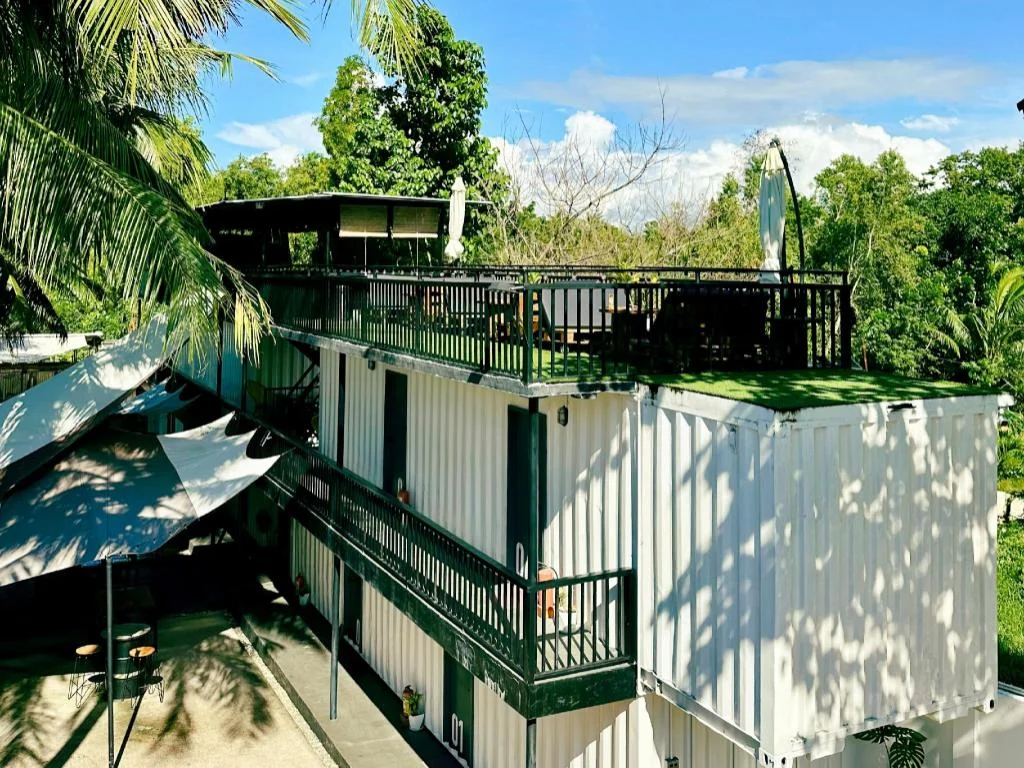
PIG DIVE HOSTEL MOALBOAL
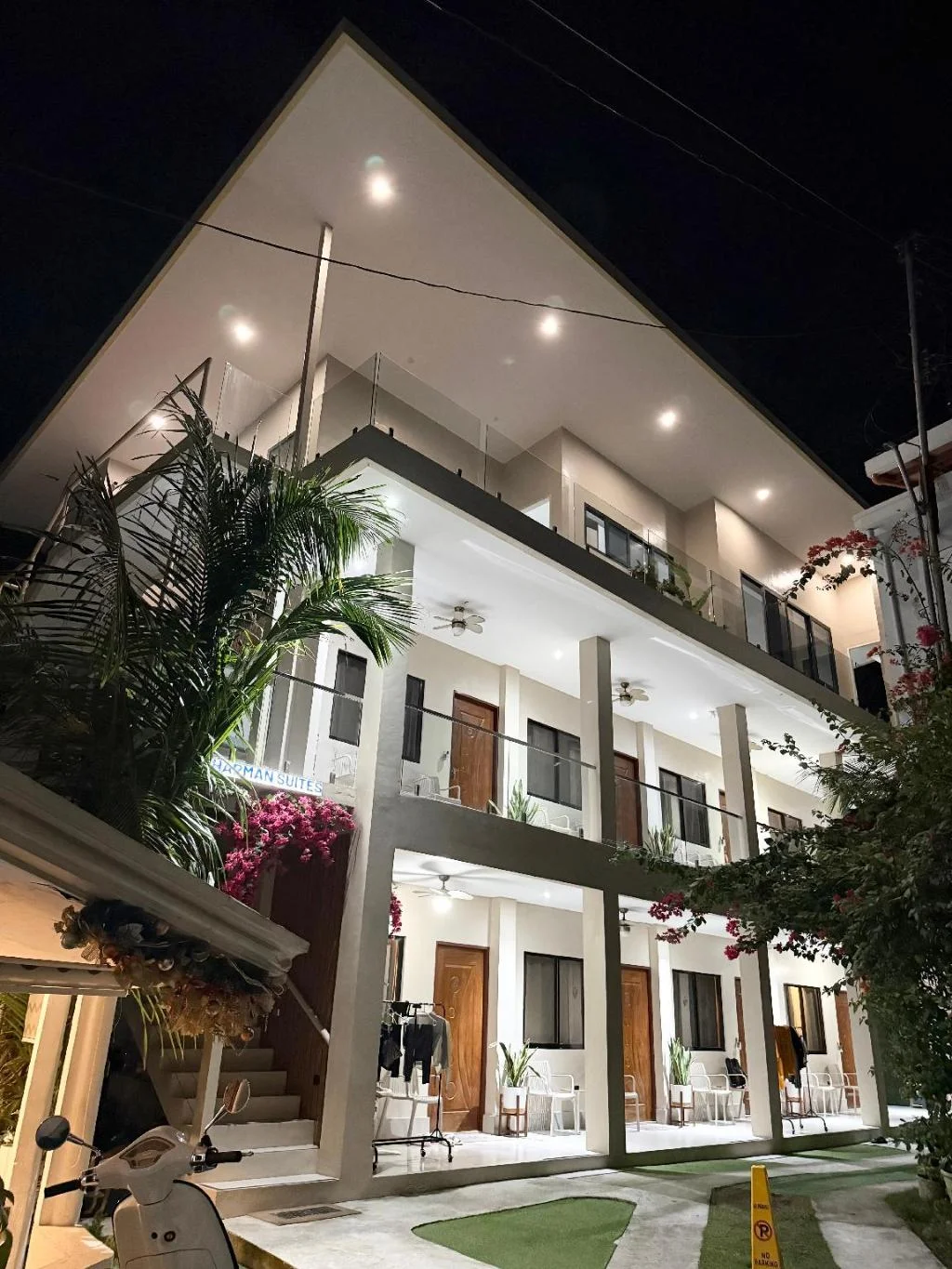
Harman Suites Moalboal
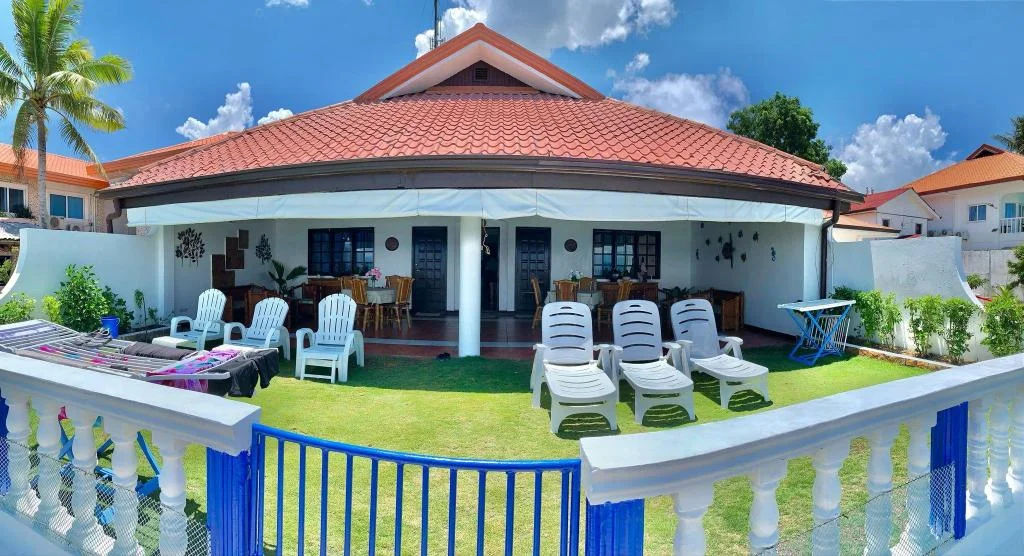
Il Sogno Resort
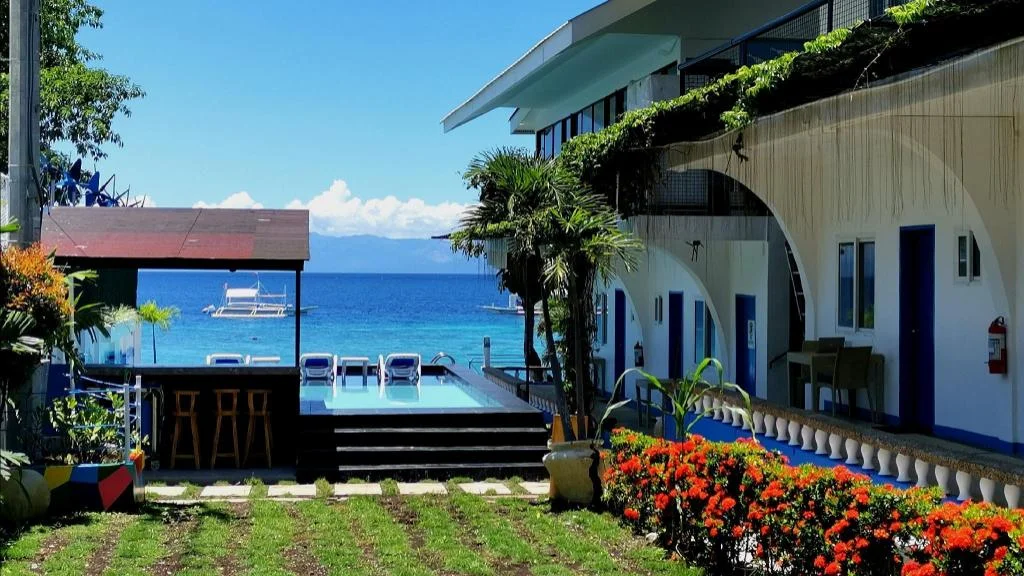
Pescadores Suites Moalboal
Prefer a rental? Vacation rentals near Moalboal
Self-catering condos and apartments — book the exact unit, kitchen included.
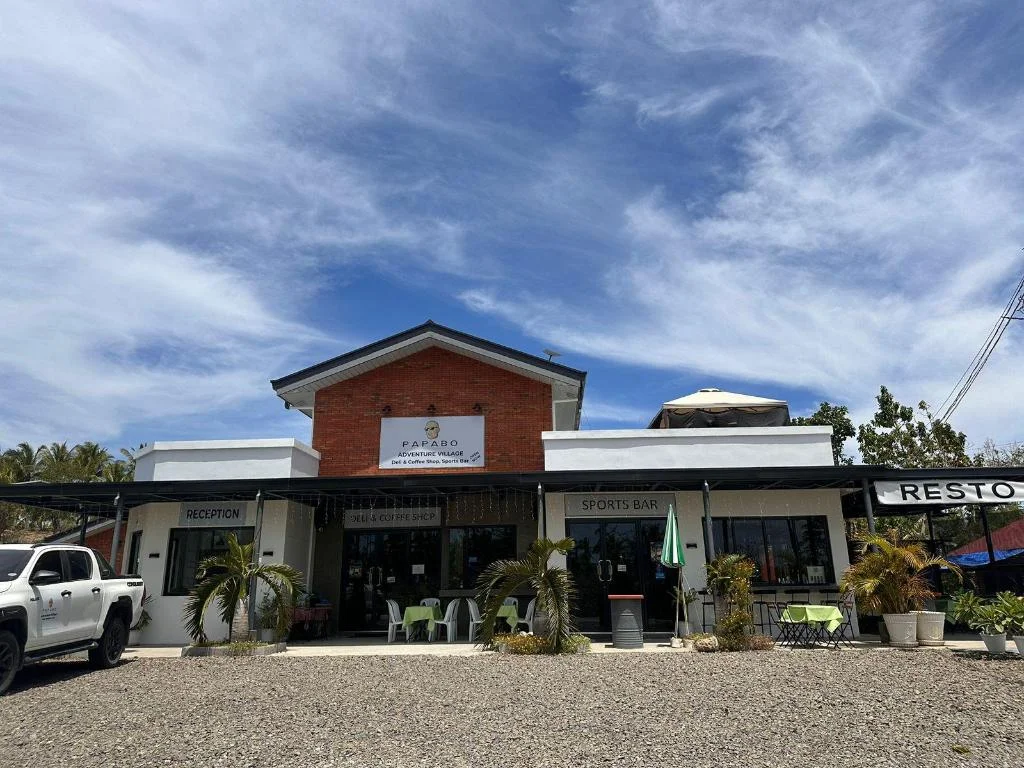
PAPABO Adventure Village
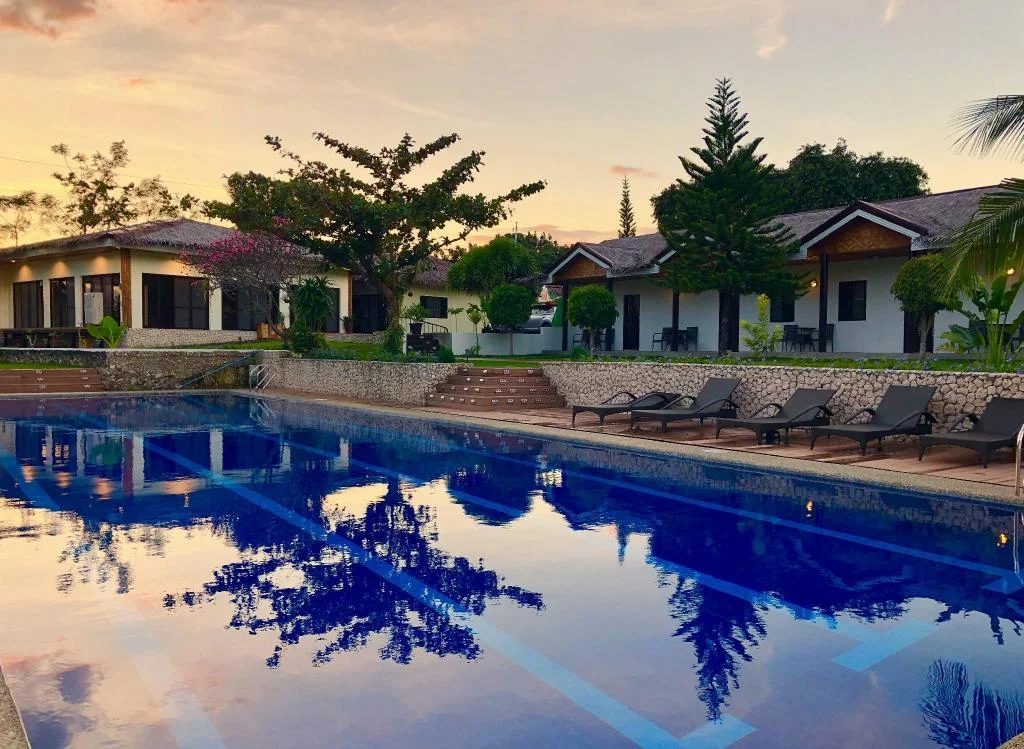
Casa de Moalboal
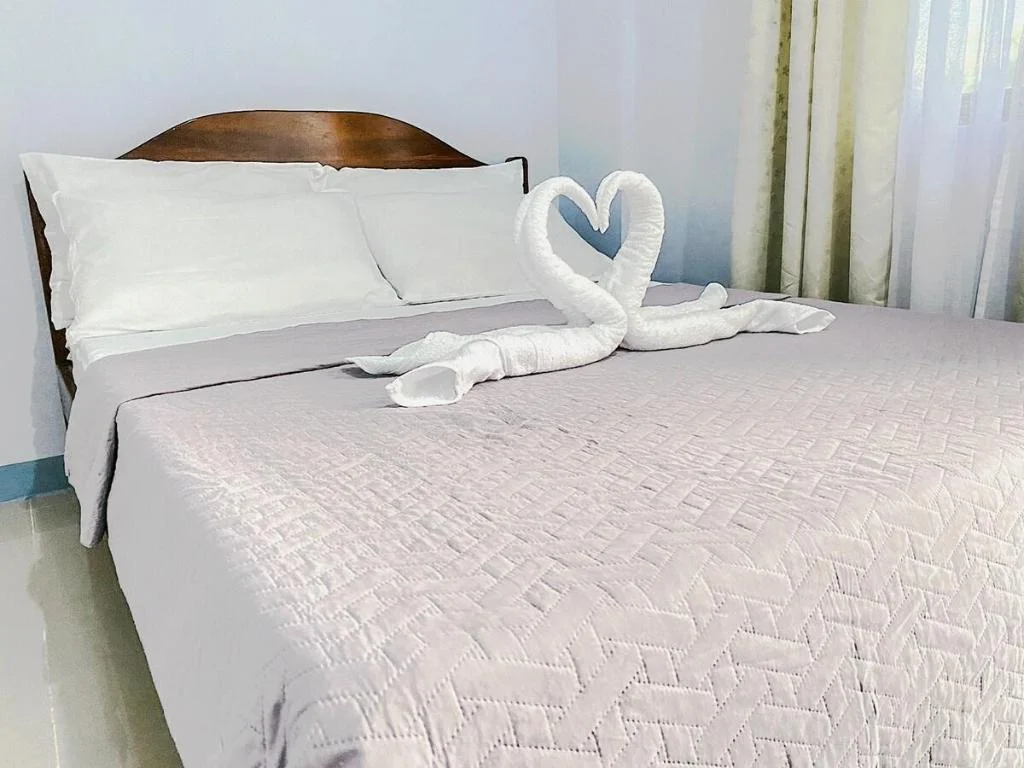
Althea Appartelle
Before you go
Frequently asked
Is Panagsama Beach sandy?
How much is the Panagsama Beach environmental fee?
Do you need a boat or guide to see the sardine run?
How do you get from Cebu City to Panagsama Beach?
Is Panagsama Beach or White Beach (Basdaku) better?
How much does a fun dive cost at Panagsama?
Where should divers stay in Moalboal?
More Places to Explore
Panagsama Beach
Moalboal
Moalboal's main beach and diving hub, famous for the sardine run and sea turtles just meters from shore.
Moalboal Sardine Run
Moalboal
Swim with millions of sardines in one of the world's only year-round sardine runs, just meters from shore.
Turtle Point
Moalboal
Swim alongside green sea turtles in their natural habitat at this reliable turtle-spotting destination.
White Beach (Basdaku)
Moalboal
A kilometer-long stretch of white sand beach perfect for swimming, sunbathing, and family beach activities.