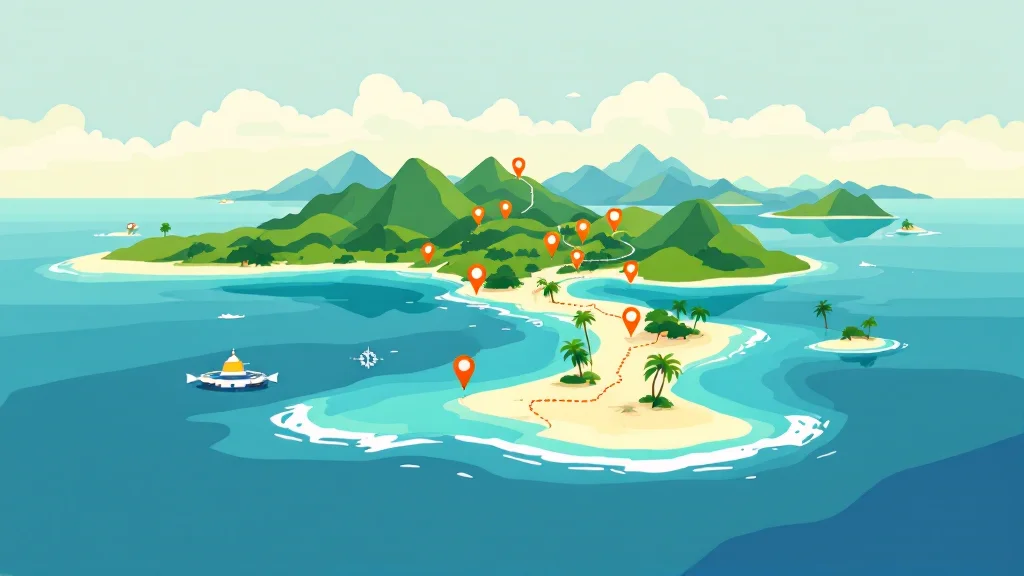
TL;DR: Pair Simala Shrine in Sibonga with Carcar’s heritage district and market on one south Cebu day loop. Go to Simala first (free entry, ₱35 candles, open 8 AM-5 PM), then habal-habal or bus the 19 km to Carcar (~₱200 or ~₱60-80 by public transport) for the heritage district, the free Carcar Museum, and lechon and chicharon at the public market. Budget ₱300-600 per person (US$5-10) by public transport or ₱2,500-3,500 (US$43-60) by private van, and 6-8 hours round trip from Cebu City. Verified July 2026.
South Cebu’s heritage corridor runs through two towns that most itineraries treat as separate errands but that actually work best as one loop. Simala Shrine, officially the Monastery of the Holy Eucharist in Sibonga, is the province’s biggest pilgrimage draw — a castle-like church where visitors light candles and write petitions under vaulted ceilings and stained glass. Nineteen kilometers north, Carcar is Cebu’s lechon capital and its best-preserved Spanish-colonial town, a rotunda-shaped plaza ringed by century-old bahay na bato mansions.
This guide is for anyone renting a car, hiring a van, or taking the bus south from Cebu City who wants both stops without backtracking — pilgrims who want a heritage detour, and heritage travelers who want a reason to keep driving past Carcar. It covers the order that actually saves time, how to move between the two towns, what each stop costs, and where the loop is worth skipping if you’re short on time.
Sibonga & Carcar Loop at a Glance
| Stop | Time needed | Approx. cost | Best for |
|---|---|---|---|
| Simala Shrine (Sibonga) | 1.5-2 hrs | Free entry; ₱35 (~US$0.60) candles; ₱20-30 (~US$0.35-0.50) habal-habal uphill | Devotion, architecture, wishing candles |
| Sibonga town church (Nuestra Señora del Pilar) | 20-30 min | Free | Heritage architecture, ceiling frescoes |
| Simala → Carcar transfer | ~40 min | ~₱200 (~US$3.50) habal-habal, or bus/jeepney fare | Getting between the two towns |
| Carcar heritage district | 1-1.5 hrs | Free to walk; museum free (donations welcome) | Ancestral houses, plaza, photos |
| Carcar Public Market | 30-45 min | Chicharon and lechon priced per kilo, varies by vendor — confirm on site | Lechon, chicharon, pasalubong |
| Whole loop from Cebu City | 6-8 hrs round trip | ₱300-600 (~US$5-10) public transport; ₱2,500-3,500 (~US$43-60) private van/Grab | Full-day plan |
Habal-habal and bus fares shift with fuel prices — treat these as a planning range and confirm on the day. Verified July 2026.
How Do You Get to Sibonga and Carcar From Cebu City?
By bus, head to the South Bus Terminal and take anything signed for Sibonga or points further south — Carcar is on the same route, about halfway there. Buses run frequently; the ride to Sibonga takes around 2 hours and costs roughly ₱80-100 (about US$1.40-1.70), while Carcar, being closer, is a shorter and cheaper leg on the same route. Ask the conductor to drop you at the junction near the 7-Eleven in Lindogon, Sibonga, then take a habal-habal (₱20-30, about a 5-10 minute ride) up the hill to the shrine entrance.
By private vehicle, drive the Natalio Bacalso Highway south — Simala is about 56 km from Cebu City (1.5-2 hours), and Carcar sits roughly 37-40 km out, closer to 45 minutes to just over an hour depending on traffic. Onsite parking at Simala runs about ₱50.
By taxi or Grab, expect ₱1,500-2,000 (about US$26-35) one way to Simala — pricier than the bus but door-to-door, and worth it if you’re traveling with family or in the heat of midday. Several operators also run joiner or private day tours covering Simala, Carcar, and sometimes Oslob or Kawasan Falls further south — compare south Cebu day tours on Klook if you’d rather not manage transfers yourself.
What Order Should You Do the Loop In?
Go to Simala first, then Carcar on the way back. Simala is the farther stop, and mornings there are cooler and less crowded — arrive close to opening (8:00 AM) or right after the 8:00 AM mass. Carcar, being closer to Cebu City, makes a natural lunch stop on the return leg: you can eat lechon fresh off the spit at the market, then walk the heritage district while your stomach settles, before continuing home in the early afternoon.
Doing it in reverse — Carcar first, Simala second — works too if you’d rather see the shrine in the golden late-afternoon light, but you’ll be fighting bigger midday crowds at Simala and a tighter timeline before it closes at 5:00 PM.
Is Simala Shrine Worth the Trip?
Yes, even if you’re not especially devout — the building itself is worth the detour. Formally the Archdiocesan Shrine and Parish of Our Lady of the Assumption, and popularly known as the Monastery of the Holy Eucharist, Simala draws devotees who light candles and write petitions tied to miracles attributed to its Marian image, alongside travelers who simply come for the architecture: soaring vaulted ceilings, stained glass, and a hillside setting that looks more European monastery than typical Philippine parish church.
Entrance is free, mass runs daily at 8:00 AM, and the shrine is open 8:00 AM-5:00 PM. Devotional candles for prayer intentions cost around ₱35 (about US$0.60), and donations toward the shrine’s upkeep are welcomed but not required. Modest dress is expected — cover shoulders and knees, as at any active church.
What’s Inside Sibonga’s Nuestra Señora del Pilar Church?
A 19th-century Neo-Gothic church with one of south Cebu’s most striking ceiling paintings, and it’s a separate stop from the Simala hilltop complex — the parish church sits in Sibonga’s town proper, a short ride from the shrine. Established as a visita of Carcar by Augustinian missionaries in 1690, it became an independent parish in 1830, and the current Neo-Gothic structure went up starting in 1866, finished in 1907 despite the disruption of the Philippine Revolution. The National Museum of the Philippines declared it a National Cultural Treasure, and its twin bell towers, pointed-arch doorway, and stained glass are worth a look.
The standout feature is the ceiling: a 1924 trompe-l’œil fresco by Cebuano artist Raymundo Francia depicting biblical scenes and catechism imagery, still intact and one of the more photographed church ceilings in the province. Because most visitors head straight up the hill to Simala, the town church stays quiet — a 20-30 minute stop that pairs well with the shrine without adding much time to the loop.
What’s in Carcar’s Heritage District?
A walkable historic core built around a circular plaza — an unusual layout for a Visayas town — ringed by Spanish colonial-era mansions. The Carcar Rotunda anchors the district: a roundabout plaza fronted by the St. Catherine of Alexandria Parish Church, whose foundation traces to the town’s 1599 founding, and flanked by preserved bahay na bato like the Mercado Mansion and the Sa Tabuan Mansion. The whole district is compact enough to walk in 30-45 minutes.
The Carcar Museum, housed in the old Carcar Dispensary and Puericulture Center (built 1929-1937, American-era architecture), has free entrance and is open Monday-Saturday, 8:00 AM-5:00 PM, though donations are appreciated. For a deeper look, Balay na Tisa, the 1859 Sarmiento-Osmeña house and Carcar’s oldest surviving residence, takes visitors by appointment only — worth arranging in advance if heritage architecture is your main draw rather than a side stop.
Where Do You Eat Lechon and Chicharon in Carcar?
At the Carcar Public Market, which is the reason most travelers detour through town at all. Carcar is widely regarded as the source town for much of Cebu City’s famous lechon — many of the named lechon shops in the city either buy from Carcar producers or use Carcar curing and roasting methods, so eating it here means skipping the markup. The market also sells Carcar-style chicharon, thicker and crunchier than typical Visayan chicharon, and ampao, a sweet, dense puffed-rice candy bar made in small bakeries nearby.
Prices vary noticeably by vendor, pig size, and cut — reported per-kilo lechon prices in recent traveler reports have ranged from roughly ₱280 up to ₱950, so compare a couple of stalls before buying, and don’t assume the first quote is the going rate. Chicharon typically comes bagged by weight; ask the price before it’s bagged. If you’d rather sort out where the reliably good stalls are first, see our guide to Carcar and Cebu’s best lechon.
How Do You Choose: Half-Day or Full-Day?
If you only have half a day, pick one town, not both. Simala alone (round trip from Cebu City) eats 3.5-4 hours once you count the drive; Carcar alone is closer to 2-2.5 hours round trip and pairs easily with an early lunch. Trying to force both into a half-day usually means rushing the shrine or skipping the market, which defeats the point of either stop.
For a full day, the loop described above — Simala in the morning, Carcar for lunch and the afternoon — is the efficient order. If you have more time and a private vehicle, this loop also connects naturally to a longer south Cebu run: continue past Sibonga toward Oslob’s whale sharks or Badian’s Kawasan Falls and turn it into an overnight trip, basing yourself in Moalboal for the night rather than driving back to Cebu City in one push.
The Honest Take
Simala is genuinely striking architecturally, but go in with realistic expectations: on weekends, First Fridays, and Marian feast days it fills with bus loads of devotees and tour groups, and the single access road up the hill can jam for stretches. If your interest is more architectural than devotional, a weekday morning is the difference between a peaceful visit and a shuffling queue past souvenir stalls.
Carcar’s heritage district, by contrast, is consistently underrated — it rarely appears on first-timer itineraries, which means you can walk the plaza and photograph the ancestral houses without competing for space, even on a weekend. The trade-off is that beyond the market and the plaza, there isn’t a lot to fill a full day; most visitors are satisfied after an hour or two, which is exactly why it works as a stop on a bigger loop rather than a standalone destination. Skip Balay na Tisa if you can’t arrange the appointment in advance — you’ll still get a strong sense of the town’s architecture from the free plaza walk alone.
Rounding Out the Trip
This loop works equally well as a half-day devotional side trip or as the anchor of a longer south Cebu run. Pair it with the Cebu City to Simala Shrine guide or the Cebu City to Carcar heritage and lechon guide if you want a single-destination version of either stop, or browse our roundup of Cebu’s best heritage churches for other stops along the same corridor. If you’d rather book the whole thing as a guided day tour instead of managing habal-habal and bus transfers yourself, check current south Cebu tour options on Klook or compare alternatives on GetYourGuide.
Sources
- Simala Shrine visitor information — WhyCebu (hours, entrance fee, transport)
- Sibonga Church — Wikipedia (history, National Cultural Treasure status)
- Carcar heritage overview — cebu.tips (heritage district, food specialties)
- Carcar Dispensary Museum — Tripadvisor (museum hours and access)
- Habal-habal and bus fares cross-checked against recent traveler reports for the Cebu City-Sibonga-Carcar corridor; confirm current rates locally. Verified July 2026.
Book Tours & Hotels for This Trip
Find and book the best deals — prices and availability update in real time. Links open in a new tab.
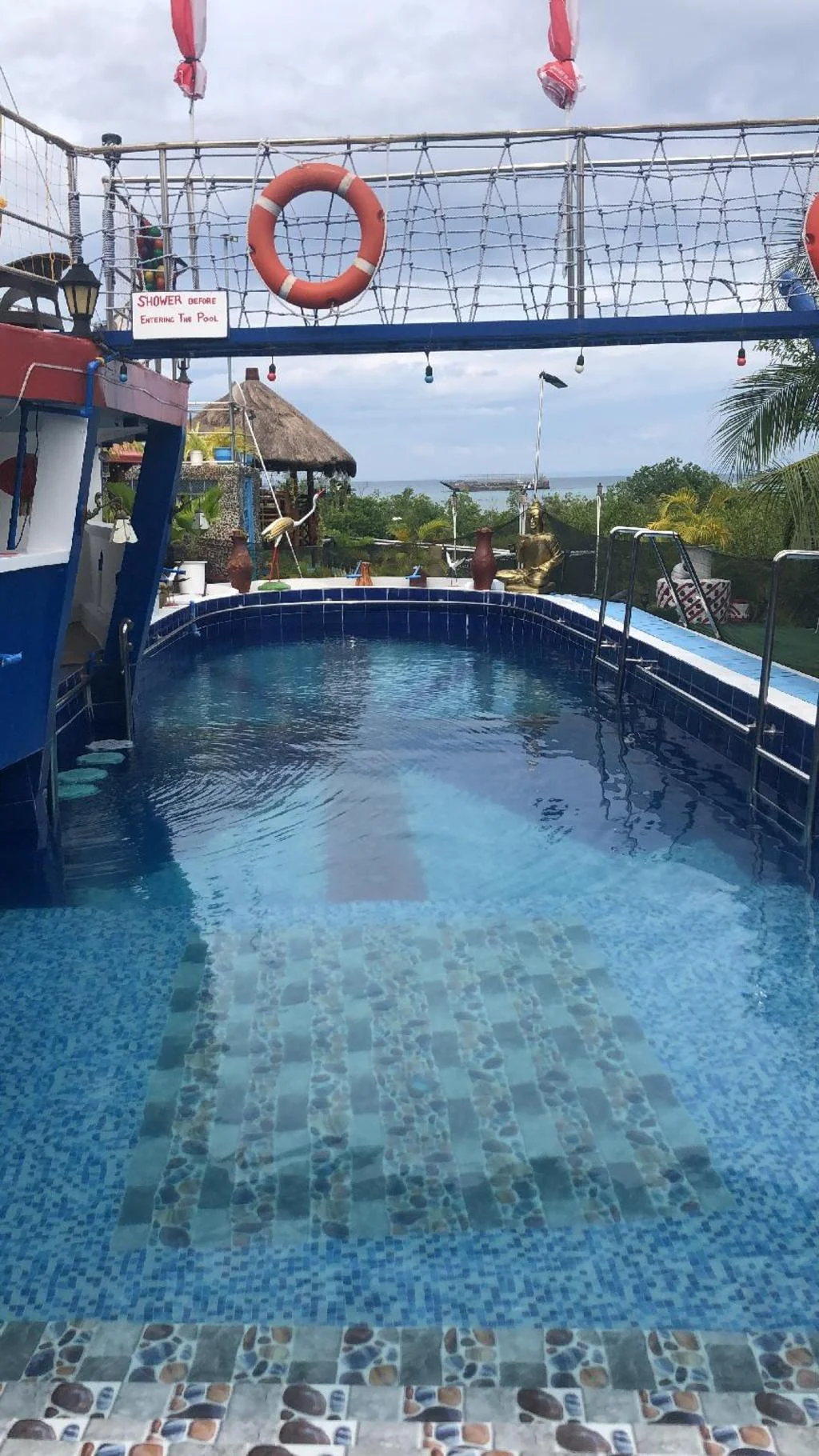
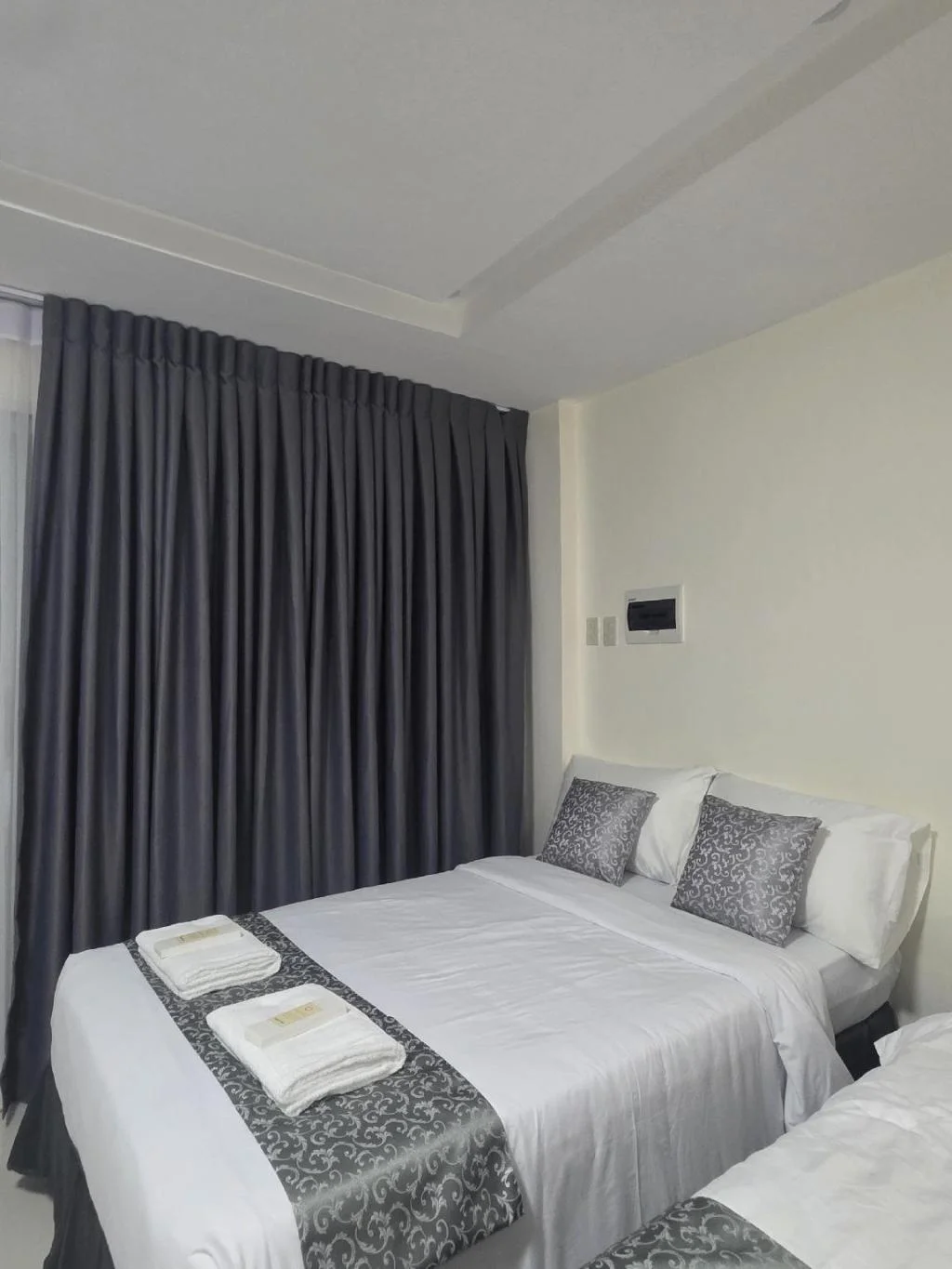
Where to stay near Carcar City
Top-rated hotels for this trip — tap through to check live rates.
Prefer a rental? Vacation rentals near Carcar City
Self-catering condos and apartments — book the exact unit, kitchen included.
Browse all vacation rentals →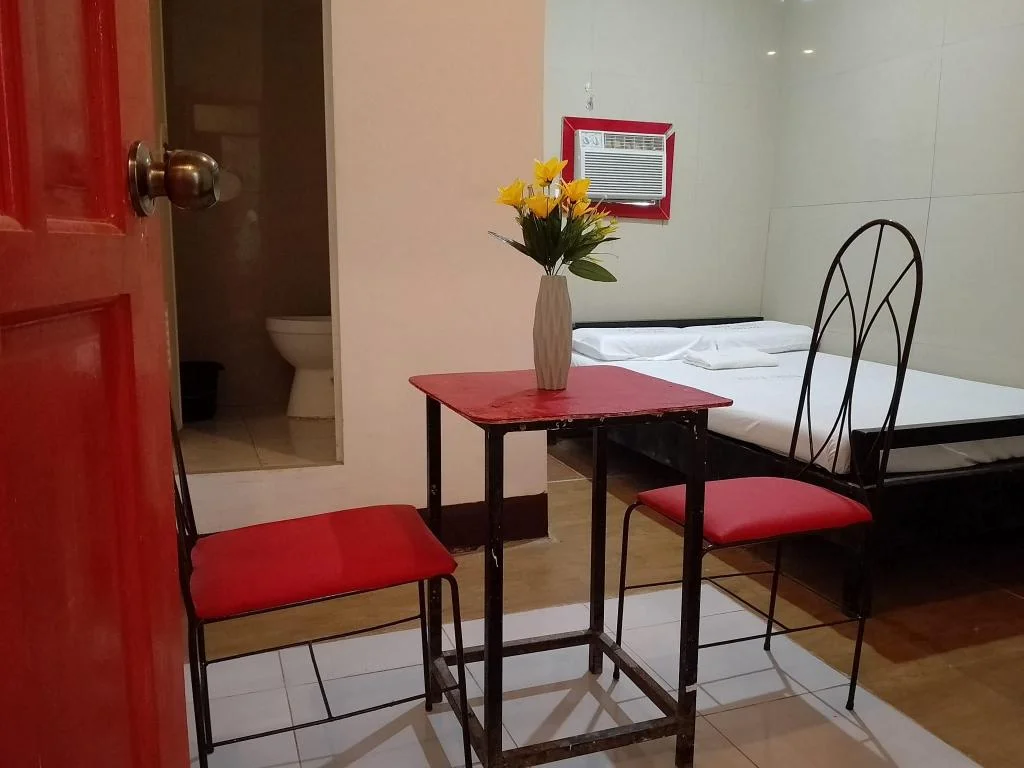
Before you go
Frequently asked
Can you visit Simala Shrine and Carcar in one day?
How much does the Sibonga-Carcar loop cost?
Is Simala Shrine free to enter?
What is Simala Shrine known for?
What's the best time to visit Simala Shrine to avoid crowds?
How do you get from Simala Shrine to Carcar?
What should you buy in Carcar?
Is Sibonga's church worth a stop along with Simala?
More Places to Explore
Simala Shrine (Monastery of the Holy Eucharist)
Sibonga
A magnificent castle-like church and major pilgrimage site famous for miraculous healings, attracting millions of devotees to venerate the Virgin of Simala.
Carcar Rotunda and Heritage District
Carcar City
The iconic circular plaza at the heart of Carcar's heritage district, surrounded by beautifully preserved Spanish colonial ancestral houses.
Carcar Public Market
Carcar City
The famous home of Cebu's best lechon and chicharon, where generations of vendors have perfected these iconic Cebuano delicacies.
St. Catherine of Alexandria Parish Church
Carcar City
A magnificent 19th-century baroque church and National Cultural Treasure, serving as the centerpiece of Carcar's historic heritage district.