
TL;DR: Cebu’s specialty coffee scene centers on independent roasters like Linear Coffee Roasters, The Civet Coffee Roasters, and Good Cup Coffee Co., mostly clustered around IT Park, Lahug, and F. Ramos Street. Expect to pay ₱120-190 (US$1.9-3.1) for a specialty latte or pour-over. Cebu also grows its own coffee — Tuburan is the island’s unofficial coffee capital, with smaller arabica plots in the Balamban highlands — though most city cafes still source premium beans from Benguet, Sagada, or Mindanao. Verified July 2026.
Cebu isn’t a coffee-growing destination on the scale of Benguet or Bukidnon, but its cafe scene has quietly become one of the more interesting things to do between beach days. A wave of independent roasters — not just resellers, but people actually roasting on-site — has built out a real specialty scene over the past several years, concentrated in and around Temple of Leah’s neighborhood in Cebu City, IT Park, and the mountain cafe belt heading toward Balamban. This guide is for travelers and digital nomads who want good coffee and a place to actually sit and work, not just another photo backdrop — plus the honest story on Cebu’s own coffee-growing side, which is real but smaller than the marketing sometimes suggests.
Cebu’s Specialty Coffee Scene at a Glance
| Cafe / Roaster | Known For | Area | Typical Price |
|---|---|---|---|
| Linear Coffee Roasters | In-house roasting, rotating single-origin pour-overs, supplies other Cebu cafes | Big Hotel, Parkmall Drive, Mandaue City | ~₱120-180 (US$1.9-2.9) |
| The Civet Coffee Roasters | Single-origin, small-batch roasts (Mindanao, Benguet arabica) | IT Park (Skyrise 4), plus SM City Cebu & SM Seaside branches | ~₱130-190 (US$2.1-3.1) |
| Good Cup Coffee Co. | Cold White Brew, competition-trained baristas, free oat milk upgrade | F. Ramos Street, Cebu City | ~₱120-170 (US$1.9-2.7) |
| Third Wave Coffee Cebu | Laptop-friendly community space, third-wave brewing philosophy | Bloq Residences, F. Cabahug St, Kasambagan | ~₱110-160 (US$1.8-2.6) |
| Abaca Baking Company | Artisan bakery pastries paired with a solid coffee program | Ayala Center Cebu, 4F & Ayala Central Bloc | ~₱140-190 (US$2.3-3.1) |
| Tuburan Café / Tuburan Coffee Farm | Cebu-grown robusta, farm-to-cup, free guided farm walks | Tuburan town (~2 hrs from Cebu City) | ~₱80-150 (US$1.3-2.4) + ₱200 van fare |
Prices are typical ranges for specialty drinks in Cebu as of mid-2026 — menus change and some items cost more. Confirm current prices on each cafe’s Facebook page or food-delivery listing before you go. ₱62 ≈ US$1 (July 2026). Verified July 2026.
What Makes a Cafe “Specialty” in Cebu?
A specialty cafe in Cebu roasts its own beans, sources single-origin lots, and treats the coffee as the point — not the syrup or the interior design. That’s the real dividing line here, more than price or decor. Cebu has hundreds of Instagram-friendly cafes, especially up in Busay and along the Transcentral Highway toward Balamban, where the view is the main draw and the coffee is a byproduct. The specialty roasters covered in this guide are judged on the cup first.
Linear Coffee Roasters is the closest thing Cebu has to an elder statesman of the scene — it roasts its own beans sourced from East Africa, Central and South America, and the Philippines, and has been named best specialty coffee shop in Cebu by Sunstar’s Best of Cebu awards. It’s also become a wholesale supplier to a good chunk of the city’s other independent cafes, so if you taste something excellent elsewhere, there’s a decent chance the beans came from here.
The Civet Coffee Roasters and Good Cup Coffee Co. round out the core group. Civet leans into single-origin, small-batch roasting with arabica sourced from Mindanao and Benguet, and has spread across multiple branches (IT Park, SM City Cebu, SM Seaside). Good Cup, on F. Ramos Street, was founded in 2018 and has baristas who’ve placed in the National Brewers Cup — worth knowing if you care about who’s actually pulling your shot.
Where Does Cebu-Grown Coffee Actually Come From?
Most of it comes from Tuburan, on Cebu’s west coast, which has positioned itself as the island’s coffee capital, with smaller arabica plots in the cooler Balamban highlands. Tuburan’s coffee economy is genuinely large for a single municipality — local government figures put it at roughly 3,000-plus hectares of smallholder coffee spread across 29 barangays, supporting around 2,000 farmers, most of it robusta rather than arabica. The Balamban highlands, with their cooler mountain climate, support smaller arabica and robusta plots, though nothing on Tuburan’s scale.
Here’s the honest caveat: despite the local pride around “Cebu coffee,” most of the specialty beans poured in Cebu City’s better cafes are still sourced from established Philippine arabica regions like Benguet, Sagada, and parts of Mindanao, because those areas have more mature arabica supply chains and more consistent quality control. Cebu-grown coffee — mostly robusta — tends to show up as a “Cebu blend” or a farm-direct novelty pour rather than the backbone of a roaster’s menu. If you want the real Cebu-grown experience rather than beans merely roasted in Cebu, Tuburan itself is where to go.
Is a Trip to Tuburan Coffee Farm Worth It?
Yes, if you have half a day and genuine curiosity about where Cebu’s coffee comes from — it’s not worth it as a quick add-on. Tuburan Coffee Farm, in Barangay Kabangkalan, offers free guided walks through the plantation if you book an appointment in advance; there’s no fixed entrance fee, but you’re expected to schedule ahead rather than just showing up. The town itself is about a 2-hour van ride from Cebu City, with air-conditioned vans running from IT Park or Cebu Business Park for around ₱200 one-way. Once there, Tuburan Café on Burgos Street serves the farm-to-cup version — locally grown coffee, flavored lattes, and pastries — and nearby Atabay Peak is a five-minute walk for a lookout over the coffee-growing valley.
Pair this with a broader loop through the west coast rather than a dedicated round trip, since Tuburan alone doesn’t fill a full day for most travelers.
Where Should You Go for Laptop-Friendly Coffee?
IT Park and F. Ramos Street have the highest concentration of cafes built for actually working, not just sipping. Third Wave Coffee Cebu, inside Bloq Residences on F. Cabahug Street, was explicitly built as a community workspace-meets-cafe, and it shows — long hours (10 AM to 10 PM, later on weekends), steady Wi-Fi, and a crowd of students and remote workers rather than tourists. Good Cup Coffee Co. and The Civet Coffee Roasters both work for a few focused hours too, especially on weekday mornings before the lunch crowd arrives.
If you need more structured desk space than a cafe table, that’s a different category — see our best coworking spaces in Cebu guide for dedicated options with better ergonomics and meeting rooms.
How Do These Compare to Cebu’s Mountain View Cafes?
Differently — they’re solving for different things. The Busay and Balamban mountain cafe belt exists mostly for the cool air and the skyline view over Metro Cebu, and coffee quality there ranges from genuinely solid to an afterthought behind the photo op. The specialty roasters in this guide are the opposite: unglamorous storefronts where the coffee is the entire reason to visit. If you want both — a view and a decent cup — budget extra time, because the good-view, good-coffee overlap is smaller than the marketing suggests.
The Honest Take
Cebu’s specialty coffee scene is real, but it’s still small relative to Manila’s, and a lot of what gets marketed as “Cebu coffee” is actually beans from Benguet or Mindanao roasted in a Cebu shop — which is a fine cup of coffee, just not the local-terroir story the label implies. If you specifically want Cebu-grown beans, Tuburan is the honest answer, and it requires a deliberate half-day trip, not a five-minute detour. Skip the mountain cafes entirely if coffee quality is your priority — go for the view, not the cup, and set your expectations accordingly. And don’t assume every place calling itself a “roastery” actually roasts on-site; a few just brand around beans sourced elsewhere, so if it matters to you, ask.
For a full round-up of where to sit, eat, and drink beyond coffee, our best cafes in Cebu and best cafes in Cebu City guides cover the wider scene, including dessert-forward and view-forward spots this guide skips. Pair a coffee crawl with a broader food day using Cebu for foodies, and if you’re building a longer nomad stay around good Wi-Fi and good espresso, browse Cebu stays and cafes with day rates on Agoda before you commit to a neighborhood.
Sources
- Linear Coffee Roasters — Facebook (sourcing, hours, awards)
- Sunstar — Best of Cebu: Best Specialty Coffee (award history)
- The Civet Coffee Roasters — Facebook (branches, sourcing)
- Good Cup Coffee Co. — official site (menu, sourcing, competition history)
- Third Wave Coffee Cebu — Keeta feature (founding, location, hours)
- Tuburan Coffee Farm — EAZY Traveler (farm details, tours)
- Tuburan showcases coffee farm success — PIA (hectares, farmers, barangays)
- General specialty coffee pricing referenced against 2026 Cebu cafe-industry cost reporting (Agross). Verified July 2026.
Book Tours & Hotels for This Trip
Find and book the best deals — prices and availability update in real time. Links open in a new tab.
Where to stay near Cebu City
Top-rated hotels for this trip — tap through to check live rates.
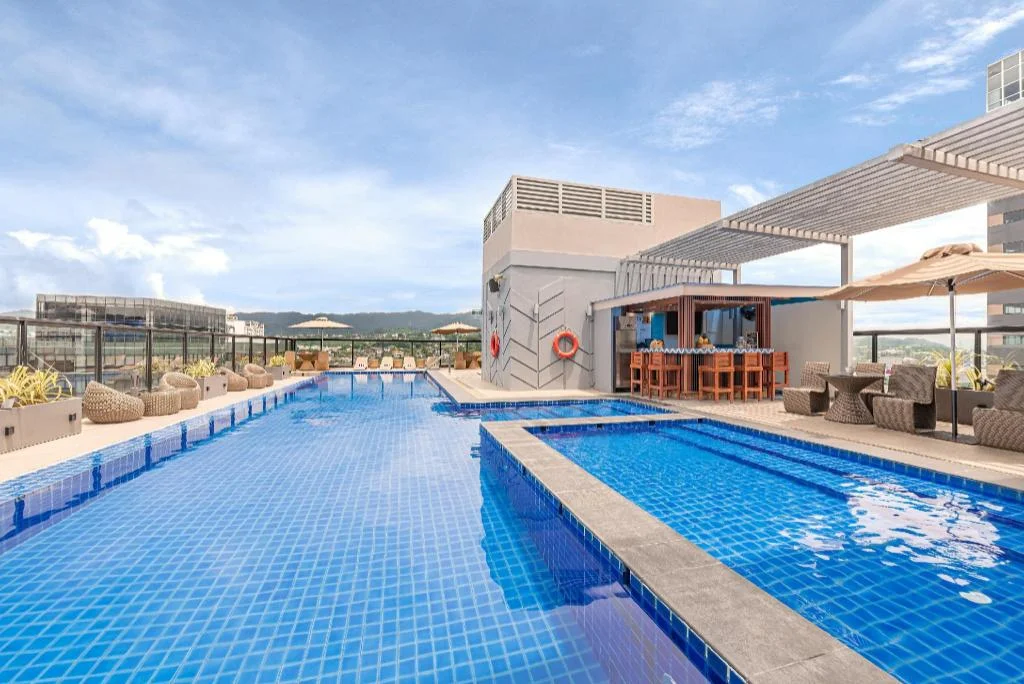
Seda Central Bloc Cebu City
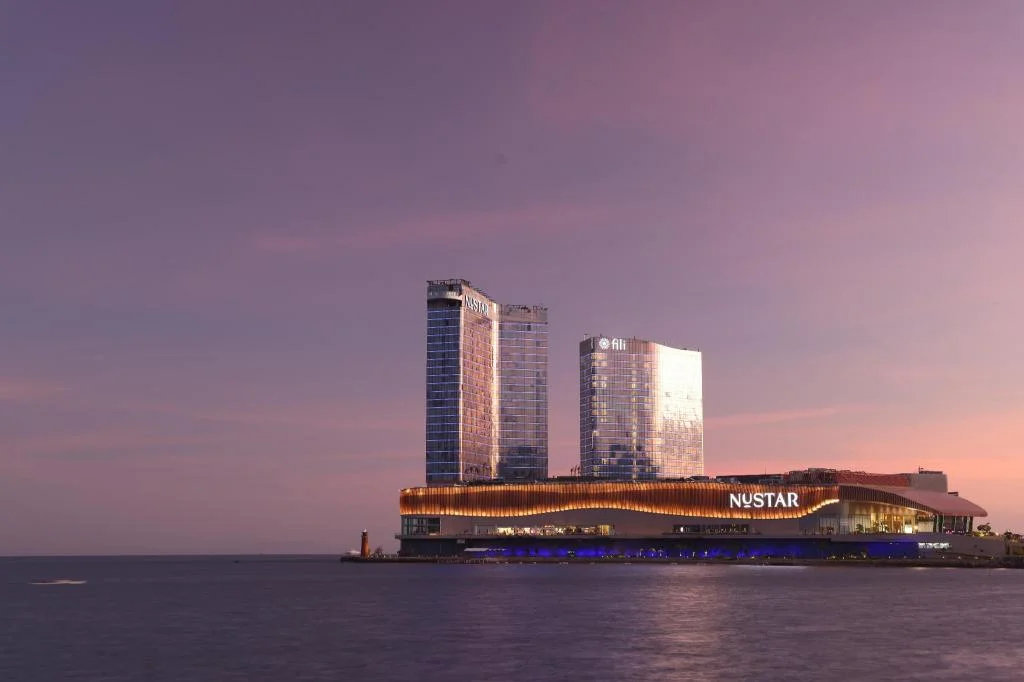
Fili Hotel - NUSTAR Resort & Casino Cebu
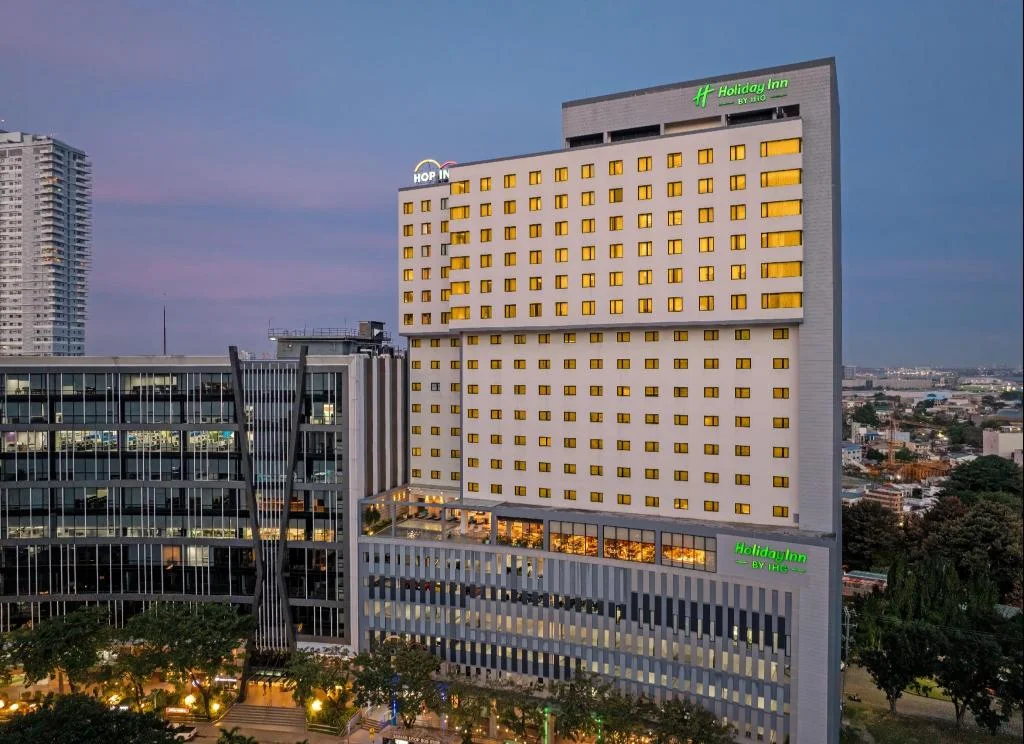
Holiday Inn Cebu City By IHG
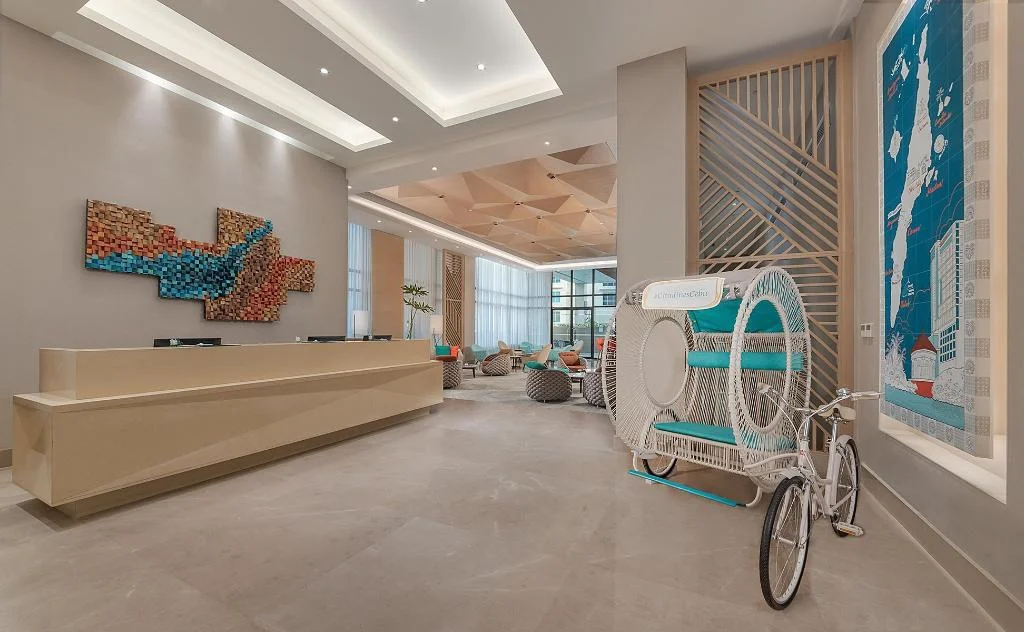
Citadines Cebu City
Prefer a rental? Vacation rentals near Cebu City
Self-catering condos and apartments — book the exact unit, kitchen included.
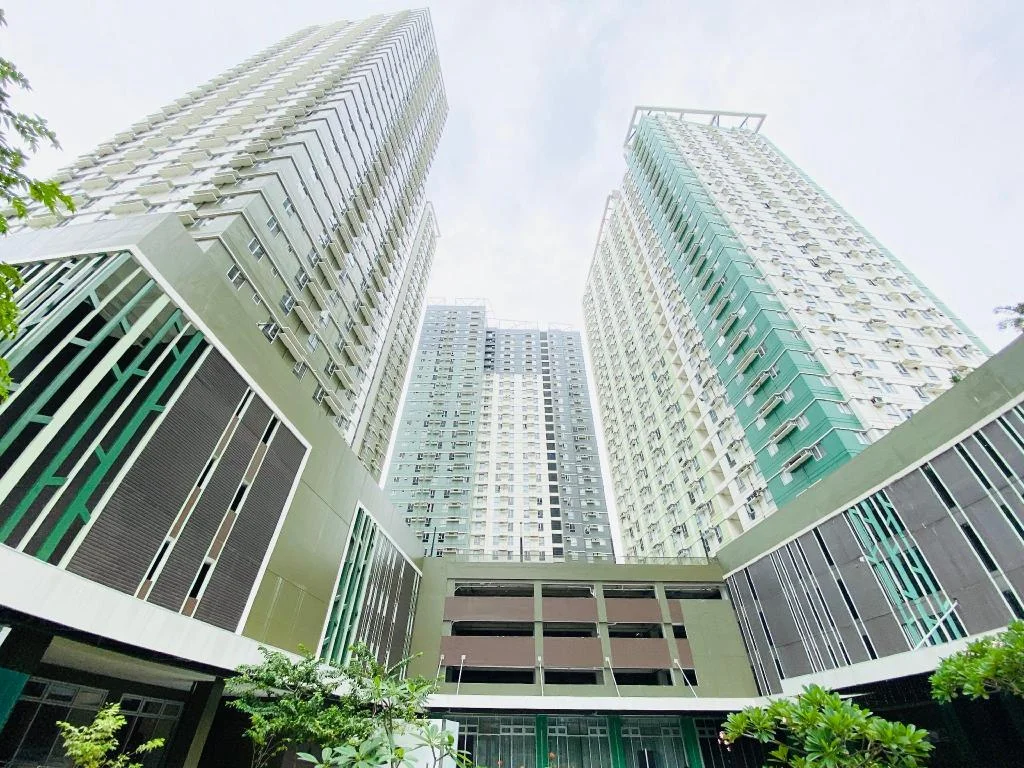
Cebu Avida Riala by P&J
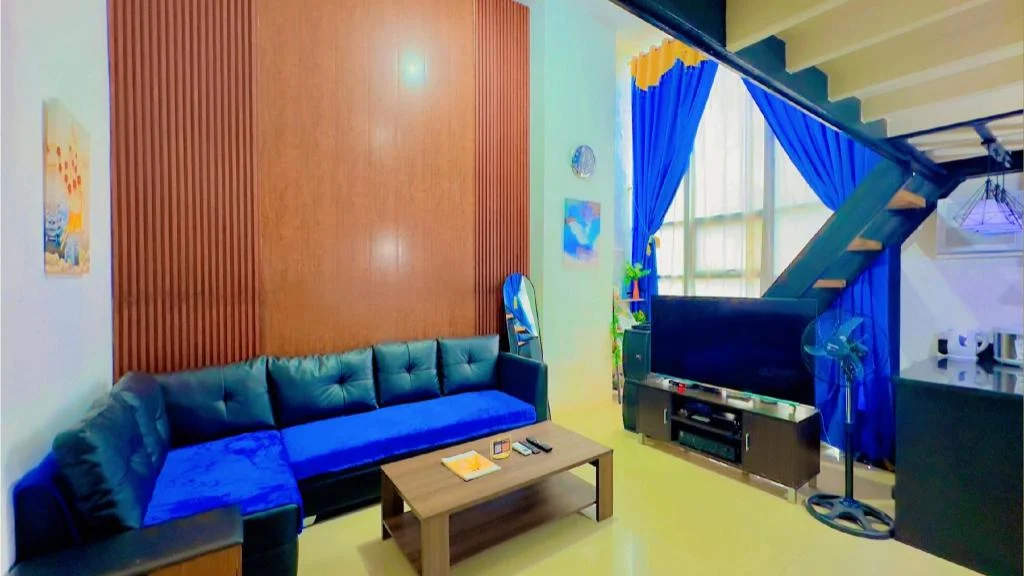
Special Big Loft Unit w/Fibreop Internet & Netflix
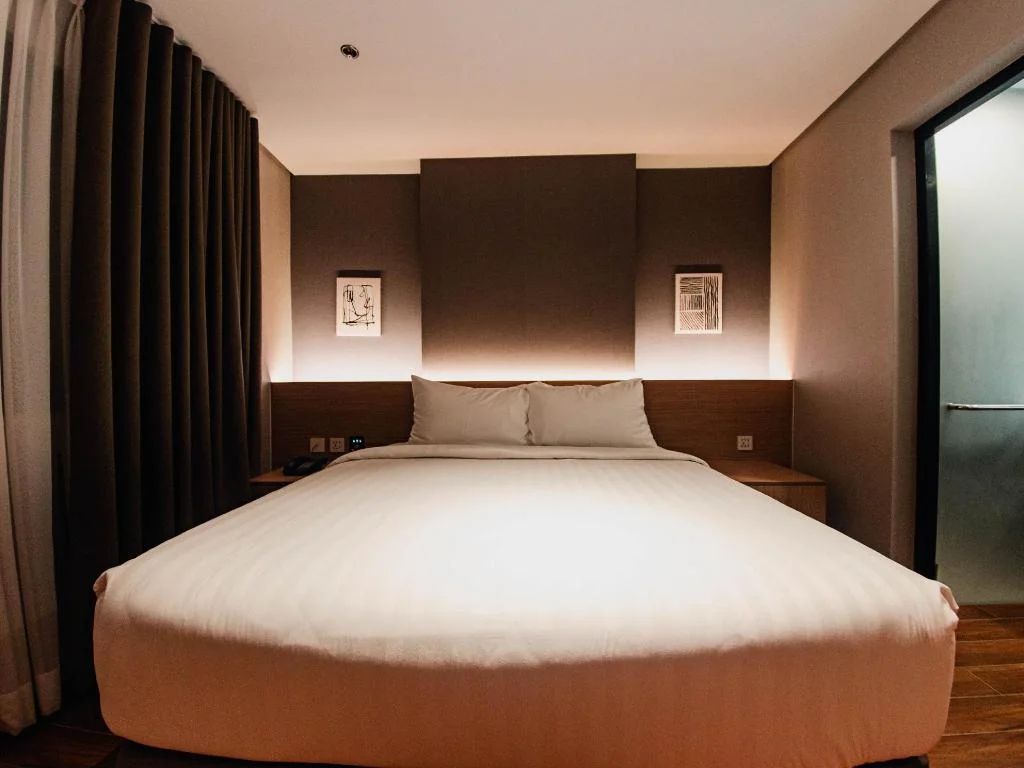
Moonstar Cebu Hotel - Deluxe Room
Before you go
Frequently asked
Does Cebu actually have a specialty coffee scene, or is it mostly chains?
Is there such a thing as Cebu-grown coffee?
How much does specialty coffee cost in Cebu?
Where can I actually work from a cafe in Cebu?
Can I visit a coffee farm in Cebu?
What's the difference between Cebu's specialty cafes and the mountain view cafes in Busay?
Do Cebu cafes do single-origin pour-overs?
Is Cebu's coffee scene worth building a trip around?
More Places to Explore
Temple of Leah
Cebu City
A magnificent Roman-inspired temple built as a monument of love, nicknamed 'Cebu's Taj Mahal,' offering stunning architecture and city views.
Balamban Transcentral Highway Viewpoint
Balamban
Scenic mountain viewpoints along the Transcentral Highway offering panoramic views of both Cebu coasts and the island's dramatic highland landscapes.
Tops Lookout
Cebu City
Cebu City's premier hilltop viewpoint offering stunning panoramic views of the city, especially spectacular at sunset and nighttime.
Sirao Flower Garden
Cebu City
Cebu's 'Little Amsterdam' - a colorful flower farm featuring seas of celosia blooms set against a scenic mountain backdrop.