
TL;DR: In Cebu, bargaining is normal and expected at public markets like Carbon Market, for souvenirs, and for tricycle or habal-habal fares outside fixed-rate zones — but it’s out of place in malls, supermarkets, convenience stores, restaurants, and anywhere with a printed price or a metered fare. The polite approach is a smile, a counter-offer roughly 20–30% below the asking price, and a graceful stop once the vendor holds firm — Filipino culture avoids a flat “no,” so read a repeated soft refusal as the real answer. Tipping runs on a separate, gentler logic: it’s for people paid a fixed rate after service, not something you negotiate. Verified July 2026.
Two things trip up first-time visitors to Cebu more than almost anything else: not knowing when it’s okay to haggle, and not knowing what tipping actually signals here. Both come down to reading the room. This guide is about the culture behind the two — where bargaining is a normal, even friendly, part of a transaction versus where it reads as rude; how to haggle without causing offense; and what a tip communicates socially, beyond the peso amount. If you want exact tipping numbers by service (hotel staff, guides, spas, drivers), see our companion guide on tipping in Cebu — this one covers the etiquette and the “why,” and pairs it with the negotiating side that guide doesn’t touch. Most of what follows applies anywhere in the Philippines, with a few Cebu-specific spots — Carbon Market and Colon Street — used as the working examples.
Where to Bargain vs Where Not To
| Setting | Bargaining? | Why |
|---|---|---|
| Public wet markets (Carbon, Mantalongon) | Yes, expected | No price tags; prices flex by volume, season, and how you ask |
| Souvenir and pasalubong stalls | Yes, mildly | Especially on multiples — buy 3, ask for a bundle price |
| Tricycle / habal-habal (no posted fare) | Yes, before the ride | Fare is often agreed verbally, not metered |
| Street vendors, beach vendors | Yes, mildly | Same logic as market stalls |
| Malls, department stores, supermarkets | No | Price Tag Law requires a marked, fixed price |
| Restaurants and cafés | No | Printed menu prices are final; a service charge is separate, not negotiable |
| Grab | No | Fixed fare shown in-app before booking |
| Metered taxis | No | Meter sets the fare; ask for it to be used, don’t negotiate around it |
| Licensed tour operators (island hopping, canyoneering) | Rarely | Fixed per-person rates; group discounts sometimes possible, haggling the base rate isn’t |
Verified July 2026.
Where Is Bargaining Actually Normal in Cebu?
Bargaining is normal wherever there’s no fixed price printed or posted — mainly public markets and informal vendors. At Carbon Market, Cebu City’s oldest and biggest public market, prices for produce, dried goods, and souvenirs are rarely marked, and vendors expect a bit of back-and-forth before a sale, particularly if you’re buying in bulk. The same goes for Mantalongon Market in Dalaguete for fresh produce, and roadside or beachside vendors selling souvenirs, snacks, or handmade goods anywhere in the province. It’s most common in the morning, when vendors are still setting a day’s pace and more willing to move on price to get the first sale in.
Tricycle and habal-habal (motorcycle taxi) fares are the other common bargaining zone — but that’s shrinking. Several Cebu barangays, including Mandaue City, rolled out standardized fare matrices in 2026 that set a minimum habal-habal fare (around ₱25) and require posted rates at terminals, specifically to cut down on ad hoc price-setting by individual drivers. Where a fare is posted, treat it as fixed. Where it isn’t — a lot of rural routes and short hops still work this way — agree on the price with the driver before you get on, and it’s fair to counter a quote that sounds high for the distance.
Where Is Bargaining Not Okay?
Bargaining is out of place anywhere with a marked price: malls, supermarkets, convenience stores, pharmacies, and most souvenir shops inside malls (as opposed to street stalls). The Philippines’ Consumer Act requires retailers to display the actual selling price on products, and shoppers generally respect that as final — trying to talk a cashier down at SM or Ayala Center reads as confused at best, rude at worst.
Restaurants are the same. A printed menu price is the price; a service charge, where one applies, is a separate legal matter (it’s required by law to go to staff, not something you can ask to waive because you didn’t like the wait). Grab fares are fixed by the app before you confirm the ride, and metered taxis run on the meter — there’s no custom in Cebu for negotiating either one down. Licensed tour operators (island hopping, canyoneering, whale shark tours) post per-person rates that are generally fixed too; it’s fine to ask about a group discount for a larger party, but haggling the base listed price the way you would a market stall isn’t the norm and can come across as trying to underpay for a service with real fixed costs (boats, permits, guide fees).
How Do You Haggle Politely in Cebu?
Start with a smile and a fair counter-offer, not an aggressive lowball. A workable local pattern: ask “Pila ni?” (“How much is this?”), let the vendor quote a price, then counter somewhere around 20–30% below it rather than half. From there you’re meeting in the middle, not grinding them down. “Pwede ba, mahal?” (“Can you make it a bit cheaper?”) is a soft, friendly way to open the ask without demanding a discount. Buying more than one item is genuinely your best leverage — vendors are far more willing to bundle a lower per-piece price on three souvenirs than shave a few pesos off a single one.
Know when to stop. If a vendor repeats the same price twice, or says something like “sakto na” (roughly “that’s already the fair price”), that’s your answer — pushing a third time starts to feel like pressure rather than negotiation, and it can embarrass the vendor in front of other customers, which is exactly the kind of moment Cebuano culture tries to avoid. If the price genuinely isn’t working for you, it’s completely fine to walk away without buying — nobody will chase you, and no offense is taken either way, as long as you were polite going in.
The Social Meaning of “Hiya” (Saving Face)
A lot of first-time visitors misread bargaining interactions because they’re expecting a direct “no.” Filipino culture runs heavily on hiya — a deep-seated instinct to avoid causing embarrassment, for yourself or the other person, in a social exchange. In practice, that means a vendor is unlikely to flatly refuse your offer even if it’s too low for them; instead you’ll get a soft deflection (“mahal pa gyud” — “it’s still expensive for me to sell at that”), a repeated price, or a gentle change of subject. That’s a real no. Treating it as an opening to push harder, or getting visibly frustrated, causes exactly the loss of face hiya is built to avoid, and it tends to shut the interaction down rather than move the price.
The same instinct runs the other way: don’t publicly call out a vendor for quoting a “tourist price,” and don’t argue loudly over a few pesos in front of a crowd. A quiet counter-offer and a graceful acceptance of “sakto na” cost you almost nothing and keep the interaction pleasant for both sides — which, in a market you might come back to later in the trip, is worth more than the ten pesos you didn’t save.
How Does Tipping Fit Into This?
Tipping and bargaining look related but run on opposite logic. Bargaining happens before a sale, on goods or services without a fixed price. Tipping happens after a service that already has a fixed rate — a hotel stay, a tour package, a metered taxi ride — as a bonus for people who did their job well, not a negotiation. You wouldn’t haggle a tricycle fare down and then also decline the small round-up tip a driver might hope for on a longer trip; the two aren’t in tension, they’re just different moments in the same transaction culture. For exact who-and-how-much guidance — hotel staff, tour guides, spa therapists, boat crews — see our dedicated tipping in Cebu guide; the short version is that most tips here run ₱20–300 depending on the service, are never demanded, and are genuinely appreciated because service wages are modest.
One tipping-adjacent etiquette note connects directly to hiya: tip quietly and directly to the person, not as a public gesture. Making a show of a generous tip in front of coworkers can embarrass the recipient rather than flatter them — the opposite of the intended effect.
The Honest Take
Bargaining in Cebu is genuinely part of the market experience, not a chore or a test — vendors at Carbon Market and along Colon Street expect it and, for the most part, enjoy a friendly back-and-forth as much as a straight sale. But it’s worth being honest that “getting a bargain” and “being fair” aren’t always the same thing. Squeezing a fruit vendor over ₱10–20 on an already cheap item, or refusing a fair counter-offer out of principle, isn’t a savvy travel skill — it’s being stingy toward someone earning far less per hour than you likely do at home. Bargain to a price that feels fair to both of you, not to the theoretical floor.
The flip side matters too: don’t over-apply market habits to places where they don’t belong. Trying to haggle at an SM Seaside cashier or with a Grab driver doesn’t read as street-smart here, it reads as not having done fifteen minutes of homework — which, now that you’ve read this, you have.
Before You Go
Pair this with our tipping in Cebu guide for exact peso amounts by service, and read up on the fuller picture of Cebuano etiquette and customs if this is your first time in the Philippines. Make sure you’ve got the currency exchange and cash basics sorted before you go — bargaining and tipping both run on small bills, and nobody at a market stall can break a ₱1,000 note. If you’d rather skip the haggling altogether and let someone else handle it, book a guided food and market tour on Klook or a Cebuano cooking or heritage walking experience on GetYourGuide — both include a local guide who already knows the fair prices. And when you’re ready to book where you’ll actually stay, compare Cebu City hotels on Agoda.
Sources
- How to Bargain Fairly at the Carbon Market in Cebu City — Discover ASR
- Barangays set standard fares for trikes, habal-habal — SunStar Cebu
- Habal-habal minimum fare set at ₱25 — The Freeman / Philstar
- The Consumer Act of the Philippines (RA 7394) — Chan Robles Virtual Law Library
- Republic Act No. 11360 — Supreme Court E-Library (service charge distribution law)
- Filipino Hiya: Understanding the Feeling of Filipino Shame — Sinaunang Panahon
- Bargaining ranges and phrasing cross-checked against current traveler and expat reporting on Cebu markets. Verified July 2026.
Book Tours & Hotels for This Trip
Find and book the best deals — prices and availability update in real time. Links open in a new tab.
Where to stay near Cebu City
Top-rated hotels for this trip — tap through to check live rates.
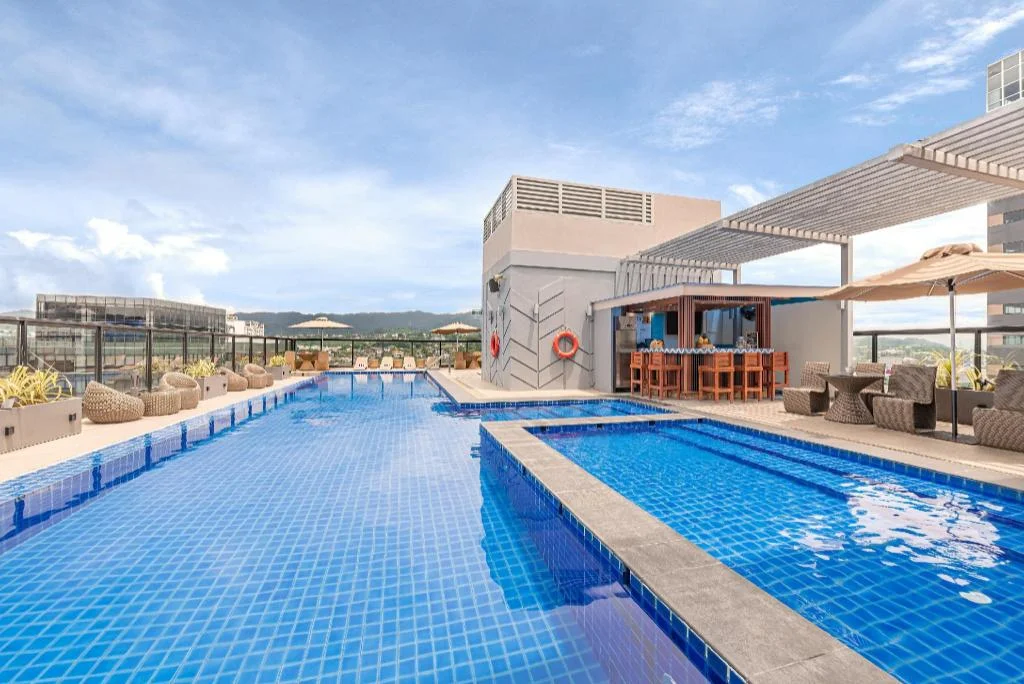
Seda Central Bloc Cebu City
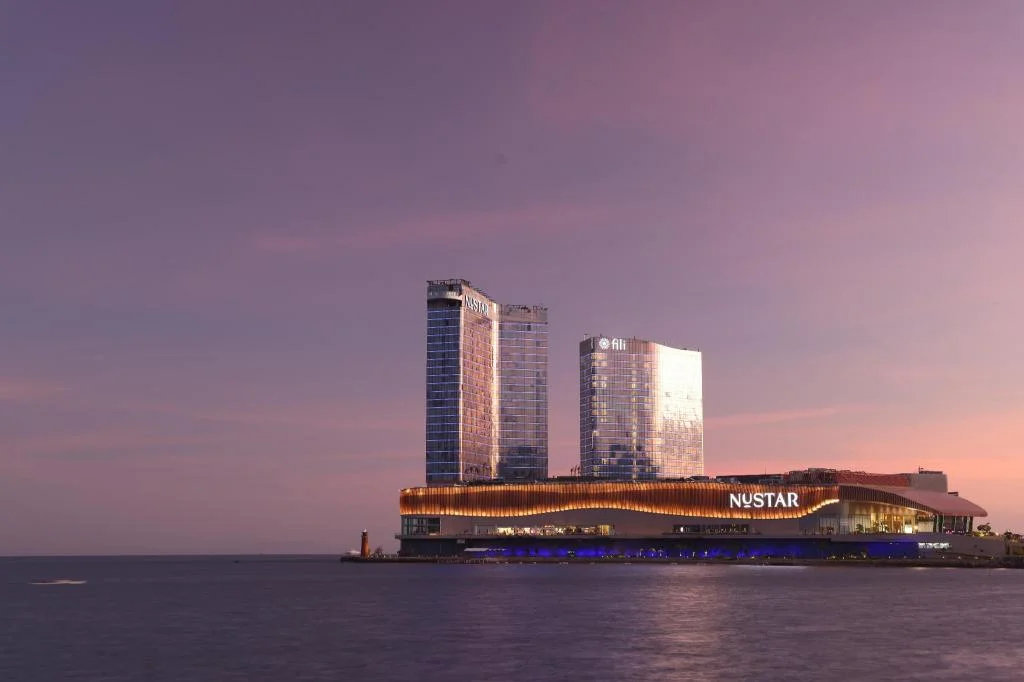
Fili Hotel - NUSTAR Resort & Casino Cebu
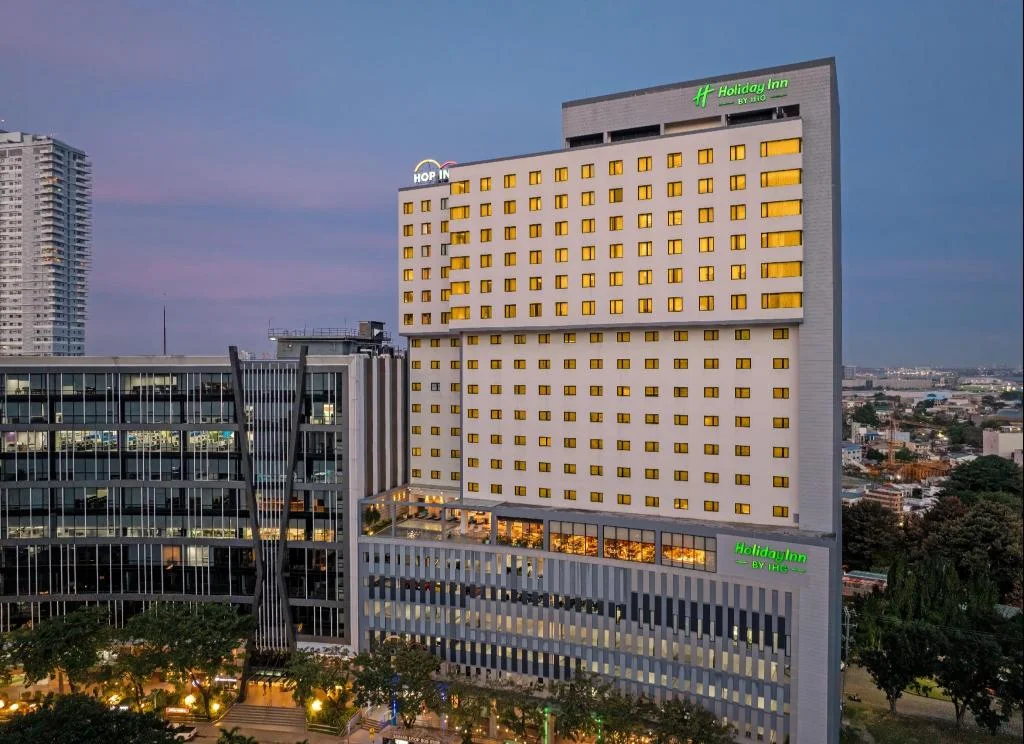
Holiday Inn Cebu City By IHG
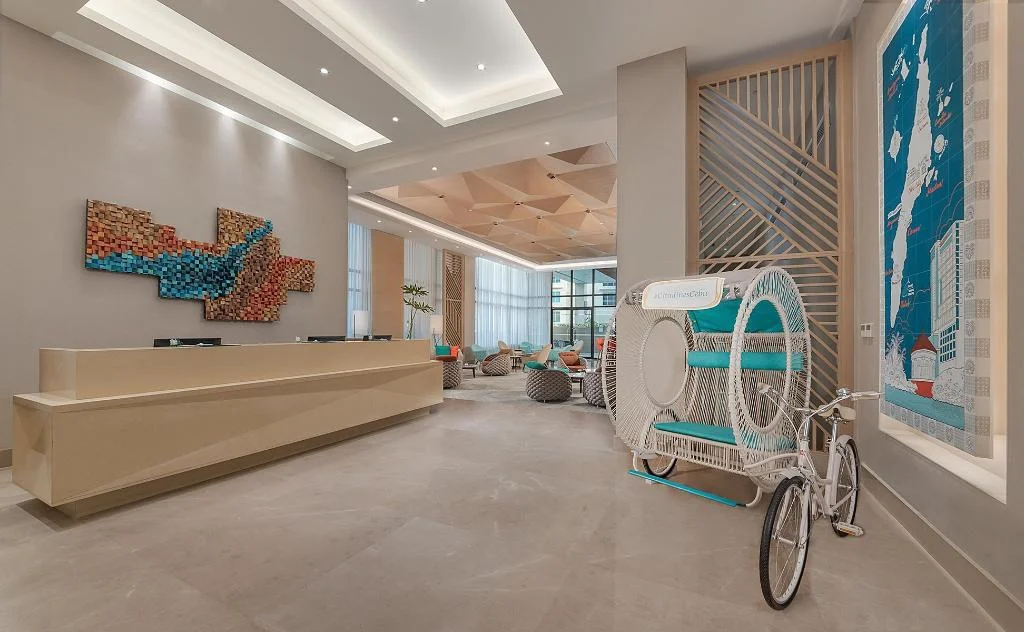
Citadines Cebu City
Prefer a rental? Vacation rentals near Cebu City
Self-catering condos and apartments — book the exact unit, kitchen included.
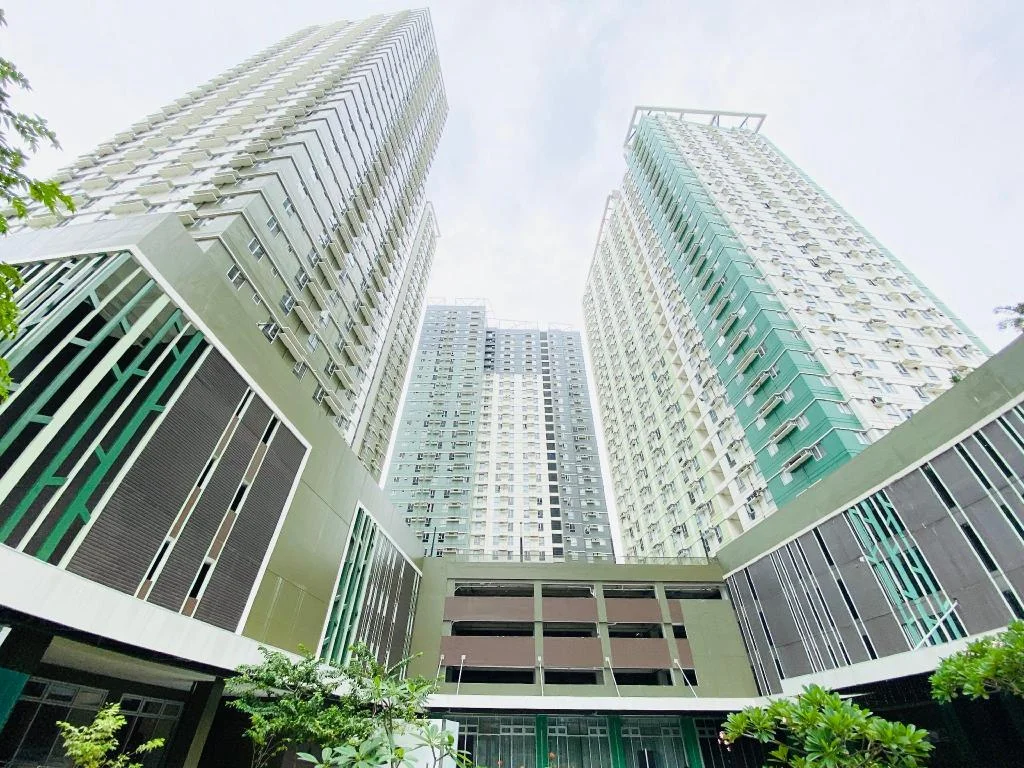
Cebu Avida Riala by P&J

Special Big Loft Unit w/Fibreop Internet & Netflix
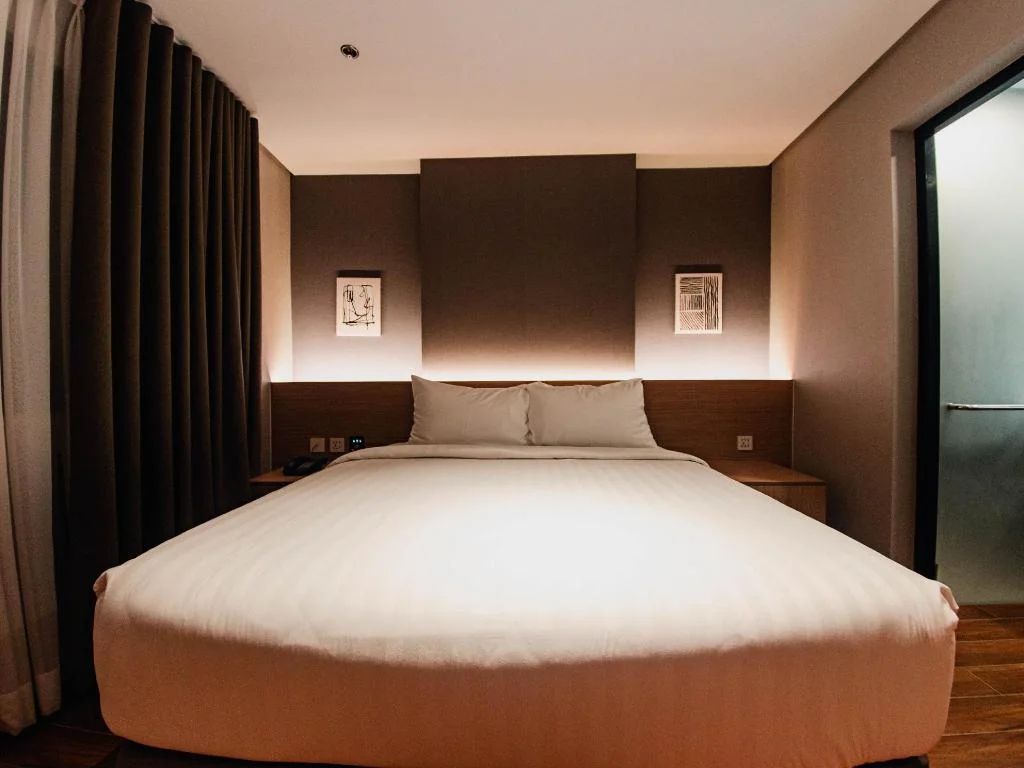
Moonstar Cebu Hotel - Deluxe Room
Before you go
Frequently asked
Is it rude to bargain in Cebu?
Where can you bargain in Cebu?
What's a polite way to ask for a lower price in Cebuano?
How much should you offer when bargaining?
Do Grab and taxi drivers expect you to negotiate the fare?
Why do Filipinos rarely say a flat 'no' when you're bargaining?
Is tipping connected to bargaining etiquette?
What's considered stingy when bargaining in Cebu?
More Places to Explore
Carbon Market
Cebu City
Cebu's oldest and largest market (since 1909), offering an authentic local shopping experience with fresh produce, seafood, and traditional goods.
Colon Street
Cebu City
The oldest street in the Philippines, a historic commercial thoroughfare that has been Cebu's trading center since Spanish colonial times.