
TL;DR: Cebu runs on respect and smooth relationships more than hard rules: use “po/opo” with elders, dress modestly for churches (the Basilica del Santo Niño has enforced a strict no-shoulders, no-shorts dress code since October 2024), ask before photographing people, and never raise your voice in public, since losing your temper costs you more face than whatever went wrong. Tipping is appreciated but not required (~10% if there’s no service charge). Cebu City is broadly LGBT-friendly. None of this is complicated. It’s mostly about staying warm, patient, and a little more formal than you’d be at home. Verified July 2026.
Cebuanos are some of the most openly hospitable people you’ll meet while traveling, and the social rules that go with that hospitality are simple once you know them. This isn’t a list of strict taboos that will get you in trouble. It’s more like the difference between a trip where locals warm up to you fast and one where you’re just another tourist who never quite clicked with the place. Most of it comes down to two ideas that run through Filipino culture: showing respect to people older or more senior than you, and never causing someone to lose face in public, including yourself.
This guide covers the etiquette that actually comes up on a Cebu trip: greetings and elder respect, church behavior (relevant if you’re visiting the Basilica del Santo Niño or joining Sinulog), taking photos of people, tipping, hospitality around food, and what genuinely embarrasses a host or a stranger. None of it requires fluency in Cebuano, just the willingness to slow down and read the room.
Cebu Etiquette at a Glance
| Do | Don’t |
|---|---|
| Say “po” and “opo” with elders, staff, and strangers | Raise your voice or show anger in public |
| Accept a little food or drink when it’s offered | Flatly refuse a host’s hospitality |
| Cover shoulders and knees for churches | Wear tank tops, short shorts, or caps inside the Basilica |
| Ask before photographing people, especially kids | Take close-up photos of strangers without asking |
| Remove shoes if you see slippers or a shoe rack at the door | Assume every home expects shoes off |
| Round up or add ~10% if there’s no service charge | Expect tipping to be mandatory everywhere |
Verified July 2026.
How Do You Show Respect to Elders in Cebu?
Use “po” and “opo,” and don’t argue with someone older than you in front of others. These two particles, added to the end of sentences, mark politeness toward elders, strangers, and anyone you’d address formally. “Salamat po” (thank you, respectfully) instead of a plain “salamat” is noticed, even from a visitor who’s clearly still learning. Filipino and Cebuano share this convention; see our guide on Cebuano vs. Tagalog if you’re curious how the two languages relate.
Physically, the gesture that goes with this is “mano po”: taking an elder’s right hand and touching it lightly to your forehead. It’s done by younger family members to parents, grandparents, aunts, uncles, and godparents, usually at greetings and goodbyes. Tourists aren’t expected to do this with strangers on the street, but if you’re a guest at a family gathering, a homestay, or a fiesta with an elder host, offering it is a small gesture that lands well. Don’t force it if you’re unsure; a warm greeting and eye contact go just as far.
Why Do Cebuanos Point With Their Lips?
It’s called “nguso” (lip-pointing), and it’s completely normal, not a slight aimed at you. When someone’s hands are full, or a finger-point feels too direct, Cebuanos will purse their lips and give a quick nod toward whatever they mean, a direction, a person, an item on a shelf. You’ll see it from tricycle drivers giving directions, vendors indicating where something is, and locals in casual conversation. It’s a shortcut, not rudeness, and no response is expected from you beyond following where they’re pointing.
What Should You Wear to Church in Cebu?
Cover your shoulders and knees, and skip shorts, sleeveless tops, and caps. This matters most at the Basilica del Santo Niño, which enforces a strict dress code as of October 2024: no spaghetti straps, tank tops, crop tops, short shorts, short skirts, ripped jeans, or headwear worn indoors. Sleeved tops, collared blouses, knee-length skirts or dresses, and smart-casual attire are recommended. The Basilica no longer lends shawls to cover bare shoulders and denies entry to visitors who try to rent one from outside vendors, so bring a light long-sleeve layer or scarf yourself rather than counting on a workaround at the door.
The same modesty expectations apply loosely at any working church in Cebu, whether it’s a small parish church in the south or a stop on a heritage walking route. If you’re planning to attend Mass, arrive a few minutes early, keep your voice down, and silence your phone; Fridays and Sundays draw the largest crowds of devotees, and tourists wandering through mid-service is a common source of friction.
Do You Take Off Your Shoes in a Cebuano Home?
Check the entryway first, take them off if there’s a rack or slippers waiting, and don’t be shy about asking. Not every household enforces this, especially in cities where sneakers-indoors is more common now, but many still do, particularly outside Cebu City. Look for a pile of shoes by the door or slippers left out for guests. If in doubt, just ask your host directly; it’s a completely normal question and nobody will think less of you for it.
What’s the Etiquette Around Food and Hospitality?
Accept at least a small portion of whatever you’re offered. Filipino hospitality runs on generosity, and feeding a guest is a point of pride for a host. Refusing food outright, or eating so little it looks like you didn’t want it, can genuinely make a host feel their effort or their food wasn’t good enough (locals call this feeling “nahihiya,” roughly “losing face”). You don’t have to finish a full plate if you’re not hungry; a taste and a compliment cover it. If you’re truly allergic or can’t eat something, say so warmly and specifically rather than just waving it off.
This same instinct shows up on tours and homestays across the province, from a fisherman’s family in Moalboal to a farm stop on the way to Osmeña Peak. Saying yes to the offered snack, even a small one, is one of the fastest ways to build goodwill.
Can You Take Photos of People in Cebu?
Ask first, especially for children, rural or fishing communities, and anyone at a religious moment. A quick gesture toward your camera and a smile usually gets a yes; Filipinos are generally easygoing about photos once you ask. Wide shots of a crowded market, a festival, or a street scene from a distance are fine without individual consent. What crosses a line is a close-up portrait of someone’s kid, a candid shot of someone praying or grieving, or photographing inside a home without being invited to. During Sinulog or other processions, treat the devotional moments (the fluvial procession, the solemn walk) with the same restraint you’d want at any religious ceremony.
Do You Tip in Cebu?
It’s appreciated, not required, and the rules shift by setting. Tipping isn’t baked into Filipino culture the way it is in the US, but tourist-facing Cebu City has absorbed some of the habit. Check your bill first: most mid-range and upscale restaurants already add a 10% service charge, in which case an extra tip is optional. If there’s no service charge listed, leaving around 10% is the norm. For Grab rides or taxis, rounding up the fare or adding ₱20-50 (about US$0.32-0.81 at ₱62 ≈ US$1) is a nice gesture rather than an expectation. Full-day tour guides and drivers are usually tipped ₱50-100 per person directly in cash at the end of the day. For the full breakdown by service type, see our tipping in Cebu guide.
| Who | Typical tip (2026) | US$ equivalent |
|---|---|---|
| Restaurant (no service charge) | ~10% of bill | Varies |
| Restaurant (service charge included) | Optional extra | - |
| Taxi / Grab | ₱20-50 round-up | ~$0.32-0.81 |
| Full-day tour guide/driver | ₱50-100 per person | ~$0.81-1.61 |
| Hotel porter | ₱20-50 per bag | ~$0.32-0.81 |
Verified July 2026.
Is Cebu LGBT-Friendly?
Broadly yes, particularly in Cebu City’s tourist and nightlife areas. Cebu has an active LGBTQ+ community, gay-friendly bars and clubs, and its own Pride events drawing large crowds each year. Attitudes among locals in urban, tourist-facing settings tend to be welcoming and open-minded. That said, Filipino culture as a whole keeps public displays of affection understated for everyone, not only same-sex couples, so holding hands or being affectionate outside nightlife districts and tourist zones may draw looks. That’s closer to general modesty norms than hostility, but it’s worth knowing before you go.
What Should You Never Do in Public?
Lose your temper. This is the one etiquette rule that matters more than any other on this list. Raising your voice, arguing loudly, or publicly shaming someone (a vendor, a driver, hotel staff) tends to backfire in the Philippines in a way it might not elsewhere. The cultural concept behind this is “hiya,” a sense of dignity and social propriety that means causing someone public embarrassment reflects as badly on you as on them. Filipinos generally avoid direct confrontation to preserve smooth relationships (“pakikisama”), and a foreigner who escalates a minor problem loudly, a wrong order, a late tricycle, a mixed-up booking, tends to get slower, colder service, not faster resolution. If something’s genuinely wrong, say so calmly, ask for a manager quietly, and give people room to fix it without an audience.
The Honest Take
None of this is a minefield. Cebuanos are patient with tourists who clearly don’t know the rules yet and are trying. The dress code crackdown at the Basilica is real and enforced, so don’t assume you’ll be waved in wearing shorts; that one has genuinely turned people away at the door. Tipping culture is looser than in the US and easy to overthink; check the bill, round up, move on. The one thing that consistently damages a trip is losing your cool in public over something small; it doesn’t get you a faster fix, and it’s the fastest way to turn warm hospitality cold. If you’re patient, a little more formal than you might be at home, and willing to ask instead of assume, you’ll find Cebu about as easy a culture to visit as exists in Southeast Asia.
Round It Out
Pair this with a look at whether locals speak English in Cebu so you know what to expect conversationally, and the tipping in Cebu breakdown if you want the full service-by-service numbers. If you’re building out a heritage day around the Basilica, add Temple of Leah and Magellan’s Cross to the same itinerary, or browse Cebu City heritage tours on Klook to have a local guide walk you through the etiquette in real time. Staying central makes all of this easier logistically too; compare Cebu City hotels on Agoda if you haven’t booked yet.
Sources
- Basilica Minore del Santo Niño de Cebu dress code policy — Philippine News Agency
- Cebu basilica dress code reactions — Rappler
- Etiquette and manners in the Philippines — Facts and Details
- Filipino body gestures and nonverbal cues — FilipinoPod101
- Tipping in the Philippines — Newport World Resorts
- Tipping in the Philippines (2026) — Hootling
- Philippines gay travel guide — Travel Gay
- Hiya: the culture of face and shame — Tocal Mate
- Verified July 2026.
Book Tours & Hotels for This Trip
Find and book the best deals — prices and availability update in real time. Links open in a new tab.
Where to stay near Cebu City
Top-rated hotels for this trip — tap through to check live rates.
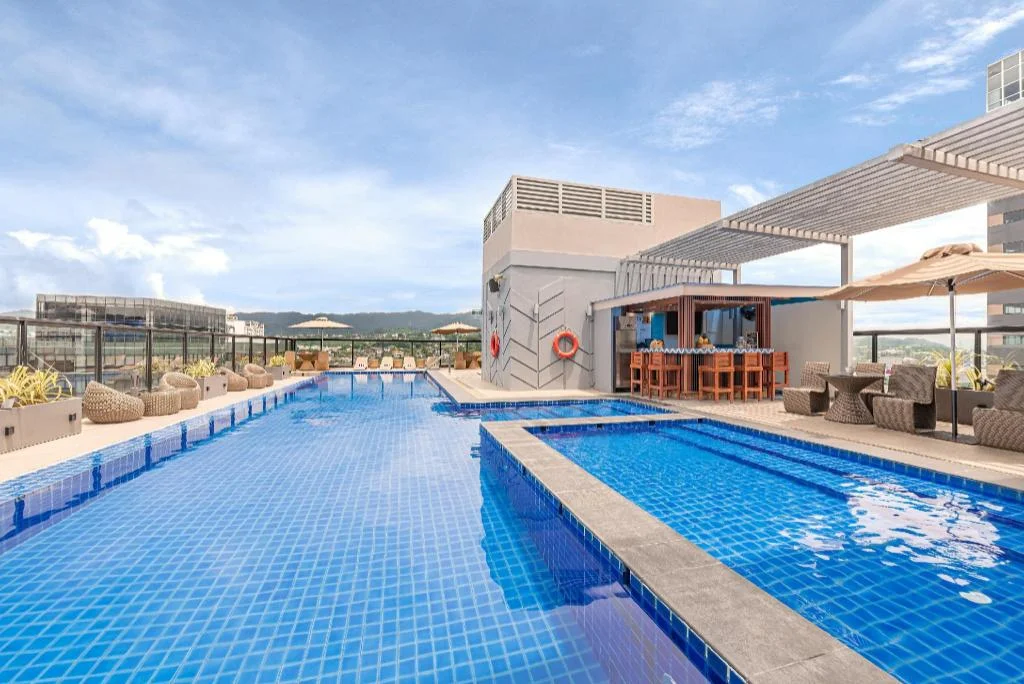
Seda Central Bloc Cebu City
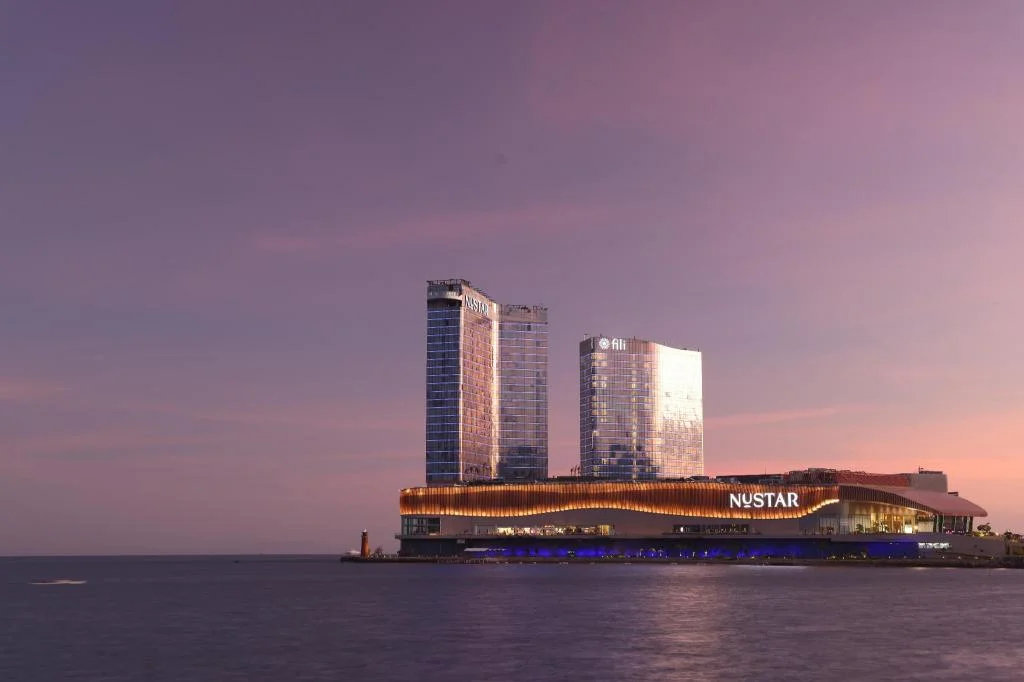
Fili Hotel - NUSTAR Resort & Casino Cebu
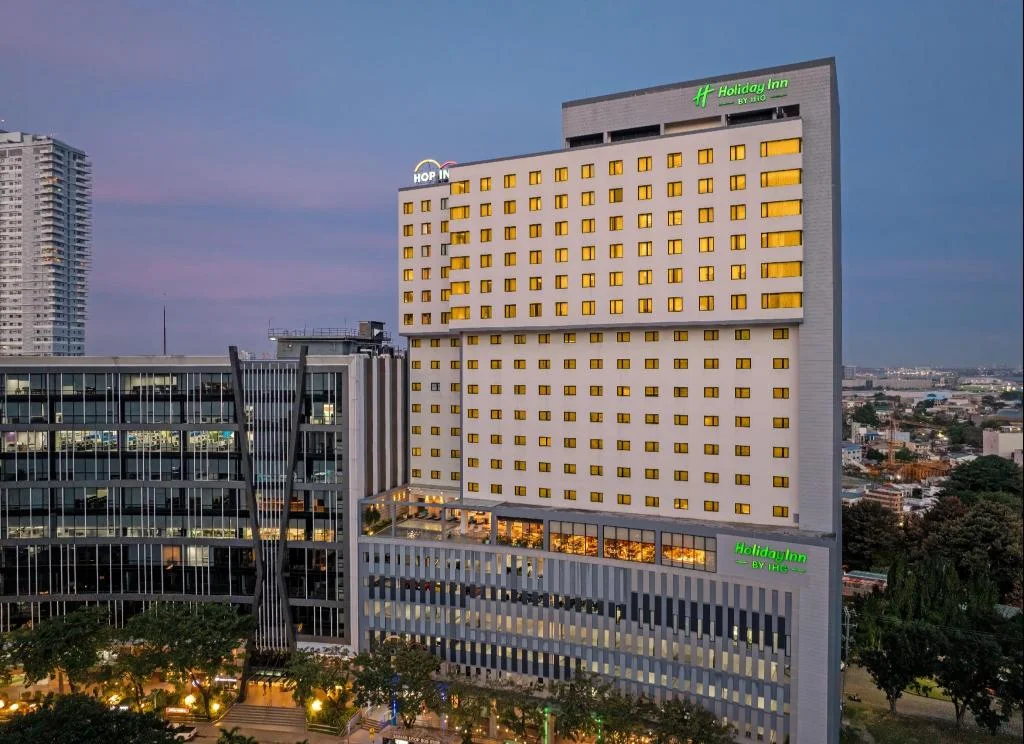
Holiday Inn Cebu City By IHG
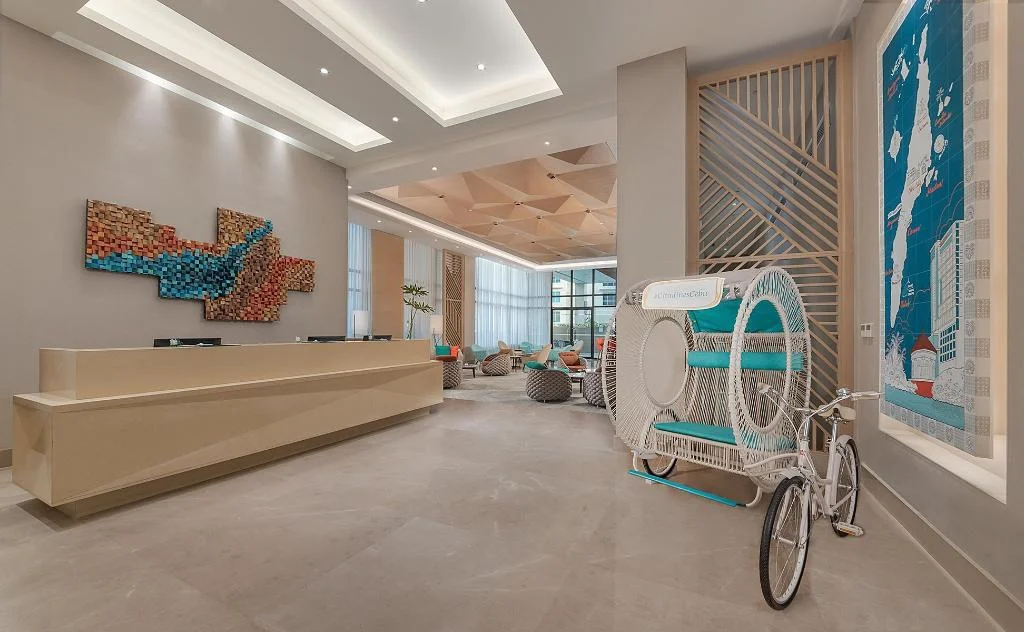
Citadines Cebu City
Prefer a rental? Vacation rentals near Cebu City
Self-catering condos and apartments — book the exact unit, kitchen included.
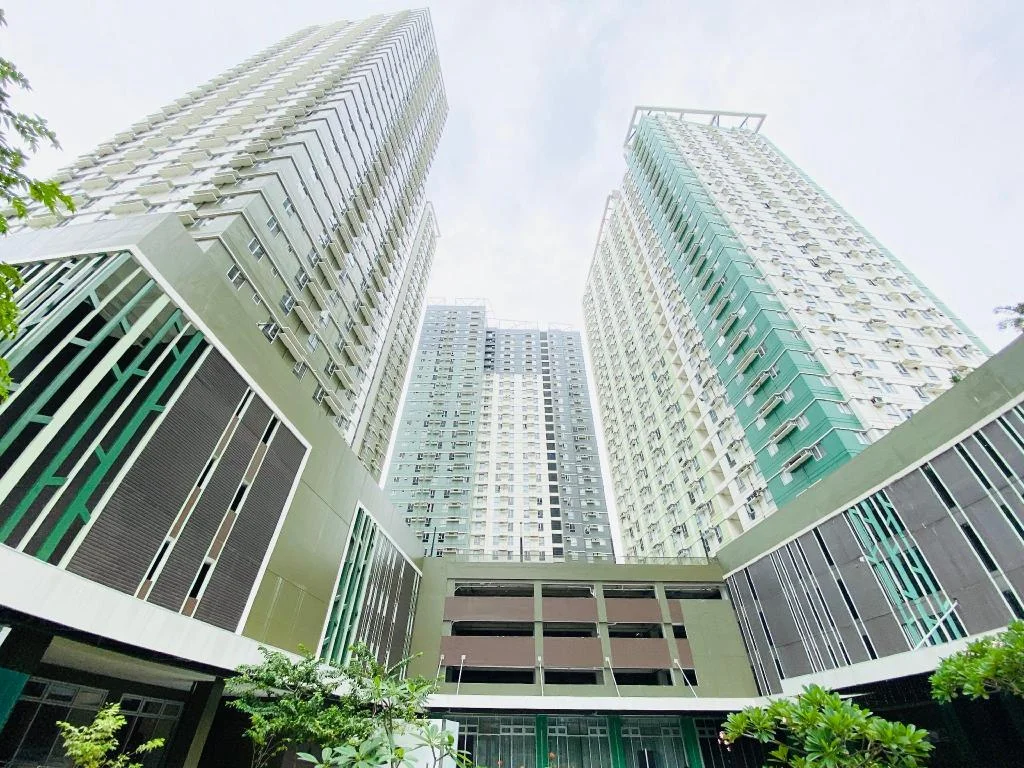
Cebu Avida Riala by P&J
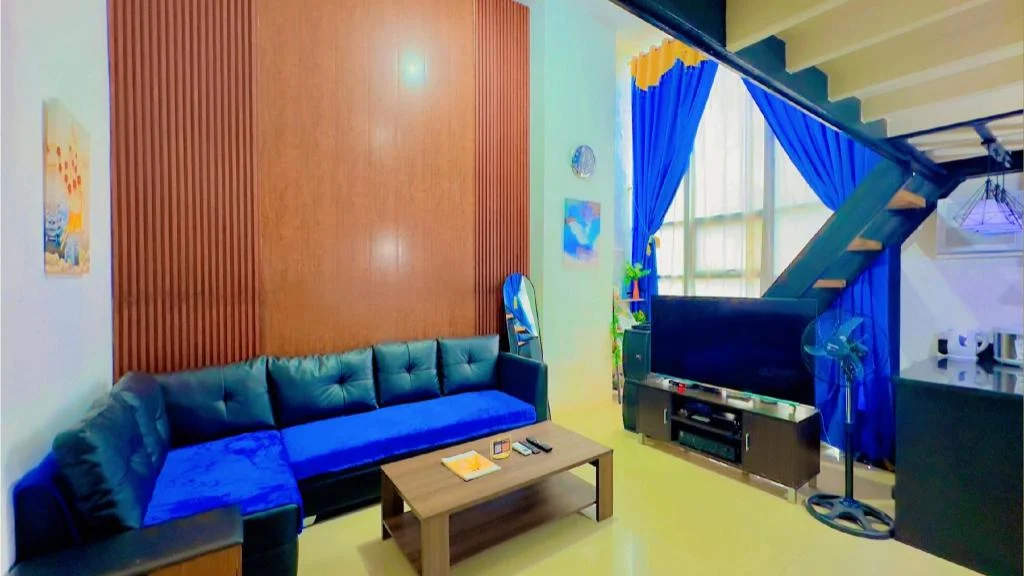
Special Big Loft Unit w/Fibreop Internet & Netflix
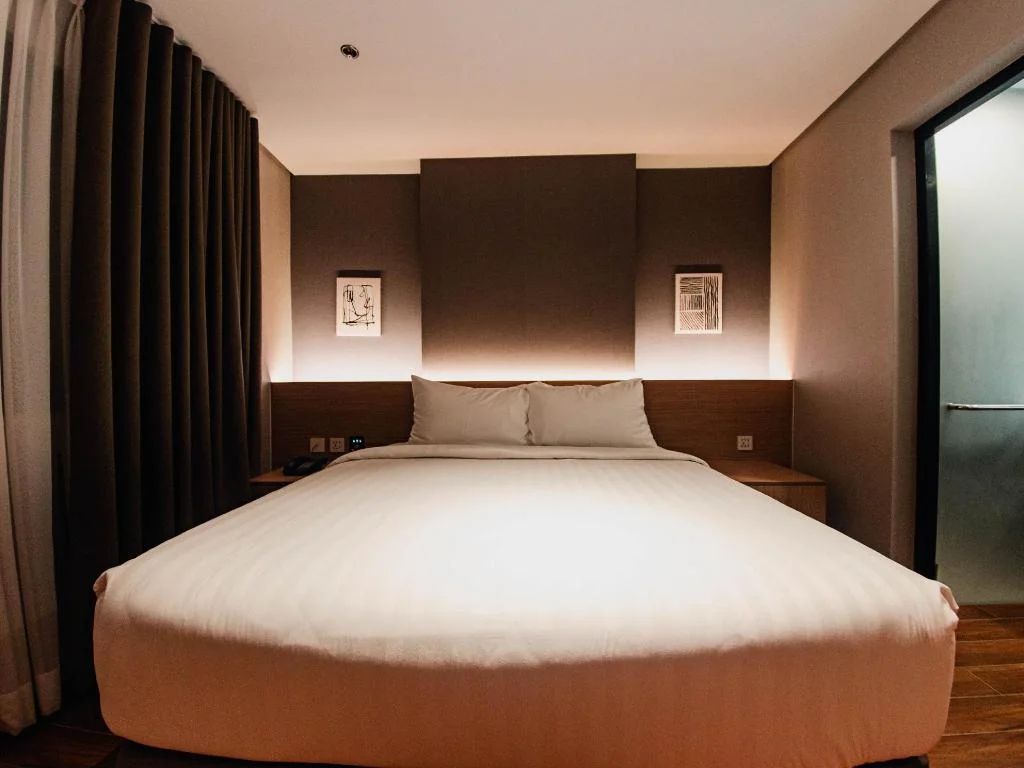
Moonstar Cebu Hotel - Deluxe Room
Before you go
Frequently asked
Do I need to say 'po' and 'opo' as a foreigner?
What is 'mano po' and should tourists do it?
Is pointing with your lips rude?
What's the Basilica del Santo Niño dress code?
Do you tip in Cebu?
Is Cebu safe and welcoming for LGBTQ+ travelers?
Should I take off my shoes in a Cebuano home?
Is it okay to photograph people on the street?
More Places to Explore
Basilica del Santo Niño
Cebu City
The oldest church in the Philippines (1565), home to the miraculous Santo Niño image and center of the famous Sinulog Festival.
Temple of Leah
Cebu City
A magnificent Roman-inspired temple built as a monument of love, nicknamed 'Cebu's Taj Mahal,' offering stunning architecture and city views.