
TL;DR: Cebu’s everyday language is Cebuano, called Bisaya or Binisaya by locals, a completely different language from Tagalog, not a dialect of it. Tagalog is the base of Filipino, the national language taught in schools and used in national media, so most Cebuanos understand it, but it isn’t what you’ll hear on the street. English is spoken widely enough that you don’t need either language to get by, though a few Cebuano words go a long way with locals. Verified July 2026.
If you’ve read that “the Philippines speaks Tagalog” and assumed that covers Cebu, it doesn’t. Walk through Carbon Market or catch a jeepney driver’s conversation with a passenger and you’ll hear Cebuano, also called Bisaya, the first language of most people across Cebu, the rest of the Visayas, and a large part of Mindanao. This guide is for travelers who want to understand what’s actually being spoken around them, why Cebuanos often bristle at being lumped in with Tagalog speakers, and which handful of local words are worth learning before a trip up to viewpoints like Temple of Leah or Tops Lookout. None of this is required to travel here comfortably, English covers the practical stuff, but knowing the difference helps you read the culture correctly and small courtesies go further when they’re in the right language.
Cebuano vs Tagalog at a Glance
| Cebuano (Bisaya) | Tagalog / Filipino | |
|---|---|---|
| Where it’s the first language | Cebu, most of the Visayas, parts of Mindanao | Manila and surrounding Luzon regions |
| Approx. number of speakers | ~28 million | ~82 million (as Filipino/Tagalog nationwide) |
| Role in the Philippines | Largest regional language by speaker count | Basis of Filipino, the national language |
| Language family branch | Bisayan (Austronesian) | Central Philippine (Austronesian) |
| What you’ll hear in Cebu | Everyday speech, markets, homes, jeepneys | School instruction, national TV/news, government forms |
| “Thank you” | Salamat | Salamat (shared) |
| “Good morning” | Maayong buntag | Magandang umaga |
| “How much?” | Pila? | Magkano? |
Speaker figures are widely cited estimates for first-language speakers nationwide, not Cebu-specific counts. Verified July 2026.
Is Cebuano a Dialect of Tagalog?
No, and this is the most common misconception. Cebuano and Tagalog are both Philippine languages descended from the Austronesian family, but they split into different branches long ago: Tagalog is Central Philippine, Cebuano is Bisayan. Linguists often compare the gap to Italian and Romanian, related, both Romance languages, but not mutually the same thing. Cebuano has its own vocabulary, its own verb conjugation patterns, and its own rhythm (a flatter, more staccato cadence than Tagalog’s more melodic glottal-heavy delivery). A Tagalog speaker with no exposure to Cebuano generally can’t follow a conversation in it, and vice versa.
Why Do Cebuanos Speak Cebuano Instead of Tagalog?
Because Cebuano is their first language, and Tagalog, in its national form as Filipino, is something Cebuanos are taught rather than raised speaking. Filipino and English are both official languages of instruction in Philippine schools, so nearly every Cebuano can understand and often speak Tagalog reasonably well from years of schooling, national news, and mainstream TV and film. But at home, in the market, and with friends, Bisaya is the default. There’s also a cultural layer to it: Cebu has a well-known regional pride and a bit of friendly rivalry with Manila, and speaking Bisaya rather than defaulting to Tagalog is part of how that identity gets expressed day to day.
Is “Bisaya” the Same Thing as “Cebuano”?
For a traveler’s purposes, yes, treat them as the same language. “Cebuano” is the formal, academic name (named after the island), while “Bisaya” or “Binisaya” is what locals actually call it when they talk about their own language. You’ll hear “Bisaya” far more often in casual conversation in Cebu. Technically, “Bisaya” or “Visayan” can also refer to the wider family of some 30-plus related regional languages (Hiligaynon/Ilonggo, Waray-Waray, and others), but in everyday Cebu usage, when someone says “Bisaya” they mean the language spoken in Cebu.
Will You Need Any of This as a Tourist?
Not really, and that’s worth saying plainly. English is one of two official languages of the Philippines, taught from grade school on, and it’s the working language of Cebu’s tourism industry across hotels, restaurants, tour desks, and shops. The Philippines also consistently ranks near the top of English proficiency in Asia. You can book island-hopping tours, order at a carinderia, negotiate a tricycle fare, and check into a resort entirely in English. Cebuano and Tagalog are useful for color and connection, not for getting things done.
A Small Phrasebook: English, Cebuano, Tagalog
Learning Cebuano over Tagalog is the better move if you’re only picking one, since it’s what actually gets used around you and it signals you made an effort with the local language rather than the “default” national one.
| English | Cebuano (Bisaya) | Tagalog |
|---|---|---|
| Thank you | Salamat | Salamat |
| Thank you very much | Daghang salamat | Maraming salamat |
| Good morning | Maayong buntag | Magandang umaga |
| Good afternoon | Maayong hapon | Magandang hapon |
| Please | Palihug | Pakisuyo / Paki- |
| How much (is this)? | Pila (ni)? | Magkano (ito)? |
| Excuse me / Sorry | Pasayloa ko | Paumanhin |
| You’re welcome | Walay sapayan | Walang anuman |
| Yes / No | Oo / Dili | Oo / Hindi |
| Where is…? | Asa ang…? | Nasaan ang…? |
Pronunciation and spelling vary slightly by region and source; these are the standard, widely used forms. Verified July 2026.
How to Use These Words Without Overdoing It
Drop a “salamat” after a transaction, greet a vendor with “maayong buntag” if it’s actually morning, and use “palihug” when asking for something, that’s the sweet spot. Trying to string together full Cebuano sentences as a first-time visitor usually comes off as performative rather than helpful. Locals will appreciate the gesture far more than the fluency, and most conversations will naturally continue in English the moment you’ve made the small effort. If you want a deeper list to actually practice with, our Cebuano phrases guide for travelers goes further than this quick table.
The Honest Take
This is a low-stakes topic for your trip logistics, nobody is going to correct your itinerary because you didn’t know the difference, but it’s a genuinely common blind spot for first-time visitors who’ve read general “Philippines” guides written with Manila as the default. Calling Cebuano “a Tagalog dialect” in front of a Cebuano is a minor faux pas, roughly like calling a Scot’s accent “just English with an accent” in front of a Scot: not offensive, but it reveals you haven’t quite clocked where you are. If you want the fuller cultural picture beyond language, our Cebu local etiquette and customs guide covers the broader do’s and don’ts, and it’s worth reading alongside this one.
Bringing It Together
Cebu speaks Bisaya first, understands Filipino from school, and runs its tourism economy comfortably in English, so you’re covered no matter which of the three you lean on. If you’re building out a full Cebu itinerary, pair this with our guide on whether people speak English in Cebu for the practical side, and our first-timer travel tips for Cebu for the rest of the basics before you land. For tours and activities where a few local words come in handy, from viewpoint day trips to countryside drives, browse Cebu tours and activities on Klook to get something booked before you go.
Sources
- Cebuano language — Wikipedia (speaker counts, language family classification)
- TalkBisaya — Cebuano vs Tagalog vs Hiligaynon vs Waray comparison
- TalkBisaya — Bisaya vs Cebuano vs Visayan
- Consulate-General of Japan in Cebu — “Why do Cebuanos speak mostly Visayan and English?”
- General Cebuano/Bisaya phrase lists cross-checked against Traveloka, Preply, and Ling-App traveler phrase guides. Verified July 2026.
Book Tours & Hotels for This Trip
Find and book the best deals — prices and availability update in real time. Links open in a new tab.
Where to stay near Cebu City
Top-rated hotels for this trip — tap through to check live rates.
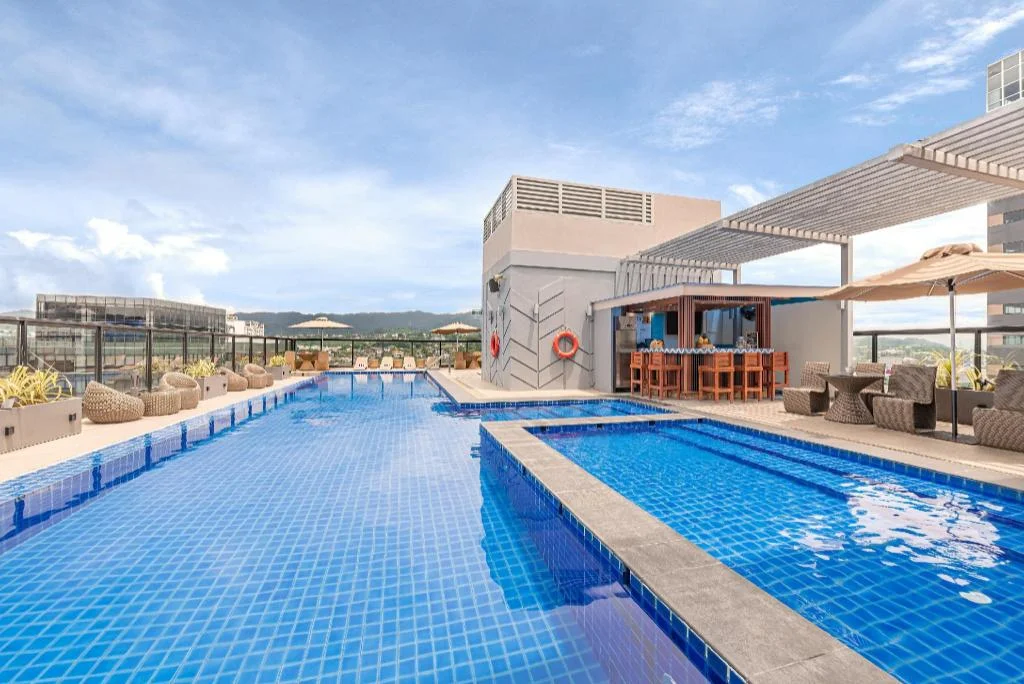
Seda Central Bloc Cebu City
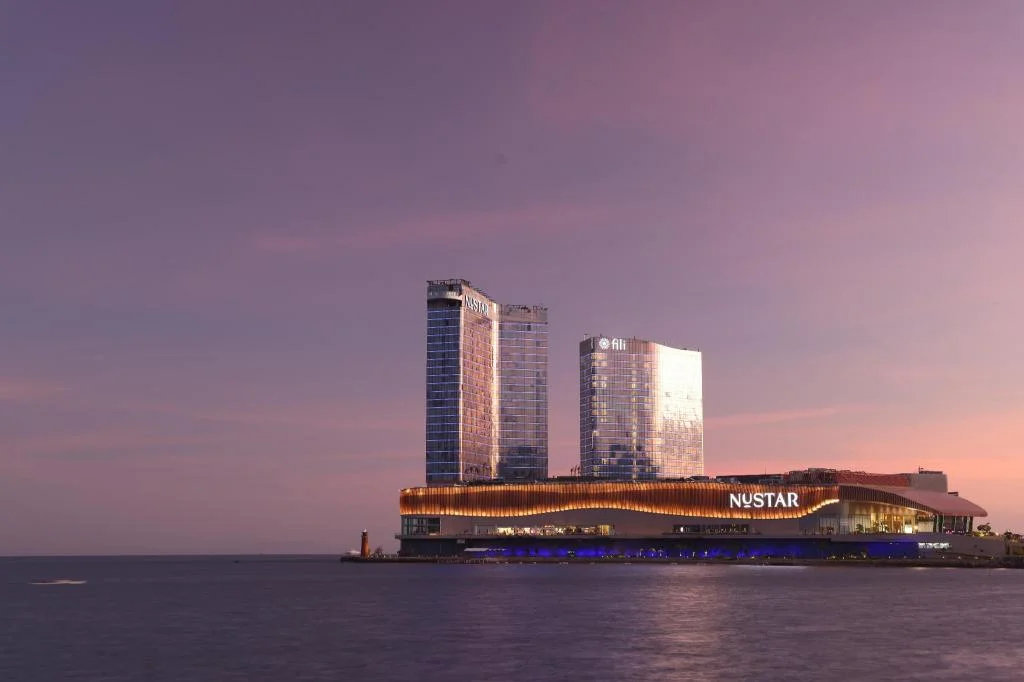
Fili Hotel - NUSTAR Resort & Casino Cebu
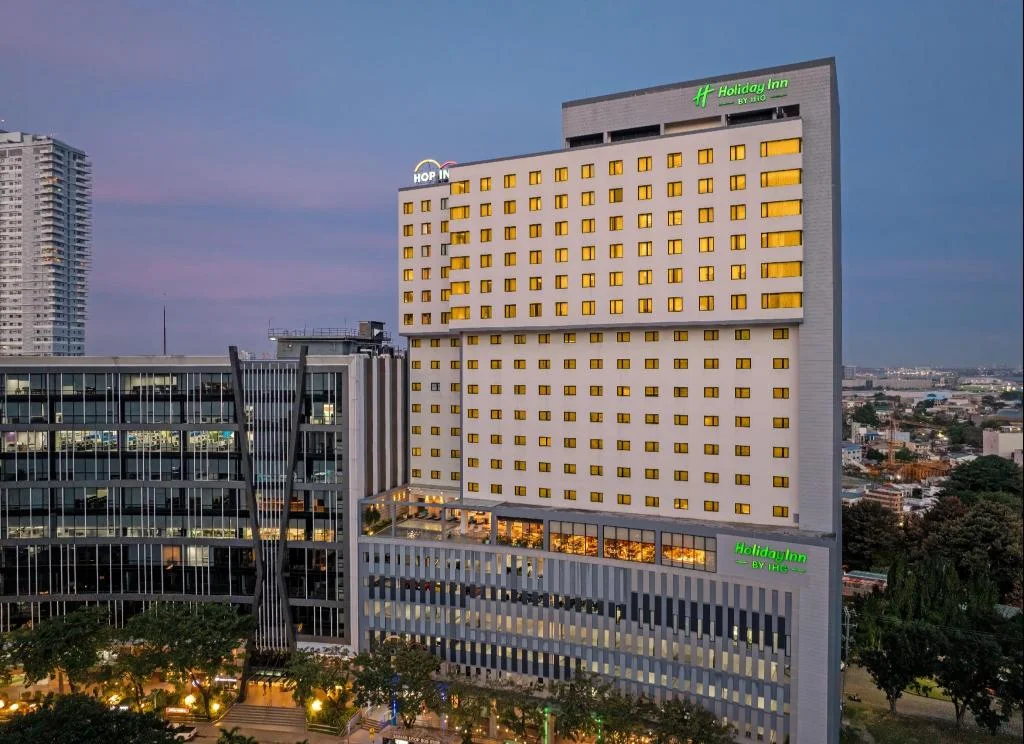
Holiday Inn Cebu City By IHG
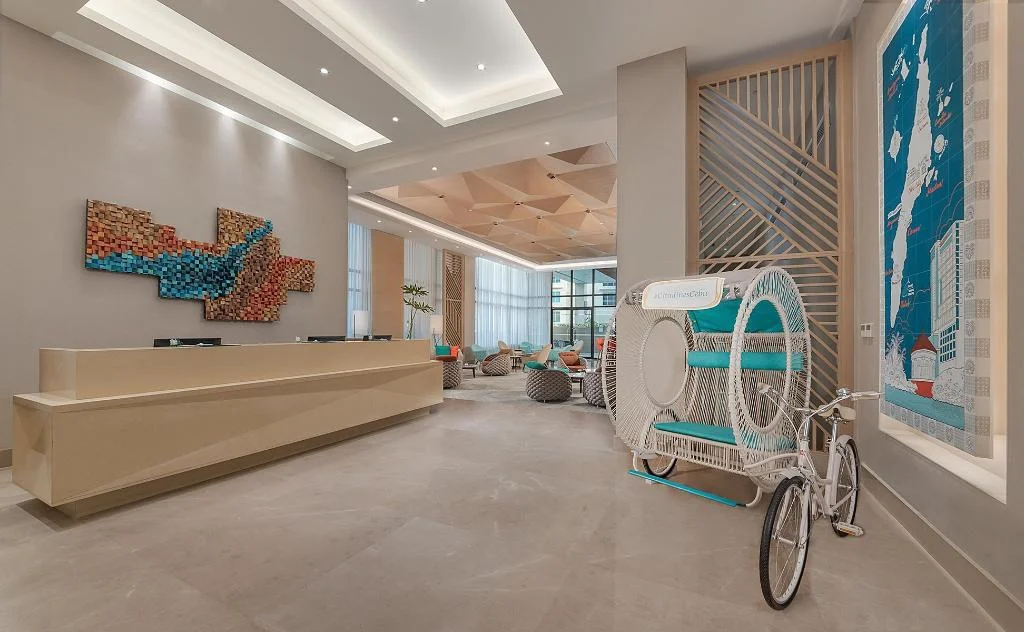
Citadines Cebu City
Prefer a rental? Vacation rentals near Cebu City
Self-catering condos and apartments — book the exact unit, kitchen included.
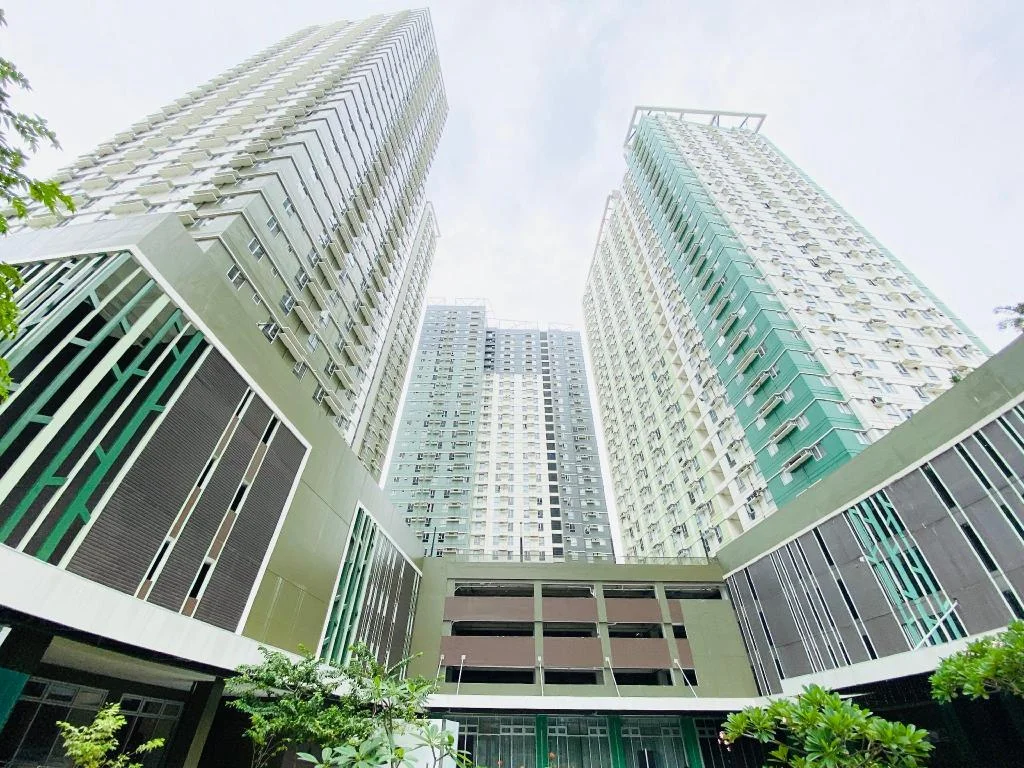
Cebu Avida Riala by P&J

Special Big Loft Unit w/Fibreop Internet & Netflix
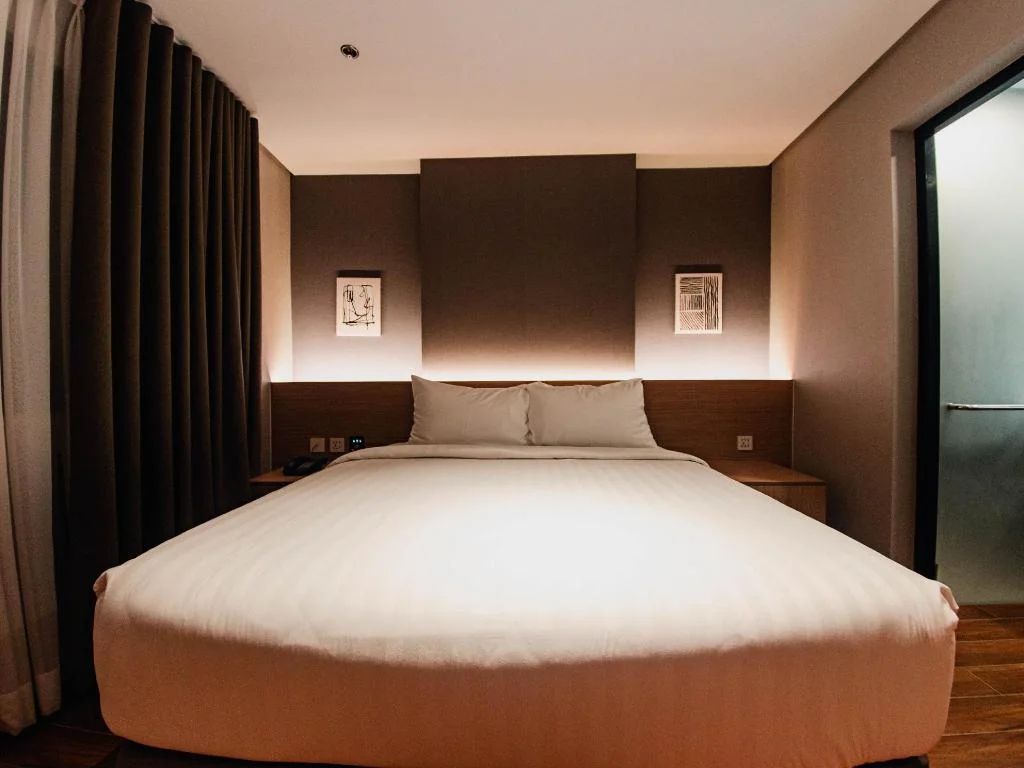
Moonstar Cebu Hotel - Deluxe Room
Before you go
Frequently asked
Is Cebuano a dialect of Tagalog?
What language do people speak in Cebu?
Should I learn Tagalog or Cebuano before visiting Cebu?
Is Bisaya the same as Cebuano?
Do Cebuanos understand Tagalog?
Will English work if I don't speak Cebuano or Tagalog?
Why don't Cebuanos just speak Tagalog like the rest of the country?
Does knowing a few Cebuano words actually help as a tourist?
More Places to Explore
Temple of Leah
Cebu City
A magnificent Roman-inspired temple built as a monument of love, nicknamed 'Cebu's Taj Mahal,' offering stunning architecture and city views.
Tops Lookout
Cebu City
Cebu City's premier hilltop viewpoint offering stunning panoramic views of the city, especially spectacular at sunset and nighttime.