
TL;DR: Yes, English is spoken widely and confidently across Cebu. It’s a co-official language of the Philippines and the medium of instruction in most schools, so hotel staff, tour guides, dive shops, restaurant servers, and mall employees all handle English daily. It thins out with older folks, market vendors, and drivers in rural towns, but even there a phone map and a few Bisaya words close the gap fast. For a first-time visitor, language is one of the smallest worries on the trip. Verified July 2026.
If you’re planning your first trip to Cebu, the language question is a fair one to ask before you book anything. The short version: you’re not walking into a country where you’ll need a translator, a phrasebook glued to your hand, or a local guide for every conversation. English sits alongside Filipino as an official language, it’s taught from the first years of school, and Cebu’s economy runs partly on people who speak it for a living. This guide breaks down where English is strongest, where you’ll hit thinner patches, how Cebuano (Bisaya) fits into the picture, and the handful of local words worth learning before you land. If you’re weighing Cebu against other Southeast Asian destinations for a first trip, this is one of the categories where it clearly comes out ahead, see our guide on why Cebu works well for first-time visitors.
Where English Is Strong vs Where It Thins Out
Verified July 2026.
| Setting | English level | What to expect |
|---|---|---|
| Hotels, resorts, Airbnb hosts | Fluent | Full conversations, bookings, complaints, all handled in English |
| Malls, restaurants, cafes (Cebu City, Mactan) | Fluent to strong conversational | Menus in English; staff switch to English by default with foreigners |
| Dive shops, tour operators, island-hopping crews | Fluent | English is the working language of Cebu’s tourism industry |
| BPO/call-center staff (IT Park, Cebu Business Park) | Native-level fluency | Trained specifically for US/UK/AU accents and phone English |
| Grab drivers, airport staff, banks | Strong conversational | Enough for directions, transactions, basic problem-solving |
| Tricycle, habal-habal, jeepney drivers | Basic to conversational | Destination names, numbers, simple exchanges; varies by area |
| Wet markets, small sari-sari stores, rural towns | Basic, heavily accented | Bisaya is the default; simple English or gestures usually work |
| Elderly residents in far-flung barangays | Minimal | Bisaya only in some cases, especially outside Cebu City |
Is English Actually an Official Language in the Philippines?
Yes. The 1987 Philippine Constitution names Filipino as the national language and designates both Filipino and English as official languages for government, education, and commerce. That’s not a technicality: it means government forms, court proceedings, most laws, and the bulk of higher education are conducted in English, alongside Filipino. The Philippines is frequently cited as the third-largest English-speaking country in the world by population, and recent estimates put English comprehension at roughly 80% of adults, with a majority able to speak it conversationally.
That legal status trickles down into daily life in a way it doesn’t in most of Asia. Road signs, court documents, contracts, and most product packaging default to English. You won’t need a translation app to read a menu or a map.
How Good Is English in the Philippines, Ranked Against the Region?
Very good by regional standards. The Philippines placed 28th out of 123 countries in the EF English Proficiency Index for 2025, landing in the “High Proficiency” band with a score of 569, well above the global average of 488. In Asia, it ranked second only to Malaysia, and ahead of every other major Southeast Asian tourism destination, including Vietnam, Thailand, and Indonesia. That ranking reflects general population testing, not just tourism-industry workers, which is why the “high proficiency” label holds up in everyday interactions, not only in hotels.
Why Is Cebu Specifically So Strong in English?
Because the school system, the local economy, and a whole education-tourism industry all run on it. Three forces stack on top of each other here:
School system. English is the medium of instruction for most subjects in Philippine schools from the early grades onward, alongside Filipino. Private and international schools in Cebu lean even further into English immersion, with many preschoolers taught almost entirely in it.
The BPO industry. Cebu is the Philippines’ largest business-process-outsourcing hub outside Metro Manila. Cebu IT Park and Cebu Business Park together host more than 200 BPO companies employing well over 100,000 people, close to 15% of the country’s entire outsourcing workforce, most of them trained to speak fluent, neutral-accent English on the phone with customers in the US, UK, and Australia all day. That’s a large, English-fluent young workforce feeding directly into the hospitality and service jobs tourists interact with.
The ESL industry. Cebu is one of Asia’s top destinations for foreigners who fly in specifically to learn English, drawing thousands of students a year from South Korea, Japan, China, and the Middle East. Roughly a fifth of the country’s English-language schools operate here. Locals are used to coaching non-native speakers, not just talking past them.
What Language Do Cebuanos Speak With Each Other?
Cebuano, called Bisaya locally, not Tagalog. This trips up a lot of first-time visitors who assume “Filipino” and “Tagalog” cover the whole country. Bisaya is the mother tongue across Cebu and most of the Visayas, and it’s what you’ll hear in markets, jeepneys, and homes, often mixed mid-sentence with English words and phrases (locals call this blend “Bislish”). Tagalog-based Filipino is taught in school and widely understood, but it’s a second language for most Cebuanos too. If you want the full breakdown of how the two differ and why it matters for travelers, read our guide on Cebuano versus Tagalog.
This matters practically in one way: a few words of Tagalog you might know from elsewhere in the Philippines (or from media) won’t land the same way as a few words of actual Bisaya. Locals notice, and appreciate, the difference.
Where Will You Actually Hit a Language Gap?
With older residents, market vendors, and drivers outside the main tourist corridors, not with anyone working in hospitality. Realistically, the gaps show up in a few predictable spots:
- Rural south and north Cebu. Small towns past the resort strips, in farming barangays or fishing villages, lean more heavily on Bisaya, especially with anyone over 50.
- Wet markets and sari-sari stores. Vendors will usually manage numbers and basic haggling in English, but a full conversation may not happen.
- Tricycle and habal-habal drivers. Fine for a destination name and a fare, less reliable for detailed directions or small talk. Save your destination as a pin in Google Maps and show it rather than relying on spoken directions.
- Jeepney routes off the main tourist grid. Route names and fares are usually manageable; conversation with the driver, less so.
None of this amounts to a real barrier. It’s the kind of gap you’d hit with a rural cab driver in most countries, and gestures, translation apps, or a Cebuano phrase or two close it in seconds.
Should You Learn Any Bisaya Before You Go?
A handful of words help more than you’d expect, even though you’ll rarely need them to get by. Locals don’t expect foreigners to speak Bisaya, so using even a few words tends to get a warm reaction, sometimes a friendlier price at a market, sometimes just a genuine laugh and a “maayo kaayo!” (very good!). Worth memorizing:
| Bisaya | Meaning |
|---|---|
| Maayong buntag / hapon / gabii | Good morning / afternoon / evening |
| Salamat | Thank you |
| Palihug | Please |
| Pila ni? | How much is this? |
| Asa ang…? | Where is the…? |
| Lami kaayo! | Very delicious! |
For a fuller list, see our dedicated guide to basic Cebuano/Bisaya phrases for travelers, and for the wider set of local norms around greetings, tipping, and manners, our Cebu local etiquette and customs guide covers the rest.
Does the Language Situation Affect Tours and Day Trips?
No, tour guides and drivers booked through operators are near-universally fluent in English. If you’re booking canyoneering at Kawasan, whale shark tours in Oslob, or island-hopping around Mactan, the guides are trained for foreign guests and communicate comfortably in English throughout. Even a habal-habal ride up to viewpoints like Temple of Leah or Tops Lookout in the Busay hills, where drivers vary more in English fluency, usually goes fine with a phone screenshot of your destination and a fare agreed on with fingers if the numbers get lost in translation.
If you’d rather not worry about any of it, booking through an established operator removes the guesswork entirely: browse English-guided Cebu tours on Klook or check alternative activity listings on GetYourGuide. For accommodation, Agoda’s Cebu City listings flag English-speaking staff on nearly every property that caters to foreign guests.
The Honest Take
English in Cebu is genuinely one of the least stressful parts of planning this trip, and it’s fair to be a little skeptical of that claim until you’re actually here, because plenty of destinations market themselves as “English-friendly” and then deliver stilted menu translations and blank stares at the front desk. Cebu isn’t that. The fluency here isn’t a tourism veneer, it’s built into the school system and the local job market, so it holds up in situations tourism marketing doesn’t usually cover: hospital visits, phone customer service, haggling at Carbon Market, arguing about a Grab fare.
Where people oversell it is rural travel. If your itinerary includes long stretches of south or north Cebu beyond the resort towns, don’t assume every interaction defaults to English the way it does in Cebu City or Mactan. It’s not a real obstacle, just don’t be surprised if a habal-habal driver in a farming town speaks less English than the barista who made your coffee that morning. Bring a translation app as backup, learn five Bisaya words, and you’ll be fine everywhere.
Wrapping Up
Language is one of the easiest boxes to check off before a Cebu trip. English gets you through hotels, restaurants, tours, transport apps, and most day-to-day transactions without friction, and the patches where it thins out (rural towns, older residents, some drivers) are minor and easy to work around with a translated phrase, a map pin, or a smile. If you want to go a step further and understand the cultural context behind the language mix, read up on Cebuano versus Tagalog and local etiquette and customs before you land, then start locking in your itinerary.
Sources
- EF English Proficiency Index 2025 — Philippines (national ranking, score, regional comparison)
- 1987 Constitution of the Philippines — national and official languages (constitutional basis for English as an official language)
- Colliers/Outsource Accelerator reporting on Cebu IT Park (BPO employment and industry scale in Cebu)
- Cebu ESL industry reporting via Language International and 3D Academy Cebu (English-school volume and student demographics)
- Verified July 2026.
Book Tours & Hotels for This Trip
Find and book the best deals — prices and availability update in real time. Links open in a new tab.
Where to stay near Cebu City
Top-rated hotels for this trip — tap through to check live rates.
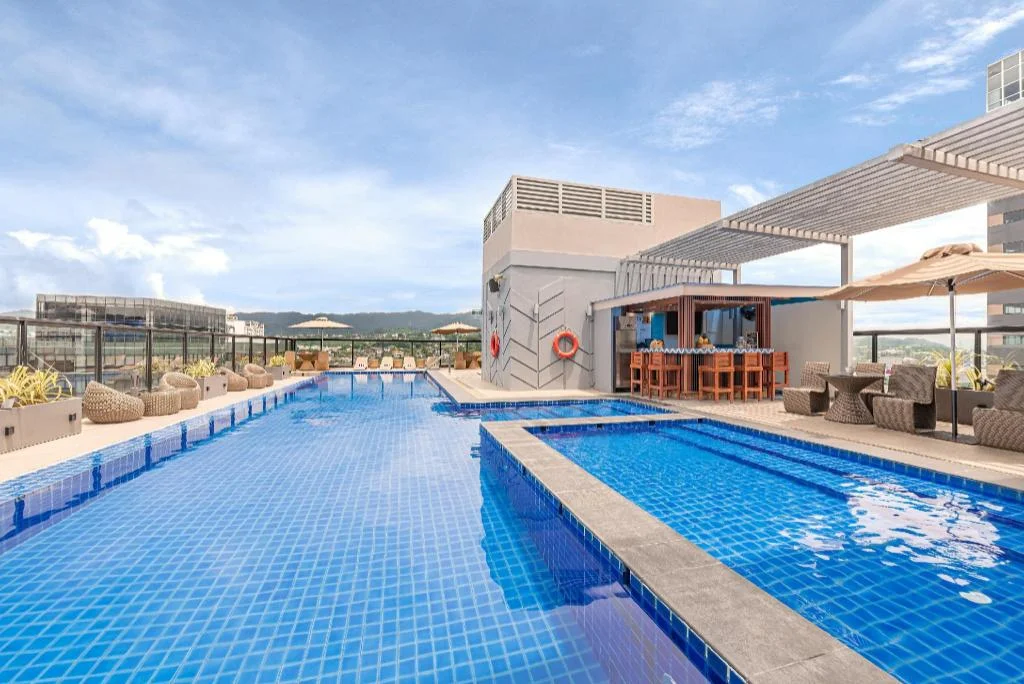
Seda Central Bloc Cebu City
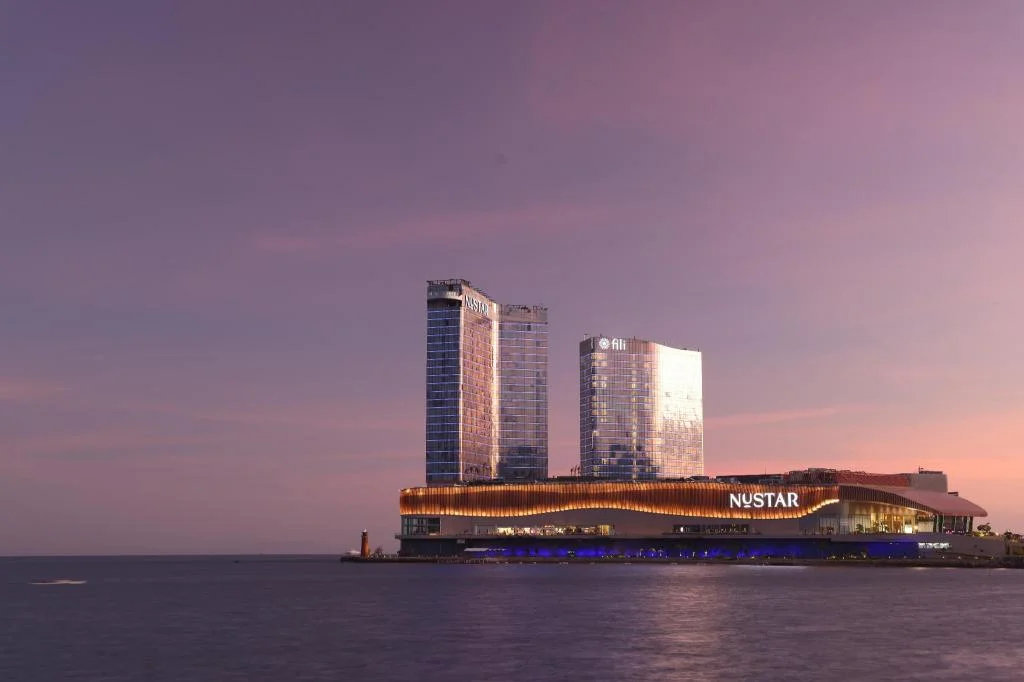
Fili Hotel - NUSTAR Resort & Casino Cebu
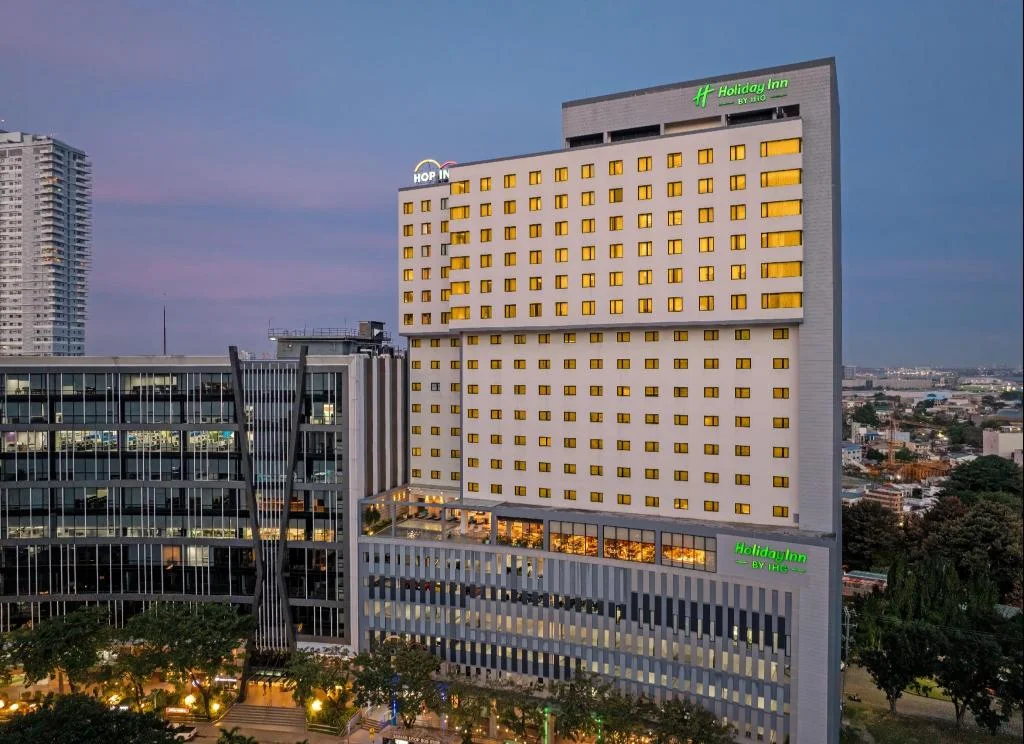
Holiday Inn Cebu City By IHG
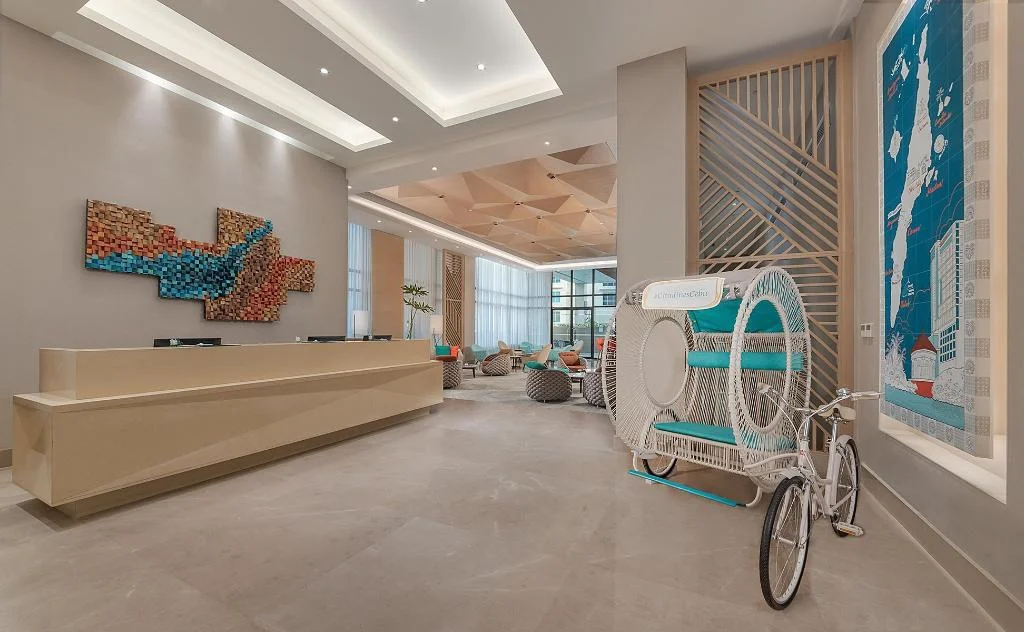
Citadines Cebu City
Prefer a rental? Vacation rentals near Cebu City
Self-catering condos and apartments — book the exact unit, kitchen included.
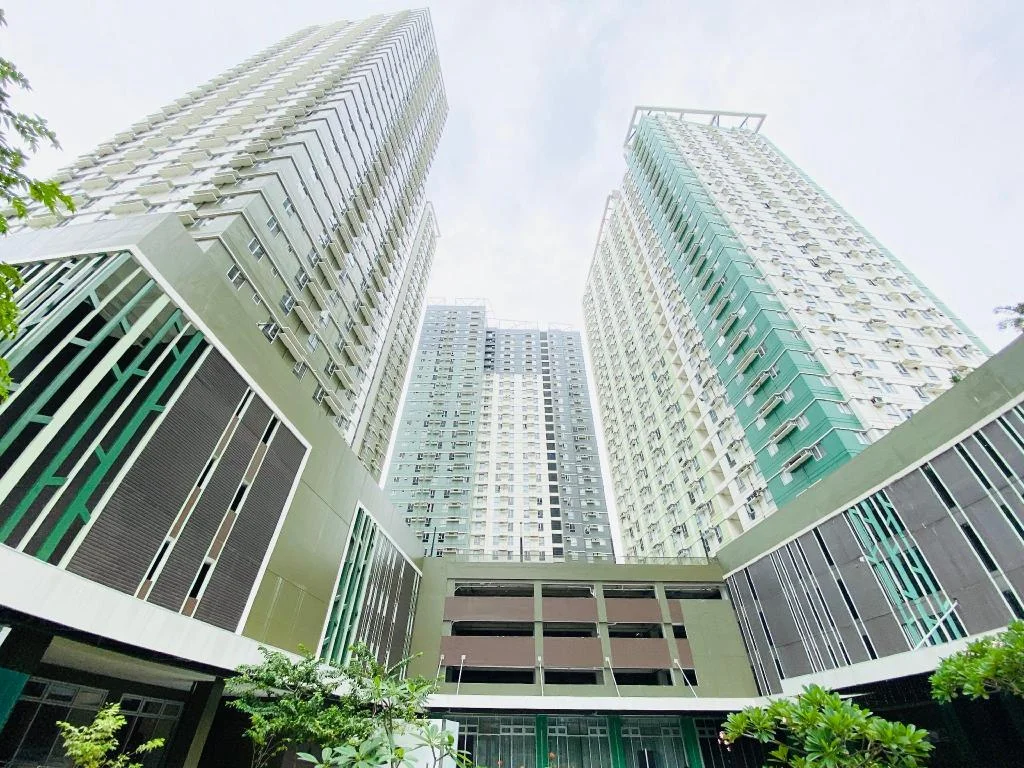
Cebu Avida Riala by P&J

Special Big Loft Unit w/Fibreop Internet & Netflix
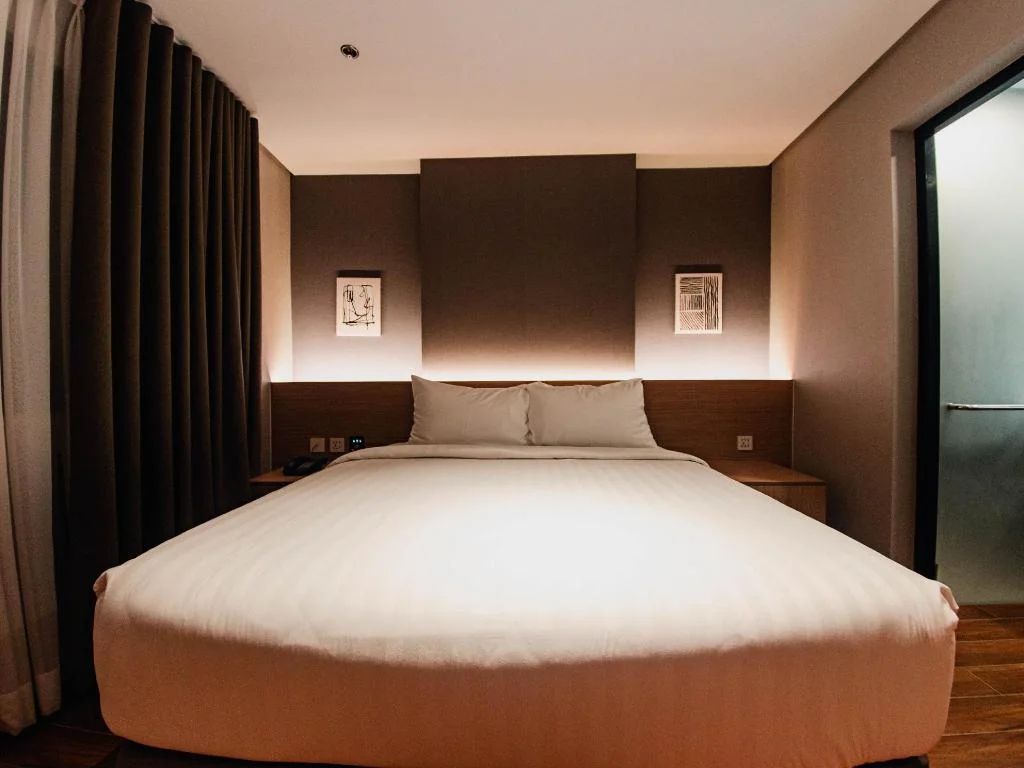
Moonstar Cebu Hotel - Deluxe Room
Before you go
Frequently asked
Do people speak English in Cebu?
Is there a language barrier for tourists visiting Cebu?
What language do Cebuanos actually speak day to day?
Do tricycle, habal-habal, and jeepney drivers speak English?
Do I need to learn Bisaya before visiting Cebu?
Will menus, signs, and official documents be in English?
Why is English so widespread in Cebu specifically?
Is Cebu a good destination if English is my only language?
More Places to Explore
Temple of Leah
Cebu City
A magnificent Roman-inspired temple built as a monument of love, nicknamed 'Cebu's Taj Mahal,' offering stunning architecture and city views.
Tops Lookout
Cebu City
Cebu City's premier hilltop viewpoint offering stunning panoramic views of the city, especially spectacular at sunset and nighttime.