
TL;DR: Cebu’s daily rhythm runs through its wet markets, sari-sari stores, and jeepneys, not its malls. Carbon Market and Taboan Market in downtown Cebu City run something close to daily, from before dawn into the afternoon, while smaller towns still keep a weekly “tabo” market day — Dalaguete’s Mantalongon is the clearest example, with Thursday as its big trading day. A sari-sari store sells almost everything in single-serve “tingi” portions, jeepneys start at about ₱13-14 (US$0.22-0.24) a ride, and Sunday still means Mass and a family lunch for most households. None of this costs much to see, but it explains more about Cebu than any single attraction does. Verified July 2026.
If you want to understand Cebu beyond the beaches and waterfalls, spend one morning at a wet market and one afternoon riding a jeepney. This is where the province actually lives — the produce that ends up on your sutukil plate, the sachet of shampoo bought one use at a time, the ₱13 jeepney ride that gets someone to work. Carbon Market and Colon Street in downtown Cebu City are the easiest places to see it firsthand, both walkable from each other and from the historic core. This guide is for the traveler (or new resident) who wants to understand daily life here, not just tick off a landmark — what a wet market actually is, how a sari-sari store and its “tingi” culture work, what “tabo” means, how the jeepney commute runs, and what a typical day and Sunday actually look like for most Cebuanos.
At a Glance: Everyday Cebu, By the Numbers
| Everyday thing | Typical cost/detail (2026) | Notes |
|---|---|---|
| Jeepney minimum fare | ₱13-14 (~US$0.22-0.24) | First 4 km; LTFRB approved a ₱1 hike to ₱14 in March 2026, rollout varies by route |
| Carbon Market hours | ~8:00 AM-5:00 PM daily (public market) | Night market food stalls run Fri-Sun, ~4:00-10:00 PM separately |
| Taboan Market hours | ~4:00 AM-8:00 PM daily | Dried fish and pasalubong hub |
| Danggit (dried fish), salted | ₱400-600/kg (~US$7-10) | Cheaper at the market than malls or the airport |
| Mangoes at Carbon | Noticeably below supermarket price | Buy only what you’ll eat in 1-2 days, no refrigeration |
| Sari-sari “tingi” sachet | ₱5-15 per single-use portion | Shampoo, coffee, laundry powder, single cigarettes |
| Tabo (market day) example | Mantalongon, Dalaguete — Thursday | Weekly livestock/produce trading day; smaller Sunday market too |
Prices vary by stall, season, and route. Confirm locally before you go. Verified July 2026.
What Is a Wet Market, and Why Does Cebu Still Run on One?
A wet market is an open-air market selling fresh produce, meat, and fish — the daily-use opposite of a packaged supermarket aisle — and in Cebu it’s still where most households actually shop. Carbon Market, Cebu City’s oldest and largest public market, runs roughly 8:00 AM to 5:00 PM for its main stalls, with a separate night market strip along ML Quezon Boulevard open Friday through Sunday from about 4:00 to 10:00 PM. It’s not curated for tourists — vendors call out prices, floors are wet from fish and ice, and everything is negotiable in small ways. That’s the point. A visit here tells you more about how Cebuanos eat and shop than a week of restaurant meals.
A short ride away, Taboan Public Market on Tres de Abril Street is the province’s dried-fish specialist, open roughly 4:00 AM to 8:00 PM daily. It’s where Cebuanos buy the danggit (dried rabbitfish), dried squid, and other seafood that ends up as pasalubong (homecoming gifts) for relatives abroad or elsewhere in the Philippines — a genuinely local habit, not a tourist invention. Salted danggit runs about ₱400-600 per kilo in 2026, meaningfully cheaper than the ₱650-900/kg it can hit at a mall or the airport.
Both markets reward an early visit. Between about 6:00 and 9:00 AM, produce is freshest, the day’s fish delivery hasn’t sold out, and the aisles aren’t yet packed shoulder to shoulder.
What Is “Tabo” — and Does It Still Happen in Cebu City?
Tabo means market day: a specific weekday when a town’s public market fills up with vendors and shoppers from the surrounding barangays, as opposed to running at full scale every day. The word is baked into the province’s geography — Taboan, Cebu City’s dried-fish market, takes its name from it. In Cebu City itself, the two big markets (Carbon and Taboan) run close to daily now, since the city’s population and demand support that. Tabo as a distinct weekly event is easier to see in the smaller towns.
The clearest living example is Mantalongon Market in Dalaguete, about two hours south of Cebu City. Thursday is the big trading day, when farmers, traders, and buyers converge for vegetables, livestock, and produce from across the southern towns; there’s also a smaller Sunday morning market. If you’re already heading south toward Osmeña Peak or the south Cebu waterfall trail, timing a stop at Mantalongon for a Thursday morning gives you the closest thing left to an old-style Cebuano tabo.
How Do Sari-Sari Stores and “Tingi” Culture Work?
A sari-sari store is a small, usually family-run neighborhood shop — the word means “variety” — selling everyday goods in whatever size a customer can afford, right down to a single unit. You’ll see one on nearly every block: a window counter, a wall of hanging sachets, a fridge of cold drinks, plastic stools out front where neighbors sit and talk. It’s less a business than a piece of neighborhood infrastructure, open long hours (some past midnight) because life doesn’t stop needing rice, phone load, or a lighter.
The retail habit that makes this work is called tingi: selling single-use portions rather than full packages. A sari-sari store sells one stick of a cigarette, one sachet of shampoo, a spoonful of instant coffee in a small sachet, a single egg, or ₱20 worth of cooking oil, matched to how Filipino households actually get paid — often daily or weekly, not monthly. It’s worth trying yourself: buying a single sachet of laundry powder for ₱7 instead of a full box you’ll leave behind is both authentic and practical if you’re staying a short while.
How Does the Jeepney Commute Actually Work?
A jeepney ride starts at ₱13-14 for the first four kilometers, paid hand-to-hand through the other passengers to the driver, and it’s still how most of Cebu gets to work, school, and market. The LTFRB approved a nationwide ₱1 fare hike (to ₱14 for traditional jeepneys) in March 2026, though the rollout timeline varies by region and route, so you may see either fare posted depending on when a driver last updated their chart. Confirm the number on the driver’s posted fare matrix before you board.
To ride one: flag it down with a low hand wave, climb in through the back, and pass your fare forward while naming your destination or the fare amount — other passengers relay both the money and the change without being asked. To get off, say “Lugar lang” (“just here is fine”) a little before your stop. Jeepneys display route codes on the windshield (like 04B or 17C); our jeepney routes and how-to guide covers the code system if you want to actually navigate the network rather than just watch it go by.
What Does a Typical Cebuano Day Look Like?
Most households are up by 5:00-6:00 AM, ahead of the heat, with a market run or sari-sari errand folded into the morning before the jeepney or habal-habal (motorcycle taxi) commute to work or school. Breakfast is often simple — rice, egg, and a fried or dried protein like the danggit Taboan is famous for. Mid-morning and mid-afternoon bring merienda, a snack break as culturally fixed as lunch itself — a piece of puto, a banana-cue, or whatever the neighborhood sari-sari or street vendor is selling that day.
Sunday shifts the rhythm entirely. Mass in the morning, then a family lunch that runs long, is still the default for most Cebuano households, Catholic identity being central to daily and weekly life here (see our Cebuano culture and customs primer for more on how faith shapes the calendar). Traffic and market crowds both thin out on Sunday morning as a result, then pick back up for the afternoon family gatherings.
How Should a Visitor Approach These Places?
Go early, bring small cash, and treat it as a market first and a photo opportunity second. Bring ₱500-1,000 in small bills (₱20s, ₱50s, ₱100s) since stalls can rarely break a ₱1,000 note for a ₱60 purchase — our currency exchange guide covers where to get pesos at a fair rate before you go. Bargaining is normal but light: a polite “pwede pa-discount?” on a bulk buy is fine, but haggling hard over a ₱20 bundle of vegetables reads as rude, not savvy. Sari-sari stores don’t negotiate at all — the sachet prices are fixed. And buying something, even a small bag of mangoes, is a better way to be present in a working market than walking through empty-handed with a camera.
The Honest Take
This is the least “attraction-shaped” guide on the site, and that’s deliberate. Carbon and Taboan are genuinely worth a morning if you want to understand Cebu, but they’re not curated for comfort — expect wet floors, strong fish smells, no air conditioning, and crowds that build fast after 9:00 AM. If that’s not your thing, a shorter visit (30-45 minutes, early) still gets you the atmosphere without the full grind. The “tabo” concept is more historically interesting than practically visitable from Cebu City itself, since the capital’s own markets no longer keep a single weekly market day; if you want to see a real tabo in action, you have to make the trip out to a town like Dalaguete on the right day. And don’t mistake any of this for a performance — these are working markets and neighborhood shops that Cebuanos rely on every day, not a cultural show staged for visitors.
See It for Yourself
Pair a morning at Carbon Market with a walk down Colon Street, then push on to Taboan for pasalubong shopping — our Carbon Market guide and taboan market guide both go deeper on what to buy and how to bargain. If food is really what you’re after, our Cebuano food culture guide picks up where this one leaves off, since so much of daily life here runs on what’s cooking. For getting between it all without a driver, book an airport transfer or day tour on Klook if you’d rather have a guide handle the jeepney routes for you on your first day.
Sources
- Sari-sari store — Wikipedia
- Unpacking the culture of ‘tingi’ — Philippine Daily Inquirer
- Rappler — Fare hikes: how much jeepneys, buses, and ride-hailing cars now cost (March 2026)
- Manila Bulletin — LTFRB approves ‘balanced’ fare hikes for jeepneys, other PUVs
- Market Manila — The Mantalongon Vegetable Market
- Carbon Market and Taboan Market hours and prices cross-checked against recent (2025-2026) traveler and vendor reporting. Verified July 2026.
Book Tours & Hotels for This Trip
Find and book the best deals — prices and availability update in real time. Links open in a new tab.
Where to stay near Cebu City
Top-rated hotels for this trip — tap through to check live rates.
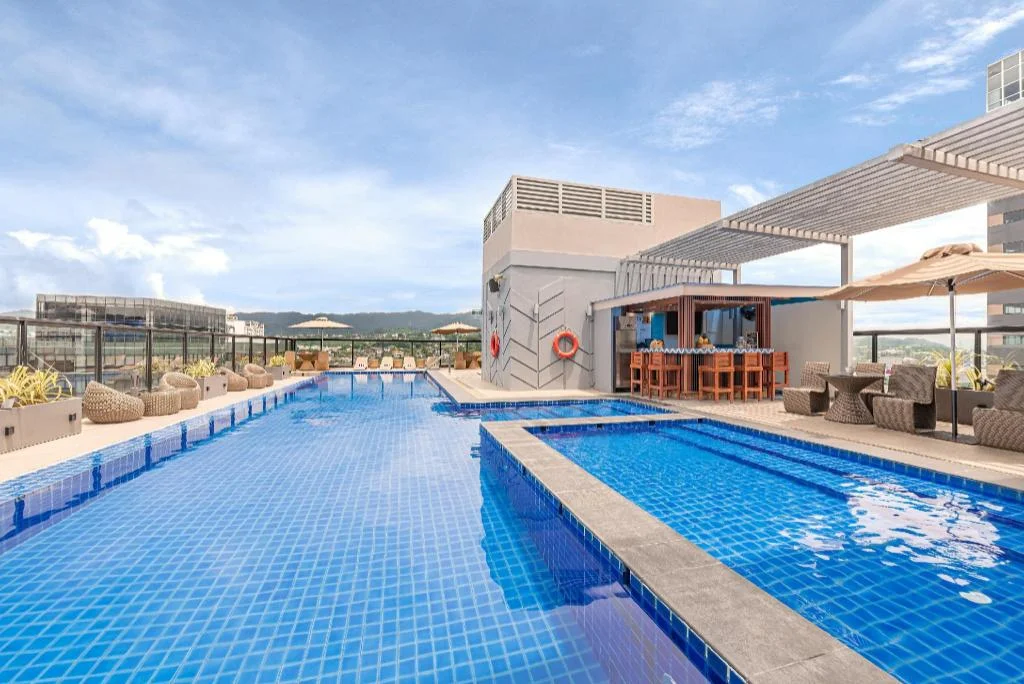
Seda Central Bloc Cebu City
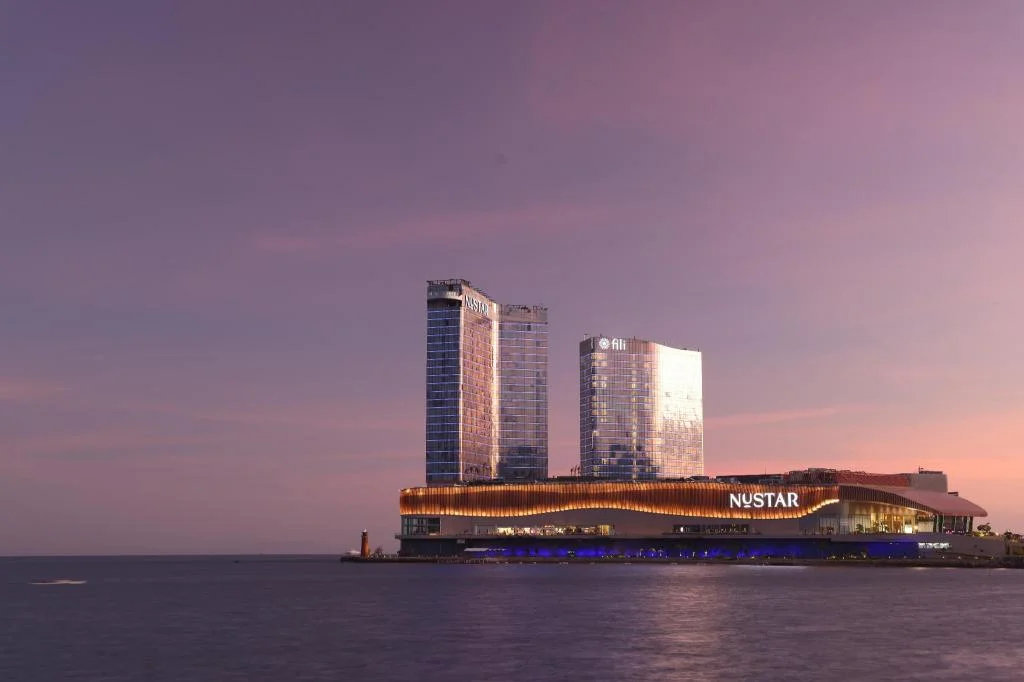
Fili Hotel - NUSTAR Resort & Casino Cebu
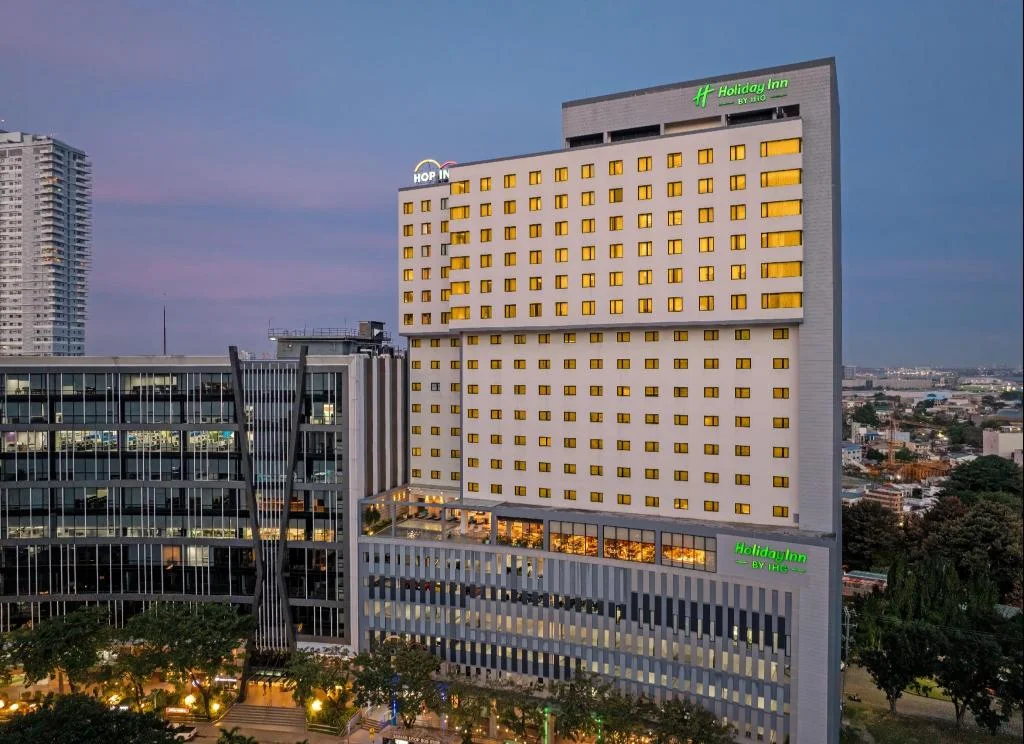
Holiday Inn Cebu City By IHG
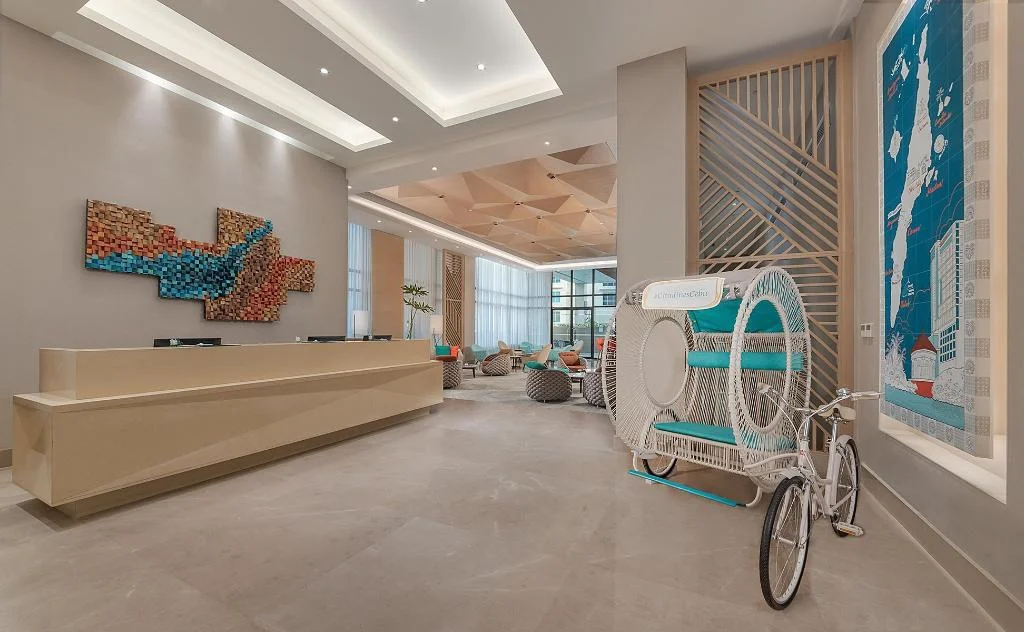
Citadines Cebu City
Prefer a rental? Vacation rentals near Cebu City
Self-catering condos and apartments — book the exact unit, kitchen included.
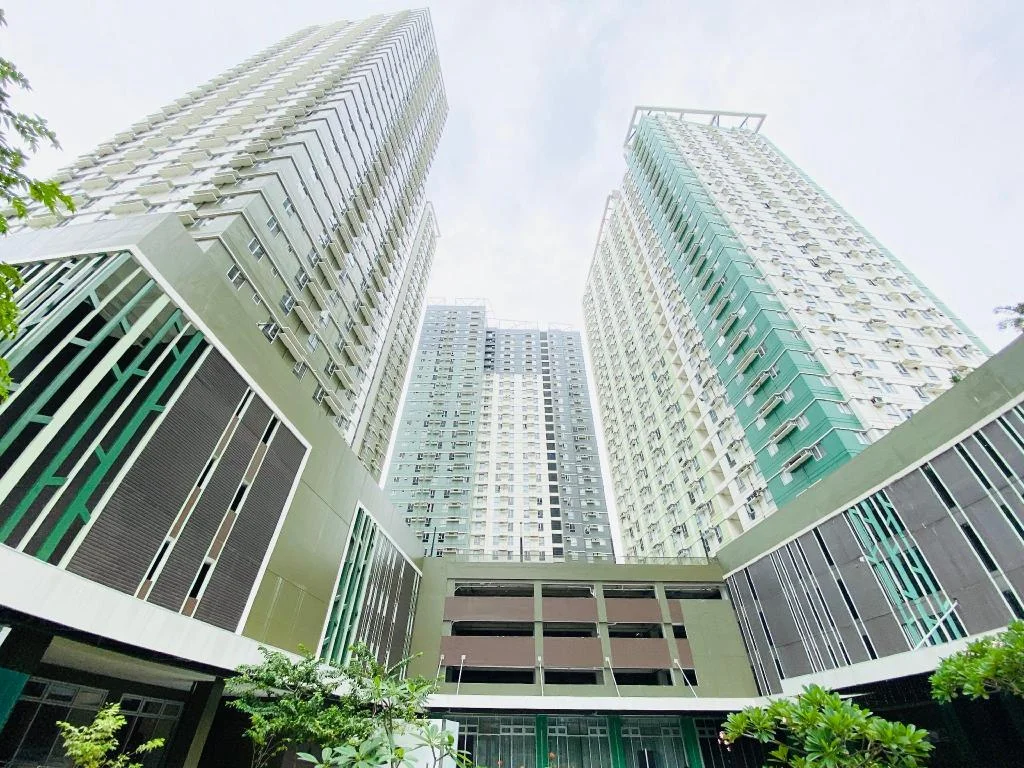
Cebu Avida Riala by P&J

Special Big Loft Unit w/Fibreop Internet & Netflix
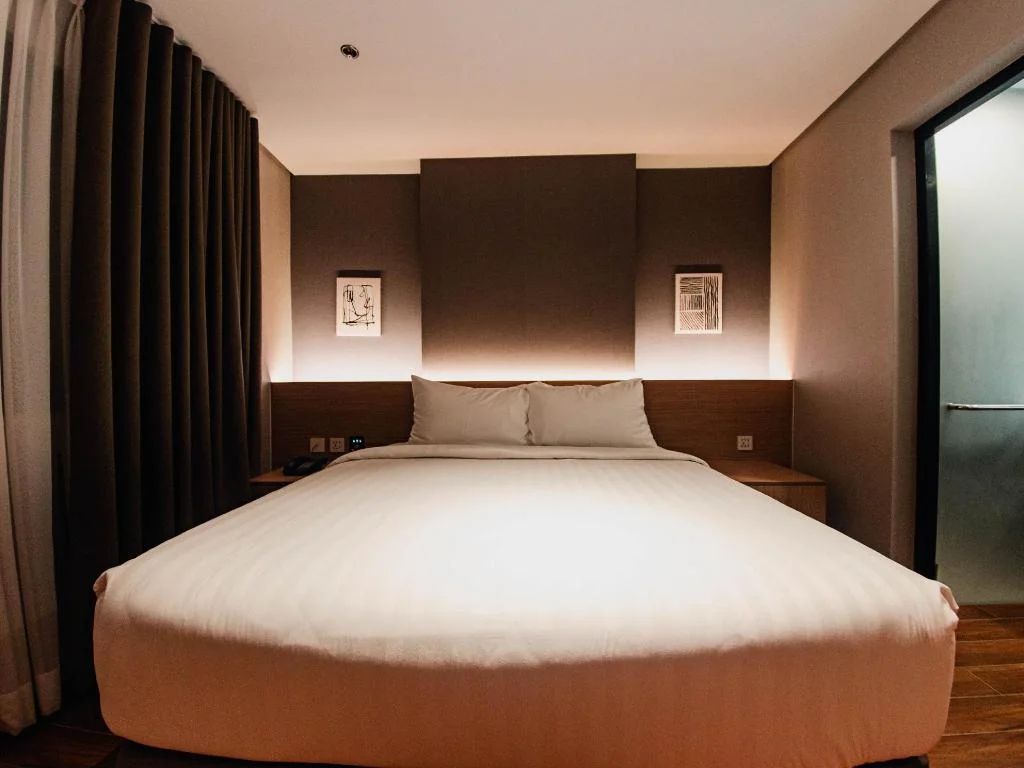
Moonstar Cebu Hotel - Deluxe Room
Before you go
Frequently asked
What is a 'tabo' in Cebu?
What does 'tingi' mean and why does it matter?
Are Carbon Market and Taboan Market safe for tourists to visit?
How much cash should I carry for a market visit?
Do I need to bargain at Cebu markets?
What time do Cebu markets open?
What is a typical Cebuano daily routine like?
Can I just watch or do I need to buy something?
More Places to Explore
Carbon Market
Cebu City
Cebu's oldest and largest market (since 1909), offering an authentic local shopping experience with fresh produce, seafood, and traditional goods.
Colon Street
Cebu City
The oldest street in the Philippines, a historic commercial thoroughfare that has been Cebu's trading center since Spanish colonial times.