
TL;DR: Cebuano culture runs on three things: deep Catholic devotion to the Santo Niño, loyalty to family and hometown, and a regional pride that pushes back against “imperial Manila.” You will see it in fiesta-day lechon (Cebu-style, no liver sauce, roughly ₱600–800/kg, US$10–13), in the guitar culture out of Mactan, and in the instinct to treat a stranger like family within minutes of meeting them. None of it is staged for tourists; it is how 44 towns and cities across the province actually run, 365 days a year. Verified July 2026.
Cebu can feel like a beach-and-waterfall destination on paper, but the culture underneath it is what makes the place stick with people. This guide is a primer on Cebuano identity: who Cebuanos are, what they believe, what they eat and sing and argue about, and how that shows up at the Basilica del Santo Niño and the Heritage of Cebu Monument as much as at a random Tuesday lunch. It is written for the traveler who wants context before landing, not just a checklist of dos and don’ts. For the practical etiquette rules, see our Cebu local etiquette and customs guide and Filipino-Cebuano etiquette do’s and don’ts; this one is the wider picture those two sit inside.
Cebuano Culture at a Glance
| Element | What it is | Where to see or try it |
|---|---|---|
| Santo Niño devotion | Catholic faith centered on the Christ Child relic from 1521 | Basilica del Santo Niño, daily masses |
| Bisaya / Bisdak identity | Regional and linguistic pride distinct from Tagalog/Manila | Everyday speech, local radio and TV |
| Lechon | Whole roast pig, the centerpiece of celebrations | Carbon Market stalls (₱400–550/kg) up to Zubuchon or CnT (₱600–750/kg) |
| Fiesta culture | Town-by-town patron saint festivals with open-house hospitality | Any town fiesta, especially May, October, December |
| Guitar and music tradition | Handcrafted guitars, balitaw, harana, karaoke culture | Mactan Guitar Factory, local videoke bars |
Prices for lechon per kilo, verified July 2026 (₱62 ≈ US$1).
What does it mean to be Cebuano, or “Bisaya”?
Cebuano refers to both the language and the people of Cebu, while Bisaya is the wider term for the Visayan region’s peoples and languages. Cebuanos use the two words almost interchangeably to describe themselves. You will also hear “Bisdak,” short for Bisayang dako, a genuine, full-blooded Bisaya, used as a badge of pride rather than an insult. Our Cebuano vs. Tagalog language explainer breaks down how different the two languages actually are; they are not dialects of each other, despite what some Manila-centric textbooks imply.
Being Cebuano carries a specific self-image locally: resourceful, plainspoken, quick to laugh, and quietly certain that Cebu does things its own way, and does some of them better than the capital. That self-image is not empty boasting. Cebu was the first Spanish colonial capital of the Philippines, decades before Manila took over the role, and Cebuanos bring that history up more than you would expect for a conversation about, say, where to get the best barbecue.
Why is faith in the Santo Niño so central to Cebuano life?
Because the Santo Niño is the oldest Christian relic in the country, and for most Cebuanos it is a living object of devotion, not a museum piece. Ferdinand Magellan’s expedition gave the small image of the Christ Child to Cebu’s queen, Juana, at her 1521 baptism, and it survived through Spanish colonization to become the anchor of the Basilica del Santo Niño downtown. Devotees line up daily to touch the shrine, light candles, and pray, and the January Sinulog festival, the country’s biggest, exists to honor it. Locals greet the icon with “Pit Señor,” short for the Cebuano “sangpit kang Señor,” meaning “I call upon the Lord.”
This devotion sits comfortably next to a lot of folk practice, from healers who bless with holy water to households that keep a Santo Niño figure by the door. If you want the full festival mechanics rather than the faith behind them, our Sinulog festival guide covers dates, the parade route, and where to watch.
What values matter most day to day?
Family, hospitality, and getting along without causing a scene, known locally as “pakikisama,” are the three that shape most interactions. Extended families often live near each other or under one roof, and major life decisions (where to work, who to marry, whether to move abroad) get run past parents and elders as a matter of course, not obligation. Respect for age shows in small things: a younger person steps aside for an older one, addresses them formally, and rarely argues in public.
Hospitality is not a slogan here. It is normal for a Cebuano household to feed an unannounced visitor, including a foreigner who wandered in with a friend, and to treat refusing food as mildly rude. Humor runs alongside all of it. Cebuanos joke through hard situations, including typhoons and blackouts, as a coping mechanism as much as entertainment, and self-deprecating jokes about being “promdi” (from the province) versus Manila sophistication are a running bit rather than an insecurity.
Why does every town have its own fiesta?
Because Spanish-era Catholic tradition assigned each town and barrio a patron saint, and the feast day became the year’s biggest local event. Cebu province has 44 towns and 9 cities, and nearly every one runs its own fiesta, typically built around a novena of masses, a procession, a parade or pageant, and an open-house tradition where families cook far more food than they can eat and welcome anyone who shows up, guests included. Santo Niño-themed fiestas cluster in January, and May, October, and December are the busiest months province-wide for feast days.
If a Cebuano friend or host invites you to their town fiesta, go. It is a far more direct way to experience local hospitality than any tour, and turning up with a small gift (fruit, pasalubong sweets) is appreciated but not required. See our things to do in Cebu guide for how fiesta season lines up with the rest of a trip.
Why is lechon more than food here?
Because lechon is the marker of a real celebration, and Cebu-style lechon is widely considered the country’s best version of it. Unlike Manila lechon, which typically comes with a thick liver-based sauce, Cebu’s version is stuffed with lemongrass, garlic, and native herbs and is meant to be eaten plain, skin crackling, meat already seasoned from the inside out. Anthony Bourdain called it “the best pig, ever” on television, and locals will tell you that only confirmed what they already knew.
Expect lechon at weddings, birthdays, christenings, Christmas, and any fiesta table. Whole roast pigs run roughly ₱8,000–18,000 depending on size and vendor, and by-the-kilo prices range from about ₱400–550 at Carbon Market stalls up to ₱600–800 at known names like Zubuchon, CnT, and Rico’s (US$6–13 per kilo). Our Cebu lechon guide and where to buy the best lechon cover exactly where to get it.
What’s the deal with the guitars and music?
Cebu, particularly the town of Maribago on Mactan, has manufactured handcrafted guitars for generations, using local hardwoods, and the province built a genuine reputation for both guitar-making and guitar-playing. Traditional Visayan music includes the balitaw, a sung debate between a man and a woman performed to guitar or native flute, and the harana, a serenade style, both distinct from the Tagalog kundiman in rhythm and key. None of this is a museum piece either: karaoke culture is enormous across Cebu, impromptu guitar sessions at gatherings are common, and Cebuano-language pop music has its own local following alongside national OPM. The Mactan Guitar Factory is a working example you can visit and watch instruments being built by hand.
Is there real tension between Cebu and Manila?
Some, though it plays out mostly as cultural needling rather than open conflict. Cebu was the Spanish colonial capital before Manila, and Cebuanos are quick to note that national attention, airline routes, and government spending still skew toward “imperial Manila” while the Visayas gets less. Bisaya speakers get mocked for their accent in Manila-produced media often enough that it has become a sore point, and Cebuanos push back by insisting that outsiders should not assume everyone in the Philippines speaks Tagalog. Cebuano-language radio, local TV, and regional pop culture are a point of quiet pride precisely because they hold their own against a media industry centered hundreds of kilometers away.
How to engage with it respectfully as a visitor
- Learn a handful of actual Cebuano phrases, not Tagalog ones; our basic Cebuano/Bisaya phrases for travelers is a good starting point, and the effort is noticed.
- Dress modestly at churches and shrines, especially the Basilica.
- Accept food when it is offered. A flat refusal reads as rude more than polite.
- Ask before photographing people, processions, or private ceremonies.
- Do not compare Cebu unfavorably to Manila or Boracay out loud; you will get a polite laugh and a permanent mental note.
- If you are in town during a fiesta, join it rather than avoid it. It is the most direct route into the culture this guide describes.
Beyond etiquette, the history of Cebu overview fills in why the province carries itself the way it does, from the Rajahnate era through the Spanish arrival to today.
The Honest Take
None of this culture is performed for visitors, which is both its strength and its limit as a “tourist experience.” You cannot really book Cebuano hospitality; you either encounter it because someone invited you into their circle, or you get the friendly-but-transactional version at a tour desk. Fiesta season is the one reliable window where an outsider can see the real thing up close, so time a visit around a town fiesta if you can, rather than only around beach weather. Skip anywhere that packages “cultural shows” as a stand-alone paid attraction disconnected from an actual community event; those tend to be thin compared to the real thing happening down the street for free.
Combine It With the Rest of Cebu
Pair this primer with a walk through the Basilica del Santo Niño and the Heritage of Cebu Monument, then build the rest of a trip around fiesta timing using our Cebu events calendar. If your dates line up with a heritage or food walk, a guided option is worth it for the context alone: browse Cebu heritage and food walking tours on Klook or compare cultural tour options on GetYourGuide. For where to base yourself while you explore, check current rates for Cebu City hotels on Agoda.
Sources
- Santo Niño Basilica de Cebu — official chronicles on “Pit Señor” and devotion history
- Rappler — history of Cebu’s Fiesta Señor and Sinulog Festival
- Cebuano people — Wikipedia
- Positively Filipino — “The Best Pig in the World” on Cebu lechon
- WhyCebu — Best Lechon in Cebu, 2026 prices
- Visayan music traditions (balitaw, harana, guitar-making) referenced against multiple Cebuano cultural histories. Verified July 2026.
Book Tours & Hotels for This Trip
Find and book the best deals — prices and availability update in real time. Links open in a new tab.
Where to stay near Cebu City
Top-rated hotels for this trip — tap through to check live rates.
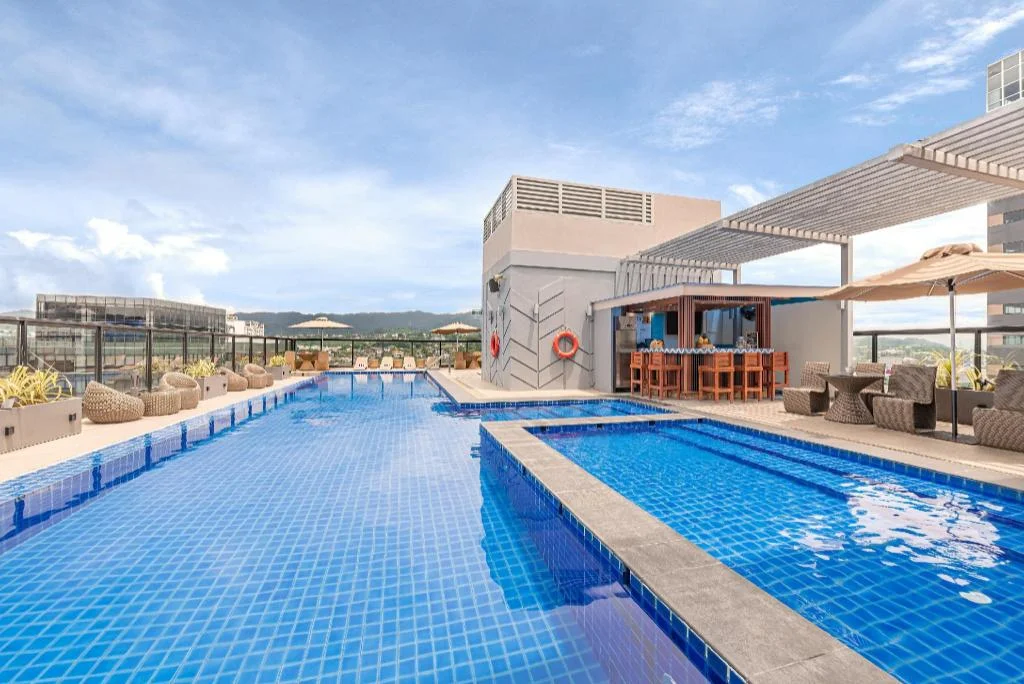
Seda Central Bloc Cebu City
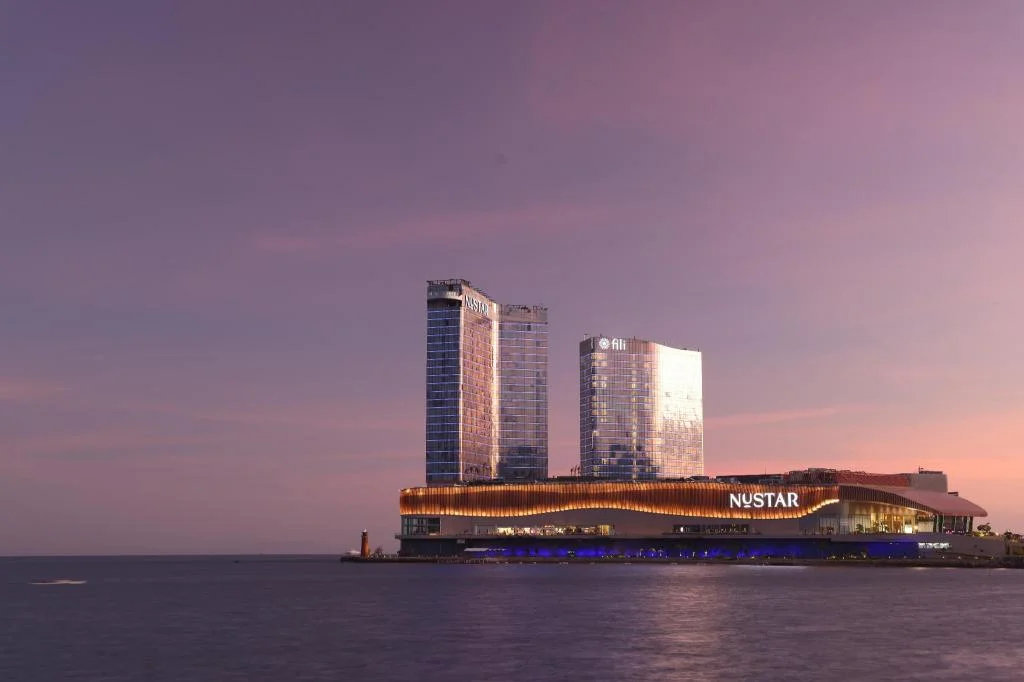
Fili Hotel - NUSTAR Resort & Casino Cebu
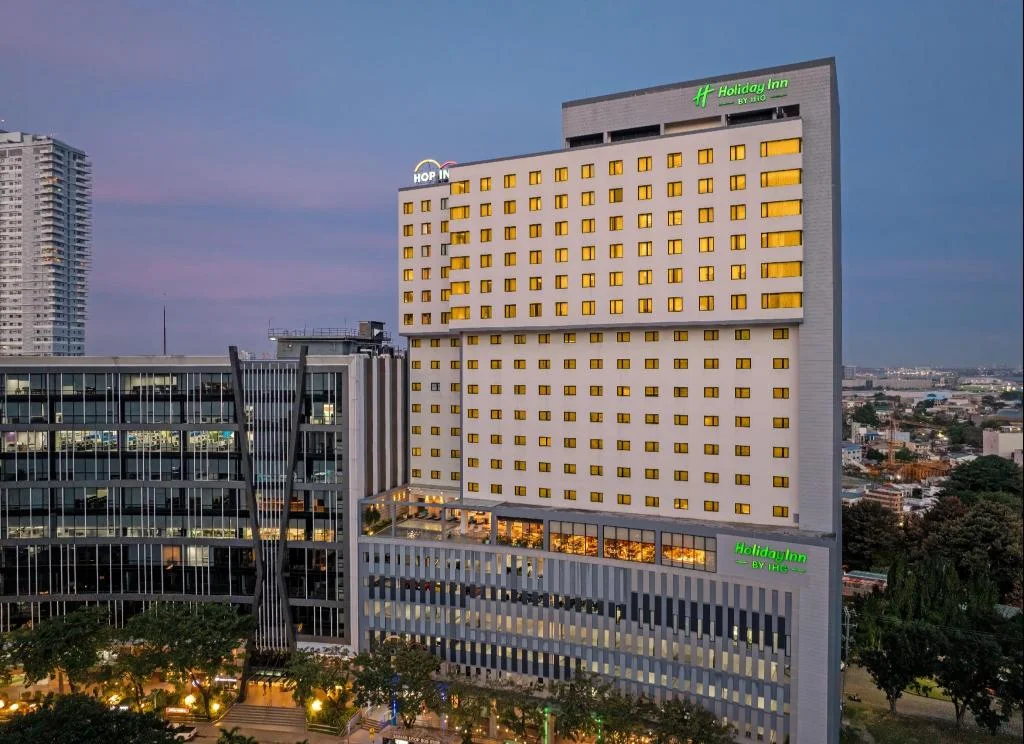
Holiday Inn Cebu City By IHG
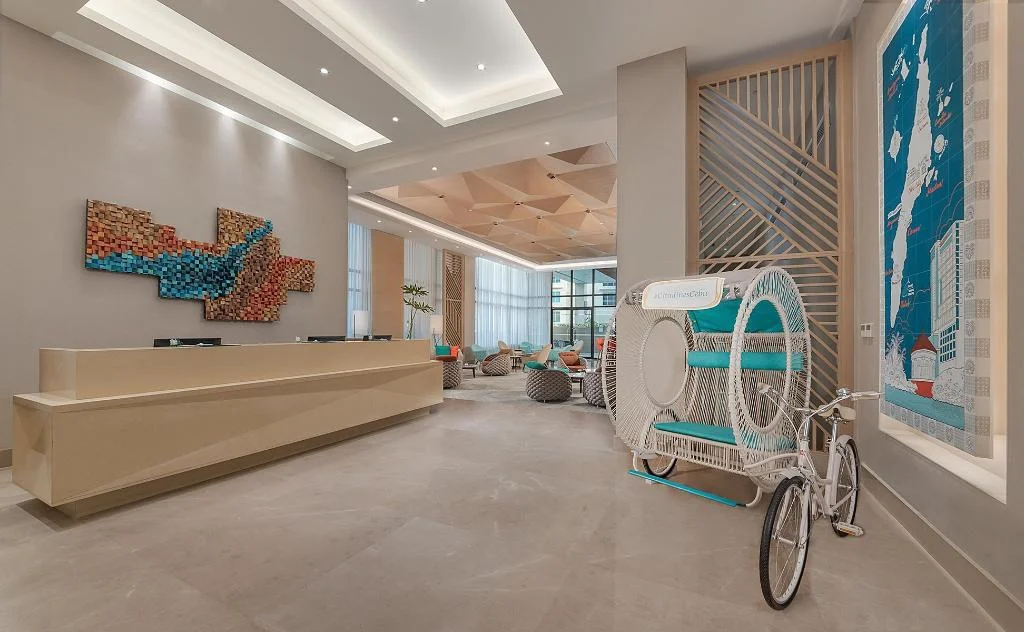
Citadines Cebu City
Prefer a rental? Vacation rentals near Cebu City
Self-catering condos and apartments — book the exact unit, kitchen included.
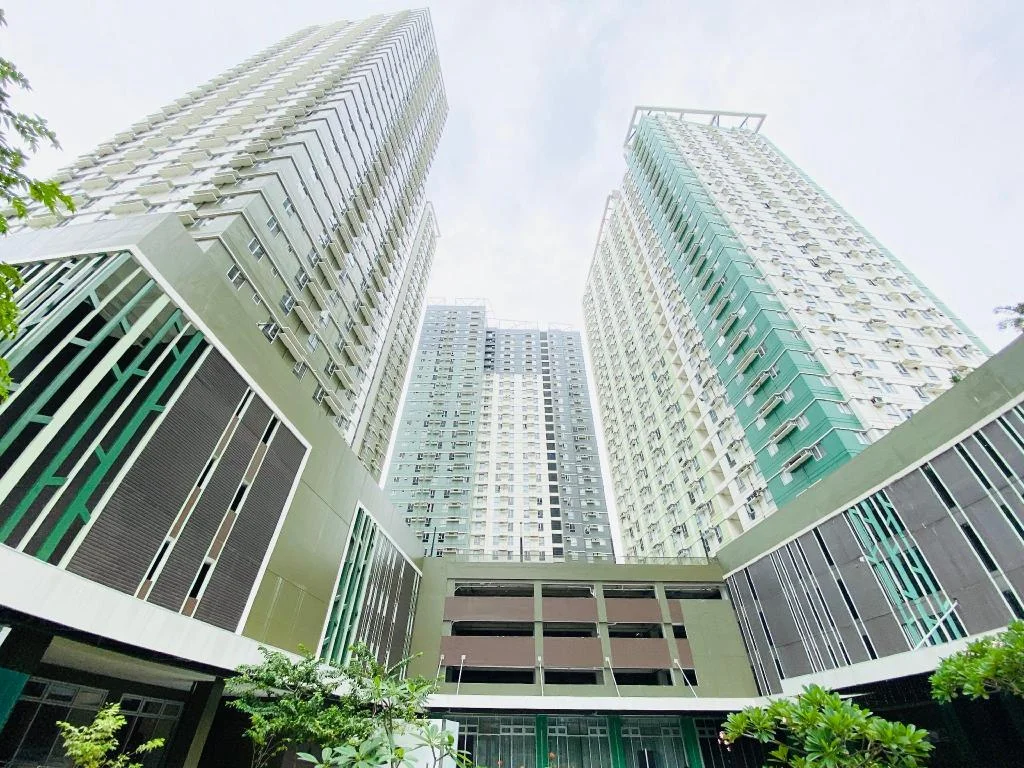
Cebu Avida Riala by P&J
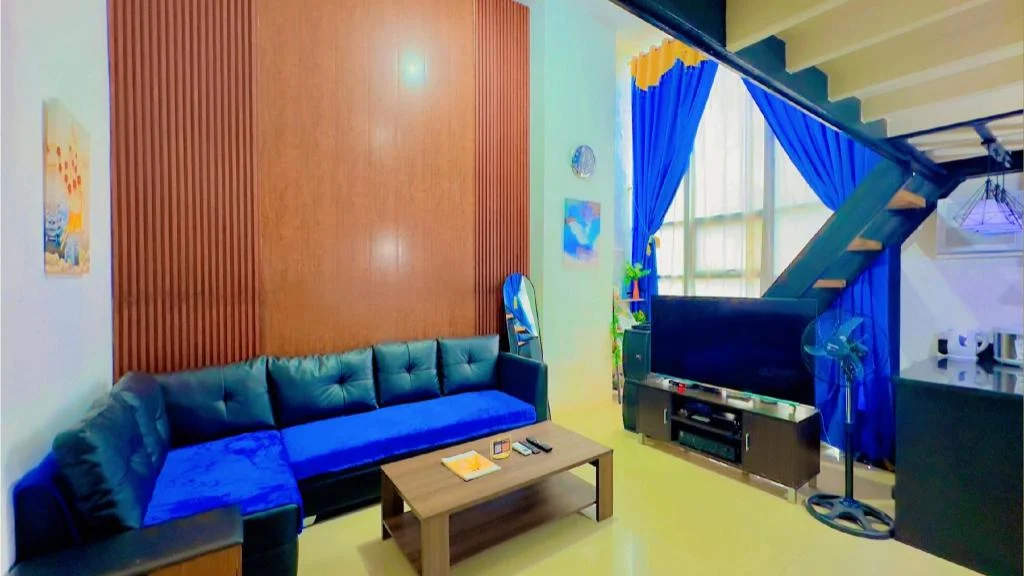
Special Big Loft Unit w/Fibreop Internet & Netflix
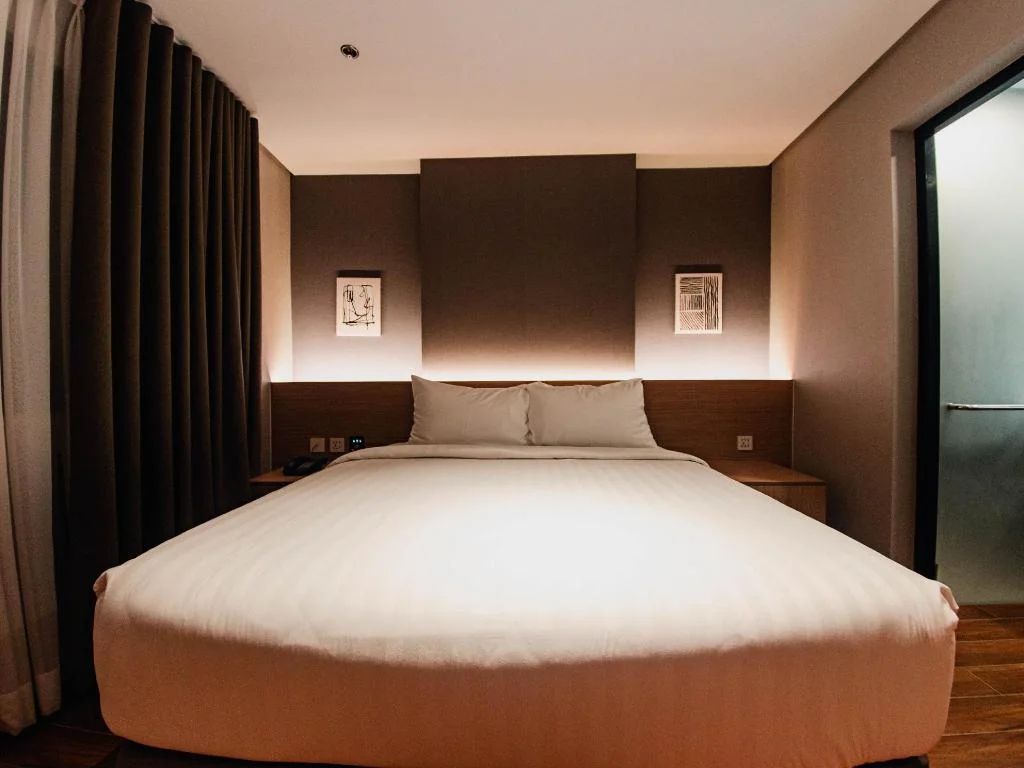
Moonstar Cebu Hotel - Deluxe Room
Before you go
Frequently asked
What does 'Bisaya' mean and is it different from Cebuano?
Why is the Santo Niño such a big deal in Cebu?
Is there real tension between Cebu and Manila?
What are the most important Cebuano values to know as a visitor?
Why does lechon matter so much to Cebuanos?
What is a Cebuano town fiesta like?
Are Cebuanos really into guitars and music?
How do I show respect for Cebuano culture as a tourist?
More Places to Explore
Basilica del Santo Niño
Cebu City
The oldest church in the Philippines (1565), home to the miraculous Santo Niño image and center of the famous Sinulog Festival.
Heritage of Cebu Monument
Cebu City
A dramatic sculptural tableau by Eduardo Castrillo depicting key moments in Cebu's history, from Magellan's arrival to modern times.